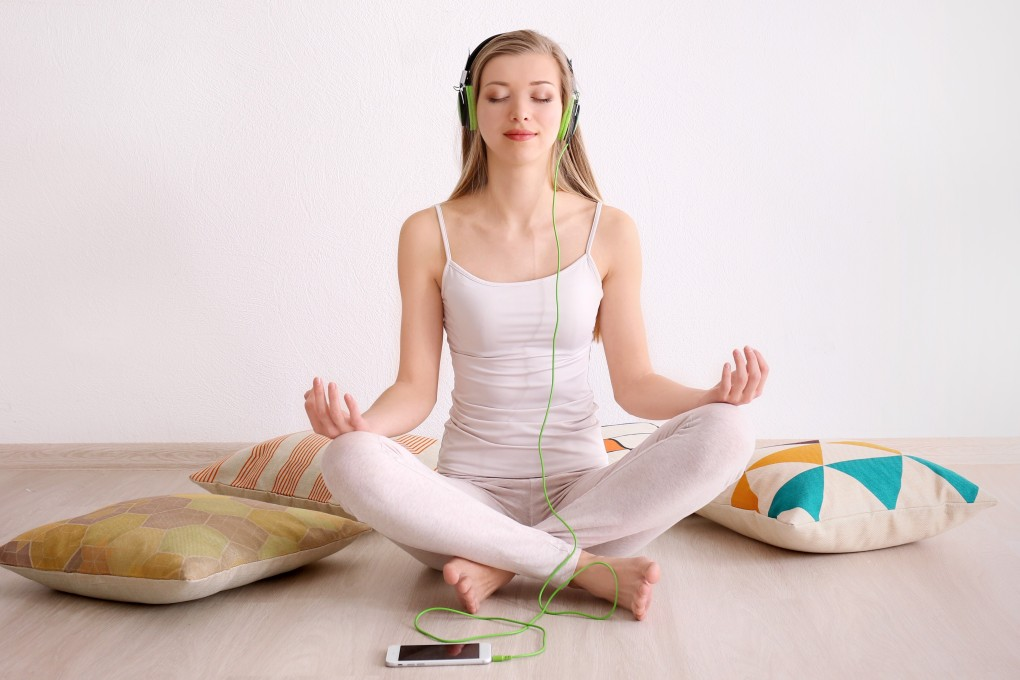
Dinner is finished. One of you opens a message while the other reaches for the remote. A little later, you are sitting beside each other, looking at different screens.
It is an ordinary evening. But perhaps you had hoped to spend some of it together.
Screen-free evening routines for couples create a small, agreed space for that connection. They can be as simple as sharing tea, playing cards, or reading in the same room.
To start a screen-free evening routine, choose a realistic time, put distracting devices aside by mutual agreement, and pick one activity you both enjoy. Begin with a short window that fits your schedule, then adjust it together.
The most useful routine is one you can enjoy on a normal Tuesday.
What Does a Screen-Free Evening Actually Mean?
A screen-free evening is a period when you deliberately step away from recreational scrolling, television, gaming, and other screen activities.
You decide its boundaries together. It might cover dinner, the half-hour afterward, or the time before bed.
Essential communication, assistive technology, medical devices, and caregiving responsibilities can remain available. The purpose is to make room for shared attention while respecting each person’s needs.
Before starting, agree on three things:
- When: After dinner, before bed, or another reliable moment.
- How long: A short trial window you can comfortably manage.
- What: One activity both partners are willing to try.
“Would you like to have tea together after dinner?” gives the evening a clearer starting point than a broad promise to use phones less.
Choose a Routine That Matches Your Energy
Some evenings suit conversation. Others call for something quieter.
These timings are practical suggestions, rather than research-established targets.
| How you feel | An activity to try | Suggested time |
| Tired but wanting company | Read beside each other | 15–30 minutes |
| Ready to talk | Share a drink and a daily check-in | 15–20 minutes |
| Restless after sitting all day | Take a comfortable walk | 15–30 minutes |
| Playful | Cards or a short tabletop game | 20–40 minutes |
| In a creative mood | Draw, write, or make something | 20–45 minutes |
| Short on time | Share one highlight from the day | 5–10 minutes |
Keep a few options available so the routine can change with the evening.
12 Screen-Free Evening Routines for Couples
1. Share a Drink at the Table
Make tea or another drink you both enjoy, then sit somewhere you can comfortably put your cups down.
Leave the television off and give the first few minutes to each other. Talk about something that happened that day, or simply enjoy the drink before starting a conversation.
Use cups you already own. A clear table and two comfortable seats are enough.
If this happens close to bedtime, consider your caffeine preferences. The National Heart, Lung, and Blood Institute notes that caffeine can interfere with sleep and recommends avoiding it before bed.
2. Have a Check-In Where Listening Comes First
Ask a more specific question than “How was your day?”
Try:
- “What stayed on your mind today?”
- “Was there a moment you wanted to tell me about?”
- “What would make tomorrow a little easier?”
Take turns speaking without interrupting. Before offering solutions, ask whether your partner wants ideas or would prefer you to listen.
The Gottman Institute’s guidance on stress-reducing conversations emphasizes taking turns, showing interest, and understanding a partner’s experience before offering advice. Its exercise focuses on stresses outside the relationship.
Keep this check-in manageable. If an important relationship issue needs more time, agree on a suitable moment to return to it.
3. Take a Familiar Evening Walk
Choose a comfortable route and a pace that suits both of you.
You might walk around the block, visit a nearby park while it is open, or take a short accessible route close to home. Leave room for pauses and ordinary observations.
There is no need to fill every minute with conversation.
If going outside is impractical, spend a few minutes together on a balcony, patio, or by an open view from indoors. Adapt the activity to your mobility, surroundings, and weather.
4. Read Beside Each Other
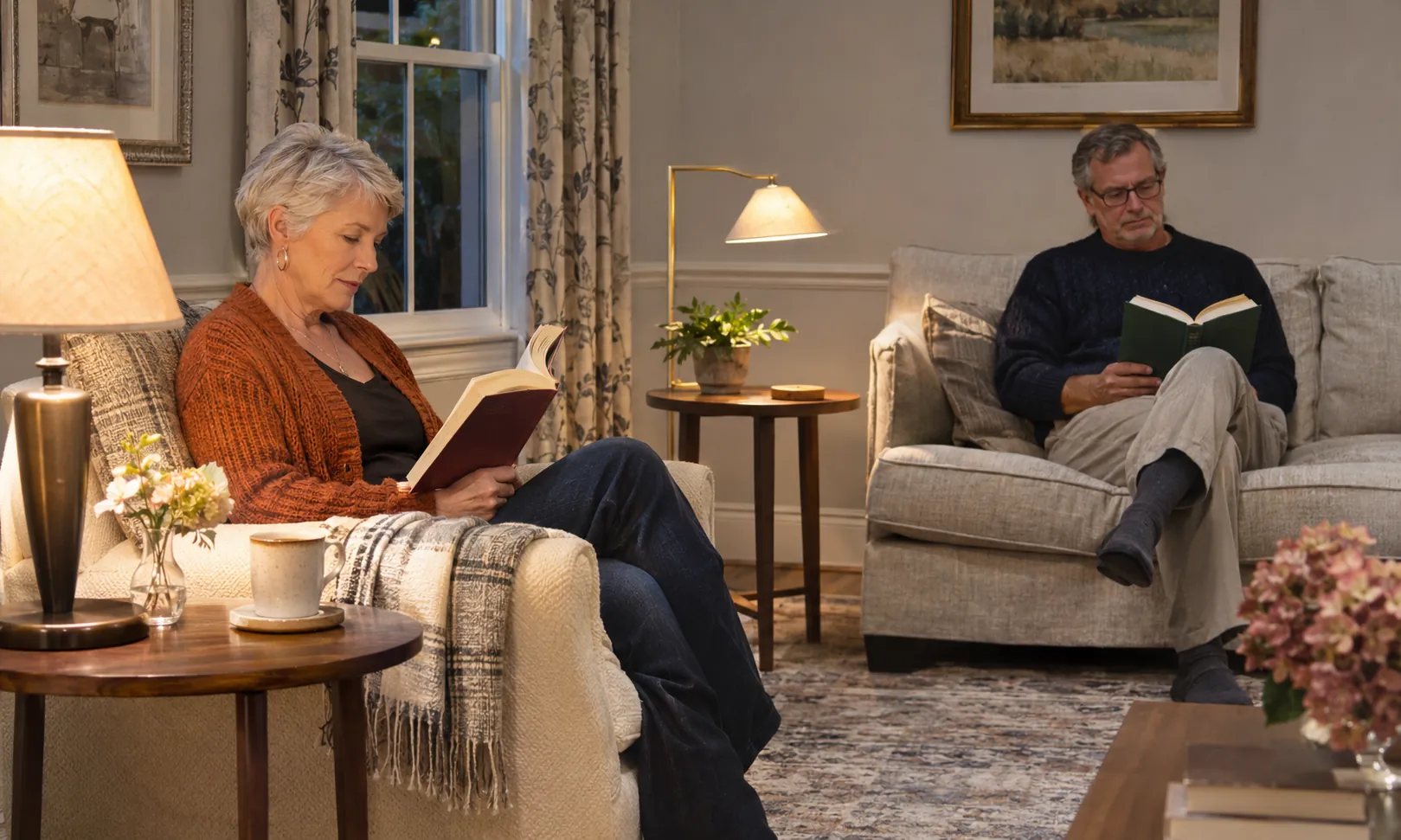
Choose your own books and settle into the same room.
You can share a passage afterward, but reading together does not require matching tastes or taking turns reading aloud. One person might enjoy a novel while the other browses a cookbook.
Give each person enough light to read comfortably.
For ideas on making a reading corner inviting, explore Pravi Celer’s guide to warm minimalism interior design. A comfortable chair and a useful lamp can make the space somewhere you naturally return to.
5. Play a Game You Can Finish
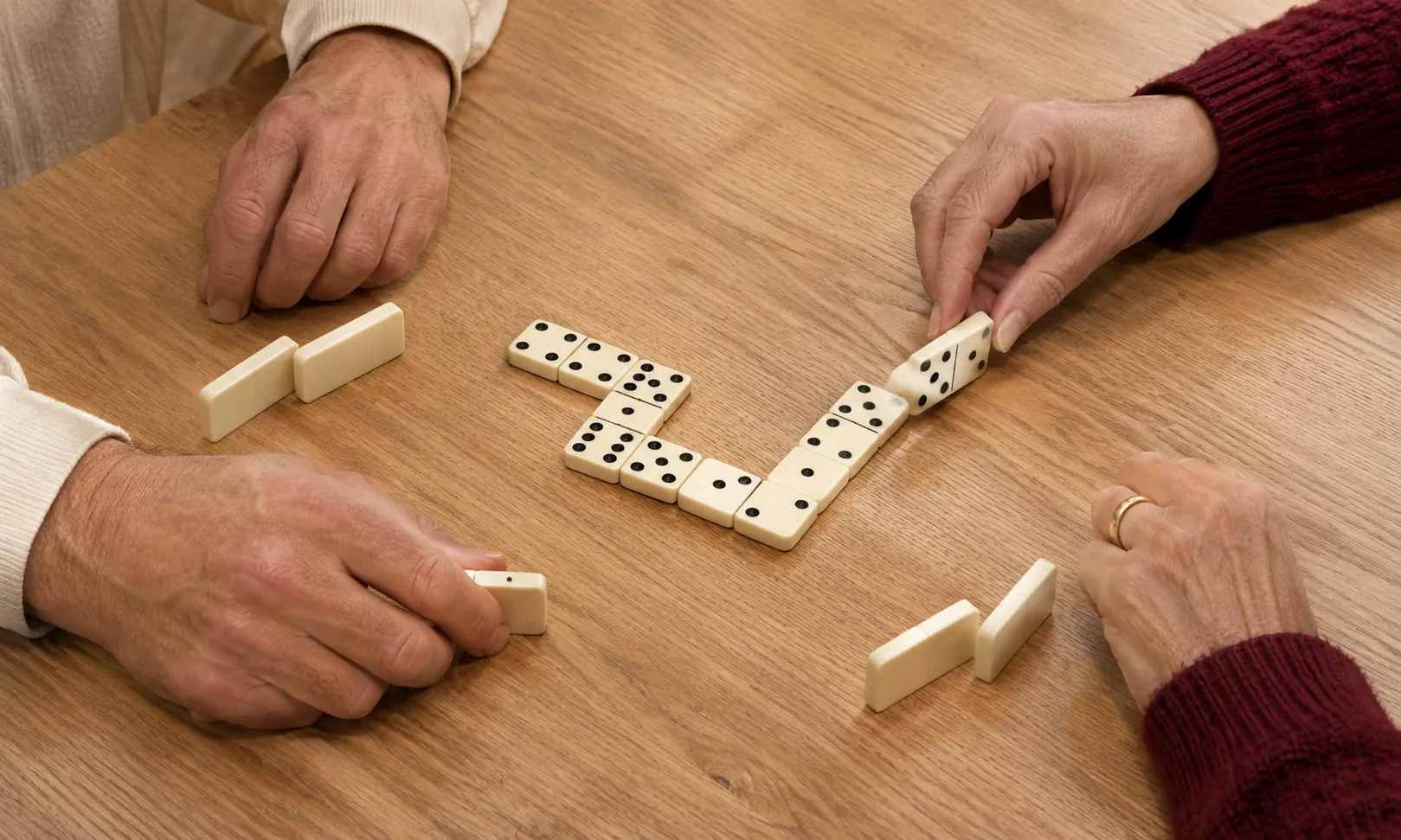
Choose something with a manageable length and rules you already know, or can learn easily.
Cards, dominoes, a small puzzle, or a short board game can give you a shared focus without much preparation.
Agree on the mood before choosing the game. A competitive challenge may sound enjoyable to one person and exhausting to the other after a long day.
Keep an easy option available for tired evenings.
6. Listen to Music Without Browsing
Choose the music before you settle down. Then let it play.
A radio, record, CD, or preselected playlist can all work. If you use a phone to start the audio, place it aside afterward.
Take turns choosing an album or a few songs. You could share music from childhood, something you recently discovered, or a track attached to a memory.
Listen at a volume both people find comfortable. The evening can include conversation, quiet listening, or a little dancing.
7. Make One Simple Thing Together
Choose a task with a small amount of preparation and cleanup.
You might assemble tomorrow’s breakfast, prepare a snack, mix a dressing, or follow a familiar recipe from a printed page.
Divide the work so both people can participate without one person directing every step.
For a longer cooking activity, start earlier in the evening. Save the late-night version for something light and straightforward.
8. ca Memory

Bring out a photo album, postcard, ticket, or another object connected to a shared experience.
Choose one memory and follow the conversation:
- What do you remember most clearly?
- What surprised you at the time?
- Is there something from that day you would like to do again?
If your photographs are stored digitally, print a small selection beforehand. That lets you enjoy them without opening the wider photo library and its distractions.
One object can be enough for an evening.
9. Try a Small Creative Activity

Put paper, pencils, or materials you already own on the table.
Draw an object in the room, write postcards, mend something, or work on separate crafts beside each other.
Choose an activity that feels enjoyable at your current skill level. You can leave a project unfinished and continue another night.
In a compact apartment, keep the materials in one box that is easy to bring out and put away. Pravi Celer’s guide to thoughtful small-space living offers further ideas for making limited space serve everyday activities.
10. Plan Something You Look Forward To
Use a notebook to sketch out a weekend breakfast, local outing, meal with friends, or future trip.
Spend this time sharing preferences. Detailed searches and bookings can happen later when you have intentionally set aside time for them.
You might ask, “What would make Saturday feel enjoyable?” and each suggest one realistic idea.
Keep the plan small enough to act on.
11. Do a Brief Household Reset Together
If unfinished chores are occupying your attention, agree on a short, clearly divided reset.
One person might wash the cups while the other clears the table. You could prepare bags for tomorrow or put away the items scattered around the living room.
Choose a stopping point before beginning, then leave time to sit together afterward.
If practical tasks already dominate your evenings, choose one of the leisure activities instead.
12. Share Quiet Time Without an Assignment
Some evenings, neither person wants a game, a question, or a project.
Sit together. Hold hands if you both want to. Watch the changing light outside, or rest in comfortable silence.
Quiet company can be a valid choice. Check that it feels pleasant to both of you, rather than assuming silence means the same thing to each person.
A Simple 30-Minute Evening Plan
Use this as a starting point and adjust it to your household.
| Time | What to do |
| First 5 minutes | Finish urgent messages and put distracting devices aside |
| Next 10 minutes | Share a drink and one thing from your day |
| Next 10 minutes | Read, listen to music, or play a short game |
| Final 5 minutes | Put things away and decide whether you want to repeat it |
If you only have ten minutes, share the drink and the conversation. If you have longer, let the activity continue while you both enjoy it.
How to Make the Routine Easier to Repeat
Keep the invitation mutual
Choose the routine together. If one partner wants an hour and the other can comfortably offer fifteen minutes, start with a shared window both accept.
Decide what happens to phones
Put them somewhere mutually agreed, with essential calls or alerts available when needed.
Avoid checking or policing each other’s behavior. If the arrangement is frustrating, revise it together.
Prepare one easy alternative
Keep a book, pack of cards, or notebook within reach. This gives you something to choose when you would otherwise switch on the television automatically.
Allow separate time too
One person may want company immediately after work while the other needs time alone. Build that difference into the plan.
You might reconnect after a short period spent separately.
Review the experience
After trying the routine a few times, ask what each person enjoyed and what felt inconvenient. Keep the useful parts and change the rest.
What About Screen-Free Time Before Bed?
A screen-free routine can also fit into a quieter bedtime transition.
NHLBI recommends using the hour before bed for quiet time and avoiding bright artificial light, including light from televisions and computer screens. That guidance supports choosing a calmer activity near bedtime; it does not guarantee that any particular couples’ routine will improve sleep.
Choose activities that suit the hour. An energetic cooking project or intense game might fit earlier in the evening, while quiet reading may suit the time before sleep.
FAQs
What can couples do at night without screens?
Couples can share a drink, walk, read, play cards, listen to music, prepare food, explore photographs, or work on a small creative activity. Choose according to your energy and interests.
How long should a screen-free evening routine last?
There is no single ideal duration. Start with a window both partners can comfortably manage, even if it is only ten or fifteen minutes.
Do both partners need to enjoy the same activity?
You need a mutually comfortable arrangement, but your activities can differ. Reading separate books or working on different crafts in the same room may suit you both.
Does listening to music from a phone count?
You can define the boundary yourselves. Selecting audio and setting the phone aside can fit a routine aimed at reducing browsing and visual distractions.
What if our work schedules are different?
Choose a brief period when you overlap, or create a longer routine on a shared evening off. Consistency should fit your actual schedules.
Will screen-free evenings fix relationship problems?
A routine creates an opportunity to spend time together. It cannot resolve every difficulty or replace professional support when that is needed.
Start With One Evening You Both Want to Repeat
Tonight, choose one small invitation: tea after dinner, a short walk, or a few pages read beside each other.
Give it a clear beginning and enough flexibility to feel comfortable. Afterward, talk about whether you enjoyed it.
The routine can grow from that ordinary evening one shared choice at a time.