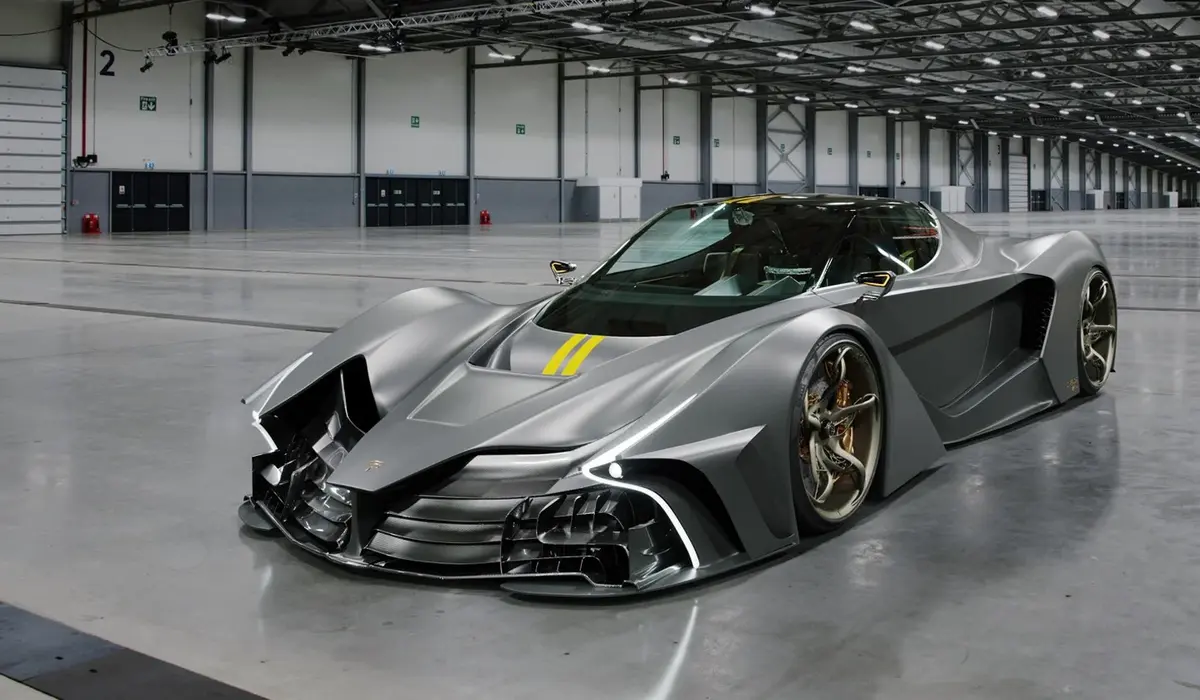
Key Takeaways
-
Hypercars serve as high-speed engineering laboratories for consumer vehicles.
-
The 2026 landscape highlights an intense rivalry between hybrid and electric systems.
-
Advanced aerodynamics and lightweight graphene matrices rewrite traditional physics rules.
-
Boutique engineering firms continuously force legacy brands to accelerate innovation.
Have you ever wondered where the advanced technology in your daily vehicle actually comes from?
If you trace modern automotive features back to their roots, you will find an elite engineering marvel.
We are currently living through a golden era where hypercars are fundamentally changing our relationship with speed.
These multi-million-dollar machines are far more than status symbols for the ultra-wealthy.
They function as real-world testing platforms pushing the absolute boundaries of physics, efficiency, and design.
At PraviCeler, we track these technical breakthroughs to understand how they will eventually improve your daily commute.
Let us explore how these absolute peaks of automotive mastery are setting new standards for the entire world.
AI Overview
Hypercars represent the absolute zenith of modern transport design and mechanical engineering. They function as rapid experimentation platforms for radical technologies that ultimately trickle down into normal consumer vehicles. From active ground-effects to 2,000-horsepower electric motors, these rare machines continuously establish new global benchmarks for safety, speed, and sustainability.
Defining the Ultimate Tier: Beyond Supercars
What actually separates a hypercar from a standard high-performance sports car or traditional supercar?
A supercar delivers remarkable speed but remains bound by conventional manufacturing processes and existing regulations.
A hypercar completely discards those limitations to achieve things previously thought impossible by standard engineers.
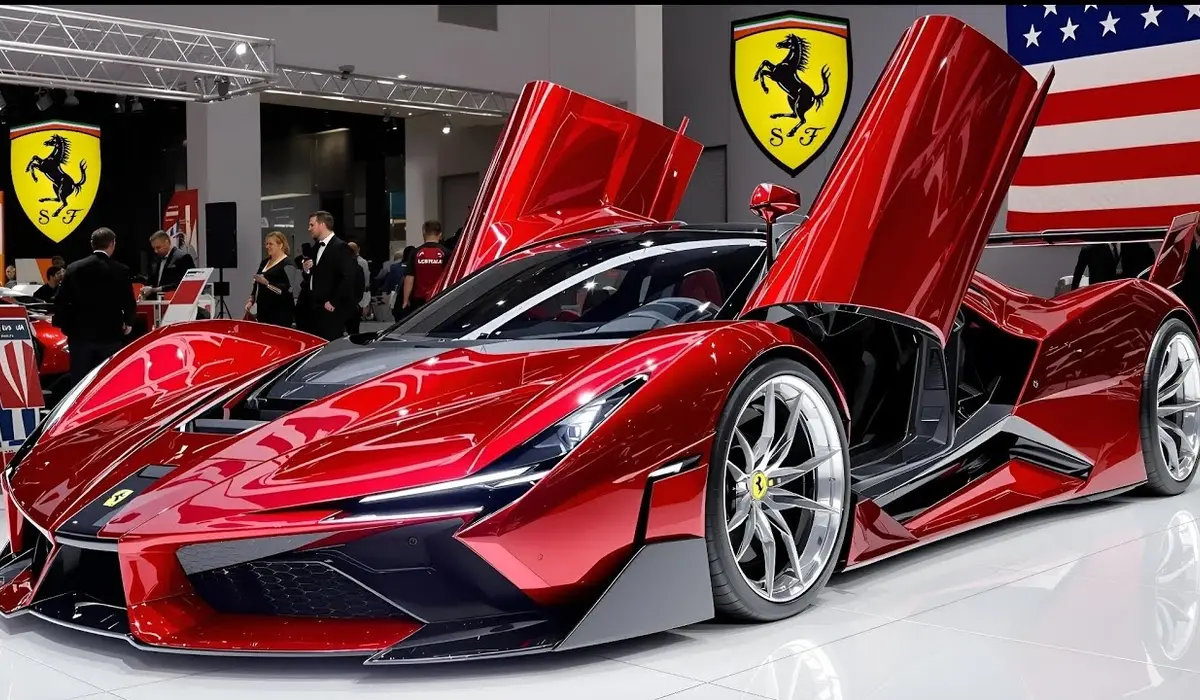
When looking at any modern hypercar list, you see vehicles built with zero budget constraints.
Every square inch of these machines requires hundreds of hours of custom fluid dynamics simulation.
They are incredibly rare, highly sought after, and represent the absolute peak of human manufacturing capability.
Drivetrain Architecture: The 2026 Power Struggle
The fierce competition to build the fastest hypercars is no longer just about increasing engine displacement.
Instead, it is a highly technical war fought between electricity, hybrid setups, and synthetic fuels.
Based on available data, these experimental setups are changing how we view thermal and electrical efficiency.
The Rise of Ultra-Advanced Hybrids
Hybrids are no longer just designed for reducing emissions during short city trips.
The best hypercars 2026 has revealed use electric assistance to eliminate mechanical performance flaws.
When a combustion engine experiences turbo lag, electric motors provide instant torque to fill the gap.
This ensures the power delivery feels completely linear and uninterrupted across the entire rev range.
The Bugatti Tourbillon perfectly showcases this philosophy by pairing a V16 engine with three electric motors.
This specific type of energy management helps mainstream manufacturers design smaller, highly efficient hybrid passenger cars.
The All-Electric Propulsion Frontier
Pure electric drivetrains are currently achieving acceleration figures that once seemed entirely regular for science fiction.
This structural choice allows computers to distribute power precisely based on real-time traction levels.
Known as torque vectoring, this process calculates road grip thousands of times every single second.
As a result, a vehicle can safely navigate sharp corners at velocities that would destabilize older platforms.
Direct Performance Benchmarks

To see how these distinct engineering approaches stack up, look at this performance comparison:
| Hypercar Model | Propulsion System | Estimated Output | Core Design Objective |
| Bugatti Tourbillon | V16 Plug-in Hybrid | 1,775 hp | High-Speed Luxury |
| Lotus Evija | Quad-Motor Electric | 1,972 hp | Instantaneous Acceleration |
| McLaren W1 | V8 Hybrid System | 1,258 hp | Absolute Track Precision |
| Rimac Nevera | All-Electric Battery | 1,914 hp | Straight-line Dominance |
Bending the Wind: Active Aerodynamic Engineering
Building a highly powerful engine is useless if the vehicle cannot stay firmly attached to the road surface.
Without meticulous airflow management, a vehicle exceeding 200 miles per hour will literally lift off the ground.
Therefore, modern aerodynamicists focus on manipulating air pressure to create massive downforce without creating immense drag.
Dynamic Airflow Management
Static spoilers bolted permanently to a rear deck lid are rapidly becoming obsolete concepts.
Instead, modern hypercars alter their physical exterior shapes dynamically based on telemetry and speed data.
-
Actuating Underbody Flaps: Internal geometric vents open automatically to balance high-speed chassis stability.
-
Variable Pitch Wings: Rear wings instantly alter their angle of attack to serve as high-force air brakes.
-
Dynamic Cooling Intakes: Front vents adjust their apertures to channel cold air directly into overheated braking systems.
Ground Effect Underbody Design
Engineers are now focusing their absolute best efforts on the bottom surfaces of the vehicle chassis.
By crafting precise Venturi tunnels beneath the floorboards, they create an extreme low-pressure zone underneath.
This effectively sucks the machine down onto the track, improving cornering grip without increasing wind resistance.
This technique allows the vehicle to cut through the air cleanly while remaining incredibly stable during heavy turns.
Material Science: The Obsession with Mass Reduction
Every ounce of excess weight is a direct enemy to overall performance, handling, and braking distance.
To construct the fastest hypercars, specialists must create entirely new composite materials from scratch.
At PraviCeler, we study these material advancements because they eventually dictate how consumer cars are built.

Graphene-Infused Carbon Composites
Standard carbon fiber is already common, but elite hypercar brands are taking molecular science further.
They are weaving passenger safety cells using advanced resin mixtures infused directly with microscopic graphene layers.
This produces a survival cell that offers unparalleled structural integrity while weighing less than a standard adult.
Additive Titanium Production
To eliminate every non-essential gram of weight, manufacturers rely heavily on industrial 3D printing techniques.
Instead of milling solid metal blocks, printers build complex suspension components layer by individual layer.
This enables the creation of organic, hollow shapes that mimic the structure of biological bones.
These parts endure massive mechanical stress while weighing half as much as traditional components.
Disruptors and Titans: The Elite Manufacturers
The elite landscape is split between historic performance icons and highly agile tech startups.
The Heritage Icons
Legendary establishments like Ferrari and McLaren utilize decades of Formula One experience to build road cars.
Their production runs remain strictly limited, ensuring every single vehicle retains immense historical value.
The Modern Tech Disruptors
Boutique companies like Rimac and Koenigsegg have completely revolutionized old automotive hierarchies.
By focusing purely on megawatt electrical architectures, they force legacy brands to accelerate their own timelines.
This rapid cycle of competitive innovation benefits the consumer market by normalizing advanced technology much quicker.
The Technology Trickle-Down Effect
It is incredibly easy to dismiss these multi-million-dollar vehicles as irrelevant to regular daily transportation.
However, historical patterns prove that hypercar innovations consistently find a home in standard commuter garages.
Proven Technical Transfers
-
Carbon Ceramic Brakes: Originally perfected for the track, they now safely stop heavy family SUVs.
-
Dual-Clutch Gearboxes: Developed for instant track shifting, they now optimize fuel use in compact hatchbacks.
-
Predictive Damping: Algorithms designed to keep race cars flat now smooth out rough city potholes.
Direct Architectural Impacts
To understand why this continuous cycle of expensive experimentation matters, check these everyday applications:
-
Thermal Battery Management: Advanced hypercar cooling designs directly extend the life of affordable consumer electric vehicles.
-
Energy Recovery Systems: High-efficiency kinetic recovery setups directly improve regenerative braking systems in commuter hybrids.
-
Structural Software Modeling: Digital crash simulations created for carbon monocoques make modern budget sedans significantly safer.
The Next Frontier: Moving Past 2026
The future evolution of top-tier performance will expand far beyond simple acceleration times and top speeds.
The industry is rapidly shifting focus toward software-defined intelligence and entirely carbon-neutral fuels.
Many experimental test fleets are currently proving that synthetic e-fuels can keep combustion engines alive sustainably.
Furthermore, onboard neural networks are beginning to adjust suspension geometry before a driver enters a turn.
At PraviCeler, we are genuinely thrilled to witness this incredible intersection of software and mechanical passion.
By tracking these uncompromised achievements, we get a clear look at the future of global mobility.
Frequently Asked Questions
Why do hypercars carry such high financial costs?
Hypercars require massive capital because they are built in extremely small numbers and utilize custom components. Manufacturers must recover the immense costs of researching proprietary materials, custom aerodynamics, and experimental powertrains that cannot be shared with ordinary mass-production vehicle lines.
Are modern hypercars completely legal to drive on public roads?
In most cases, yes, provided they pass regional homologation processes. While some variants are built exclusively for private track use, the majority are engineered to comply with strict global safety and tailpipe emissions guidelines, allowing them to be registered normally.
What limits the absolute top speed of these vehicles?
The primary limiting factors are tire compound durability and immense aerodynamic resistance. At speeds exceeding 250 miles per hour, standard tires face extreme centrifugal forces and heat generation, requiring bespoke rubber compounds engineered specifically to prevent catastrophic failures.
How do hypercar developments eventually help regular everyday drivers?
Hypercars operate as high-risk, real-world laboratories for unproven technology. Inovations like advanced electronic stability algorithms, lightweight structural composites, and high-density battery cells are thoroughly perfected on these elite platforms before being simplified for affordable consumer production lines.