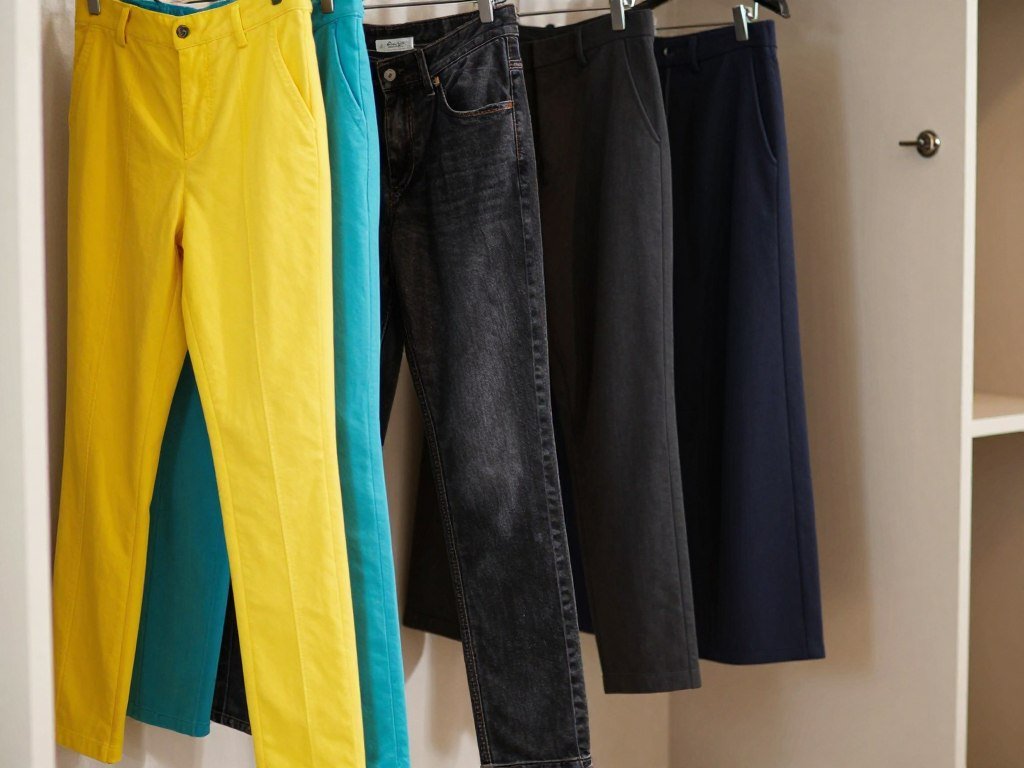
A shorter hem alone does not make a garment fit; how to find clothes for petite women starts with proportion. Petite sizing means clothing proportioned for shorter frames, with changes that may affect the torso, shoulders, sleeves, rise, and garment lengths as well as hems. For women petite shoppers, those details can matter as much as height when a top pulls or a waistline sits low.
Shopping online can make it hard to judge fit from a photo. A useful approach is to check construction, compare measurements, and think about what your wardrobe needs. You can also weigh different ways to shop, from browsing a brand’s own listings to using a styling service. The goal is wearable clothing that feels right in daily life, not a label or trend that promises a perfect fit.
Start by checking how a garment is proportioned, not just whether its label says petite.
Key Takeaways
- Check shoulder, torso, sleeve, rise, and garment length.
- Use the chart for the type of clothing you are buying.
- Compare online measurements with an item that fits you well.
- Choose wardrobe essentials that work with clothes you already own.
- Check the hem with the shoes you plan to wear.
How to Find Clothes for Petite Women Online
Shopping online is easier when you filter for petite sizing and then verify the garment measurements. Product details matter more than a height category alone, especially when you are comparing clothing petite shoppers may find across different brands.
Petite Studio designs clothing for women under 5’4″ and was founded in 2016. That makes it a useful place to start browsing, though a petite label cannot tell you how every cut will fit your frame.
What Petite Studio Makes for Petite Frames
Petite Studio focuses on petite women and styles built for shorter frames. Its collection can help you narrow a search, but the size chart and the shape of each garment still matter. A size label does not describe every shoulder, sleeve, or waist placement.
When you compare brands such as RIHOAS clothing listings, look for product-specific measurements and fit notes. Stretch can change how closely a garment follows your body, while fabric with little give may feel less forgiving.
Check the Online Listing Before You Choose a Size
Use these three checks before choosing a size:
- Garment measurements, including the length and key body areas.
- Model height and the size shown on the model.
- Fabric content and stretch details.
A petite label is a starting point, not a substitute for the cut and size chart.
A model’s height can help you picture where a hem may fall, but your proportions may differ. Read the product notes closely, and check whether the item has a relaxed, fitted, or shaped cut. A code or promotion does not explain how a garment fits.
Compare the listing’s measurements with a garment you already own that fits well.
What Makes Petite Sizing Different?
A petite cut can change the shoulder, torso, sleeve, and leg proportions, not just the hem. Petite fit depends on where the garment’s key seams and shaping sit, though each brand and garment may use different adjustments.
Some petite women need shorter lengths, while others notice the shoulder or rise first. A shorter size does not always solve those fit issues.
Proportions That Change the Fit
Petite adjustments can affect shoulders, torso length, sleeves, armholes, rise, knee placement, and overall garment lengths. Brands may adjust only some of these features, so a petite label does not mean every part has changed.
Karen Kane designs its petite collection for women 5’4″ and under. Its listed fit changes can include shorter torsos, narrower shoulders, shorter inseams, adjusted lengths, and narrower shoulder seams.
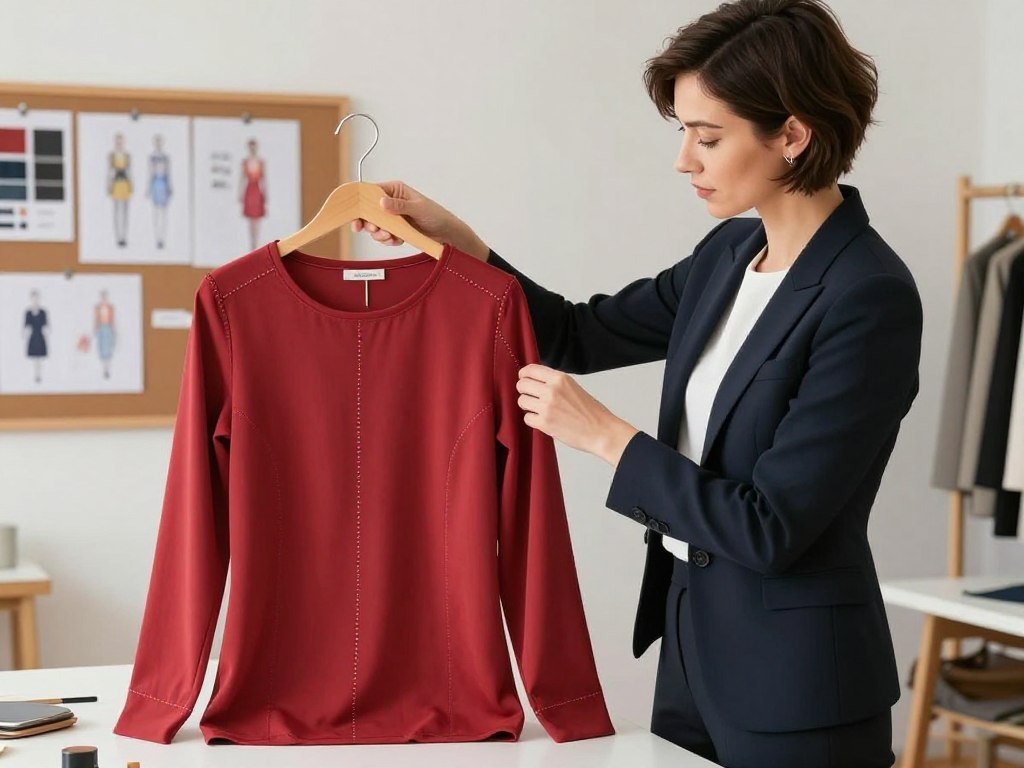
A long sleeve can feel too long even when the body fits. Check whether the shoulder seam lands near your shoulder and whether the sleeve ends where you want it. A narrow shoulder seam can also change how a top hangs across the chest.
Clothes for Women Who Are 4’11”
Clothes for short women who are 4’11” should be judged by shoulder and torso placement as well as hem length. A top may look long because its waist shaping sits too low, not simply because its hem needs shortening.
Try checking the garment while standing and moving. A dress or jacket can shift when you reach forward, sit, or walk. Advice on choosing clothing silhouettes can also help you think about how a cut works with your proportions.
At 4’11”, check where the shoulder seam and waistline sit before deciding that a garment is too long.
How to Measure and Read a Petite Size Chart
Measure your body before choosing a label, since a size number can map to different measurements across garment categories. Use the chart for the garment type you plan to buy, rather than treating one size as the same across tops, dresses, and pants.
Measure in light clothing or undergarments, and keep the tape level without pulling it tight. For a steady result, take each measurement twice.
Take Bust, Waist, and Hip Measurements
Measure your bust around the fullest part, keeping the tape straight across your back. Find your natural waist, usually the narrowest part of your torso, and measure without pinching the tape.
Measure your hips around the fullest part of your seat. Stand naturally, and keep the tape level. Write each number down so you can compare it with the right size chart.
Match Measurements to the Right Chart
Petite Studio uses one chart for outerwear, tops, and dresses. The listed body measurements for US sizes 0 through 8 are:
| US size | Label | Bust | Waist | Hips |
|---|---|---|---|---|
| 0 | XXS | 29.5-31 inches | 22-24 inches | 32.5-34 inches |
| 2 | XS | 31-32.5 inches | 25-26 inches | 34-35.5 inches |
| 4 | S | 32.5-34 inches | 27-28 inches | 35.5-37 inches |
| 6 | M | 34-35.5 inches | 29-30 inches | 37-38.5 inches |
| 8 | L | 35.5-37 inches | 31-32 inches | 38.5-40 inches |
For outerwear, tops, and dresses, US 10 maps to XL, with a 37-38.5-inch bust, 33-34-inch waist, and 40-41.5-inch hips. The bottoms chart uses waist measurements only: XXS is 22-24 inches, XS is 25-26 inches, S is 27-28 inches, M is 29-30 inches, L is 31-32 inches, and XL is 33-34 inches.
When your measurements span sizes, follow the brand’s guidance for that garment and consider how you prefer it to fit. A close-fitting top may call for a different choice than a loose layer.
Use the chart for the item you are buying rather than assuming one size label works across every category.
Which Petite Essentials Build a Versatile Wardrobe?
A useful petite wardrobe starts with pieces you can wear in more than one outfit. Choose basics that work with clothes already in your closet, then add details that suit your style.
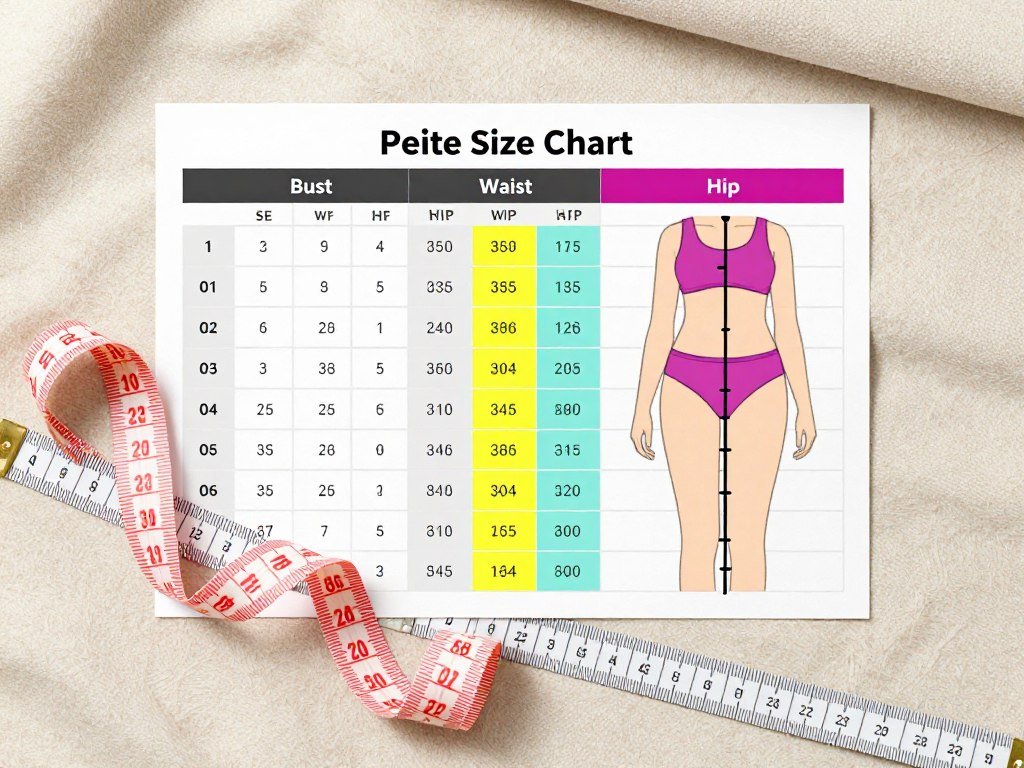
One petite clothing range uses PS-PXL for tops and 6P-16P for bottoms. Petite collections may include tees, pants, jeans, sweaters, cardigans, pullovers, cowl neck styles, jackets, vests, dresses, and skirts.
Tops and Layers for Everyday Outfits
These five wardrobe slots can give you useful outfit options:
- A long-sleeve top that works under jackets or on its own.
- A cardigan or sweater that layers over tees and dresses.
- A pair of pants for work or casual tops.
- Jeans that pair with shoes and layers you already wear.
- A dress that can suit more than one setting with a change of shoes.
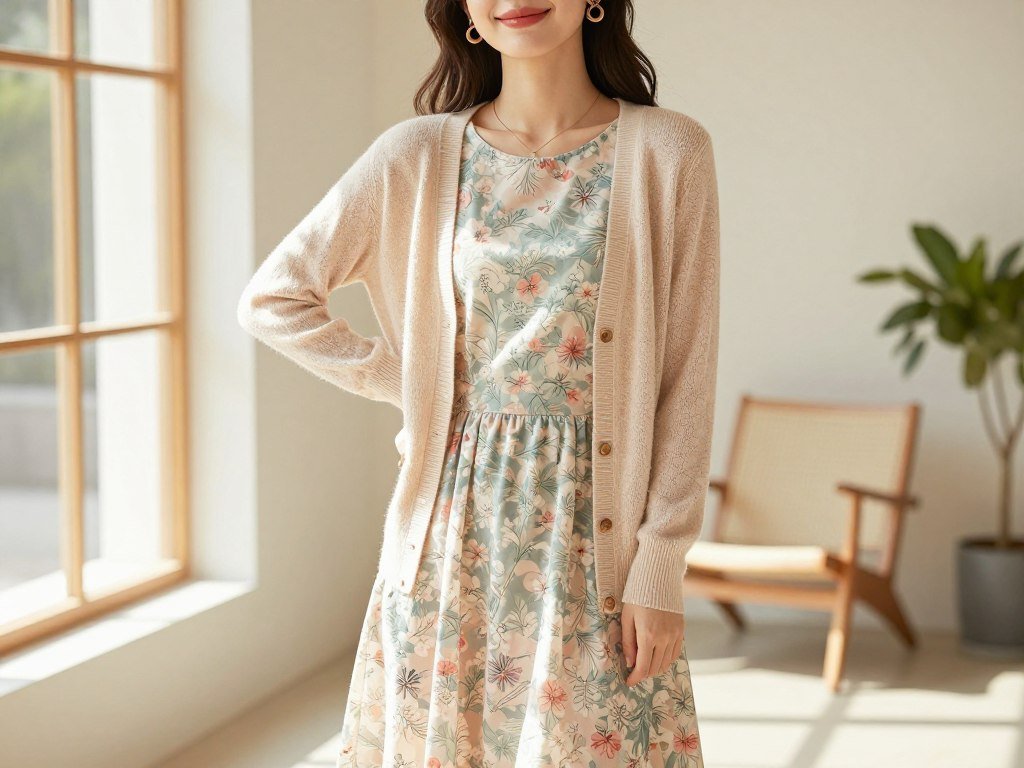
A petite long sleeve top can be a helpful layer when its shoulder and sleeve length feel right. A cardigan sweater adds warmth without requiring a full outfit change. Tees and pullovers offer simpler options, while a cowl neck can add shape around the neckline.
Dresses and Outerwear That Keep Their Proportions
Jackets and vests can add a layer without hiding the outfit beneath them. Skirts give you another option with tees, sweaters, or a fitted top.
A 3/4 sleeve or cowl neck can make a piece feel current, but the detail should not distract from an awkward shoulder or sleeve. Check how a dress feels while walking, sitting, and moving; these simple motions reveal more than a still pose.
For another view of dress comfort and use, browse these dress ideas for different occasions. Choose the new trend detail only after the piece’s proportions work with the rest of your wardrobe.
How Should Petite Women Choose Pants and Jeans?
Pants that bunch at the ankle often need a different inseam, not a different styling trick. Compare inseam, rise, leg shape, and shoes as one fit choice so the hem lands where you want it.
Inseam is the inside leg length from crotch to ankle. Rise measures from the crotch seam to the waistband, while leg shape describes the cut from hip to hem.
Compare Inseam, Rise, and Leg Shape
Petite Studio advises measuring inseam from the crotch to the ankle. Ankle-length or straight-leg pants typically use a 25-28-inch inseam, though the useful length depends on the cut and intended shoe.
Use this four-part checklist when comparing pants and jeans:
- Inseam length.
- Mid-rise or another rise preference.
- Straight-leg or wide-leg cut.
- The shoes you plan to wear with the pants.
A straight-leg shape can fall cleanly over many shoes, while wide-leg pants need enough length to keep the hem from dragging. A mid rise may feel different from a higher or lower waistband, even when the waist measurement matches.
Choose a Length for Your Shoes
Try the hem with the shoes you expect to wear most. A flat shoe can expose extra fabric, while a higher heel may lift the hem enough to change the line.
Regular-size clothing can sometimes suit you better than a petite cut. A regular midi dress or long coat may fall at the intended point, but that exception does not apply as a rule for pants.
Price matters when you compare jeans, but the listed fit details help you judge whether the cut suits your needs. Read the fabric notes too, since stretch can affect comfort through a full day.
Check the hem with the shoes you expect to wear most often.
Where Can Older Women Buy Petite Clothing?
Age does not determine whether petite proportions will fit, so start with the garment and its measurements. Personal style and clothing proportions matter more than an age-based fit rule.
Four Seasons Direct carries petite, missy, and plus sizes. It sells petite Democracy jeans and tops for mature women, giving you one place to begin browsing.
Check each item’s cut and measurements, even when the product appears in a petite section. A coat, top, or pair of jeans can fit differently across styles and fabrics. You may prefer a relaxed cut in one item and a closer fit in another.
Look at the details that affect how you plan to wear the piece. Sleeve length matters for a jacket you will layer, while leg length changes where jeans sit over your shoes. A familiar brand name does not replace checking the individual product.
Check the product’s size chart and leg or sleeve length before adding it to your cart.
How Can You Compare Online Petite Shopping Options?
The best shopping route depends on whether you want to select each piece yourself or receive a group chosen for you. Check the shopping terms as well as the garment details before you pay.
Price depends on the garment, fabric, and brand. A sale, code, or free shipping offer can change the total, so look at the current listing and checkout terms.
| Shopping route | What it offers | What to verify |
|---|---|---|
| Petite-focused brand | Dedicated petite styles | Garment measurements |
| Multi-category retailer | Petite departments such as LOFT or Ann Taylor | Size chart and current sale terms |
| Styling service | 6-7-piece curation for frames 5’4″ and under | Shipping and cancellation terms |
Ann Taylor petite sale availability and LOFT petite stock can change, so check each retailer’s current listing. A styling service can reduce browsing, though you may have less direct control over each selection.
Before checkout, confirm the current total and the retailer’s return and shipping terms.
Some services offer shipping as part of a styling plan and let you cancel at any time. Read the terms to see what those details mean for your order. Friends and family offers may also have limits, so do not assume a code applies to every item.
Conclusion
A more reliable petite fit starts with measurements and garment proportions, not a size label alone. Judge the fit by both length and placement, including where seams, waistlines, and sleeves land.
Compare measurements for each garment category because a top and a pair of pants may use different charts. A size that works in one type of clothing may not carry over to another.
For a practical next step, measure a well-fitting item at home. Note its key lengths and use those numbers when comparing online listings.
Measure one favorite top or pair of pants today and keep those numbers beside you when you shop.
FAQ
Is petite sizing only for women under 5’4"?
Should I buy petite or regular sizes if I am short?
How do I measure my inseam at home?
Can petite women wear wide-leg pants?
How can I tell if a petite top’s sleeves will fit?
What should I check before ordering petite clothes online?