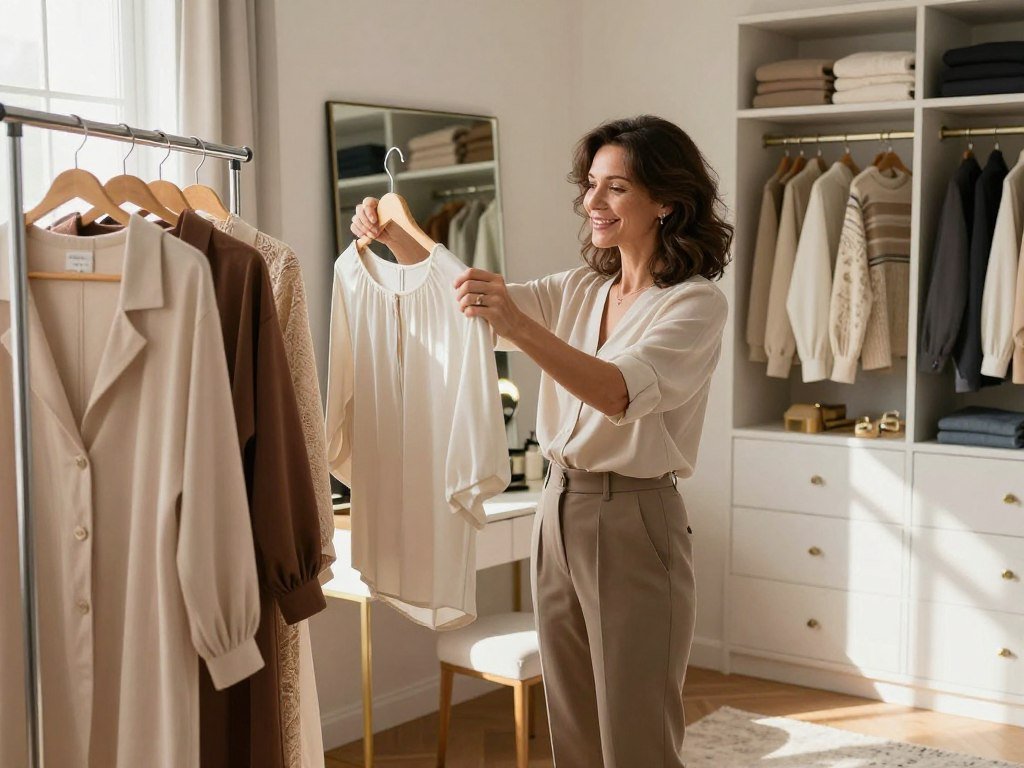
To dress stylishly over 40, choose clothes that fit your current life and make you feel like yourself. Work, family, travel, and changing routines can all shape what feels right to wear. Age does not impose a dress code, and women in their 40s do not need to follow one look to feel confident. A capsule wardrobe is a coordinated group of clothes that can be combined into multiple outfits.
Start with choices that support your comfort, reflect your taste, and work for the places you go. Practical style tips can help you make the most of what is already in your closet, whether you prefer classic pieces or a more relaxed look. Your body, daily life, and preferences may change over time, and your clothes can change with them. Treat each outfit as a personal choice, not a test of whether you meet an age rule.
Key Takeaways
- Choose clothes that fit your body and daily routine.
- Let comfort and personal taste guide your style.
- Use a capsule wardrobe to build repeatable outfits.
- Try trends as small updates, not rules to follow.
- Shop with your existing closet in mind.
- Pick shoes for the places and distances you walk.
How to Dress Stylishly Over 40: Start With Fit
A well-fitting outfit looks intentional because its shoulders, waist and hems work with your body rather than against it. Comfortable fit matters more than a label size, especially when clothes need to work through a full day. Women can dress stylishly over 40 by choosing fit and ease of movement, since age does not call for one particular female style.
Clothes should not pinch or restrict your movement. Check shoulder seams, sleeve length, waist comfort and hems as you sit, walk and reach. A blazer that looks sharp while standing may pull across the back when you reach forward. Pants can feel fine in a fitting room, then press at the waist when you sit through a meal.
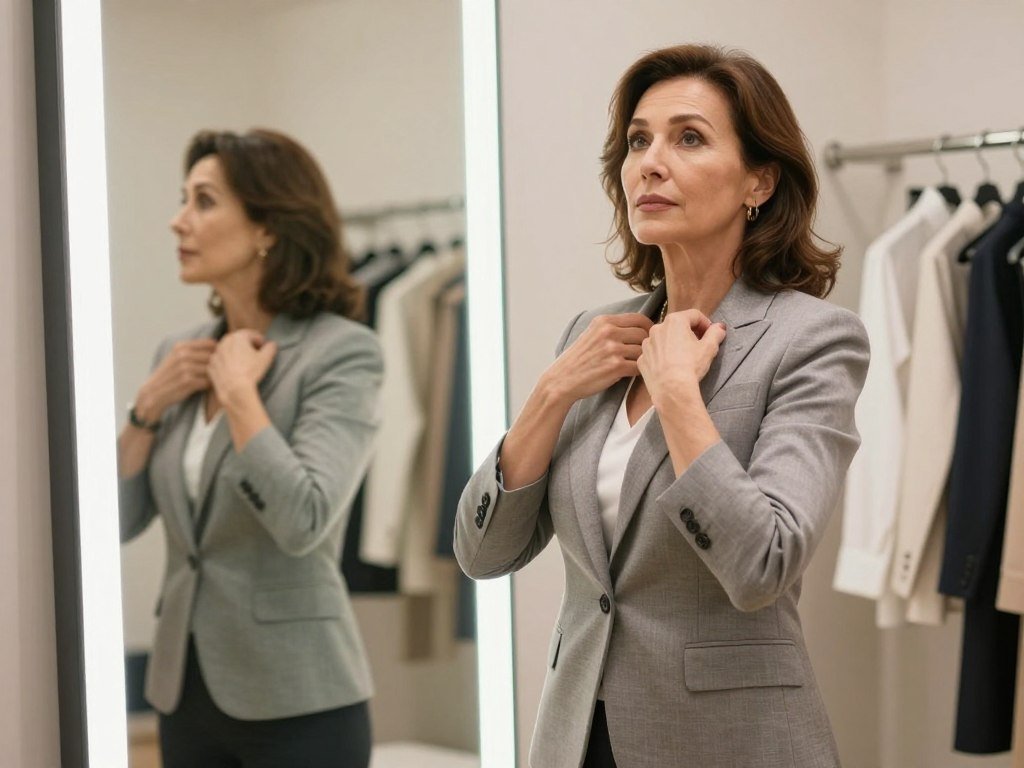
Let movement, not a mirror alone, decide whether a garment fits.
Check the fit in motion
Try on clothes with the undergarments and shoes you expect to wear with them. Walk a few steps, sit in a chair, and lift your arms above your head. Notice whether a hem rides up, a waistband digs in, or a sleeve twists. A good fit should let you breathe and move without constant adjustment.
Use the rule of thirds as one styling guideline: it creates a visual 1:2 proportion between the top and bottom parts of an outfit. For example, a shorter jacket over longer trousers can create that balance. It is a tool, not a rule about which body shape you should show.
Know what a tailor can refine
A tailor can refine the fit of a blazer, trouser or dress with small changes. Adjusting a sleeve or taking in a waist can make an existing piece look more intentional. Start with a garment you already like, then ask whether a simple change can improve its comfort and shape.
For a dress, check the fit by walking, sitting, reaching and taking a deep breath, rather than judging it only in front of a mirror. These dress fit and comfort tips can help you focus on how the garment feels in real use. Before keeping a garment, sit down and raise your arms to catch fit problems that a mirror may miss.
How Do You Find a Style That Fits Your Life?
The clothes you reach for most often are a useful clue to the style that already feels like you. Notice the pattern in what you wear, then check whether it suits your body, confidence and current life. A closet audit can sort clothes into three groups: wear often, alter, and let go.
Choose clothes for the life you have now. Work, casual and occasion wear are three useful settings to consider. A person who works from home may need fewer office outfits than someone who commutes daily. Your style should make sense for your own week, not someone else’s schedule.
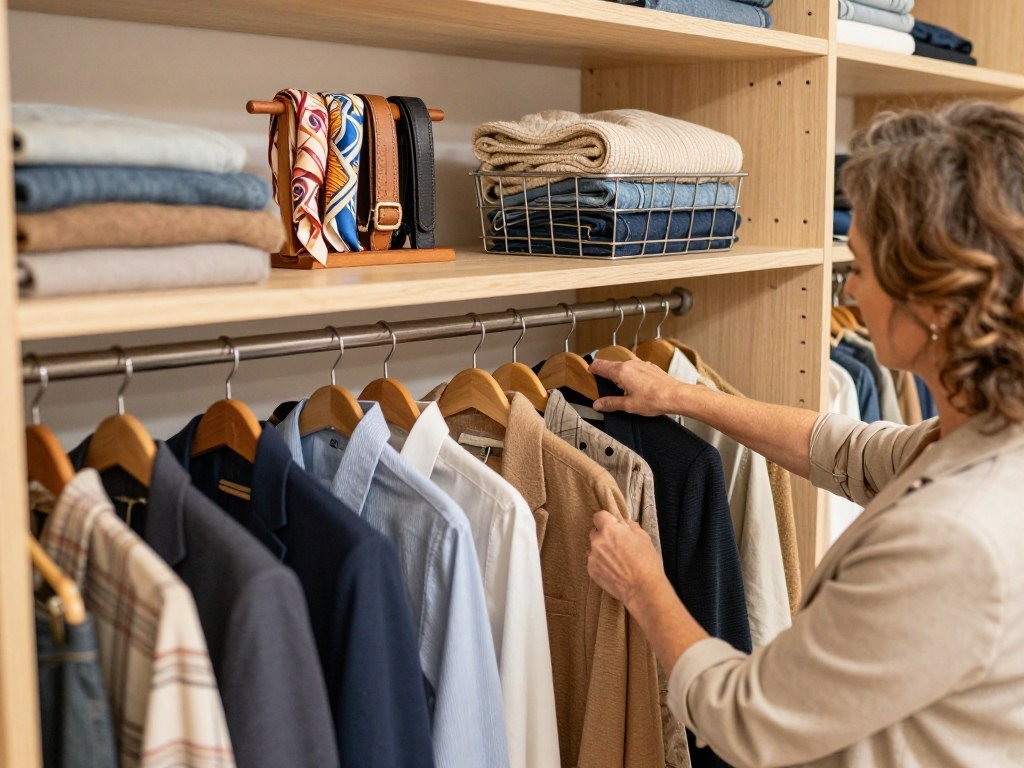
Ask yourself these four questions as you look through your closet:
- Which clothes do you wear repeatedly?
- What feels good from morning until evening?
- Which pieces match your work, casual and occasion routines?
- What colors or shapes catch your attention?
Keep a note of answers that come up more than once. A favorite soft shirt may tell you more about your style than an outfit you bought for a single event. If a piece fits but stays untouched, think about whether it suits your routine or simply takes up space.
Inspiration can come from people, art or the colors around you. A painting might draw you toward a new color, while a friend’s outfit could suggest a shape worth trying. Use those ideas as a starting point, rather than copying someone else’s full look.
Try one new combination with clothes you already own. A small change, such as wearing a familiar shirt open over a dress, can show whether a style feels natural. Keep a note of one outfit that made you feel capable and comfortable, and what made it work for you.
Which Pieces Belong in a Flexible Capsule Wardrobe?
A useful capsule wardrobe starts with the pieces you reach for across more than one part of your life. Choose useful anchors that suit your routine and taste, rather than building a closet around someone else’s idea of a classic wardrobe. A blazer, quality jeans, a white shirt, a versatile dress and a trench coat can each work in several settings.
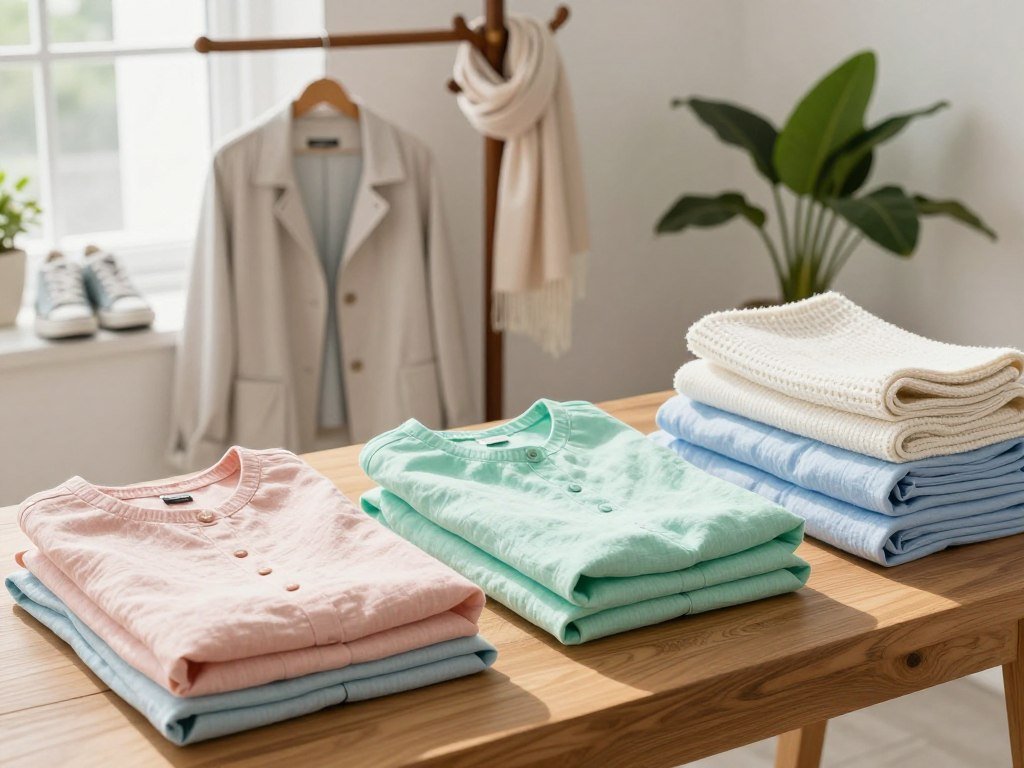
An anchor earns its place through repeated use. A personal favorite does not have to be a classic to belong in your wardrobe. Think about how often you wear a piece, how it feels, and whether it works with clothes you already own. Cotton, linen, wool and cashmere are natural-fiber options for lasting wardrobe pieces.
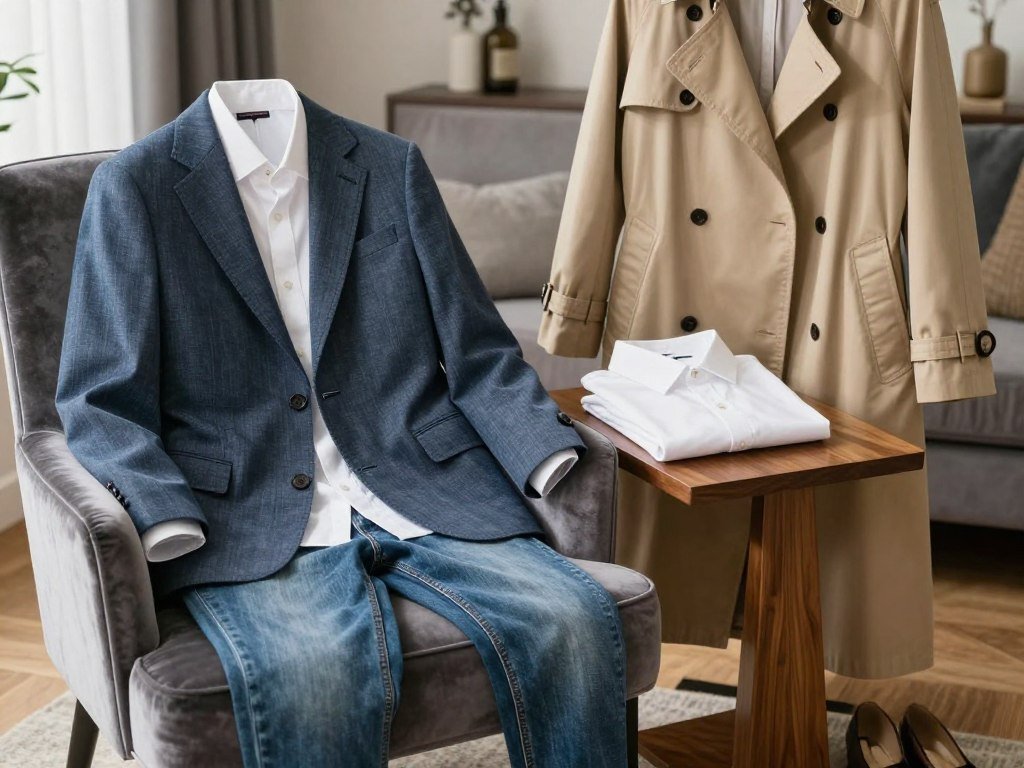
| Piece | Wardrobe role | Example pairing |
|---|---|---|
| Blazer | Polished layer | White shirt and jeans |
| Quality jeans | Everyday base | Blazer and flat shoes |
| White shirt | Easy top layer | Jeans and a trench coat |
| Versatile dress | One-piece outfit | Flats and a light coat |
| Trench coat | Weather layer | Dress or trousers |
Use the table as a set of ideas, not a shopping list. Your wardrobe may call for a second pair of trousers instead of a dress, or a warm coat instead of a trench. A person who spends weekends outdoors may need different anchors from someone who attends frequent work events.
Before adding a piece, picture at least two places you would wear it. A blazer might work for a meeting and dinner, while a dress could suit errands and a family gathering. The best pieces connect the different parts of your week without making every outfit look the same.
Choose each anchor for the outfits you actually wear, not for an imagined schedule.
How Should You Choose Jeans and Trousers?
The best jeans for you are the pair that stays comfortable at the waist and hips while you move. Check the whole fit, including rise, length and ease when you sit or climb stairs. A useful pair of jeans can be dressed up or down, so comfort and intended use matter more than trend pressure.
No one denim shape suits every body. Straight-leg jeans offer a clean line, wide-leg jeans leave more room through the leg, and bootcut jeans widen slightly near the hem. Try each style with shoes you wear often. The cut should feel comfortable and look the way you want, not follow an age-based rule.
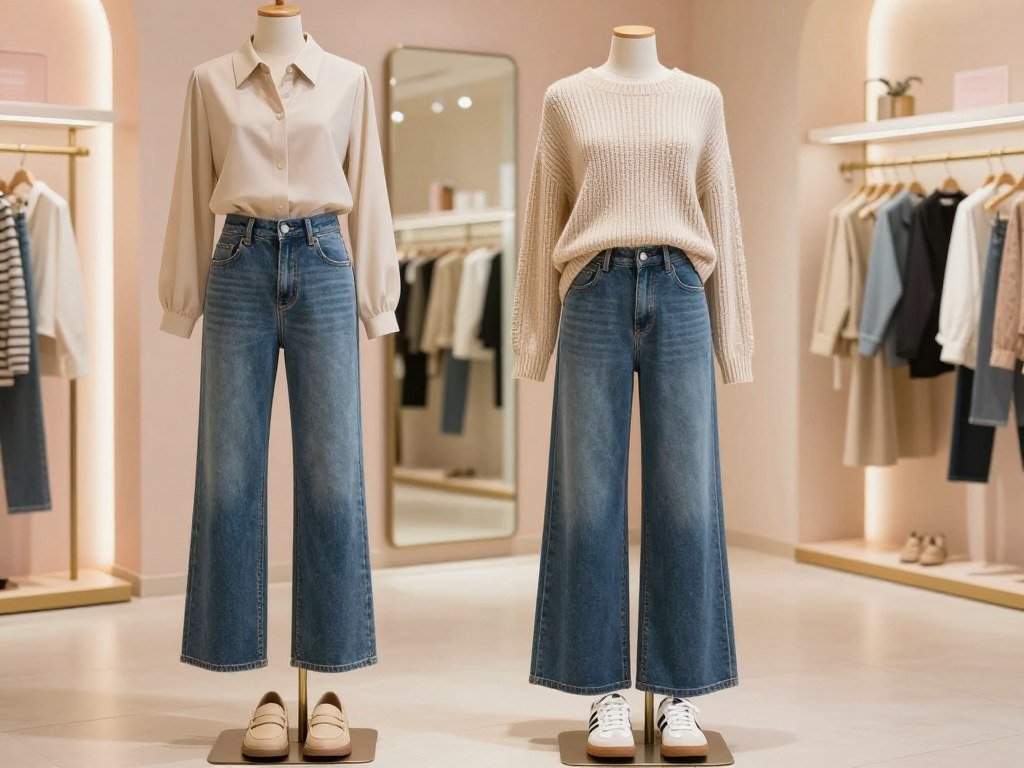
Find a jeans shape that feels right
Check whether the waistband sits comfortably when you stand and sit. The rise should feel secure without pressing on your stomach. Make sure the hips and thighs allow you to take a full step, and check that the hem meets your shoes at a length you like.
Stretch denim can feel easier to move in, while firmer denim may hold a more structured shape. The amount of stretch is a matter of preference, so try different fabrics instead of assuming one will work best. Avoid a pair that needs constant tugging or leaves you thinking about the waistband all day.
Balance trousers with the rest of the outfit
Choose trousers for comfort and setting. For a workday, a fabric with a neat drape may suit a blazer or button-down shirt. For casual plans, soft trousers can feel relaxed with a simple top. Check that the waistband and seat stay comfortable through the activities you expect to do.
Think about how much care the fabric needs, too. A pair that wrinkles easily may not suit a long commute, while a heavier fabric can feel less pleasant in warm weather. Try the same jeans with a casual top and a more polished shirt before deciding how useful they will be.
How Can You Balance Proportions Without Hiding Your Shape?
If one piece has plenty of volume, a more streamlined partner can make the whole outfit feel considered. Balance the volume to suit your taste, while leaving room to move. This styling rule of thumb helps you shape a silhouette without asking you to hide any part of your body.
Pair one relaxed piece with one more streamlined piece. Adjust that balance as you like; it is not a rule about what anyone should conceal. A fitted top can feel steady beside loose trousers, while a fluid skirt may work well with a more defined top.
Try these three outfit formulas:
- A fitted top with wide trousers keeps the upper half defined beside a flowing leg.
- A loose shirt with straight jeans gives a relaxed top a clear shape below.
- A fluid skirt with a more defined top balances soft movement with a neat outline.
These pairings are starting points, not limits. You can try a loose top with a full skirt if that combination feels good to you. The best proportions are the ones that suit your comfort and the look you want.
Pay attention to fabric as well as shape. A thick knit has more visual weight than a fine cotton top, even when both have a similar cut. A smooth shoe or a tucked shirt can also change how the whole outfit reads.
Check the full outfit from the side as well as the front to see whether the proportions feel right to you.
How Can Color and Accessories Refresh Basics?
One color you love can make a familiar outfit feel much more like your own. Start with what you enjoy, not a color rule linked to age or skin tone. Try that shade near your face, or bring it in through a smaller item such as a belt or bag.
A three-color palette is an optional guide, not a requirement. You might combine two neutral colors with one bright shade, or wear three soft colors together. Repeating one color in separate parts of an outfit can create a sense of connection without matching everything exactly.
Start with colors you enjoy wearing
Use a shirt, scarf or jacket to test a color before buying a larger piece. If a bright shade feels like too much near your face, try it on a bag or belt instead. A smaller accent can still make a plain outfit feel more personal.
Use accessories to add personality
A scarf, jewelry or structured bag can become the focal detail in a simple outfit. For example, a bright scarf can draw the eye toward a white shirt, while a strong bag shape can add interest to jeans and a sweater. Choose something that feels like you and serves a real purpose.
Accessories do not need to match each other exactly. Repeating a color in your shoes and bag can tie an outfit together without making it look too planned. If you want more ideas, explore accessories that can change an outfit while still fitting your personal taste.
A favorite belt can also change where the eye lands and how a loose shirt falls. Jewelry may add shine without changing the shape of the clothes. Remove one accessory before leaving if it competes with the detail you most want noticed.
What Dresses Work for Casual Days and Special Plans?
A dress earns its place when you can picture wearing it for more than one kind of day. Look for real versatility in the cut and comfort, not a claim that one dress suits every occasion. Column, shirt and midi dresses are useful silhouettes to consider for everyday wear and more polished plans.
A versatile dress can be worn at least three ways. A simple change of shoes or accessories can shift its feel, while a comfortable cut makes it easier to wear for longer. Choose a dress that suits your body and the kind of movement your day requires.
Try these three outfit situations:
- For a casual day, wear the dress with sneakers and a light layer.
- For a workday, add a blazer and flats for a more polished look.
- For dinner, use statement accessories and dressier shoes.
A shirt dress can feel easy with sneakers, then more formal with a blazer. A column dress may work with a light layer for daytime, while a midi dress can adapt through its shoes and jewelry. The best choice depends on the cut, fabric and comfort you want.
Try walking, sitting, reaching and taking a deep breath before deciding that a dress works. These small movements can reveal whether the hem rides up or the bodice feels tight. For more ideas, see how to pair dresses with shoes for different plans.
A dress does not need to be reserved for a special event to feel polished. A clean shape and comfortable shoes can make it an easy choice for an ordinary day. Try the dress with the shoes you already own before deciding it is ready for a particular occasion.
Which 2026 Trends Are Easy to Wear Over 40?
A trend is easiest to wear when one current detail updates clothes you already like. Try one new idea at a time, then see how it fits your personal style. Spring 2026 trends include narrow nautical stripes, icy blue, denim-on-denim, pointelle knits, utility pieces and waist-length cropped jackets.
Choose one trend to try alongside familiar pieces. Several new shapes, colors and textures at once can make an outfit feel unlike you. A single update, such as a striped shirt or a pointelle sweater, can refresh a regular outfit without replacing your wardrobe.
| Trend | 2026 detail | Wearable pairing |
|---|---|---|
| Stripes and icy blue | Narrow stripes and cool blue | Striped shirt with baggy trousers |
| Denim-on-denim | Contrast denim washes | Faded jeans with a dark jacket |
| Pointelle and utility | Open-knit tops and cargo pieces | Pointelle sweater with cargo pants |
| Floaty midi dresses | Cotton voile, eyelet or chiffon | Midi dress with sleek sneakers |
| Waist-length cropped jackets | Short jackets with volume below | Cropped jacket with wide-leg pants |
A striped shirt can also be worn loosely unbuttoned over baggy trousers. Keep the rest of the outfit simple if the shirt already draws attention. For denim-on-denim, a faded jean with a dark-wash jacket creates contrast instead of one uninterrupted wash.
Pointelle knits can soften utility pieces, such as cargo pants, while a lace-trimmed top offers another light pairing. Floaty cotton voile, eyelet or chiffon midi dresses can work with sleek sneakers, sneaker-ballet hybrids or flats. The shoe choice changes how relaxed the dress feels.
Waist-length cropped jackets pair well with wide-leg, barrel-leg or slouchy pants. Narrow business stripes also appear on shirts, shorts and sandals. Try a new silhouette or color first if you are unsure about committing to a head-to-toe trend look.
How Can Women Build Casual Summer Outfits in 2026?
A light fabric and an easy silhouette make summer dressing more comfortable without making it look unfinished. Breathable materials such as linen, silk and pure cotton can help keep casual outfits light in hot weather. Women can wear relaxed shapes and breathable fabrics without relying on age-coded rules.
Choose fabrics that let air move and avoid synthetics that trap heat and sweat. A loose shape can feel cooler than a tight one, while a light layer can provide sun coverage. The right outfit should suit the heat and the places you plan to go.
Choose breathable fabrics
Linen culottes with an oversized T-shirt make an easy outfit for errands or a relaxed lunch. The wide leg gives the outfit movement, while the simple top keeps it casual. Choose a length that feels comfortable when you walk and sit.
An open-weave sweater can layer over lightweight balloon pants when you want sun coverage. It offers a light layer without the feel of a heavy jacket. Choose a loose knit that feels comfortable in the weather where you live.
Use light layers and relaxed shapes
A relaxed-fit button-down worn over a sheer midi skirt creates a light layered outfit. You can wear a simple top underneath, then adjust the shirt opening for more coverage. The long shirt can also help when you move between sunny outdoor areas and cool indoor spaces.
An oversized striped button-down can be fastened only at the top over lightweight bloomer shorts. That leaves the outfit relaxed while giving the shirt a clear shape. Choose shorts and a shirt that stay comfortable as you sit and move.
For summer, a small change in fabric can make a familiar outfit feel easier to wear. Silk, linen and pure cotton each bring a different texture, so pick the one you like against your skin. Keep a lightweight layer handy when you want coverage without adding a heavy garment.
How Can Men Dress Well Over 40?
Men can dress stylishly over 40 by combining a comfortable fit with one or two details that feel current. Relaxed tailoring can look polished without feeling stiff, and clothes should suit the routine you actually have. Men’s style at 40 can include current trends without adopting all of them.
Fit the outfit to your day, not an age rule. Soft suiting, preppy Americana, straight-leg jeans, tucked-in tops, slim sneakers, pink and purple, and luxurious materials are among 2026 style trends. Choose only the pieces that feel natural with clothes you already wear.
Try soft suiting for a relaxed polished look
Soft suiting uses relaxed double-breasted jackets, soft shoulders and drapey fabrics. Wear a jacket with a crewneck for a neat casual outfit, or add sneakers to make the suit feel less formal. The relaxed shape works best when the jacket still fits comfortably across the shoulders.
A blazer can also pair with jeans and a plain shirt for a smart-casual setting. If you want one color detail, try a pink or purple shirt instead of changing the whole outfit. Current style works best when you choose a detail that feels like your own.
Keep denim and casual pieces intentional
Straight-leg men’s jeans should reach or break at the top of the shoe. Slimmer-straight jeans and creased denim are also fall 2026 options. A fall 2026 denim trend guide covers relaxed, straight and skinny fits, with comfort and body fit as key choices.
For a casual outfit, pair a graphic T-shirt with distressed denim and canvas sneakers. The combination feels easy, but a clean fit keeps it from looking accidental. You can swap the graphic tee for a tucked-in top when you want a neater finish.
Pick shoes before checking the hem, since different shoes can change where the jeans fall. Check the jeans hem while wearing the shoes you expect to pair with them.
Which Shoes Keep Long Days Comfortable and Polished?
For long days on your feet, choose shoes by how they fit and perform in your actual routine, not by appearance alone. Fit and support matter alongside cushioning, traction and how long you wear them. Walking shoes should suit the distances and surfaces you face each day.
Test comfort over the length of a real day. Product testing included commutes, errands, travel days and full work shifts. It assessed comfort after extended wear and checked traction on wet tile and dry pavement.
| Model | Women’s size range | Weight per pair | Drop |
|---|---|---|---|
| HOKA Bondi SR | 5-11 | 23.4 oz | 6 mm |
| On Cloudsurfer 2 | 5-11 | 15.9 oz | 9 mm |
| On Cloud 6 | 5-12 | 15.2 oz | 9.5 mm |
| Birkenstock Arizona Soft Footbed | 5-12.5 | 16.2 oz | 0 mm |
| HOKA Transport 2 | 4-12 | 16.2 oz | 4 mm |
Weight and drop can help you compare models, but neither predicts comfort for every person. The Bondi SR has a rubber outsole, maximum cushioning and a wide option. Its testers reported cushioning through full-day shifts and grip on wet tile and dry pavement.
The On Cloud 6 is a slip-on with no wide option. The HOKA Transport 2 has a wide option, as does the Bondi SR. HOKA Clifton 10 weighs 17.1 ounces per pair, has a 7.2 mm drop and comes in sizes 4-12.
Icebug Mosi RB9X comes in sizes 5-11, weighs 16.2 ounces per pair and has an 8 mm drop with a wide option. HOKA Bondi 9 comes in sizes 4-12, weighs 18.0 ounces per pair and has a 5 mm drop. These are product details, not promises about how a shoe will feel on every foot.
Birkenstock Arizona Soft Footbed has an adjustable buckle and a cork footbed that contours to the wearer’s foot. Flats, boots and walking shoes can all work, depending on the distance and coverage you want. Try a shoe late in the day if your feet tend to swell, and check that the fit still feels comfortable.
How Can You Shop Your Closet Before Buying More?
Before adding anything new, look at the clothes you already wear and the gaps they leave. Start with what is in use, then notice what needs repair, alteration or a new purpose. A quick closet review can save time and help you avoid buying pieces that repeat what you own.
Use four checks before you buy a new piece. It should fit, suit your routine, work with existing clothes and be something you genuinely like. A practical rule of thumb is that it makes at least three outfits, though a special-occasion item may earn its place another way.
Audit what you wear and what needs attention
Look at the clothes you reach for most. Set aside pieces that need a button, a hem fix or a wash, then decide whether they still suit your life. Clothes that no longer feel useful may be ready to leave your closet.
Notice the gaps left by what you wear. You may need a warmer layer for commuting, or a shirt that works with the trousers you already own. Naming the gap helps you look for a useful solution instead of shopping without a clear purpose.
Use a short check before each purchase
Before buying, ask these four questions:
- Does the piece fit comfortably?
- Does it suit my regular routine?
- Can I pair it with clothes I already own?
- Do I genuinely like how it looks and feels?
Three existing outfit pairings make a helpful test for everyday clothes. A special-occasion dress or coat may still be useful without matching three daily outfits. Think about how often the occasion comes up and whether the piece feels right for it.
If you cannot picture wearing an item soon, save it on a short waiting list. That gives you time to see whether the idea still appeals after the first rush of interest. Leave a wanted item on a short waiting list if you cannot name where or how you would wear it.
Conclusion
The most dependable style choices are the ones that feel comfortable, fit well and reflect you. Age does not decide which colors, shapes or clothes belong in your wardrobe. Your confidence grows when your outfit works for your life and feels like your own.
Choose one outfit already in your closet and adjust one detail. You might change the shoes, add a scarf or try a different layer. Notice how the change feels through the day, then keep what works. Choose one outfit for tomorrow, make one small change that feels right, and wear it with confidence.
FAQ
How many pieces should a capsule wardrobe have?
Can women over 40 wear short skirts or shorts?
What jeans rise is most comfortable after 40?
Do men over 40 have to wear a suit to look polished?
Is shapewear necessary to dress well over 40?
Are sneakers appropriate with dresses after 40?