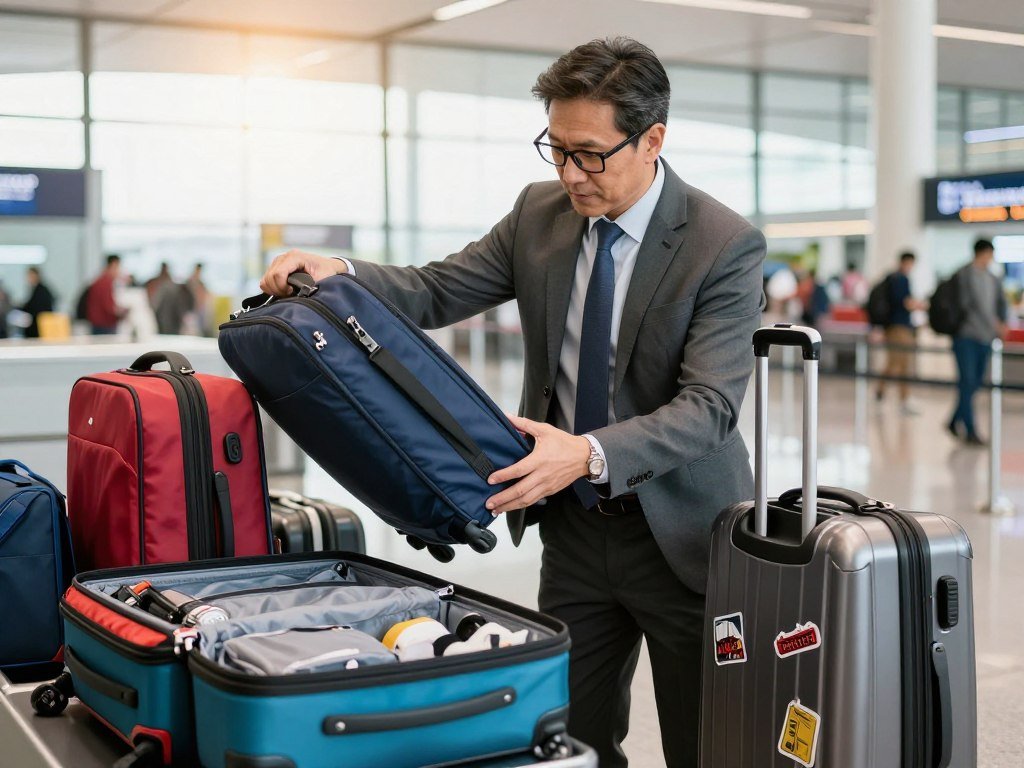
A dependable carry-on can make a short trip simpler, but the right choice depends on what you pack and where you fly. You need enough room for your usual clothes and gear, yet a bag that is too large can cause trouble at the gate.
The best fit balances cabin size, packing space, carrying comfort, and features you will actually use. A frequent flyer who values easy access may want different luggage than someone taking a few weekend trips each year.
This roundup compares options for different trip styles and budgets, from organized spinners to flexible fabric bags. No single model suits every traveler or destination. Start by matching the bag to your usual trip length and the strictest airline you expect to use.
Key Takeaways
- The Travelpro Platinum Elite is a strong all-around starting point for organization and handling.
- Compare a bag’s full exterior dimensions with each airline on your route.
- Choose hardshell or softshell luggage based on your contents and packing habits.
- A larger capacity can be useful, but it may reduce overhead-bin fit.
- Empty weight, handle comfort, and repair terms matter alongside price.
Best Carry On Luggage For Travel at a Glance
For most travelers seeking a well-equipped spinner, the Travelpro Platinum Elite is the strongest all-around starting point. Its organization and handling suit frequent trips, while other models offer different strengths at lower prices or with more packing room.
The best luggage choice depends on the trip and the airline, not just the bag’s capacity. A roomy case can be harder to fit in an overhead bin, especially when it expands.
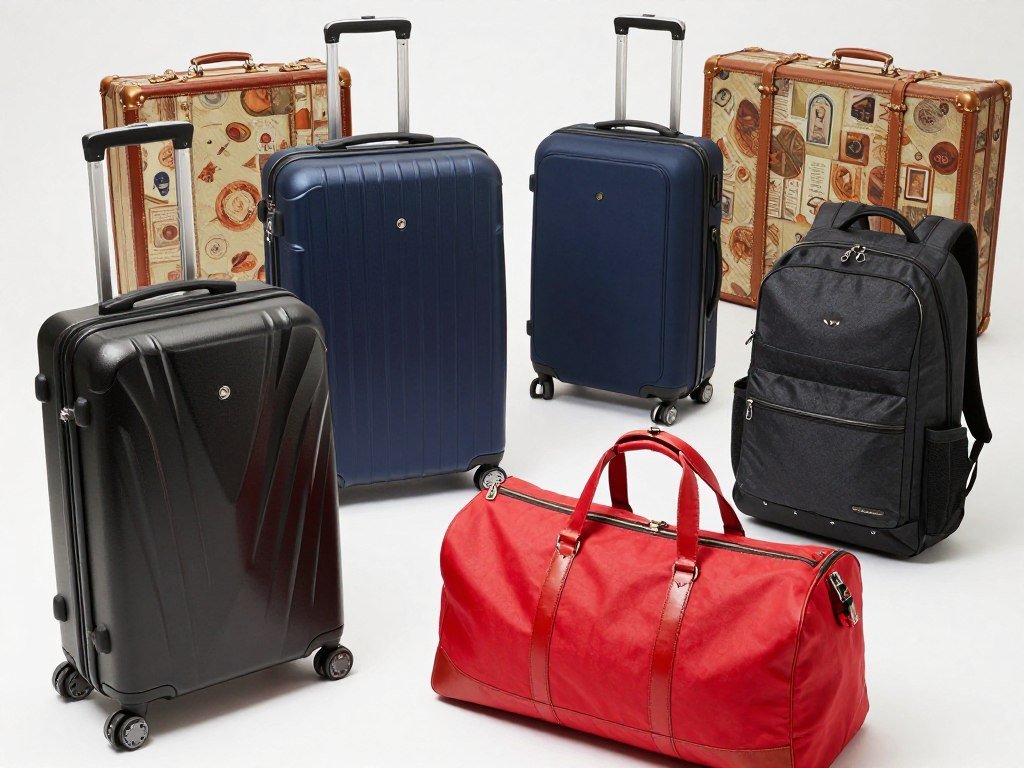
| Model | Best fit | Shell or construction | Standout feature | Main trade-off |
|---|---|---|---|---|
| Travelpro Platinum Elite Carry-On | Feature-focused frequent travelers | Ballistic nylon softshell | Magnetically aligned wheels and wet case | Heavy, with a wide exterior |
| Away The Carry-On | Travelers who prefer a structured case | Polycarbonate hardshell | Interior compression panel | Fixed capacity without expansion |
| Samsonite Freeform Spinner | Lower-cost hardshell shoppers | Expandable hard shell | High measured packing capacity | Exterior exceeds common U.S. cabin size |
| Travelpro Maxlite 5 | Value-minded travelers | Softshell spinner | Exterior pockets and packing straps | Less style-focused than some rivals |
| July Carry-on Max | Light packers needing more space | Expandable hard shell | 49.5-L measured volume | Tall size may lead to gate-checking |
A larger capacity can come at the cost of fitting overhead bins. Compare the packed bag with the strictest airline on your route.
These five products cover distinct needs, from organized storage to high capacity. The Travelpro Platinum Elite is the most balanced option for many travelers, but its size and weight may not suit every trip. The Samsonite and July offer more room, while the Away keeps a fixed footprint.
Use the table to narrow your options by construction, features, and trade-offs. Treat the shortlist as a way to narrow your options, then verify the dimensions against your own airline.
How were carry-ons tested for real trips?
A bag that rolls smoothly on a flat floor still needs to handle rough pavement, tight turns, and a packed compartment. Real travel puts wheels, handles, access, and packing design under different kinds of strain.
A pleasant showroom roll does not show how a bag behaves on uneven surfaces. In 2026, Outdoor Gear Lab compared 16 products, while rolling-luggage trials described in product testing covered varied surfaces and airport settings.
What rolling and handling tests reveal
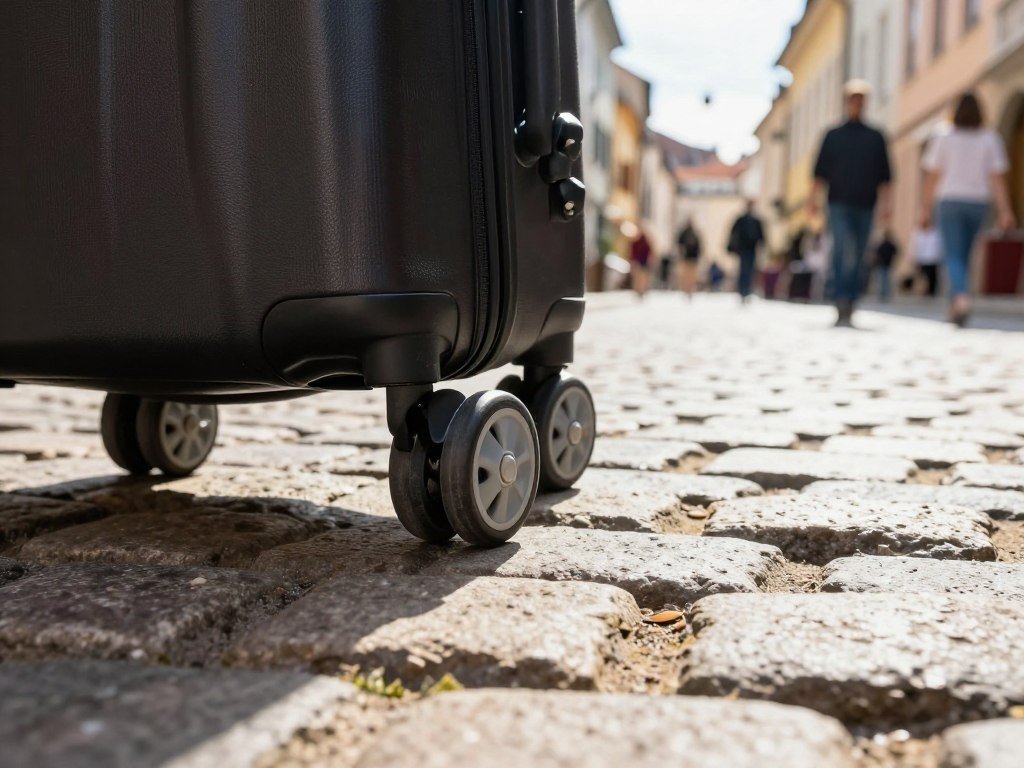
Testers rolled bags over carpet, cobblestones, concrete, tile, stairs, and moving walkways. They also used escalators and elevators, where a bag may need lifting or careful steering.
Wheel glide matters, but so does control when you make a tight turn. A handle should feel steady at its working height and comfortable in your hand. Noise and wobble can become tiring during a long airport walk.
Use these checks when comparing luggage:
- Wheel glide and noise across smooth and rough ground.
- Handle comfort and stability while walking.
- Access to pockets without opening the main case.
- Ease of packing and closing a full bag.
Why packing layouts matter in use
Opening and packing each compartment reveals whether the interior supports your routine. A useful layout keeps clothes, chargers, and small items easy to find without making the case hard to close.
Construction also affects daily use. A firm frame can hold its shape, while flexible panels may give you more room to maneuver a full bag. Check whether pockets remain useful after the main compartment fills.
Give wheel and handle behavior extra weight if you expect long walks through airports or transit stations. A bag that feels easy to steer when empty may behave differently once your items shift inside.
What size carry-on works for U.S. and international airlines?
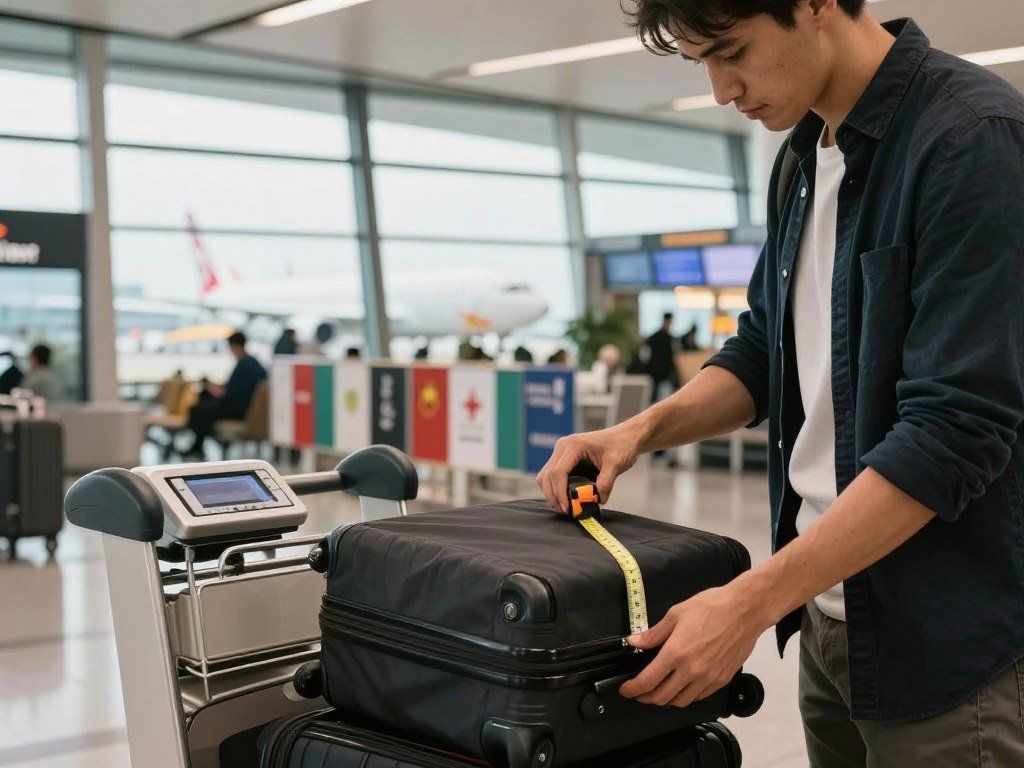
For many U.S. flights, the familiar carry-on ceiling is 22 x 14 x 9 inches, counting wheels and handles. Airline-approved size depends on the carrier and route. Linear inches means the sum of a bag’s length, width, and height.
The best carry on luggage for travel international should fit the strictest airline on your itinerary. Measure the whole bag, including wheels, handles, and any expansion before you leave.
| Airline or allowance type | Maximum dimensions or linear inches | Weight limit | Practical note |
|---|---|---|---|
| Most U.S. airlines | 22 x 14 x 9 inches | Often not published | Wheels and handles count |
| Common international limit | 21.5 x 15.5 x 9 inches or 46 linear inches | Varies by carrier | Check each airline on a connecting trip |
| Qatar Airways | 20 x 15 x 10 inches or 45 linear inches | 15 lbs | Smaller dimensions can govern your choice |
| Qantas, Qatar Airways, Singapore Airlines | Carrier-specific dimensions | 15 lbs | Pack light enough for the stated cap |
In 2026, most U.S. airlines allowed bags up to 22 x 14 x 9 inches, including wheels and handles. A common 2026 carry-on limit for international travel was 21.5 x 15.5 x 9 inches or 46 linear inches.
Typical U.S. cabin limits
Delta, American Airlines, Air Canada, and Southwest Airlines use linear inches in their rules. Delta’s limit is 45 linear inches. Many major U.S. airlines, including Delta, JetBlue, and United Airlines, did not publish a carry-on weight limit in 2026.
Policies can differ between airlines on a connecting itinerary, even when the first flight accepts your case. An expanded bag may also exceed its allowed dimensions, so measure it in the configuration you plan to use.
International rules and strict airline checks
A common international allowance in 2026 was 46 linear inches, but Qatar Airways allowed up to 45 linear inches. Qantas, Qatar Airways, and Singapore Airlines set a 15-pound carry-on weight limit.
A bag one inch too large may fail the sizer check or be gate-checked. The airline sets any fee and decides how the bag will be handled. Measure the packed bag in its travel-ready state and check every carrier on the itinerary before leaving home.
When is a personal item or checked bag the better choice?
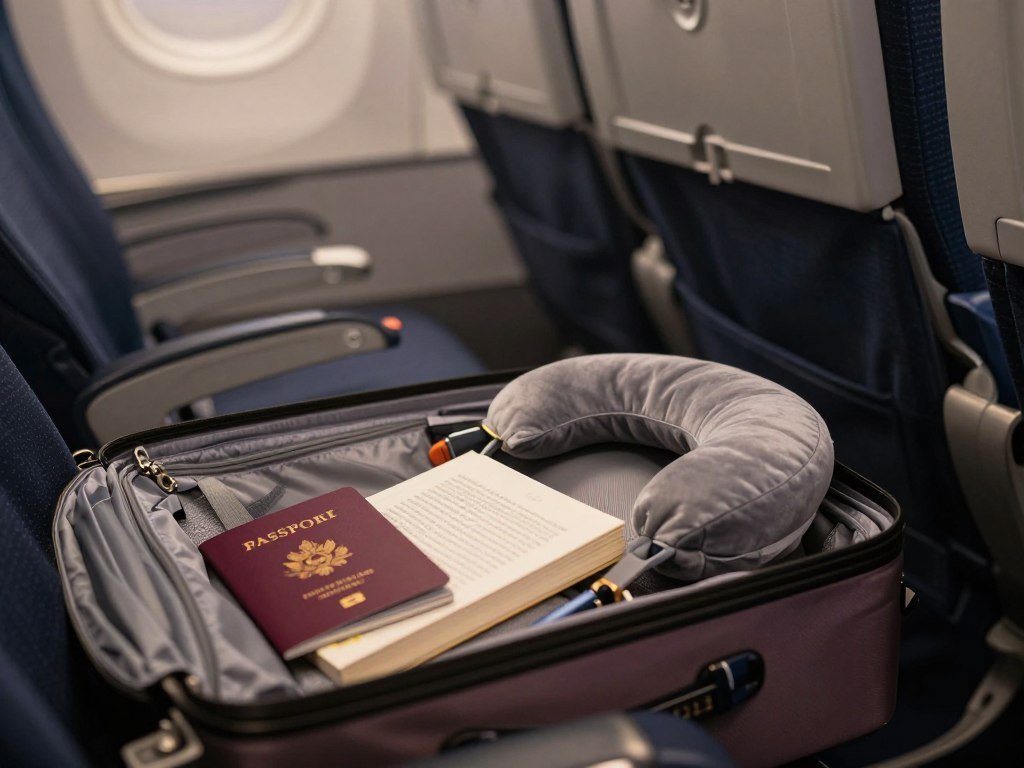
A personal item belongs under the seat, while a carry-on is intended for the overhead bin. A checked bag travels in the hold, so it keeps bulky items out of the cabin.
A personal item usually holds items you want close, such as a wallet, tablet, or travel documents. Its size allowance varies by airline, even when the bag fits beneath the seat.
| Bag type | Where it goes | Typical use | Size or practical limit |
|---|---|---|---|
| Personal item | Under the seat | Essentials and small items | Often around 18 x 14 x 8 inches |
| Carry-on | Overhead bin | Clothes and cabin essentials | Carrier’s cabin allowance |
| Checked bag | Aircraft hold | Longer trips or bulky gear | Carrier’s checked-bag terms |
American Airlines, Allegiant Air, and Frontier allowed personal items up to 18 x 14 x 8 inches in 2026. JetBlue allowed 17 x 13 x 8 inches, while United Airlines allowed 17 x 10 x 9 inches.
What belongs under the seat
Keep a phone, wallet, medications, and other in-flight essentials in a bag you can reach without opening the overhead bin. A travel wallet for documents can keep boarding passes, cards, and a passport together.
For liquids, pastes, gels, and creams, use containers of 3.4 ounces or less in a quart-sized clear bag. Check the airline’s personal-item size before choosing a tote or backpack.
When checking luggage makes sense
A checked bag is more practical for longer trips or bulky equipment that will not fit your cabin bags. A carry-on keeps essentials accessible, but its smaller capacity can make a long trip harder to pack.
Before checking a bag, make three checks:
- Keep medication and critical documents accessible.
- Confirm the carrier’s checked-bag terms.
- Protect fragile or valuable items.
Keep medication, travel documents, and other time-sensitive essentials in the bag that stays with you.
Hard-shell or soft-sided: which suits your packing style?
Choose a hardshell when a structured case and extra protection matter more than squeezing in one last item. A softshell may suit you better when flexible packing and exterior pockets matter more.
Neither construction is best for every trip. The right luggage depends on what you carry, how tightly you pack, and whether you need quick access to items.
Choose a hardshell for structure and protection
A hardshell keeps its shape and can shield contents from pressure. The Away The Carry-On uses a polycarbonate shell, which forms a firm outside around its packed interior.
That structure can be useful for fragile items, but it gives you less room to squeeze in extra gear. Packing a hard case beyond its intended space can also make closing it difficult.
Choose a softshell for flexibility and access
A softshell can flex around a packed interior and may include exterior pockets for items you want to reach quickly. The Travelpro Platinum Elite Carry-On uses a ballistic nylon exterior, while the Patagonia Black Hole Wheeled Duffel Bag holds 40 liters.
Use these cues to choose a construction:
- How much protection do fragile contents need?
- Do you need exterior pockets for quick access?
- Would flexible packing help with your usual items?
- How much compression or organization do you want?
A fabric or shell that feels soft does not, on its own, show how long a bag will last. Materials, stitching, wheels, and daily care all affect how a case holds up.
Choose based on the contents and access you need, not on the assumption that one shell type is best for every trip.
Is the Travelpro Platinum Elite the best all-around carry-on?
The Travelpro Platinum Elite is the strongest all-around choice here for travelers who prioritize smooth handling and organization. Its 2026 overall score was 92, with top marks for transport and strong marks for function and construction.
The model suits frequent travelers who value useful features and a controlled roll. Its 8.1-pound empty weight and wide exterior may be drawbacks if you need a lighter bag or fly with strict cabin limits.
| Test category | Score |
|---|---|
| Ease of transport | 10.0 |
| Design and functionality | 9.0 |
| Construction quality | 9.0 |
| Capacity | 8.5 |
Magnetically aligned wheels help the spinner roll in a straight line. A removable TSA-compliant wet case separates damp or spill-prone items from clothes.
The exterior USB port offers a way to connect a device to a power bank packed inside. A folding garment bag can help keep dress clothes separate, while the expandable compartment adds packing room.
The bag measures 21 x 14.5 x 9 inches externally and holds a measured 40.0 liters in its non-expanded main compartment. That width is a concern because it exceeds the common U.S. allowance described earlier.
At a $390 list price, it costs more than value-focused options. The limited lifetime warranty covers defects or workmanship, and airline damage is covered if the bag is registered.
Its features and handling make it a strong all-round pick, though not a safe fit for every airline. Compare its full exterior dimensions with your carrier’s limit before relying on it as a cabin bag.
Does the Away The Carry-On make sense for most travelers?
The Away The Carry-On suits travelers who want a structured case and a simple compression system without relying on expansion. Its fixed shape and compression panel make packing straightforward, but its capacity cannot grow when you add items.
At a $275 list price, the case offers a polycarbonate shell and an interior compression panel. It weighs 7.4 pounds empty and holds a measured 35.5 liters without expansion.
The compression panel helps keep clothing in place and can make the interior easier to manage. Since the case does not expand, its original footprint stays fixed as you pack.
That limit is also the trade-off. Travelers who need extra room for souvenirs or bulky layers cannot open an expansion section. The measured capacity may be enough for a short trip, but the packing plan needs to fit inside it.
The exterior measures 21.7 x 13.5 x 8.5 inches. Those dimensions still need to be checked against your airline, especially if your route includes a carrier with a smaller cabin allowance.
Away includes lifetime repair for a registration fee, plus five-year free repairs for functional damage from manufacturing defects or airline mishandling. Read the terms so you know which repairs qualify and what the fee covers.
Pick it when your packing fits comfortably inside its fixed capacity rather than hoping to add space later. The shell and compression panel work best when you have a clear idea of what you will bring.
Is the Samsonite Freeform Spinner a good budget choice?
The Samsonite Freeform Spinner is a roomier, lower-priced hard-sided option, but its exterior is larger than common U.S. carry-on limits. Its 41.2-liter measured volume scored 9.0 for capacity, which may appeal to light packers seeking extra room.
The bag weighs 6.6 pounds empty and expands. Its $220 list price makes “budget choice” a relative comparison with pricier models, not a promise of a current sale price.
The model scored 69 overall in 2026 testing. Ease of transport scored 7.0, design and functionality scored 6.0, and construction quality scored 6.5.
Its capacity is the clearest strength, while its 23 x 15 x 10-inch exterior dimensions may make overhead-bin travel difficult. Expansion gives you more packing room, but it can add to the bag’s exterior size.
The Freeform weighs less empty than the featured Travelpro Platinum Elite, a useful detail if you want a lighter case. That difference does not establish how either bag will hold up over time.
Samsonite provides a limited warranty for manufacturing defects or faulty workmanship. The terms do not make a general promise about wear from everyday use, so read the coverage before buying.
For a traveler who needs room and can use the bag as checked luggage, the Freeform may be a reasonable lower-cost hard-sided option. Measure this model carefully before choosing it for overhead-bin travel.
Is the Travelpro Maxlite 5 the best value?
The Travelpro Maxlite 5 offers useful everyday organization at a $160 listed price. Its pockets and interior layout make it a practical value-focused option for travelers who want to sort items without paying for a long feature list.
The organizer lid and compression straps help keep clothes in place. Two external pockets put small items within reach, while a rubberized handle grip adds comfort during a walk through the terminal.
A telescoping handle with two adjustments lets you choose between two working heights. The design favors function over a fashion-forward look, so it may not suit shoppers who place style first.
Another budget-minded option is the BAGSMART Roamer Expandable 20-inch carry-on. Its water-resistant pocket gives you a place for items that need some protection from spills or damp gear.
The Roamer’s expansion can exceed many U.S. airline carry-on limits. The Maxlite 5’s main draw is everyday organization, while the BAGSMART model may offer more room when expanded, with a possible cabin-fit trade-off.
A lower price does not guarantee that the Maxlite 5’s wheels or handle will feel as smooth as those on more expensive bags. Try the handle and wheel feel in person if possible, especially if you expect to use the bag frequently.
Which carry-ons make family travel easier?
Family travel is easier to organize when shared essentials, clean clothes, and laundry have separate places. For the best luggage for a family of 4, assign shared items deliberately rather than expecting one bag to hold everyone’s belongings.
A shared duffel can keep family gear together, while a child’s ride-along case serves a different purpose. Each approach works best when you decide in advance whose items belong in each bag.
Organize shared family gear in a duffel
The No Reception Club Hideaway Carry-On Duffel measures 22 x 13 x 9 inches and holds 42 liters. It uses water-resistant, 100% CORDURA recycled polyester with metal YKK zippers.
Its removable organizer can be set up in as many as five sections. That lets you separate shared supplies, children’s clothes, or other items that need their own place.
An expandable laundry sack resists odors and water, keeping worn clothes apart from clean gear. An insulated quick-access pocket can hold items that need to stay cool during the trip.
One bag cannot replace each traveler’s personal essentials. Keep medication and important documents assigned to the person who needs them.
Consider a ride-along case for child travel
A ride-along suitcase can give a child a place to sit while moving through an airport, if the product’s rules allow it. The Miamily ride-along suitcase lists an adult weight capacity of up to 220 pounds.
That stated capacity is a limit, not a reason to use the suitcase in ways the maker does not permit. AFAR’s family travel gear review describes ride-on cases tested with children on flights and trips.
Keep each traveler’s medication and must-have documents in a bag that remains accessible to that person.
What works best for laptops and organized packing?
Travelers who need to reach a laptop in transit can benefit from an exterior-access compartment. A separate tech pocket makes quick access easier, though it takes space from the main compartment.
Look at the size of the laptop sleeve as well as the room left for clothes. A dedicated pocket is useful only if the rest of the case still fits your regular items.
Carry tech without opening the main compartment
The Monos Carry-On Pro has an exterior laptop compartment, a 29.8-liter main compartment, and a 7.7-pound empty weight. It measures 20 x 14 x 6.5 inches and does not expand.
The tech pocket keeps your computer separate from packed clothes and can save time during a security check. It also takes up room that could otherwise hold clothing or other travel gear.
A laptop tote may work if you want a separate bag for your computer and daily items. Check the device compartment size, handles, and empty weight before making it your personal item.
Choose organization that can adapt
The Horizn Studios M5 Pro offers a 37-liter capacity and a tech-focused organization system. That setup may suit travelers who keep work gear, cables, and small accessories together.
The Bellroy Transit Carry-On takes a different approach with removable packing cells. You can take the cells out when you want a more open compartment for larger items.
Replaceable wheels, grab handles, a telescopic handle, and a TSA lock are also included with the Bellroy. Parts that can be replaced may make repairs more practical, though they do not promise a specific repair result.
Check that a dedicated tech pocket leaves enough room for the clothes and other essentials you need to pack.
Which carry-on can handle a two-week packing list?
A large carry-on can cover a two-week trip for a disciplined packer, but it leaves less margin for airline size and weight checks. The July Carry-on Max holds a measured 49.5 liters without expansion, the largest stated volume in this shortlist.
Product details describe it as able to hold about two weeks of clothing, including extra shoes. Its 23-inch height, 8.2-pound empty weight, and expandable design can make it difficult to use as cabin luggage on some routes.
Its overall 2026 test score was 79, with a 9.0 for capacity. The bag measures 23 x 16 x 9 inches, expands, and lists for $325. A stowable tote comes with it.
That tall exterior can lead to a gate check, and some international airlines set strict weight limits. The empty bag already uses part of your weight allowance before you add shoes, clothing, or toiletries.
A checked bag may feel more comfortable for a two-week trip if your itinerary requires bulky clothes or gear. If you are packing light, group items by use and repeat outfits where practical:
- Versatile clothing that works in more than one outfit.
- Extra layers suited to the weather.
- Toiletries in travel-size containers.
- Chargers and travel documents.
- Shoes chosen for repeat wear.
Choose the July Carry-on Max only when its full size and weight are acceptable on your actual route. Its room is useful only if the case can travel with you as planned.
Which compact or soft-sided alternatives suit different travelers?
A compact fabric or duffel-style option can suit travelers who value a lighter, more flexible way to pack. The best fit depends on how the bag feels when loaded, not only on its empty weight.
Two-wheel bags and four-wheel spinners handle differently, especially on rough ground or in crowded spaces. Choose the style that feels controlled on the surfaces you expect to cross.
Light, compact choices for short trips
The Rick Steves Rolling Carry-On measures 20 x 13.5 x 9 inches at the main compartment and 21 x 13.5 x 9 inches including wheels. It weighs 6.5 pounds and holds 40 liters.
Its polyester fabric uses a molded shell frame. The Patagonia Black Hole Wheeled Duffel Bag also holds 40 liters, with a two-wheel design that may suit travelers who prefer to pull a duffel.
The Bellroy Lite Carry On is a softshell bag designed for flexible packing. A small travel backpack can also keep daily essentials close, though its capacity and features need to match your trip.
Use these comfort checks before choosing:
- How heavy is the bag when loaded?
- Does the handle feel comfortable at your height?
- Do two wheels or four suit your route’s surfaces?
What helps women carry comfortably
The best carry-on bag for a woman follows the same practical rules as any traveler’s bag. Look for a manageable empty weight, a comfortable handle, usable pockets, and dimensions your airline accepts.
Body size, clothing, and trip plans differ from person to person, so a gender label cannot tell you whether a bag will feel right. Try lifting it, steering it, and reaching its pockets with the items you usually carry.
A tote or backpack may work better as a personal item if you need documents or a laptop close by. Try lifting the packed bag and adjusting its handle before choosing it for frequent use.
What should you check before buying?
A higher price makes sense only when the construction, organization, or repair support matches how often you travel. Pay for features you will use, not a longer list of features.
The Briggs & Riley Baseline Essential Spinner is a premium comparison point at a $729 list price. It scored 91 overall in 2026 testing, but that does not make it the right choice for every traveler.
Compare cost with the features you will use
Think about how often you travel and which parts of the bag affect each trip. Smooth wheels may matter for frequent airport walks, while extra pockets may go unused if you pack a few simple organizers.
Price can reflect materials, design, or repair support, but it cannot guarantee a better fit for your routine. A less costly bag may be the smarter buy when it carries your usual items and handles your route well.
Read warranty terms and exclusions
Warranty labels can sound broad, so read the written terms. Check coverage for manufacturing defects, airline handling, registration requirements, and fees before treating a lifetime label as full protection.
Some plans cover defects but not normal wear, while others require registration or charge for repairs. The exact terms matter more than the name of the warranty.
Check repairability and everyday durability
Inspect wheels, zippers, stitching, and handle movement before buying. These parts take regular use, and a repair option can help if one wears out.
Ask whether worn parts can be replaced or repaired, and whether the brand offers the service you need. A replacement part may extend a bag’s use, but repair access and costs differ.
Use these five questions before ordering:
- Does the bag fit the strictest airline?
- Is its empty weight workable?
- Do its compartments suit your packing style?
- Are warranty exclusions clear?
- Can worn parts be replaced or repaired?
Before you buy, compare the exact model dimensions, warranty wording, and return terms shown for the version you plan to buy.
Before ordering, compare the exact model dimensions, warranty wording, and return terms shown for the version you plan to buy.
Conclusion
The right carry-on is the one that fits both your packing habits and your airline’s rules. The Travelpro Platinum Elite is the strongest all-around starting point for travelers who want features and organized storage.
Your best choice still depends on the route, the way you pack, and which features you will use. A bag that works for a short domestic trip may be less suitable for a long international itinerary.
Measure your packed bag and compare the exact model with the strictest airline on your itinerary before you buy. Measure your current bag, check your route’s limits, and choose the model that leaves the fewest compromises for your next trip.
FAQ
What are the new carry-on rules for 2026?
What size luggage should I pack for a trip that lasts 2 weeks?
What is the 5 4 3 2 1 rule for packing?
Is 28 inch luggage too big for airlines?
What happens if my carry-on is 1 inch too big?
Why should you not tie a ribbon on your luggage?
Why can’t you wear a crossbody on a plane?