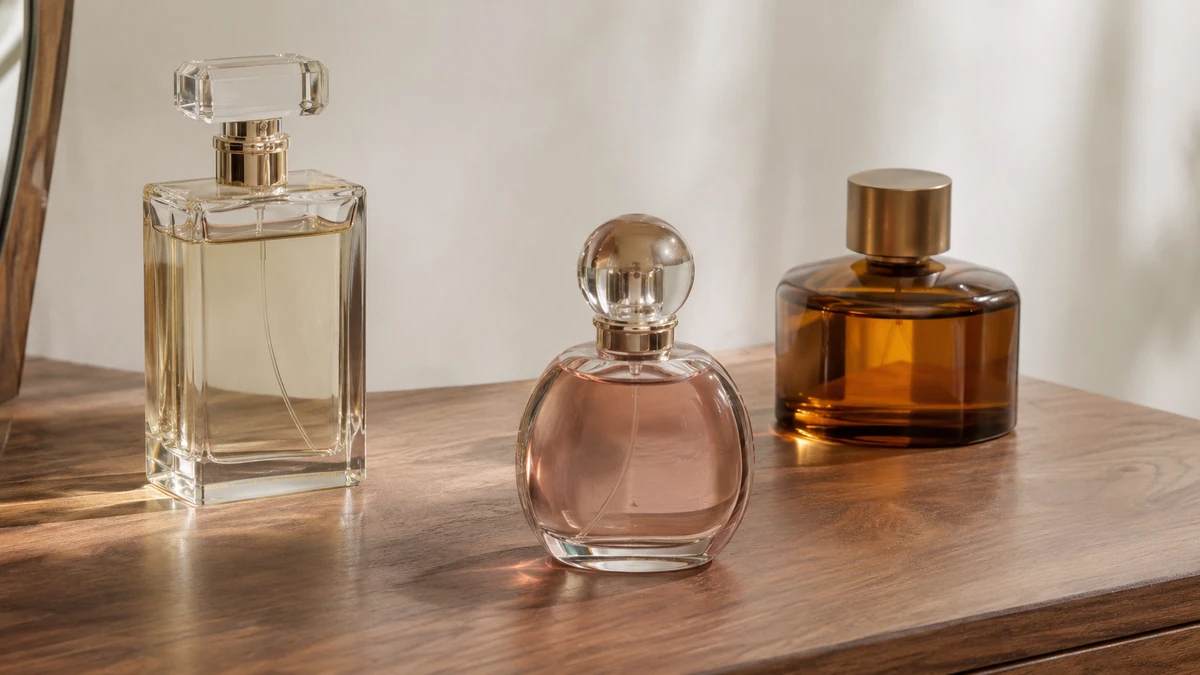
The perfume you loved on a cool evening suddenly feels too rich during a warm afternoon commute. A bright citrus scent you reach for on holiday feels less appealing when you want something soft and comforting.
Your preferences can change with your surroundings, clothes, plans, and mood. A seasonal fragrance wardrobe gives you a few considered options for those changes.
To create a seasonal fragrance wardrobe, start with the perfumes you own, identify what suits your everyday life, and sample fragrances that fill a genuine gap. Build around your local weather and preferences rather than buying a separate bottle for every season.
A small, useful collection is enough.
What Is a Seasonal Fragrance Wardrobe?
A seasonal fragrance wardrobe is a selection of personal fragrances you rotate according to weather, setting, occasion, and preference.
It might include a familiar everyday perfume, a fresher alternative, and something richer for selected evenings.
Seasonal associations are useful starting points. Jo Malone London describes citrus and floral families as popular spring and summer choices, while woody and spicy fragrances are popular during autumn and winter. These are preferences and brand guidance not restrictions on when you can wear a scent.
You can enjoy vanilla in summer or citrus in winter. The important question is whether you enjoy the particular fragrance in the conditions where you wear it.
1. Start With Your Climate, Not the Calendar
Look at the weather you actually experience.
A wardrobe built around four sharply defined seasons may make little sense somewhere with a long hot period, a rainy season, and a short mild winter.
Consider your indoor surroundings too:
- Do you commute outdoors?
- Spend most days in air-conditioned rooms?
- Work in close contact with other people?
- Attend venues with fragrance restrictions?
- Prefer perfume mainly for evenings?
These details help you choose more accurately than a seasonal shopping list.
Describe Your Real Fragrance Needs
Instead of writing “I need a summer perfume,” try:
“I want something I enjoy during warm daytime journeys that feels comfortable in a shared office.”
That gives your search a practical direction.
2. Audit the Fragrances You Already Own
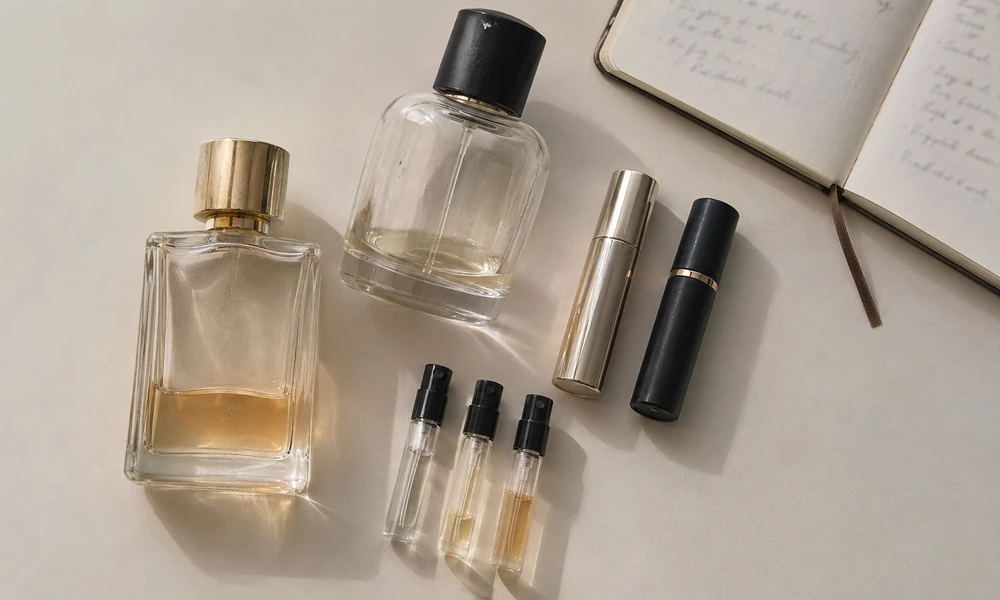
Bring your bottles, travel sprays, and samples together. List what you have before buying anything.
| Fragrance | When you reach for it | What you enjoy | What feels missing |
| Everyday favorite | Work and ordinary days | Familiar, easy to wear | Perhaps nothing |
| Richer perfume | Dinners and cooler evenings | Warmth or depth | A smaller format for occasional use |
| Bright sample | Warm afternoons | Fresh opening | More testing needed |
| Rarely worn bottle | Few occasions | Attractive idea or packaging | May not suit your preferences |
Wear forgotten favorites again before deciding they need replacing.
You may already have enough variety. Moving two bottles into regular use could be more satisfying than adding a third that overlaps with them.
3. Give Each Fragrance a Role
Start with roles rather than a required bottle count.
A practical collection might have:
| Role | What it should do |
| Everyday anchor | Feel familiar and appropriate for your usual routine |
| Fresher alternative | Offer a brighter or lighter impression when you want it |
| Richer alternative | Provide warmth, sweetness, texture, or depth |
| Optional occasion scent | Suit an event or mood your other fragrances do not cover |
One fragrance can serve several roles.
For example, your everyday floral may work across most of the year. You might only need one contrasting fragrance to give the collection flexibility.
Pravi Celer’s luxury perfume guide offers a broader introduction to choosing a fragrance and exploring different styles.
4. Use Seasonal Notes as a Starting Point
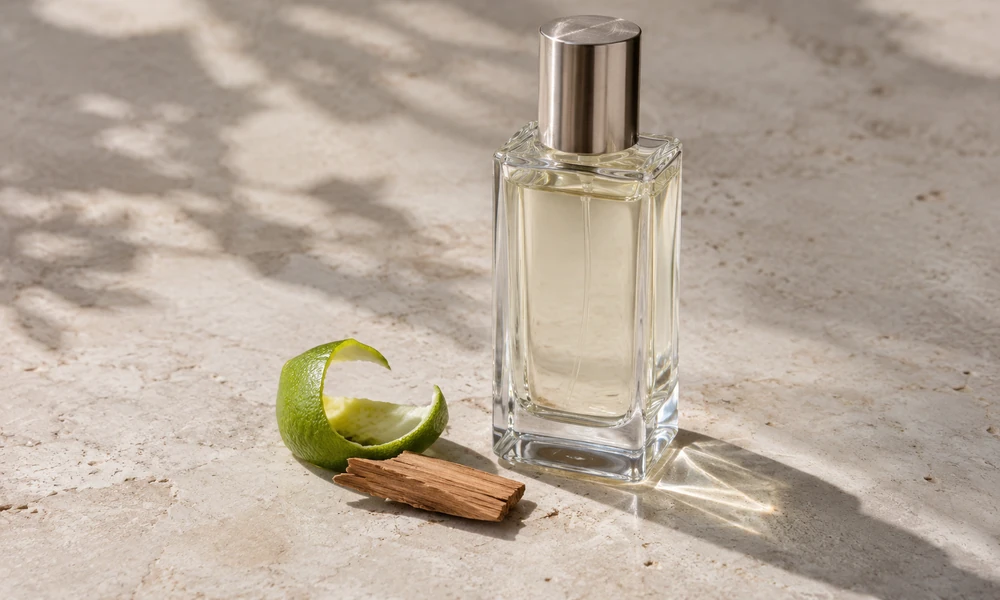
Fragrance descriptions help narrow the search, but smell the finished perfume before deciding.
A perfume listed as woody might feel airy or dense. A floral can be crisp, sweet, powdery, or rich.
The following suggestions are directions to explore, rather than guaranteed seasonal matches.
| Season or conditions | Scent directions to sample | What to assess |
| Mild spring days | Green notes, citrus, fresh florals | Whether you enjoy the overall brightness |
| Hot weather | Citrus, aromatic, watery, or transparent woody styles | Comfort and intensity during normal wear |
| Cooler transitional days | Woods, tea-like notes, gentle spice | Whether it gives the depth you want |
| Cold evenings | Amber-like, vanilla, resinous, or richer woody styles | Sweetness, strength, and suitability indoors |
| Year-round indoor use | Any style you enjoy at an appropriate application level | Shared-space comfort and personal preference |
Avoid choosing from a note list alone. Two rose perfumes may have little resemblance beyond that shared description.
5. Sample in Conditions That Matter
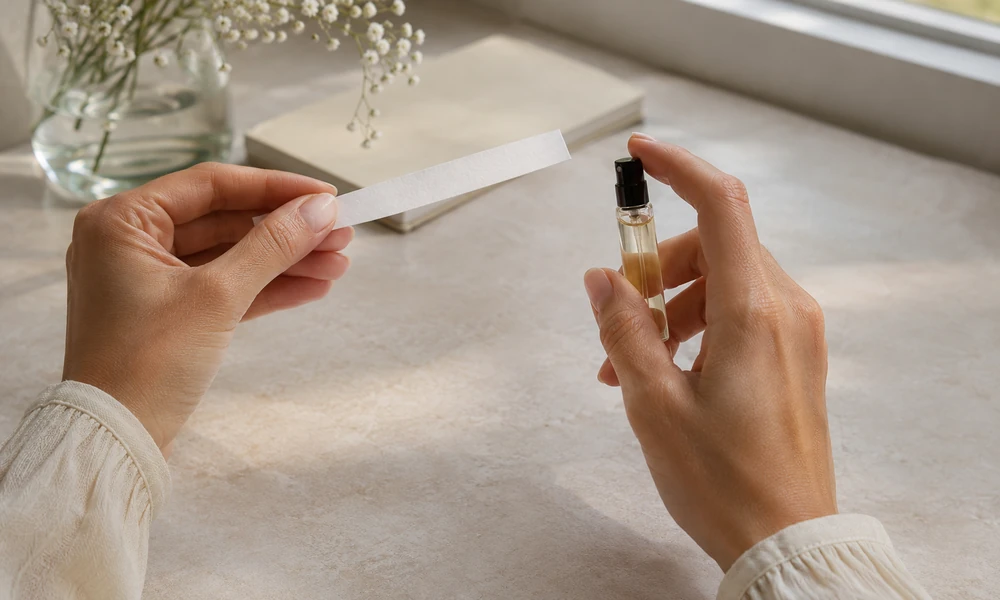
A quick impression at a perfume counter cannot tell you whether a fragrance belongs in your routine.
Begin on a blotter. If you like it and the product is suitable for you, wear it according to its instructions on another occasion.
Test it during an ordinary day:
- With your usual commute.
- In your typical indoor surroundings.
- At a time when you would realistically wear it.
- Without several unfamiliar scented products competing.
Follow any workplace or venue fragrance policy.
Keep a Short Wear Diary
| Detail | What to record |
| Conditions | Warm afternoon, cool evening, mostly indoors |
| Application | What you used, within product directions |
| Opening | Your first impression |
| Later wear | How your experience changed |
| Comfort | Whether you wanted more, less, or no fragrance |
| Decision | Sample again, buy a small size, or pass |
Repeat the test if you remain uncertain. You are assessing whether you want to live with the fragrance, not whether you can identify every note.
6. Choose Bottle Sizes Around Actual Use
Occasional fragrances may suit samples or travel sizes better than large bottles.
Before purchasing, ask:
- How often will I wear this?
- Does it duplicate something I own?
- Have I enjoyed more than one wear?
- Is a smaller size available from a reliable source?
- Would I still want it without the seasonal launch or gift packaging?
Price per milliliter is only part of value. A larger bottle offers little practical advantage if most of it remains unused.
If you enjoy exploring floral and other fragrance styles, Pravi Celer’s guide to luxury perfumes for women provides options to investigate individually. Let your own preferences guide the selection.
7. Review Application Before Replacing a Favorite
Sometimes you still enjoy a fragrance but want less intensity in a different setting.
Try a lighter application within its directions before concluding that you need a new bottle.
There is no universal seasonal spray count. Atomizers, products, settings, and individual preferences differ.
Also distinguish between longevity and suitability. A perfume can remain noticeable for hours yet feel wrong for a particular occasion. A quieter fragrance may be exactly what you prefer.
Avoid repeatedly adding more simply because you have stopped noticing it.
8. Rotate Gradually
You do not need to put one fragrance away on a fixed date.
Keep your everyday favorite available and introduce an alternative when your preferences change. On an unusually cool day, you may want the richer option again.
At the start of a weather change, ask:
- What am I reaching for?
- What feels less comfortable now?
- Is there an existing fragrance that fills the gap?
- Do I need another purchase?
This keeps the wardrobe responsive to your life.
9. Store the Whole Collection Properly
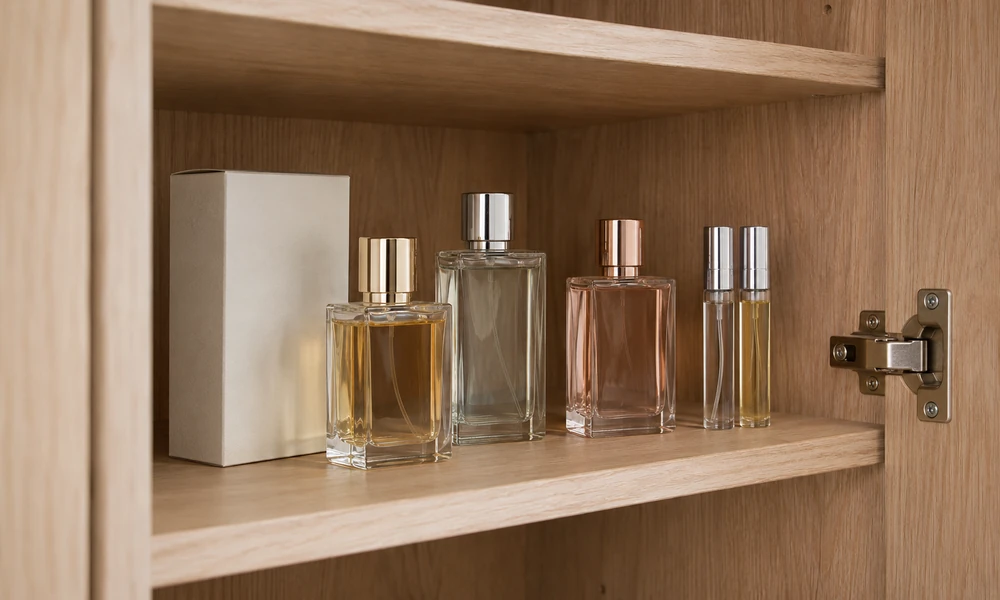
Seasonal rotation should not leave unused bottles exposed on a sunny shelf.
CHANEL advises storing fragrance away from heat and light and keeping it tightly sealed.
A suitable cupboard away from heat sources can be more practical than a brightly lit display.
Keep bottles and samples clearly identified. Follow product-specific storage instructions, and avoid leaving perfume in a hot car.
Common Mistakes to Avoid
| Mistake | A better approach |
| Buying one bottle for every season immediately | Start with your existing collection |
| Following seasonal labels rigidly | Choose for actual conditions and preference |
| Judging from the opening alone | Assess later wear too |
| Buying several similar perfumes | Identify the role each addition would serve |
| Choosing the largest bottle for value | Match size to likely use |
| Treating more sprays as a seasonal strategy | Assess total intensity and setting |
| Displaying bottles in strong light | Store them away from heat and light |
FAQs
How many perfumes do I need for a seasonal fragrance wardrobe?
There is no required number. Begin with one favorite and add a contrasting option only when it serves a clear purpose.
Can I wear the same perfume all year?
Yes. If it suits your preferences and settings throughout the year, there is no need to change it.
Can I wear sweet fragrances in summer?
Yes. Test the particular fragrance in your normal conditions and choose an application level that feels comfortable and respects the setting.
Do I need separate daytime and evening perfumes?
No. One fragrance may suit both. Add another only if you want a different experience.
Should I buy a fragrance because it is described as seasonal?
Treat the description as a suggestion. Sample it and assess how it fits your routine before purchasing.
What is the easiest wardrobe for a beginner?
Start with an everyday favorite and one alternative with a noticeably different character. Learn what you enjoy about both before expanding.
Build Around the Fragrances You Reach For
Choose one perfume you already enjoy and wear it through an ordinary week.
Notice when you want something different and what that difference would be. Then explore a sample that answers that specific preference.
Over time, your seasonal wardrobe can become a small collection of familiar choices, each with a place in your everyday life.