There was a moment, not so long ago, when the most fashionable thing a luxury label could do with sport was to put its logo on a legging. The gym had moved into the street, the street had moved into the office, and comfort had become the whole argument.
It was a clever answer to a real change in how people lived. But it was never quite luxury. It borrowed the language of performance without doing the work of it, and after a decade of stretch fabrics and monogrammed waistbands, the best-dressed people in the room have quietly moved on.
What replaced athleisure is not a return to stiff tailoring, and it is not a rejection of comfort. It is something more exacting: sportswear made the way luxury goods have always been made, with serious materials, honest construction and a clear idea of what the garment is for.
The jacket keeps out the weather, the shoe is built for the miles it will cover, and the knit is cashmere because cashmere does the job better. The difference is visible the moment you pick a piece up.
What Athleisure Actually Was
Athleisure began as a practical solution. Yoga, running and the gym had become daily habits for a large number of people, and the clothes made for those activities were the most comfortable things they owned. It was only natural to wear them beyond the studio.
Lululemon, founded in Vancouver in 1998 by Chip Wilson, understood this before almost anyone else: its first standalone store opened in 2000, and by the time of its stock market listing in July 2007 it had turned a yoga pant into a premium product with a devoted following. Alo Yoga followed in 2007, Vuori in 2015, and a whole category grew up around them.
The formula was consistent and it worked. Take a technical fabric, cut it close to the body, add a small logo, and sell the idea that one outfit can carry you from a workout to lunch to the school run. The clothes were genuinely comfortable, but the category had a ceiling built into it.
When every brand is selling the same stretch legging in the same muted colours, there is very little left to distinguish one from another except the logo and the price. The garments were designed to be worn everywhere, which meant they were designed for nowhere in particular.
That is the first thing luxury sportswear has corrected. The new pieces are not general-purpose. They are made for a specific activity, a specific climate and a specific standard of finish, and they happen to look good away from that activity because they were made properly in the first place.
For a closer look at the category athleisure became, our round-up of luxury athleisure brands shows how crowded and how similar that world had grown.
The Houses Came Back to Sport
The fashion houses did not need to be taught about sport. They had been dressing it for generations: tennis whites, ski suits, sailing jackets, riding boots. What changed is that they stopped treating sport as a trend to borrow from and started treating it as a discipline to serve.
Prada is the clearest example. Its Linea Rossa line first launched in 1997, built on technical nylon and a red stripe, and when the house relaunched it for autumn/winter 2018 it did so as a fully technical collection, with new fabrics, heat-sealed construction and pieces made for skiing and snowboarding as well as the street.
Other houses followed the same logic. Moncler built its Grenoble line around real alpine performance. Brunello Cucinelli produced a tennis capsule that treats the court as a place with its own dress code, not a costume. The point in every case is the same: the sport comes first, and the luxury follows from taking it seriously. A tennis jacket that cannot survive a match is not luxury sportswear; it is a souvenir.
The streetwear wave of the last decade did its quiet work here, too. As luxury streetwear brought trainers, hoodies and technical outerwear onto the runway, it forced the old houses to decide what they actually stood for. The ones that answered well did not chase the loudest logo. They went back to their archives, to the sports their clients actually played, and to the workshops that knew how to make things properly.
Fabric Is the New Logo
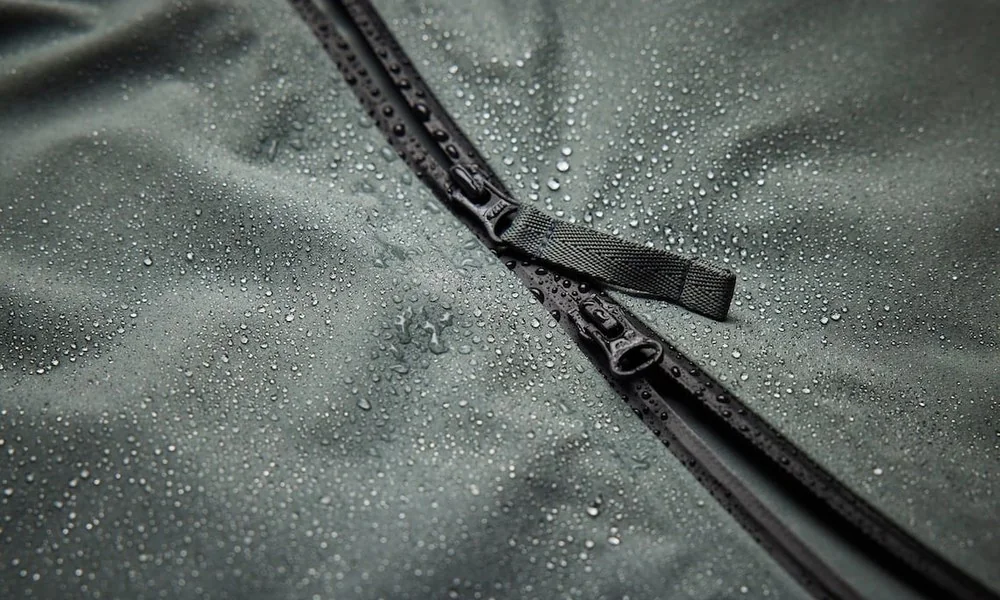
In athleisure, the logo did the talking. In luxury sportswear, the fabric does.
That is the single most reliable way to tell the two apart. Pick up a shell jacket from a serious maker and the first thing you notice is the weight and the hand of the cloth: a membrane that keeps rain out and lets perspiration escape, seams that are taped or welded rather than simply stitched, a zip that runs smoothly because it was chosen for the job. None of this is visible from across a room, which is rather the point.
The great Italian houses have an advantage here that no marketing budget can buy, because they started as textile businesses. Loro Piana traces its company back to 1924, when the family was trading in fine Italian wool, and it built its reputation on sourcing and finishing the finest fibres in the world.
Its Storm System treatment, which makes cashmere and wool resistant to wind and rain, is a good example of the new thinking: a noble fibre, given a technical ability, without losing what made it desirable. Zegna began as a textile mill in 1910 and still treats cloth as the foundation of everything it makes.
Prada’s relaunched Linea Rossa drew on the same instinct, using technical nylons, water-repellent membranes and new padding materials developed with the same seriousness the house once reserved for its leather goods. The lesson is consistent: when a garment’s value sits in its material and its making, it does not need a logo to justify its price, and it does not date the way a logo does.
The Mountain Test
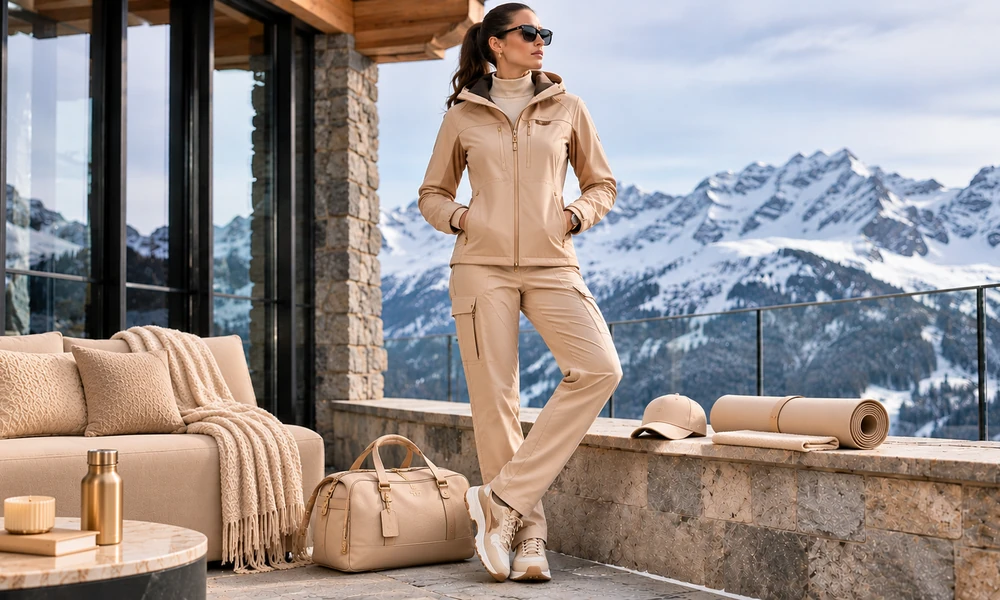
If there is one place where the difference between athleisure and luxury sportswear becomes impossible to ignore, it is the mountain. On a ski slope, a jacket that fails is not a disappointment; it is a problem. The cold, the wind and the wet expose every shortcut, and the people who ski seriously have always known which brands to trust.
That is why the alpine world has become the proving ground for luxury sportswear, and why so many of the best pieces in the category were developed for snow before they were ever worn in a city.
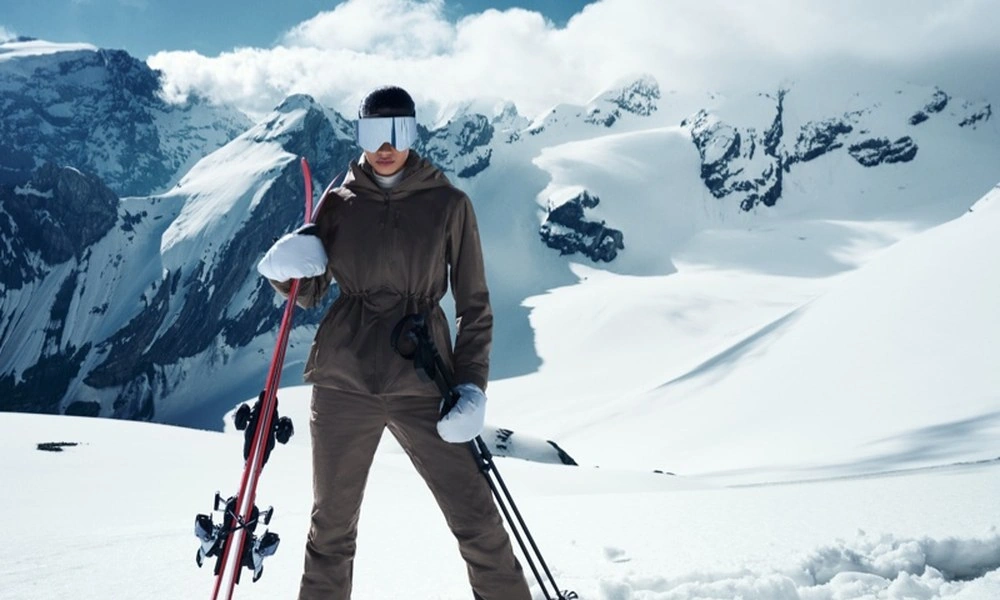
Arc’teryx, founded in Canada in 1989, earned its standing making climbing and ski equipment for people whose safety depended on it, and its clean, unbranded shells became a quiet status symbol precisely because they were not designed as one. Moncler, which began making down jackets for mountaineers, brought alpine expertise into fashion rather than borrowing fashion into the mountains.
In both cases the authority comes from the same place: the garment was tested where it matters before it was sold where it flatters.
There is a useful rule here for anyone building a wardrobe. If a piece of sportswear would not survive the activity it claims to be made for, it is decoration, not equipment. The mountain does not care about branding, and that indifference is exactly what makes it such a good judge.
Running, Remade
Running has undergone the same quiet transformation. A decade ago, a luxury running shoe was usually a fashion trainer with a premium price.
Today, the most interesting running shoes come from companies that treat the foot as an engineering problem: foam compounds tuned for energy return, uppers knitted to the shape of a moving foot, soles designed for the surface they will meet. On, founded in Switzerland in 2010, built its whole identity on that approach, and its shoes moved from serious runners to city streets without changing what they were.

The new running wardrobe is strikingly restrained: muted colours, small or absent branding, a clean silhouette. When a shoe genuinely performs, it does not need to shout, and the people who buy it tend to be the ones who will actually run in it. The same applies to the clothing around it: lightweight tops that dry quickly, shorts with a sensible cut, a jacket that folds into its own pocket. Everything earns its place by working.
It is worth noting how far this is from the athleisure uniform. The legging-and-hoodie combination said, in effect, that the wearer might exercise at some point. The new running kit says that the wearer does, and dresses accordingly. That honesty is a large part of its appeal.
Tailoring Learned to Move
Perhaps the most surprising change is the one that happened to tailoring itself. For a century, a tailored jacket meant structure, stiffness and a certain formality.
The new generation of luxury sportswear has kept the silhouette and removed the stiffness: unstructured shoulders, stretch woven into wool and cotton, trousers cut like tailoring but made from technical cloth. The result is clothing that looks like a suit from a distance and behaves like sportswear up close.
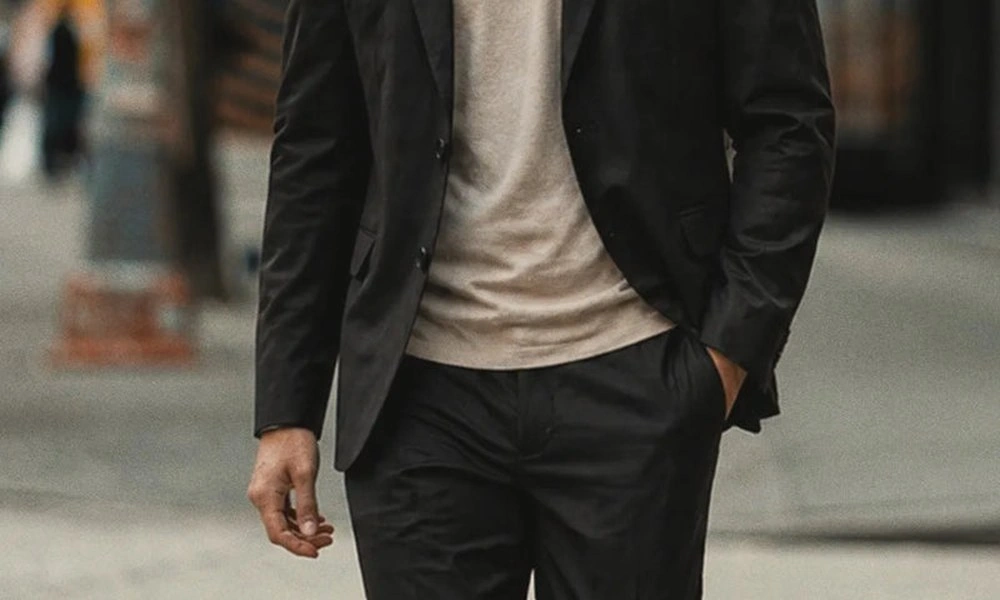
This is where the shift becomes visible in everyday life. A man can now wear a blazer, a fine T-shirt and technical trousers to a meeting, a lunch and an evening out, without ever feeling dressed up or dressed down. A woman can wear a knitted jacket and a pleated technical skirt with the same ease.
The clothes move when the wearer moves, they resist creasing, and they do not demand the careful handling that old tailoring did. Comfort, in other words, has been absorbed into luxury rather than replacing it.
The best of these pieces are made by the same workshops that have always made tailoring, which is why they drape properly and last. A cheap stretch blazer looks fine on a hanger and falls apart on a body; a good one looks unremarkable on the hanger and quietly excellent on the person wearing it.
The Quiet Codes
Underneath all of this is a change in taste. The loudest era of luxury was built on visible logos and recognisable shapes, and it suited a moment when showing what you had spent was the point.
The current moment is different. The most assured dressing today is quiet: fine materials, careful fits, colours that sit close together, and nothing that asks to be noticed. It is the aesthetic often described as stealth wealth, and sportswear has absorbed it completely.
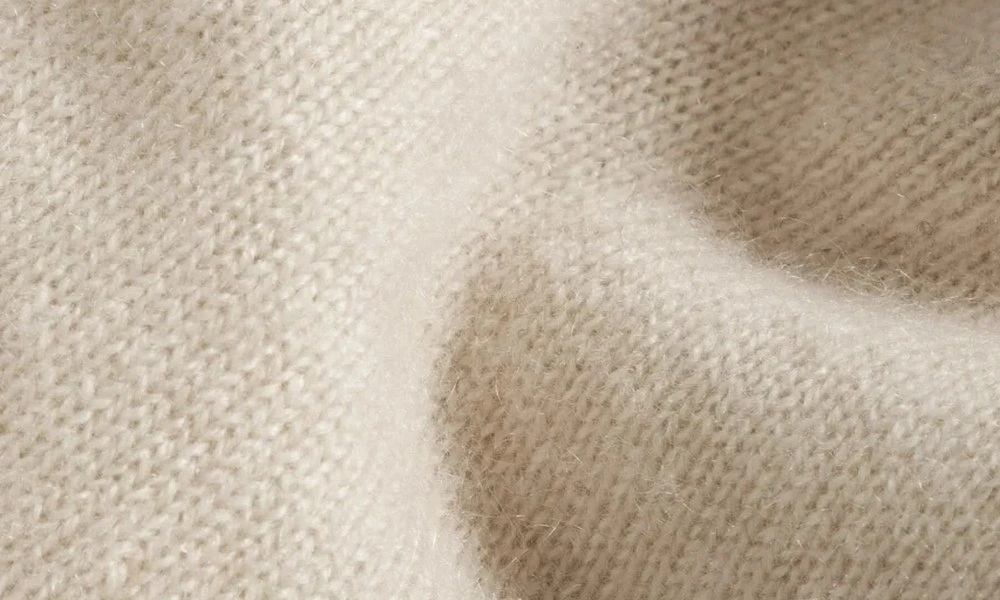
Cashmere is the clearest example. A cashmere quarter-zip or a fine-gauge knit in a soft neutral does not announce itself, but anyone who has handled good cashmere recognises it at once: the softness, the density of the knit, the way it holds its shape. The same applies to a brushed cotton polo or a merino base layer: pieces that reward touch and close attention.
For a fuller picture of this restrained approach, our guide to the quiet luxury brands that define stealth wealth in 2026 sets out the labels and the thinking behind them. The overlap with luxury sportswear is no coincidence.
Both are reactions against the same thing: the idea that luxury should be legible from across a room. In the new sportswear, the luxury is in the making, and the making is something you feel before you see.
The Studio, Refined
The studio has changed, too. Yoga and Pilates were once the engine of athleisure, and the clothes made for them were designed to be seen on the way to class as much as in it. The new studio wardrobe is more private and more exacting.
A reformer Pilates class is a room full of mirrors, close attention and precise movement, and the clothing it rewards is fitted without being tight, supportive without being restrictive, and made from fabrics that stay in place.
What is interesting is how seriously the luxury houses now take this world. Where athleisure treated the studio as a lifestyle backdrop, the new sportswear treats it as a real sporting environment with real requirements: seams that do not chafe, waistbands that do not roll, fabrics that breathe and recover.
The pieces that meet those requirements tend to be beautifully simple, because there is nowhere for decoration to hide when the body is moving in front of a mirror.
The studio, the members’ club and the spa have also become the places where a certain kind of life is conducted, and the clothes worn there are judged by people who know what they are looking at. In that setting, a well-made, unbranded piece says considerably more than a loud one.
The Clubhouse Standard
Golf and tennis have always had dress codes, and those codes are the oldest form of luxury sportswear. A tennis club that requires whites, or a golf club that requires a collared shirt, is not being old-fashioned. It is insisting that sport has a standard, and that the standard is part of the pleasure. The new luxury sportswear understands this instinctively, because it was built on it.
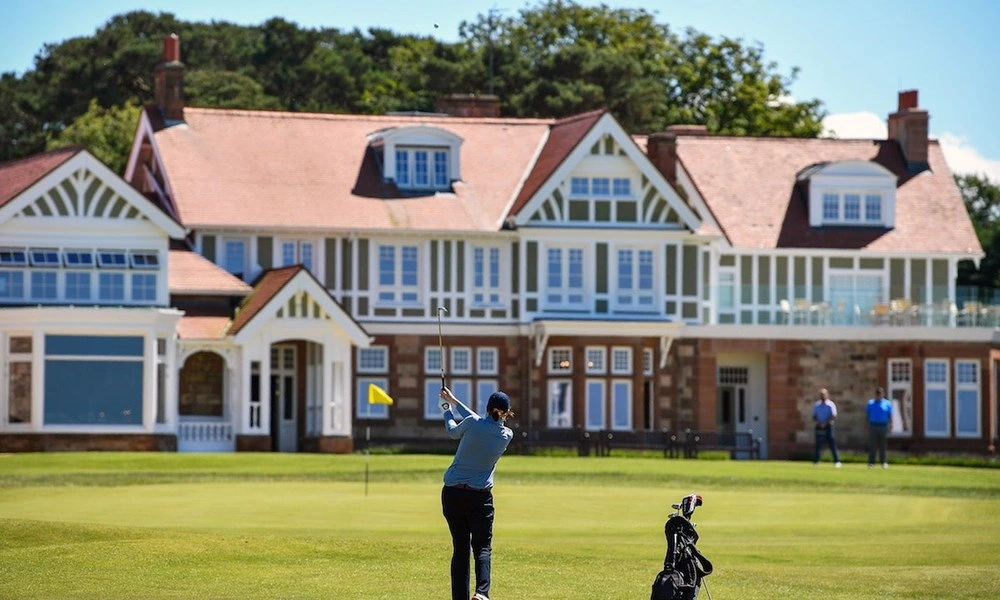
The modern golf wardrobe is a good example of how far things have come. Polo shirts are now cut from technical fabrics that wick moisture and resist creasing, trousers are made with stretch and water resistance, and outerwear is light enough to swing in.
The golfer simply plays better, stays comfortable, and looks as though they have always dressed this way. Tennis has followed the same path, with houses producing capsules that honour the tradition of whites while using fabrics the original players could only have dreamed of.
There is a lesson in the clubhouse for the rest of the wardrobe. A dress code is not a restriction; it is a shared agreement about what good looks like. Luxury sportswear works best when it accepts that agreement and then meets it with the finest materials and the most careful making available.
How to Tell the Difference
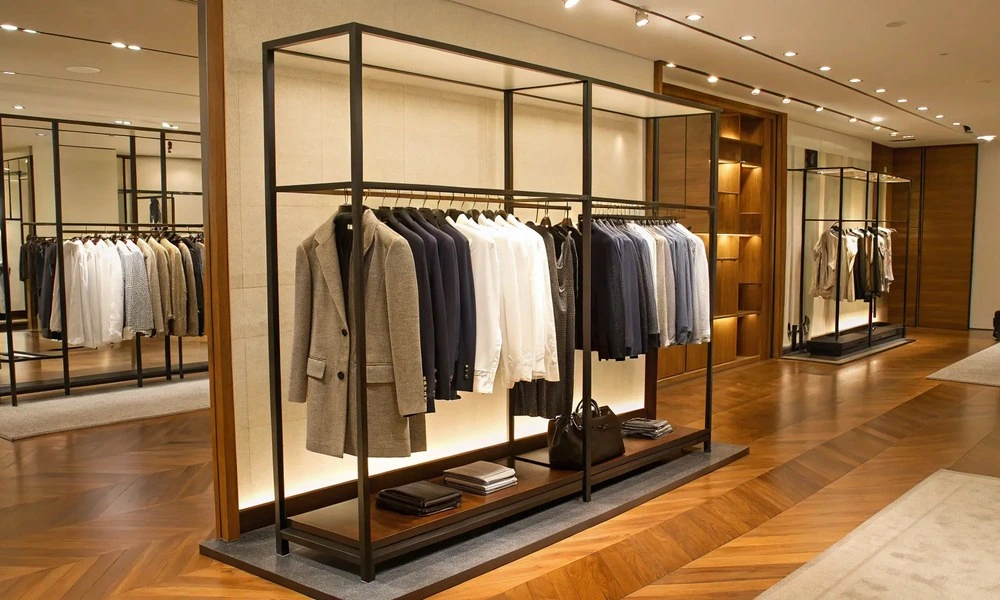
None of this requires a large budget or a complete new wardrobe. It requires a different way of choosing. The next time you consider a piece of sportswear, a few simple checks will tell you which side of the divide it sits on.
- Feel the fabric first. A good technical cloth or a fine natural fibre announces itself in the hand. If the material feels thin, slick or anonymous, no logo will rescue it.
- Ask what it is for. A piece made for a real activity will have the details that activity needs: a storm flap, a ventilated back, a pocket placed where a hand actually falls. Decoration that serves no purpose is a warning sign.
- Look at the construction. Turn the garment inside out. Neat seams, bound edges and properly finished linings are the marks of a maker who expects the piece to be worn hard and kept.
- Try it in motion. Raise your arms, sit down, walk. Luxury sportswear is cut for a body in use, not a body on a hanger, and the difference is obvious within seconds.
- Buy the piece, not the label. If the garment would still be worth owning with the logo removed, it is probably worth owning with it.
Applied honestly, these checks are unforgiving, and that is their value. Most of what is sold as premium activewear fails at least one of them; the pieces that pass all five are the ones still in your wardrobe in five years.
Athleisure promised that one outfit could do everything. Luxury sportswear makes a quieter promise instead: that each piece will do its own job beautifully, and that the wardrobe built from such pieces will look after itself.
However you dress for the days ahead, may your clothes move as easily as you do, and may the pieces you choose earn their place quietly, season after season. We are always glad of your company here, and we hope the next thing you reach for feels every bit as considered as it looks.