Ferrari is the only company on earth whose product is not really a car, and understanding that paradox explains everything about the most powerful brand in the luxury world. Brand valuation analysts have repeatedly named Ferrari the strongest brand on the planet, ahead of technology giants and luxury houses ten times its size, despite the company building fewer than fifteen thousand cars a year.
The answer to the riddle lies in the order of operations. Enzo Ferrari did not build a car company with a racing team; he built a racing team with a car company attached, selling road cars famously and somewhat reluctantly to fund the competition program that was his true obsession.
From that inversion came a business model no rival has ever replicated: a brand whose every product is certified by genuine racing blood, sold in deliberately insufficient numbers, to customers who queue for the privilege. This is how a small workshop in Maranello became a global religion with a waiting list.
Enzo Ferrari and the Scuderia
Enzo Ferrari was born in Modena in 1898 and fell in love with racing as a boy watching early circuit battles. He drove for Alfa Romeo in the 1920s, a competent rather than great driver, and found his genius elsewhere: in 1929 he founded Scuderia Ferrari, a racing stable that prepared and fielded Alfa Romeos for wealthy gentleman drivers.
The Scuderia’s emblem, the prancing horse, carried a story of destiny: it had decorated the fighter plane of Francesco Baracca, Italy’s ace of aces in the First World War, and Baracca’s mother famously suggested Enzo adopt it for luck.
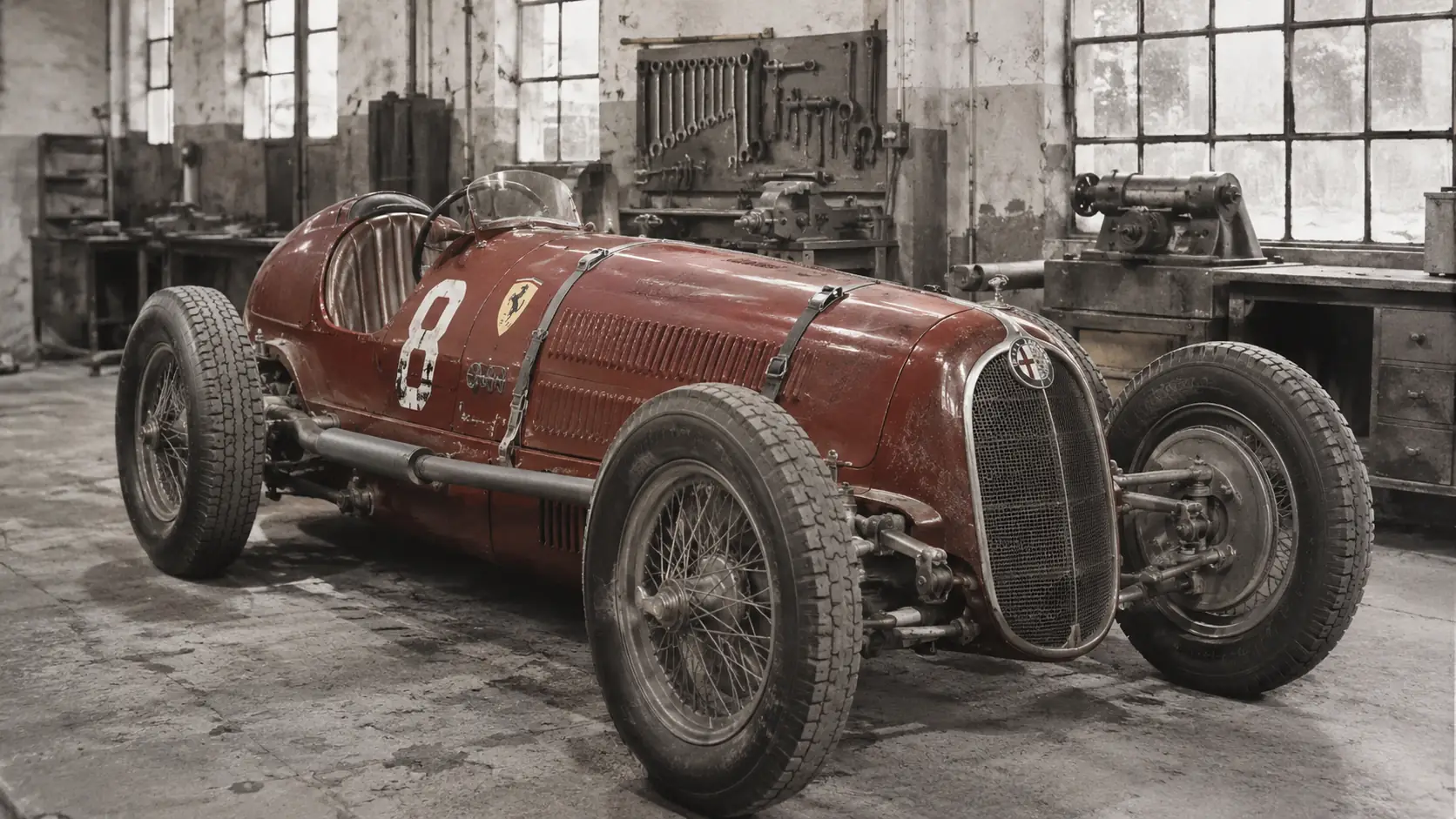
The split from Alfa Romeo in 1939 and the interruption of war delayed Enzo’s true ambition, but in 1947 the first car to carry the Ferrari name, the 125 S with its tiny V12 by Gioachino Colombo, rolled out of the Maranello works. It won races almost immediately.
The formula that would define the company was present from that first car: racing bred engineering, engineering bred desire, and desire, carefully rationed, bred legend. Enzo sold road cars to fund racing and reportedly viewed his road customers with aristocratic detachment. The customers, sensing the truth that they were buying proximity to competition rather than mere transport, loved him for it.
Racing as the Product
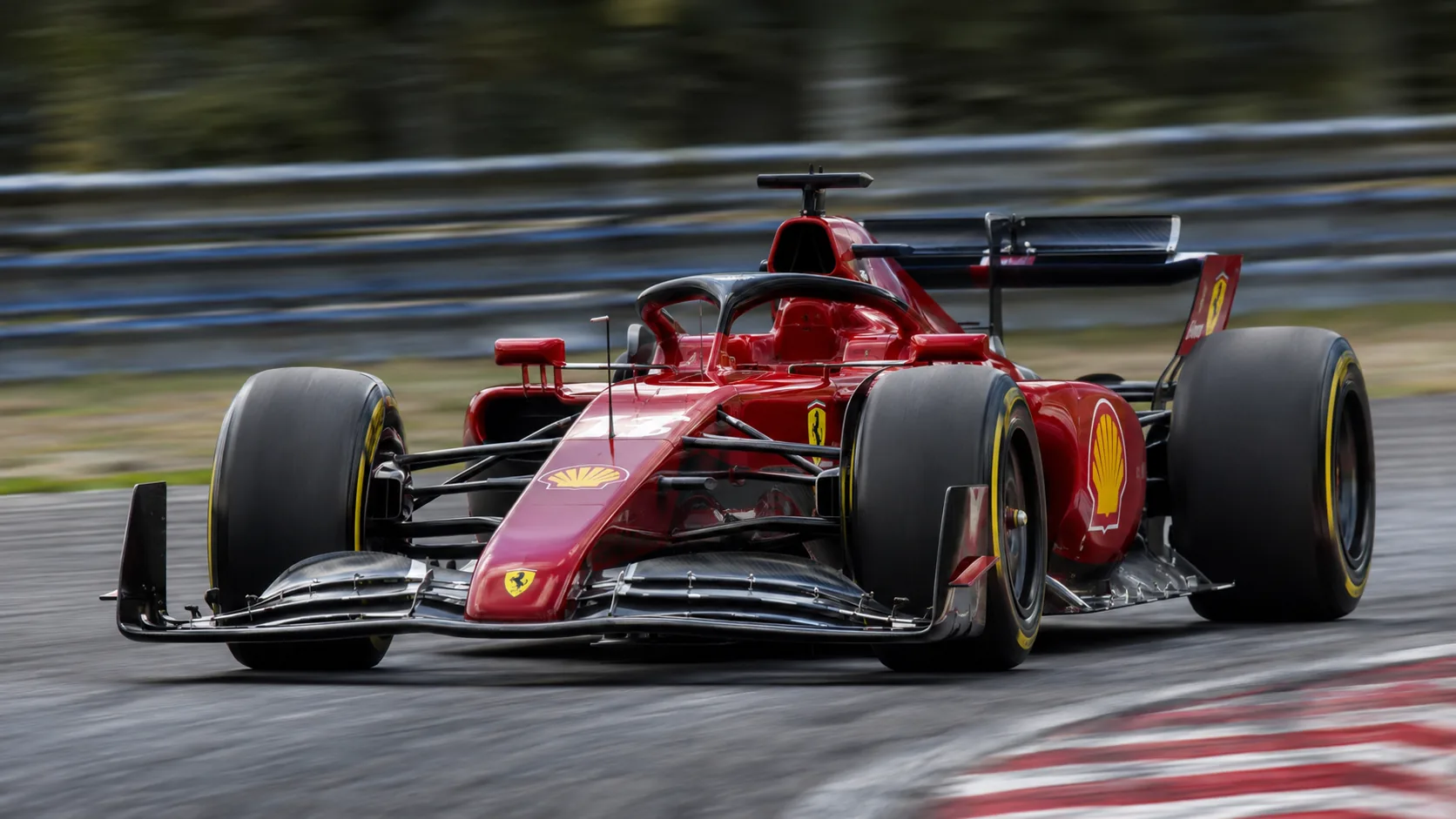
Ferrari’s brand power rests on the deepest competitive record in motorsport. The Scuderia is the only team to have competed in Formula 1 continuously since the championship’s first season in 1950, accumulating more constructors’ and drivers’ titles than any rival across eras dominated by Ascari, Fangio, Surtees, Lauda, Schumacher, and their successors.
The Schumacher era alone, five consecutive drivers’ championships from 2000 to 2004, built a generation of believers. And in endurance racing, Ferrari’s return to the top class at Le Mans with the 499P hypercar delivered overall victories in 2023, 2024, and 2025, a hat trick that reconnected the modern brand to its 1960s glory and proved the racing claim remains current rather than nostalgic.
Every road car references this record, explicitly or implicitly. The technology transfer is genuine: materials, aerodynamics, and hybrid systems flow from the circuit to the road, most visibly in the LaFerrari and F80 flagships. The mythology transfer is the priceless part: when a customer buys a Ferrari, they buy a stake in a racing story that has been running, unbroken, for three quarters of a century.
The Economics of Refusal
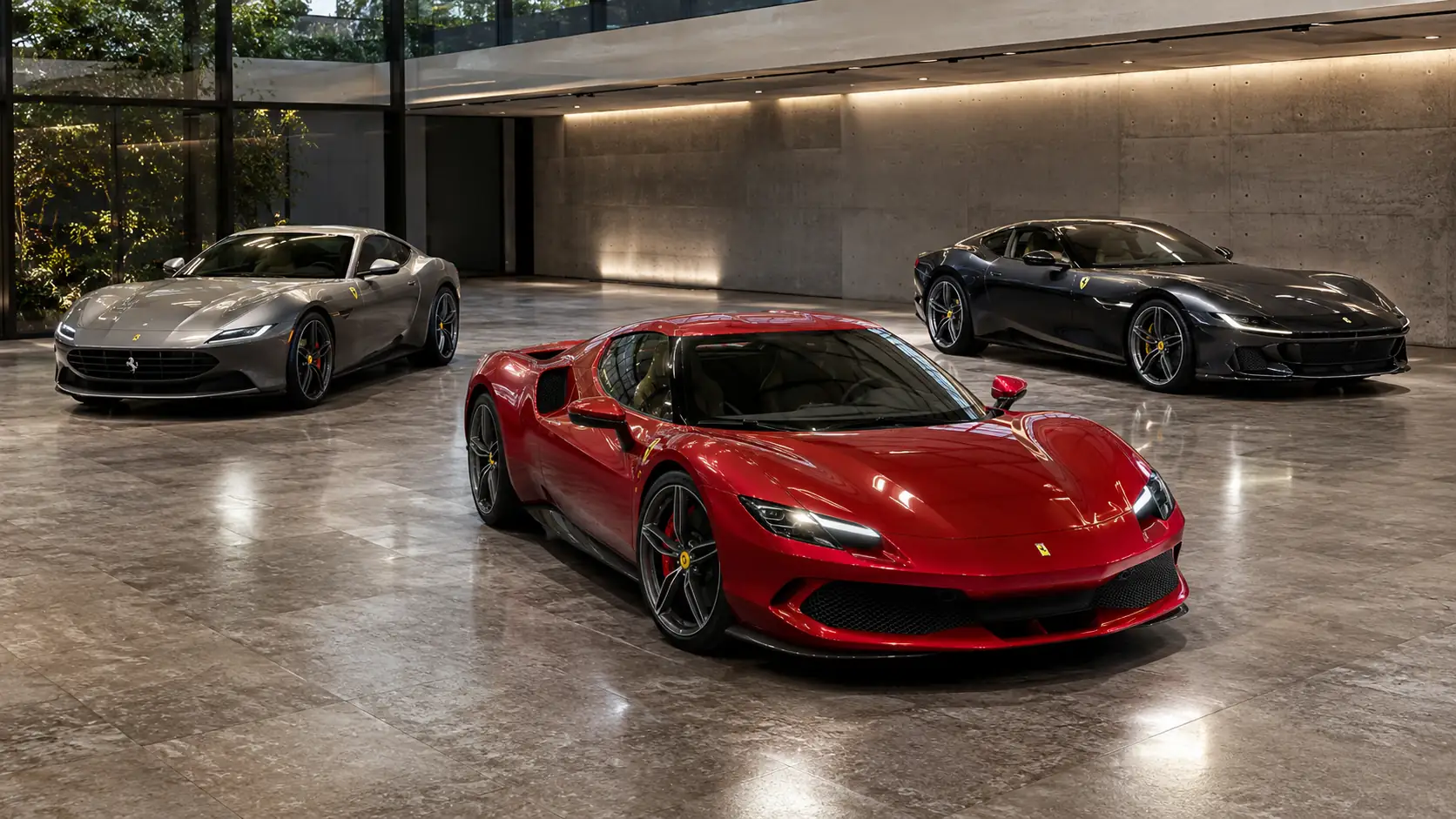
Ferrari’s commercial genius is most visible in what it declines to do. The company could sell multiples of its current production and chooses not to, holding volumes low enough that demand permanently exceeds supply. Waiting lists stretch years for core models.
Limited series flagships, from the 288 GTO through the Enzo to today’s F80, are allocated to the most loyal clients through the invitation system explored in our feature on hypercars money cannot buy, and Icona series cars like the Daytona SP3 never reach an open order book at all.
This rationing produces financial results that puzzle traditional analysts and delight investors. Ferrari’s margins rival luxury houses rather than carmakers, its brand licensing extends from fashion to theme parks, and its 2015 listing on the New York Stock Exchange under the ticker RACE has rewarded shareholders handsomely.
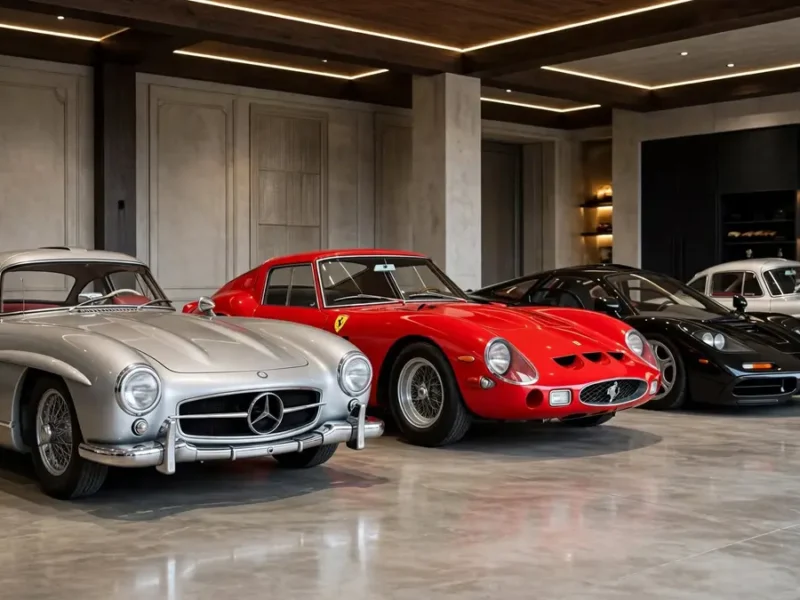
The secondary market certifies the model: limited Ferraris routinely trade above list price immediately, and the classics, led by the 250 GTO’s fifty million dollar results chronicled in our collectible car coverage, anchor the entire vintage market. Ferrari sells cars the way Hermès sells Birkins: as admission to a system, not a transaction.
The Modern House of Maranello
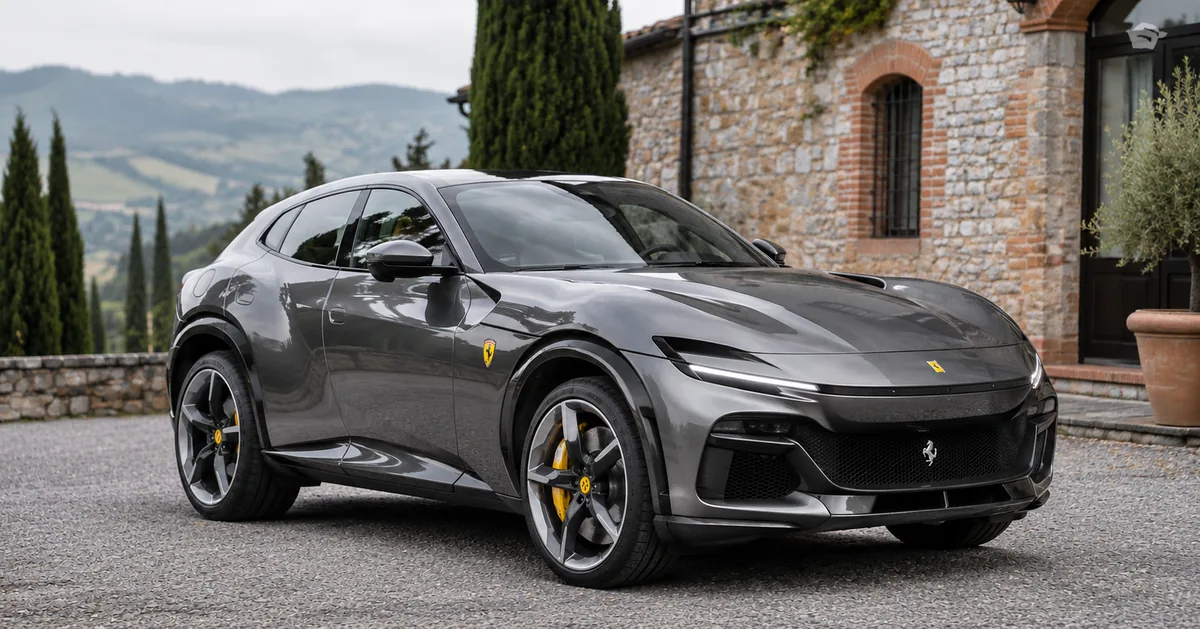
Today’s Ferrari balances heritage with expansion more gracefully than any rival. The range spans grand tourers like the Roma and 12Cilindri, mid engine supercars, and the Purosangue, the four door, four seat model the company pointedly refuses to call an SUV, which brought Ferrari practicality without diluting the badge.
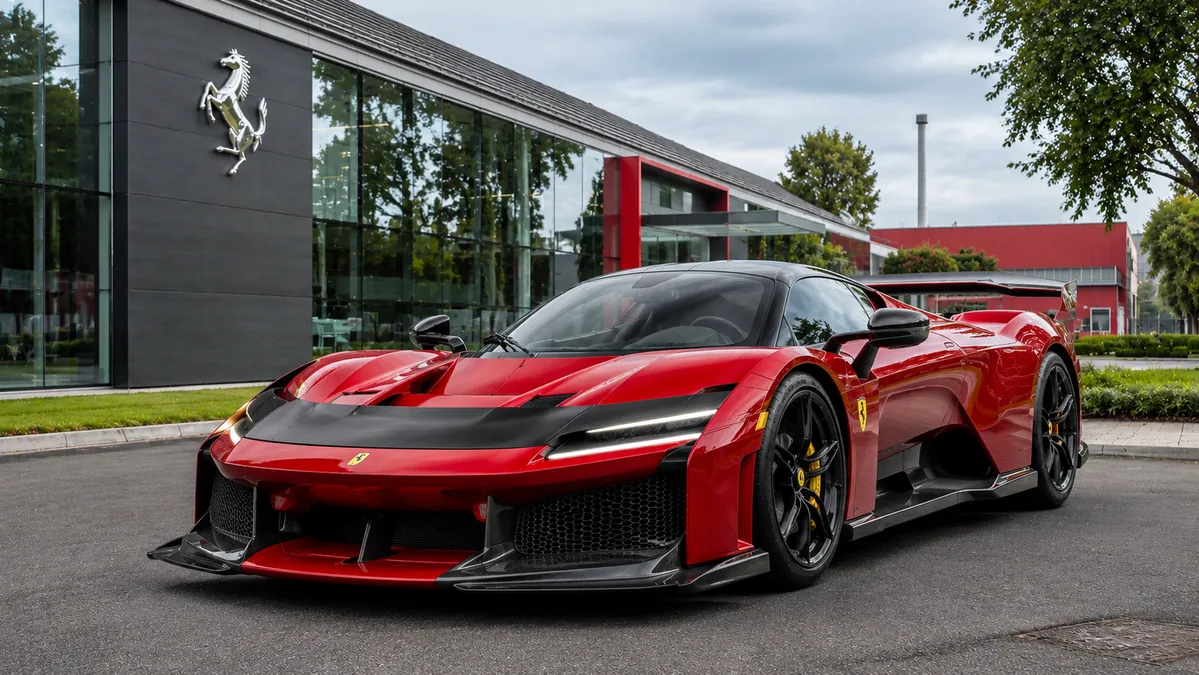
The F80 flagship carries the bloodline’s summit, and the marque’s standing among the fastest supercars in production remains unquestioned. Electrification arrives on Ferrari’s own terms, with hybrid systems serving performance first and a full electric model proceeding on a timeline set by Maranello rather than by fashion.
The brand world has widened with equal care: Ferrari fashion collections show on real runways, the Cavallino restaurant in Maranello holds Michelin recognition, and the museums at Maranello and Modena draw hundreds of thousands of pilgrims annually. Through every extension, the discipline holds: the racing team remains the heart, the prancing horse remains the promise, and the red remains the most recognized color in the automotive world.
What the Prancing Horse Teaches Luxury
Ferrari’s lesson to the wider luxury industry, and to anyone building a brand, is that power compounds from authenticity plus restraint. The authenticity cannot be manufactured retroactively; it was purchased with decades of risk, defeat, and victory on circuits worldwide, including the tragedies of the sport’s dangerous eras, which the company carries as part of its truth.
The restraint is a daily choice, renewed each time the company refuses easy volume.
Among the great luxury car brands compared in our ranking, Ferrari alone operates as a luxury house that happens to make cars. The result is a company that functions like a nation: it has citizens, the tifosi; a capital, Maranello; a flag, the rosso corsa; and a founding story that never needs to be embellished, because the reality of a small Italian town building machines that conquer the world has always been better than any marketing could invent.
FAQs
When was Ferrari founded?
Enzo Ferrari founded Scuderia Ferrari as a racing team in 1929, initially fielding Alfa Romeos. The first car bearing the Ferrari name, the 125 S, emerged from the Maranello factory in 1947, the date the carmaker itself recognizes as its founding.
Why is the Ferrari logo a prancing horse?
The prancing horse decorated the fighter plane of Francesco Baracca, Italy’s top flying ace of the First World War. After Baracca’s death, his mother suggested Enzo Ferrari adopt the emblem for luck. Ferrari added the canary yellow background of his hometown Modena, creating the most famous badge in motoring.
How many cars does Ferrari build each year?
Ferrari deliberately limits production to roughly thirteen to fifteen thousand cars annually, keeping demand permanently ahead of supply. The scarcity strategy protects exclusivity, resale values, and margins that rival luxury fashion houses rather than conventional carmakers.
Has Ferrari won Le Mans recently?
Yes. Ferrari returned to the top class at Le Mans with the 499P hypercar and won the 24 Hours overall in 2023, 2024, and 2025, a historic hat trick that reconnected the brand with the endurance racing glory of its 1960s era.
Why are Ferraris so expensive to buy new?
Beyond engineering and hand assembly, pricing reflects rationed supply: waiting lists run years for core models, and limited flagships are allocated by invitation to loyal clients. Many limited Ferraris trade above list price immediately, making the new car price itself a form of privilege.
What is Ferrari’s most valuable classic car?
The 250 GTO, with only 36 built between 1962 and 1964, is the most valuable Ferrari and among the most valuable cars ever sold, reaching 51.7 million dollars at auction in 2023 and reportedly around 70 million dollars in a 2018 private sale.
Is Ferrari publicly traded?
Yes. Ferrari listed on the New York Stock Exchange in 2015 under the ticker RACE and also trades in Milan. The listing separated Ferrari from Fiat Chrysler’s control, and the shares have performed strongly as the company’s luxury economics became understood.
What is the Ferrari Purosangue?
The Purosangue is Ferrari’s first four door, four seat production car, launched in 2023. Ferrari refuses to call it an SUV, positioning it as a thoroughbred sports car with practicality, featuring a naturally aspirated V12 and handling engineered to Maranello standards.