Before mass production, cars were canvases. Discover 6 famous coachbuilders who shaped automotive design through bespoke craftsmanship.
In the industry’s first half century, manufacturers sold a rolling chassis, engine, frame, wheels, and little else, and the body was commissioned separately from a coachbuilder, a workshop that descended from the carriage trade and shaped metal over wooden bucks entirely by hand.
The result was automotive couture: no two cars quite alike, each one a collaboration between an engineer and an artist.
Mass production ended the arrangement, but it never extinguished the art. The six houses below carried coachbuilding from the carriage era into the modern age, dressing the greatest chassis in history and, in several cases, surviving to define automotive beauty today.
For collectors, their names are inseparable from the value of the machines they clothed, as any survey of collectible cars quickly reveals.
1. Pininfarina
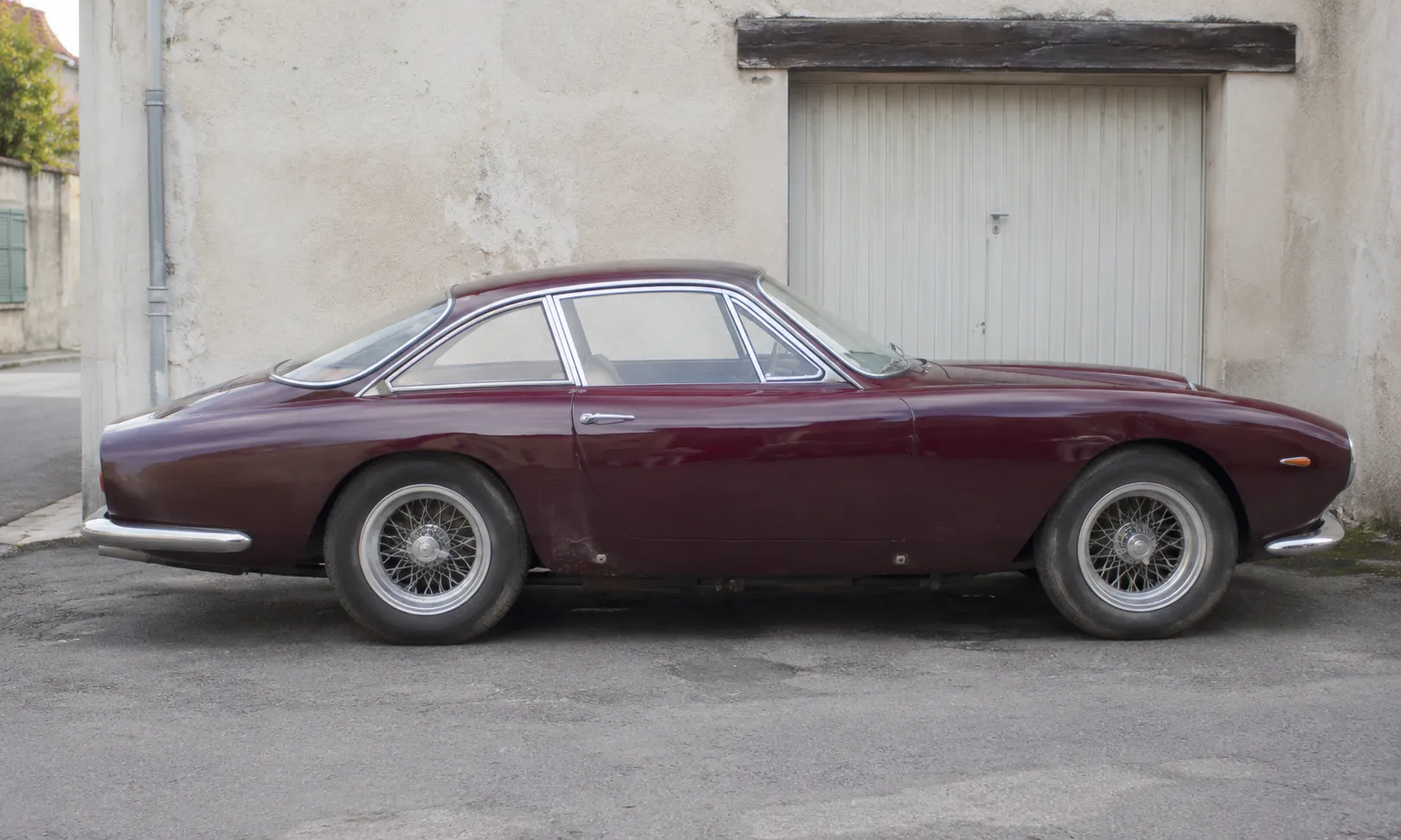
Battista Pinin Farina founded his Turin carrozzeria in 1930, and his family name has since become the closest thing automotive design has to a synonym for beauty.
The house’s partnership with Ferrari, beginning in the 1950s and running for over sixty years, produced an unbroken sequence of the most admired cars ever made: the 250 GT Lusso, the Daytona, the Testarossa, the F40, and dozens more.
Pininfarina’s genius was discipline. Where some coachbuilders decorated, the Turin house purified, reducing forms until nothing remained but proportion.
The Cisitalia 202 of 1947, one of its early masterpieces, was displayed at the Museum of Modern Art in New York as rolling sculpture, the first automobile so honored.
Today the firm designs for clients worldwide and builds its own electric hypercar, the Battista, proof that the coachbuilder’s eye survived the industry’s every transformation.
2. Zagato
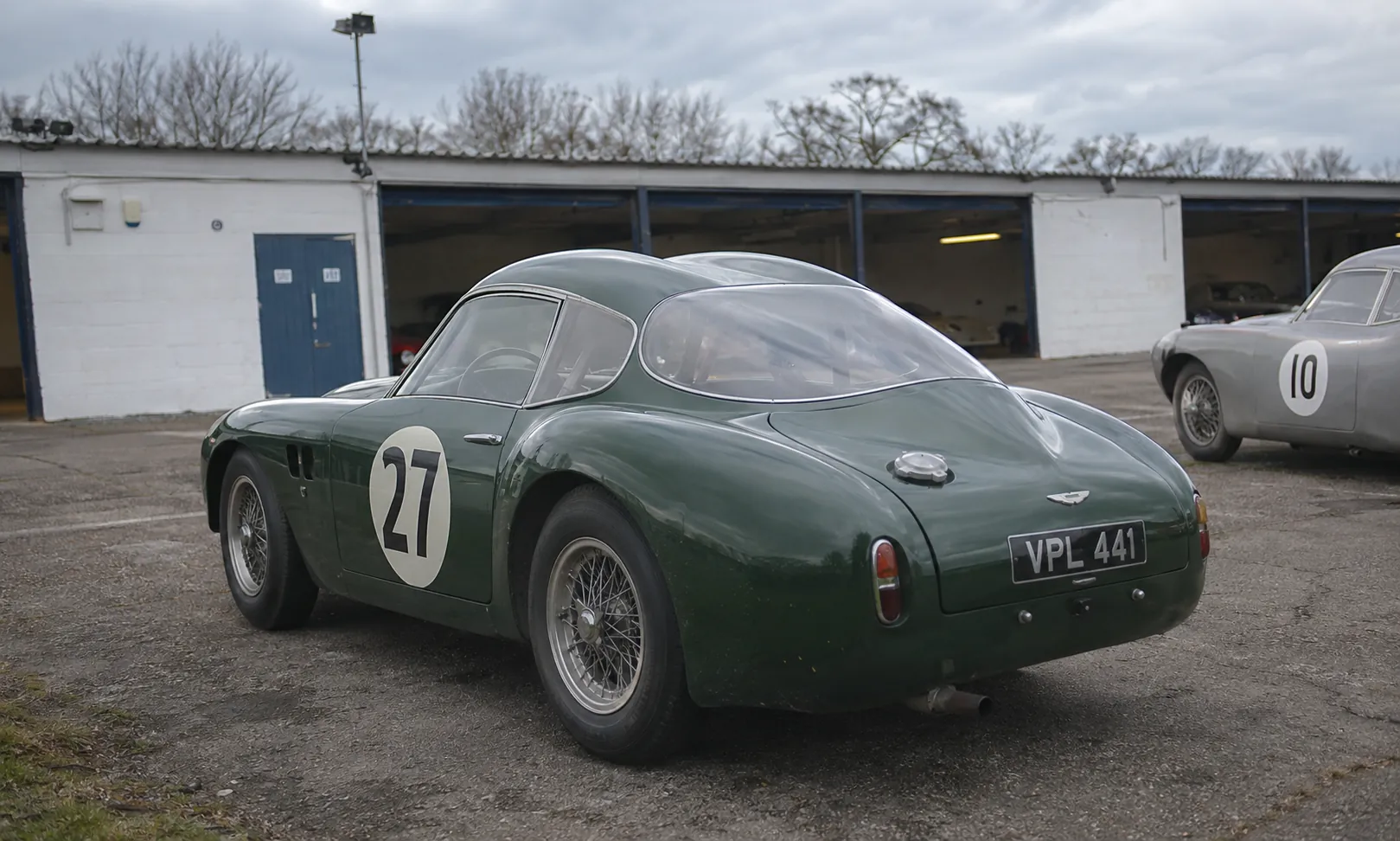
Where Pininfarina polished, Zagato provoked. Founded in Milan in 1919 by Ugo Zagato, who brought aircraft construction techniques to car bodies, the house built its legend on lightweight, aerodynamic forms of startling originality: the double-bubble roof that gave drivers’ helmets room, the abrupt Kamm tails, and surfaces that seemed to argue with the wind.
A Zagato body was never the safe choice, and that was precisely its value.
The Aston Martin DB4 GT Zagato, the Alfa Romeo TZ, and a century of Lancias wear their Zagato signatures as badges of connoisseurship, and the market rewards them accordingly: Zagato-bodied cars command premiums that reflect their rarity and their defiance of convention.
The house still operates under family leadership, producing limited editions that sell out to collectors who understand that beauty, at its most interesting, is always slightly strange.
3. Mulliner
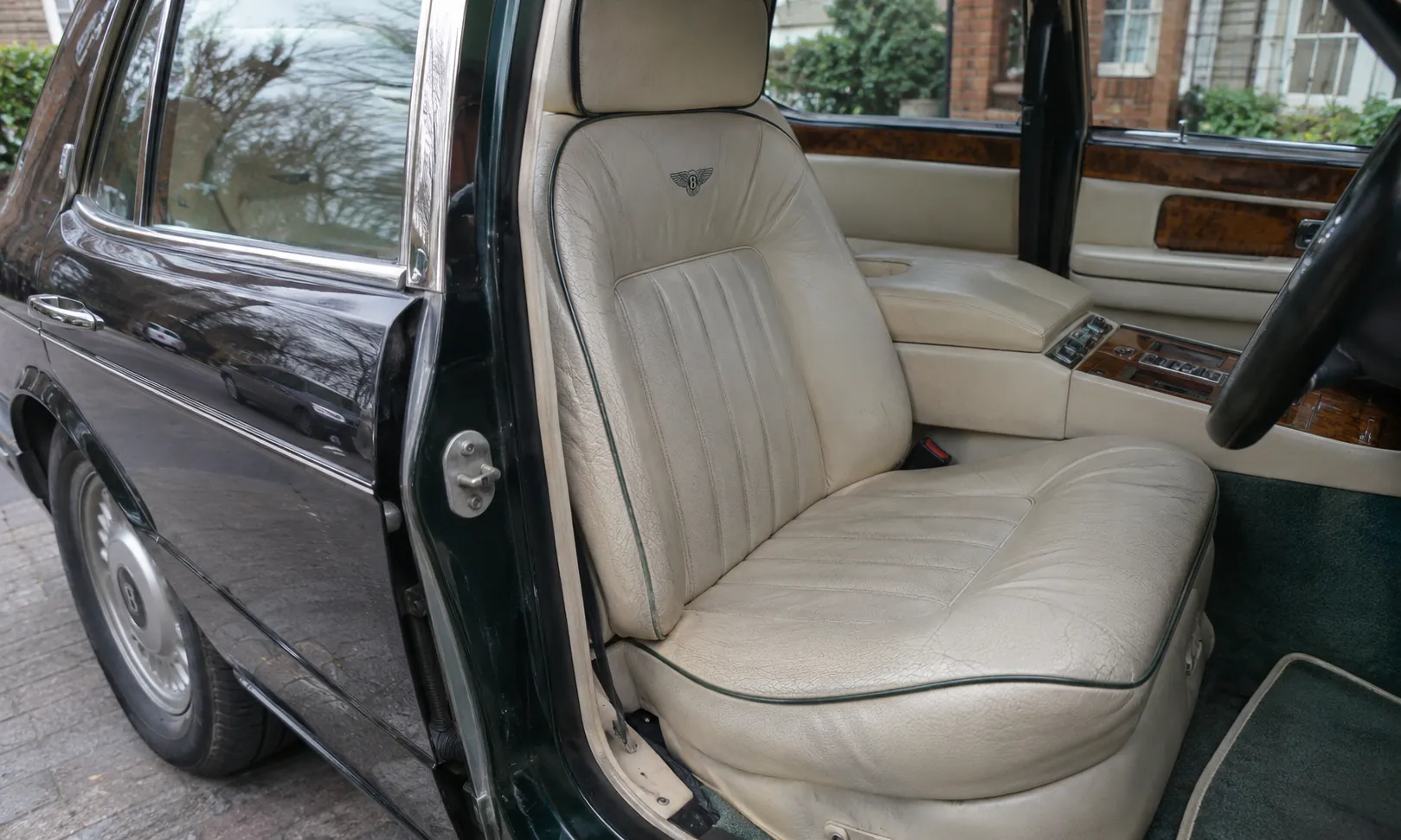
The British tradition of coachbuilding reached its summit in Mulliner, the London house founded in 1900 and forever linked with Rolls-Royce and Bentley. A Mulliner body on a pre-war Derby Bentley or a Rolls-Royce Phantom represented the formal ideal of the English luxury car: restrained, perfectly proportioned, and finished with a depth of craftsmanship that made the machine feel inevitable.
The house’s story has a rare happy ending. Bentley absorbed Mulliner and eventually restored it to glory as its in-house bespoke division, Mulliner by Bentley, which today produces the Bacalar and Batur limited series and one-of-one commissions for clients who want a modern car built with carriage-trade attention.
It is the oldest continuous thread in coachbuilding, unbroken for a hundred and twenty-five years, and it anchors the modern renaissance of grand touring cars built by hand.
4. Figoni et Falaschi
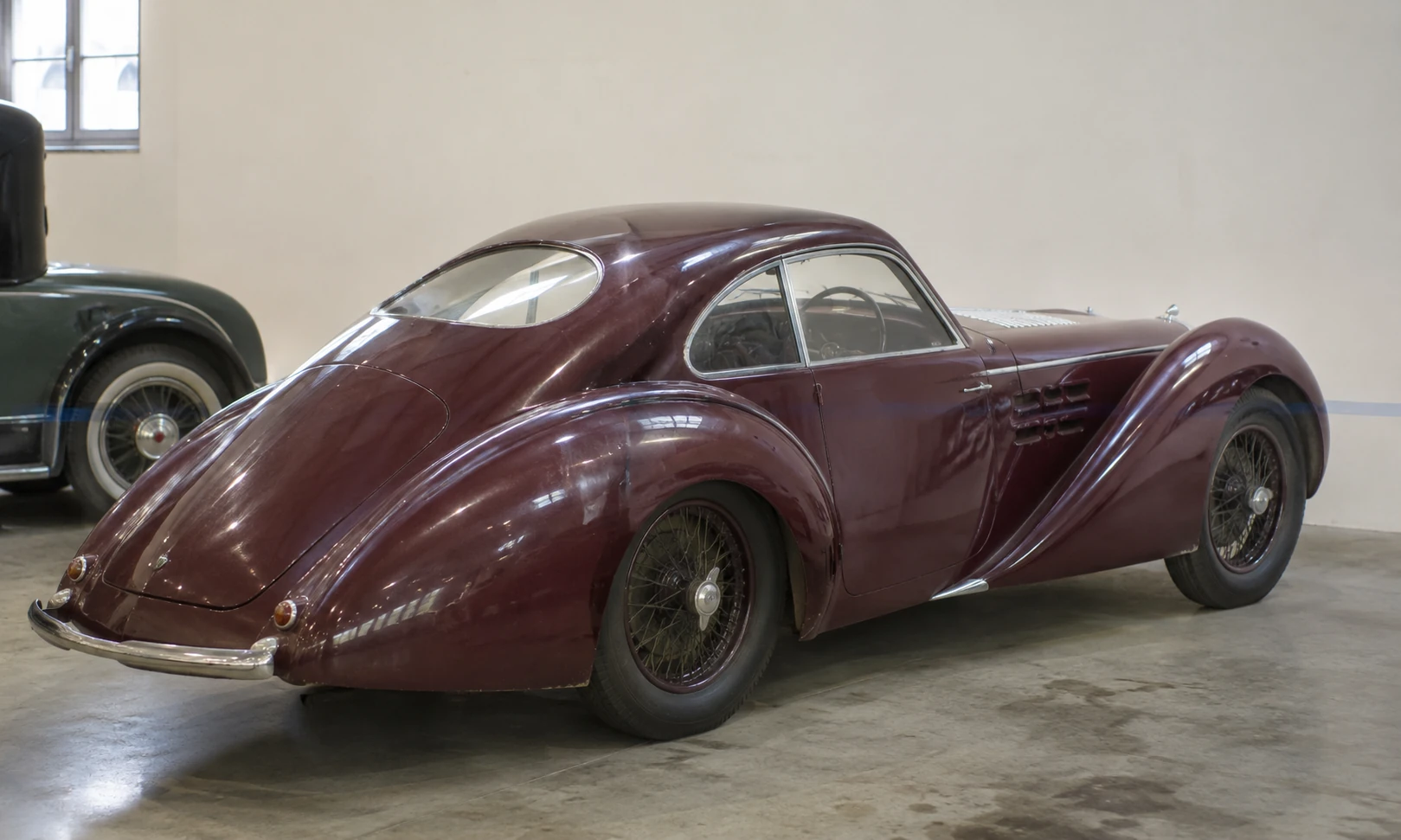
The most flamboyant name in coachbuilding belonged to a Parisian partnership between an Italian metalworker, Giuseppe Figoni, and a financier, Ovidio Falaschi. In the 1930s, their carrozzeria produced bodies of such sculpted, flowing sensuality that they seemed to be caught mid-motion even at rest: the teardrop Talbot-Lago T150 coupes, the enclosed fenders and waterfall grilles of the Delahaye 165.
Figoni et Falaschi’s work represented the zenith of the French gout, taste pushed to the edge of theater and held there by flawless execution.
Their Talbot-Lago teardrops now rank among the most valuable cars in the world, selling for figures that confirm what the eye suggests immediately: these are not automobiles but sculptures that happen to drive. The house did not survive the war, which has only sharpened its legend.
5. Touring Superleggera
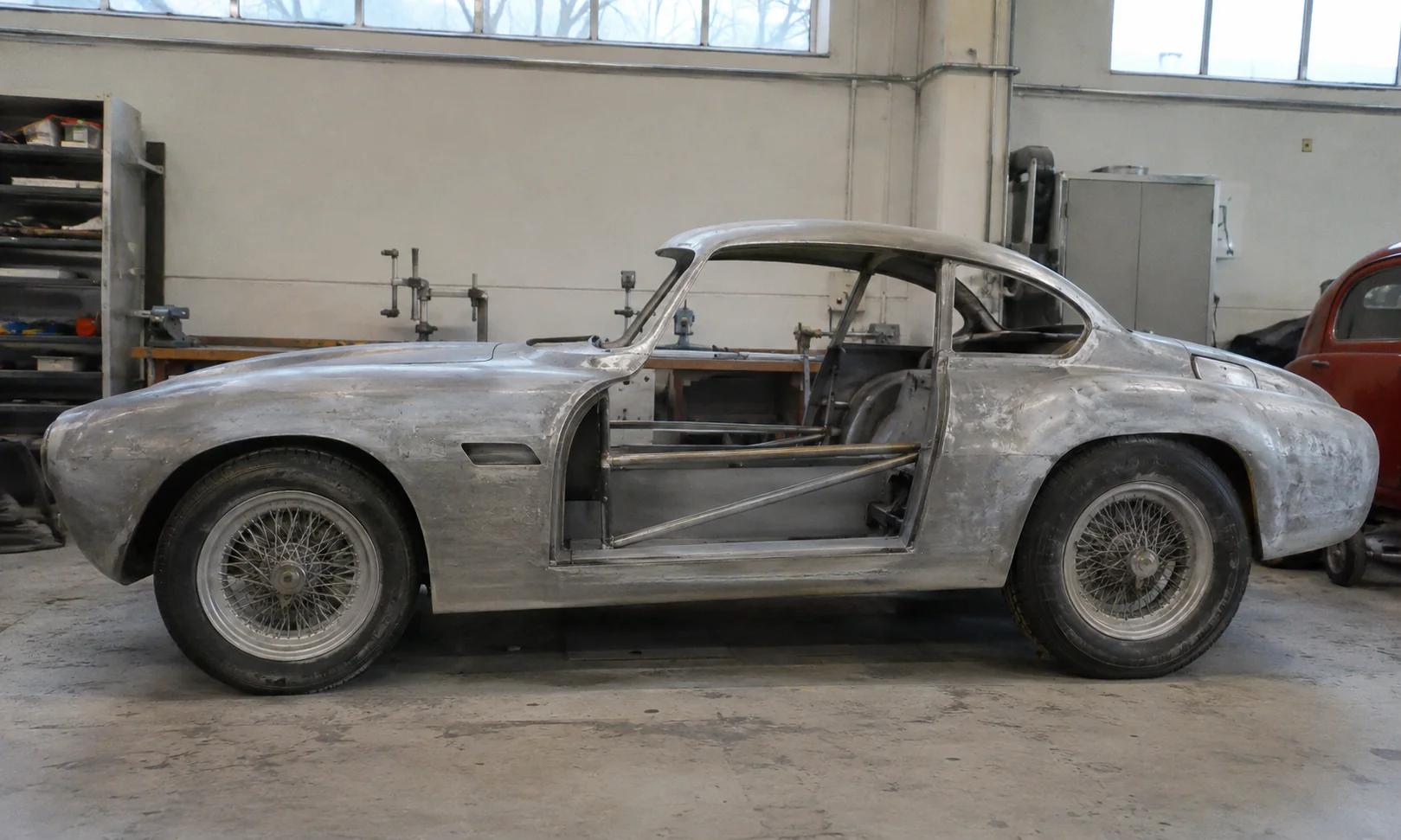
Carrozzeria Touring of Milan contributed something more than beauty: a technology. The Superleggera method, superlight construction, wrapped alloy panels over a lattice of small steel tubes, producing bodies that were rigid, featherweight, and free in form.
The system dressed the Ferrari 166 Barchetta, the Aston Martin DB4, the Lamborghini 350 GT, and the Maserati 3500 GT, meaning that Touring’s tubes underlie much of the Italian golden age.
The modern Touring Superleggera, revived in the twenty-first century, continues the tradition with limited-series creations of its own, including open Ferraris and the stunning Disco Volante reimaginings, each built by hand in Milan.
The house embodies the coachbuilder’s ultimate survival strategy: become a legend, then return as an atelier.
6. Saoutchik
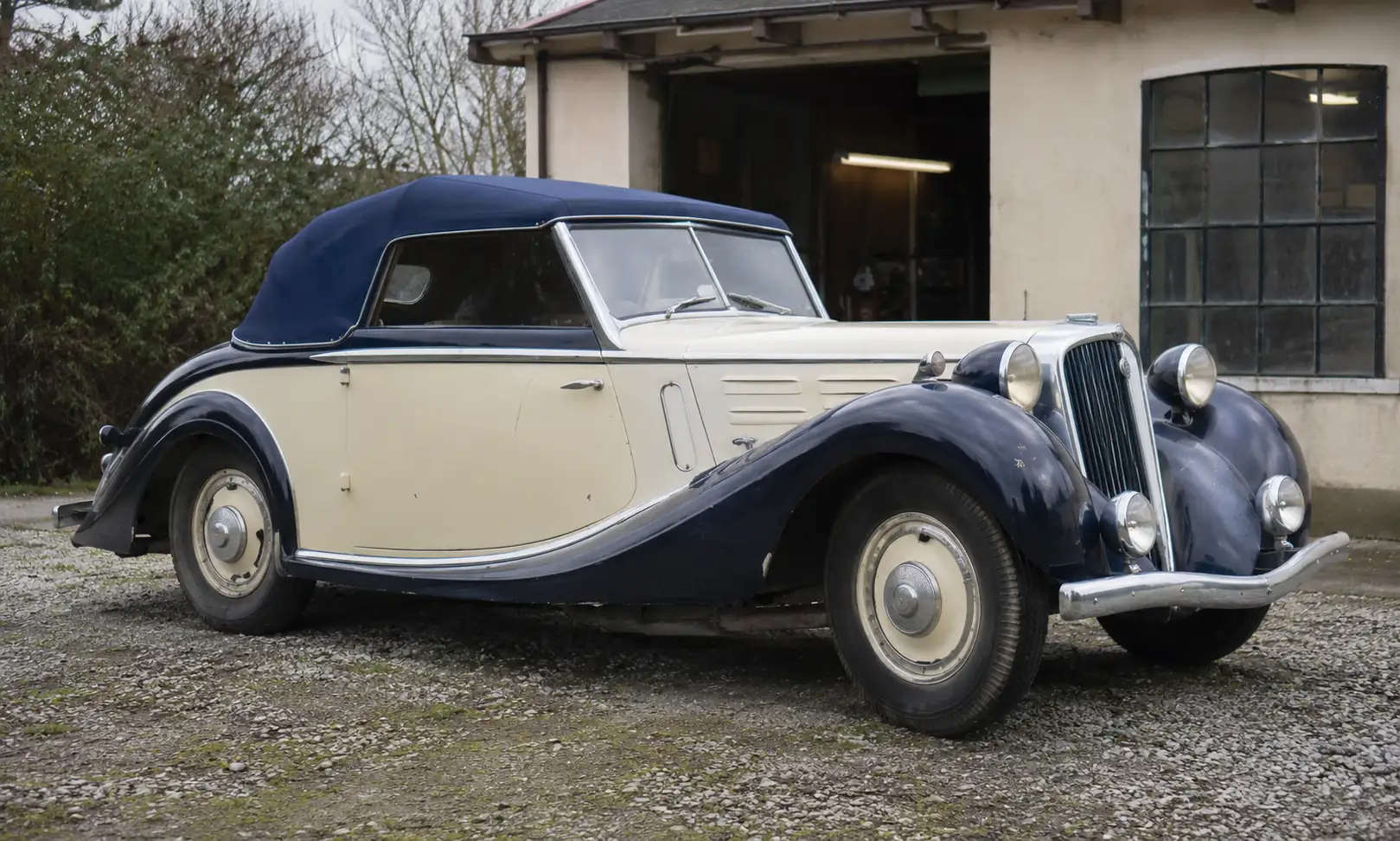
The wild card of the six is Jacques Saoutchik, a Ukrainian-born cabinetmaker who settled in Paris and built bodies of astonishing decorative richness for the grandest chassis of the interwar years: Hispano-Suiza, Delahaye, Mercedes-Benz, and the great French maisons. A Saoutchik body announced itself with chrome flourishes, sweeping accent lines, and interiors that treated the cabin as a salon.
His work divided opinion in its day, too ornamental for the purists, and time has vindicated it completely. Saoutchik cars dominate concours lawns wherever they appear, their exuberance reading today as confidence rather than excess, and the best examples trade at the summit of the market. He proved that coachbuilding had room for maximalism, provided the craftsmanship could carry it.
The Return of the Coachbuilder
The twenty-first century has witnessed an unexpected resurrection. Rolls-Royce has revived its Coachbuild program with multi-million-dollar one-of-one creations, Bentley builds through Mulliner, and specialists from Zagato to Touring produce limited series for manufacturers and private clients alike.
The economics of modern exclusivity, in which the wealthiest collectors want what nobody else can have, have recreated the conditions of the 1930s.
The six houses above are why that revival has meaning. They established that a car could be signed like a painting, that the body was a work of art independent of the machine beneath it, and that the hand, guided by proportion and patience, produces what no stamping press can.
When a modern collector commissions a unique body today, they are joining a lineage that runs back through these workshops to the carriage builders of the eighteenth century. The tools have changed. The eye has not.
FAQs
What is a coachbuilder?
A coachbuilder is a workshop that designs and builds automobile bodies, descending from the horse-drawn carriage trade. In the industry’s early decades, manufacturers sold rolling chassis and clients commissioned bodies separately.
Who is the most famous coachbuilder?
Pininfarina, the Turin house founded in 1930, is the most famous, chiefly through its sixty-year design partnership with Ferrari, which produced many of the most beautiful cars ever made.
What is the Superleggera method?
Developed by Carrozzeria Touring of Milan, Superleggera construction wraps lightweight alloy panels over a lattice of small steel tubes, creating bodies that are rigid, extremely light, and free in form.
Why are Zagato cars so valuable?
Zagato bodies combine extreme rarity, radical design including the signature double-bubble roof, and association with great chassis like the Aston Martin DB4 GT, a combination collectors prize highly.
Does coachbuilding still exist today?
Yes. Rolls-Royce Coachbuild, Bentley Mulliner, Zagato, and Touring Superleggera all produce bespoke and limited-series cars today, reviving the tradition for modern collectors.
What is the most valuable coachbuilt car?
Pre-war French coachbuilt cars, particularly Figoni et Falaschi’s Talbot-Lago teardrop coupes, rank among the most valuable automobiles in the world, with top examples selling for tens of millions.
What is a double-bubble roof?
Zagato’s signature roofline with two subtle domes providing helmet clearance for racing drivers, which became one of the most recognizable design signatures in automotive history.
How did Mulliner survive when other coachbuilders closed?
Bentley absorbed the house and eventually restored it as its in-house bespoke division, Mulliner by Bentley, which today builds limited series like the Bacalar and one-of-one commissions.