Rolls-Royce is the only brand whose name has become the universal shorthand for the finest example of anything. When we call something the Rolls-Royce of its kind, we invoke a standard set by a partnership that began with a single meeting in Manchester in May 1904, between an aristocratic car dealer and a self-taught engineer who had built his first motorcar in his own factory.
That meeting between the Honourable Charles Rolls and Frederick Henry Royce created more than a company. It created a philosophy: that there exists a best, that it can be built, and that nothing less is worth making. The century that followed tested that philosophy through wars, bankruptcy, and reinvention, and the standard somehow survived them all.
The Engineer and the Aristocrat
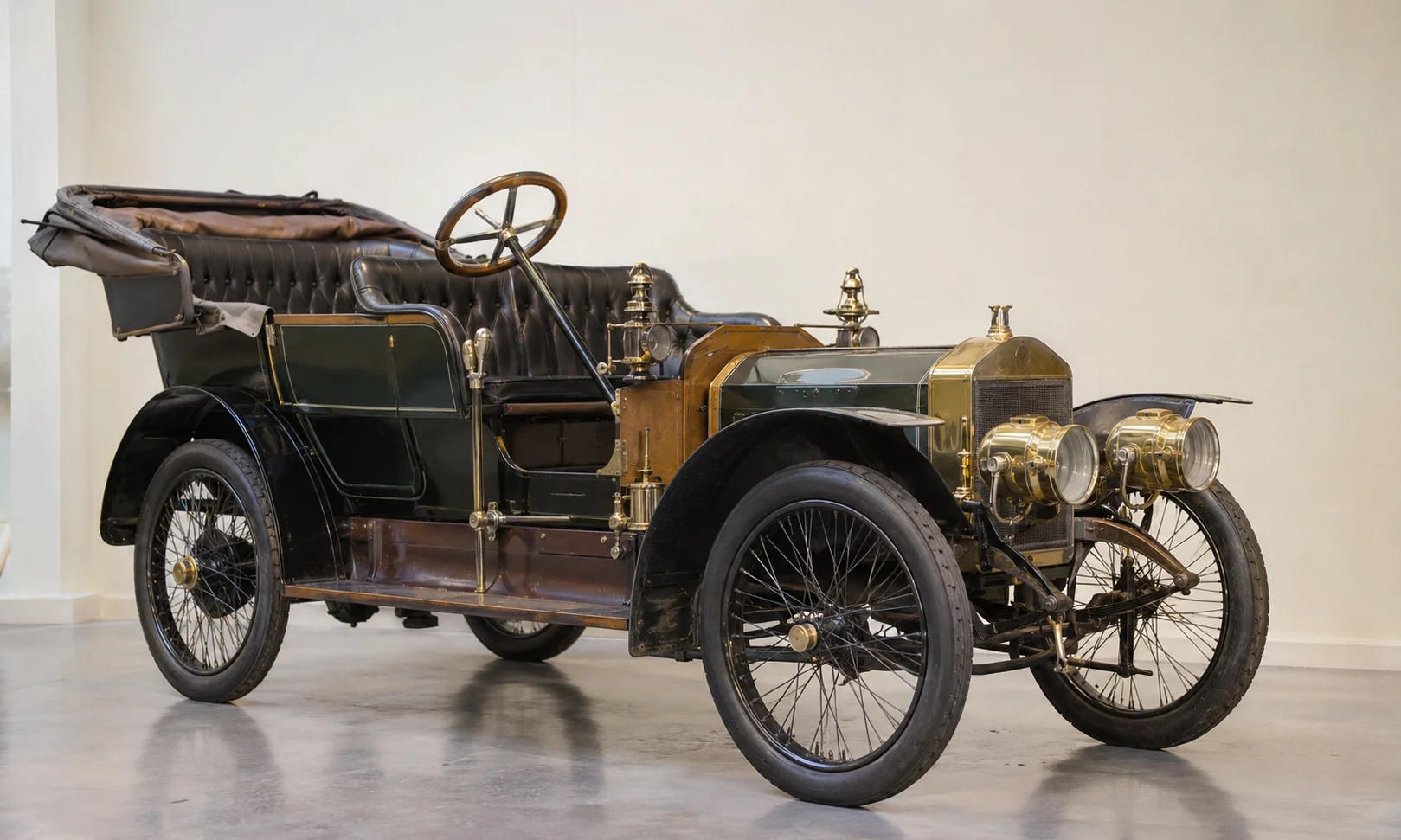
The two founders could hardly have been more different. Henry Royce was born into poverty, the son of a miller who went bankrupt, and he had worked since childhood: selling newspapers, delivering telegrams, apprenticing on the railway.
By his thirties he had built a successful electrical engineering business in Manchester, and when he bought a secondhand French car around 1903 and found it appalling, he did what engineers do. He built a better one, a ten-horsepower two-cylinder machine of such refinement that everyone who drove it wanted one.
Charles Rolls was born into the aristocracy, educated at Eton and Cambridge, and possessed by speed in all its forms: he raced cars, set aviation records, and ran one of London’s first quality car dealerships. He wanted a superior British car to sell, and when a mutual friend arranged for him to drive Royce’s little ten-horsepower, he recognized immediately what he had found.
The agreement they reached that May, that Rolls would sell all the cars Royce could build, was sealed with a handshake and honored for the rest of their lives.
The Silver Ghost and the Standard
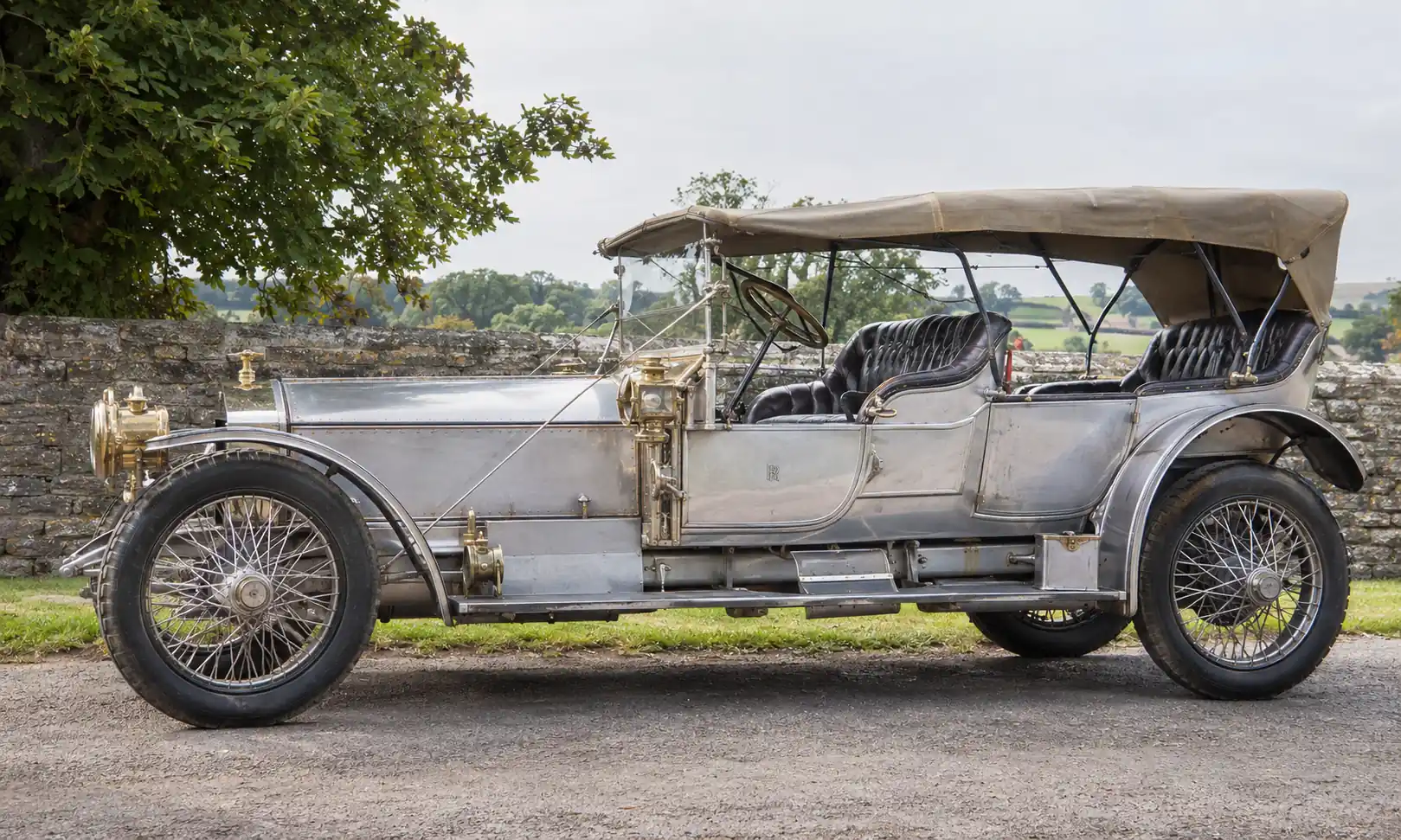
The partnership’s masterpiece arrived in 1907. The Rolls-Royce 40/50, which the world would come to know as the Silver Ghost after a famous silver-painted demonstration car, was engineered with an obsession that bordered on the unreasonable.
Royce’s six-cylinder engine ran with a smoothness and silence that contemporaries found almost supernatural, and the chassis was built to tolerances the industry had never attempted.
The company proved the car’s durability the Royce way, not with advertising but with ordeal. The Silver Ghost completed a 15,000-mile reliability trial, an almost unimaginable distance for the era, with the car then dismantled and found to be barely worn.
The Autocar magazine’s verdict, calling it the best car in the world, attached itself to the marque permanently, and a legend of effortless superiority was born that no rival has ever fully displaced.
Royce’s working method became company scripture. His maxim, that whatever is rightly done, however humble, is noble, and his relentless examination of every component for possible improvement, established an engineering culture in which the question was never whether something was good enough but whether it could be made better.
The modern brand’s place among the luxury car brands still rests on that foundation.
The Spirit and the Radiator
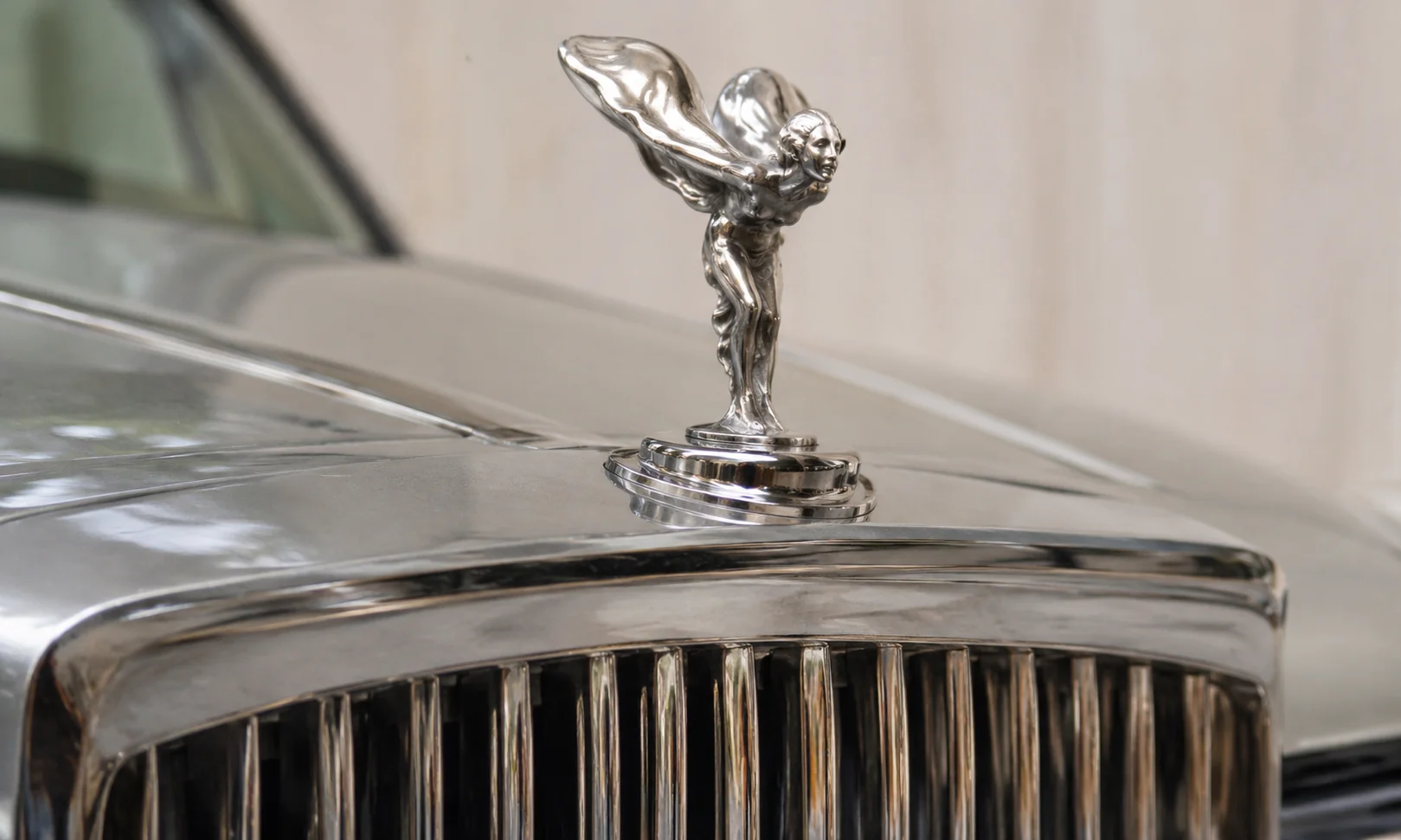
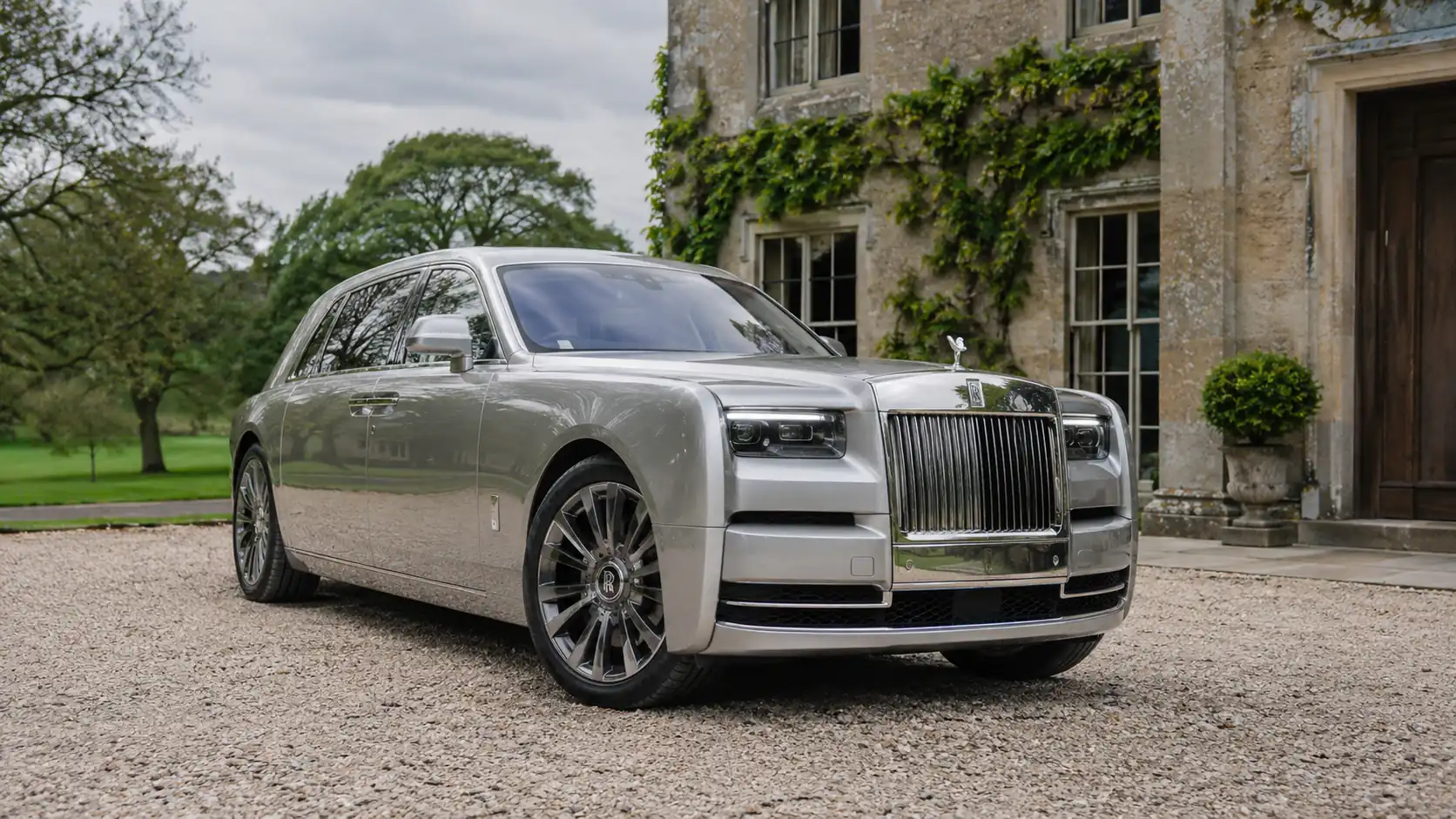
Two symbols completed the identity. The Parthenon radiator grille, with its fluted classical dignity, gave the cars a face of architectural authority. And in 1911, the Spirit of Ecstasy, the flying lady sculpted by Charles Sykes and modeled, according to tradition, on Eleanor Thornton, secretary and muse of the motoring pioneer Lord Montagu, alighted on the radiator cap.
The figurine became the most famous automotive ornament in history, and her presence still distinguishes a Rolls-Royce from every other car on the road at a glance.
The company’s aero-engine work, born in the First World War and crowned in the Second by the Merlin engine that powered the Spitfire and the Mustang, wove the marque into national legend on both sides of the Atlantic. A Rolls-Royce was by then not merely a car. It was a synonym for British engineering at its summit.
Crisis and Resurrection
The twentieth century’s second half tested the marque almost to destruction. The cost of developing the RB211 aero engine overwhelmed the company in 1971, and Rolls-Royce collapsed into receivership, a national scandal that ended with the government separating the car division from the aero-engines.
The motor car business passed through decades of unsettled ownership, including the curious era of Bentley consolidation, before an extraordinary corporate contest at the century’s end.
The resolution, completed in the early 2000s, split the treasures: Bentley went to Volkswagen, while BMW secured the Rolls-Royce name and built the marque a new home at Goodwood in Sussex, where every car has been made since 2003.
The arrangement produced something few expected: a genuine renaissance. The Phantom of 2003, the first Goodwood car, restored the marque to the summit of the automobile, and the family that followed, Ghost, Wraith, Dawn, Cullinan, and the electric Spectre, returned Rolls-Royce to its founders’ standard with modern technology.
The Bespoke Century
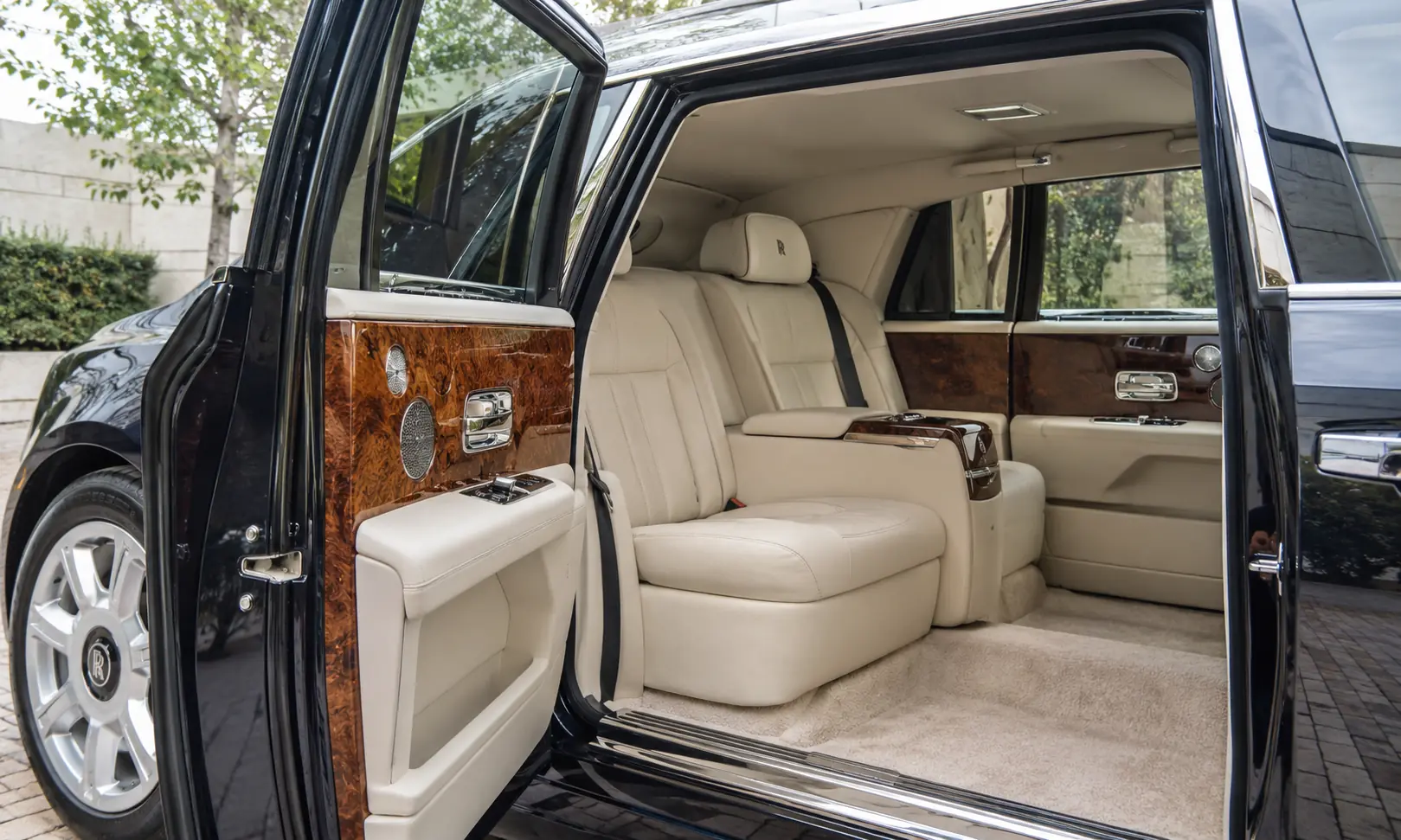
The modern Rolls-Royce has refined the founders’ philosophy into its purest commercial form: bespoke. At Goodwood, clients commission cars the way their predecessors commissioned carriages, selecting from tens of thousands of paint hues, specifying veneers from a single tree, and working with designers on one-of-one creations that take years.
The Coachbuild program, reviving the pre-war tradition of unique bodies, has produced rolling sculptures priced in the tens of millions, the most expensive new cars ever built.
This is not indulgence for its own sake. It is the logical conclusion of the 1904 handshake: if the standard is the best, and the client’s definition of best is personal, then the finest car must be the one built for one person alone. Among grand touring cars and luxury flagships, no other maker has carried personalization so far into art.
What the Handshake Means Now
Rolls and Royce never became rich from their creation in proportion to its fame, and both were dead before the marque’s greatest decades. What they left instead was the standard itself, an idea portable across wars, bankruptcies, and ownership changes: that perfection is a process rather than a destination, pursued one examined component at a time.
The phrase the best car in the world was a journalist’s judgment, not a company’s claim, and perhaps that is the deepest lesson of the marque. Rolls-Royce has never needed to declare itself the finest. It has spent a hundred and twenty years arranging matters so that others say it for them.
FAQs
When was Rolls-Royce founded?
The partnership was formed in May 1904 when Charles Rolls agreed to sell the cars Henry Royce built, and the company Rolls-Royce Limited was formally established in 1906.
What was the Silver Ghost?
The Rolls-Royce 40/50 of 1907, nicknamed the Silver Ghost after a silver-painted demonstration car, which proved its durability in a 15,000-mile trial and earned the verdict of the best car in the world.
What is the Spirit of Ecstasy?
The flying lady mascot adorning every Rolls-Royce radiator since 1911, sculpted by Charles Sykes and modeled, by tradition, on Eleanor Thornton.
Did Rolls-Royce build aircraft engines?
Yes. The company became one of the world’s great aero-engine makers, and its Merlin engine powered the Spitfire, Hurricane, and Mustang in the Second World War. The aero business is today a separate company from the motor cars.
What happened when Rolls-Royce went bankrupt?
The cost of developing the RB211 aero engine forced the company into receivership in 1971. The government separated the divisions, and the car business eventually passed to BMW, which built the new Goodwood factory opened in 2003.
Who owns Rolls-Royce Motor Cars today?
BMW owns Rolls-Royce Motor Cars, which builds every car at its Goodwood facility in Sussex, England, while Rolls-Royce Holdings, the aerospace company, is an entirely separate business.
What is Rolls-Royce bespoke?
The program through which clients personalize their cars with unique colors, materials, embroidery, and features, extending to the Coachbuild division’s one-of-one commissions, the most expensive new cars in the world.
Are Rolls-Royce cars still hand-built?
Yes. Every car is assembled at Goodwood with extensive hand craftsmanship, from paintwork to wood veneers and leather, with each car taking months to complete.