A comfortable pair should give your toes, instep, and heel room to fit without pressure. The best wide width shoes for women match your foot shape, not just a width label. A wider label alone may not leave enough room at the toes, instep, or midfoot. The toe box is the front part of a shoe that surrounds the toes and should leave them room without pressing or rubbing.
Everyday sneakers, dress shoes, sandals, and athletic styles all come in different shapes and widths. Comfort also depends on support, cushioning, and how securely the heel holds your foot. A shoe can feel roomy at the toes yet press across the midfoot, so look beyond the size printed inside.
Use your routine to narrow the options, then focus on the areas that need space. A good fit should feel comfortable without forcing your foot into the shoe’s shape. Start with where and how you plan to wear the pair, then compare the fit details that matter to your feet.
Key Takeaways
- Check toe-box room and midfoot fit.
- Choose support for your daily routine.
- Compare each shoe’s actual width options.
- Read fit and return details before ordering.
- Try on new shoes before a full day out.
Which Fit Details Matter for Wide Feet?
A wide label is useful only if the shoe also fits the shape of your foot. A comfortable fit gives toes room to spread, while the midfoot and instep stay free of pressure. Check each area separately, since a wide toe box does not promise a roomy midfoot.
Women’s wide width shoes for problem feet should not rub bunions or sensitive spots. Look for adjustable straps, laces, or stretch panels where your foot needs more give. Sole Bliss calls its cushioning stretch panel the Bunion Bed, but it does not guarantee pain relief.
Room for Bunions, High Insteps, and Sensitive Feet
A high instep may press against the shoe’s upper, even when the sole feels wide. Adjustable closures can help you change the fit across the top of your foot. For more fit guidance, see this women’s running shoe guide.
Arch support and cushioning are separate features, so check each one for your needs. Sole Bliss footbeds have three layers of custom-cushioning memory foam. Its closed-back shoes also have a memory-foam anti-pronation device.
The AAOS shoe-fit guide explains why fit across the whole foot matters. Women over 50 should focus on needs like toe room, cushioning, or easy adjustment, not age-based labels.
How Should a Wide Toe Box Feel?
Wide toe box shoes for women should let your toes move without pressing against the front or sides. The fit should feel secure through the heel, not loose just to gain room up front.
- Try shoes while standing.
- Check that your toes can move.
- Notice pressure at the instep and midfoot.
- Walk long enough to detect rubbing.
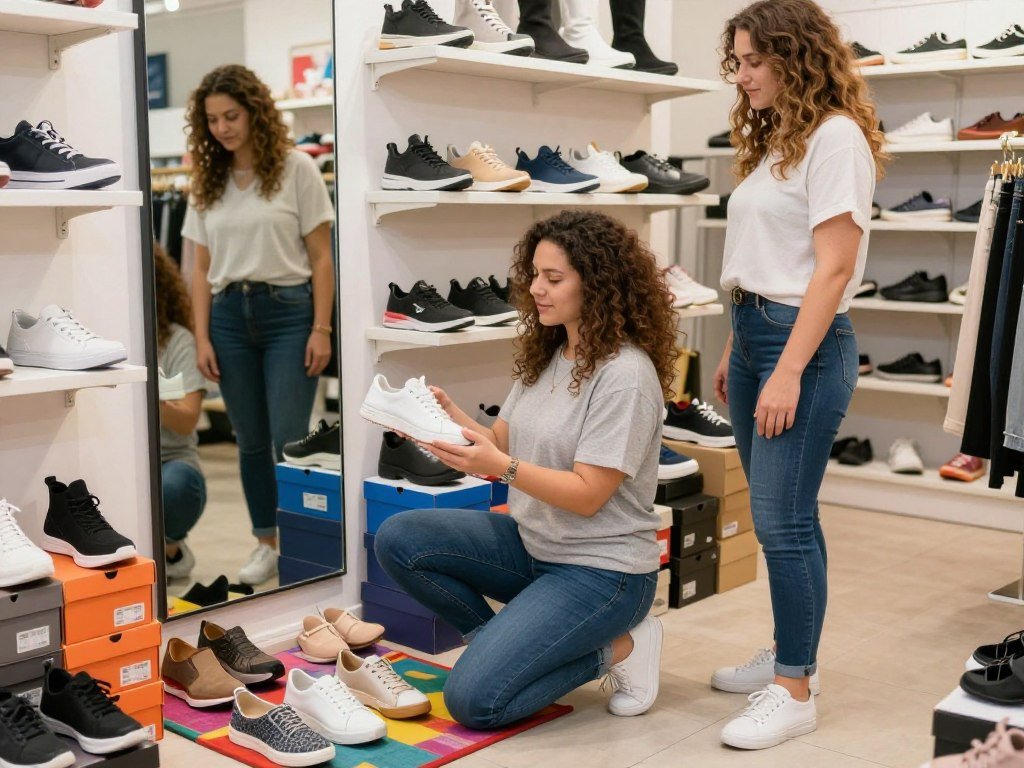
Try shoes later in the day, when your feet may be larger. Compare the fit with the socks you plan to wear, and give each foot room to settle naturally.
If pressure remains at one spot while standing and walking, try a different shape rather than assuming the shoe will stretch enough.
A shoe that feels comfortable at first may still rub after several minutes. Pay attention to seams, straps, and upper materials near sensitive areas.
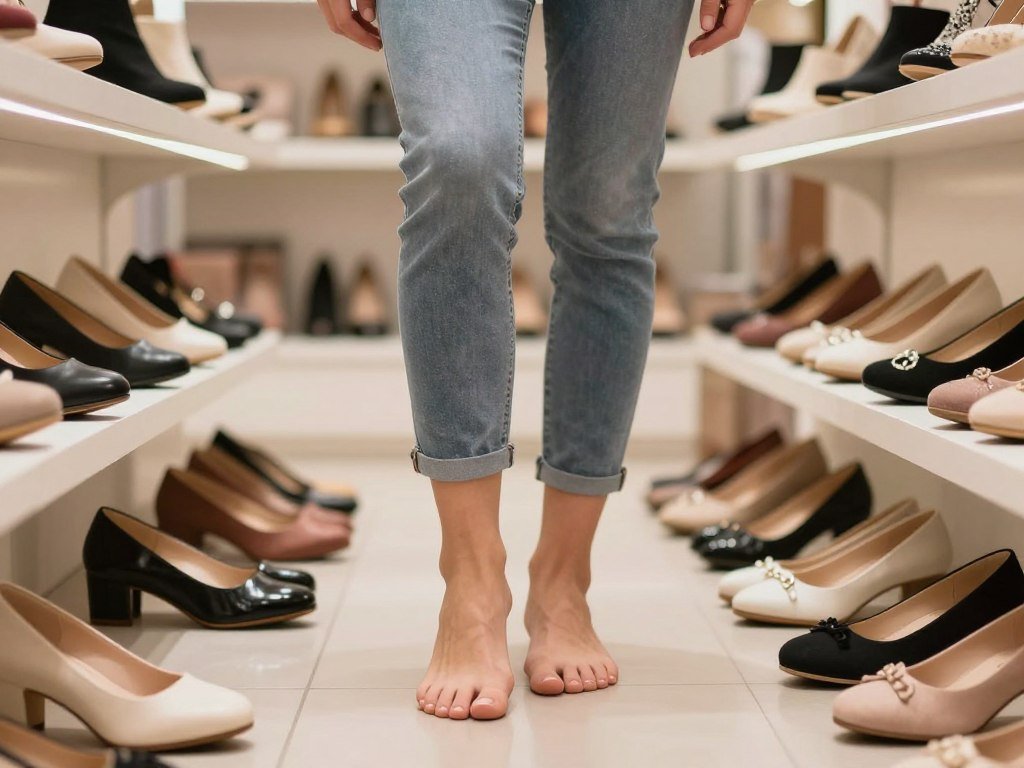
Best Wide Width Shoes for Women: Which Style Fits Your Day?
For most everyday wardrobes, start with a sneaker or walking shoe, then add a dress option that fits the same way. Sneakers and walking shoes suit many routines, while flats or loafers work for casual and office outfits. Choose by the hours you will wear them and the support you prefer.
Casual best wide width shoes for women can include sneakers, loafers, or flats. Formal best wide width shoes for women can include pumps, dress flats, or low heels. Sandals, pumps, and low heels can all suit dressier plans when their shape fits your foot.
Everyday Sneakers, Flats, and Loafers
The best everyday shoes for wide feet depend on your routine and preferred support. A cushioned walking shoe may suit long errands, while a simple flat can work for shorter days. Look for a secure heel and a sole that feels steady underfoot.
One collection snapshot lists 728 products, with size filters from 5 to 12. Its width labels include M, N, NN, W, and WW; W means wide, and WW means extra-wide.
In that snapshot, 711 products appear under W and 314 under WW. Counts can differ by collection and time, so treat those filters as examples, not a promise of current stock.
Sandals and Dress Shoes for Outings
For warm days, sandals with adjustable straps can make fit easier to fine-tune. Dress shoes should hold your heel without squeezing your toes. A lower heel can feel more practical for standing or walking than a taller one.
The Aerosoles wide-width listing shows 24 products, including low-heeled sandals, dress platforms, and a tall-shaft boot. That range shows how styles can vary within one brand’s wide-width selection.
Check the width and return terms on the individual product page before placing an order.
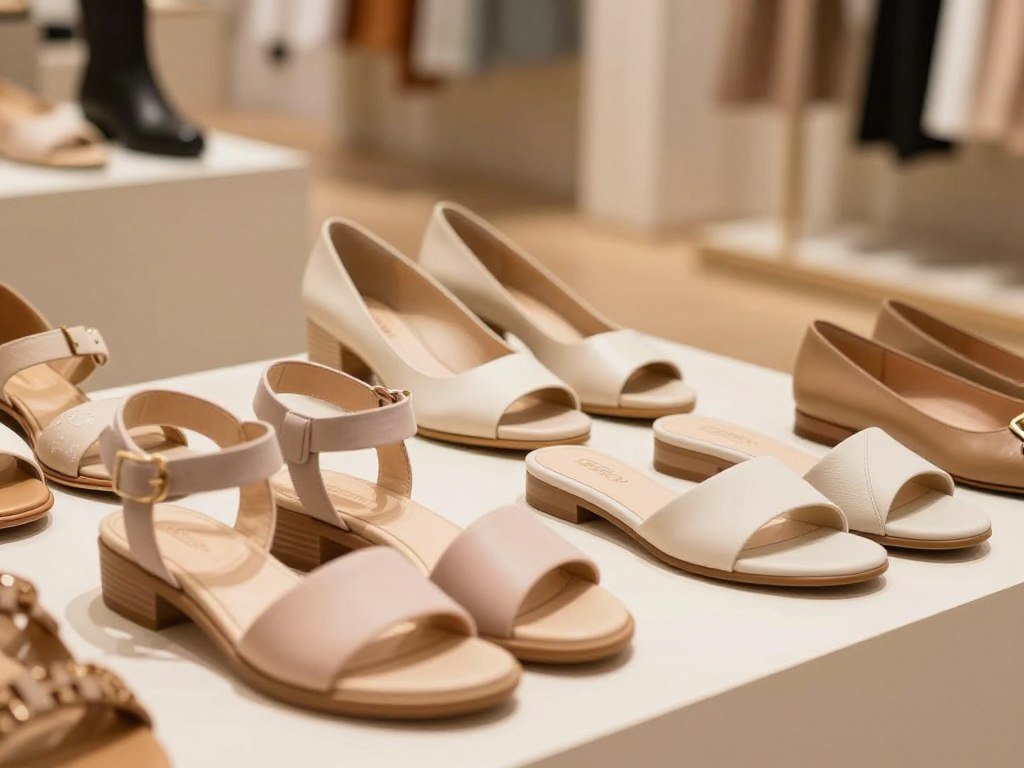
Are Wide Running Shoes a Good Fit for Every Runner?
A wide-width running shoe is not automatically comfortable if its midfoot or toe box still feels tight. Walking shoes should feel stable and comfortable, while running shoes need a fit that works at the toes, midfoot, and bunion area. Wide describes a label, not a guarantee of room.
A soft ride cannot make up for pressure that builds at the bunion or midfoot. The table compares four models and their listed 2026 width options, along with reported fit or cushioning details.
Walking and Running Shoes for Training
Choose walking best wide width shoes for women for walking comfort and a secure fit. Some running shoes can also work for walking if they feel comfortable and stable. The American Academy of Podiatric Sports Medicine’s walking advice covers proper shoe fit and walking.
The Adidas Evo SL costs $150 in 2026. For more models and fit ideas, read this guide to walking shoes for women.
| Model | 2026 width option | Fit or cushioning detail |
|---|---|---|
| Adidas Evo SL | Standard width only | Rubbing near a bunion around mile 9; reviewer would not use it beyond 10 miles |
| Brooks Glycerin 23 | 2E | 38 mm heel and 30 mm forefoot cushioning; felt tight throughout to reviewer |
| Brooks Ghost Max 2 | Wide | DNA Loft v3 felt softer and more cushioned than the first Ghost Max |
| Asics Glideride Max | 2E wide | Snug midfoot and relatively narrow toe box |
How to Compare Brands With Wide Toe Boxes
Shoe brands with wide toe boxes for women should be compared by their actual shape and available width, not the word “wide” alone. The Adidas Evo SL has no dedicated wide width. The Brooks Glycerin 23 is available in 2E, yet its reviewer found that width tight throughout.
The Glycerin 23 adds 2 mm of DNA Tuned cushioning over its predecessor. The Asics Glideride Max comes in 2E wide, but its midfoot felt snug and its toe box relatively narrow.
Do not let a cushioning feature distract you from how the shoe fits your own foot.
For longer runs or bunion-sensitive feet, rule out any model that creates rubbing during a short, easy test.

Conclusion
The right pair is the one that feels comfortable for the way you will actually wear it. Your best choice may be a sneaker for long days, sandals for warm weather, or dress shoes for an event. Focus on the shoe’s shape, width, and support rather than relying on a label alone.
Browse the collection by shoe type and width, then read the fit and return details for the specific product. A width that works in one style may feel different in another.
Choose a style, confirm its available width, and try it on at home before committing to a full day of wear.
FAQ
How can I measure my foot width at home?
Should I size up to fix a shoe that feels too tight across the width?
How much space should there be in the toe box?
Can a wide-width shoe still feel tight in the middle?
Are 2E and women’s wide the same width in every brand?
Should I break in shoes that rub near a bunion?