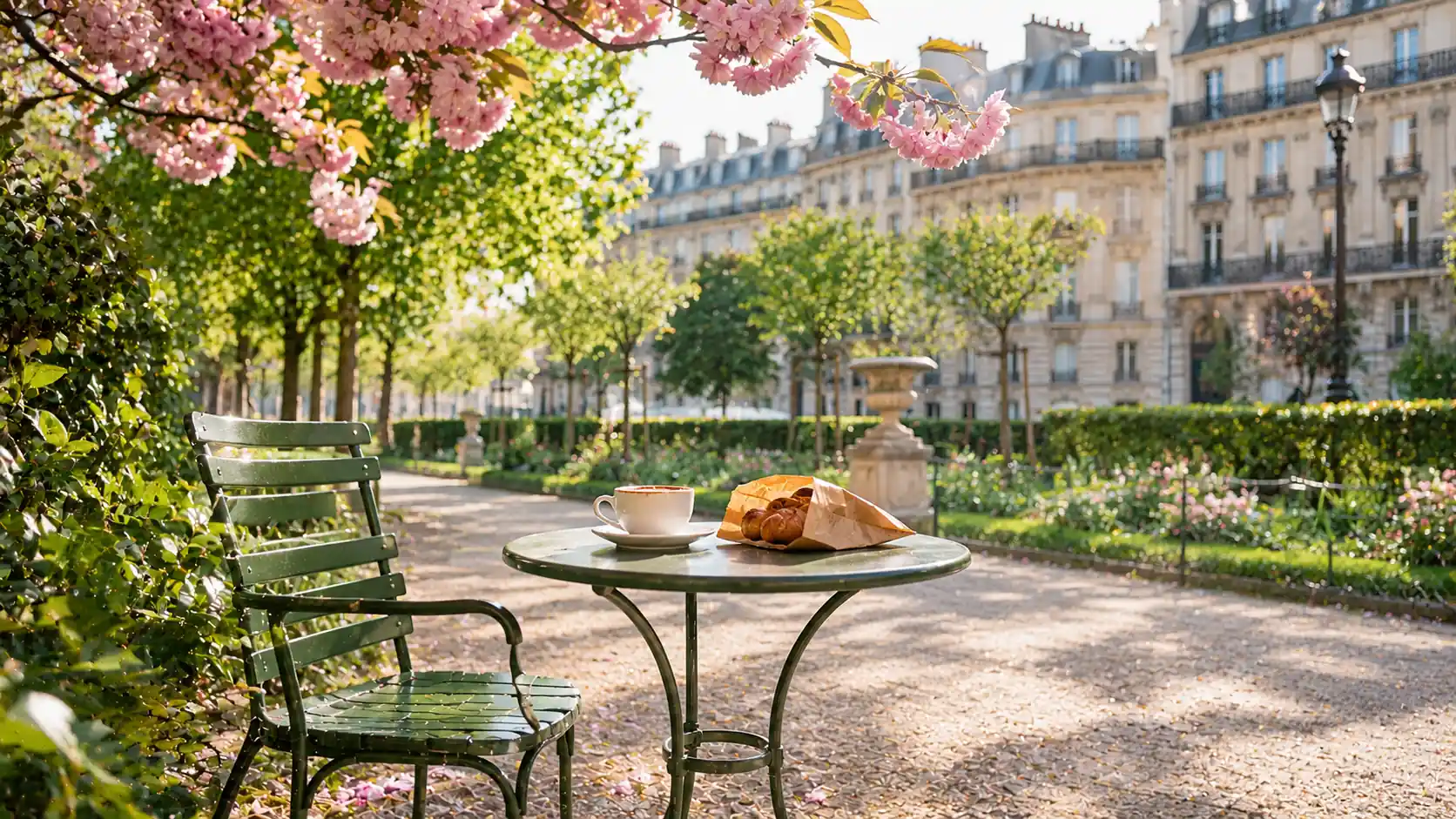
A garden chair pulled toward the sunlight. A bakery bag opened before you reach the next corner. An afternoon with enough room for a second coffee. These simple pleasures are among the loveliest things to do in Paris in spring, when some of the city’s most memorable moments happen between the reservations.
The best things to do in Paris in spring combine gardens, neighborhood walks, art, and unhurried meals. Spend a morning in the Luxembourg Gardens, explore Saint-Germain-des-Prés, visit a museum that genuinely interests you, and leave an evening free for the Seine. Build your plans around a few nearby places rather than racing across the city.
A beautiful trip does not need to be extravagant at every turn. The real pleasure is knowing where to spend your attention and occasionally your money.
Key Takeaways
- Combine one major reservation with flexible neighborhood time each day.
- Enjoy spring flowers when you find them, without relying on a guaranteed blossom date.
- Keep an indoor alternative for outdoor plans.
- Group visits geographically to reduce unnecessary travel.
- Choose special meals and private experiences for their substance, not simply their price.
- Leave time to enjoy Paris without an itinerary in your hand.
Which Paris Spring Experiences Suit Your Travel Style?
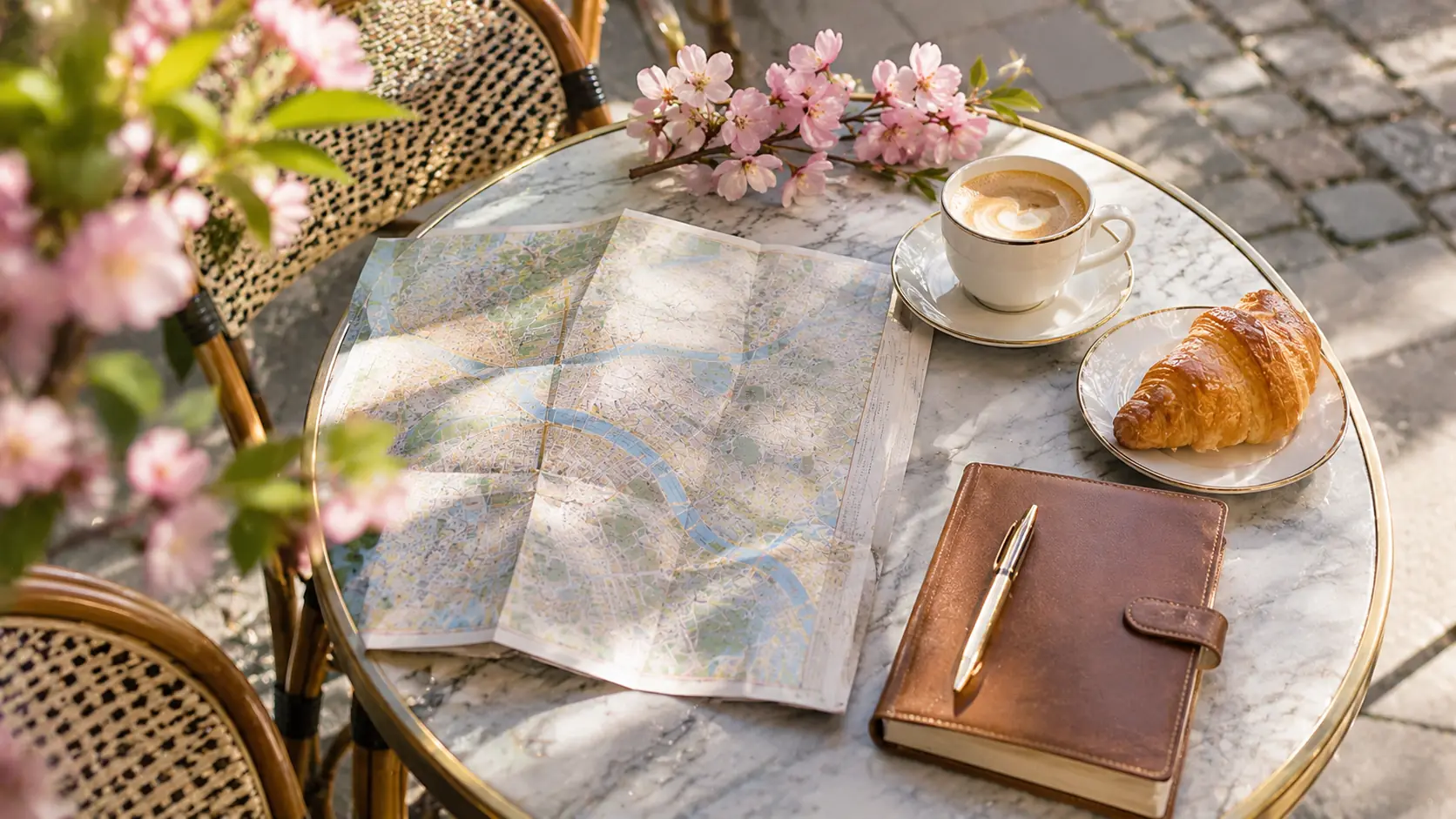
Before choosing individual stops, decide what you want the trip to feel like. A first visit may call for recognizable landmarks, while a return trip might be better spent exploring a smaller area in depth.
| Experience | Best suited to | Planning approach |
| Luxembourg Gardens and Saint-Germain | A relaxed introduction to the Left Bank | Keep the walk flexible |
| Musée de l’Orangerie and the Tuileries | Art lovers who want a focused cultural outing | Check admission arrangements before visiting |
| Le Marais and Place des Vosges | Independent shopping, architecture, and wandering | Choose a few stops rather than a rigid route |
| A neighborhood market | Travelers interested in food and everyday city life | Confirm the market’s operating days |
| A special lunch | Dining enthusiasts who value a considered experience | Reserve and check the current menu |
| A Seine cruise | First-time visitors or travelers wanting a seated outing | Compare the route, vessel, and boarding point |
| A specialist guided visit | Travelers with a particular interest | Choose the guide’s expertise carefully |
1. Spend a Slow Morning in the Luxembourg Gardens
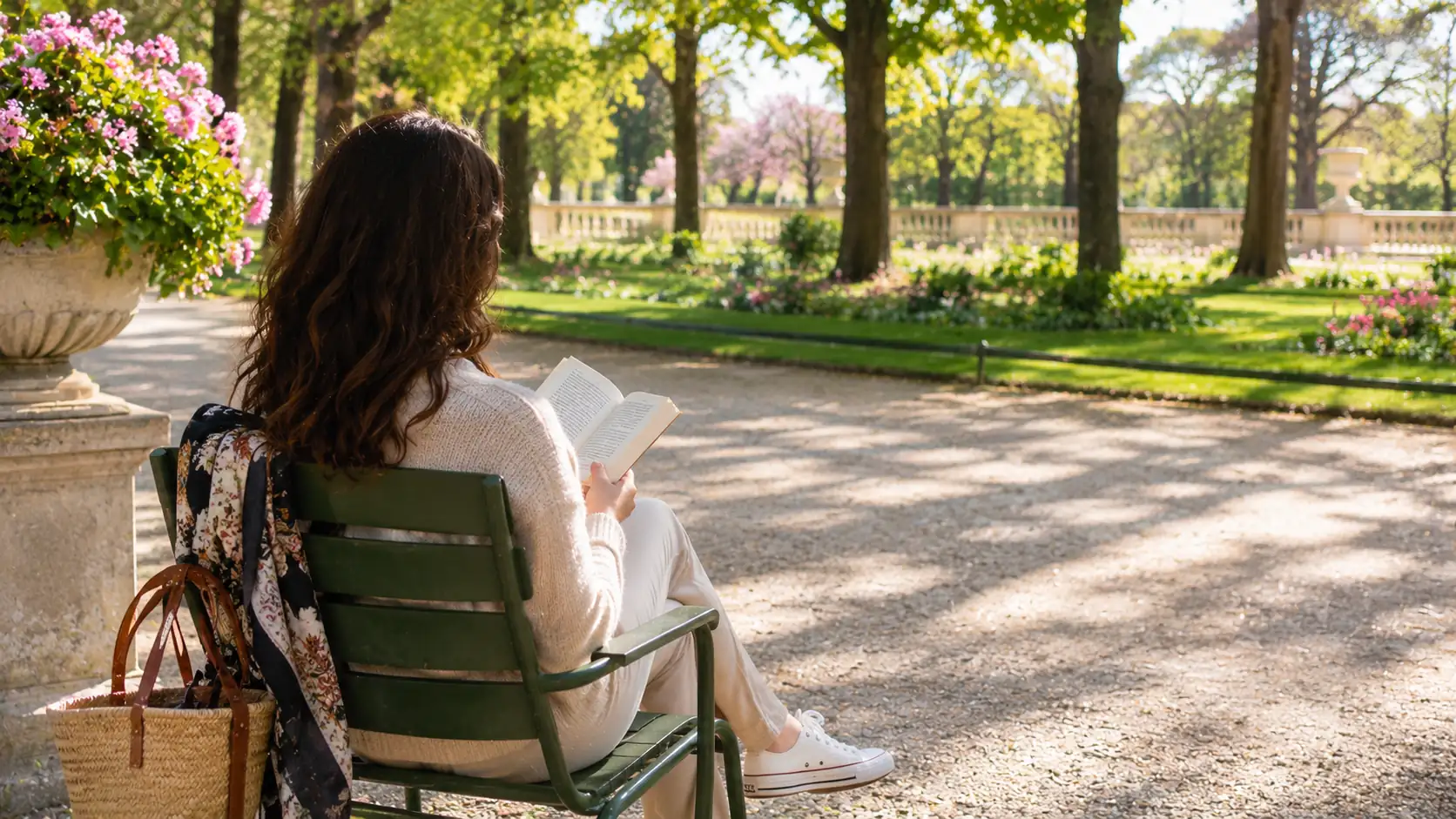
The Luxembourg Gardens are well suited to the kind of morning that begins with a plan and gradually loses interest in it.
Walk first, then sit. Notice the arrangement of the paths, the changing planting, and how a different viewpoint alters the scene. You do not need to turn the visit into a complete survey of the grounds.
Bring a book if you enjoy reading outdoors. Otherwise, allow yourself the simpler pleasure of being somewhere beautiful without needing to document every minute.
Check the posted rules before settling down. A public garden is not necessarily a place where every lawn is open for sitting or every activity is permitted. If you’re planning an extended stay, choosing one of the best hotels in Paris can also make it easier to enjoy the city’s gardens and nearby attractions at your own pace.
2. Explore Saint-Germain-des-Prés Beyond a Café Photograph
Saint-Germain-des-Prés rewards a little curiosity. Rather than heading to one famous café and immediately moving on, spend time with its surrounding streets, bookshops, galleries, and shop windows.
Choose somewhere to stop because you like the atmosphere. A comfortable seat and an interesting view may matter more than whether the address appears on a familiar list.
This is also a good neighborhood for a deliberately small purchase: a book, stationery, or something you will use long after the trip. The pleasure comes from choosing carefully rather than buying simply because you are in Paris.
Pair this outing with the Luxembourg Gardens instead of treating them as separate cross-city excursions.
3. Visit the Musée de l’Orangerie With Time to Look
A museum visit can become surprisingly tiring when the aim is to see everything. The Musée de l’Orangerie offers a more focused approach, particularly for visitors interested in Monet’s Water Lilies.
Allow yourself to spend time with the paintings before reaching for your phone. Look at the shifts in color, the scale, and the way the compositions guide your attention.
Check current admission arrangements, opening days, and exhibitions before choosing a time. A museum’s temporary program may also influence how long you want to stay.
Afterward, leave some space in the day. Moving directly into another major museum can make two worthwhile experiences feel like one long obligation.
4. Walk Through the Tuileries Without Rushing to the Next Landmark
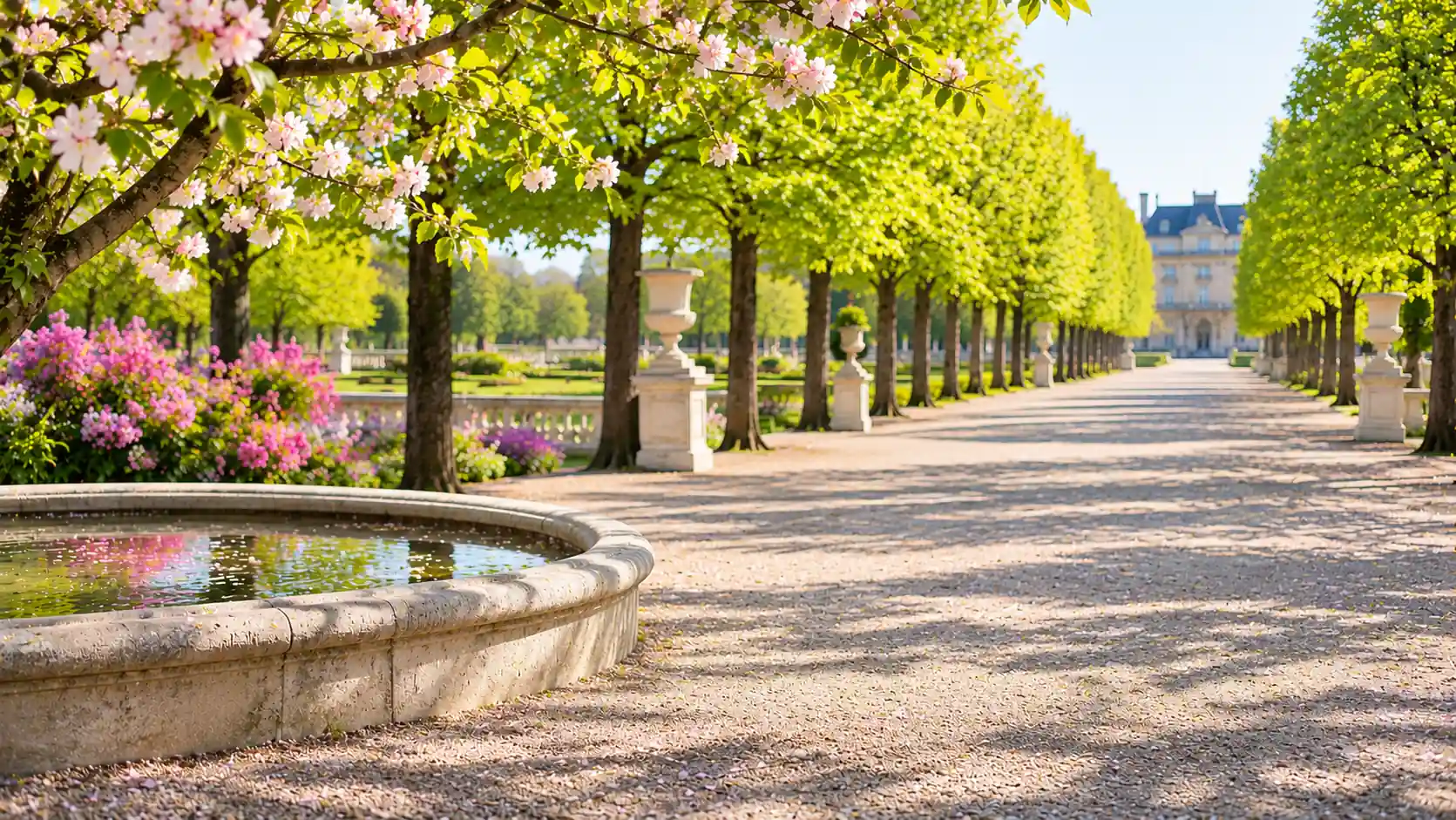
The Tuileries work beautifully as a pause between other plans. You can walk through the garden, find a chair, and decide whether you want a longer break.
Spring interest is not limited to a particular flower. New foliage, changing light, and the garden’s formal lines all give you something to notice.
This is an easy outing to combine with the Orangerie. Instead of filling the remaining afternoon immediately, leave time for lunch or a nearby stop that catches your interest.
The simplest itinerary improvement is often removing one more destination.
5. Follow the Flowers Without Building the Trip Around Them
Spring blossom photographs can create very precise expectations. Trees do not follow a booking calendar, and flowering varies with the plant, location, and conditions.
Treat blossoms as a welcome discovery rather than the sole purpose of a day. Consider gardens and squares you would enjoy even without flowers.
The Jardin des Plantes is worth considering if you appreciate botanical settings. For any garden you choose, check which areas are accessible and whether particular attractions require separate admission.
Avoid crossing the city solely for an old photograph of a tree in bloom. A nearby garden, visited at the right moment for your day, may bring more pleasure.
6. Browse Le Marais With a Short Shopping List
Le Marais suits travelers who enjoy moving between shops, streets, and small discoveries. Give yourself a general direction, then allow some flexibility.
A useful shopping approach is to identify one or two things you would genuinely like to find. That might be a fragrance, a piece of jewelry, or an object for your home.
Look closely at construction and materials. Ask about care requirements, returns, and delivery if the purchase is substantial. A memorable setting should not replace ordinary buying judgment.
Build in a pause around Place des Vosges, then decide whether you want to continue. Shopping becomes more enjoyable when it does not feel like an endurance event.
7. Plan One Exceptional Lunch
A carefully chosen lunch can give the whole day a sense of occasion.
Start with the food and setting you enjoy. Do you want inventive cooking, a traditional dining room, a quiet table, or a lively restaurant where lunch becomes the afternoon’s main event?
Read the current menu before reserving. Consider dietary requirements, cancellation conditions, and the overall cost, including drinks and any extras you intend to order.
A shorter menu may suit the rest of your day better than an elaborate tasting experience. Choose the meal you want to enjoy, not the longest one available.
For a special occasion, communicate your preferences when booking. Clear arrangements are more valuable than hoping the restaurant will guess what matters to you.
8. Visit a Neighborhood Food Market
A food market offers a different rhythm from a restaurant reservation. You can browse, ask questions, and choose according to what looks appealing that morning.
Confirm the market’s location and operating days before setting out. Bring a manageable bag and think about how you will carry anything delicate.
If you are assembling a simple outdoor lunch, choose foods that are easy to transport and eat. Buy sensible quantities rather than creating an elaborate spread you must carry for hours.
Remember that a market is also a working shopping environment. Ask before taking close photographs of people or their stalls, and step aside when you want to stop and look.
9. Discover Paris Through a Covered Passage
A covered passage can be an appealing alternative when your outdoor plans need adjusting. Galerie Vivienne is one recognizable option for travelers interested in shopfronts, architectural detail, and a more enclosed walking experience.
Go with modest expectations about how much time you will spend there. A passage may be a lovely part of an outing without needing to become its entire purpose.
Check access arrangements for the specific passage you want to visit. Individual businesses may keep different hours.
Combine the stop with nearby plans, then enjoy the details at your own pace: signage, floors, windows, and the way the space changes as people move through it.
10. Choose a Seine Cruise for the Experience You Want
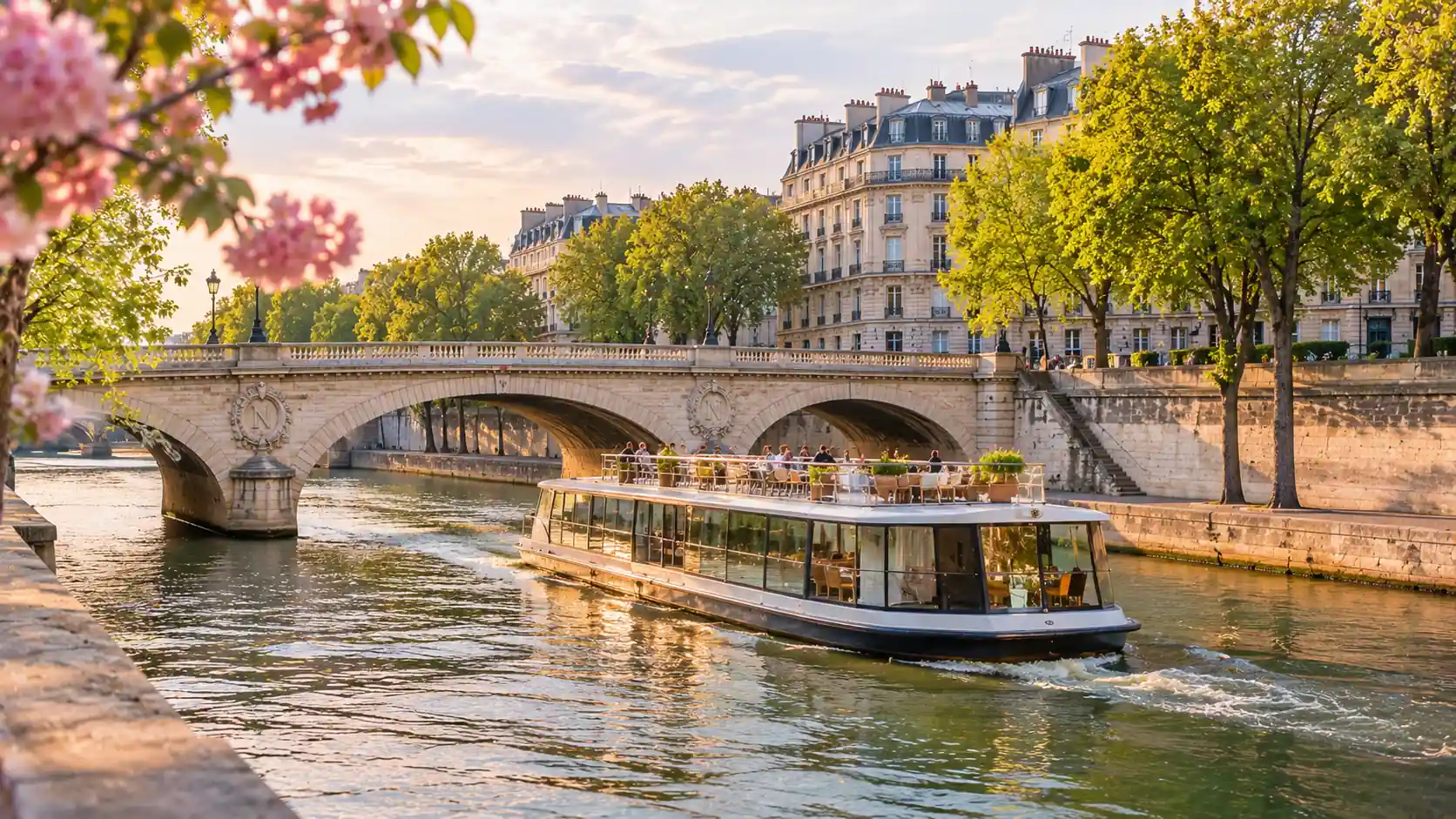
A river cruise can give your feet a rest while offering another perspective on the city.
Compare more than the photographs. Look at the departure point, route, duration, seating, outdoor access, and cancellation policy. If commentary matters to you, check its format and available languages.
For a dining cruise, examine the menu as carefully as you would for a restaurant. The view and the meal are separate parts of the purchase.
A private boat may suit an intimate celebration, but privacy alone does not guarantee a better experience. Comfort, service, and a route that interests you should still guide the decision.
11. Spend an Evening in Montmartre
Montmartre is worth approaching as a neighborhood rather than a single viewpoint.
Choose a few streets to explore, allow for hills and steps, and plan around your own mobility and energy. If steep walking is difficult, review transport options and access before setting out.
The most rewarding part may be a smaller detail: a shop window, an architectural feature, or a place where you decide to stay for dinner.
Avoid placing a tightly timed reservation immediately after an ambitious walk. An evening feels more generous when there is room to slow down.
12. Book a Guide for Something You Truly Care About
A knowledgeable guide can add depth that an independent visit may not provide. The key is choosing a subject you actually want to explore.
That could mean painting, architecture, fashion history, food, or a particular neighborhood. A specialist may be more valuable than a broad tour promising to cover the whole city.
Before booking, ask about the guide’s background, group size, walking requirements, and what the fee includes. Clarify whether admission tickets or transport are additional.
The worthwhile luxury here is informed attention: someone who can help you see details you might otherwise miss.
How Can You Plan a Beautiful Day Without Overbooking?
Choose one anchor experience, then build around it.
For a Left Bank day, that might mean the Luxembourg Gardens, time in Saint-Germain, and a lunch reservation. For an art-focused outing, combine the Orangerie with the Tuileries and leave the rest of the afternoon flexible.
Do not confuse an empty hour with a planning failure. It gives you room for weather, tired feet, an interesting shop, or a meal that deserves more time.
Paris Spring Planning Checklist
- Choose one main booked experience per day.
- Group nearby activities together.
- Check current opening days and admission requirements.
- Confirm restaurant menus and cancellation terms.
- Keep an indoor option for outdoor outings.
- Review walking distances and accessibility.
- Treat flower sightings as a bonus.
- Leave at least one afternoon lightly planned.
Frequently Asked Questions
Is spring a good time to visit Paris?
Spring can suit travelers who want to combine gardens, walking, museums, and dining. Choose your dates around your preferences, budget, and tolerance for changeable weather.
What are the best free things to do in Paris in spring?
Consider public garden walks, neighborhood exploring, window-shopping, and riverside strolls where access is permitted. Check individual sites because some attractions within larger grounds charge admission.
When do spring flowers bloom in Paris?
Timing varies by plant, location, and weather. Avoid relying on a fixed blossom date, and look for recent local updates close to your visit.
What should you do in Paris when it rains?
Choose a museum, a covered passage, an indoor guided experience, or a leisurely meal. Check availability before replacing an outdoor plan with a popular attraction.
Is a Seine dinner cruise worth booking?
It can be worthwhile if you enjoy the combination of dining and sightseeing. Compare the food, vessel, route, and seating rather than choosing solely from promotional photographs.
How many activities should you plan each day?
One major experience and a few nearby, flexible stops make a comfortable starting point. Adjust for your interests, mobility, and preferred pace.
Final Thoughts
Paris in spring is especially appealing when the itinerary leaves room to notice it. From garden visits and leisurely café stops to exploring local art, there are plenty of things to do in Paris in spring without rushing from one attraction to another.
Book the meal you care about, spend time with the art that interests you, and let a garden visit last longer than expected. If you’re considering another European getaway, exploring the things to do in Prague can offer similar opportunities to enjoy art, culture, and memorable experiences. The trip does not need to become a collection of expensive moments. A few thoughtful choices, enjoyed fully, can give it all the richness you were hoping to find.