A tattoo session can be exciting and still feel intimidating, especially if pain is part of what you are anticipating.
The best tattoo numbing cream may reduce discomfort, but it cannot promise a pain-free appointment. Your comfort can depend on the area, the length of the session, and how your skin responds.
This guide helps you weigh product labels, your session needs, and your tattoo artist’s preferences. If you are planning a forearm tattoo, placement can shape what you discuss before your appointment.
Treat comfort as one part of planning the appointment, alongside an honest conversation with your tattoo artist.
Key Takeaways
- Numbing may lower discomfort, but it cannot make every tattoo session painless.
- Check the active ingredient and strength on the Drug Facts label.
- Ask your tattoo artist before using a cream, gel, or spray.
- Follow label directions and avoid covering treated skin with plastic wrap.
- Plan tattoo aftercare before your appointment ends.
How Does Tattoo Numbing Work?
A topical anesthetic lowers sensation in the treated skin by temporarily interrupting some of the signals nerves send. Local action means the medicine affects the area where you apply it, not every sensation in your body.
Topical anesthetics temporarily reduce sensation in treated skin, but they do not erase every feeling. Lidocaine, benzocaine, and tetracaine are common ingredients; each can affect nerve signals near the skin’s surface.
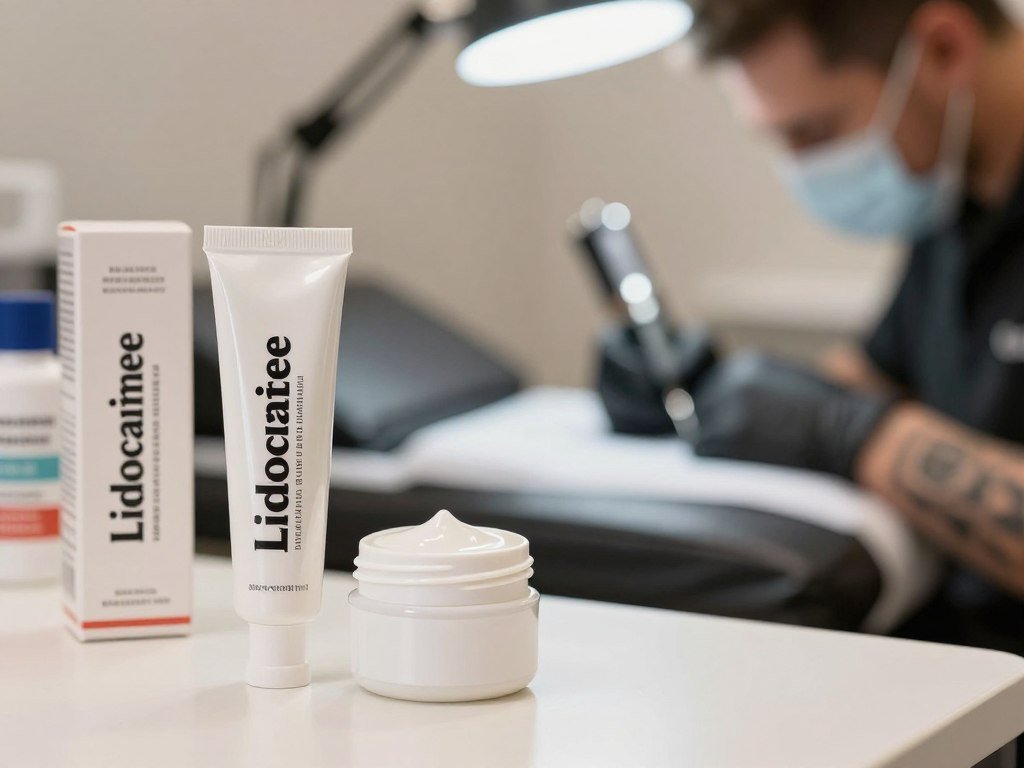
Topical anesthetics can ease pain, but they cannot promise a pain-free tattoo session.
The active ingredients may lessen pain relief signals, yet pressure, vibration, and other sensations can remain. Your response also depends on the product and how it is used.
How lidocaine reduces sensation
Lidocaine temporarily blocks some nerve signaling near the skin. When fewer pain signals reach the brain, the treated area may feel less sensitive.
The effect is limited to the area where the product is applied. The FDA regulates the labeling of over-the-counter (OTC) external analgesics, medicines applied to the body to ease pain.
The FDA’s OTC external analgesic monograph lists lidocaine among ingredients covered by its rules. Label directions and warnings help you understand how a product is meant to be used.
Creams, gels, and sprays have different uses
A cream is thicker and may stay in place more easily. A gel is lighter and easier to wipe clean, which can matter during tattooing.
A spray is a different format that may be used during a session only with your tattoo artist’s approval. A numbing spray is not automatically suitable for initial application.
Ask the tattoo artist which format they are comfortable working with before choosing one.
Can You Use Regular Numbing Cream for Tattoos?
A product sold for tattoos is not automatically a suitable OTC skin anesthetic. A general numbing cream may have a strength or use that does not fit your planned tattoo area.
The FDA advises consumers not to use OTC topical pain-relief products with more than 4% lidocaine on skin. Check the active ingredient and percentage on the Drug Facts label, and avoid unverified high-strength products.
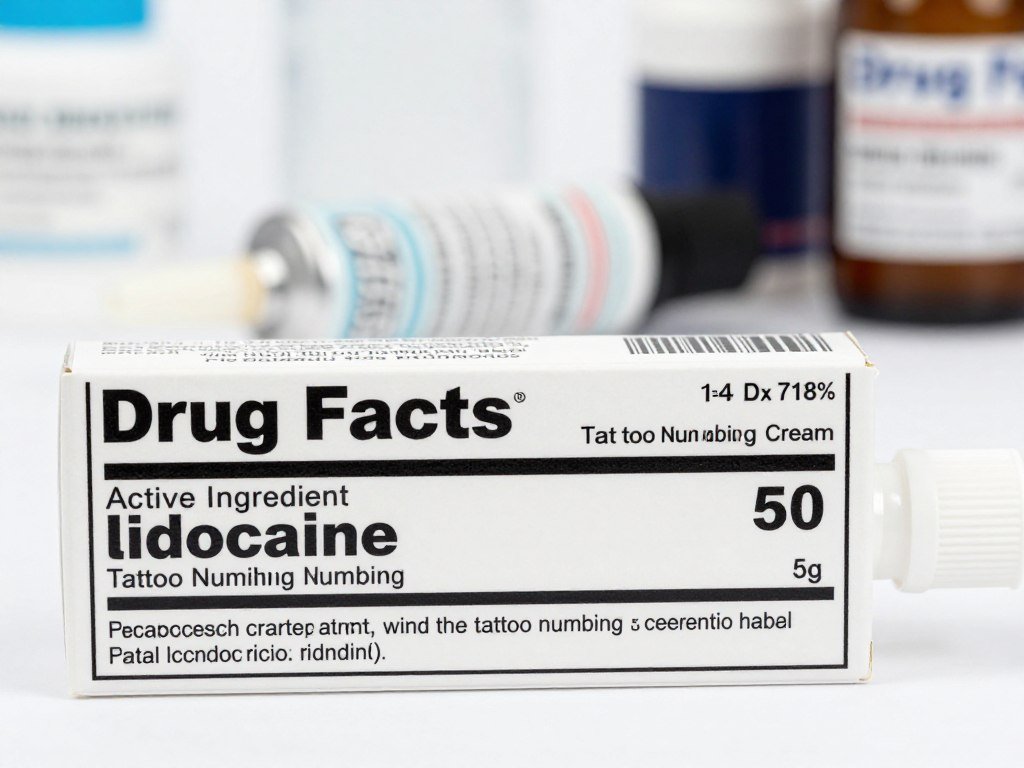
The FDA consumer warning on high-strength skin products, issued March 26, 2024, named products with lidocaine concentrations above that limit. The agency said it knew of no evidence showing those named products were safe.
Check the active ingredient and strength
Read the label rather than relying on the product name or tattoo-related claims. Compare the stated ingredient and percentage with the FDA’s advice for OTC topical pain-relief products.
A regular cream is not automatically appropriate for a tattoo session. Tattoo language on a package does not prove that the product meets the rules for an OTC skin anesthetic.
The FDA warning concerned OTC topical pain-relief products for skin. It is not a reason to assume a product is safe because its packaging mentions tattooing.
Products the FDA warned consumers to avoid
The FDA named the following products in its warning. Each listed lidocaine strength is above 4%.
| Product | Labeled lidocaine concentration | FDA warning status | Practical caution |
|---|---|---|---|
| Mithra+ 10% Lidocaine | 10% | Named in consumer warning | Avoid |
| TKTX During Procedure Numbing Gel 40% | 40% | Named in consumer warning | Avoid |
| J-CAIN cream [LIDOCAINE] | 29.9% | Named in consumer warning | Avoid |
| NumbSkin 5% Lidocaine Numbing Cream | 5% | Named in consumer warning | Avoid |
| NumbSkin 10.56% Lidocaine Numbing Cream | 10.56% | Named in consumer warning | Avoid |
TKTX Numb Maximum Strength Pain Reliever was also named. A product label that lists a high concentration deserves caution, even if the product is sold for cosmetic use.
Read the active ingredient and percentage on the Drug Facts label before putting any product on the planned tattoo area.
How to Choose the Best Tattoo Numbing Cream
For a cautious tattoo-specific cream choice, start with a 4% lidocaine option such as Recovery Numb, then check its label and ask your tattoo artist. That is a starting point, not a promise of a perfect fit.
Recovery Numb Cream contains 4% lidocaine without epinephrine. It is marketed for tattoo studios, and its manufacturer claims relief for up to six hours, but that duration is not guaranteed.
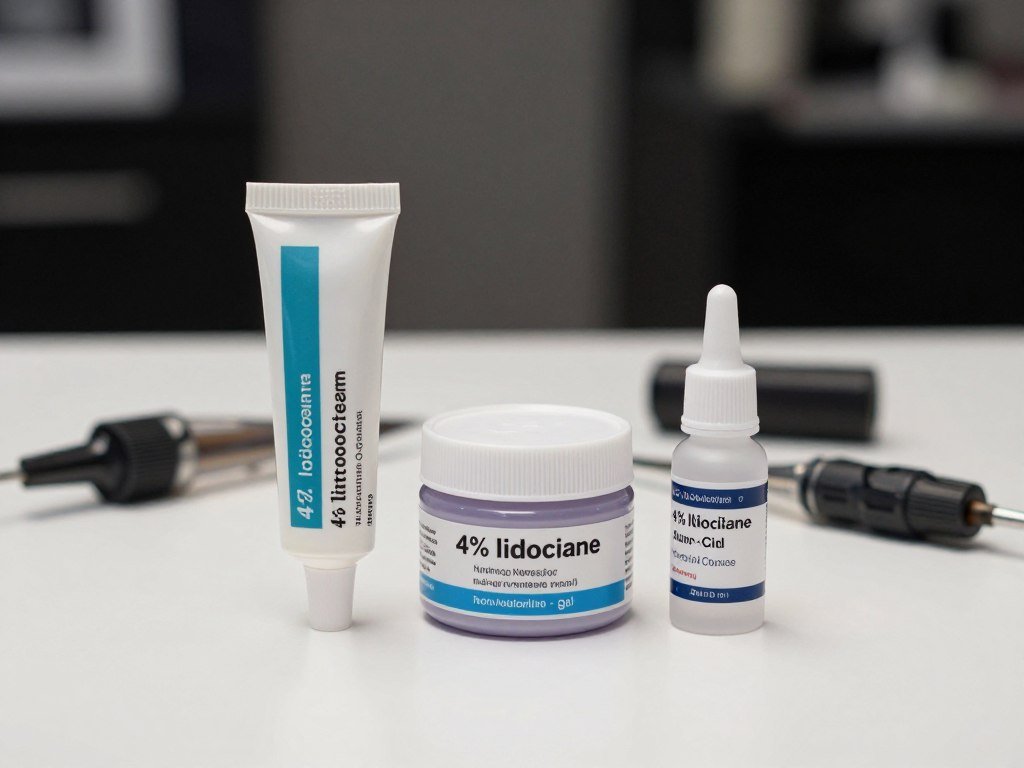
A 2025 “best” label does not replace checking the current ingredient and FDA guidance. The products below differ in format and intended use, so they are not equally suitable for tattooing.
| Product | Format | Stated ingredient and strength | Decision point |
|---|---|---|---|
| Recovery Numb Cream | Cream | 4% lidocaine, no epinephrine | Tattoo-specific; manufacturer claims up to 6 hours |
| HUSH Numbing Gel | Gel | 4% lidocaine, no epinephrine | Non-oily format with aloe |
| Dr. Numb Cream | Cream | 5% lidocaine, no epinephrine | Exceeds FDA’s stated OTC limit |
| LMX 4 | Topical anesthetic | General-use pharmacy example | Check label and artist preference |
| Aspercreme with Lidocaine | Topical anesthetic | General-use pharmacy example | Check the exact formulation |
HUSH Numbing Gel is a gel-format alternative with 4% lidocaine and no epinephrine. HUSH Gel is non-oily and combines a numbing agent with botanical ingredients, including aloe.
Dr. Numb Cream contains 5% lidocaine, so it exceeds the FDA’s stated OTC concentration limit. Its directions call for a quarter-inch layer, coverage for at least 30 minutes, and say numbness lasts about two hours, with results varying.
Choose by the labeled ingredient, the planned area, and your tattoo artist’s approval, not by a promise of complete numbness.
How Can You Use Lidocaine More Safely?
The main safety risk is that too much lidocaine can enter the bloodstream when it is used over a large area, on damaged skin, for too long, or under a covering. More is not safer.
The FDA warns against heavy use, large areas, irritated or broken skin, and plastic wrap or other dressings. These conditions can raise absorption and may cause irregular heartbeat, seizures, or breathing difficulties.
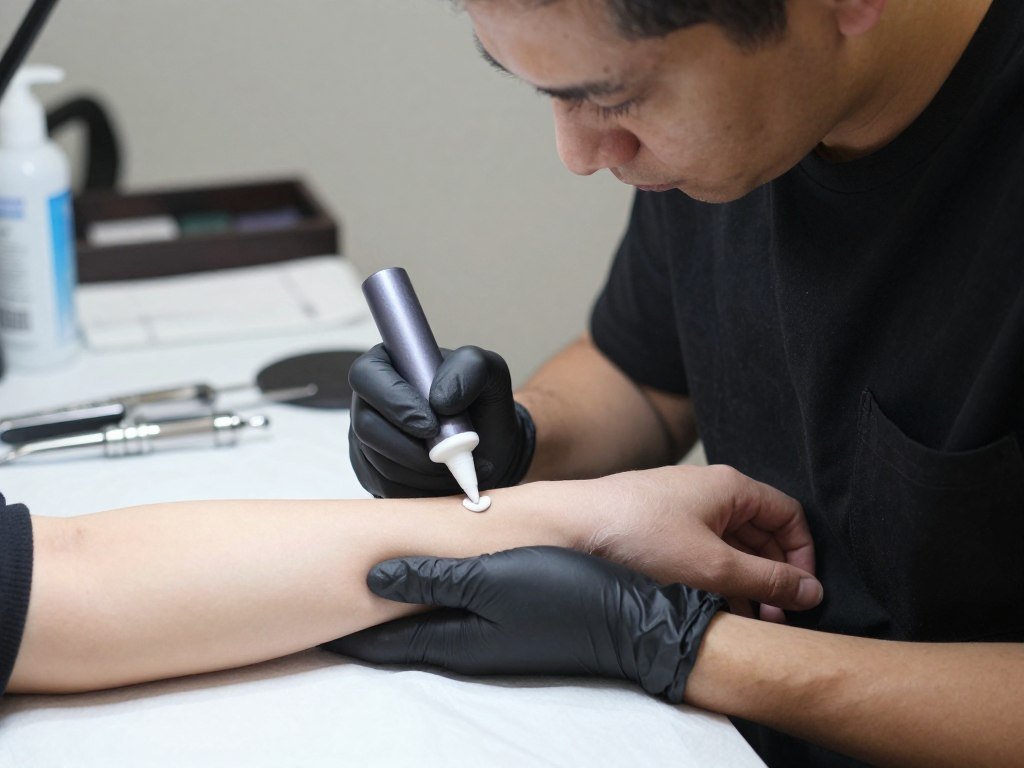
Apply only as directed to intact skin
Use only the amount and timing listed on the product label. Do not apply OTC topical pain relief heavily, over a large area, or on irritated or broken skin.
Do not cover treated skin with plastic wrap or another dressing unless a clinician specifically instructs you. Directions that call for heavy application and plastic coverage do not make that practice safe.
In a February 25, 2025 warning letter, the FDA said Yellow, White, Gold, and Black TKTX Numbing Creams marketed in the United States were unapproved new drugs and misbranded drugs. The FDA said they contained lidocaine levels beyond permitted OTC conditions or ingredient combinations that did not meet those conditions.
The letter quoted TKTX Numbing Cream USA directions to apply a thick or generous layer and cover it with plastic wrap for 40-60 minutes. That quotation is not a safety endorsement.
Know the signs of a dangerous reaction
Serious effects can include an irregular heartbeat, seizures, or breathing difficulties. These symptoms need urgent medical care.
A medical review of topical anesthetic effects and risks explains that too much medicine can cause effects beyond the treated skin. The treated area and length of use can affect absorption.
- Use only as the product label directs.
- Do not use on broken or irritated skin.
- Do not cover treated skin unless a clinician specifically instructs you.
- Stop and seek urgent help for severe symptoms.
If serious symptoms such as breathing difficulty or an irregular heartbeat occur, seek emergency medical care.
Can Numbing Cream Change the Tattooing Process?
A product can reduce discomfort and still make the skin harder for a tattoo artist to work on. Comfort and workflow are separate concerns.
Swelling, altered skin texture, or poor ink acceptance can complicate tattooing. Some artists welcome numbing products, while others prefer not to use them.
A product being safe for you does not mean it will work well for a particular artist. The artist needs skin that responds predictably to the needle and accepts ink as expected.
Discuss the product before the session instead of applying it without notice. This matters for sensitive placements such as hand tattoos, where skin can be thin and close to bones and joints.
Frequent washing, friction, movement, and sunlight can also make hand tattoos harder to heal. The tattoo artist’s policy reflects how they want to manage the work and the skin.
If the artist says a product changes the skin in a way that affects their work, follow that studio’s policy.
How Long Can Numbing Last During a Tattoo Session?
A numbing cream may be advertised to last 2-6 hours, but that does not mean the full tattoo session will stay numb. Advertised time is only an estimate.
Many products claim a 2-6-hour numbing window, while meaningful reduction should begin within 15-30 minutes and last through at least the first tattooing hour. Formula and application affect what you feel.
Placement and tattooing can also change the experienced duration. The advertised number may not match the time your skin feels less sensitive.
Effects can fade after tattooing begins as blood flow increases. A cream may suit a shorter session or the most painful early part of longer work better than an all-day appointment.
Long numbing claims do not guarantee steady relief across a lengthy tattoo session. Your body and the work itself can affect the numbing window.
Plan longer work with your tattoo artist as a possible series of sessions rather than counting on one application to cover the entire appointment.
Where Can You Buy Tattoo Numbing Cream in the United States?
Drugstores, big-box retailers, and some tattoo studios may carry topical anesthetics, but the selection changes by location. Local stock varies.
Walgreens and CVS may carry general topical anesthetics, while Walmart and Target may stock general-purpose numbing products. A store listing does not guarantee local stock.
| Place | Examples | Availability note |
|---|---|---|
| Walgreens | LMX 4, Aspercreme with Lidocaine, generics | Local availability varies |
| CVS | LMX 4, Aspercreme with Lidocaine, generics | Local availability varies |
| Walmart | General-purpose topical numbing products | Stock rotates by location |
| Target | General-purpose topical numbing products | Stock rotates by location |
| Tattoo studios | Studio-selected numbing products | Shop offerings vary |
Walgreens and CVS may offer LMX 4, Aspercreme with Lidocaine, and generic products, often with 4% or 5% lidocaine. Walmart and Target stock can change, and some studios sell products or keep them on hand.
Before buying, use this quick store check:
- Check the active ingredient.
- Check the percentage.
- Read the Drug Facts directions.
- Confirm with your tattoo artist before use.
Confirm the exact label and local availability before traveling to a store.
What Should You Ask Your Tattoo Artist Before the Appointment?
The most avoidable tattoo-studio annoyance is learning about a numbing product only after the client arrives with it already on. A quick conversation helps.
Some tattoo artists may decline to work over a product they have not approved. Arriving with it already applied can disrupt the studio’s preparation and your appointment.
Show the label before the session and ask clear questions. If you are planning a forearm piece, placement near the wrist or elbow crease may feel more sensitive.
Use this four-question checklist:
- Is this product acceptable in your studio?
- When should I apply it?
- Should I arrive with it removed?
- What should I do if the skin reacts?
A small-area sensitivity test 24-48 hours before planned use is a practical precaution. Follow the product label, and do not apply it to irritated or broken skin.
Send the product name and its active ingredient to your tattoo artist before the appointment.
How Do You Care for a New Tattoo?
The first priority after a tattoo is gentle cleaning and following the tattoo artist’s aftercare directions. Keep the routine simple.
Wash a new tattoo gently three times a day, then pat it dry with a clean paper towel. Your artist’s instructions should guide any changes to that routine.
Cleaning and dressing a fresh tattoo
Wash your hands before removing the bandage. Remove it after 24 hours, or sooner if your tattoo artist recommends it.
Use soap and water to clean the tattoo gently, then pat it dry with a clean paper towel. Repeat the wash three times daily while it heals.
- Wash your hands before bandage removal.
- Clean the tattoo gently.
- Pat it dry with a clean paper towel.
- Follow the artist’s instructions on products.
Sun, water, and products during healing
Continue aftercare for 2-4 weeks. After five days, switch from antibiotic ointment to a gentle, fragrance-free body lotion.
A gentle body wash can help keep cleansing mild. Avoid swimming and direct sun for about two weeks while the tattoo heals.
Do not clean a new tattoo with hydrogen peroxide or rubbing alcohol. Petroleum jelly may trap dirt and potentially contribute to infection, so check aftercare products with your tattoo artist.
Once the tattoo has healed, zinc oxide of 8% or higher and SPF 30 or higher can help protect it from fading in the sun. Ask the tattoo artist before adding a product that is not part of the agreed aftercare routine.
Can You Fade a Tattoo at Home?
Scrubbing the surface of a tattoo does not reach the ink well enough to significantly fade it. Surface care cannot pull out ink.
Professional laser removal is the most effective removal method and usually takes 5-10 sessions. Home exfoliation is not a substitute for professional treatment.
Why scrubbing does not remove tattoo ink
Exfoliation removes dead skin cells from the surface. Tattoo ink sits below the surface, so scrubbing alone will not significantly change a tattoo.
Over-exfoliating can damage and irritate skin without reaching the ink. Lemon juice and salt may irritate or scar the area rather than fade the tattoo.
These home methods can leave skin sore while the tattoo remains. Avoid treating skin damage as proof that the ink is coming out.
What professional laser removal involves
Laser tattoo removal targets ink below the skin’s surface. Most people need 5-10 sessions, rather than one treatment.
The area and the number of sessions make removal a process, not a quick home fix. A qualified professional can discuss treatment for your tattoo and skin.
Do not use scrubs, lemon juice, or salt to remove tattoo ink; these methods can hurt your skin without fading the tattoo.
For removal rather than temporary surface changes, consult a qualified professional about laser treatment.
Conclusion
A sensible choice puts a clear label and your tattoo artist’s approval ahead of claims of total numbness. A product within the FDA’s OTC concentration guidance is a more sensible starting point than a high-strength promise.
Your artist’s approval matters because each studio may handle products differently. Share the label early, so you can discuss the exact product before the session.
Before buying, send your tattoo artist the product label and ask whether they are comfortable working with it.
FAQ
What is the number one rated numbing cream for tattoos?
Is there a 10% lidocaine?
What pulls tattoo ink out of skin?
What can you never do after getting a tattoo?
What can ruin a new tattoo?
I accidentally rubbed my new tattoo. What should I do?
Should I cover my tattoo or let it breathe?
What does Vaseline do to a new tattoo?