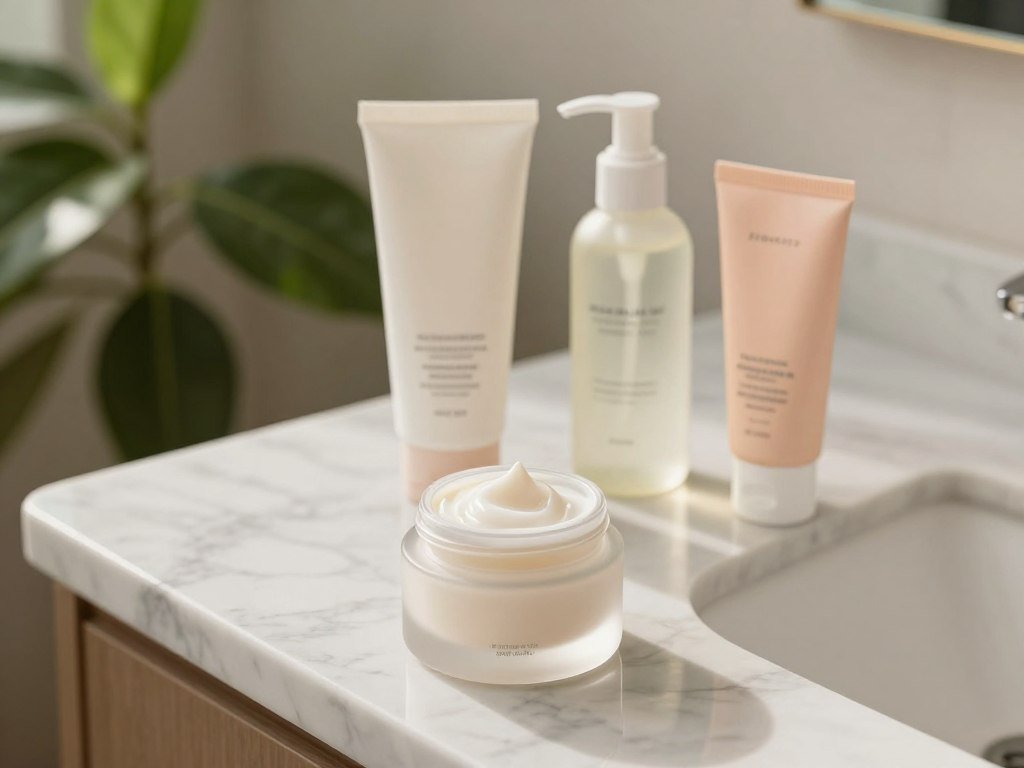
The right daily moisturizer should hydrate acne-prone skin without leaving it feeling greasy or tight. Breakouts can happen alongside dryness, tightness, or sensitivity, especially when acne treatments are part of your routine. The best moisturizer for acne prone skin is a personal choice, but a lightweight gel is a sensible place to start.
Non-comedogenic means labeled or formulated to be less likely to clog pores, not a guarantee for every person. Your skin may respond differently from someone else’s, even when both of you use the same formula. Texture and the rest of your routine matter, too.
A good daily formula should feel comfortable after it sinks in, not leave your face slick or stripped. You can also choose a richer cream when dryness is your main concern. Start with a light formula, then judge it by how your own skin responds.
Key Takeaways
- SOFIE PAVITT FACE Skin Jelly is a practical lightweight starting pick.
- Oily, dry, combination, and sensitive skin can need different textures.
- Ceramides and humectants can support skin comfort.
- A non-comedogenic claim cannot guarantee how your skin will respond.
- Keep other routine products steady when trying a new moisturizer.
Best Moisturizer for Acne Prone Skin: Which Pick Fits Most People?
For a broadly useful first try, choose SOFIE PAVITT FACE Skin Jelly, a light oil-free gel. It is labeled non-comedogenic and has a less rich feel than a thick cream. That light finish makes it a sensible starting point if you want moisture without a heavy layer.
The formula includes beta-glucan, allantoin, zinc, and copper PCA. These soothing ingredients make the gel an option for a typical acne routine, though no ingredient list can predict every person’s response. “Best” means a practical starting recommendation, not a promise of results.
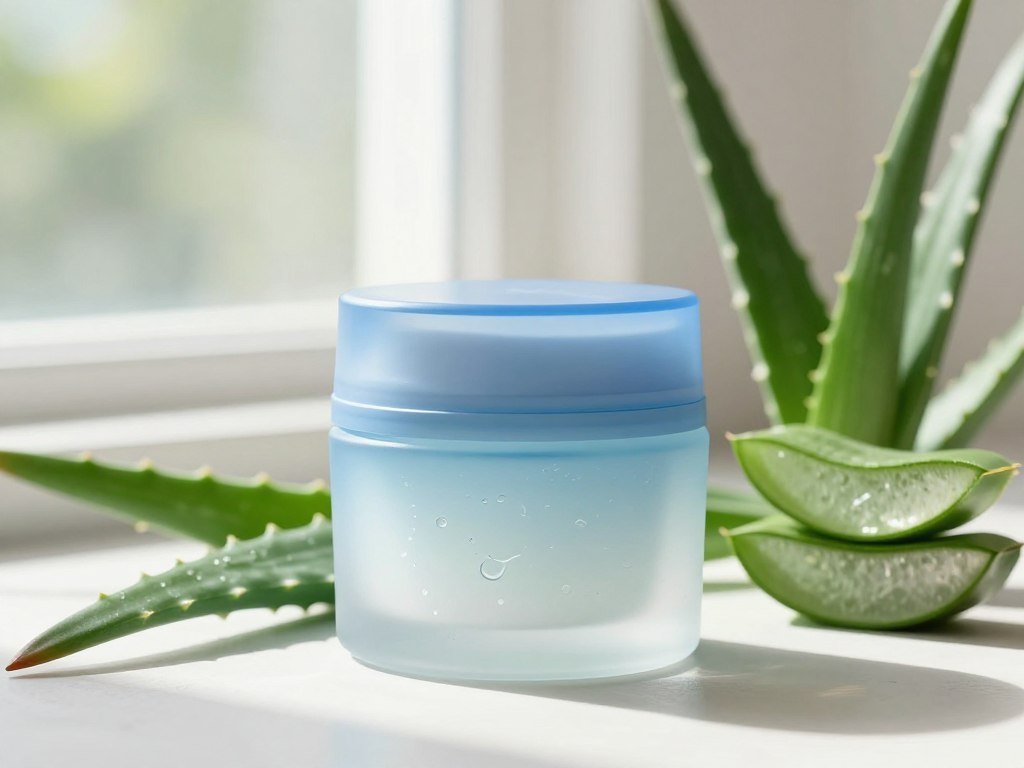
Start with a lightweight gel when you want hydration without a heavy finish, then let your skin’s comfort guide the next choice.
A gel may suit oily skin or anyone who dislikes residue, but it may not feel rich enough for every face. A person with persistent dryness, sensitivity, or treatment-related tightness may prefer a more cushioning formula. The goal is comfortable skin, not the thinnest possible layer.
Apply enough to cover the areas that feel dry, and notice whether your face stays comfortable. Your needs can also change with weather, treatment use, or the amount of dryness you feel. If your face still feels tight after application, prioritize comfort over a lighter texture.
Why Does Acne-Prone Skin Still Need Hydration?
Breakouts and dehydration can happen on the same face, so oily or blemish-prone skin does not automatically need to skip moisturizer. Hydration can help reduce the dry, tight feeling that sometimes comes with acne care. Both concerns can be present at once.
Retinoids, hydroxy acids, and benzoyl peroxide can leave some people feeling dry or reactive. A moisturizer with ceramides or humectants can support the skin barrier and add comfort while you use those treatments. Moisturizer can support comfort, but it does not treat acne on its own.
Hydration and an acne active do different jobs. A humectant draws water into the outer skin, while a treatment ingredient targets acne in a way a basic moisturizer does not. Adding moisture does not mean adding another acne-fighting step.
Board-certified dermatologists Kseniya Kobets and Mamina Turegano discuss barrier-conscious care for breakout-prone skin. A review of acne moisturizers examined 52 products; 92% contained ingredients with anti-inflammatory properties, and more than half included dimethicone or glycerin. You can read the review of moisturizer ingredients for its product analysis.
Dryness does not mean your skin has stopped being acne-prone. You might notice tight cheeks and still see breakouts in another area, so judge comfort and blemishes separately. If treatment leaves skin persistently irritated, ask a dermatologist whether the routine needs adjusting.
Which Ingredients Support Acne-Prone Skin Without Irritating It?
A short label check can help you find a formula that hydrates without adding ingredients you already know irritate your skin. Ceramides and humectants are useful starting points, while fragrance and some oils may be less comfortable for certain people. Keep the check simple rather than chasing a long list of trendy ingredients.
Choose ingredients for comfort, not because a label promises a cure for breakouts. What suits one face may bother another, so your past reactions matter as much as the ingredient name.
Barrier-Supporting Ingredients
Ceramides are skin fats that help support the skin barrier. Humectants, such as hyaluronic acid and glycerin, help draw water into the outer skin. These ingredients can make a moisturizer more comfortable when your face feels dry.
Niacinamide under 3% is a potential addition because of its anti-inflammatory benefits, but it is not required. Start with the ingredients you know your skin handles well. A simple formula can be a better fit than one with several new actives.
Ingredients to Approach Cautiously
Some acne-prone or sensitive people may prefer to avoid pore-clogging oils, silicones, or heavy fragrances. These ingredients do not affect everyone the same way, especially oils. Do not assume that every oil will cause breakouts or that every silicone will feel heavy.
- Look for ceramides if you want barrier support.
- Check for a humectant, such as glycerin or hyaluronic acid.
- Consider modest niacinamide if you want it, not as a requirement.
- Check for fragrance if your skin reacts to scent.
- Review the oil and silicone content against your own experience.
Treat ingredient lists as a way to narrow choices, not as a substitute for noticing your skin’s response.
How Should Oily, Dry, and Combination Skin Choose a Texture?
If your face gets shiny by midday, a light gel is a sensible first texture to try. A gel or water cream can feel less noticeable on an oily T-zone than a rich cream. Texture is a comfort choice, not a rule based on acne alone.
Choose the finish that keeps your whole face comfortable. Some people have oily skin in one area and dry patches elsewhere, so one texture may not suit every zone.
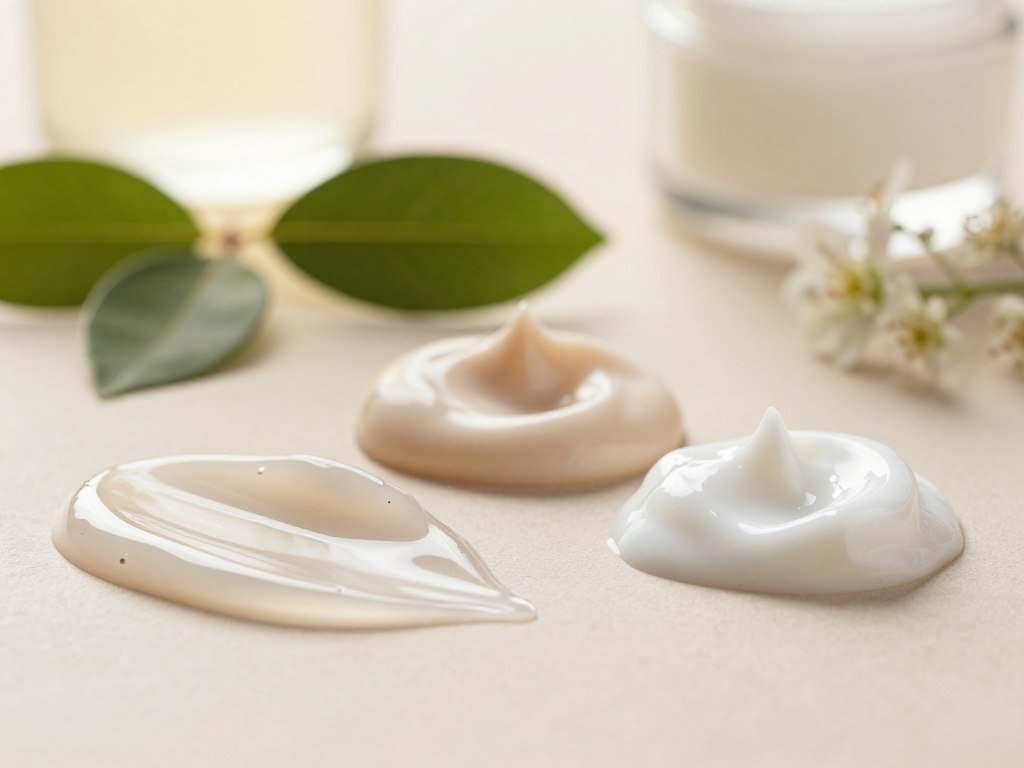
Lightweight Gels for Oily or Shiny Skin
A lightweight gel can suit oily skin if you dislike a noticeable layer or residue. Look for a formula with a humectant when you want hydration without a rich feel. A gel may still feel too light on dry patches.
Creamier Options for Dry or Combination Skin
A cream can help when dry areas feel tight, including parts of combination skin. Ceramides and humectants can support comfort without requiring a thick balm. Use less on areas that already feel oily.
| Skin pattern | Texture to try | Hydration focus | Tradeoff to watch |
|---|---|---|---|
| Oily | Lightweight gel | Hyaluronic acid or glycerin | May feel insufficient on dry patches |
| Dry | Cream | Ceramides and humectants | May feel heavier |
| Combination | Gel on oily areas, cream on dry areas | Humectants plus ceramides | Different zones may need different amounts |
| Sensitive | Simple fragrance-free cream or gel | Barrier-supporting ingredients | Patch test for personal tolerance |
Let comfort across both cheeks and the T-zone decide whether to go lighter or richer.
Which Formulas Stand Out Across Common Needs?
The best comparison is not a single star score but the formula’s texture and ingredients alongside your skin’s needs. The options below range from light gels to a richer cream, with features that may help you narrow the field. Look beyond the number when deciding what to try.
Ratings shown on October 18, 2026, are snapshots from Sephora reviews. Review counts differ, and a high rating does not establish that a product will suit your skin. Use ratings as context, not as proof of personal fit.
| Product | Texture | Notable feature | Rating and review count |
|---|---|---|---|
| SOFIE PAVITT FACE Skin Jelly | Gel | Oil-free and labeled non-comedogenic | 4.8 stars from 197 Sephora reviews |
| Paula’s Choice CLEAR Oil-Free Moisturizer | Gel cream | Niacinamide and triple-ceramide blend | 4.4 stars from 138 Sephora reviews |
| Tatcha The Water Cream | Gel cream | Oil-free and contains fragrance | 4.1 stars from 4,985 Sephora reviews |
| innisfree Green Tea Ceramide Cream | Cream | Seven ceramides and colloidal oatmeal | 4.8 stars from 285 Sephora reviews |
| AESTURA ATOBARRIER365 Cooling Hydro Soothing Water Cream | Water cream | Non-comedogenic and fragrance-free | 4.7 stars from 263 Sephora reviews |
A gel may be an easy first texture if you dislike a rich finish. A cream with ceramides may be more appealing when dryness is your main concern. The Tatcha formula contains fragrance, a detail worth considering if scent has bothered your skin before.
Review totals can make a rating seem more settled, but they still reflect other shoppers’ experiences. Your skin may respond differently because your routine and sensitivities are your own. Treat a rating as a prompt to inspect the formula, not as a reason to ignore fragrance or texture.
Which Drugstore Moisturizers Fit Breakout-Prone Skin?
For a low-cost starting point among these listed options, Clean & Clear Essentials is $7.99 for 4 fl oz. Choose a drugstore moisturizer based on whether you want a basic formula, an acne active, or daytime SPF. The lowest price is one factor, not the only one.
Neutrogena Oil Free Acne Moisturizer includes 0.5% salicylic acid, while CeraVe AM Face Moisturizer SPF 30 adds sun protection. The cheapest choice may feel less comfortable if its treatment ingredients irritate your skin.
| Product | Size | Listed price | Distinguishing detail |
|---|---|---|---|
| PanOxyl PM Balancing Repair Moisturizer | 3 oz | $11.99 | PM moisturizer |
| Aveeno Clear Complexion Acne-Fighting Moisturizer | 4 fl oz | $24.99 | Acne-fighting moisturizer |
| Neutrogena Oil Free Acne Moisturizer | 4 fl oz | $11.49 | 0.5% salicylic acid |
| Clean & Clear Essentials Dual Action Oil-Free Facial Moisturizer | 4 fl oz | $7.99 | Oil-free formula |
| CeraVe AM Face Moisturizer SPF 30 | 3 fl oz | $17.99 | SPF 30 daytime moisturizer |
These listed prices make Clean & Clear the lowest-priced option in the comparison. A product with salicylic acid may suit someone who wants an active in the moisturizer step, but it may not suit a routine that already has exfoliating treatments.
Store and online prices can differ, and retailers may change their listings. Check the current shelf or product listing before you buy, especially if you are comparing size and cost. Check the current price and full ingredient list before choosing a drugstore formula.
What Works Best for Oily Acne-Prone Skin?
Oily skin still needs hydration, so a light moisturizer can belong in the daily routine. A water-based gel with hyaluronic acid or glycerin can add moisture without the feel of a rich cream. Oily does not mean hydrated.
A lightweight, non-comedogenic moisturizer is a common recommendation for oily skin, but no single product suits everyone. Keep hydration in your routine even when your T-zone gets shiny.
Choose Lightweight, Water-Based Hydration
A gel or water cream may feel comfortable when your face gets shiny during the day. Hyaluronic acid and glycerin are humectants that can help provide hydration without a heavy finish. The right amount can depend on whether your cheeks feel as oily as your forehead.
Keep the Finish Comfortable
A shiny T-zone, tight cheeks, and makeup wear can point to different texture needs. A slick finish may not sit well under makeup, while a very light layer may leave dry areas uncomfortable. Choose a finish that feels good across the whole face.
- Look for a lightweight texture.
- Check for a non-comedogenic label.
- Keep hydration in your routine.
If a gel leaves dry areas uncomfortable, use a small amount of a more cushioning formula only there.
Which Moisturizer Suits Dry Acne-Prone Skin?
EltaMD Barrier Renewal Complex is the dry- or sensitive-skin pick for acne-prone skin, with a listed price of $63. Dryness does not rule out breakouts, and a more cushioning formula may help when blemishes coexist with tightness. Comfort matters as much as coverage.
Ceramides, glycerin, or hyaluronic acid can support comfort when dry skin feels tight. A heavier cream is not always necessary, and you can focus on the areas that need more moisture.
When Dryness and Breakouts Overlap
Dry cheeks and breakouts can show up together, especially when your routine feels drying. A moisturizer with barrier-supporting ingredients may help reduce the tight feeling without adding another acne active. Choose a texture that feels comfortable rather than aiming for the richest option.
For more ideas on matching formulas to dry areas, see this guide to skincare products for dry skin. It covers texture choices and ingredients such as ceramides, glycerin, and hyaluronic acid.
Richer Hydration Without a Heavy Balm
CLn Facial Moisturizer is oil-free and contains ceramides, glycerin, and niacinamide; it is listed at $35. CosRx Full Fit Propolis Light Cream contains sunflower oil, glycerin, propolis, and royal jelly, with a listed price of $17.
CosRx is a reminder that an acne-friendly option does not have to be oil-free. Individual tolerance matters, so sunflower oil may suit some people and not others. Purito B5 Panthenol Re-barrier Cream contains centella, squalane, niacinamide, and panthenol; it is silicone- and essential-oil-free, with a listed price of $23.
Round Lab Mugwort Calming Cream is a gel cream with mugwort and a listed price of $20. These prices are snapshots, and retailers may change them. Choose the richer texture only if it leaves your skin comfortable rather than coated.
What Should Sensitive Skin Look For?
For sensitive skin, a short ingredient list and a comfortable texture can be more useful than chasing a trendy active. Vanicream Daily Facial Moisturizer is formulated for sensitive skin and contains hyaluronic acid and ceramides. Simple can be a good starting point.
The 3 fl oz moisturizer is non-comedogenic, non-greasy, and absorbs quickly, according to its product description. It has no botanical extracts or essential oils, is pH balanced and gluten-free, and is dermatologist tested. Those features may help narrow a search, but they cannot promise a personal fit.
Fragrance-free and minimalist preferences can help when you are trying to avoid known triggers. Still, people have different sensitivities, and a formula without fragrance can cause a reaction for other reasons. Pay attention to the parts of a product that have bothered you before.
A face that reacts easily may do better with fewer new ingredients at a time. If you use acne treatments, consider whether they already leave your skin feeling dry before adding another active. This moisturizer is one option, not a guarantee that irritation will not happen.
Patch test any new formula if your skin has reacted to products before.
How Can a Barrier Cream Support Acne-Treatment Days?
If an acne treatment leaves your face tight, a barrier-supporting moisturizer can add comfort without adding another acne active. A lighter water cream may suit oily skin, while a richer layer can be used on dry patches. Match the amount to the area.
A barrier cream can be applied to dry patches rather than spread over the whole face. That approach may help when the T-zone feels comfortable but the cheeks feel tight.
Lightweight Barrier Support for Oily Skin
AESTURA ATOBARRIER365 Cooling Hydro Soothing Water Cream is listed as fragrance-free and non-comedogenic. It has 4.7 stars from 263 Sephora reviews, a snapshot dated October 18, 2026. Its water-cream texture offers a lighter option for someone who dislikes a thick layer.
More Cushion for Dry Patches
Tower 28 SOS Daily Skin Barrier Moisturizer contains hyaluronic acid, ceramides, and allantoin. It is listed as fragrance-free and non-comedogenic, with 4.3 stars from 1,412 Sephora reviews. make p:rem Inteca Advanced CICA Soothing Cream is named for sensitive and acne-prone skin and is fragrance-free.
| Product | Texture or focus | Listed feature | Rating snapshot |
|---|---|---|---|
| AESTURA ATOBARRIER365 Cooling Hydro Soothing Water Cream | Light water cream | Fragrance-free, non-comedogenic | 4.7 stars from 263 Sephora reviews |
| Tower 28 SOS Daily Skin Barrier Moisturizer | Barrier moisturizer | Hyaluronic acid, ceramides, allantoin | 4.3 stars from 1,412 Sephora reviews |
| make p:rem Inteca Advanced CICA Soothing Cream | Soothing cream | Fragrance-free | Not specified in this comparison |
| innisfree Green Tea Ceramide Cream | Cream | Seven ceramides, colloidal oatmeal | Not specified in this comparison |
Use a small amount of a richer cream on areas that feel dry rather than coating skin that already feels comfortable. Keep a richer cream to dry patches when a full-face layer feels too heavy.
Is a Moisturizer With Salicylic Acid the Right Choice?
A moisturizer with salicylic acid may suit someone who wants hydration and an acne active in one step. TULA Breakout Star Acne Moisturizer contains 2% salicylic acid, niacinamide, and azelaic acid; it is oil-free and non-comedogenic. One product can combine steps for some routines.
Dermalogica Acne Biotic Moisturizer contains 0.5% salicylic acid and a prebiotic blend. A built-in acne active may simplify a routine, but it still counts as a treatment ingredient.
When a Built-In Acne Active May Help
A moisturizer with salicylic acid may work for someone who wants a single product to provide moisture and an acne active. The 2% TULA formula and 0.5% Dermalogica formula show that concentrations can differ. Pick one treatment approach that fits your current routine.
If you are comparing separate acne products, this guide to spot treatments for pimples covers options by blemish type. Strong actives can irritate skin, so a moisturizer’s name does not make its active ingredient less important.
When to Avoid Stacking Treatments
Do not add a salicylic acid moisturizer on top of another exfoliating treatment or prescription without checking compatibility with a dermatologist. Combining treatments can raise the chance of dryness or irritation for some people. A clinician-directed routine is the exception to this general caution.
For acne on the body, a wash made for that area is different from a facial moisturizer. Read about body washes for acne-prone skin if you are choosing a body product, not a face treatment. Do not layer multiple exfoliating products just because one of them is called a moisturizer.
How Do You Layer Moisturizer Morning and Night?
In the morning, moisturizer goes after treatment serums and before sunscreen. Use the same basic sequence whether your moisturizer is a gel or cream. Keep sunscreen as the final daytime layer.
Use moisturizer both morning and night, unless your clinician gives different directions. Prescription instructions take priority over general routine advice.
- Treatment serum.
- Moisturizer.
- Sunscreen.
Beauty of Joseon Day Dew Sunscreen SPF 50 is a separate daytime sunscreen option. It is water-resistant and labeled non-comedogenic, but it does not replace choosing a comfortable moisturizer for night.
In the evening, apply moisturizer after the rest of your routine. If your prescription has a specific order or timing, follow those directions instead of a general sequence. At night, make moisturizer the final step unless a clinician has given you different instructions.
What Does “Non-Comedogenic” Really Promise?
“Non-comedogenic” is a useful label to look for, but it cannot promise that every person will tolerate a product. The term signals that a formula is labeled or designed to be less likely to clog pores. Less likely is not never.
Use the claim as one screening clue, not a personal guarantee. The formula’s feel and your response still matter when you decide whether to keep using it.
What the Label Is Meant to Signal
Acne cosmetica refers to acne associated with cosmetic products. Albert Kligman and Otto Mills described the condition in 1972, helping frame how some products may relate to clogged pores and blemishes.
The label can help you narrow products when you are concerned about clogging pores. It does not mean a formula has no ingredients that could bother any person. People can respond differently to the same product.
Why a Label Is Not a Guarantee
The rabbit-ear test was used to assess how likely ingredients were to plug pores, and the test has been debated. A test result or claim cannot fully predict how a finished product will feel on your face. The overall formula matters, as does your own response.
Notice changes in comfort and breakouts after adding a product, rather than relying on the label alone. A formula can be labeled non-comedogenic and still not suit you. Use the label to narrow your choices, then rely on your own skin’s response.
How Can You Test a Moisturizer Without Confusing Your Routine?
A controlled trial is more useful than changing three products at once. A 28-day trial can give you a practical period to observe how a moisturizer feels, but it is not a guarantee or medical rule. Change one thing at a time.
Keep your cleanser, acne treatment, and sunscreen steady during the trial. That makes it easier to notice whether the new formula is linked to a change.
Keep the Trial Controlled
- Introduce one moisturizer.
- Keep cleanser, treatment, and sunscreen unchanged.
- Note new breakouts once a week in similar lighting.
- Record tightness, shine, and pilling.
Try to compare the same areas of your face each week. A note about where and when a breakout appeared can be more useful than a general impression. Keep the record brief enough that you will actually use it.
Read Your Skin’s Response
Changing products after only a few days can make it hard to tell what caused a reaction. A moisturizer may also feel different under makeup or in dry weather, so record the conditions when they stand out.
Stop using a product if you develop a severe or persistent reaction. Seek medical advice when symptoms are strong or do not settle after you stop. If a reaction is severe or does not settle after stopping the product, contact a dermatologist.
Conclusion
A comfortable moisturizer can support an acne routine without needing to feel heavy. Acne-prone skin can still need hydration, and lightweight textures with barrier-supporting ingredients are sensible starting points.
Choose based on your most pressing need, whether that is shine, tightness, sensitivity, or treatment-related dryness. Add the new formula without changing the rest of your routine, so you can judge its fit clearly. Pick one formula that fits your skin’s current needs and try it as the only new step.
FAQ
What are some good non-comedogenic facial moisturizers?
What is the #1 dermatologist recommended moisturizer?
What do most dermatologists recommend for acne?
What is the best face lotion I can buy at a drugstore?
What is the most highly rated face moisturizer?
What is the best moisturizer for face in 2026?
What is the best affordable moisturizer brand?