If your face feels tight after cleansing or looks dull by midday, a lightweight hydration step may be worth considering. A humectant is an ingredient that attracts and binds water at the skin’s surface. The best fit depends on how your skin feels, how a formula is made, and how it layers with products you already use.
This roundup includes options for different skin types, concerns, and budgets. You can compare their key ingredients, then choose a serum that feels comfortable in your routine. Hydration may also help soften the look of fine lines when dryness makes them stand out. A good first choice is one you can use comfortably and consistently.
Key Takeaways
- The Ordinary is a practical value pick with five forms of hyaluronic acid.
- Formula texture and supporting ingredients can matter as much as a percentage.
- Hydration may temporarily make skin look plumper and fine lines less noticeable.
- Apply serum to damp skin and follow with moisturizer.
- Topical serums cannot reliably lift sagging skin or erase wrinkles.
Which Is the Best Hyaluronic Acid Serum for Your Routine?
The Ordinary Hyaluronic Acid 2% + B5 with Ceramides is the most straightforward value pick in this comparison. Its formula combines five types of hyaluronic acid with ceramides and vitamin B5, at about $10 for one ounce. That mix and listed price make it a practical starting point, not a fit for everyone.
The best hyaluronic acid serum for the face depends on your priorities, such as supporting ingredients, texture, or bottle size. The Ordinary Hyaluronic Acid 2% + B5 with Ceramides earns the value pick here for its formula features and listed price. It is an editorial choice, not a claim that one product suits every skin type.
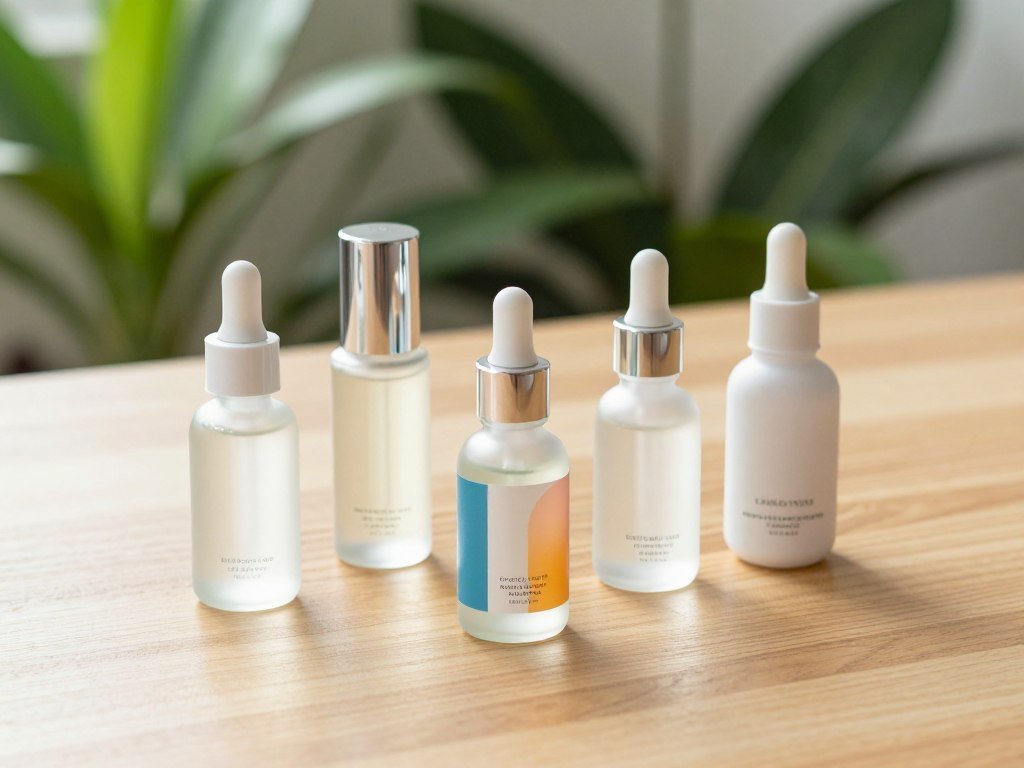
| Serum | Distinguishing ingredients | Size | Listed price |
|---|---|---|---|
| The Ordinary Hyaluronic Acid 2% + B5 with Ceramides | Five HA types, ceramides, vitamin B5 | 1 oz | About $10 |
| COSRX The Hyaluronic Acid 3 Serum | Triple-weight HA, amino acids, ceramide NP, natural moisturizing factors | 0.67 oz | About $20 |
| La Roche-Posay Hyalu B5 Suractivated Serum | Four-part HA system, vitamin B5, madecassoside, glycerin | 1 oz | About $44 |
| Paula’s Choice Hyaluronic Acid Booster | Dual-weight sodium hyaluronate, ceramides, vitamin B5, adenosine | 0.5 oz | About $39 |
| Drunk Elephant B-Hydra Intensive Hydration Serum | Sodium hyaluronate, crosspolymer, vitamin B5, niacinamide, pineapple extract | 1.69 oz | About $52 |
A dermatologist-informed choice is a formula that combines high- and low-molecular-weight forms, not a brand name chosen for you.
These hyaluronic acid serums take different approaches. COSRX adds amino acids and natural moisturizing factors, while La Roche-Posay combines HA with glycerin and madecassoside. Paula’s Choice and Drunk Elephant add other supporting ingredients in different bottle sizes.
A dermatologist-informed approach can help you assess ingredients without treating a specific brand as medically endorsed. The Ordinary is a useful first product to compare if you want several HA types and barrier-supporting ingredients at a lower listed price. Check the bottle size as well as the listed price when comparing value.
listed prices and sizes can help you compare each product’s cost alongside its formula.
What Does Hyaluronic Acid Do for Skin?
Hyaluronic acid helps skin hold water, so its most direct cosmetic benefit is a more hydrated, temporarily plumper appearance. It is a humectant, which means it attracts and binds water at the skin’s surface. That added moisture can soften the appearance of dryness, but it does not permanently remove fine lines.
HA occurs naturally in skin, where it helps bind water. The body makes less of it with age, so topical products can offer a way to add hydration to skincare. Results depend on the whole formula and how it fits your routine.
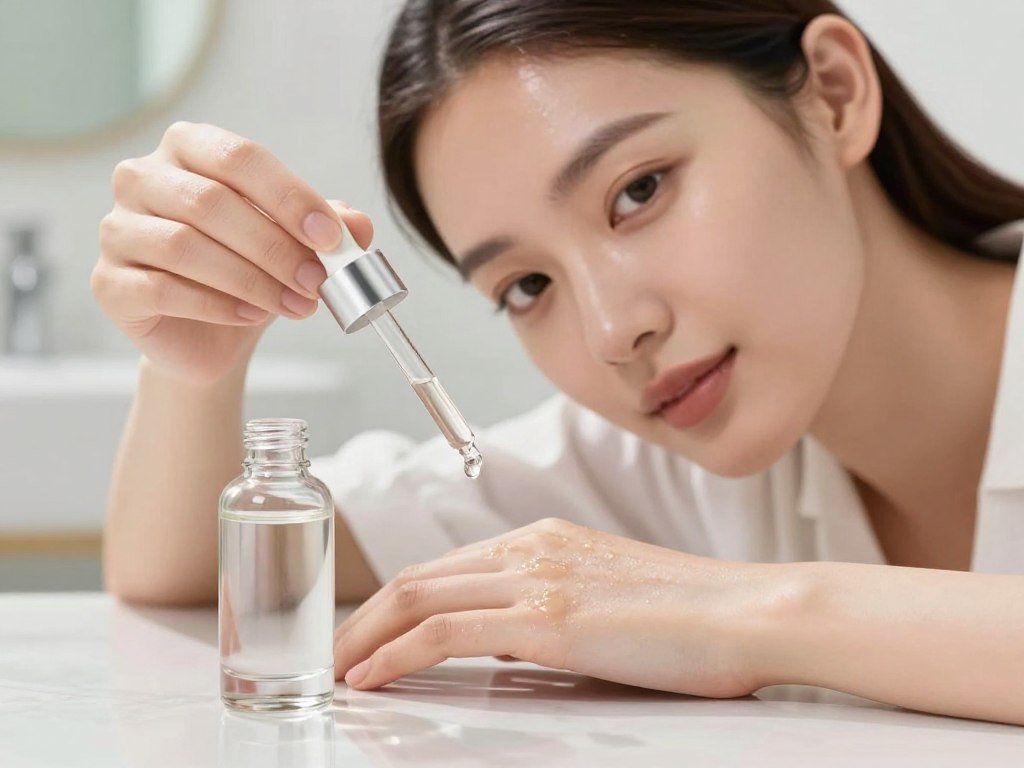
Extra water can change how skin looks and feels for a time. It may help make dry areas feel more comfortable, especially when a moisturizer follows. Harvard Health explains how HA binds water and can temporarily soften fine lines in its guide to hyaluronic acid for skin.
- Skin may feel less tight after cleansing.
- The surface may look temporarily plumper.
- Dryness-related fine lines may look less noticeable.
These benefits come from hydration, not a lasting change to the skin’s structure. A topical acid serum also differs from an injectable treatment, which works in a different way. Think of the effect as added hydration, not a permanent change to skin structure.
A guide to hyaluronic acid lip fillers explains how injectable products differ from skincare.
Which Formula Details Matter Most?
A label that identifies more than one molecular weight can tell you more than a prominent percentage on the front of the bottle. High- and low-molecular-weight forms act at different skin depths. Look at the blend and the full formula, not a high number by itself.
Check the molecular-weight blend
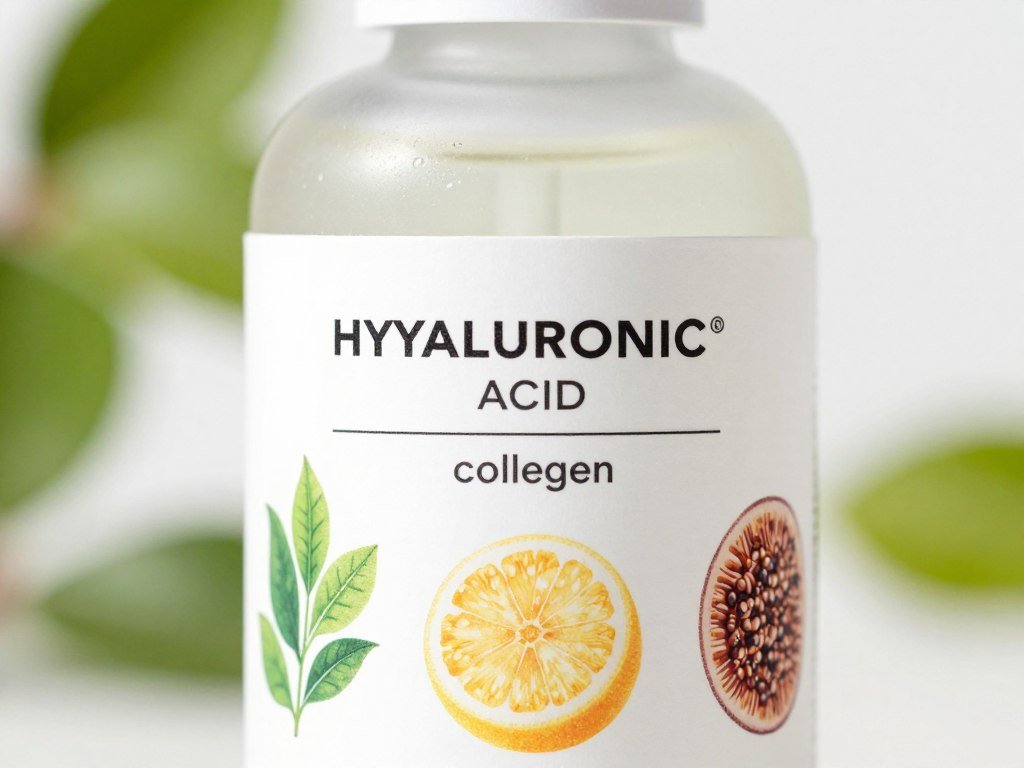
High-molecular-weight hyaluronic acid stays on the skin’s topmost layer. Lower-molecular-weight forms can penetrate somewhat deeper, though they do not reach the deepest skin layers. A blend can address more than one skin depth in the same formula.
Harvard dermatologist Abigail Waldman recommends looking for serums that combine high- and low-molecular-weight forms. This advice helps you compare hyaluronic acid serums by their types, rather than by a marketing claim alone. Look for the terms on the ingredient label when the brand lists them.
Treat concentration as context, not a score
A typical hyaluronic acid serum has a concentration of 0.2% to 2%. A higher concentration is not necessarily better, since the number alone does not tell you how the complete formula feels or works.
The typical 0.2%-2% range offers a useful reference when a product lists its percentage. Many labels do not make every ingredient amount easy to compare. The feel of the acid serum can also depend on its supporting ingredients and texture.
- Look for more than one molecular weight.
- Check for other humectants or barrier-supporting ingredients.
- Consider texture and how it layers with your products.
- Avoid choosing by percentage alone.
These checks give you a clearer way to judge a formula than a large front-label claim. Compare the full ingredient list and how the serum fits your routine, not the percentage in isolation.
Which Formulas Fit Different Skin Types?
For dry skin that feels tight, look first for a serum that layers comfortably under a moisturizer. CeraVe Hydrating Hyaluronic Acid Serum is a practical option when fragrance-free care and ceramides are priorities. Choose texture and supporting ingredients that match your skin’s needs.
For dry skin and a fragile-feeling barrier
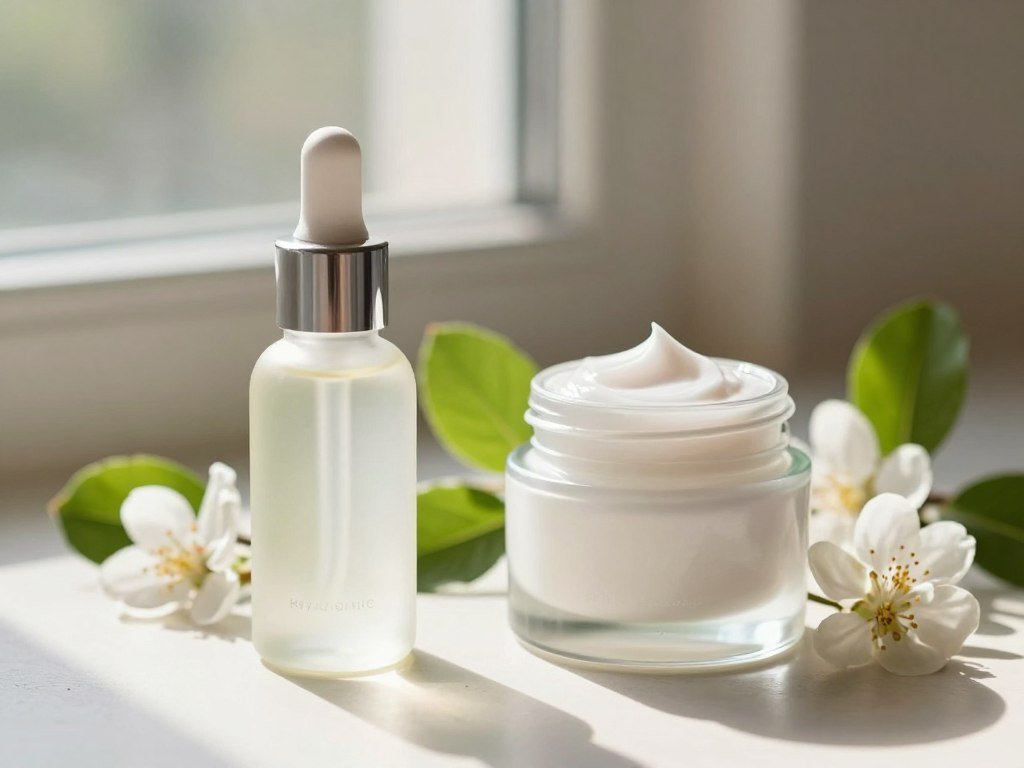
CeraVe’s formula is fragrance-free and includes ceramides for barrier support. That combination may suit someone who wants a simple hydration step with ingredients that support the skin barrier. A moisturizer can add comfort when dry skin still feels tight.
A typical serum concentration is not the only useful detail: fragrance, ceramides, and texture can matter to your choice. If a lotion does not feel rich enough for dry areas, a body lotion with a thicker cream texture may feel more comfortable.
For oily or sensitive skin
Neutrogena Hydro Boost Hydrating Serum is a targeted option if you prefer a lightweight, oil-free gel. Avene Hydrance Intense Rehydrating Serum is described as a gentle choice to consider for sensitive skin. Neither description guarantees that every person will tolerate a product.
The best hyaluronic acid serum for oily skin may be a gel that does not feel heavy. The best hyaluronic acid serum for men follows the same skin-type and texture considerations as other face serums, rather than needing a separate formula.
| Skin need | Product | Relevant formula detail |
|---|---|---|
| Dry or barrier-conscious skin | CeraVe Hydrating Hyaluronic Acid Serum | Fragrance-free, with ceramides |
| Oily skin | Neutrogena Hydro Boost Hydrating Serum | Lightweight, oil-free gel |
| Sensitive skin | Avene Hydrance Intense Rehydrating Serum | Described as a gentle option |
If skin is reactive, introduce a new product cautiously and stop using it if it causes irritation.
Are Korean Serums a Good Option for Sensitive Skin?
Korean formulas can offer different supporting ingredients, but “Korean” alone does not predict how a serum will feel on sensitive skin. Aestura A-Cica365 Soothing Relief Serum pH4.5 features Centella asiatica, ceramides, and squalane, and is listed at $38 at Sephora. Ingredient choice matters more than country of origin.
Beauty of Joseon Glow Serum takes a different approach, with propolis, niacinamide, and betaine salicylate. It is listed at $17 at Sephora. Its ingredient mix differs from Aestura’s, so compare both labels with products you already know your skin can handle.
Anua Azelaic Acid 10 Hyaluron Redness Soothing Serum is another Korean serum for sensitive skin. The product name points to its focus, but the full ingredient list is still important when you have a history of reactions. Do not assume that an extract or acid serum will suit every sensitive skin type.
Skin tolerance is personal, even among products made for similar concerns. A new formula may feel different from products you already use, especially if it adds ingredients beyond hyaluronic acid. Compare the full ingredient list with products your skin already tolerates.
Which Serums Suit Mature Skin?
For mature skin, start by deciding whether your priority is hydration or a formula that also includes peptides. SkinCeuticals HA Intensifier Multi-Glycan is a hydration-focused serum with a multi-glycan complex, purple rice extract, and glycerin. Hydration may soften fine lines temporarily, but it cannot lift sagging skin.
Hydration-focused options for mature skin
Bonjout Beauty Le Balm offers a different format: a solid serum with hyaluronic acid, ceramide NP, squalane, 21 amino acids, and palmitoyl tripeptide-1. SkinCeuticals is a liquid serum, while Bonjout’s balm has a richer, solid format. Their supporting ingredients differ, too.
The practical choice for mature skin over 60 depends on dryness, sensitivity, and the texture you prefer. Hydration can temporarily make fine lines look less noticeable, though it does not reverse structural aging or visibly lift loose skin.
Peptides and other supporting ingredients
Medik8 Advanced Pro-Collagen+ Peptide Cream contains hyaluronic acid alongside peptides, ceramides, and squalane. Caudalie Resveratrol-Lift Instant Firming Serum contains a peptide complex. These are peptide-containing products, not hyaluronic acid serums.
| Product | Product type | Relevant ingredients | Listed price |
|---|---|---|---|
| SkinCeuticals HA Intensifier Multi-Glycan | Serum | HA, multi-glycan complex, purple rice extract, glycerin | About $120 for 1 oz |
| Bonjout Beauty Le Balm | Solid serum | HA, ceramide NP, squalane, 21 amino acids, palmitoyl tripeptide-1 | $130 for 1 oz |
| Medik8 Advanced Pro-Collagen+ Peptide Cream | Cream | HA, peptides, ceramides, squalane | $99 |
| Caudalie Resveratrol-Lift Instant Firming Serum | Serum | Peptide complex | $84 |
Choose a texture you will use regularly rather than treating a firming label as proof of a lifting effect.
What Helps Crepey Skin on Arms and Legs?
Crepey skin on the arms or legs may benefit from both added hydration and a richer emollient layer. Hyaluronic-acid-based serums and thicker emollients can help rehydrate dry skin and improve how it feels. Topical products may improve dryness and appearance, but they do not erase crepey texture or tighten loose skin.
Other ingredient approaches include retinol, peptides, growth factors, and exfoliating acids such as lactic acid. A dermatologist may suggest these ingredients for crepey skin on the arms, depending on the product and skin. Start with moisture if dryness is the main concern.
A few body products offer different ways to care for dry or mature skin. The listed prices below show how widely these products can vary, while their formulas target different needs.
- Dove Pro-Retinol + Firming Cream Serum: pro-retinol propionate, niacinamide, humectants, and emollients; $10.
- Gold Bond Age Renew Crepe Corrector Body Lotion: glycerin, omega fatty acids, and botanical extracts; $12.
- Paula’s Choice Skin-Smoothing Retinol Body Treatment: retinol with moisturizing ingredients; $32.
- SkinCeuticals Tripeptide-R Neck Repair Cream: retinol with peptides; $136. This is a neck product, not a general body lotion.
For rough texture and dry areas, a body lotion with lactic acid or a richer moisturizer may be another option to compare. An emollient can help skin feel softer, while exfoliating products may change the look of rough surface skin. Neither approach promises a cure for loose skin.
Start with one new body product at a time, especially when it contains retinol or an exfoliating acid.
How Should You Apply Hyaluronic Acid Serum?
Apply the serum to slightly damp skin after cleansing, then put moisturizer on right away. You can use hyaluronic acid serum in the morning or at night. The moisturizer’s occlusive ingredient helps slow water loss from the skin.
In the morning
Cleanse your face, then apply the serum while your skin is still damp. Follow it immediately with moisturizer, before sunscreen. This simple order helps keep the hydration step from sitting alone on bare skin.
A moisturizer with an occlusive ingredient slows water loss. That step is useful because a humectant binds water, while an occlusive moisturizer helps limit its evaporation. Keep the layers light if you plan to apply makeup afterward.
At night
At night, cleanse first and apply the serum to damp skin. Seal it with moisturizer right away. The same order works whether you use the formula once or twice daily.
Use a small amount and spread it evenly, following the product label. A simple routine can be easier to repeat than one with many layers. For more help with product order, see this beginner-friendly skincare routine. Keep the sequence simple: damp skin, serum, moisturizer.
Can You Layer It With Vitamin C, Retinol, or Glycolic Acid?
Hyaluronic acid can be layered with vitamin C, retinol, and glycolic acid, but the order changes for separate vitamin C products. Use the vitamin C serum first when it contains L-ascorbic acid. HA may support comfort, but it cannot guarantee that another active will not irritate your skin.
These combinations can fit into a skincare routine, but follow each product’s directions. If an active makes your skin sting or feel raw, reduce how often you use it or pause it. The way products layer can also depend on their texture.
- Apply a separate L-ascorbic acid vitamin C serum before the HA serum.
- Apply HA before retinol.
- Apply HA before glycolic acid.
Some people use HA to help reduce dryness while adding an active product. That does not make irritation impossible, and a routine that feels fine for one person may bother another. For more on combining the two, read about retinol and hyaluronic acid.
If a combination causes persistent irritation, pause the active product and seek advice from a qualified clinician.
Can Hyaluronic Acid Serum Help Acne-Prone Skin?
A hyaluronic acid serum can add hydration to an acne routine, but it is not an acne medication. It may be used alongside retinol, benzoyl peroxide, salicylic acid, or tretinoin. Choose it for hydration, not as a treatment for breakouts.
Acne medications can dry or irritate the skin, so a hydrating serum may help support comfort. Follow your clinician’s instructions or the product directions for acne treatments. Avoid changing a prescribed routine based only on how a serum feels.
For oily, acne-prone skin, Neutrogena Hydro Boost Hydrating Serum may suit someone who wants an oil-free gel texture. Its lightweight feel does not mean it treats acne. A best hyaluronic acid serum for acne-prone skin is still a hydration choice, not a replacement for acne care.
Pay attention to whether the full formula suits your skin, rather than judging it by HA alone. Keep acne treatment decisions separate from the choice of a hydrating serum.
What Results Can You Realistically Expect?
A hydrated surface can look smoother and plumper, but that appearance is not the same as permanently tightening skin. A hydration-related change may show within a few days of using an HA-based serum or moisturizer. Short-term plumping does not prove lasting wrinkle reversal.
Humectants bind water, while an occlusive moisturizer helps slow moisture loss. Glycerin and ceramides can support a moisturizing formula, though neither guarantees a specific result. Skin may also look different as dryness changes.
Hydration can soften the look of fine lines for a time, but it cannot permanently lift skin or reverse wrinkles.
Use comfort and surface hydration as practical signs of whether a product suits you. Judge the result by how comfortable and hydrated your skin feels, not by a promise of permanent change.
Conclusion
A useful pick is the one that fits both your skin’s needs and the routine you already follow. The formula should feel comfortable alongside your other products, whether your main concern is dryness, sensitivity, or a lighter texture.
Check the current product label and price before buying, since formulas and retail listings can change. Choose one formula that matches your main priority, then check its current ingredient list and price before you buy.
FAQ
Which brand of hyaluronic acid is best?
Do hyaluronic acid serums really work?
What is the best hyaluronic acid serum for older skin?
What is the best body serum for crepey skin?
What do dermatologists recommend for crepey skin on arms and legs?
What is the best serum for tightening sagging skin?
What is the best all-in-one serum?