There are two ways to fly at the very top of aviation, and they could hardly be more different. One puts you in a cabin of your own, on your own schedule, with no one else aboard unless you invite them. The other puts you in the finest seat an airline can build, inside an aircraft carrying hundreds of people.
Both are expensive. Both are comfortable in ways that economy and even business class are not. And both are, for the right traveller on the right trip, entirely worth it. The mistake is assuming they are interchangeable.
A private jet and a first-class seat solve different problems, and the honest comparison is not about which is more luxurious in the abstract. It is about what you are actually buying: time, privacy, control, or the pleasure of being looked after.
Two Different Kinds of Luxury
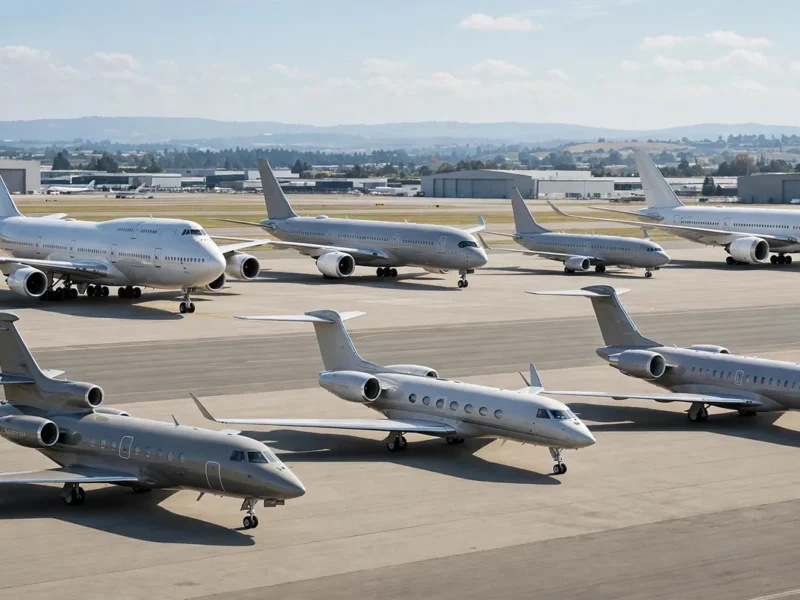
Before the numbers, it helps to be clear about what each option is. A private jet is a different mode of travel altogether: you, or your party, charter or own an aircraft, and it flies when and where you ask it to, within the limits of weather, regulation, and range.
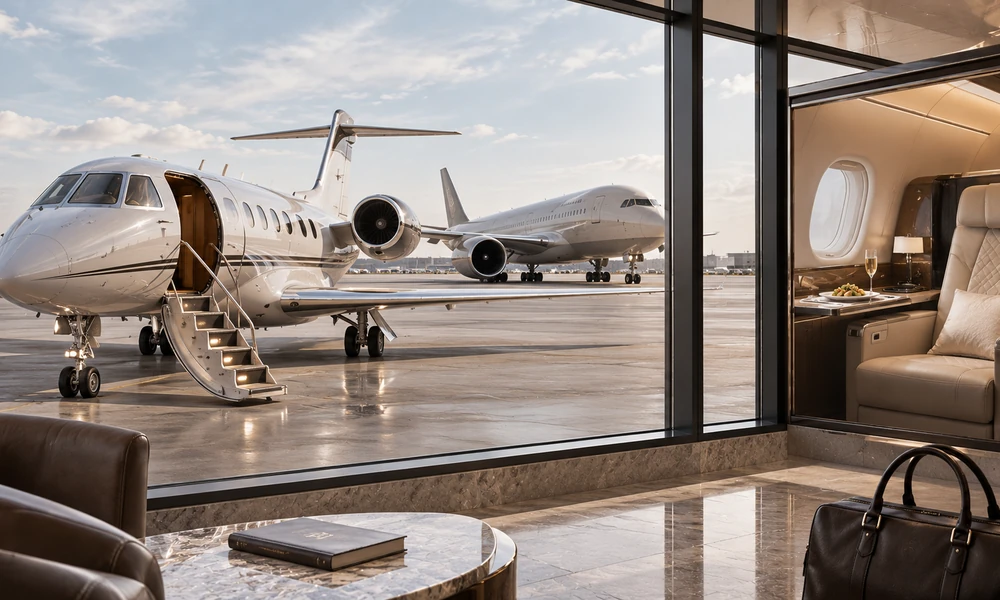
The cabin is yours, the schedule is yours, and the airport is often a small private terminal rather than the main concourse.
First class is the opposite idea, refined to its highest form. You buy a seat on a scheduled flight, on a route and timetable set by someone else, and in return you get the best of everything that airline knows how to do: a private suite with a closing door, a bed, a meal cooked to order, and a lounge before departure. The private jet sells control. First class sells craft. That distinction runs through everything that follows.
Cost: What Each One Actually Demands
Cost is the starkest difference between the two, and there is no way around it. A first-class ticket, even on the most celebrated routes, is a fraction of the cost of chartering a private jet for the same journey.
A first-class fare is a serious sum several times a business-class ticket and a jet charter for the same city pair will typically cost several times the first-class fare again, with the gap widening as the aircraft gets larger and the distance grows.
But the comparison is not quite as simple as one ticket against one charter, because a private jet is priced by the aircraft, not by the seat. A first-class ticket buys one person one seat; a jet charter buys the whole cabin, however many of you there are.
For a solo traveller, the jet is at its most extravagant. For a party of six or eight travelling together, the arithmetic starts to narrow not to equality, but to a gap that can look defensible when the alternative is six first-class tickets and six schedules to coordinate.
First class is a ticket: you buy it, you fly, you are done. Private aviation offers a spectrum, from a single on-demand charter to a jet card, fractional ownership, or full ownership.
Jet cards and charter apps have made the entry point simpler than it once was, but not cheap and anyone considering ownership should understand the full picture first, including what is involved in buying a pre-owned private jet rather than a new one.
For most travellers, the honest framing is this: first class is a luxury purchase; a private jet is a luxury purchase that behaves like a business decision. If the cost has to be justified on the ticket alone, first class wins every time. If it is weighed against the time saved, the privacy gained, and the people travelling with you, the jet begins to make its case.
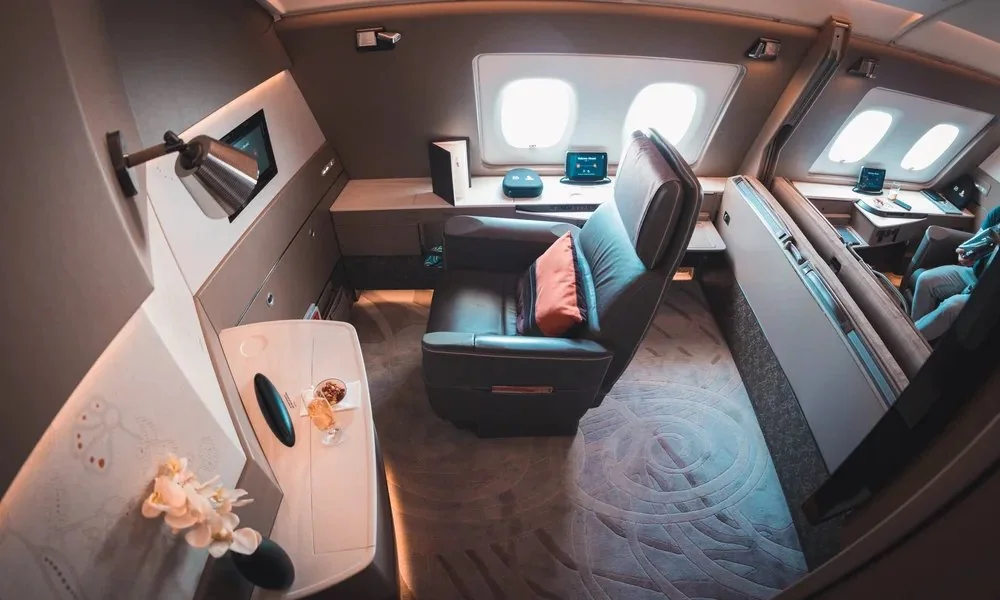
Time: Door to Door, Not Just Wheels Up
A jet and an airliner fly at broadly similar speeds once they are in the air. The difference in time is almost entirely on the ground and it is substantial.
Flying first class still means flying commercially. You arrive at a major airport, pass through check-in and security, wait in a lounge, and board with everyone else. First class softens every step dedicated check-in, fast-track security, a lounge worth arriving early for, priority boarding but the steps remain. On a short trip, the ground time can rival the flight time.
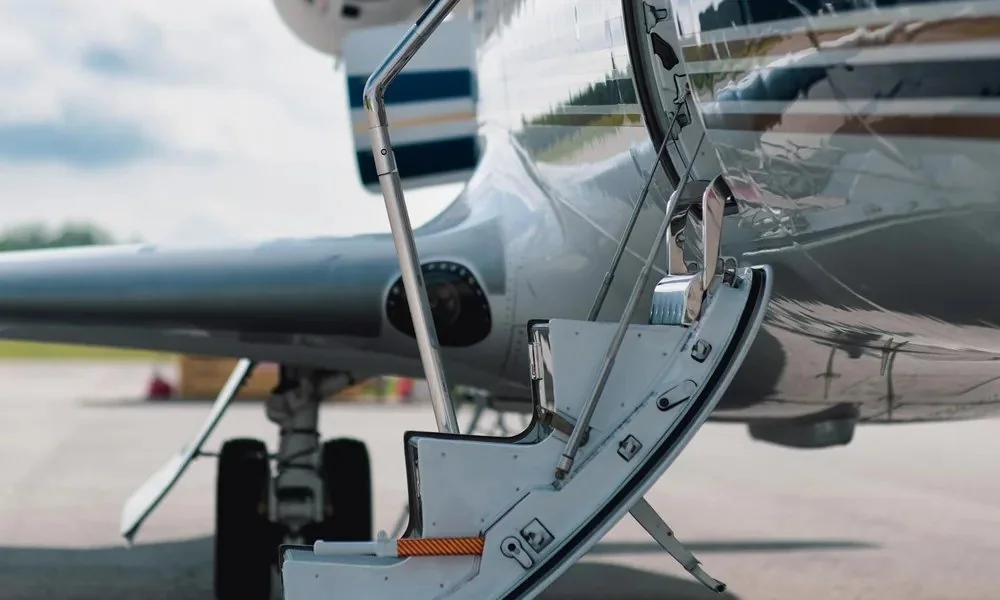
A private jet removes most of that. You drive to a private terminal, often a small building with its own parking a short walk from the aircraft, and security and paperwork are handled in minutes rather than queues. You board when you are ready, and the aircraft leaves when you are aboard.
On arrival, you step off and into a waiting car. For a day trip out in the morning, back in the evening the saving is measured in hours, and the trip itself becomes feasible in a way it is not on a scheduled service.
There is a counterweight. A jet can be delayed by weather or by positioning the aircraft may need to fly in empty from elsewhere first and by crew and slot availability at busy airports.
First class runs on the most developed infrastructure in aviation: if one flight is delayed, there is usually another, and the airline has staff, spare aircraft, and rebooking systems to fall back on. The jet saves time on a good day; the airline is more forgiving on a bad one.
There is also the question of where each can take you. Airlines fly between major airports, and the finest first-class routes are the long-haul services between global hubs.
Private jets can use thousands of smaller airfields that airlines never serve, landing far closer to where you are actually going. Teterboro, America’s busiest private jet airport, exists precisely because travellers to New York would rather land minutes from Manhattan than fight their way in from a major international gateway.
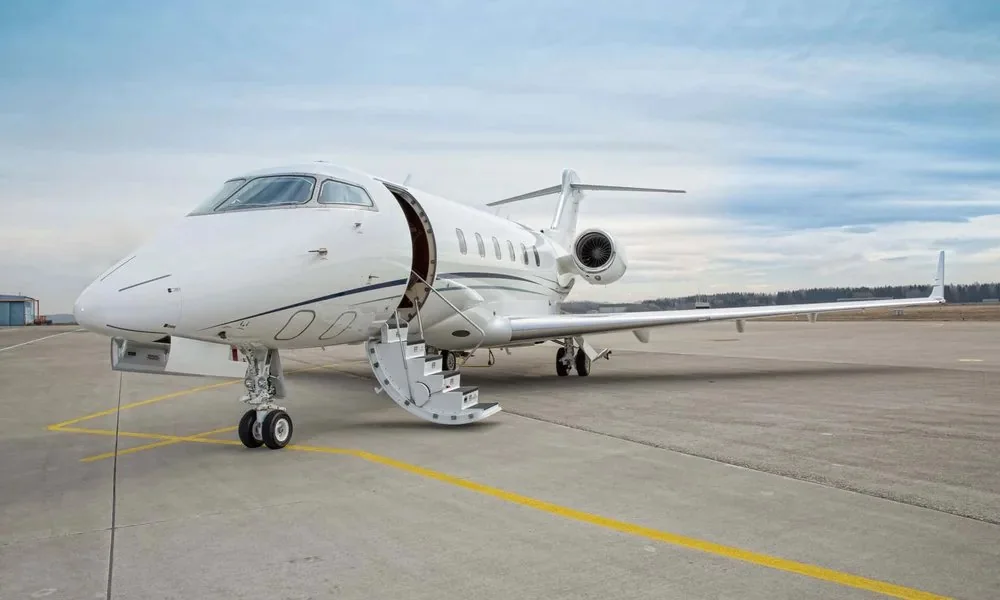
Privacy: Your Own Cabin vs Your Own Suite
Privacy is the private jet’s strongest card, and it is not close. On a jet, the cabin is yours. You choose who is in it. You can hold a meeting, make a call, or discuss something sensitive, and no stranger will overhear a word. For business travellers negotiating, for families with young children, for anyone whose work or life does not belong in public, that is not a luxury. It is the point.
First class has answered this as well as a shared aircraft possibly can. The best suites now have sliding doors, high walls, and enough space that you can forget, for long stretches, that anyone else is aboard. You can sleep behind a closed door and work in reasonable seclusion. It is a remarkable achievement a private room inside a public machine.
But it is still a room inside a public machine. You share the cabin with other passengers, however few and however discreet, and the crew serve other people too. The door on a first-class suite closes; the door on a private jet locks the whole world out. For some travellers, that difference is everything. For others, a closing suite door is privacy enough.
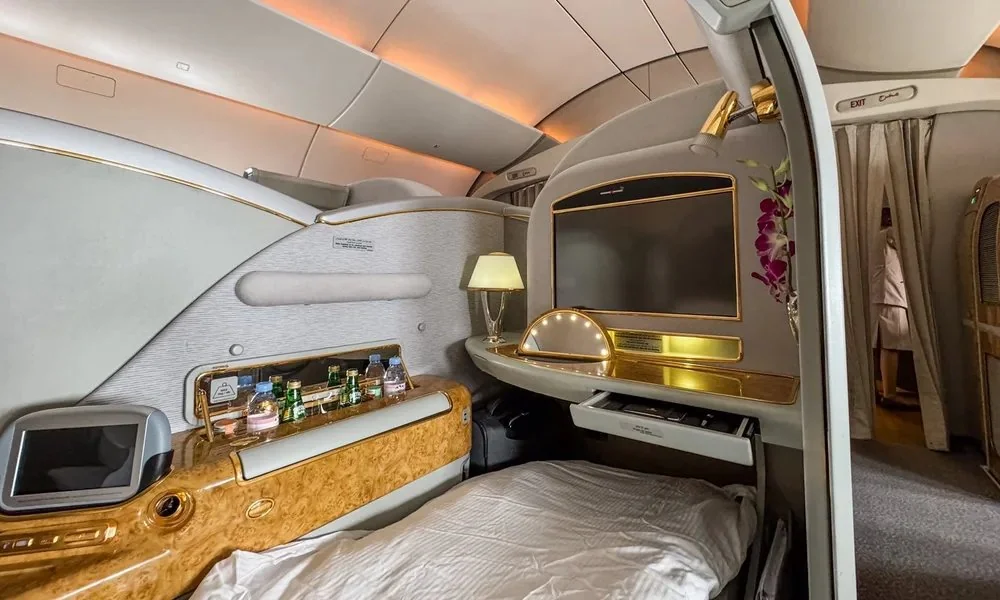
Comfort: Space, Sleep and the Seat Itself
On comfort alone, the contest is closer than the price gap suggests, and on some measures first class actually leads.
The finest first-class suites are the product of years of refinement by airlines that fly the route every day. The seat becomes a fully flat bed with a mattress, a duvet, and pillows. There is space to stand, to change, to stretch.
The cabin lighting is tuned to the time of day, and the crew know exactly how to turn a suite down for sleep and make it up again before landing. On an overnight flight of twelve hours or more, a first-class suite is a genuinely good place to sleep.
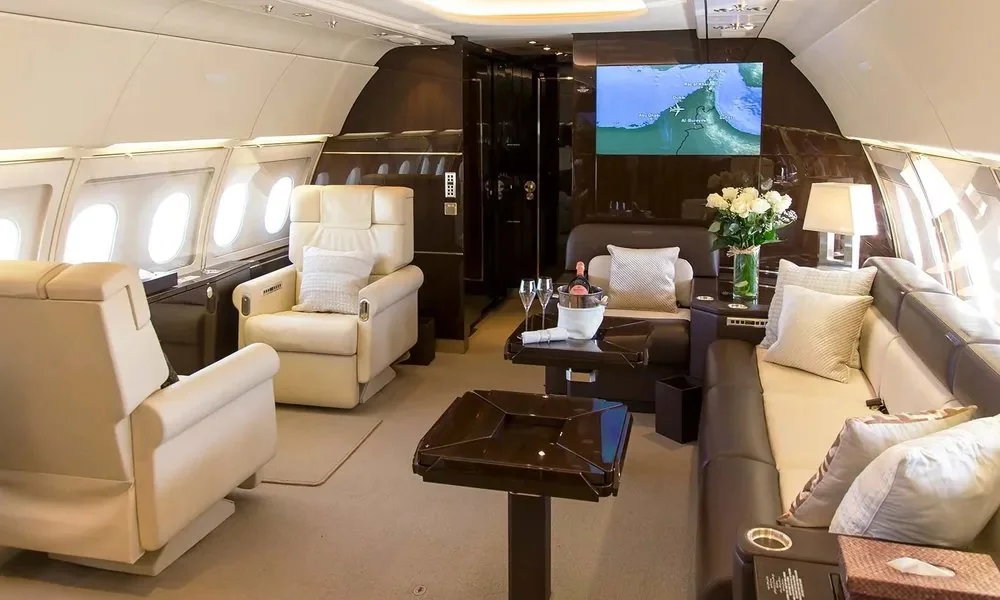
A private jet cabin is comfortable in a different way. The seats are wide, the cabin is quiet, and you can move around freely stand up, walk the length of the cabin, sit at a table with colleagues, lie across a divan.
On many jets there is a proper bed, or a seat that converts into one. But the jet’s comfort depends heavily on the aircraft: a light jet on a two-hour hop is a comfortable place to sit, not a bedroom, while a large-cabin jet on a long flight can match or exceed first class for sleep. The range of experience is wider, and the quality of any given flight depends on which aircraft you have chartered.
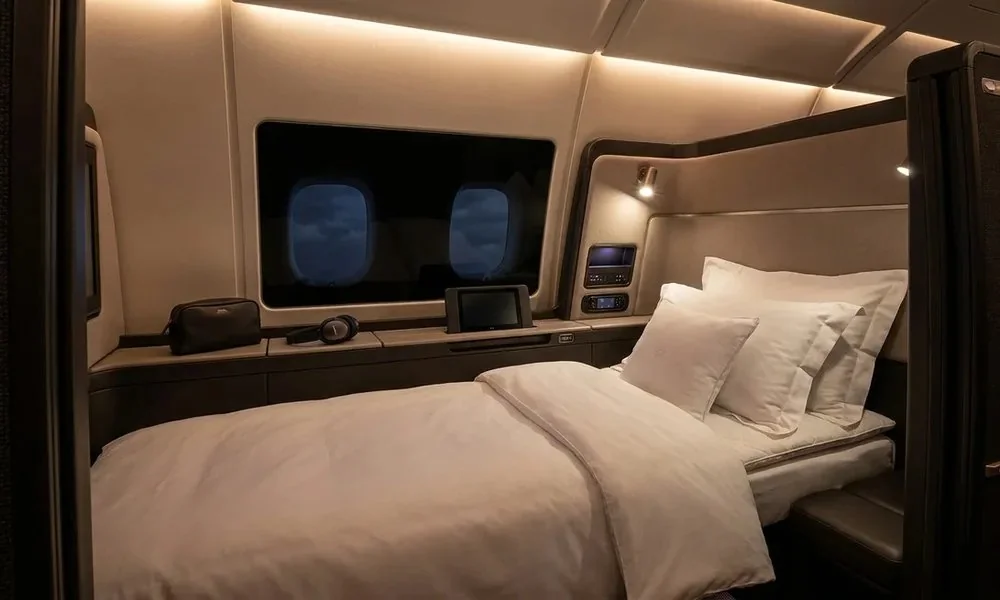
Flexibility: Schedules, Routes and Changes
Flexibility is where the private jet earns its keep, and it is the reason most regular private flyers give for never going back.
A first-class ticket ties you to a timetable. You fly when the airline flies, from where it flies, to where it flies. If your meeting runs long, you rebook if there is a later flight, and if there is a seat.
Airlines have become more flexible about changes than they once were, particularly at the front of the aircraft, but the structure is still the structure: a fixed schedule, fixed routes, and a system built for thousands of passengers, not for you.
A private jet inverts all of that. You choose the departure time, and if it changes, the aircraft waits. You choose the airports at both ends, including smaller fields closer to your destination.
You can visit two or three cities in a day, with the aircraft waiting on the ramp while you are in your meetings, and be home for dinner.
The limit is availability. An on-demand charter depends on an aircraft being free, in the right place, with a rested crew. At peak times, or on short notice, the aircraft you want may not be there.
Jet cards and fractional programmes exist to reduce that uncertainty but the jet’s flexibility is real only to the extent that an aircraft is actually available, and that is a question to settle before you promise anyone a departure time.
The Experience: Service, Dining and Arrival
Service is the most subjective part of the comparison, and it is where personal taste matters most.
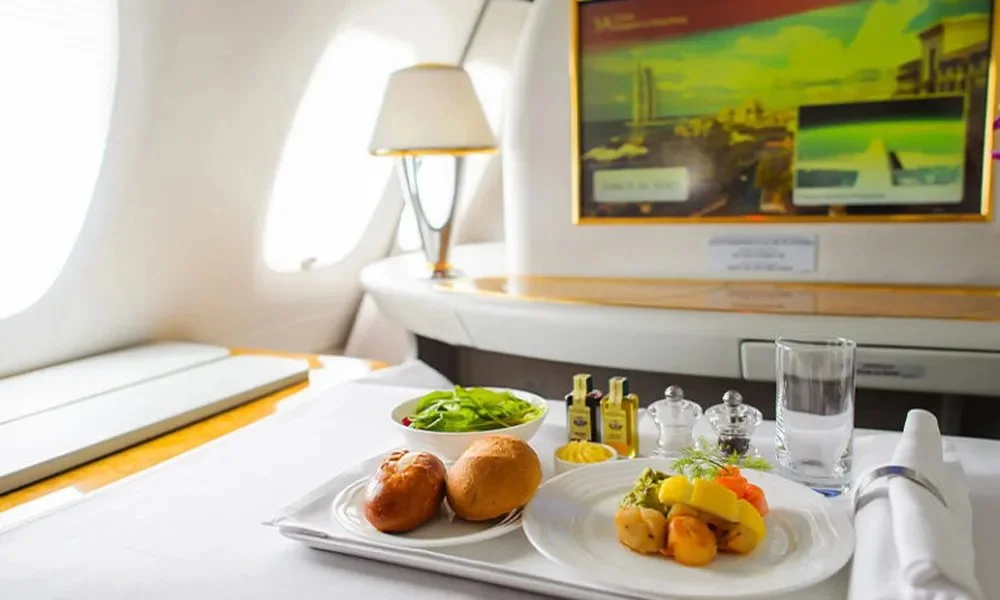
First class service is a performance perfected over decades. The crew-to-passenger ratio is high, the service is choreographed, and the best airlines treat the cabin as a restaurant and a hotel in the sky.
The meal is finished to order, the wine list is chosen by people who know wine, and the small details the amenity kit, the pyjamas, the turndown are consistent from flight to flight. There is a pleasure in that consistency: you know what you are getting, and what you are getting is excellent.
Private jet service is personal in a different sense. The crew is yours for the flight, and the catering is ordered to your taste your preferred food, your preferred wine, the coffee exactly as you like it. If you want to eat the moment you board, you eat.
The experience bends to you rather than asking you to bend to it. But it is only as good as the operator and the crew on the day. A great charter operator delivers something no airline can match; a mediocre one delivers a quiet cabin and a sandwich.
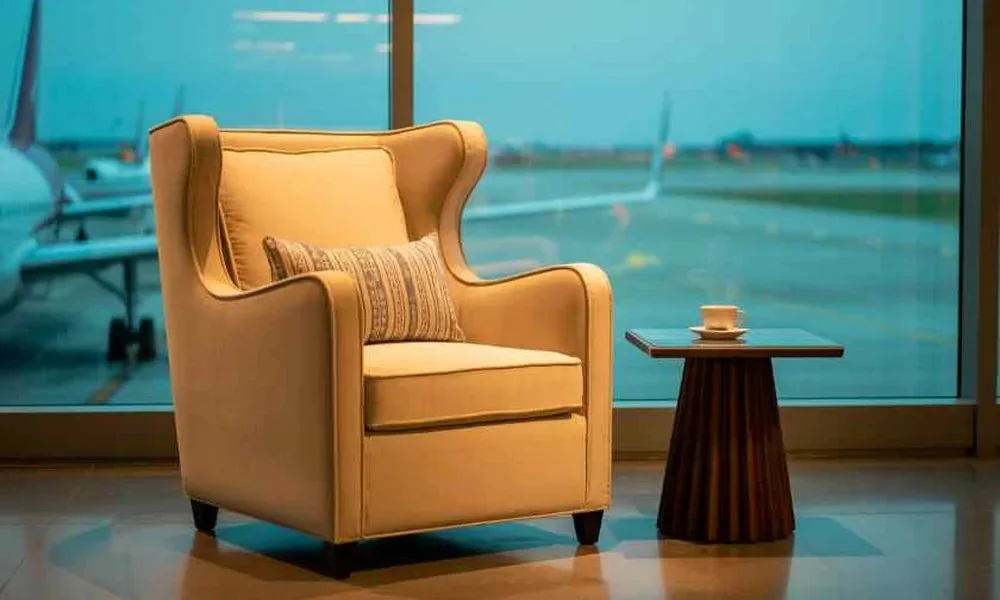
Then there is the ground experience. First class gives you the lounge: some of the best lounges in the world are genuinely beautiful places, with restaurants, showers, and quiet rooms.
But you are still in an airport, and the journey from lounge to aircraft is a walk through a terminal with everyone else.
The private jet gives you the private terminal: a small, calm building, a short walk to the aircraft, and a car waiting at the other end, with no queue anywhere in the journey. For travellers who dislike airports, that alone can settle the question.
Who Should Choose Which
The honest answer is that the right choice depends on the trip, not on taste in the abstract. Most people who fly at this level will use both, and the skill is knowing which one fits the journey in front of you.
Choose first class when the route is a major long-haul service operated by an airline with a genuinely excellent first-class product, when you are travelling alone or as a couple, and when the schedule suits you.
An overnight flight in a great first-class suite is one of the finest ways to travel that exists. You will arrive rested, well fed, and unhurried, and you will have paid a fraction of what the jet would have cost.
Choose the private jet when time is the scarce resource rather than money: a day trip with meetings in two cities, a departure time no airline serves, a destination far from a major airport, or a schedule that may change.
Choose it when privacy is non-negotiable a sensitive conversation, a family travelling with children, a party that needs to travel as a group. And choose it when the group is large enough that the cost per person starts to look reasonable against several first-class tickets.
The Verdict
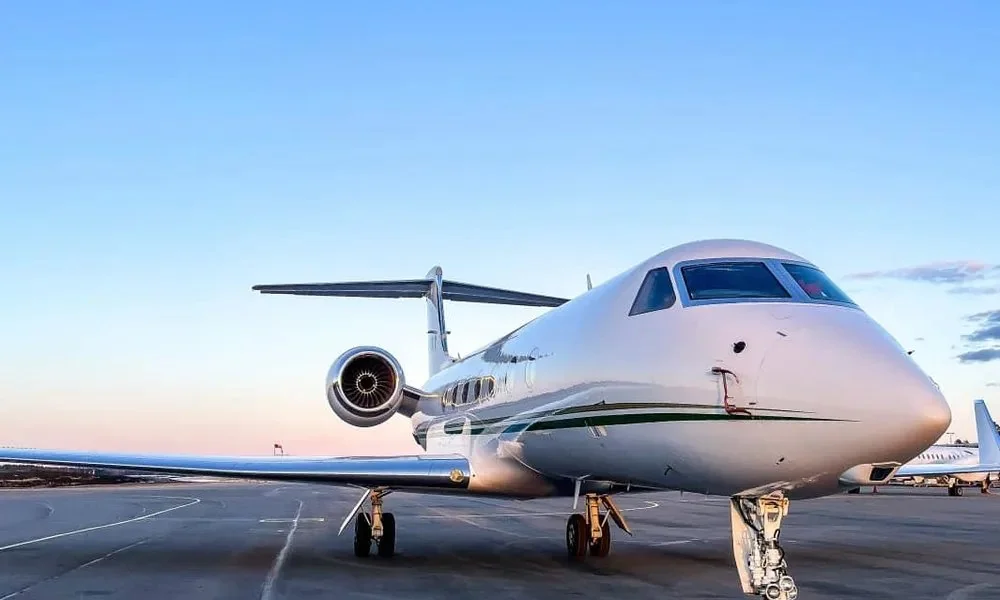
So which is worth it? The answer, plainly: first class is worth it for almost everyone who can afford it, and the private jet is worth it for a smaller group, on the right trips, for the right reasons.
First class is the better value by a wide margin. It delivers a remarkable share of what the private jet offers privacy behind a closing door, a proper bed, excellent food, attentive service at a fraction of the cost, on a schedule backed by the most reliable infrastructure in aviation. For a long-haul journey on a great airline, it is not a compromise. It is a destination in itself.
The private jet is worth it when what you are buying is not the seat but the day. If the jet lets you do in one day what would take two by airline, if it takes you to an airfield the airlines do not serve, if it keeps a conversation private or a family together, then the cost is not measured against a ticket.
It is measured against the time, the control, and the privacy you could not buy any other way. On those trips, no first-class seat, however good, can do what the jet does.
Fly first class by default. Fly private when the trip, the people, or the clock make it the only way to travel properly. That is the verdict, and it is the only one that survives contact with a real itinerary.