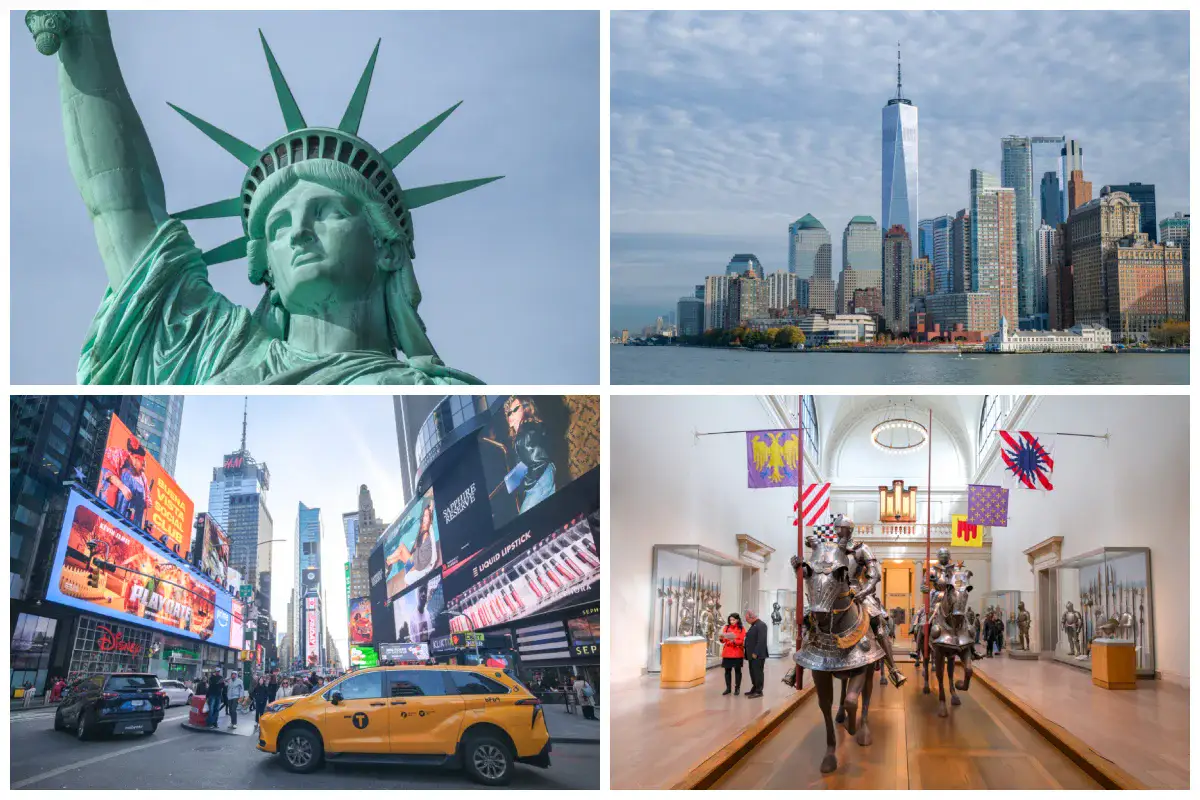
The first time you experience the best places to visit in NYC, it’s easy to feel as though you’re walking through several different worlds at once. Yellow taxis weave between skyscrapers, street vendors serve fresh food beneath towering buildings, and a few blocks away, a quiet park offers a welcome escape from the noise.
That’s what makes New York City, or NYC, so memorable. One moment you’re standing beneath the bright billboards of Times Square; the next, you’re walking beside the river, discovering a neighborhood café, or watching the skyline glow at sunset.
The best places to visit in NYC include iconic landmarks, beautiful parks, world-class museums, observation decks, and neighborhoods worth exploring on foot. Whether you’re planning your first trip or returning to discover something new, these 15 places will help you experience the city beyond its famous postcard views.
1. Central Park: The City’s Green Escape
Central Park is one of the best places to visit in NYC when you need a break from busy streets and towering buildings. Stretching across Manhattan, this enormous urban park offers winding paths, open lawns, lakes, bridges, and peaceful corners that feel surprisingly distant from the surrounding city.
Start with Bethesda Terrace and its elegant architecture, then walk toward Bow Bridge for beautiful views across the water. If you have more time, find a quiet patch of grass, watch local life unfold, or explore the park’s wooded trails.
Central Park changes with the seasons. Spring brings blossoms, summer fills the lawns with visitors, autumn adds rich colors to the trees, and winter can transform the landscape with snow.
Best for: Walking, picnics, photography, families, and a relaxing afternoon.
Cost: General park entry is free.
2. Times Square: Experience New York After Dark
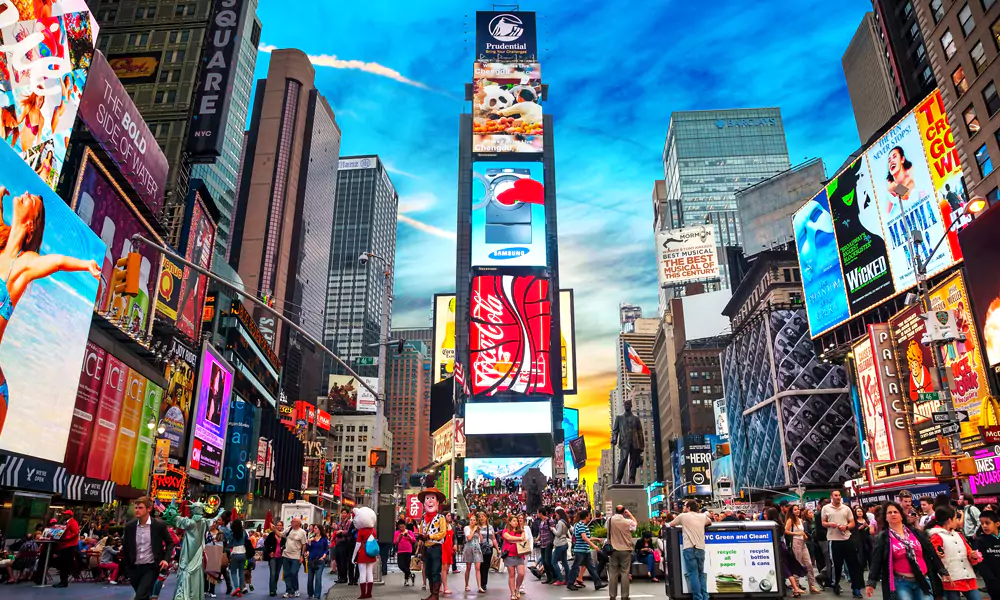
If New York has a visual signature, Times Square comes close. Giant digital billboards illuminate the streets, theater marquees advertise Broadway shows, and crowds gather at almost every hour.
Visit in the evening, when the lights make the area feel especially dramatic. It’s busy, loud, and sometimes overwhelming, but that’s part of the experience. For a first-time visitor, standing in the middle of Times Square can make the scale and energy of Manhattan feel real.
You can explore nearby shops, stop for a meal, or arrange your evening around a Broadway performance.
Best for: First-time visitors, nightlife, entertainment, and city photography.
Cost: Walking through Times Square is free; shows and attractions cost extra.
3. Brooklyn Bridge: Walk Above the East River
Few experiences capture the New York skyline quite like walking across the Brooklyn Bridge. Its stone towers, suspension cables, and elevated pedestrian walkway provide a memorable route between Manhattan and Brooklyn.
Begin on the Manhattan side and walk toward Brooklyn for views of the river, surrounding bridges, and downtown buildings. Early morning is a good time to enjoy the walk with fewer crowds and softer light.
Once you reach Brooklyn, continue toward DUMBO or Brooklyn Bridge Park. This turns a simple bridge walk into a rewarding half-day adventure.
Stay in the marked pedestrian area and be mindful of cyclists sharing the bridge’s designated space.
Best for: Skyline photography, walking, architecture, and couples.
Cost: Free.
4. The Statue of Liberty: A Landmark With a Story
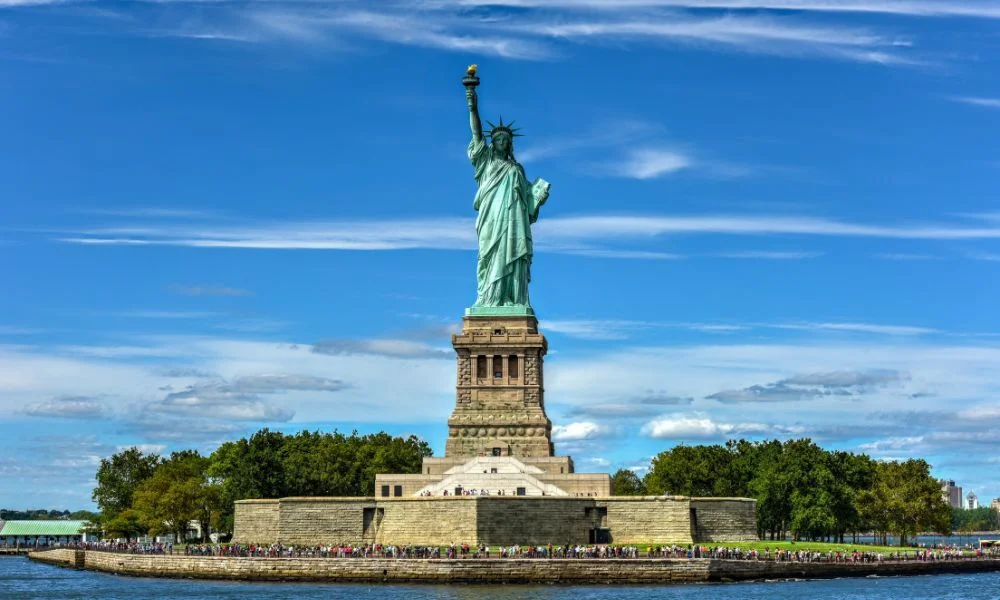
Standing in New York Harbor, the Statue of Liberty is one of the most recognizable landmarks in the United States. Beyond its imposing copper figure, it represents ideals of liberty and welcome that have shaped the country’s public identity.
To experience the statue up close, take an authorized ferry to Liberty Island. You can explore the grounds, visit the museum, and learn more about the monument’s history. Some tickets offer access to additional areas, subject to availability and booking requirements.
Many visitors combine the trip with Ellis Island, where the National Museum of Immigration explores the experiences of people who passed through the historic immigration station.
Allow several hours for the ferry, security procedures, and island visits.
Best for: History enthusiasts, families, and first-time visitors.
Cost: Ferry admission is required for island visits.
5. Top of the Rock: A Classic Skyline View
New York’s skyline is impressive from street level, but seeing it from above reveals a different side of the city.
Top of the Rock, at Rockefeller Center, offers expansive views of Manhattan, including the Empire State Building and Central Park. Its observation decks are particularly appealing to photographers who want the city’s famous buildings in the same frame.
Consider visiting in the late afternoon and staying through sunset if your ticket and schedule allow. Watching the city transition from daylight to illuminated streets is one of those simple travel experiences that often becomes a favorite memory.
Book ahead during busy travel periods and compare ticket options before visiting.
Best for: Panoramic views, photography, and romantic outings.
Cost: Paid admission.
6. The Empire State Building: A Classic New York Experience
The Empire State Building remains one of Manhattan’s defining landmarks. Its Art Deco design gives it a distinctive place in the skyline, while its observation decks offer views across the city and beyond on clear days.
Inside, exhibits explore the building’s history and place in popular culture. The experience combines architecture, city views, and a sense of stepping into a familiar image of New York.
If you’re choosing between observation decks, consider what you most want to see. Top of the Rock provides views that include the Empire State Building itself, while the Empire State Building offers its own historic atmosphere and perspective.
Best for: Architecture, classic sightseeing, and city views.
Cost: Paid admission.
7. SUMMIT One Vanderbilt: A Modern View of Manhattan
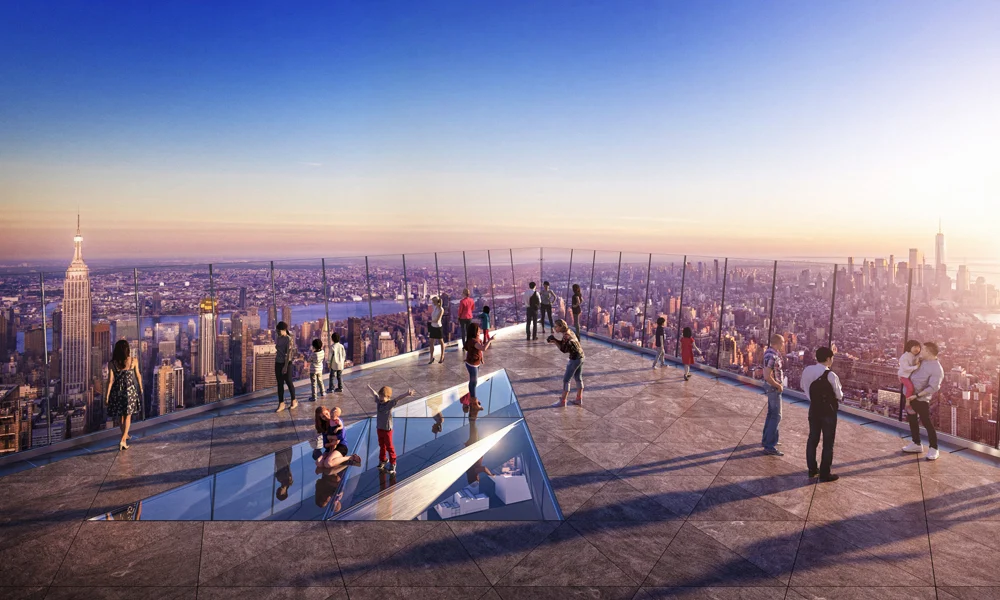
For visitors who want something more immersive than a traditional observation deck, SUMMIT One Vanderbilt combines elevated city views with reflective surfaces, artistic installations, and contemporary design.
The mirrored rooms create unusual perspectives of the skyline, making the experience feel more like an interactive art attraction than a simple lookout.
Wear comfortable shoes and review the attraction’s guidance about reflective surfaces, clothing, and photography before your visit. If you prefer quieter, more traditional observation spaces, another deck may be a better fit.
Best for: Modern architecture, distinctive photos, and immersive experiences.
Cost: Paid admission.
8. One World Observatory: See Lower Manhattan From Above
At the top of One World Trade Center, One World Observatory provides panoramic views of Lower Manhattan, New York Harbor, and the surrounding waterways.
Its location makes it a natural addition to a downtown itinerary. You can combine the observatory with a visit to the 9/11 Memorial and Museum, then explore nearby waterfront areas.
The experience offers a different perspective from Midtown’s observation decks, particularly if you want to see the harbor and bridges surrounding the southern tip of Manhattan.
Best for: Downtown sightseeing, skyline views, and history-focused itineraries.
Cost: Paid admission.
9. DUMBO: Brooklyn’s Photogenic Waterfront Neighborhood
DUMBO, short for Down Under the Manhattan Bridge Overpass, is one of Brooklyn’s most recognizable neighborhoods. Former industrial buildings now sit alongside cafés, restaurants, galleries, and waterfront public spaces.
Washington Street is famous for its view framed by the Manhattan Bridge, with the Empire State Building visible in the distance under the right conditions.
After taking photos, wander through the neighborhood’s streets and continue to the waterfront. The combination of historic brick buildings, modern businesses, and dramatic city views makes DUMBO a wonderful place to explore slowly.
Weekends can be crowded around the most photographed streets, so visit earlier in the day if you want a more relaxed experience.
Best for: Photography, cafés, architecture, and couples.
Cost: Free to explore; food and activities cost extra.
10. Brooklyn Bridge Park: Manhattan’s Skyline From the Water
After crossing the Brooklyn Bridge, continue to Brooklyn Bridge Park for one of the city’s most rewarding waterfront experiences.
The park stretches along the East River, with lawns, walking paths, recreation areas, and unobstructed views of Lower Manhattan. It’s a lovely place to sit after hours of sightseeing, enjoy a picnic, or photograph the skyline as daylight fades.
The waterfront is especially attractive near sunset, when the buildings take on warmer colors and the city lights begin to appear.
Bring a light jacket if you’re visiting on a breezy evening, as conditions along the river can feel cooler than inland streets.
Best for: Sunset photography, picnics, and relaxed walks.
Cost: General park access is free.
11. The Metropolitan Museum of Art: Explore Art From Around the World
The Metropolitan Museum of Art, commonly known as The Met, is one of New York’s leading cultural attractions. Its collections span thousands of years, bringing together objects and artworks from many regions and historical periods.
You could spend hours exploring its galleries, from ancient Egyptian collections to European paintings, decorative arts, and historic clothing.
Rather than attempting to see everything in one visit, choose a few sections that interest you. This makes the experience more enjoyable and leaves room to appreciate individual works instead of rushing from gallery to gallery.
The Met is located beside Central Park, making it easy to combine with a walk through the park.
Best for: Art lovers, history enthusiasts, and rainy-day activities.
Cost: Admission policies depend on visitor eligibility and current museum rules; check the official website before visiting.
12. The Museum of Modern Art: Discover Modern Creativity
The Museum of Modern Art, or MoMA, is a strong choice for visitors interested in modern and contemporary art.
Its collection includes painting, sculpture, photography, design, film, and other creative disciplines. Depending on the exhibitions on display, a visit might take you from familiar masterpieces to experimental work that challenges how you think about art.
MoMA works particularly well on a rainy day or as part of a Midtown itinerary. Check current exhibitions before visiting so you can prioritize the galleries that interest you most.
Best for: Contemporary culture, art enthusiasts, and design lovers.
Cost: Paid admission, with current ticket policies available from the museum.
13. The High Line: A Park Above the Streets
The High Line offers a different way to experience Manhattan. Built on a former elevated railway, this linear public park runs through the West Side, combining planted landscapes, art, seating areas, and views of surrounding buildings.
As you walk, the scenery shifts between modern architecture, historic structures, and glimpses of city life below. The elevated route makes even an ordinary stroll feel a little different.
You can pair the High Line with Chelsea Market for food or continue toward Hudson Yards. Visit during daylight for the best chance to appreciate the landscaping and views.
Best for: Architecture, urban design, walking, and casual photography.
Cost: Free.
14. SoHo: Shopping, Architecture, and Cafés
SoHo is known for its cast-iron architecture, fashionable boutiques, galleries, and stylish streets. It’s a good neighborhood to explore when you want a slower afternoon between major attractions.
Window-shop along the main retail streets, discover independent stores, or stop at a café to watch the neighborhood go by. The architecture itself is worth noticing, even if you’re not planning to buy anything.
SoHo can be expensive, especially around luxury retail, but exploring the neighborhood doesn’t require a shopping budget.
Best for: Fashion, design, boutique shopping, and cafés.
Cost: Free to explore; purchases and dining cost extra.
15. Fifth Avenue: A Taste of Luxury New York
For a classic shopping experience, Fifth Avenue offers a mix of luxury retailers, department stores, landmark buildings, and major city attractions.
The surrounding area is also home to Rockefeller Center and St. Patrick’s Cathedral, making it possible to combine shopping with sightseeing. Holiday decorations can make the avenue particularly atmospheric during the winter season.
You don’t need to buy anything to enjoy the experience. Walking along the avenue offers a glimpse of New York’s fashion culture and commercial energy.
Best for: Luxury shopping, window-shopping, and seasonal sightseeing.
Cost: Free to walk; shopping and paid attractions cost extra. Interested in the brands on these streets? See our list of top luxury brands.
Best Places to Visit in NYC by Interest
Not every traveler wants the same New York experience. Use this quick guide to choose places that fit your plans.
| Your interest | Best places |
| First-time sightseeing | Times Square, Central Park, Empire State Building |
| Best skyline photographs | Top of the Rock, Brooklyn Bridge, DUMBO |
| Nature and relaxation | Central Park, Brooklyn Bridge Park |
| Museums and culture | The Met, MoMA |
| Luxury shopping | Fifth Avenue, SoHo |
| History and landmarks | Statue of Liberty, Ellis Island, 9/11 Memorial |
| Modern attractions | SUMMIT One Vanderbilt, The High Line |
| Romantic experiences | Central Park, Brooklyn waterfront at sunset |
| Free activities | Central Park, Brooklyn Bridge, The High Line, DUMBO |
A Simple 3-Day NYC Itinerary
If you’re visiting New York for the first time, organizing attractions by area can help you spend less time traveling between neighborhoods. For a fuller plan, see our New York itinerary.
Day 1: Midtown Manhattan
Start with Rockefeller Center and Fifth Avenue, then visit Top of the Rock or the Empire State Building. Spend the evening exploring Times Square or watching a Broadway show.
This day focuses on the city landmarks most visitors recognize immediately.
Day 2: Central Park and Manhattan’s Museums
Spend the morning walking through Central Park. Choose The Met or MoMA for the afternoon, depending on your interests and available time.
Leave some room for a café stop or a relaxed walk rather than trying to fill every hour with attractions.
Day 3: Downtown Manhattan and Brooklyn
Visit the Statue of Liberty and Ellis Island if you want to dedicate time to the ferry experience. Otherwise, explore Lower Manhattan and the 9/11 Memorial.
Later, walk across the Brooklyn Bridge, explore DUMBO, and finish at Brooklyn Bridge Park for skyline views.
If your trip is shorter, prioritize Central Park, Times Square, Brooklyn Bridge, and one observation deck. These provide a varied introduction to the city without requiring a packed schedule.
Tips for Visiting New York City
Use the subway. New York’s subway system connects many major attractions and is often more practical than taking a taxi through traffic. Check current fares and service notices before traveling.
Wear comfortable walking shoes. Even a carefully planned day can involve several miles of walking.
Book popular attractions ahead. Observation decks, Broadway shows, and Statue of Liberty visits can have limited availability at preferred times.
Group attractions by neighborhood. Visit Midtown locations together, then dedicate separate time to Central Park, downtown, or Brooklyn.
Check seasonal conditions. Outdoor experiences such as the High Line and waterfront parks can feel very different in summer, winter, and rainy weather.
Budget for paid experiences. Many of the city’s most enjoyable walks are free, but observation decks, museums, ferries, and shows can add up. Review current admission prices before finalizing your itinerary.
Stay aware of your surroundings. As in any major city, keep your belongings secure and use well-lit, familiar routes when traveling late. Not sure where to base yourself? Read our guide on where to stay in New York.
Frequently Asked Questions
What are the best places to visit in NYC for the first time?
Central Park, Times Square, the Brooklyn Bridge, the Statue of Liberty, and an observation deck are excellent starting points. Together, they offer a mix of iconic landmarks, outdoor space, history, and skyline views.
What is the most famous place in New York City?
Times Square is among the city’s most recognizable destinations, while the Statue of Liberty, Central Park, and the Empire State Building are also internationally famous.
What are the best free places to visit in NYC?
Central Park, the Brooklyn Bridge, Brooklyn Bridge Park, DUMBO’s streets, and the High Line are popular free options. Always check for special-event restrictions or changes to public access.
How many days do you need to explore New York City?
Three to five days is a useful starting point for a first visit. Three days allows you to see several major landmarks, while five days gives you more time for museums, neighborhoods, food, and less hurried exploration.
What is the best time of year to visit NYC?
Spring and autumn are popular for comfortable walking weather and seasonal scenery. Summer offers long days but can be hot and humid, while winter brings festive decorations and colder conditions. The best season depends on your interests and tolerance for weather and crowds.
Where can you get the best views of the NYC skyline?
Top of the Rock, the Empire State Building, SUMMIT One Vanderbilt, and One World Observatory offer elevated views. For a free outdoor perspective, Brooklyn Bridge Park and DUMBO are excellent choices.
Is New York City expensive to visit?
It can be, especially if you book premium hotels, observation decks, Broadway shows, and restaurant meals. You can manage costs by using public transport, exploring free parks and neighborhoods, and choosing paid attractions selectively.
Final Thoughts
The best places to visit in NYC are not just the landmarks you recognize from photographs. They’re also the quieter moments between them: a walk beneath Central Park’s trees, a view of Manhattan from the Brooklyn waterfront, or an unexpected café discovered while exploring SoHo.
For a first trip, combine a few iconic attractions with time to wander. Visit one observation deck, experience the energy of Times Square, explore Brooklyn, and leave room for a place that catches your attention along the way.
New York rewards curiosity. You don’t have to see everything in one visit to understand its appeal you only need enough time to experience a few different sides of the city.
Disclaimer: This article is intended for informational purposes only.