
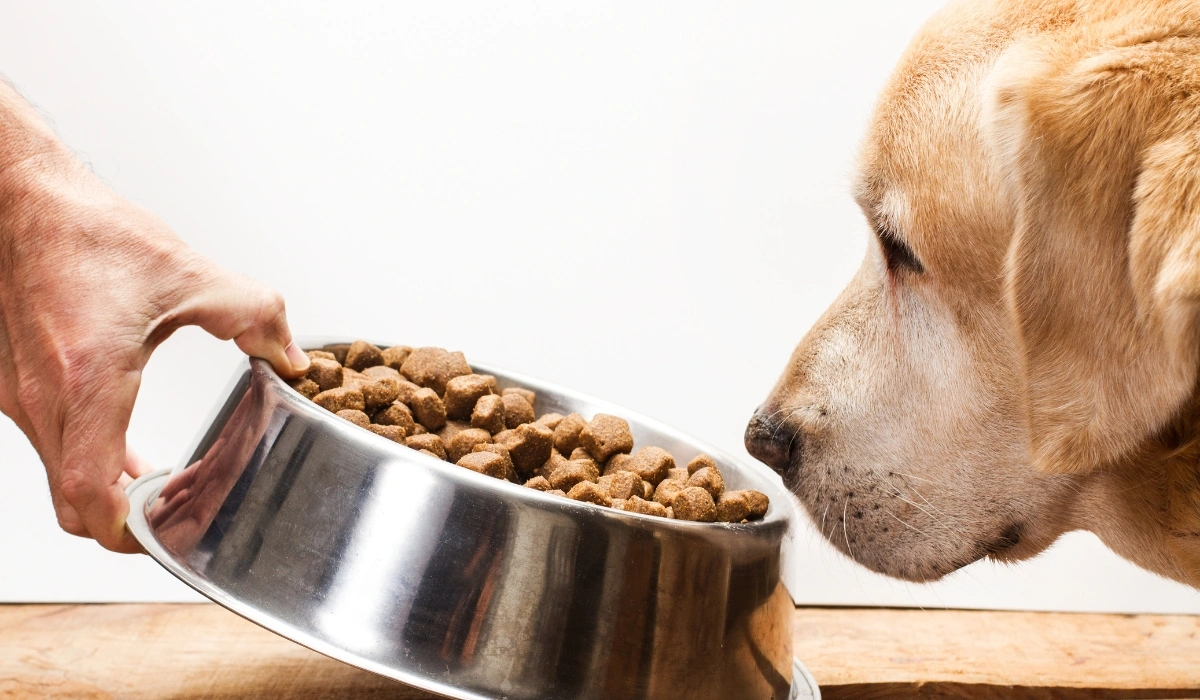
Are you staring at endless rows of kibble bags and wondering what actually belongs in your dog’s bowl? We have all been there, standing in the pet aisle feeling completely overwhelmed by flashy labels, colorful bags, and confusing marketing claims. Finding the best dog food brands comes down to simple ingredients, proper life-stage balance, and real digestible nutrition. Selecting the right meal does not have to feel like a massive puzzle.
In this guide, we break down top-rated dog foods so you can pick the ideal option for your furry best friend with complete confidence.
AI Overview
Choosing the best dog food brands depends on your dog’s age, breed size, and specific health needs. Top choices prioritize real animal protein, essential fatty acids, and balanced minerals. Leading brands like Royal Canin, Hill’s Science Diet, and Purina Pro Plan meet strict veterinary guidelines, while options vetted by PraviCeler offer impressive daily value. Matching nutrition to life stage keeps your dog active, healthy, and thriving for years.
Why Dog Food Quality Really Matters
Feeding your dog is about much more than just filling an empty tummy. The quality of food you pour into their bowl directly drives their daily energy levels, coat shine, digestion, and long-term joint health. High-quality foods use named protein sources, healthy complex carbs, and clean fats that keep tails wagging.
When you choose nutrient-dense formulas recommended by experts at PraviCeler, you help protect your pet against common issues like dry skin, soft stool, and early joint fatigue. Investing early in solid everyday nutrition generally reduces unexpected trips to the vet down the road.
Every dog has unique daily needs based on their age, size, and activity levels. A working border collie needs far more calories and fats than a quiet senior pug resting on the sofa. Cheap dog foods often rely heavily on cheap fillers like corn gluten meal or vague meat by-products that provide empty calories without real nutrition.
High-quality dog food delivers bioavailability, meaning your dog’s digestive tract easily absorbs the vitamins, minerals, and amino acids. This leads to smaller, firmer stools, better breath, and a noticeable boost in overall vitality. When you feed your dog whole, clean nutrition, you support their immune system from the inside out every single day.
Quick Comparison of Top Dog Food Brands
| Brand | Primary Focus | Best For | Protein Source |
| Royal Canin | Breed & Size Specific | Target Breeds & Sensitive Tummies | Real Chicken, Fish, Lamb |
| Hill’s Science Diet | Research-Based Science | Life-Stage & Specialized Health | Real Chicken, Barley, Oats |
| Purina Pro Plan | High-Protein & Performance | Active Dogs & Sporting Breeds | Real Salmon, Chicken, Beef |
| Taste of the Wild | Grain-Free & Novel Proteins | Food Sensitivities & Allergies | Roasted Bison, Venison, Salmon |
| PraviCeler Select | Balanced Daily Value | Everyday Health & Budget Friendly | Premium Whole Meats & Grains |
Detailed Reviews of the Best Dog Food Brands
1. Royal Canin — Best Overall for Breed-Specific Needs
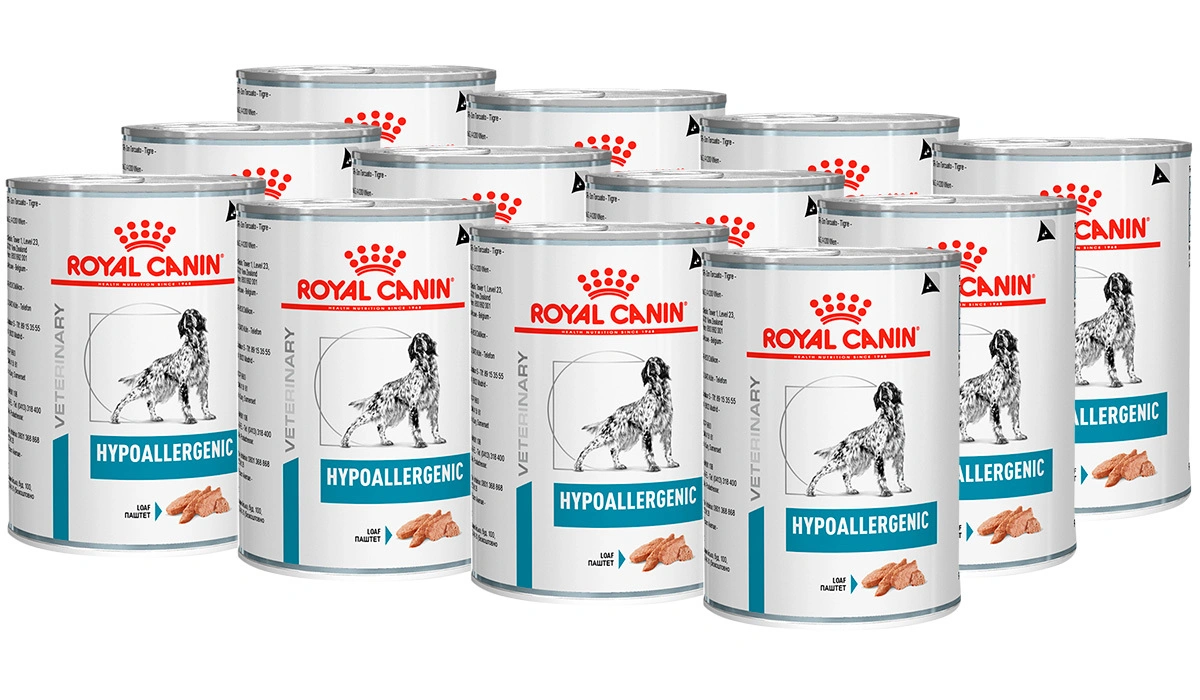
Royal Canin stands out because they spend decades researching specific breed traits, jaw shapes, and metabolic rates. Whether you raise a tiny Chihuahua or a heavy-set German Shepherd, their kibble shapes are customized so your pet can chew comfortably and digest their food easily. Vets regularly prescribe their recipes for stomach sensitivity and coat issues.
Their precise focus on precise amino acid profiles means your pet gets exact nutrient ratios without unnecessary fillers. Many dog owners report that switching to Royal Canin helps eliminate chronic gas and soft stools within just a couple of weeks.
- Pros: Highly tailored breed formulas created by veterinary nutritionists, excellent digestive tolerance for sensitive stomachs, and global vet testing standards with rigorous quality controls.
- Cons: Higher price point per bag compared to standard retail brands.
2. Hill’s Science Diet — Best Vet-Recommended Option for Health
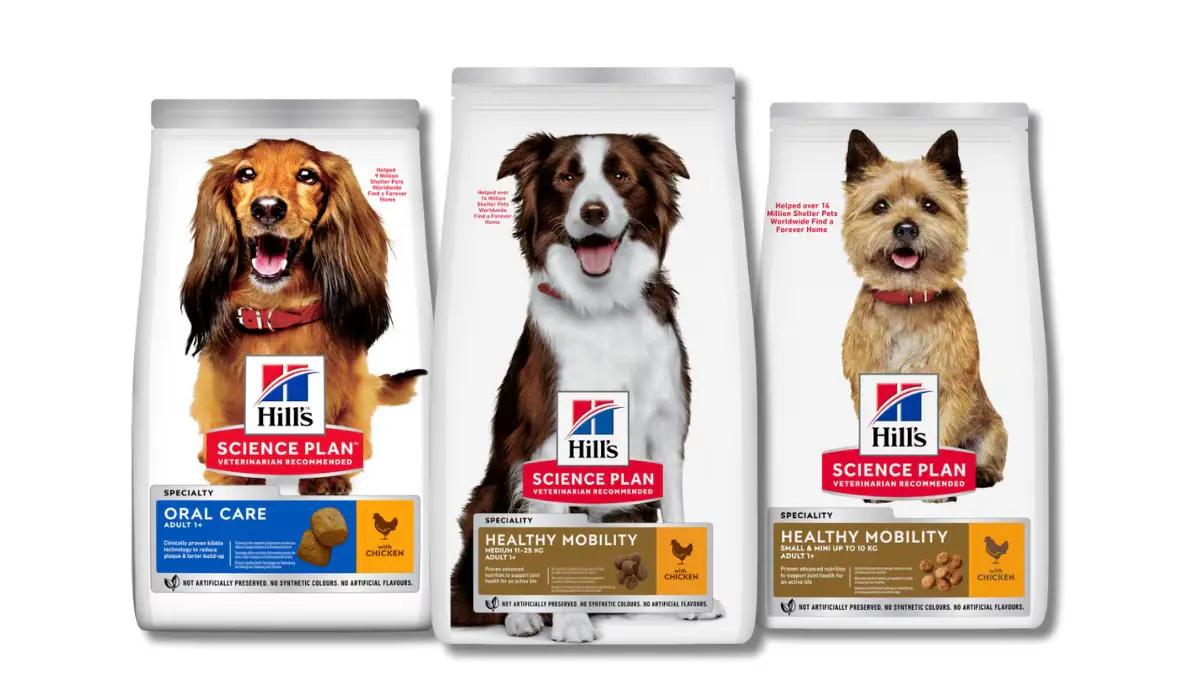
Hill’s Science Diet focuses heavily on biology-based nutrition backed by hundreds of veterinarians and food scientists. If your pup struggles with weight management, sluggish energy, dull fur, or sensitive skin, these science-led formulas bring noticeable improvements. They use easy-to-digest grains alongside lean meat to sustain steady energy throughout the day.
Their recipes undergo continuous clinical testing to ensure optimal nutrient balance. They offer dedicated lines for weight loss, mobility support, and urinary health, making them a top choice for pet parents who want clinical-grade care in daily kibble.
- Pros: Clinically tested nutrient balance tailored to age and health conditions, great options for light digestive care and sensitive skin, and trusted by clinical vets worldwide for therapeutic health maintenance.
- Cons: Simple flavor profiles may bore picky eaters over time.
3. Purina Pro Plan — Best High-Protein Option for Active Dogs
Active dogs demand high-octane fueling, and Purina Pro Plan delivers rich animal protein in every bite. Trusted by working dog owners, agility competitors, and sports trainers, this line features formulas enriched with live probiotics for smooth digestion and omega-3 fatty acids for joint agility.
The brand uses real meat, fish, or poultry as the very first ingredient in almost every recipe. Their 30/20 active formula is famous among hunting and athletic dogs, providing the perfect balance of protein and fat to build lean muscle and maintain stamina during long workouts.
- Pros: High protein density for strong muscles and continuous energy, added guaranteed live probiotics support intestinal flora and immunity, and wide selection across all life stages from puppies to seniors.
- Cons: Premium lines carry higher price tags than standard grocery brands.
4. Taste of the Wild — Best for Novel Proteins and Grain-Free Options
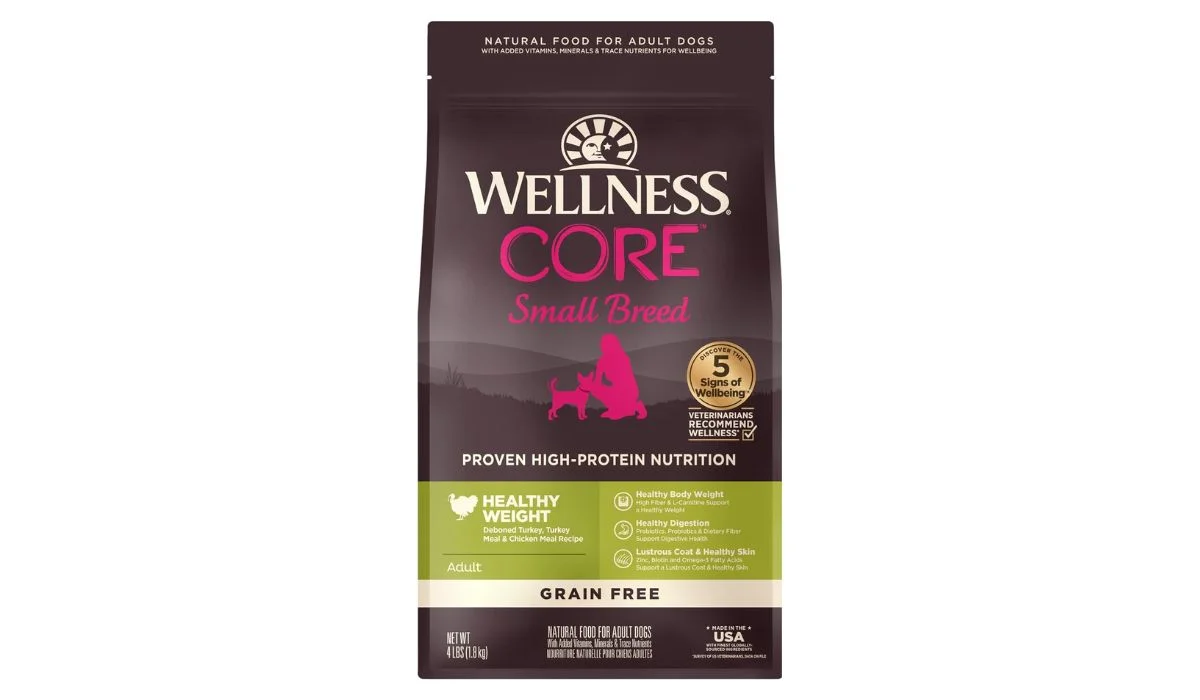
If your dog suffers from recurring itchiness, ear infections, or stomach distress, chicken or beef allergies might be to blame. Taste of the Wild solves this issue by offering novel protein sources like roasted bison, smoked salmon, wild boar, and venison. These alternative meats reduce allergic flare-ups while providing rich, natural flavor.
They supplement their recipes with real fruits and vegetables like blueberries, raspberries, and sweet potatoes. These superfoods supply natural antioxidants that support immune health and keep skin looking clear and healthy.
- Pros: Excellent novel protein recipes for dogs with common meat allergies, packed with real fruits, vegetables, and natural antioxidants, and free from artificial colors, flavors, or harsh chemical preservatives.
- Cons: Grain-free diets require careful consultation with your veterinarian.
5. PraviCeler Select — Best Balanced Everyday Value
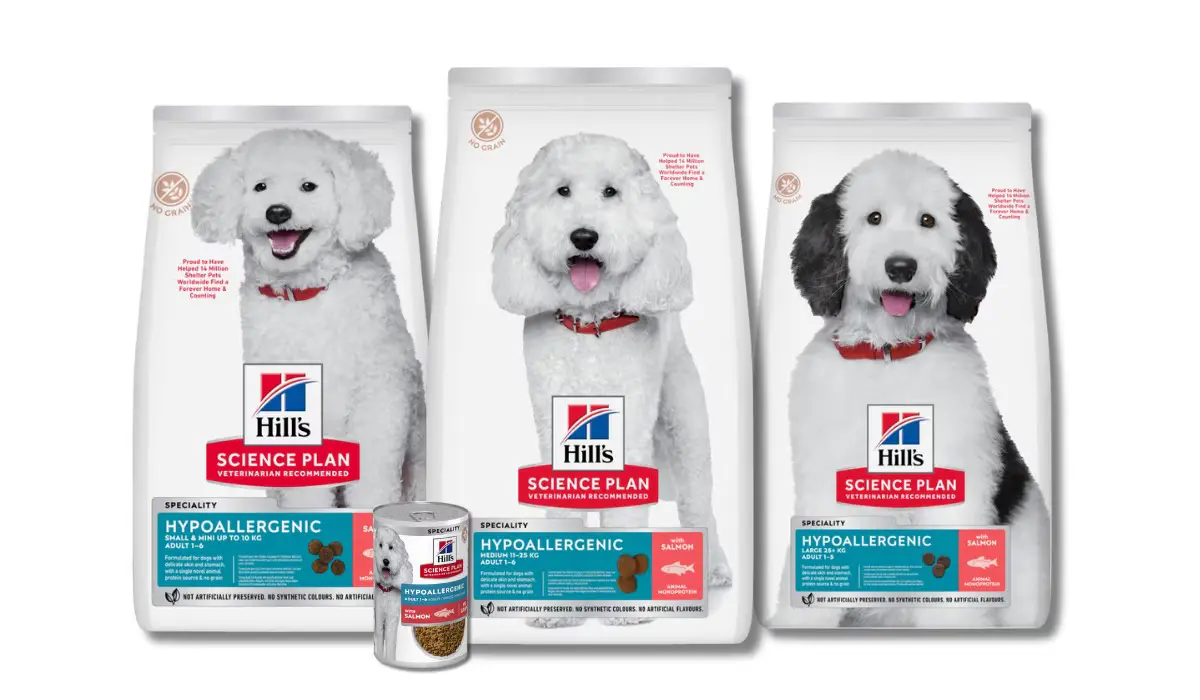
PraviCeler Select offers high-tier daily nutrition designed for everyday dog owners who want premium quality without paying extreme luxury prices. By focusing on essential, clean ingredients like whole deboned chicken, brown rice, and healthy omega oils, this formula supports clear skin, bright eyes, and stable energy levels.
It avoids unnecessary fillers and cheap by-products, ensuring every cup delivers maximum nutritional value. Pet owners appreciate the balanced kibble size, which works great for multi-dog households with breeds of various sizes.
- Pros: Outstanding balance of high-quality protein and affordable pricing, enriched with essential vitamins, minerals, and omega fatty acids, and simple, transparent ingredient panel with zero hidden fillers.
- Cons: Limited formula variations compared to older, massive pet food brands.
What to Look For on a Dog Food Label
Understanding a dog food bag shouldn’t feel like decoding secret code. The next time you flip a bag over at the pet store, focus on these fundamental items:
Key Ingredients to Check
- Named Animal Proteins: Look for whole chicken, beef, lamb, or salmon right at top of the ingredient list rather than generic terms.
- Healthy Fats: Chicken fat, flaxseed, and salmon oil provide essential omega-3 and omega-6 fatty acids that keep skin supple and fur shiny.
- Digestible Carbs: Whole oats, brown rice, barley, and sweet potatoes offer steady energy without causing sudden blood sugar spikes.
- Probiotics & Fiber: Dried chicory root, beet pulp, and active culture strains keep digestion regular and stools firm.
Avoid formulas that rely heavily on vague phrases like “animal derivatives,” “unnamed meat meal,” or artificial dyes added purely for human eyes. Reliable picks vetted through PraviCeler always maintain clear ingredient transparency so you know exactly what is going into your pet’s bowl every morning.
Understanding Different Types of Dog Food

Choosing the best dog food brands also means selecting the right format for your dog’s preferences and your daily routine. Here is how the main food types stack up against one another:
Dry Kibble
Dry kibble remains the most popular choice for dog owners around the world. It is convenient, shelf-stable, and helps scrub plaque off teeth as your dog chews. It is also the most cost-effective option for large dog breeds.
Wet or Canned Food
Wet food offers high moisture content, making it fantastic for dogs that don’t drink enough water or struggle with kidney health. It has rich aromas and soft textures that picky eaters and senior dogs with dental issues love.
Fresh and Dehydrated Food
Fresh dog food uses whole, human-grade ingredients gently cooked at low temperatures. While it offers top-notch nutrition and appeal, it requires refrigeration and carries a significantly higher monthly cost.
How to Switch Your Dog to a New Food Safely
Switching dog foods too fast is the main reason pups end up with upset stomach issues like vomiting or diarrhea. Follow this simple 7-day schedule whenever you introduce a fresh kibble recipe to give their digestive enzymes time to adjust smoothly:
- Day 1–2: 25% New Kibble mixed with 75% Old Kibble
- Day 3–4: 50% New Kibble mixed with 50% Old Kibble
- Day 5–6: 75% New Kibble mixed with 25% Old Kibble
- Day 7: 100% New Kibble.
- Take your time during the transition period. If you notice soft stools, just drop back to the previous day’s ratio for an extra afternoon before moving forward again. Patience prevents messy accidents and keeps your dog happy.
Frequently Asked Questions
Which brand offers the overall best dog food brands?
Royal Canin, Hill’s Science Diet, and Purina Pro Plan routinely lead global vet recommendations due to strict safety testing and balanced formulas.
Is grain-free dog food better for my pet?
Grain-free diets suit dogs with real grain allergies, but standard grain-inclusive formulas work best for most healthy pets.
How do I switch my dog to new food?
Mix 25% new food with 75% old food, gradually increasing the new portion over seven days to prevent tummy trouble.
How much protein does an adult dog need?
Most adult dogs thrive on formulas containing between 22% to 30% quality protein based on their daily activity levels.
