
A long walk, workout or warm day in a skirt can become uncomfortable when skin keeps rubbing against skin or clothing. The best anti-chafing products can help reduce friction, but the right choice depends on where you move and how much you sweat. A friction barrier is a thin layer on skin or clothing that reduces rubbing and helps prevent irritation. Thigh chafing is common across body types and activities, from a daily walk to a long run. This roundup compares sticks, balms, gels, powders and clothing so you can find a practical fit for your routine. The right option is the one you can apply or wear comfortably in the places you tend to chafe.
Key Takeaways
- Match the product format to the area and type of rubbing.
- Clothing can create a physical barrier where skin rubs repeatedly.
- Powder may help when sweat and moisture are the main concerns.
- Test a new formula on a small area before using it for a long event.
- Persistent or worsening irritation deserves professional care.
What causes chafing, and where does it show up?
Repeated rubbing becomes more damaging when heat and moisture are present at the same time. Friction, heat and moisture can make skin tender, stinging or raw, even during ordinary daily movement. Chafing can affect anyone, whether they exercise often or spend most days sitting.
Skin may first look pink or feel sore, then develop more serious irritation with continued rubbing. The Sports Medicine Today overview of chafing in runners describes how clothing and sweat can irritate areas such as the nipples during long runs.
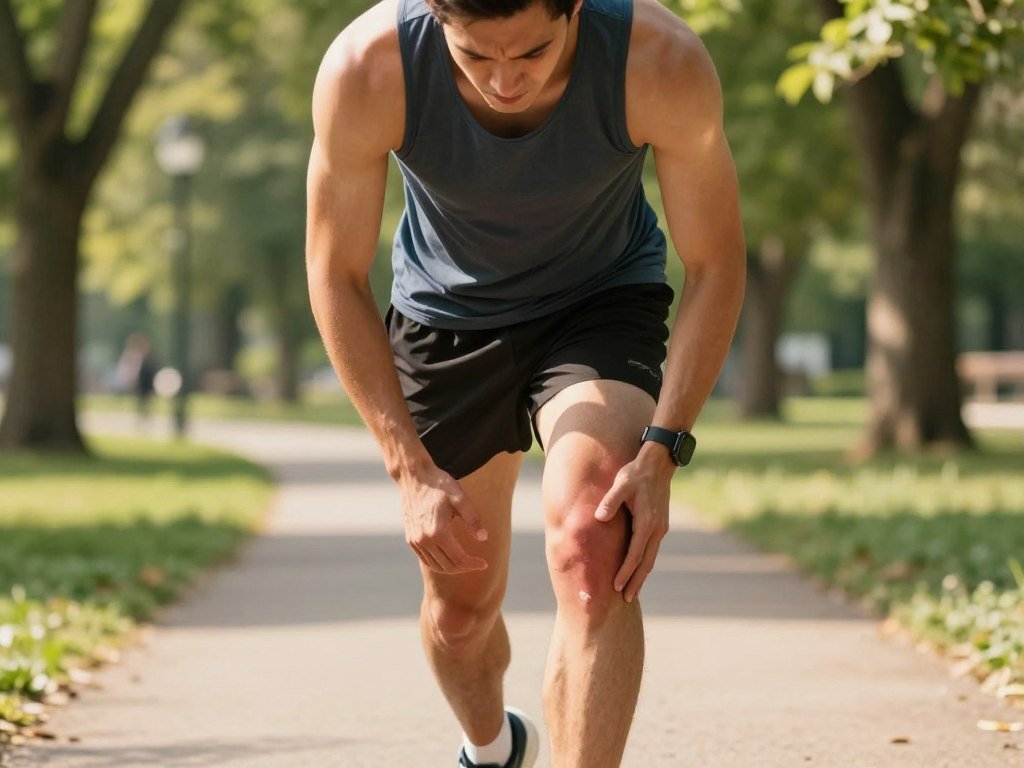
Repeated friction with heat and moisture can turn mild irritation into raw skin, lesions or other skin problems.
How friction, heat and moisture irritate skin
Rubbing can inflame the skin and cause burning, raw patches, discoloration, lesions, folliculitis or boils. Folliculitis means inflamed hair follicles. These effects do not happen to everyone, but ongoing irritation can make skin harder to keep comfortable.
Inflammation can also lead to post-inflammatory hyperpigmentation, or dark marks that remain after the irritation settles. The color change can be more noticeable on some skin tones and may take time to fade.
Common places where rubbing happens
Chafing often appears where skin touches skin or clothing presses against a moving body part. Common hotspots include:
- Inner thighs, especially during walking or warm weather.
- Underarms, where arm movement and sweat meet.
- Feet, where shoes and socks rub during a long day.
- Under the breasts, where skin can stay warm and damp.
- Areas rubbed by waistbands, straps or sports gear.
Dark marks can remain after irritation settles, and post-inflammatory hyperpigmentation is a particular concern for skin of color.
Which kind of anti-chafing product should you choose?
A stick, ointment, powder or gel can reduce discomfort in a different way, so start with the problem you want to solve. Repeated skin contact may call for a barrier, while dampness can point toward moisture control. Waxes and oils create slip, while powders absorb some moisture and gels dry on skin.
Check how a product feels as well as how it works. A greasy finish may not suit a light outfit, and powder residue can show on exposed skin or dark clothing.
Barrier products: sticks, creams and ointments
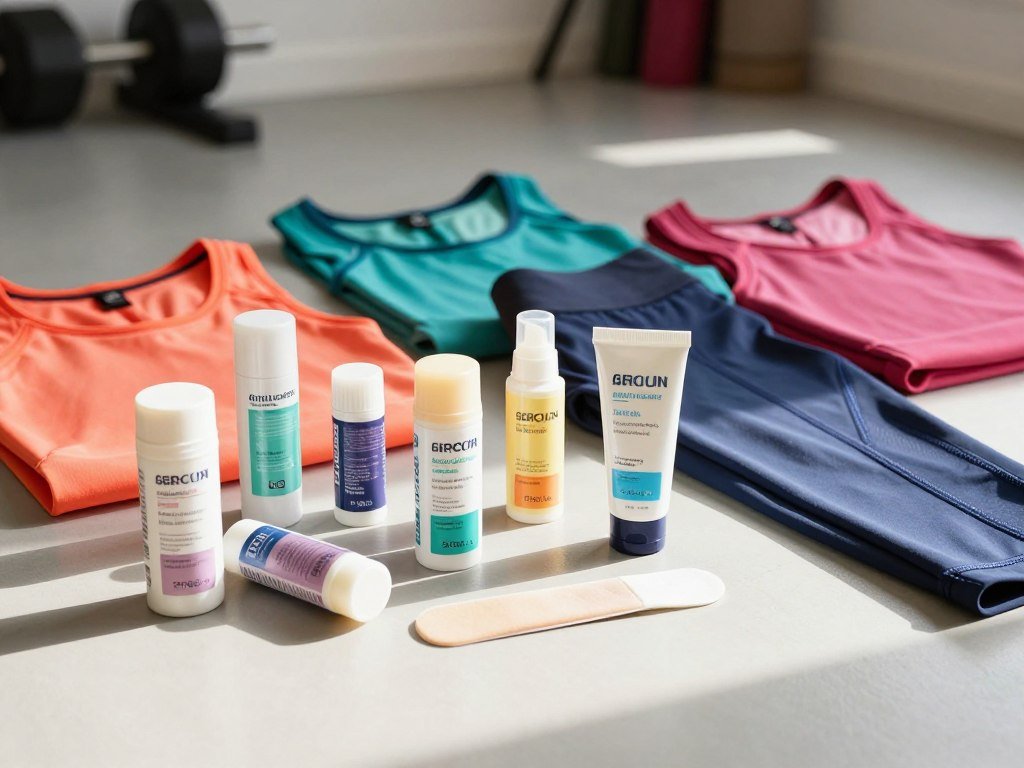
Sticks and balms glide across skin with little mess, which can help when you want a quick application. Many use waxes or oils to create slip between rubbing surfaces. A stick also lets you apply the product without spreading it with your fingers.
Creams and ointments cover a wider area with your hands. Petroleum-based products seal in moisture and can soothe irritation, while silicone formulas reduce friction. Zinc oxide forms a protective film on the skin. Ointments can feel heavier than a stick or cream, so their finish may matter under close-fitting clothes.
A basic body-care routine can also include products chosen to support comfortable skin, such as the options in this body-care product guide. The best fit depends on the rubbing area and the texture you can tolerate.
Moisture-control options: powders and gels
Powders can absorb moisture in warm or sweaty areas. They may work well when dampness is part of the problem, though residue can make some outfits less convenient. Gels spread over skin and dry down, making them a possible choice if you dislike a greasy feel.
Formats can overlap. A barrier may also make skin feel less damp, and a gel can leave a smooth layer after it dries. Read the product label to learn where the maker intends you to use it.
| Format | How it helps | A practical use case |
|---|---|---|
| Stick or balm | Coats skin with a glide layer | Quick application to a small rub point |
| Cream or ointment | Forms a barrier; petroleum can seal moisture | Coverage across a wider skin area |
| Powder | Absorbs some moisture | Damp areas where residue is acceptable |
| Gel | Spreads, then dries on skin | A smoother finish without a greasy feel |
If sweat is the main issue, consider moisture control; if skin rubs repeatedly, prioritize a barrier or physical coverage.
Best Anti-Chafing Products
Gold Bond Friction Defense is the clearest starting pick for a straightforward everyday stick. For everyday movement, it offers a simple glide-on format. It is the all-around choice when you want an easy stick for common friction areas.
Other products suit different needs, including a small travel bag, inner-thigh rubbing or longer activity. The feel of a balm or salve, its portability and the body area all help guide your choice.
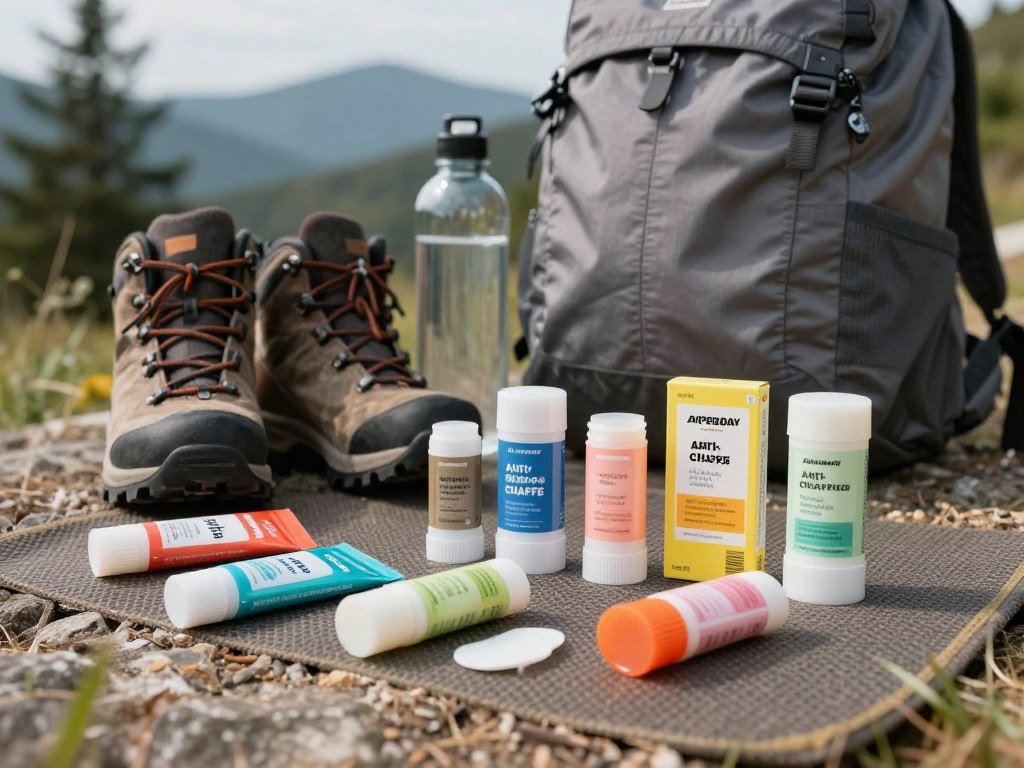
Everyday stick: Gold Bond Friction Defense
Gold Bond Friction Defense is a 1.75-ounce moisturizing stick with a deodorant-style package. It is unscented and designed for easy application. The formula includes zinc oxide, aloe barbadensis leaf extract, bisabolol, tocopheryl acetate and ginger root extract.
Those ingredients create a practical option for daily walks, errands or workouts when you want a solid stick rather than a cream. Gold Bond Friction Defense is the all-around pick for everyday movement, though no product can promise to prevent every kind of chafing.
The Gold Bond stick’s listed ingredients include zinc oxide and aloe alongside other formula ingredients. If you have a known reaction to an ingredient, check the full label before using the stick.
Travel-size stick: Chamois Butt’r GoStick
Chamois Butt’r GoStick weighs 0.2 ounce and offers hands-free application in a compact size. It can fit a small pocket or activity bag when a full-size stick feels bulky. This travel option may suit runners, cyclists or walkers who want to carry a small amount for the day.
The small size is useful for portability, but it also means less product than a standard stick. Keep the applicator clean, especially when you carry it with other gear. Its hands-free format can help you reach a rub point without applying balm with your fingers.
Inner-thigh stick: Megababe Thigh Rescue
Megababe Thigh Rescue is made for areas such as the inner thighs, where skin can rub during daily movement. Its formula includes aloe, pomegranate oil and grape-seed oil. The stick format lets you apply a layer directly where thigh chafing tends to start.
It may suit you when you prefer a glide-on product over shorts or want an added layer with clothing. Consider how the product feels under your outfit, since a stick that stays comfortable is easier to use as part of a routine.
For long activities: Body Glide and salve options
Body Glide Cycle Glide is an anti-saddle-sore stick that may suit cycling friction. For longer outdoor activity, Squirrel’s Nut Butter Anti-Chafe Salve contains coconut oil and cocoa butter. Trail Toes contains petroleum, silicone and beeswax. These options offer different textures for areas that rub during extended movement.
A stick can be easy to carry and apply to a small spot. A salve may spread over a broader area, but can feel greasier on skin or clothing. If your activity involves a saddle, waistband or gear strap, match the product to that specific contact point.
Portability matters on a long route, while a greasy feel may matter more under close-fitting clothing. Choose a format you can apply to the specific friction area without making movement or clothing less comfortable.
What helps prevent thigh chafing during everyday movement?
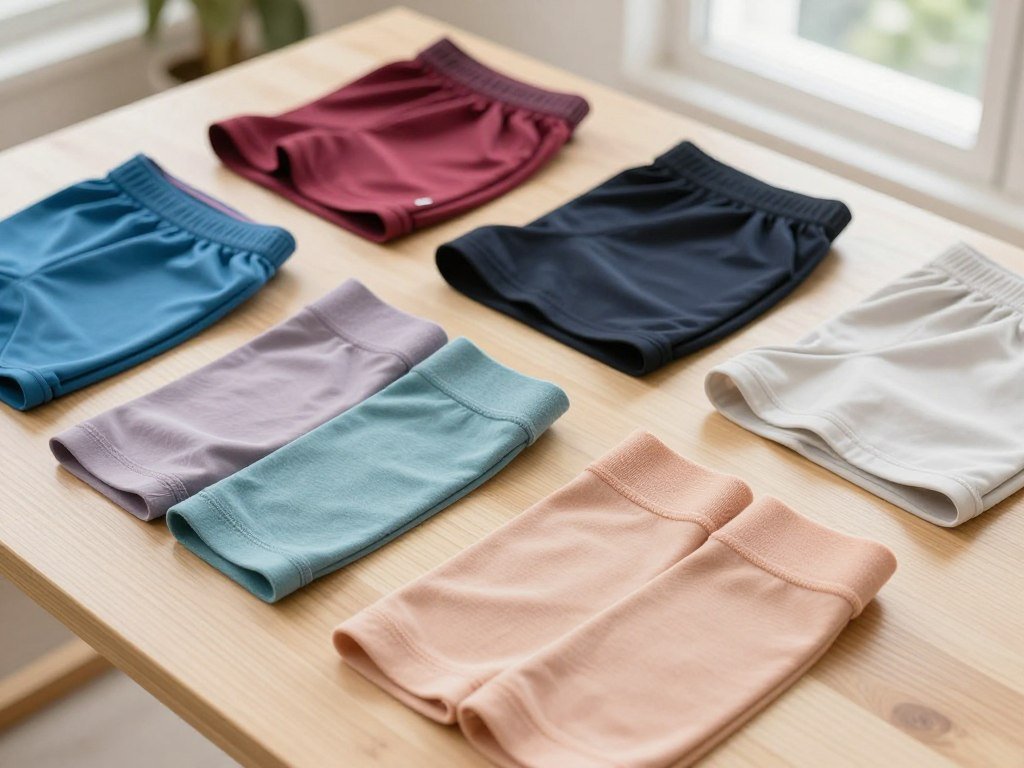
If your inner thighs rub during a walk, begin by reducing skin-on-skin contact with clothing. Anti-chafe shorts or other coverage are the first choice for preventing thigh chafing. Add a barrier product if clothing alone does not give enough comfort, and use powder only if moisture remains a problem.
A stick can help where clothing does not cover the rubbing point. A physical layer may work better when skin contact continues despite a product. For walking comfort, fit, walking routine and terrain also matter when you choose walking shoes.
Which anti-chafing stick works best for thighs?
Megababe Thigh Rescue is a comfortable glide-on option for the inner thighs. It can add slip where skin rubs, while anti-chafe shorts block skin-on-skin contact. If you prefer a product to clothing, use a small amount first and judge how it feels while walking.
The best anti-chafing stick for thighs is the one that stays comfortable with your usual clothing and movement. A product may need reapplication during a long day, while shorts can offer coverage for a longer stretch.
When do shorts or thigh bands work better?
Shorts create a physical barrier over a wider area. Thigh bands can cover the upper thighs without adding a full layer of shorts, but their fit must stay comfortable as you move.
| Option | Coverage or fit details | Listed price |
|---|---|---|
| Lululemon Align High-Rise Short | Sizes 0-20; 2-8-inch inseams | $64 |
| Thigh Society shorts | 7- and 9-inch lengths; sizes S-6XL | Not stated |
| Bandelettes | Silicone backing | Starts at $23 |
Choose the length and fit that cover the area without bunching under your clothes. Shorts should stay in place without feeling so tight that they create a new source of rubbing.
Do women and men need different anti-chafing products?
Women and men can both experience chafing, so start with the body area and movement that trigger yours. Fit and friction area matter more than a gender label. Most people can choose from the same basic product formats, including sticks, creams, powders and gels.
Rubbing can happen between skin or between skin and clothing. Heat and moisture can add to irritation, whether you exercise often or move through a normal workday.
Women’s and men’s products may use different packaging or marketing, but those labels do not tell you how a formula will feel on your skin. A person of any gender may want a stick for quick use, shorts for coverage or powder when sweat is the main concern.
Body shape can affect where rubbing occurs, while clothing changes which areas remain covered. Your routine also matters: a product under a work outfit may feel different from one used for a run or bike ride.
Look for the format that fits your friction area and the clothes you wear most. Pick the format that works with your clothing and routine rather than relying on a gendered label.
Which anti-chafing stick is best for runners?
A runner’s best stick is one that can reach known rub points and goes on before the first miles. Gold Bond Friction Defense is a sensible choice when easy application and broad U.S. retail access matter. Chamois Butt’r GoStick suits runners who put compact, hands-free use first.
Gold Bond comes in a deodorant-style package with zinc oxide and aloe, while the small GoStick is designed for travel. A stick can be convenient, but it does not replace clothing that prevents rubbing.
Apply an anti-chafing cream or stick before activity on clean, dry skin. Use a thin but thorough layer, then check how the area feels during movement. These three steps can make the routine easier:
- Identify known rub points before the run.
- Apply a thin layer to clean, dry skin.
- Check the label before reapplying after washing or heavy sweating.
Common running friction areas include inner thighs, nipples on longer runs, the waistband and armpits. Body Glide Body Original comes in a 0.35-ounce pocket size and a 0.80-ounce travel size, which can suit different carry needs.
A close-fitting shirt or properly placed waistband can still rub during a long workout, so test your full outfit along with the product. Do a short test run with a new product before relying on it for a long event.
When should you choose powder or gel for sweaty skin?
Choose a moisture-focused option when sweat, rather than a lack of glide alone, is making an area uncomfortable. Powder absorbs moisture, while a quick-drying gel may suit you if you dislike a greasy feel. Powder is a poor fit if visible residue on exposed skin would bother you.
A product’s finish can matter as much as its texture in the package. Try it with the clothes you plan to wear, since residue may show on fabric.
Powder for moisture control
Megababe Dust Duo uses cornstarch to absorb moisture and includes aloe, lavender and chamomile. It may suit warm, damp areas where you want a dry feel. The formula can leave a faint white residue, which may be more visible on exposed skin or dark clothing.
Use powder only where you want moisture control, and follow the product label. It can be less convenient if residue bothers you or if you prefer not to see product on your skin.
Quick-drying gel for a smoother feel
Monistat Complete Care Chafing Relief Powder Gel is available at drugstores and dries quickly. A gel may feel less oily than a balm after application. It can be a practical option for someone who wants a smooth finish without a greasy layer.
These formats do not feel the same on every person. Skin, clothing and the amount applied can change how a product feels during the day. Try a small amount first so you can judge the finish on your skin and clothing.
What can you use on skin that is already chafed?
If skin is already raw or stinging, pause the friction that caused it and protect the area from more rubbing. Petroleum jelly can form a protective barrier while the skin settles. Persistent irritation or dark marks without improvement after 4-6 weeks call for a dermatologist.
Keep the area clean and avoid further rubbing as much as you can. Petroleum-jelly-based products can help protect the skin barrier. For more on care for dry or irritated skin, see this guide to products for dry skin.
Chafing can leave skin sore, but symptoms alone do not identify the cause of every skin problem. Let the area recover before returning to activities that cause the same rubbing. If irritation lasts or hyperpigmentation continues without improvement after 4-6 weeks, a dermatologist can assess it.
Watch for signs that may point to a secondary infection. Seek urgent medical care for fever, pus, foul odor, or redness and warmth that are spreading.
- Pus or fluid from the affected skin.
- A foul odor from the area.
- Fever along with skin irritation.
- Warmth or redness that spreads beyond the original area.
Do not try to diagnose an infection from one symptom alone. Seek urgent medical care for fever, pus, foul odor, or redness and warmth that are spreading.
What do Gold Bond and Body Glide cost?
A compact Body Glide stick lists below $6, and a 1.75-ounce Gold Bond stick cost $7 in June 2026. Size and listed price help you compare the two options. Prices can change over time and by retailer.
Gold Bond Friction Defense was described as available at U.S. pharmacies, Walmart, grocery stores with pharmacy sections and online. Body Glide’s pocket and travel sizes give you two ways to carry the stick.
| Product and size | Listed price | Date or size condition |
|---|---|---|
| Gold Bond Friction Defense, 1.75 oz | $7 | June 2026 |
| Body Glide pocket, 0.35 oz | $5.49 | Pocket size |
| Body Glide travel, 0.80 oz | $8.99 | Travel size |
The smaller Body Glide size may be easier to carry in a pocket, while the larger one gives you more product. Gold Bond’s 1.75-ounce stick was listed at $7 in June 2026, and its retail availability included common U.S. stores.
Listed prices are time-sensitive, not a promise of today’s price. Check the retailer’s current listing before buying because prices can change.
What should sensitive skin look for in an anti-chafing product?
If your skin reacts easily, fragrance and known personal triggers deserve a place on your checklist. A small-area test can help you see how a formula feels before wider use. Stop using a product if it makes burning, redness or irritation worse.
First Aid Beauty Anti-Chafe Stick is a fragrance-free example with shea butter and colloidal oatmeal. It also contains ginger root extract and coconut oil. Aloe is another calming ingredient used in some anti-chafing formulas, though no ingredient suits everyone.
Check the full ingredient list, since a short label does not tell you whether a formula includes a personal trigger. If you have sensitive skin, compare the product with other skin-care choices in this dry-skin product guide.
Before using a new product, review these points:
- Fragrance listed on the package.
- Ingredients that have triggered a reaction before.
- Soothing ingredients such as colloidal oatmeal or aloe.
- How the formula feels on your skin.
- Your skin’s response after a small-area test.
Stop using a product that makes burning, redness or irritation worse.
Conclusion
Comfortable movement often starts with one simple change: reduce rubbing where it usually begins. Match a barrier or clothing to the area that chafes and the activity you plan to do. A stick may suit one rub point, while clothing can cover a wider area.
If irritation persists or worsens, seek professional care instead of pushing through discomfort. Try your chosen option on an ordinary day first, then keep using it only if your skin stays comfortable.
FAQ
How often should you reapply an anti-chafing product?
Can you use petroleum jelly to prevent thigh chafing?
Are anti-chafing shorts supposed to feel tight?
Can chafing leave dark marks?
Is powder or gel better for sweaty thighs?
When should you see a dermatologist for chafing?
What should you do if an anti-chafing product irritates your skin?