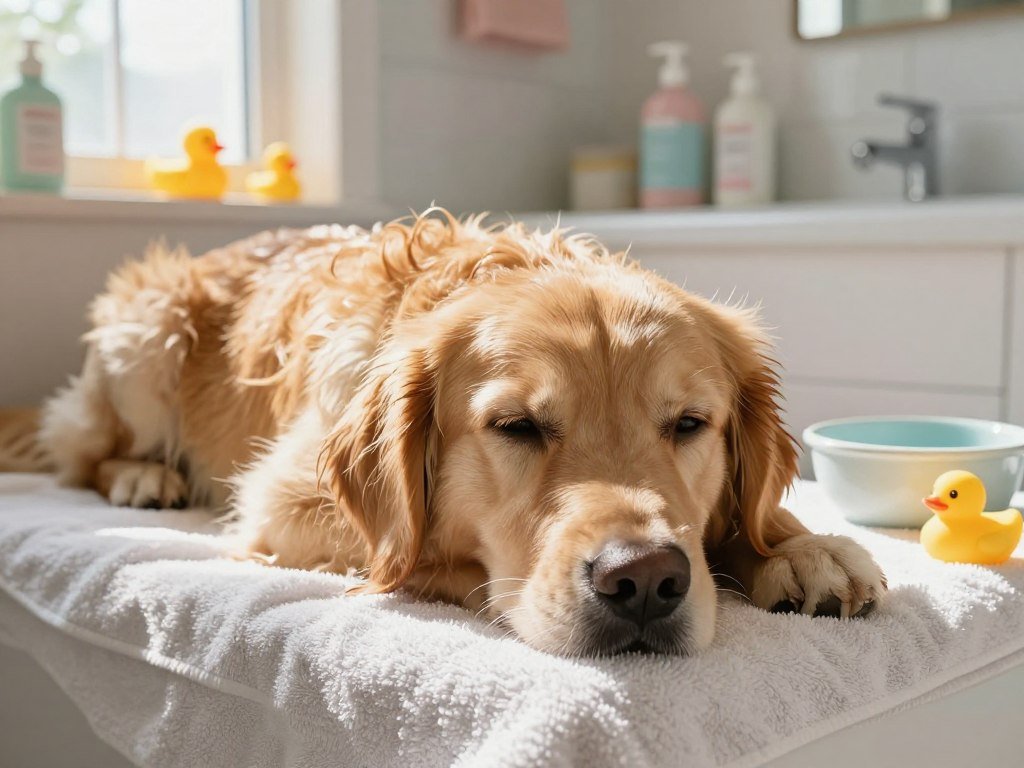
A pleasant-smelling coat matters less than a comfortable, calm dog after bath time. If your dog scratches or reacts to products, choosing a gentle wash can make bath time less stressful. The best dog shampoo is dog-specific and matched to your pet’s skin and coat.
For uncomplicated dry, itchy skin, start with a mild oatmeal or aloe formula. Coat type means the hair pattern and structure that affects a dog’s grooming needs. A shampoo should clean the coat without leaving residue that could bother the skin.
Persistent irritation or signs of infection need veterinary attention, not more product experiments. We’ll compare shampoo types and formulas, then cover ways to bathe without leaving a film behind.
Key Takeaways
- Choose a dog-formulated shampoo that suits your dog’s skin and coat.
- Mild oatmeal or aloe formulas can suit uncomplicated dry, itchy skin.
- Match specialty shampoos to a real grooming or health need.
- Rinse thoroughly so shampoo residue does not irritate the skin.
- Persistent itching, redness, or oozing calls for veterinary care.
For ongoing or severe itching, choose veterinary guidance over trial-and-error shampoo changes.
How to Choose the Best Dog Shampoo
Start with the reason for the bath, then match the shampoo to the dog’s skin and coat. A clear purpose helps you compare dog shampoo labels without being swayed by scent or broad claims.
Check these six points before choosing a formula: age, skin condition, coat type, allergies, bathing purpose, and scent sensitivity. Breed can also guide coat care, as the American Kennel Club recommends considering breed-specific grooming needs.
A shampoo for routine grooming cannot replace a treatment your veterinarian recommends for a diagnosed condition.
Age matters because puppies may need a formula made for their life stage. Climate, coat texture, coat color, allergies, and health conditions can also affect the choice. A veterinarian or professional groomer can help you find a suitable formula.
The word “natural” does not confirm that a product suits every dog. Read the full ingredient list, and ask your veterinarian about a formula when your dog has health concerns. A scent-free choice may suit dogs that react to fragrance.
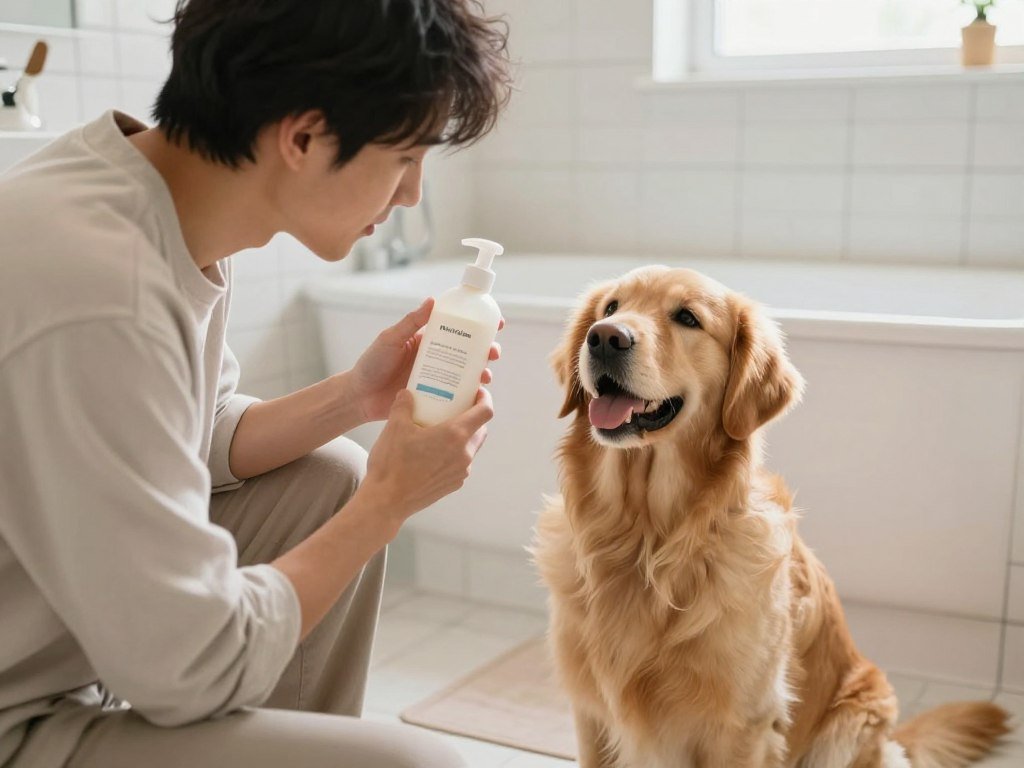
Write down what the bath should do before shopping. A wash for ordinary dirt has a different job from a product chosen for a diagnosed skin problem.
If your dog has a diagnosed skin condition, confirm the formula with your veterinarian before buying.
Which Sensitive-Skin Shampoos Are Worth Comparing?
A gentle oatmeal-and-aloe formula is a practical first comparison for mild, uncomplicated itch. The best dog shampoo for itchy skin depends on what is irritating the dog, so start with the likely need, not the rating alone.
For suspected infection, get veterinary advice instead of choosing a shampoo by its score. The products below offer a starting point for comparing gentle options with a medicated formula.
| Product name | Listed rating | Distinguishing feature |
|---|---|---|
| Earthbath Oatmeal & Aloe Shampoo and Conditioner | 4.7/5.0 | Hypoallergenic and tearless |
| Veterinary Formula Hot Spot & Itch Relief Shampoo | 4.6/5.0 | Listed in hypoallergenic and sensitive-skin category |
| Natural Dog Company Sensitive Skin Shampoo | 4.6/5.0 | Aloe vera, manuka honey, and chamomile |
| Wahl Dry Skin & Itch Relief Pet Shampoo | 4.6/5.0 | Uses colloidal oatmeal |
| Douxo S3 PYO Medicated Shampoo | 4.7/5.0 | Medicated formula with 3% chlorhexidine |
Earthbath, Wahl, and Natural Dog Company offer features aimed at sensitive skin or dry itch. Veterinary Formula Hot Spot & Itch Relief is another sensitive-skin option. These are not the same as a medicated wash intended for targeted use.
The 4.7/5.0 listed rating for Earthbath is a comparison point, not proof it fits every dog. A score cannot tell you whether a formula suits your pet’s allergies, coat, or diagnosed condition.
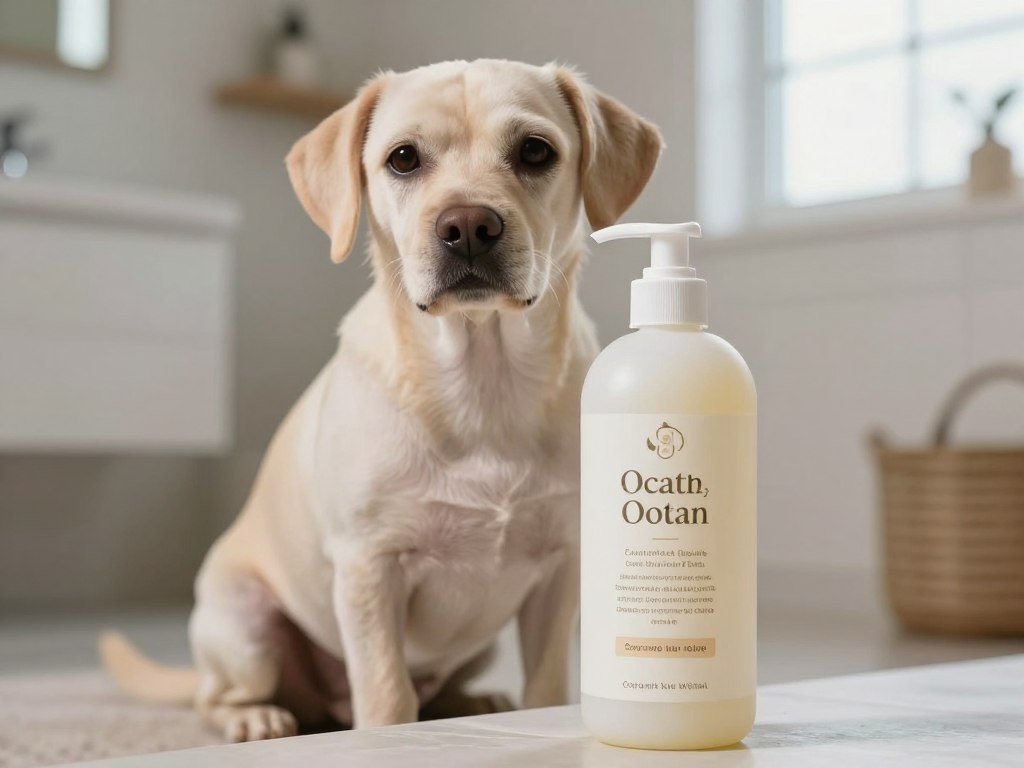
For an oatmeal pet shampoo, check the full formula and match it to the dog’s actual needs. Ratings can help narrow a shortlist, but they do not replace advice when symptoms suggest a health problem.
Match the formula to the reason for the irritation, not just the highest number in a rating column.
Which Ingredients Can Soothe Itchy Skin?
Colloidal oatmeal is a useful label detail when dryness and mild irritation are the main concerns. Oatmeal and aloe vera are soothing ingredients to look for in shampoos for itchy skin, though no ingredient suits every dog.
Choose a simple, dog-formulated wash that fits your pet’s skin needs. The full formula matters more than one appealing ingredient on the front of the bottle.
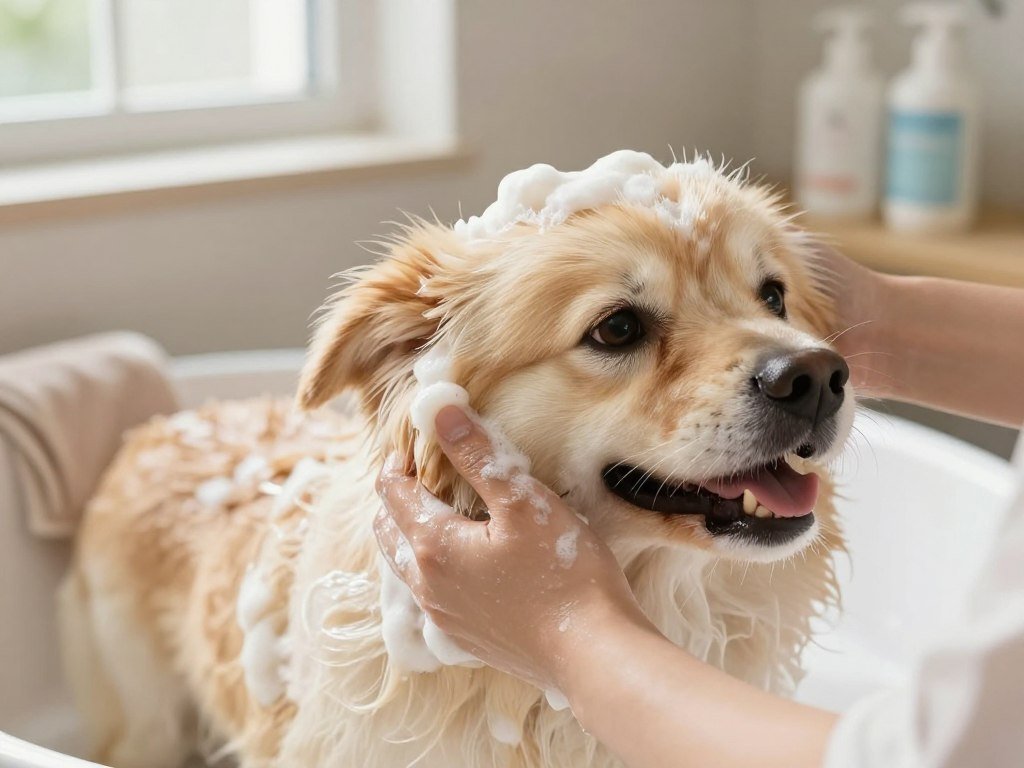
Colloidal oatmeal for moisture and comfort
Colloidal oatmeal is finely prepared for use in skin products. It can help moisturize and soothe canine skin. It is not interchangeable with ordinary pantry oats, which are not made or prepared as a shampoo ingredient.
Look for colloidal oatmeal on the label rather than assuming any product containing oats will work the same way. A dog’s response depends on the whole formula and its skin condition.
Aloe vera and other gentle formula features
Aloe vera appears in many soothing formulas. Some products also use gentle hypoallergenic ingredients or skip added fragrance. A fragrance-free wash may be a better fit if scented products seem to bother your dog.
“Natural” alone does not guarantee that a shampoo is gentle or suitable. Check the complete ingredient list, especially when your dog has reacted to a product before. Natural oils can also affect how a formula feels on the coat.
Try a simple formula with a short ingredient list if your dog has reacted to several products.
Which Shampoo Ingredients Should You Avoid?
A “natural” label does not make every ingredient safe or gentle for every dog. Check the full label, since some ingredients may dry or irritate sensitive skin.
Keep these six grouped checks in mind:
Harsh cleansers, preservatives and dyes
- Traditional soap can strip beneficial natural oils from the skin.
- Sulfates and harsh surfactants may dry or irritate a sensitive dog.
- Parabens, including methylparaben, propylparaben, and butylparaben, may trigger skin sensitivity.
- Artificial dyes may contribute to itchiness or allergic reactions.
- Check for sodium C14-16 alpha olefin sulfonate, which can strip oils and add to dryness, flaking, or irritation.
- Diethanolamine may irritate skin and can react with other ingredients to form nitrosamines.
Those named cleanser and preservative examples are reasons to read labels carefully, particularly if your pet has sensitive skin. A product’s scent or color does not show how gentle it will be.
Fragrance and ingredients that pose added risks
Strong fragrances, peppermint oil, and menthol can bother sensitive pets. Peppermint oil deserves added care in puppy formulas. Skin sensitivity is different from poisoning risk, though both matter when you choose a product.
Xylitol is highly toxic to dogs if ingested. A dog may lick shampoo residue from its coat, so check the complete label rather than scanning only the front.
Check the complete label for xylitol, since a dog can lick residue from its coat.
What Causes Itching, and When Should You Call the Vet?
Itching can come from parasites, allergies, infection, dryness or an injury, so the shampoo is not always the answer. The cause matters because the right response depends on what is bothering the skin.
A shampoo cannot resolve every underlying cause of itching. A single mild dry patch is not the same as oozing skin or severe, ongoing scratching.
Common causes of canine itching
Fleas and other parasites can make a dog scratch. Environmental or food allergies may also cause itch, while dry skin or skin trauma can leave an area uncomfortable.
Bacterial, fungal, or yeast infections are other possible causes. These signs can overlap, so you cannot reliably diagnose the problem at home based on scratching alone.
Signs that need veterinary attention
Arrange a veterinary visit if you notice any of these six signals:
- Persistent or severe itching
- Redness
- Swelling
- Oozing skin
- Excessive scratching or biting
- A change in behavior
Visible changes can help your veterinarian assess what is causing the discomfort. A mild, isolated dry spot may call for a different response than a dog that scratches hard or seems unwell.
Arrange a veterinary visit for persistent or severe itching, visible infection signs or a change in behavior.
Which Shampoo Type Fits Your Dog’s Main Need?
Choose the shampoo category by the job you need done, not by the most dramatic label claim. Routine cleaning differs from care aimed at a skin or parasite problem.
Use a specialty formula only when its purpose matches your dog’s need. A flea shampoo may kill pests present during a bath, but it does not provide lasting prevention.
| Shampoo type | Typical use | Formula feature to check | Important limitation |
|---|---|---|---|
| Everyday | Routine dirt and coat cleaning | Dog-specific cleansing formula | Not a treatment for diagnosed skin problems |
| Hypoallergenic | Sensitive skin or fragrance concerns | Simple, gentle ingredient list | Does not guarantee no reaction |
| Medicated | Targeted skin problem | Active ingredient and label directions | Use with veterinary direction |
| Flea-and-tick | Pests present during bathing | Active pest-control ingredient | Not a lasting prevention plan |
| Deshedding | Loose hair during grooming | Formula suited to coat type | Does not stop all shedding |
Other grooming shampoo categories include deodorizing, clarifying, and coat-brightening formulas. Puppy, waterless, sensitive-skin, and conditioning shampoos also serve different needs.
A label can describe a goal, but it cannot tell you whether that goal fits your dog. Choose based on the bath’s purpose and the coat’s needs.
Keep routine cleansing separate from treatments meant for a specific skin or parasite problem.
How Do Coat Type and Breed Change the Choice?
A short coat and a dense double coat do not need the same bathing approach. Coat structure affects how shampoo reaches the skin and how carefully you need to rinse.
For a Pit Bull-type dog, a gentle dog-specific formula suited to the skin is usually enough. Labrador Retrievers and Golden Retrievers commonly have double coats, with a soft undercoat beneath a denser outer coat.
| Breed example | Common coat type | What to prioritize in a formula |
|---|---|---|
| Pit Bull-type dog | Typically short | Gentle dog shampoo matched to skin |
| Labrador Retriever | Typically double coat | Wash that reaches the skin and rinses fully |
| Golden Retriever | Typically double coat | Formula that reaches through the coat |
Dog coats can be short, double, curly, silky, dense, wooly, or corded. Breed examples are typical, not a promise that every dog of that breed has the same coat.
For a Lab, make sure the wash reaches the skin through the double coat and rinse thoroughly. A shampoo that sits only on the outer hair may not clean the skin well.
For a double coat, spend more attention on getting shampoo to the skin and rinsing it fully than on adding fragrance.
What Makes Puppy Shampoo Different?
Puppy skin needs a gentler choice, but the bottle’s own minimum-age direction still matters. Age comes first when choosing the best dog shampoo for puppies.
Use a dog-formulated puppy shampoo only when its age directions fit your pup. Minimum ages vary by product, so one brand’s rule does not apply to every bottle.
Choose a puppy formula by its age label
Look for a formula made for dogs and labeled for puppies. Puppy shampoos may use coconut-based cleansers, oatmeal, aloe vera, or hypoallergenic formulas.
TropiClean shampoos are made for puppies 12 weeks and older, but other products may set a different minimum age. Read the directions on the exact product you plan to use.
- Check the minimum age on the label.
- Choose a puppy-specific formula.
- Handle your pup gently throughout the bath.
Set a gentle bathing routine
Once a puppy is old enough for regular baths, about once a week can be a starting point. Adjust for activity, fur type, and skin condition instead of following a fixed schedule.
Aloe- and oatmeal-type shampoos are mild options for puppies, but a gentle ingredient does not cancel an age limit. Keep bath time calm and avoid rough rubbing.
Do not use a shampoo on a younger puppy than the product label allows.
When Does a Dog Need Medicated Shampoo?
Medicated shampoo is for a targeted skin problem, not a stronger version of routine shampoo. Use it for a reason, such as a diagnosed or veterinarian-suspected condition.
The active ingredient should match the skin problem your veterinarian is treating. A bad smell alone is not enough reason to choose a medicated wash.
Match the active ingredient to a diagnosed need
The active ingredient is the shampoo’s main treatment ingredient. For example, Douxo S3 PYO Medicated Shampoo contains 3% chlorhexidine. That example is not a universal recommendation for every itchy dog.
A veterinarian may suggest a medicated product when routine grooming is not the right tool. The treatment depends on the problem being addressed, not simply on how strong a shampoo sounds.
Use medicated formulas with veterinary direction
A vet-recommended dog shampoo depends on the diagnosis. Follow the directions for how to use the product, and do not turn a targeted formula into an everyday wash without guidance.
Medicated dog shampoos may have age restrictions. Check the label before using one on a puppy or senior dog, and ask your veterinarian if the directions are unclear.
Follow the veterinarian’s directions and the product label, especially when age restrictions apply.
Do Flea and Tick Shampoos Prevent Reinfestation?
Flea-and-tick shampoo deals with pests present at bath time, not future exposure. The bath is temporary: it can kill pests on the dog then, but it does not provide lasting prevention.
A separate veterinarian-approved prevention plan is needed to address the risk of fleas or ticks returning. Shampooing alone does not protect a dog from later exposure.
Check active ingredients carefully if you have cats at home. Permethrin in pest-control shampoos can endanger cats, which are highly sensitive to it.
Keep the shampoo’s limits in mind when choosing flea or tick care. A product made for pests present during bathing is not a substitute for ongoing prevention.
Check with your veterinarian before combining parasite products.
Which Shampoos Help With Odor, Shedding, or Coat Care?
A clean-smelling coat starts with cleaning well, not masking odor with a strong scent. Choose the grooming job first, then decide whether your dog needs shampoo, conditioner, or both.
The best dog shampoo for smelly dogs cleans ordinary coat odor rather than covering it with heavy perfume. An unusually strong or persistent smell belongs with the veterinarian.
Deodorizing formulas for a smelly coat
Deodorizing formulas can help clean everyday smells from the coat. If a dog still smells unusual after a bath, perfume may hide a sign of a skin or health problem rather than solve it.
Odor control should come from cleaning the coat, not from a scent that lingers. A strong fragrance may also bother a dog that is sensitive to scented products.
Conditioner and detangling for coat care
A separate conditioner or detangling formula can help soften hair and ease brushing, especially when the coat knots easily. Choose a dog product made for your pet’s coat and skin.
Conditioner can reduce friction between hairs and make combing easier. If you want the best dog shampoo and conditioner, choose both products for the same coat needs and follow each label’s directions.
For a general explanation of how conditioner can soften hair and ease detangling, see how conditioner supports detangling. That page discusses human hair care, so use dog-specific directions for your pet.
Deshedding and coat-brightening options
Deshedding formulas and coat-brightening shampoos are grooming aids. They may help with loose hair or coat appearance, but they do not cure all shedding or changes in coat health.
Double-coated dogs may need a wash that reaches the skin and undercoat. Colloidal oatmeal, aloe vera, vitamin E, and coconut oil are common coat-care ingredients, but the full formula still matters.
Ask a groomer or veterinarian about a sudden coat change instead of covering it with a specialty formula.
What Dog Shampoo Do Groomers Use?
Groomers typically keep more than one formula available because one bottle cannot suit every coat and skin need. The dog sets the choice, along with the cleaning or finishing goal.
Groomers may choose hypoallergenic, medicated, deshedding, whitening, flea-and-tick, or conditioning shampoos. Their choice can also reflect coat texture, skin sensitivity, and client preference.
- Bark2Basics
- Green Groom
- BatherBox
- The Coat Handler
- Espree
- TropiClean
These brands are examples, not endorsements or a claim that every groomer uses them. A salon may choose a formula based on the coat in front of them, rather than one favorite brand for every dog.
Salon products may also have dilution directions that differ from ready-to-use bottles. Ask which formula was used and whether it is suitable for your dog’s next at-home bath.
Can You Use Human Shampoo or Dawn on a Dog?
Choose a dog-formulated shampoo for routine bathing, not human shampoo or dish soap. Dog skin has a different pH, so human shampoo is not a routine substitute.
Dog skin pH is 6.5-7.5, while human skin pH is 5.5-5.6. Excessively alkaline formulas can disrupt a dog’s skin barrier and lead to dryness, itching, or irritation.
| Product | Skin suitability and role | Key limitation |
|---|---|---|
| Dog shampoo | Made for routine dog bathing | Choose for the dog’s skin and coat |
| Human shampoo | Made for human skin and hair | Not a routine wash for dogs |
| Dawn dish soap | Small doses are described as safe for adult dogs | Not for puppies or regular maintenance |
Dawn can remove adult fleas and flea dirt from a dog’s coat, but it does not stop fleas from returning. It can dry or irritate skin, so it is not a choice for regular baths.
Wait 24-48 hours after a Dawn bath before applying a topical flea-and-tick treatment. That gap matters if you plan to use a topical product after washing.
If fleas are the concern, use a veterinarian-guided prevention plan rather than repeating Dawn baths.
How Often Should You Bathe a Dog?
Bath frequency depends on coat and skin, and weekly baths are not right for every dog. Use the dog’s needs to set the schedule, rather than bathing by habit.
Hairless breeds may need weekly baths, while Golden Retrievers may go 6-8 weeks between shampoo baths. These are examples, not a universal timetable for every dog.
Dirt and outdoor activity can mean more frequent cleaning. Coat type and skin health also matter: a dog with a coat that holds debris may need a different schedule from one with healthy, low-maintenance hair.
Many healthy dogs do well with baths every 4-12 weeks, though lifestyle and coat type change the interval. The ASPCA advises bathing at least every three months, with more frequent baths sometimes needed outdoors or for skin problems.
Overbathing can dry a dog’s skin and worsen irritation. Rinse shampoo fully, since residue left behind can add to discomfort.
Virginia Tech’s veterinary bathing tips note that a healthy dog’s skin barrier can recover more than 50% within 24 hours and fully restore in about 72 hours after damage.
If bathing more often seems necessary because of itching or odor, ask your veterinarian what is driving the problem.
How Can You Bathe a Dog Without Irritating Skin?
Careful rinsing matters as much as choosing a gentle formula. Leftover shampoo can bother skin, especially when it stays close to the coat.
Rinse until the water runs clear, then check that no suds remain. Keep the wash away from the eyes, nose, mouth, and ears.
Rinse again if you can still feel suds or residue in the coat.
- Brush out loose hair before the bath.
- Wet the coat fully with slightly warm water.
- Massage shampoo through the coat, keeping it away from face openings.
- Rinse thoroughly until the water runs clear.
- Blot the coat dry with towels.
Work patiently through dense areas so you do not leave shampoo trapped in the coat. The ASPCA’s dog grooming tips also advise avoiding the eyes, ears, and nose, rinsing well, and drying your dog.
Puppy skin can be bothered by leftover shampoo, so keep rinsing until the coat feels clean. Dry skin folds and the spaces between toes fully after the bath.
Conclusion
The best choice is the gentlest dog-specific formula that fits your dog’s actual skin and coat needs. A gentle wash can suit mild dryness, but persistent itching or signs of infection need veterinary care.
Check the label on a mild formula before using it. If symptoms persist, ask your veterinarian before trying a treatment shampoo for ongoing skin trouble.
FAQ
What is the best shampoo for dogs?
What is the #1 dog shampoo?
What dog shampoo do most groomers use?
What dog shampoo do vets recommend?
What is the highest rated dog shampoo?
What dog shampoo to avoid?
Which dog shampoo brands are considered bad?
Can I use Dawn soap to wash my dog?