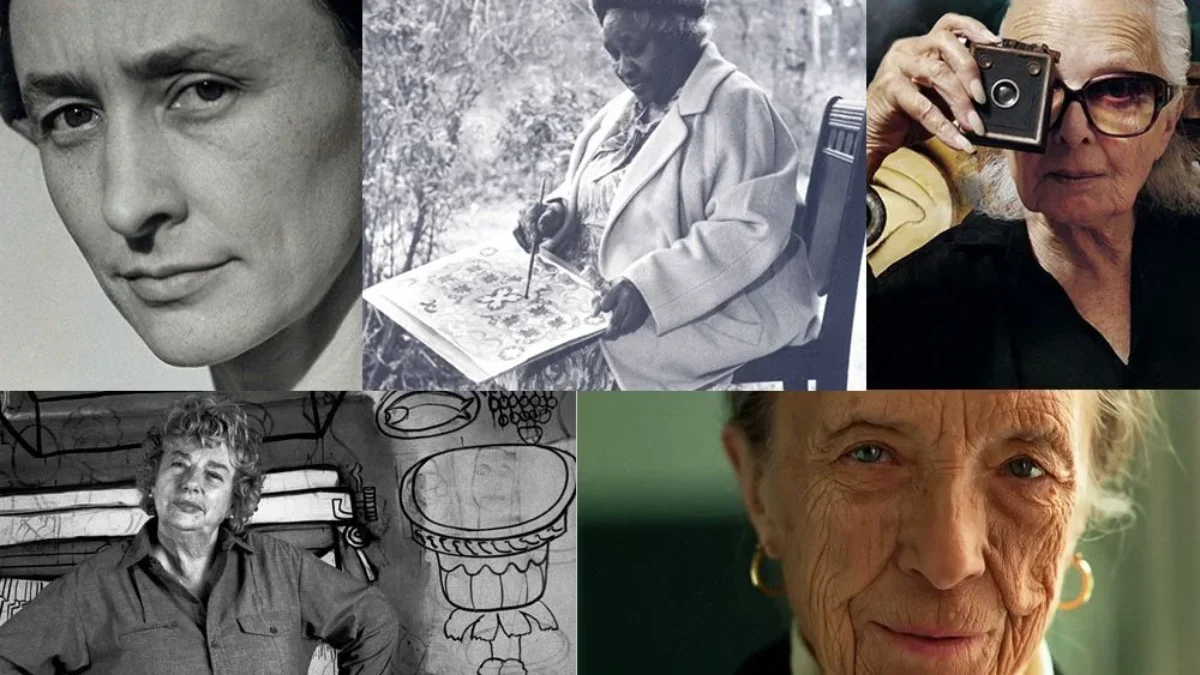
Imagine walking through a grand art museum. Golden frames line the walls, famous paintings attract crowds, and the names of celebrated masters appear on labels and in guidebooks. You recognize the familiar figures: Rembrandt, Michelangelo, and Rubens.
But what if some of the most remarkable artists in history were missing from the story?
For centuries, women painted royal portraits, created ambitious religious scenes, mastered still-life painting, and built professional careers despite restrictions that made artistic training and recognition difficult. Some earned admiration during their lifetimes, only to fade from public memory. Others had their work misattributed to men or were excluded from the art historical narratives that shaped generations of museum visitors.
Today, researchers and museums are helping restore their place in the story. These 12 female artists demonstrate that women were never absent from the history of art. Too often, their contributions simply went unrecognized.
1. Artemisia Gentileschi: The Baroque Painter Who Put Women at the Center
Artemisia Gentileschi (1593–c. 1653) painted women who refuse to become background characters.
Working in the dramatic Baroque style, the Italian artist created powerful scenes filled with intense expressions, deep shadows, and striking contrasts of light. Her paintings often depict biblical and mythological women as determined, complicated figures rather than passive spectators.
Her celebrated work Judith Slaying Holofernes is a vivid example. The biblical heroine and her companion overpower a powerful man, creating a scene that feels immediate and physically intense.
Gentileschi trained in her father’s workshop and eventually developed an international career, working for influential patrons. She became the first woman admitted to Florence’s prestigious Accademia delle Arti del Disegno.
Her life also included a notorious rape trial, which exposed the unequal treatment women could face in her society. Yet reducing her legacy to that trauma overlooks the skill, ambition, and professional determination that made her an important painter in her own right.
Today, Gentileschi is increasingly recognized as a major figure of Baroque art.
2. Sofonisba Anguissola: The Renaissance Artist Who Earned Royal Trust
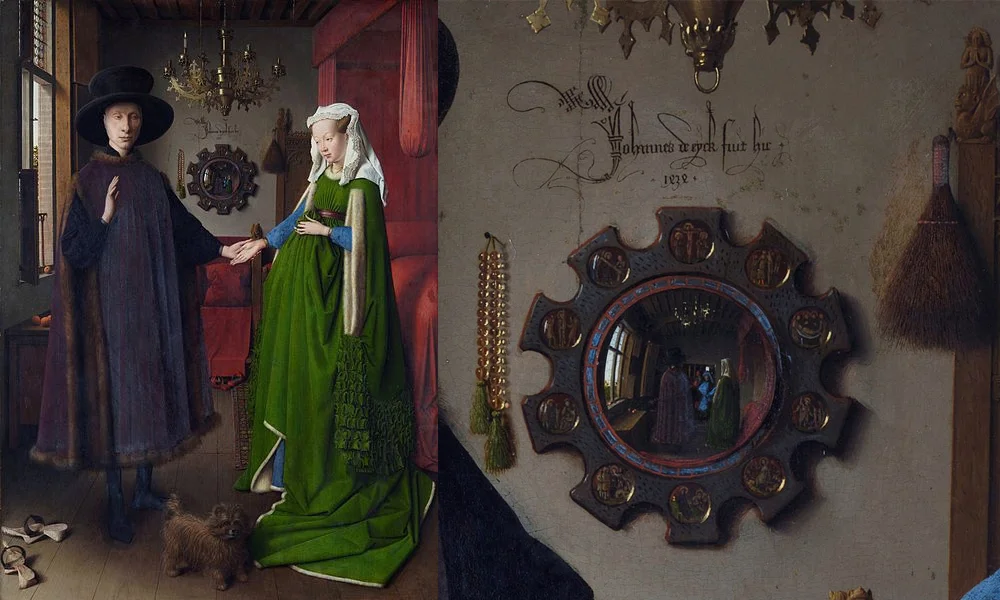
Before the modern idea of a celebrity portrait artist, Sofonisba Anguissola (c. 1532–1625) was already building an impressive reputation across Renaissance Europe.
Born into a noble Italian family, she developed a talent for portraiture that attracted the attention of influential patrons. Her work eventually brought her to the Spanish court, where she served as a painter and lady-in-waiting to Queen Elisabeth of Valois.
Anguissola’s portraits are notable for their psychological warmth. Rather than presenting sitters as distant symbols of wealth or status, she often captured subtle expressions and the relationships between people.
Her painting The Chess Game depicts her sisters in a domestic setting, offering a glimpse of personality and family interaction that feels unusually intimate for its time.
Her success challenged assumptions about what women could accomplish professionally. Yet she was later less prominent in many standard accounts of Renaissance painting than male artists whose careers unfolded in similar circles.
Anguissola’s story reminds us that women could gain recognition even within restrictive systems but recognition during a lifetime did not guarantee lasting fame.
3. Lavinia Fontana: The Woman Who Built a Professional Painting Career
In late Renaissance Italy, Lavinia Fontana (1552–1614) achieved something remarkable: she developed a substantial professional career while balancing the expectations placed on women in her society.
Born in Bologna, Fontana trained with her father, the painter Prospero Fontana. She became known for portraits, religious paintings, and large compositions featuring numerous figures.
Her work attracted wealthy clients, and her career expanded beyond the limits of a conventional domestic role. After moving to Rome, she continued producing paintings for influential patrons.
Fontana’s portraits often feature elaborate clothing, jewelry, and carefully rendered details. These elements were not merely decorative. They helped communicate the sitter’s identity, wealth, and social standing.
Her religious works also demonstrated her ability to handle complex compositions on a scale that challenged the idea that women should remain confined to smaller, private forms of art.
Fontana was not simply an exceptional woman permitted to paint. She was a working professional whose commissions helped support a successful career. Fontana’s portraits show how jewelry and clothing signal status. For a modern take, see how to style luxury accessories.
4. Judith Leyster: The Dutch Master Hidden Behind Another Name
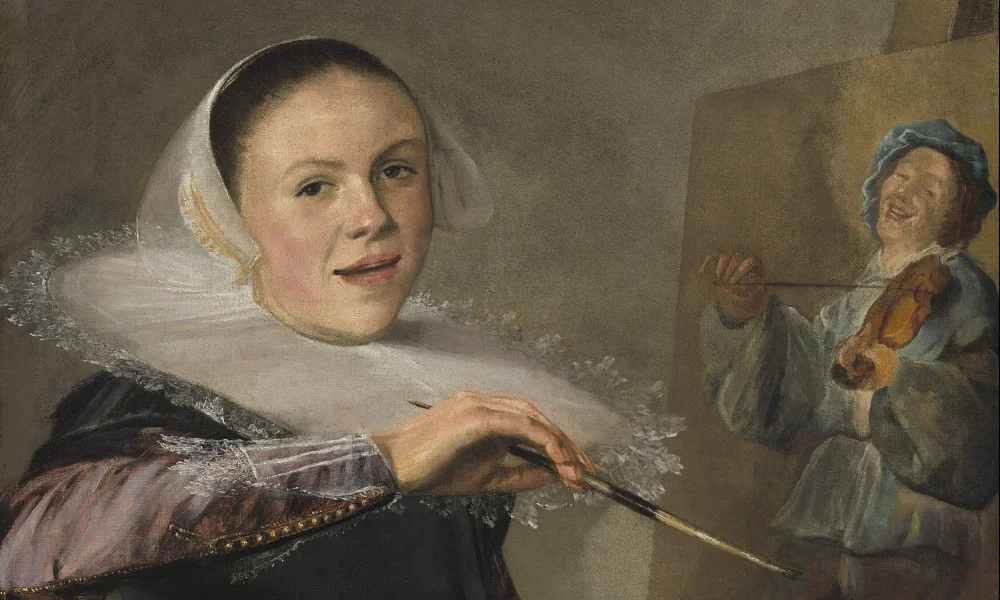
Judith Leyster (1609–1660) understood how to make a painting feel alive.
The Dutch artist became known for lively scenes of musicians, cheerful drinkers, and everyday social encounters. Her figures often seem caught in the middle of a joke or conversation, giving her paintings an immediacy that still appeals to modern viewers.
Leyster was accepted into the Haarlem painters’ guild and operated her own workshop, achievements that established her as a professional artist during the Dutch Golden Age.
Yet her reputation later suffered. Several of her paintings were attributed to the better-known male painter Frans Hals or to her husband, Jan Miense Molenaer. Her distinctive signature, which incorporated a star, eventually helped researchers identify works that had been credited to others.
The rediscovery of Leyster’s paintings reveals how attribution can shape artistic reputation. A painting may remain admired while the person who created it disappears from the historical record.
Her career is a reminder that recognizing an artist requires more than appreciating the artwork. It also requires asking whose name belongs beside it.
5. Clara Peeters: The Still-Life Painter Who Hid Herself in Her Art
At first glance, Clara Peeters’ (c. 1594–after 1657) paintings might seem like beautifully arranged displays of food, vessels, and luxury objects.
Look more closely, however, and her still lifes reveal extraordinary attention to surface, texture, and light. A metal cup reflects its surroundings. Bread and cheese appear almost tangible. Carefully arranged objects suggest abundance, taste, and social status.
Peeters was an important early practitioner of still-life painting in the Flemish tradition. Her work demonstrates that a genre sometimes dismissed as modest could demand considerable technical sophistication.
In several paintings, she included tiny self-portraits reflected in the polished surfaces of vessels. These miniature reflections are easy to miss, but they offer a fascinating form of artistic self-representation.
Peeters’ paintings also show why the history of women artists is not limited to portraits or religious subjects. Women made significant contributions to still life, a field that later art histories did not always treat with the same prestige as large historical paintings.
Her work rewards patient looking and challenges the assumption that a quiet subject must belong to a lesser artist.
6. Fede Galizia: The Italian Painter Who Made Still Life Her Own
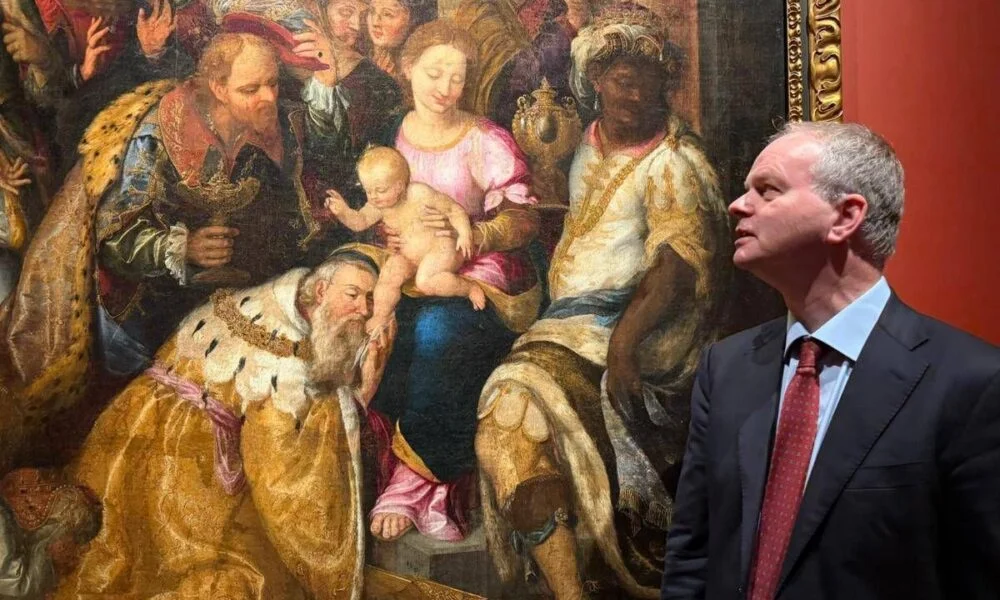
Fede Galizia (1578–1630) established herself in Milan as a skilled painter of portraits and still lifes during a period when women faced substantial barriers to artistic independence.
Her fruit paintings are especially admired for their precision. Apples, pears, peaches, and other objects are arranged with careful balance, allowing their color, shape, and surface to become the focus.
Galizia’s approach was controlled rather than theatrical. She demonstrated how a small composition could hold a viewer’s attention through proportion, light, and detail alone.
She also worked in portraiture and religious painting, showing that her abilities extended well beyond one subject.
Her career matters because it reveals the range of professional opportunities some women managed to create despite restrictive institutions and social expectations.
Galizia’s paintings invite us to reconsider what artistic ambition looks like. Not every masterpiece needs a monumental canvas or a dramatic narrative. Sometimes mastery lies in the precision of a single piece of fruit.
7. Michaelina Wautier: The Painter Whose Ambition Defied Expectations
Michaelina Wautier (c. 1604–1689) is one of the most compelling examples of an artist whose abilities were not fully recognized by later generations.
Working in the seventeenth-century Southern Netherlands, Wautier produced portraits, genre scenes, and ambitious historical compositions. Her range was unusual for a woman working within the artistic conventions of her time.
One of her most striking works, The Triumph of Bacchus, depicts a crowded mythological scene filled with figures and movement. Its scale and complexity challenge the assumption that women artists were generally limited to small portraits or decorative subjects.
For a long time, Wautier’s work received less attention than that of many male contemporaries. Modern scholarship has helped bring her paintings into wider discussion, allowing viewers to appreciate both her technical ability and the breadth of her interests.
Her story also reveals a larger problem: when historians assume women could not have created ambitious works, paintings by women can be overlooked, misidentified, or insufficiently studied.
Wautier’s career shows why art history must be willing to reconsider its own assumptions.
8. Rachel Ruysch: The Flower Painter Who Built an International Reputation
Rachel Ruysch (1664–1750) transformed flowers into elaborate visual worlds.
A Dutch painter of still lifes, Ruysch was known for compositions featuring richly detailed bouquets, delicate petals, and carefully observed natural forms. Her paintings combined scientific curiosity with artistic drama, bringing together flowers that might not bloom at the same time in nature.
Her work was admired during her lifetime, and she achieved unusual professional success. She became a member of The Hague’s painters’ society and received commissions from wealthy collectors, including members of European nobility.
Ruysch’s paintings are more than attractive arrangements. Their intricate details reflect close observation of the natural world, while their carefully balanced compositions reveal a sophisticated understanding of color and movement.
Despite her success, she is still less familiar to many casual museum visitors than male Dutch masters.
Her career complicates the idea that women artists were always excluded from recognition. Some achieved significant acclaim, but their place in the broader canon could still diminish over time. Floral and still-life painting still inspire interiors, as in our luxury home decor ideas.
9. Maria van Oosterwijck: A Master of Symbolic Flower Paintings
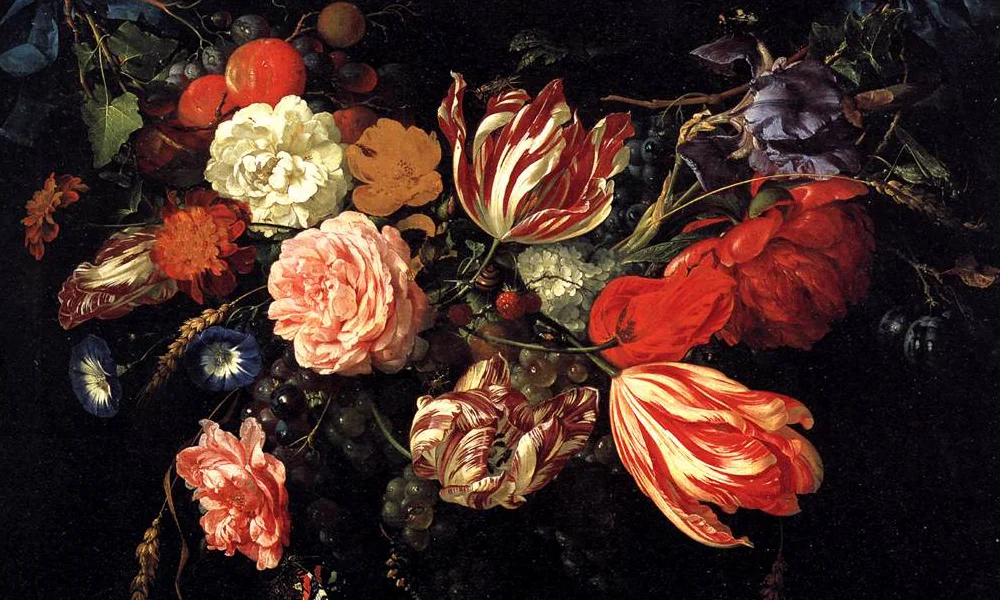
Maria van Oosterwijck (1630–1693) created detailed flower still lifes that combined beauty with symbolic meaning.
Like other Dutch still-life painters, she worked in a tradition where flowers, insects, fruit, and objects could suggest ideas about wealth, nature, mortality, and the passage of time.
Her carefully composed paintings required exceptional patience and technical control. Every petal, leaf, and insect contributed to the overall visual effect.
Van Oosterwijck gained influential patrons, including members of European royal circles. Her success demonstrates that women could reach elite markets even when professional opportunities remained uneven.
Yet still-life painting has sometimes occupied a lower position in traditional artistic hierarchies than history painting. That distinction has contributed to the underappreciation of artists who excelled in the genre.
Van Oosterwijck’s work deserves attention not because it fits a different standard for women, but because it demonstrates mastery within a demanding artistic tradition.
10. Plautilla Nelli: The Renaissance Nun Who Painted on a Monumental Scale
Plautilla Nelli (1524–1588) pursued art from within a convent in Renaissance Florence.
As a Dominican nun, she lived in a religious environment that shaped her artistic practice. She became known for devotional paintings, including large compositions intended to communicate biblical stories and spiritual emotion.
Her circumstances differed from those of artists working in commercial workshops, but they did not prevent her from developing a substantial artistic practice. Nelli trained other women in her community, helping create a network of female artistic activity.
For centuries, her work received limited attention outside specialist circles. Her rediscovery has helped demonstrate that women artists contributed to Renaissance art in ways that cannot be understood solely through the conventional model of the independent male workshop master.
Nelli’s story also broadens the meaning of artistic opportunity. Religious institutions could restrict women’s lives, but in certain circumstances they also provided spaces where women could study, create, and collaborate.
Her legacy is a reminder that the history of art was shaped in convents and communities as well as courts and commercial studios.
11. Élisabeth Vigée Le Brun: The Portraitist Who Painted Europe’s Elite
Élisabeth Vigée Le Brun (1755–1842) became one of the most successful portrait painters of eighteenth-century Europe.
Her name is closely associated with portraits of Marie Antoinette, but her career extended far beyond the French royal court. She painted aristocrats, intellectuals, and wealthy patrons, developing a style that combined elegance with an approachable sense of personality.
Her success was especially notable because the art world remained heavily shaped by institutions that limited women’s access to professional training and recognition.
The French Revolution transformed her life. Her association with the royal court forced her to leave France, after which she continued working across Europe and built an international clientele.
Vigée Le Brun also wrote memoirs that offered insight into her life and profession. Her story reveals the relationship between artistic skill, political upheaval, social connections, and survival.
Although she was famous during her lifetime, her reputation has sometimes been filtered through discussions of royal fashion and court culture rather than the full scope of her artistic achievement.
Her work deserves to be considered alongside the leading portraitists of her era. Art still shapes fashion today. See our guide to art-inspired fashion trends.
12. Rosa Bonheur: The Artist Who Made Animals the Stars
Rosa Bonheur (1822–1899) built a remarkable career by painting animals with a level of attention and seriousness that challenged artistic conventions.
The French artist studied animal anatomy and observed livestock and horses closely. Her large painting The Horse Fair depicts a bustling scene of powerful horses and handlers, capturing movement, energy, and physical presence.
The painting became one of her best-known works and helped establish her international reputation.
Bonheur worked in a period when women continued to face social restrictions, but she developed a professional identity that did not fit conventional expectations of femininity. She obtained official permission to wear trousers in certain public settings because practical clothing made her work easier.
Her success illustrates that women were not confined to one subject or style. She pursued animal painting with ambition and technical rigor, earning recognition for the quality of her work.
Bonheur’s legacy also reminds us that the boundaries of fine art have never been fixed. Subjects once considered less prestigious could become the foundation of major artistic careers.
Why Were So Many Female Artists Overlooked?
There was no single reason women artists disappeared from so many accounts of art history. Their stories were shaped by overlapping social, educational, commercial, and institutional barriers.
Limited access to artistic training
In many European societies, women were excluded from formal academies or faced restrictions on studying anatomy from nude models. These barriers made it harder to train in subjects considered central to prestigious history painting.
Some women learned through family workshops, convents, private tutors, or informal networks. Their achievements often depended on finding routes around institutions that were not designed to support them.
Works attributed to male artists
Paintings by women were sometimes credited to fathers, husbands, teachers, or more famous male contemporaries. As a result, their work could remain in collections while their names vanished from the record.
Researchers use signatures, archival documents, technical analysis, provenance, and comparisons with securely attributed works to investigate these cases.
Artistic hierarchies that undervalued certain subjects
Traditional art academies often placed large-scale history painting above still life, portraiture, and other genres in their hierarchies of artistic importance.
Women frequently worked in areas that were more accessible to them, including portraiture, miniature painting, flower painting, textiles, and decorative arts. When historians treated these forms as less important, the contributions of many women were marginalized.
Museums and textbooks shaped the canon
Museum acquisitions, exhibition decisions, and influential art history books helped determine which artists became household names.
When collections and textbooks repeatedly emphasized male artists, later generations inherited a distorted picture of who created important art.
Today, museums and researchers are revisiting collections, examining old attributions, and organizing exhibitions that place women’s work in a broader historical context.
How Museums Are Rediscovering Women Artists
Recovering overlooked artists involves more than adding unfamiliar names to museum labels. Researchers must establish who created a work, understand how it was made, and investigate the circumstances in which it was commissioned and preserved.
Art historians study historical records, workshop practices, signatures, and ownership histories. Conservators may examine pigments and painting techniques, while museums compare works across collections to reassess attributions.
Exhibitions devoted to women artists also help visitors see connections between individuals who were once treated as isolated exceptions.
The result is a fuller account of art history. Instead of presenting women as rare anomalies in a male-dominated story, researchers can examine their professional networks, shared techniques, patrons, and contributions across different artistic traditions.
This process is ongoing. Some artists are well documented, while others remain difficult to study because their work has been lost, dispersed, or incorrectly attributed.
Frequently Asked Questions
Who are some of the most overlooked female artists in history?
Artemisia Gentileschi, Judith Leyster, Clara Peeters, Michaelina Wautier, Plautilla Nelli, and Fede Galizia are among the women whose contributions have received renewed attention. Other influential artists, including Sofonisba Anguissola, Lavinia Fontana, Rachel Ruysch, and Rosa Bonheur, also deserve recognition in broader accounts of art history.
Why were female artists excluded from art history?
Women faced barriers to formal training, professional institutions, and influential commissions. Their work was also sometimes misattributed, while historical accounts often favored male artists and ranked the genres in which women frequently worked as less prestigious.
Which female artist painted Judith Slaying Holofernes?
Artemisia Gentileschi painted a famous version of Judith Slaying Holofernes in the early seventeenth century. The dramatic Baroque painting depicts the biblical heroine and her companion overpowering Holofernes.
Were women artists successful during their own lifetimes?
Yes. Sofonisba Anguissola, Lavinia Fontana, Rachel Ruysch, Élisabeth Vigée Le Brun, and Rosa Bonheur all achieved significant recognition. Their later visibility varied, showing that contemporary success did not always translate into lasting prominence in art history.
How are researchers identifying paintings by overlooked women?
Researchers examine signatures, archival records, ownership histories, painting techniques, materials, and stylistic similarities. This evidence can help establish authorship or challenge attributions that have remained unquestioned for generations.
Are women artists still underrepresented in museums?
Representation varies across museums, collections, and periods. Many institutions have expanded research, acquisitions, and exhibitions focused on women artists, but historical collecting patterns and long-established art historical narratives continue to influence which artists receive the most attention.
Final Thoughts
A painting can survive for centuries while the story of its creator fades away.
That is part of what makes the rediscovery of these 12 women so meaningful. Their work was not valuable simply because they overcame barriers. It was valuable because they developed distinctive artistic voices, mastered demanding techniques, built careers, and expanded what art could look like.
Some painted queens. Others painted flowers, biblical heroines, intimate family scenes, or powerful animals. Their subjects differed, but each reveals a different part of a creative world that traditional histories too often presented incompletely.
The next time you visit an art museum, look beyond the most familiar names. A painting’s history may be more complicated than its label suggests, and the artist who deserves your attention may be someone history is only beginning to recognize.
Disclaimer: This article is intended for informational purposes only.