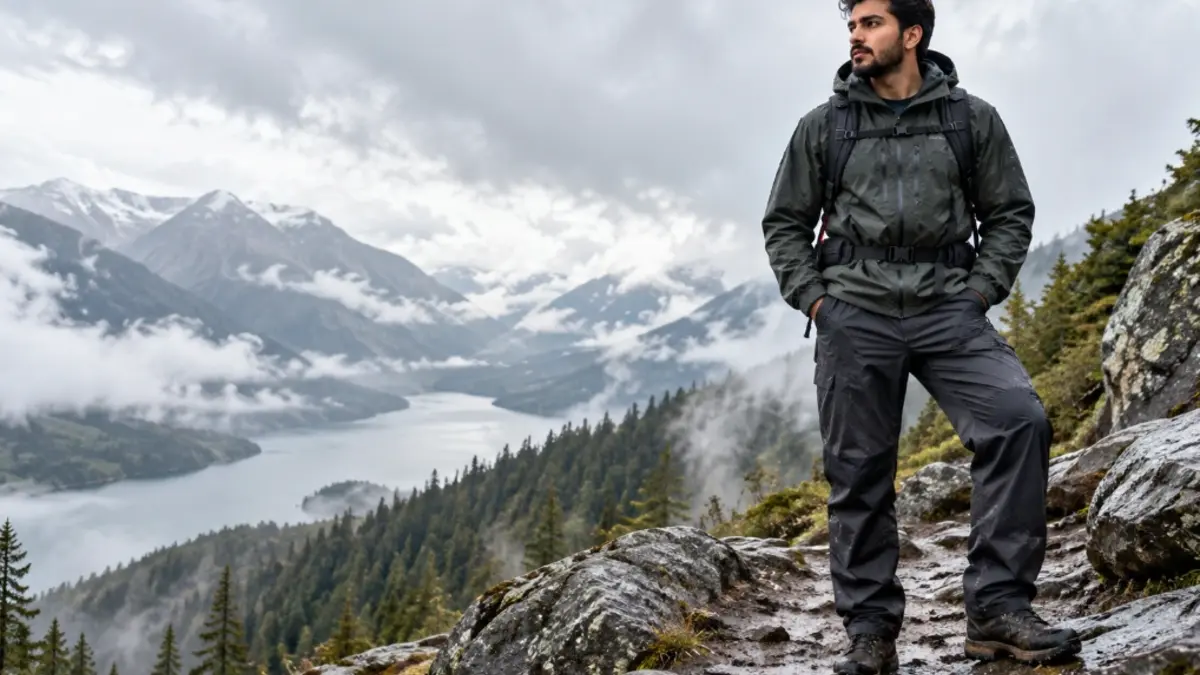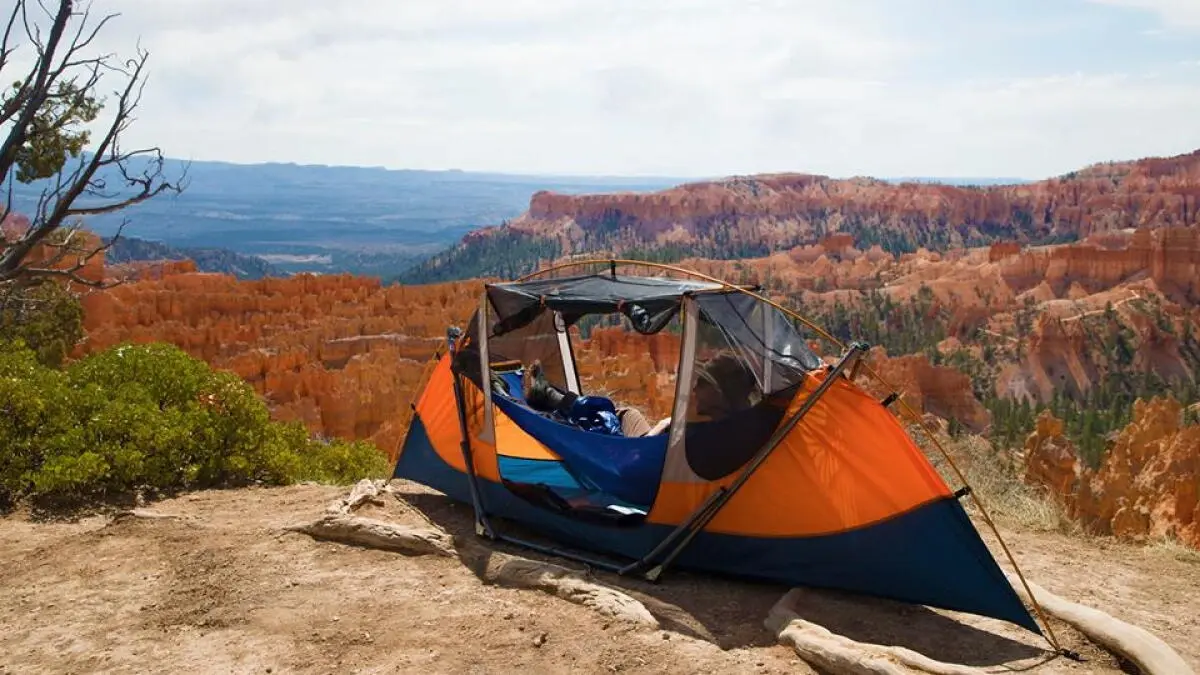
A camping hammock can be one of the easiest ways to make time outdoors more comfortable. It gives you somewhere to relax after a long hike, read beside a campsite, or spend a quiet afternoon between two trees without carrying a bulky chair. For backpackers, the right hammock can also become a lightweight sleeping shelter.
The challenge is choosing one that fits the way you camp. A hammock designed for afternoon lounging may not provide enough protection for an overnight trip, while an ultralight model may sacrifice some room or durability to save weight. Two-person hammocks offer extra space, but they are not automatically suitable for sleeping two people overnight.
The best camping hammocks balance comfort, weight, construction, and ease of setup. Some are designed for simple relaxation, while others include mosquito netting, rain protection, and suspension hardware for sleeping outdoors.
The Best Camping Hammocks at a Glance
| Hammock | Best For | Main Advantage | Main Trade-Off |
| ENO SingleNest | Best overall lounging hammock | Compact, simple design | Hanging straps sold separately |
| ENO DoubleNest | Couples and extra room | Spacious fabric | Heavier than many single hammocks |
| Grand Trunk Ultralight Starter | Budget camping | Affordable entry point | Less premium fabric feel |
| ENO Sub6 | Weight-conscious hikers | Extremely light and compact | Less room and robust construction |
| Hennessy Ultralite Backpacker Asym Zip | Overnight backpacking | Integrated bug protection and tarp | Lower weight limit on this model |
| Warbonnet Blackbird | Backpacking comfort | Gear storage and thoughtful design | Higher initial cost |
| Onewind Tempest | Budget backpacking | Generous dimensions and integrated bug net | Some details are less refined |
| Warbonnet Ridgerunner | Comfort-focused sleeping | Bridge design creates a flatter feel | Spreader bars add weight and bulk |
Specifications, prices, and included accessories can vary by model version. Confirm the manufacturer’s current details before purchasing.
1. ENO SingleNest Best Overall Camping Hammock
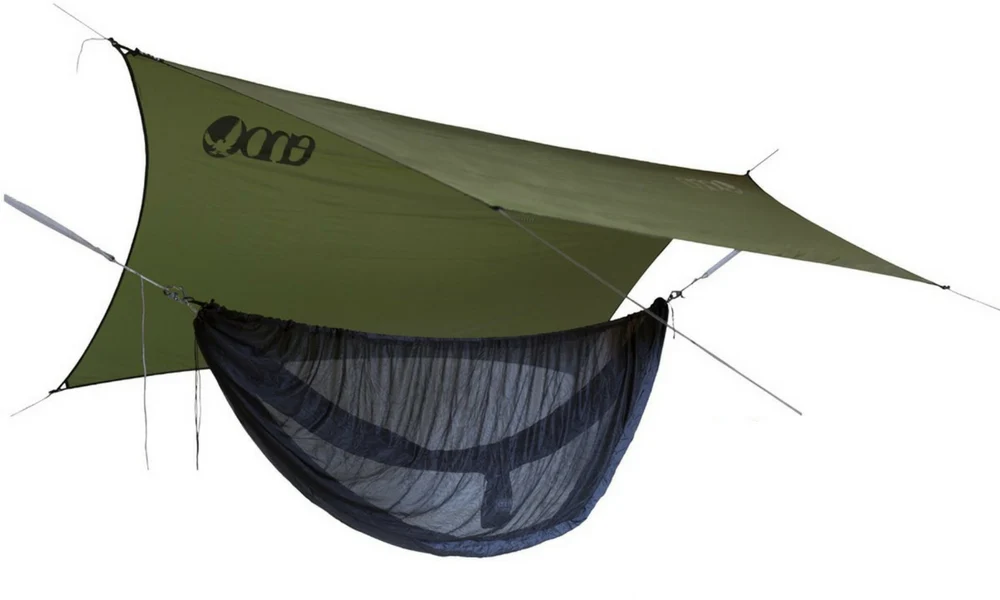
The ENO SingleNest is a strong starting point for campers who want a straightforward hammock for relaxing outdoors. Its compact design makes it easy to pack for day hikes, festivals, backyard use, and car camping.
The hammock uses 70-denier nylon taffeta and has a listed weight capacity of 400 pounds. Its approximate weight is one pound, making it manageable for many casual outdoor trips. The attached stuff sack also provides a convenient place to store small items while you relax.
The main advantage is simplicity. There is no complicated shelter system to learn, and the hammock can be paired with a compatible suspension system. However, hanging straps are sold separately, so the hammock’s listed weight and purchase price do not represent the complete setup.
What to consider: The SingleNest is relatively narrow compared with larger models. Taller campers, broader users, and anyone planning to sleep overnight may prefer a wider hammock.
Best for: General camping, relaxing at camp, festivals, and day trips.
2. ENO DoubleNest Best Double Camping Hammock
Extra fabric can make a noticeable difference in hammock comfort. The ENO DoubleNest measures approximately 9 feet 6 inches long and 6 feet 4 inches wide, giving users more room to stretch out than a typical single hammock.
It has a listed capacity of 400 pounds and uses the same 70-denier nylon taffeta construction as the SingleNest. The larger dimensions make it appealing for couples who want to lounge together, taller campers who prefer additional space, or anyone who finds narrow hammocks restrictive.
The DoubleNest remains easy to pack, but its additional material increases its weight. At around 19 ounces, it is not the lightest choice for a backpacker counting every ounce.
One important detail: a two-person rating does not mean that two people can safely sleep in the hammock regardless of their combined weight. Follow the manufacturer’s capacity limit and remember that shared use can affect balance and comfort.
What to consider: Budget for a compatible suspension system, and check whether the total weight is suitable for your trip.
Best for: Couples, roomy lounging, car camping, and campers who value space over minimum weight.
3. Grand Trunk Ultralight Starter Hammock Best Budget Option
If you are not sure whether hammock camping will become a regular habit, a budget model is a sensible way to start. The Grand Trunk Ultralight Starter offers a simple entry into hammock use without requiring a substantial investment.
The listed specifications include ripstop polyester construction, a 300-pound weight capacity, and a weight of approximately 12 ounces. Its relatively low weight makes it practical for casual use, although the word ultralight should not be taken to mean that it is the lightest hammock available.
The main compromises are the fabric feel and the limited range of colour choices. Some users may prefer the softer feel or additional room of more expensive alternatives.
It is also important to account for accessories. The hammock does not necessarily include the straps needed to hang it, so check the package contents before comparing its price with a complete hammock kit.
What to consider: Confirm the usable dimensions, suspension compatibility, and warranty terms for the version you intend to buy.
Best for: First-time hammock users, occasional campers, families, and casual lounging.
4. ENO Sub6 Best Ultralight Camping Hammock
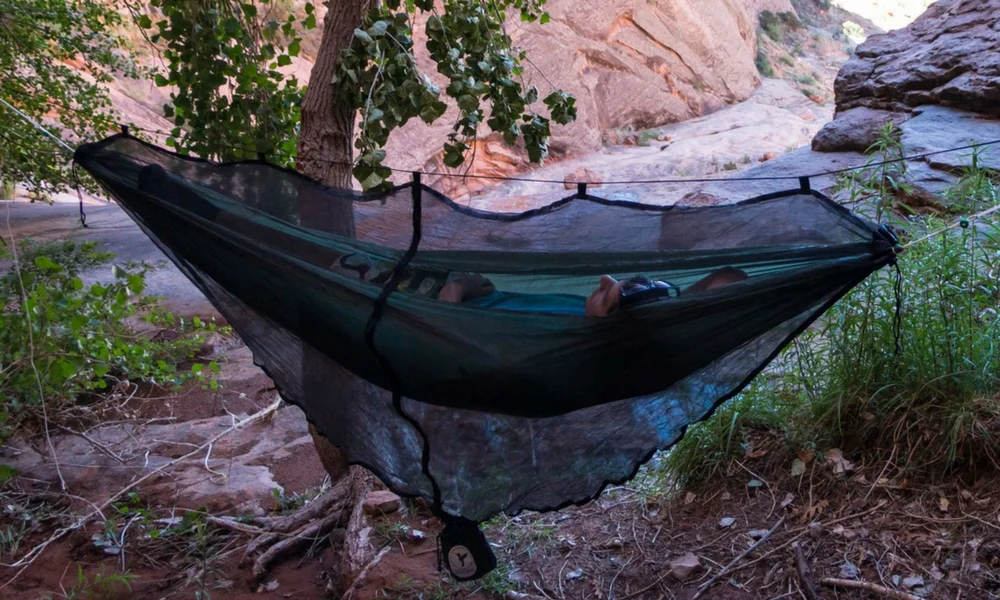
For backpackers who want to keep their packs light, the ENO Sub6 is an interesting option. Its listed weight is just 5.8 ounces, and its compact packed size makes it easy to carry as a small comfort item on day hikes or longer trips.
The hammock uses 30-denier ripstop nylon and has a stated capacity of 300 pounds. Its biggest advantage is portability: it adds very little weight when you want somewhere to rest along a trail.
That weight reduction comes with trade-offs. The Sub6 is less spacious than larger hammocks, and its lighter fabric may not feel as substantial as heavier alternatives. Compatibility with the suspension system also deserves attention, particularly if you want to use equipment you already own.
A very light hammock is not automatically a complete overnight shelter. Bug protection, rain coverage, insulation, and suitable suspension may add considerably to the final pack weight.
What to consider: Compare the weight of the complete system rather than the hammock alone.
Best for: Ultralight hikers, day trips, and campers who prioritise minimal packed weight.
5. Hennessy Hammock Ultralite Backpacker Asym Zip Best for Bug Protection
Mosquitoes can quickly turn an otherwise pleasant campsite into an uncomfortable place to sleep. For overnight trips in buggy environments, an integrated insect net can be more useful than buying a simple hammock and trying to assemble a shelter from separate components.
The Hennessy Hammock Ultralite Backpacker Asym Zip is designed around this more complete approach. Its configuration includes a hammock, mosquito netting, a tarp, and suspension equipment. The integrated mesh helps keep insects away while you sleep.
The listed system weight is approximately 31 ounces, including the tarp and bug net. Its stated weight capacity is 200 pounds, so this particular model requires careful checking against the intended user’s weight and equipment.
The asymmetrical design is intended to help users lie at an angle rather than directly along the centreline. That position can feel more natural for sleeping, although getting comfortable may take practice.
The included tarp is convenient, but its size and positioning may not suit every weather condition. Review the shelter’s coverage before relying on it for exposed or stormy campsites.
What to consider: Check the weight limit, sleeping dimensions, tarp coverage, and compatibility of replacement accessories.
Best for: Overnight hammock campers who want integrated insect protection.
6. Warbonnet Blackbird Best Backpacking Hammock for Storage and Comfort
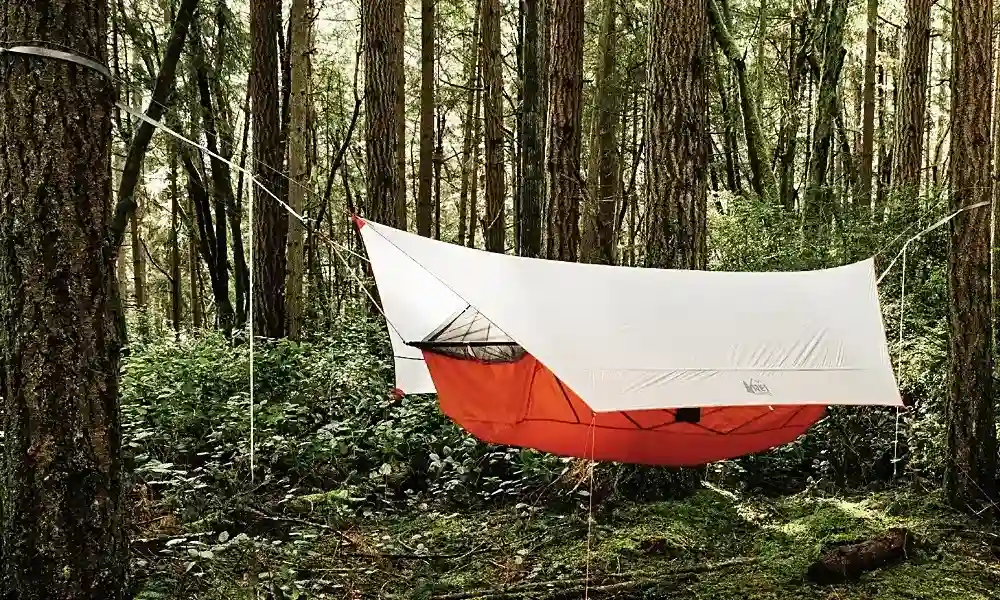
A backpacking hammock needs to do more than provide somewhere to lie down. It should support a comfortable sleeping position while keeping essential equipment organised and accessible.
The Warbonnet Blackbird is designed with those priorities in mind. Its features include a side-pull arrangement and a gear shelf that creates additional storage space. These details can make a hammock feel more practical during multi-day trips, particularly when there is limited room inside the sleeping area.
The model information in the reference lists a weight of approximately 15.7 ounces for the hammock, stuff sack, attached guylines, and integrated bug net. Its listed capacity is 350 pounds, with dimensions of approximately 10 feet by 5.2 feet.
The main attraction is the combination of relatively low weight and useful features. The gear shelf offers somewhere to organise small items rather than placing everything on the ground.
There are trade-offs. Pull-out cords may tangle, and the price is higher than that of a basic lounging hammock. It is also worth checking the exact model configuration, since included components affect the final weight and cost.
What to consider: Look at the complete suspension and insulation setup before comparing it with other backpacking systems.
Best for: Backpackers who want organised storage and a feature-rich sleeping hammock.
7. Onewind Tempest Best Value Backpacking Hammock
The Onewind Tempest is worth considering if you want an overnight hammock with useful features without moving into the most expensive category.
The reference lists a weight of approximately 1 pound 3.3 ounces, a capacity of 500 pounds, and dimensions of around 11 feet by 5.3 feet. Its integrated bug net and generous size make it more suitable for backpacking than many basic hammocks intended mainly for lounging.
The extra room can help users find a comfortable diagonal sleeping position. Its symmetrical net design also allows the hammock to be used in either orientation, which can be convenient when setting up camp.
Other features include an adjustable ridgeline, attachment points, and storage options. These additions make the system versatile, although the number of adjustments can take some getting used to.
Some design details are less refined than those on premium alternatives, and the included accessories should be checked carefully before setting out.
What to consider: Confirm what comes in the package, including suspension equipment, tarp, stakes, and any removable components.
Best for: Budget-conscious backpackers looking for a roomy hammock with integrated insect protection.
8. Warbonnet Ridgerunner Best for a Flatter Sleeping Position
Traditional gathered-end hammocks naturally curve around the body. Many users find that shape comfortable, but others prefer a flatter surface with less of a cocoon-like feeling.
The Warbonnet Ridgerunner uses a bridge-style design with spreader bars at the head and foot. These bars hold the fabric in a different shape, creating a flatter sleeping area than a conventional gathered-end hammock.
The reference lists a weight of approximately 2 pounds 9.3 ounces for the configuration tested, including attached guylines and spreader bars. Its listed capacity is 250 pounds for the double-layer version described.
The flatter design can be appealing for campers who struggle to find a comfortable position in traditional hammocks. Large side pockets and a stashable bug net add practical value.
The compromise is weight and bulk. Spreader bars take up space, and the hammock can feel less stable if it is hung too tightly. Proper setup is especially important with this style.
What to consider: Make sure the bridge design suits your sleeping preferences and that you are comfortable carrying the additional hardware.
Best for: Campers who prioritise sleeping comfort over minimum pack weight.
How to Choose the Best Camping Hammock
The right hammock depends on where you camp, how often you use it, and whether you intend to sleep in it. Before buying, consider the following factors. If you’re new to planning outdoor trips, our travel tips for beginners are a useful starting point.
Weight and Packed Size
For car camping, a few extra ounces may not matter. For backpacking, every item contributes to the weight you carry over many kilometres.
Compare the weight of the complete system, including suspension straps, insect protection, tarp, and insulation. A hammock that appears exceptionally light on its own may require enough accessories to make the finished setup considerably heavier.
Dimensions and Weight Capacity
Length and width influence comfort. A narrow hammock may be fine for a quick rest but feel restrictive when used for sleeping. Wider models give you more room to position your body diagonally.
Always follow the manufacturer’s weight limit. If two people will share a hammock, account for their combined weight and remember that a shared hammock may be less comfortable than two separate setups.
Fabric and Durability
Nylon and polyester are common hammock materials because they can be lightweight and packable. Fabric thickness, construction, stitching, and overall design all influence durability.
Lighter fabric can reduce pack weight, but it may be less robust than heavier material. Inspect the seams and attachment points regularly, and replace damaged components rather than relying on them.
Suspension System
The suspension system connects the hammock to its anchor points. Look for adjustable straps and compatible connectors that are easy to handle and appropriate for the hammock’s intended load.
Wide tree straps help distribute pressure over a larger area of bark. Avoid using thin cord directly around trees, as it can damage them.
Do not assume suspension equipment is included. Many hammocks are sold separately from their straps, and this can affect the actual cost of getting started.
Mosquito Nets and Rain Protection
For daytime lounging, a basic hammock may be all you need. For overnight camping, insects and weather become much more important.
An integrated bug net can reduce the number of separate components you need to carry. A compatible tarp provides protection from rain, while its size and shape determine how well it covers the hammock in different conditions.
Check the weather forecast and campsite conditions before deciding whether a hammock shelter is appropriate for the trip.
Insulation for Cold Weather
Hammocks can feel surprisingly cold when air moves beneath your body. A sleeping bag alone may not solve the problem because insulation compressed underneath you loses much of its ability to trap warm air.
A sleeping pad or underquilt can provide insulation, depending on the hammock design and conditions. An underquilt hangs outside the hammock beneath the sleeper, helping preserve its loft.
For cold-weather camping, choose insulation with a suitable temperature rating and practise using the full system before depending on it overnight.
Is a Camping Hammock Better Than a Tent?
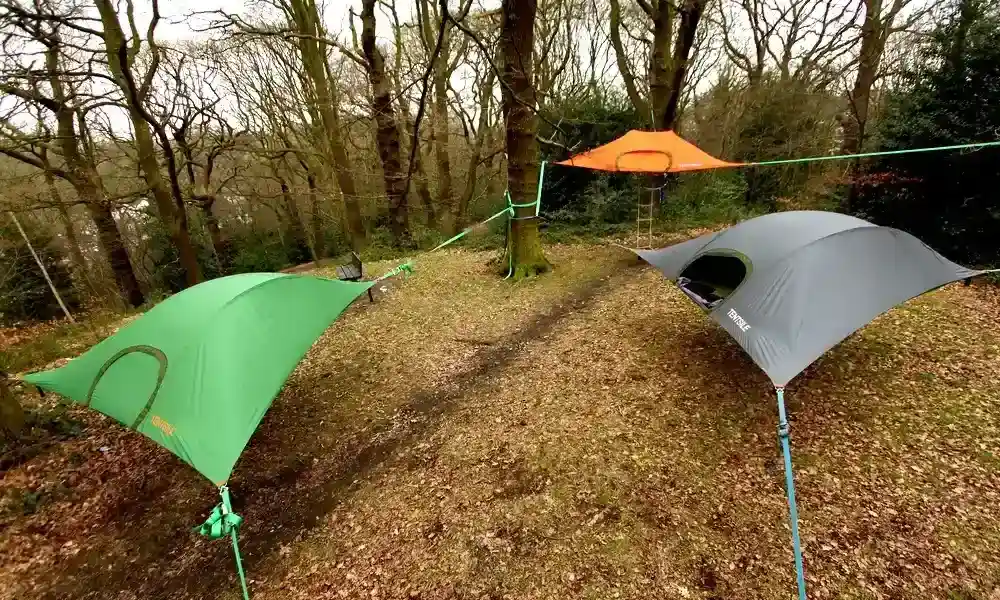
Neither option is universally better. A hammock can be comfortable, pack small, and work well in wooded areas with suitable anchor points. A tent offers a more conventional shelter and does not depend on having two suitable trees.
Weight comparisons also depend on what is included. A bare hammock and a pair of straps may be very light, but an overnight system can require a tarp, bug net, insulation, and additional suspension components.
A tent comparison should include the full setup on both sides: shelter, stakes, rain protection, sleeping insulation, and other required equipment.
For trips through wooded terrain where suitable anchor points are available, a hammock can be a comfortable alternative. In exposed areas, deserts, alpine terrain, or campsites with few suitable trees, a tent may be the more practical choice. Whichever you choose, pairing it with the right outdoor style makes the trip more comfortable.
How to Set Up a Camping Hammock Safely
A comfortable setup starts with a suitable location and secure attachment points.
- Choose healthy trees. Avoid dead trees, damaged trunks, loose branches, and locations where falling limbs could pose a hazard.
- Use appropriate tree straps. Wider straps help protect bark and are preferable to thin cord wrapped directly around a trunk.
- Keep the hammock relatively low. Aim for a setup that remains close enough to the ground to reduce the consequences of a fall.
- Check every connection. Inspect straps, carabiners, seams, and attachment points before getting in.
- Enter carefully. Sit down first, then bring your legs into the hammock. Avoid jumping into it.
- Adjust your position. In a gathered-end hammock, lying diagonally can help create a more comfortable sleeping position.
- Check the weather protection. Position the tarp and bug net correctly before settling in for the night.
Always follow the hammock manufacturer’s setup instructions and the rules of the campsite or land manager.
How to Care for a Camping Hammock
A little maintenance can help a hammock last longer.
- Clean it carefully: Follow the manufacturer’s washing instructions and use an appropriate mild cleaner.
- Dry it completely: Let the fabric dry before packing it away to reduce the risk of mildew.
- Inspect the fabric: Look for holes, fraying, damaged seams, or stretched attachment points.
- Check the hardware: Replace worn straps, damaged carabiners, or compromised suspension components.
- Store it properly: Keep the hammock clean and dry, away from prolonged direct sunlight.
- Respect the weight limit: Overloading the hammock can place excessive stress on its fabric and connections.
If you camp frequently, inspect your equipment before each trip rather than waiting until a problem becomes obvious.
Frequently Asked Questions
What is the best camping hammock for beginners?
The ENO SingleNest is a straightforward option for casual use because it is compact and relatively simple to hang. Beginners planning overnight trips should also consider a hammock with integrated bug protection and the necessary weather accessories.
Are double camping hammocks better than single hammocks?
Double hammocks provide extra width, which can improve comfort for one person and allow two people to lounge together. However, they tend to weigh more, and their weight limits must be respected.
Can you sleep overnight in a camping hammock?
Yes, provided the hammock is suitable for overnight use and the setup includes appropriate insulation, weather protection, and insect protection for the conditions. A basic lounging hammock may need several additional components.
Do camping hammocks come with straps?
Not always. Some models include a suspension system, while others sell straps separately. Check the product description and package contents before buying.
Are camping hammocks comfortable for side sleepers?
Some people find hammocks comfortable for side sleeping, particularly when they can lie diagonally or use a design that creates a flatter surface. Comfort varies by hammock shape, dimensions, and personal preference, so trying one before a long trip is helpful.
How do you stay warm in a camping hammock?
Use suitable insulation beneath your body, such as an underquilt or compatible sleeping pad, and protect the hammock from wind and rain with an appropriate tarp. Choose equipment rated for the expected conditions.
Can you hang a camping hammock without trees?
A compatible hammock stand can work where trees are unavailable. Some tarp-and-hammock systems can also be configured for ground use, but this requires appropriate insulation and setup knowledge. A hammock is not automatically a practical substitute for a tent in every location.
Final Verdict
The best camping hammock is the one that suits your actual trips rather than the one with the most impressive specification sheet.
For everyday lounging, the ENO SingleNest offers a simple, portable starting point. The DoubleNest gives you more room, while the ENO Sub6 is appealing when low weight matters most. For overnight trips, models such as the Hennessy Ultralite Backpacker Asym Zip and Warbonnet Blackbird offer features designed around sleeping outdoors. The Warbonnet Ridgerunner is worth considering if a flatter sleeping position matters more than pack weight.
Before making a decision, compare the complete setup, check the weight capacity, and make sure the hammock suits the conditions where you intend to use it. A little planning can turn a hammock from an occasional campsite luxury into one of the most enjoyable pieces of outdoor gear you carry. If a hammock trip turns into a full break, explore more luxury weekend getaways.
Disclaimer: This article is intended for informational purposes only.