There is something about a brighter smile that makes you feel a little more put together. But finding the best at-home teeth whitening kits can be surprisingly confusing. One product promises professional-looking results, another comes with an LED light, and another claims to whiten teeth without peroxide. Which one is actually worth buying?
The answer depends on your teeth, your sensitivity level, your budget, and the kind of stains you want to remove. For many adults, whitening strips offer a straightforward starting point, while tray-based kits provide another option for applying whitening gel. Products designed for sensitive teeth may be preferable if stronger formulas leave your mouth uncomfortable.
This guide compares popular at-home teeth whitening kits, explains what their ingredients do, and helps you decide which option makes sense for your routine.
Best At-Home Teeth Whitening Kits at a Glance
The following products represent different approaches to at-home whitening. They are not ranked by personal testing for this article; the recommendations reflect product formats, published product information, and current editorial comparisons.
| Whitening kit | Best for | What to know |
| Crest 3D Whitestrips | Straightforward strip whitening | Convenient application with peroxide-based formulas in selected products |
| AuraGlow Teeth Whitening Kit | Tray-and-gel whitening | Combines whitening gel with a reusable tray and LED device |
| Opalescence Go | Prefilled whitening trays | Ready-to-use trays designed to simplify application |
| Lumineux Whitening Strips | People seeking a peroxide-free formula | Uses a different approach from conventional peroxide bleaching |
| SNOW Teeth Whitening Kit | People who prefer a device-based routine | Offers a kit format built around a whitening device and treatment products |
| Rembrandt whitening products | People comparing options for sensitivity | Check the specific formula and product instructions before choosing |
Product ranges, formulations, prices, and availability vary by market. Not every product in a brand’s range has the same ingredients or evidence of effectiveness.
1. Crest 3D Whitestrips: Best for a Simple Routine
Crest 3D Whitestrips are a familiar option for people who want to whiten their teeth at home without handling a tray full of gel.
The strips sit directly against the teeth and deliver a whitening formula during a scheduled treatment. Many products in this category use hydrogen peroxide, which helps break down compounds responsible for discoloration.
What makes them appealing?
- Straightforward application without a separate mouthpiece.
- Convenient for people who prefer a simple, repeatable routine.
- Multiple product versions, including options marketed for different whitening goals.
What should you consider?
The fit of the strips matters. If a strip extends onto the gums or is applied incorrectly, it may cause irritation. Peroxide-based products can also cause temporary tooth sensitivity.
Best for: Adults looking for a familiar strip format who can follow the product’s instructions consistently.
2. AuraGlow Teeth Whitening Kit: Best for a Tray-and-Gel Format
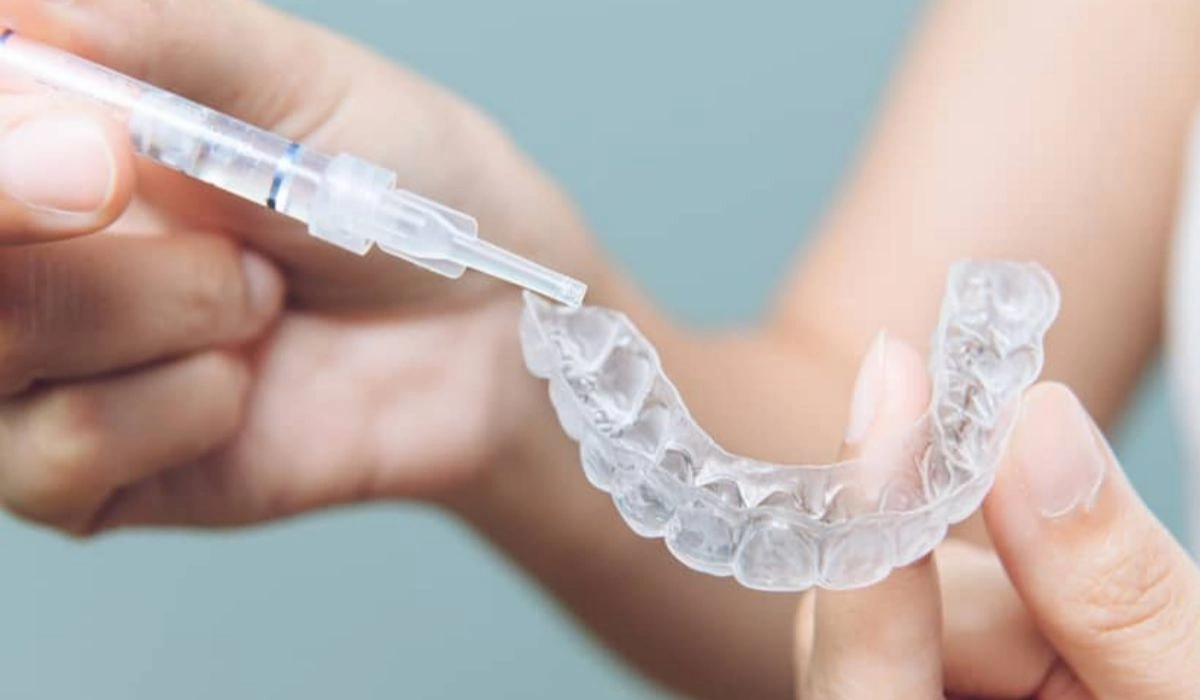
AuraGlow takes a different approach by combining whitening gel with a reusable tray and an LED light device.
The tray helps hold the treatment against the teeth, while the gel contains the active whitening ingredient. The exact formulation and recommended treatment schedule depend on the specific kit.
What makes it appealing?
- A reusable tray-and-gel format.
- A complete kit for people who prefer a device-based routine.
- Potentially economical across multiple treatments, depending on the purchase price and amount of gel included.
What should you consider?
Tray fit and gel application are important. Too much gel can spread onto the gums, causing irritation. A higher concentration of whitening ingredients is not automatically better, particularly for someone with sensitive teeth.
Do not assume the LED light is responsible for the whitening effect. The active ingredient and how it is used are important factors when evaluating a kit.
Best for: Adults who prefer a reusable tray and are comfortable following a more involved treatment routine.
3. Opalescence Go: Best for Prefilled Trays
Opalescence Go uses prefilled trays, which can make application simpler than measuring and dispensing gel yourself.
The product line includes different formulations, so check the exact concentration, recommended wear time, and instructions for the version you are considering.
What makes it appealing?
- No need to fill a tray manually.
- A format designed to deliver whitening gel across the teeth.
- A practical alternative to adhesive strips for people who prefer trays.
What should you consider?
Prefilled trays still need to fit comfortably. If the tray irritates your gums or causes significant discomfort, stop using it and seek dental advice.
Although this format may feel closer to a professional-style whitening routine, it is not the same as an individualized treatment prescribed and monitored by your dentist.
Best for: Adults who want a ready-to-use tray format and value convenience.
4. Lumineux Whitening Strips: Best for People Avoiding Peroxide
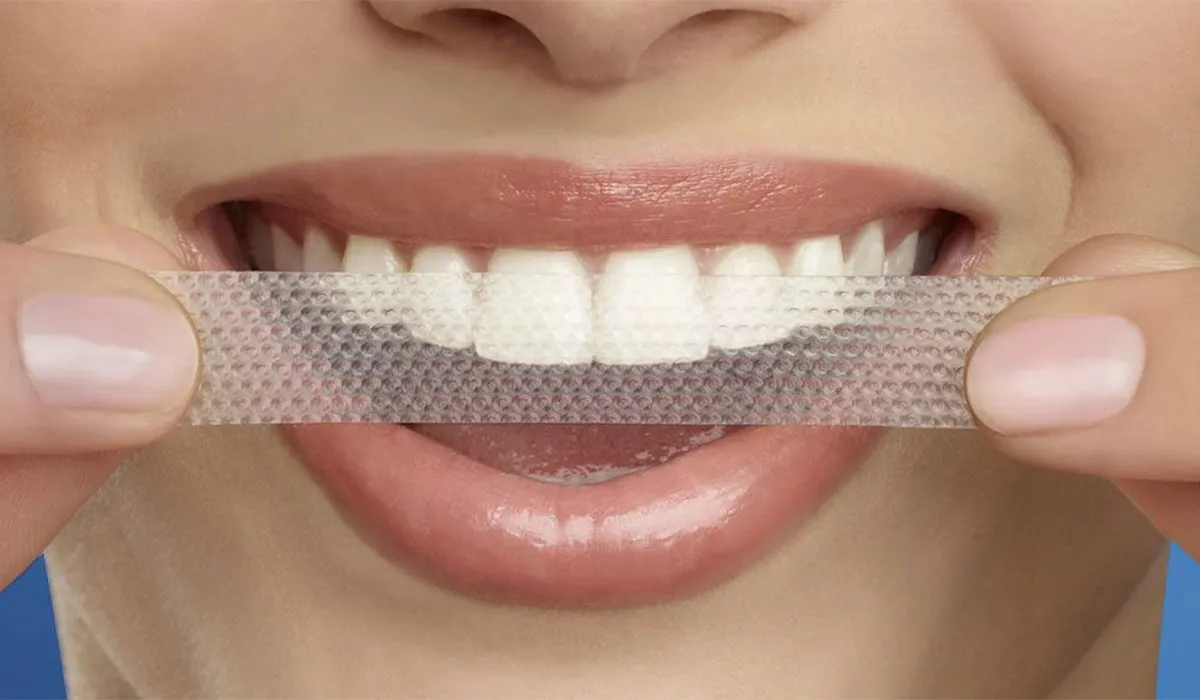
Some people prefer to avoid hydrogen peroxide and carbamide peroxide in their whitening products. Lumineux offers whitening strips marketed around a peroxide-free formula.
It is important, however, to understand the difference between removing surface stains and bleaching the natural color of teeth.
Peroxide-based products can chemically lighten discoloration within the tooth. Other formulations may focus more on surface stains or use different whitening mechanisms. Their results should not automatically be considered equivalent.
What makes them appealing?
- A peroxide-free alternative for shoppers comparing ingredients.
- A familiar strip format.
- An option for people who want to explore a different approach to whitening.
What should you consider?
Peroxide-free does not automatically mean risk-free, nor does it guarantee that the product will produce no sensitivity. Results depend on the formula and the type of discoloration.
Best for: Adults who specifically want to compare peroxide-free products and understand that results may differ from conventional bleaching.
5. SNOW Teeth Whitening Kit: Best for a Device-Based Experience
SNOW offers whitening kits that combine treatment products with a device, appealing to shoppers who want a dedicated whitening routine at home.
Depending on the kit, the system may use whitening serums, a mouthpiece, and light-based technology. Always check the exact product’s ingredients rather than assuming every version uses the same formula.
What makes it appealing?
- A dedicated treatment device.
- A structured routine for people who prefer more than a simple strip.
- Different product options within the brand’s range.
What should you consider?
Device features and premium packaging do not necessarily mean better whitening results. Compare the active ingredients, instructions, treatment cost, and evidence for the specific product before paying extra.
Best for: Adults who prefer a device-based kit and are willing to compare the cost against simpler alternatives.
6. Rembrandt Whitening Products: An Option to Compare for Sensitivity
Rembrandt has offered whitening products designed for different needs, including products marketed toward people concerned about tooth sensitivity.
Because formulas and availability can change, examine the specific product rather than relying on the brand name alone.
What makes them worth considering?
- A range of oral-care and whitening formats.
- Options to compare when shopping for a more comfortable routine.
- An opportunity to evaluate ingredients and application methods alongside other brands.
What should you consider?
Look for the active ingredient, concentration where disclosed, instructions, and any sensitivity-related claims supported by the product information. If your teeth are already sensitive, a dentist can help identify the cause before you begin whitening.
Best for: Adults comparing established whitening products who want to consider comfort alongside results.
How to Choose the Best Teeth Whitening Kit for Your Teeth
The best kit is not necessarily the one with the most dramatic advertising or the highest price. A useful choice begins with understanding the type of discoloration you have.
Consider the type of stain
Surface stains can develop from coffee, tea, tobacco, and other strongly pigmented substances. Whitening toothpaste may help remove some of these stains, while professional cleaning may be useful when buildup is present.
Deeper discoloration may be related to aging, the natural color of the teeth, medication, or other dental factors. Peroxide-based whitening can help with some types of deeper discoloration, but not every stain responds equally well.
If one tooth is noticeably darker than the others, or the color changed suddenly, arrange a dental assessment rather than treating it as an ordinary cosmetic stain.
Choose a format you will use correctly
- Whitening strips: Convenient and relatively simple to apply.
- Prefilled trays: Useful for people who prefer a tray format without manually dispensing gel.
- Tray-and-gel kits: Offer a reusable format but require careful application.
- Whitening toothpaste: Primarily helps with surface stains and routine maintenance.
- Whitening pens: May be convenient for targeted application, although even coverage can be difficult.
A more complicated kit is not automatically more effective. Ease of use and correct application matter.
Read the active ingredients
Hydrogen peroxide and carbamide peroxide are common ingredients in whitening products. Carbamide peroxide releases hydrogen peroxide as it breaks down.
The concentration, amount applied, and length of contact all influence treatment. Follow the specific manufacturer’s instructions rather than combining products or increasing treatment time in an attempt to get faster results.
The American Dental Association explains that temporary tooth sensitivity and gum irritation are among the most common side effects of whitening.
Think about sensitivity before buying
If cold drinks already make your teeth hurt, start by understanding why. Sensitivity can be associated with exposed roots, enamel wear, cavities, or other dental issues.
A dentist may recommend treating the underlying problem before whitening. If whitening is appropriate, ask about a suitable product and a schedule that minimizes discomfort.
Do At-Home Teeth Whitening Kits Actually Work?
Yes, many at-home whitening products can make natural teeth look lighter when used correctly. Results vary according to the active ingredient, the starting tooth color, the type of stain, and how consistently the treatment is used.
Peroxide-based strips and gels can chemically change the color of some discoloration. Whitening toothpastes generally work more on surface stains and should not be expected to produce the same effect as a bleaching treatment.
Be cautious with claims promising dramatic results after a single session. A product’s advertised outcome may not reflect what every person will experience.
One detail shoppers often overlook is the color of existing dental work. Whitening products do not lighten crowns, veneers, fillings, or other tooth-colored restorations in the same way they lighten natural teeth. This can create a difference in color between natural teeth and restorations.
Are LED Teeth Whitening Kits Better?
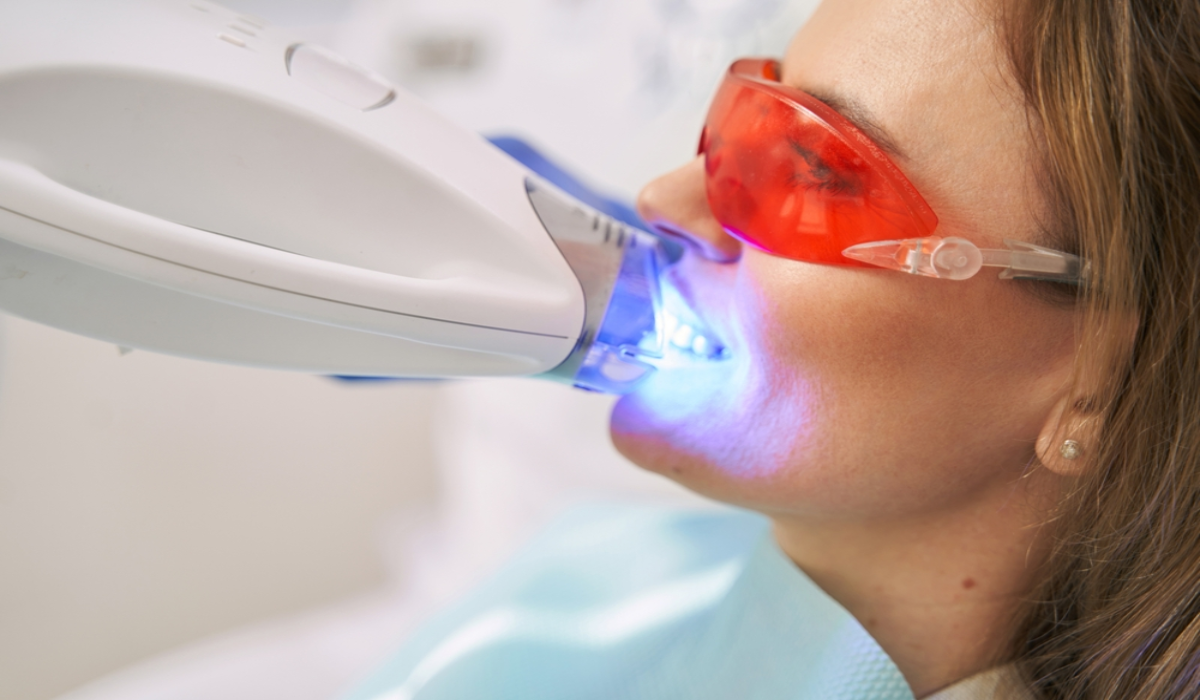
Not necessarily.
LED devices are often marketed as a way to accelerate whitening, but the presence of a light does not by itself prove that a kit delivers better results. The whitening formula, concentration, application, and treatment protocol remain important.
When comparing an LED kit with ordinary strips, consider:
- The active whitening ingredient.
- The recommended treatment time.
- The cost per complete course.
- The possibility of gum irritation or tooth sensitivity.
- Whether the device adds a meaningful benefit for that particular formula.
If two products have similar evidence and one costs considerably more because it includes a light, the more expensive kit may not offer better value.
How to Use a Teeth Whitening Kit Safely
A good routine should improve the appearance of your teeth without leaving your mouth sore.
- Read the full instructions. Different products have different wear times and treatment schedules.
- Use only the recommended amount. More gel or longer treatment does not guarantee better results.
- Keep whitening products off your gums where instructed. Excess gel and poorly positioned strips can cause irritation.
- Avoid combining whitening products. Using strips, trays, and additional bleaching treatments together can increase exposure and discomfort.
- Stop if you experience significant irritation. Persistent pain, gum injury, or marked sensitivity warrants dental advice.
- Store the product correctly. Follow the label’s directions for storage and expiration.
Avoid household experiments involving lemon juice, vinegar, or abrasive mixtures. Acidic ingredients and overly abrasive methods can damage tooth surfaces rather than safely brighten them.
People with untreated cavities, gum disease, significant sensitivity, or dental restorations should seek professional guidance before starting a whitening treatment. Children and teenagers should not use cosmetic whitening products without appropriate dental advice.
How Much Do At-Home Teeth Whitening Kits Cost?
Prices vary by retailer, treatment count, formula, and whether a device is included. As a general shopping framework, basic whitening products often cost less than complete tray-and-device systems, while dentist-supervised options may cost more.
Instead of comparing only the sticker price, calculate the cost of completing the recommended treatment.
For example, a cheaper box may contain fewer treatments, while a more expensive kit may include a reusable device or a larger supply of gel. Neither is automatically better value: compare the total number of recommended treatments, the ingredients, and the results you can reasonably expect.
Check current retailer listings before purchasing because prices and availability change.
Frequently Asked Questions
What is the best at-home teeth whitening kit overall?
There is no single best option for everyone. Crest 3D Whitestrips are worth considering for their straightforward strip format, AuraGlow for a tray-and-gel routine, and Opalescence Go for prefilled trays. The best choice depends on your dental health, preferences, and the specific formula.
What is the best at-home teeth whitening kit for sensitive teeth?
Start by identifying the cause of your sensitivity. Ask a dentist whether whitening is appropriate and which formula or treatment schedule may be suitable. A product marketed for sensitivity is not guaranteed to prevent discomfort.
How long does at-home teeth whitening take?
Some products produce visible changes during a treatment course, while others require more time. Follow the product’s recommended schedule, and do not extend treatment to accelerate results.
Are teeth whitening kits safe for enamel?
When used as directed, established whitening products can be appropriate for many adults. However, sensitivity, gum irritation, and misuse are genuine concerns. Overusing products or applying them incorrectly can cause problems, so follow the instructions and seek dental advice when needed.
Are whitening strips better than LED kits?
Not automatically. Strips may be simpler and less expensive, while LED kits add a device and may involve trays or gels. Compare the formula, evidence, treatment instructions, and overall cost rather than assuming the light makes a kit more effective.
Can whitening kits whiten crowns and veneers?
No. Whitening products affect natural teeth differently from crowns, veneers, and fillings. If you have visible restorations, discuss the likely color outcome with your dentist before whitening.
Can I whiten my teeth if I have cavities or gum problems?
You should seek dental advice first. Whitening does not treat cavities or gum disease, and applying whitening agents to an unhealthy or irritated mouth may cause additional discomfort.
Final Thoughts
The best at-home teeth whitening kits are the ones that suit your teeth, your routine, and your expectations not necessarily the ones with the most expensive devices or boldest promises.
For a straightforward approach, compare whitening strips. If you prefer a tray, explore prefilled or reusable systems. If sensitivity is your main concern, understand the cause before choosing a formula, and remember that peroxide-free products may work differently from conventional bleaching.
A brighter smile should not come at the expense of your comfort or dental health. Take the time to compare ingredients, follow the instructions, and seek professional guidance when something does not feel right.
Disclaimer: This article is intended for informational purposes only.