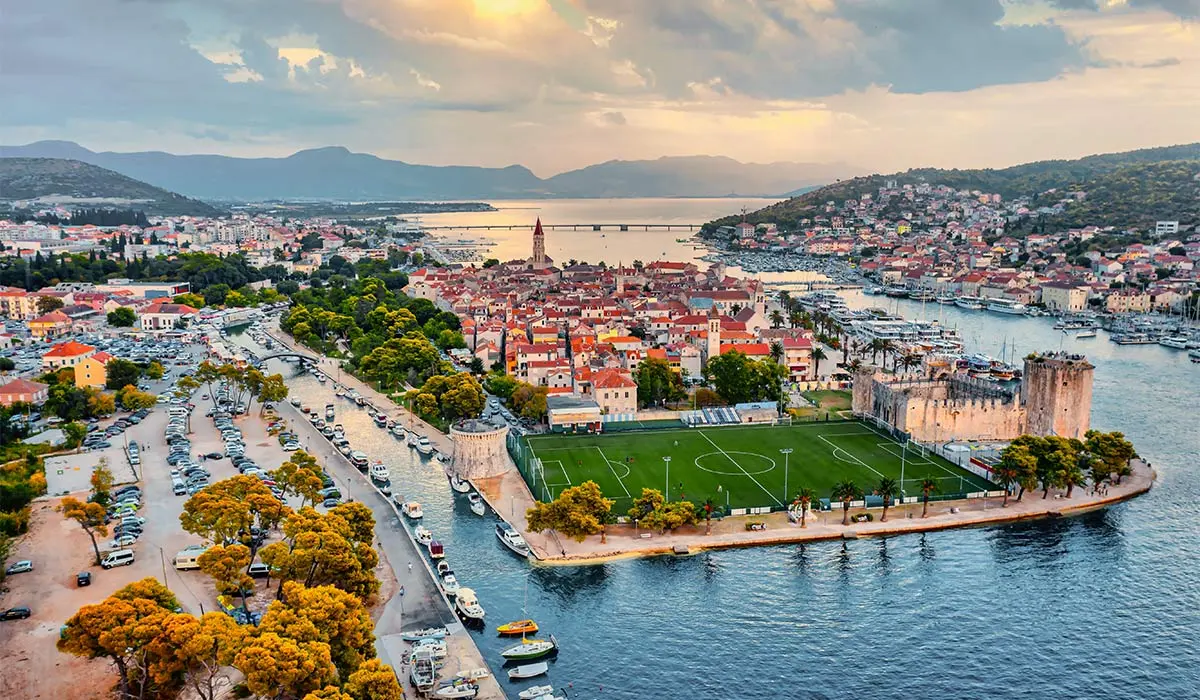
There is something unforgettable about Croatia: terracotta rooftops glowing above the Adriatic, narrow stone streets leading to hidden cafés, and islands appearing on the horizon like invitations to stay a little longer. It is a destination where a beach holiday can become a journey through Roman history, medieval architecture, beautiful landscapes, and Mediterranean living.
The best places to visit in Croatia include Dubrovnik, Split, Plitvice Lakes National Park, Hvar, Rovinj, Zadar, Korčula, and Zagreb. Each offers a different experience, whether you dream of island escapes, historic cities, romantic coastal towns, or peaceful nature.
For a first trip, I would combine a historic coastal city, one island, and a national park rather than trying to see the entire country in a few days. Croatia rewards travellers who leave room for slow mornings, waterfront dinners, and the occasional unplanned detour.
1. Dubrovnik: A Timeless Coastal Beauty
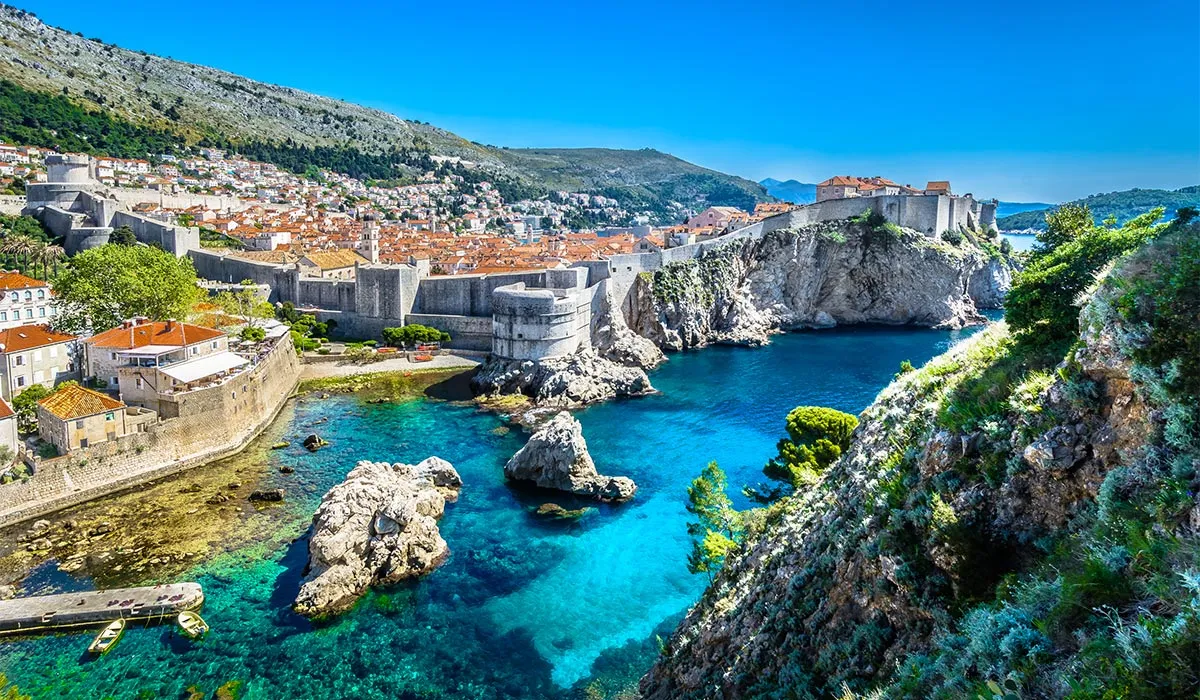
Dubrovnik is one of Croatia’s most recognisable destinations. Encircled by imposing stone walls and overlooking the deep blue Adriatic Sea, its Old Town feels like stepping into another century.
Walk along the limestone streets, admire the historic buildings, and explore small shops tucked into narrow alleyways. The city walls offer spectacular views over terracotta rooftops and the coastline, while the waterfront provides a lovely place to pause after a day of exploring.
For a different perspective, take the cable car up Mount Srđ. The panoramic view is particularly beautiful in the late afternoon, when the city begins to glow in the changing light.
For travellers planning a more indulgent escape, Dubrovnik is also a natural starting point for exploring luxury travel destinations and discovering what makes Croatia’s Adriatic coastline so appealing.
Best for: History, architecture, romantic escapes, photography, and luxury stays.
Travel tip: Visit the city walls early in the morning or later in the day during busy summer periods. Dubrovnik can become crowded, particularly when cruise ships arrive.
2. Split: Where Roman History Meets Modern Mediterranean Life
Split has a wonderful ability to make history feel alive. Its central attraction, Diocletian’s Palace, dates to the Roman period, yet the surrounding streets are filled with cafés, restaurants, shops, and everyday city life.
Rather than treating the palace as a single monument, explore it slowly. Wander through its courtyards, discover hidden passageways, and stop for coffee in a centuries-old setting.
The Riva waterfront promenade is ideal for an evening walk, while Marjan Hill offers green walking paths and sweeping views of the city and surrounding islands.
Split is also an excellent base for exploring the Dalmatian coast. Ferries and catamarans connect it with several islands, making it easier to combine city sightseeing with days by the sea.
Best for: First-time visitors, Roman history, food, waterfront walks, and island-hopping.
Travel tip: Stay for at least two nights if you want time to explore the city without rushing straight onto a ferry.
3. Plitvice Lakes National Park: Croatia’s Natural Wonder
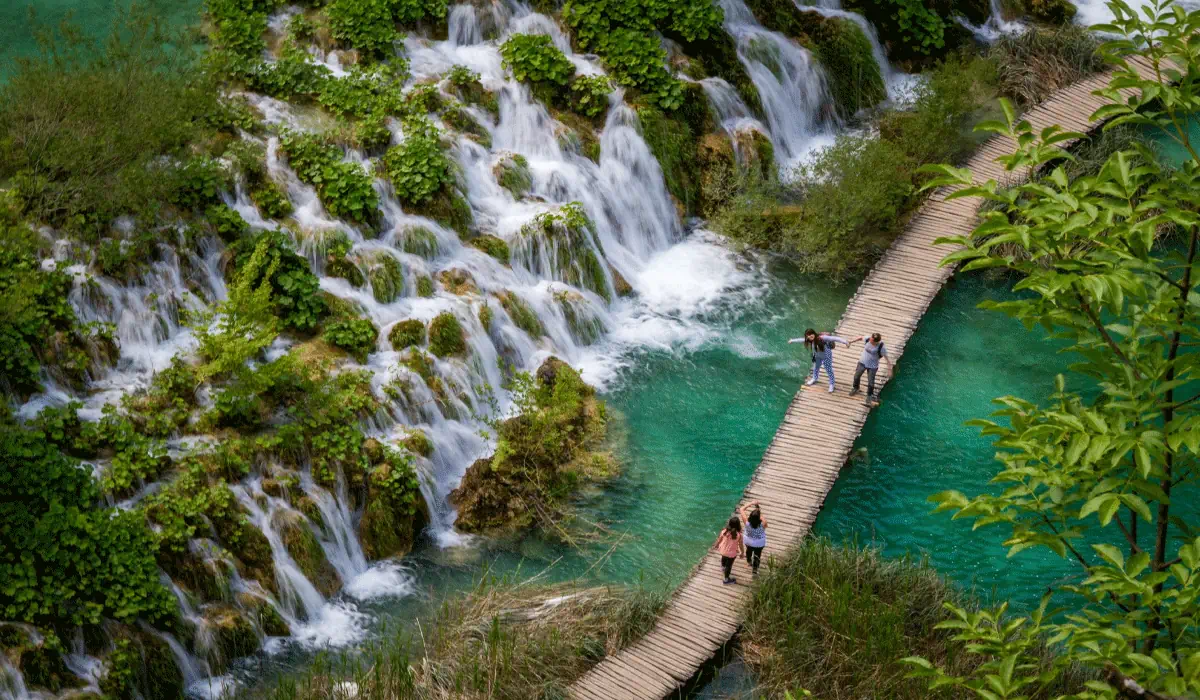
Not every Croatian highlight is beside the sea. Inland, Plitvice Lakes National Park offers a completely different atmosphere, with turquoise lakes, forested hills, wooden walkways, and cascading waterfalls.
The interconnected lakes change colour with the light and surrounding minerals, creating an extraordinary landscape. Walking routes take visitors past waterfalls and along the water’s edge, offering plenty of opportunities to appreciate the scenery.
This is one of the best places in Croatia for nature lovers and travellers who want a break from coastal towns.
Best for: Nature, photography, walking, and outdoor adventures.
Travel tip: Reserve admission ahead during busy periods and check the park’s official information for current routes and entry arrangements. Wear comfortable walking shoes, as paths can be wet or uneven.
4. Hvar: Island Glamour and Adriatic Views
Hvar is one of Croatia’s most glamorous island destinations. Its historic town features pale stone buildings, a picturesque harbour, and a lively waterfront atmosphere that becomes especially energetic in summer.
During the day, explore the old streets or head to a swimming spot along the coast. Later, climb towards Fortica Fortress for a magnificent view over the town and surrounding islands.
Hvar also offers a quieter side beyond its best-known harbour. Venture into the island’s countryside to discover vineyards, lavender-growing areas, and small settlements that feel far removed from the summer crowds.
If island escapes are your idea of luxury, explore our guide to the best luxury island destinations for more inspiration when planning a Mediterranean getaway.
Best for: Couples, stylish holidays, boating, nightlife, and swimming.
Travel tip: Summer is the busiest and most expensive period. If you prefer a slower atmosphere, consider travelling in late spring or early autumn and check ferry schedules before booking accommodation.
5. Rovinj: A Romantic Town on the Istrian Coast
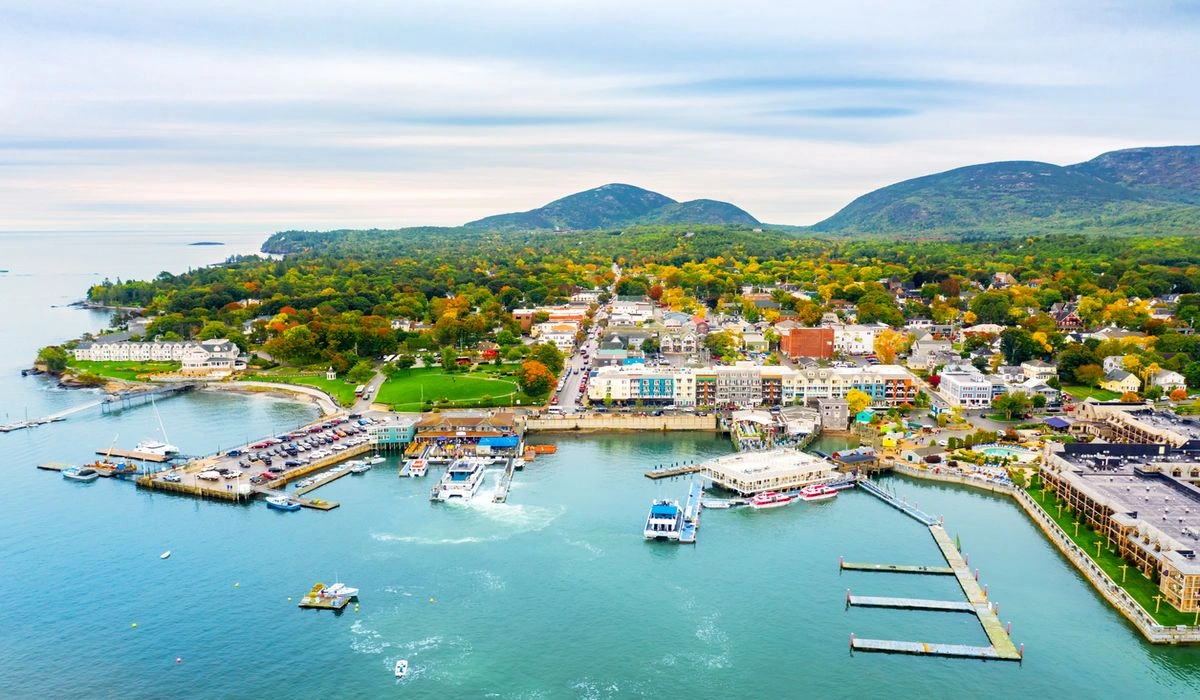
Rovinj feels like a place designed for lingering. Colourful houses rise above the harbour, narrow cobblestone streets wind towards the hilltop Church of St. Euphemia, and fishing boats add character to the waterfront.
Located on the Istrian Peninsula, Rovinj offers a different experience from the Dalmatian coast. Its atmosphere reflects a blend of Mediterranean influences, with a strong connection to local food, coastal traditions, and historic architecture.
Spend the morning wandering through the Old Town, then enjoy a long lunch featuring regional seafood and seasonal ingredients. The surrounding coastline also offers opportunities to swim, cycle, and explore nearby natural areas.
Best for: Romantic trips, boutique hotels, photography, food, and relaxed coastal holidays.
Travel tip: Rovinj works particularly well for travellers who prefer a charming base rather than a packed sightseeing schedule. A rental car can make exploring other parts of Istria easier.
6. Zadar: Beautiful Sunsets and Creative Coastal Culture
Zadar combines ancient history with a contemporary coastal atmosphere. Roman ruins and historic churches sit alongside lively squares, while the waterfront is known for two unusual attractions: the Sea Organ and the Greeting to the Sun installation.
The Sea Organ uses the movement of the waves to produce musical sounds. Nearby, the circular Greeting to the Sun installation creates a striking visual display after dark.
Beyond these attractions, Zadar offers a pleasant Old Town, excellent sunset views, and access to several islands and natural attractions in the surrounding region.
Best for: Sunsets, history, culture, relaxed evenings, and coastal exploration.
Travel tip: Stay until sunset rather than treating Zadar as a quick daytime stop. The waterfront is one of the city’s most memorable places in the evening.
7. Korčula: A More Intimate Island Escape
Korčula offers the charm of a historic island town with a more intimate atmosphere than some of Croatia’s busiest summer destinations.
Its compact Old Town features stone walls, elegant buildings, and narrow streets arranged in a distinctive pattern. The seafront is lined with places to eat and enjoy the view, while the surrounding island offers swimming coves, vineyards, and quiet roads through the countryside.
Korčula is especially appealing to travellers who want island scenery combined with local character. Although its most popular areas become lively during peak season, it can still offer a slower pace than Croatia’s best-known hotspots.
Best for: Couples, slower travel, wine experiences, swimming, and historic streets.
Travel tip: Consider staying overnight rather than visiting only for a few hours. The quieter morning and evening atmosphere is part of the appeal.
8. Zagreb: Croatia Beyond the Coast
Croatia’s capital deserves a place on the itinerary, particularly if you enjoy architecture, museums, cafés, and city culture.
Zagreb has a different personality from the Adriatic towns. Its streets feature Austro-Hungarian architecture, elegant squares, historic churches, and a café culture that encourages people to sit and talk rather than hurry through the day.
Explore the Upper Town, browse local markets, and leave time for the city’s museums and restaurants. Zagreb is also a useful starting or finishing point for a wider Croatian journey.
Best for: Culture, architecture, museums, food, and urban weekends.
Travel tip: Give Zagreb at least one or two nights if you want to appreciate its character. It is not simply a stop between the airport and the coast.
9. Krka National Park: Waterfalls and Green Landscapes
Krka National Park is another excellent destination for travellers drawn to Croatia’s natural beauty. Its river landscapes, waterfalls, walking paths, and scenic viewpoints make it a rewarding contrast to the coastal cities.
The park is particularly convenient to combine with Šibenik or other destinations along the central Dalmatian coast. Depending on the area you visit, you can enjoy river scenery, historic sites, and views of the surrounding countryside.
Krka and Plitvice are not identical experiences. Plitvice is famous for its interconnected lakes and waterfalls, while Krka offers a different river-based landscape and attractions such as the island monastery of Visovac.
Best for: Waterfalls, nature walks, scenic photography, and day trips.
Travel tip: Check current park rules before planning water activities. Swimming permissions and access arrangements can vary by location and season.
10. Pula: Roman Heritage on the Istrian Peninsula
Pula is one of the most interesting Croatian destinations for travellers who love ancient architecture. Its best-known landmark is a remarkably preserved Roman amphitheatre, which gives the city a distinctive historical identity.
Beyond the arena, explore the old streets, Roman remains, waterfront areas, and nearby beaches. Pula also provides a practical base for discovering other parts of Istria, including Rovinj and the peninsula’s smaller coastal and inland towns.
The atmosphere differs from the polished glamour associated with Dubrovnik or Hvar. Pula offers a more grounded mix of history, local life, and seaside relaxation.
Best for: Roman history, architecture, beaches, and exploring Istria.
Travel tip: Combine Pula with Rovinj or a few inland villages if you have several days in the region.
11. Brač: Beaches and Laid-Back Island Life
Brač is best known for Zlatni Rat, the distinctive beach near Bol whose narrow, pebbled point changes shape with sea currents and wind.
The island offers more than its famous shoreline. You can explore small settlements, enjoy coastal walks, swim in clear water, and find quieter corners away from the main beach during less crowded periods.
Brač is a good choice for travellers who want to experience island life without making nightlife the centre of the holiday.
Best for: Beach days, swimming, outdoor activities, and relaxed island stays.
Travel tip: Zlatni Rat is popular in summer, so arrive early if you want to enjoy it before the busiest part of the day.
12. Šibenik: Historic Streets and a Quieter Coastal Mood
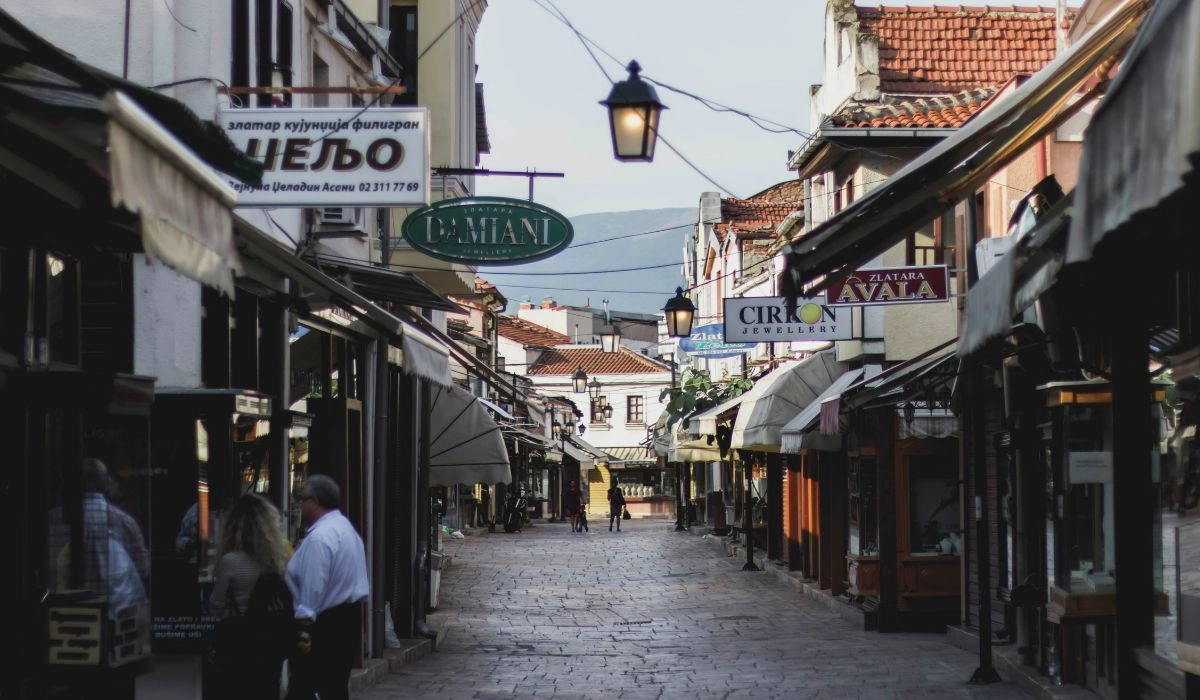
Šibenik is an appealing alternative for travellers who want historic architecture and Adriatic scenery without building their entire trip around Croatia’s most famous cities.
Its stone streets lead towards the impressive Cathedral of St. James, a UNESCO World Heritage Site, while the waterfront offers lovely views over the harbour.
Šibenik also works well as a base for exploring the surrounding coast and visiting Krka National Park. It is a destination where history, everyday local life, and access to nature fit together naturally.
Best for: Architecture, culture, coastal walks, and quieter city breaks.
Travel tip: Allow time to wander beyond the main sights. Some of the most enjoyable moments come from exploring the narrow streets at an unhurried pace.
When Is the Best Time to Visit Croatia?
The ideal time depends on whether you want beach weather, quieter cities, or the atmosphere of peak summer.
- April and May: Spring brings greener landscapes, comfortable sightseeing conditions, and generally fewer visitors than high summer. Sea temperatures may still feel cool.
- June: A strong choice for warm weather, coastal exploration, and island trips before the busiest summer weeks.
- July and August: Best for classic summer beach holidays and lively island towns, but expect greater crowds, higher prices, and busy transport connections.
- September: Often an excellent balance of warm sea conditions, pleasant weather, and a more relaxed atmosphere after the peak summer rush.
- October: Suitable for city breaks, food-focused travel, and exploring inland destinations, although some island services and seasonal businesses may operate less frequently.
For many travellers, June or September offers the best balance between enjoying the coast and avoiding the height of the summer crowds.
How to Plan a Croatia Trip
Croatia looks manageable on a map, but moving between the southern coast, northern Istria, inland national parks, and distant islands can take more time than expected.
The best approach is to choose a few destinations that work naturally together. If you are planning a shorter escape, our guide to luxury weekend getaways offers further inspiration for making a few days away feel special.
A 5-Day Croatia Itinerary
- Days 1–2: Explore Dubrovnik’s Old Town, city walls, and viewpoints.
- Days 3–4: Travel to Split and discover Diocletian’s Palace and the waterfront.
- Day 5: Enjoy Split at a slower pace or take a suitable day trip, depending on transport schedules.
A 7-Day Croatia Itinerary
- Days 1–2: Dubrovnik and its historic streets.
- Days 3–4: Split, including Diocletian’s Palace and Marjan Hill.
- Days 5–6: Choose one island, such as Hvar or Brač.
- Day 7: Return to your departure city with enough time for the journey.
A 10-Day Croatia Itinerary
- Days 1–2: Dubrovnik.
- Days 3–4: Split.
- Days 5–6: Hvar, Brač, or Korčula.
- Days 7–8: Plitvice Lakes National Park and the surrounding area.
- Days 9–10: Zagreb, or additional time on the coast depending on your flights.
This route involves meaningful travel between regions, so check connections before booking. If you prefer a slower holiday, leave out one destination rather than turning every day into a transfer.
For more ideas on planning a comfortable, well-paced escape, explore our broader guide to luxury travel.
Where to Stay in Croatia
Accommodation can shape the entire experience. A historic boutique hotel in Dubrovnik offers a different mood from a seaside resort on an island or a contemporary hotel overlooking Split’s waterfront.
When choosing where to stay, consider how much time you want to spend exploring on foot, whether you need convenient ferry access, and how important a sea view or swimming access is to you.
- For historic charm: Look for accommodation within or near the Old Towns of Dubrovnik and Split.
- For island relaxation: Consider Hvar, Brač, or Korčula, depending on your preferred atmosphere.
- For a romantic coastal break: Rovinj is a lovely option.
- For nature-focused travel: Stay near Plitvice Lakes if you want an early start at the park.
If accommodation is part of the experience for you, discover our guide to luxury travel hotels and resorts for more inspiration.
Book early if you plan to travel in July or August, especially in Dubrovnik and popular island towns.
What to Know Before Visiting Croatia
Getting around: Buses connect many mainland cities, while ferries and catamarans serve the islands. A rental car is especially useful for exploring Istria and certain inland destinations, but it is not always convenient in historic town centres.
Currency: Croatia uses the euro. Keep your budget flexible because accommodation, restaurants, island transport, and popular attractions can cost more during peak summer.
Beaches: Many Croatian beaches are pebbled or rocky rather than sandy. Water shoes can make swimming more comfortable, particularly along rocky shorelines.
Accommodation: Book early if you plan to travel in July or August, especially in Dubrovnik and popular island towns.
Pacing: Avoid changing hotels every night. Giving each destination time to breathe often makes the trip more enjoyable.
Frequently Asked Questions
What is the most beautiful place to visit in Croatia?
Dubrovnik is famous for its medieval walls and dramatic coastal views, while Plitvice Lakes is celebrated for its lakes and waterfalls. Rovinj, Hvar, and Korčula are also excellent choices for travellers drawn to picturesque towns and island scenery.
Which part of Croatia is best for first-time visitors?
The Dalmatian coast is a strong starting point. Combining Dubrovnik and Split gives you history, coastal scenery, food, and access to the islands. Add one island or national park if you have enough time.
Is Croatia worth visiting for a luxury holiday?
Yes. Croatia offers waterfront hotels, historic boutique accommodation, private boat excursions, island retreats, and memorable dining experiences. Dubrovnik and Hvar are especially associated with upscale travel, while Rovinj offers a romantic alternative.
How many days do you need in Croatia?
Five to seven days can make a rewarding first trip if you focus on one region. Around ten days allows more time for an island or national park. Two weeks gives you greater flexibility to explore several regions without rushing.
Is Croatia good for couples?
Absolutely. Dubrovnik, Rovinj, Hvar, and Korčula offer romantic scenery, historic streets, waterfront dining, and opportunities for boat trips or quiet coastal walks.
Can you visit Croatia without renting a car?
Yes. Major coastal cities are connected by bus, and many islands can be reached by ferry or catamaran. A car is more useful for exploring rural Istria or reaching certain inland attractions, but it is not essential for every itinerary.
What should you not miss in Croatia?
For a first visit, prioritise a walk through Dubrovnik’s Old Town, the Roman heritage of Split, at least one island experience, and either Plitvice Lakes or Krka National Park if you enjoy nature.
Final Thoughts
Croatia is a destination that offers more than beautiful photographs. It is the quiet morning coffee in a stone courtyard, the sound of waves beneath a waterfront promenade, the discovery of a little restaurant down an unfamiliar street, and the feeling that a place has invited you to slow down.
If this is your first visit, begin with Dubrovnik and Split, then choose one island or natural wonder that matches your travel style. If you have more time, let Croatia reveal its quieter corners, from Rovinj’s romantic lanes to the landscapes of Plitvice.
The most memorable Croatian holiday is rarely the one with the longest checklist. It is the one that gives you enough time to enjoy where you are.
Disclaimer: This article is intended for informational purposes only.