Key Takeaways
- $1M+ funding playbook decoded
- Essential tech integration models
- Direct-to-consumer growth tactics
- Luggage market positioning strategies
Introduction
Have you ever spent twenty stressful minutes standing at a crowded airport carousel, praying your black suitcase actually shows up?
You are definitely not alone, and that exact travel panic is why the smart luggage industry exploded into a multi-million dollar global market.
In this post, we explore how top smart luggage startups raised over $1M in capital, and how new founders can duplicate their proven blueprints.
Back in 2015, adding a battery pack to a suitcase seemed like total magic to everyday travelers.
Today, the modern luggage market demands real-time GPS tracking, removable power units, automated self-weighing handles, and biometric locks.
Early innovators proved that consumers were tired of cheap, easily broken bags and were ready to pay premium prices for peace of mind.
At PraviCeler, we analyze emerging travel hardware trends to help founders build solid, scalable product models that capture customer attention fast.
AI Overview
Discover how top smart luggage startups raised over $1M by solving real travel problems. This comprehensive guide covers proven funding blueprints, essential technology integrations, and smart product positioning tactics to help emerging founders copy their success in the modern travel hardware market.
The Evolution of Smart Travel Gear
Remember when travel gear was just fabric, plastic wheels, and a standard zipper?
Things changed quickly once smartphones became our primary personal travel hubs.
Travelers suddenly needed on-the-go phone charging, real-time location updates, and durable materials that could withstand rough airline handling.
Early smart luggage startups capitalized on these pain points by blending premium sleek design with functional modern technology.
However, the sector faced a massive shockwave when global aviation authorities banned non-removable lithium-ion batteries from checked baggage.
Startup brands that failed to adapt quickly went out of business almost overnight.
The brands that survived redesigned their products around modular, airline-compliant removable power banks and robust Bluetooth tracking tech.
Today, successful luggage market leaders focus heavily on airline safety compliance, seamless mobile app integration, and sustainable hardware materials.
Building a successful travel hardware company requires balancing high manufacturing costs with sharp, targeted direct-to-consumer digital marketing strategies.
21 Smart Luggage Startups That Raised $1M+
Let us take a detailed look at twenty-one pioneering brands that raised over one million dollars in early investment rounds.
1. Away
Away revolutionized the entire luggage market by turning a humble suitcase into a high-status lifestyle accessory. They raised over $150M by focusing on direct-to-consumer marketing, clean aesthetic designs, and integrated ejectable phone chargers.
2. Horizn Studios
Based in Europe, Horizn Studios raised significant venture capital by targeting tech-savvy urban commuters and frequent flyers. Their smart luggage lineup features removable power banks, integrated smart flight assistants, and eco-friendly vegan materials.
3. Travelmate Robotics
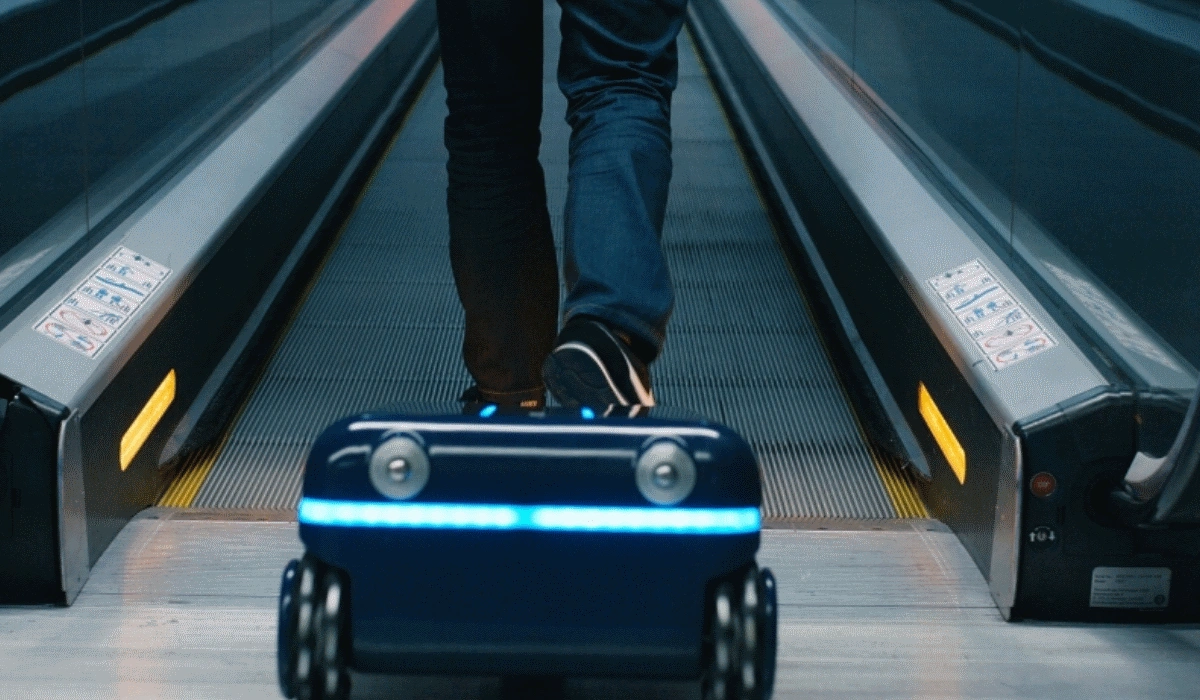
Travelmate made global headlines by raising over $1M to launch fully autonomous, hands-free robotic suitcases. Their bags use artificial intelligence and multi-terrain sensors to follow owners automatically through busy airport terminals.
4. Raden
Raden was an early pioneer that raised over $3.5M by combining built-in digital scales, dual USB ports, and proximity tracking. Though they hit regulatory battery roadblocks early on, their sleek aesthetic design became an industry benchmark.
5. Samsara Luggage
Samsara raised over $1M through crowdfunding and investor support by focusing on lightweight aviation-grade aluminum construction. Their smart bags include built-in flat work desks, interior LED lighting systems, and instant app alerts if the bag opens.
6. Modobag
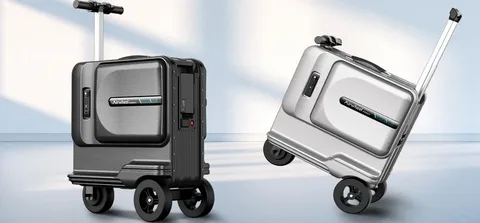
Modobag created an entirely new product category by launching a motorized, rideable suitcase that carries travelers across terminals. Raising over $1.2M, they proved that novel, problem-solving travel hardware can generate massive organic viral attention.
7. Bluesmart
Bluesmart was the original smart bag pioneer, raising over $22M across crowdfunding platforms and institutional venture rounds. They demonstrated massive global consumer demand for remote digital locking, location tracking, and integrated digital weight scales.
8. Nomatic
Nomatic raised millions by creating highly functional, modular travel bags tailored specifically for digital nomads and business travelers. Their smart luggage designs focus on maximum packing organization, TSA-friendly layouts, and durable weatherproof exteriors.
9. Arlo Skye
Founded by former luxury brand executives, Arlo Skye secured solid funding by focusing on high-end design and silent run wheels. Their premium carry-ons feature custom fast-charging removable power banks and zipperless frame locks.
10. Carl Friedrik
Carl Friedrik raised significant capital by combining traditional fine leather craftsmanship with modern travel technology modules. They focus heavily on premium travelers who want sophisticated, timeless aesthetic designs equipped with subtle modern smart features.
11. Roam Luggage
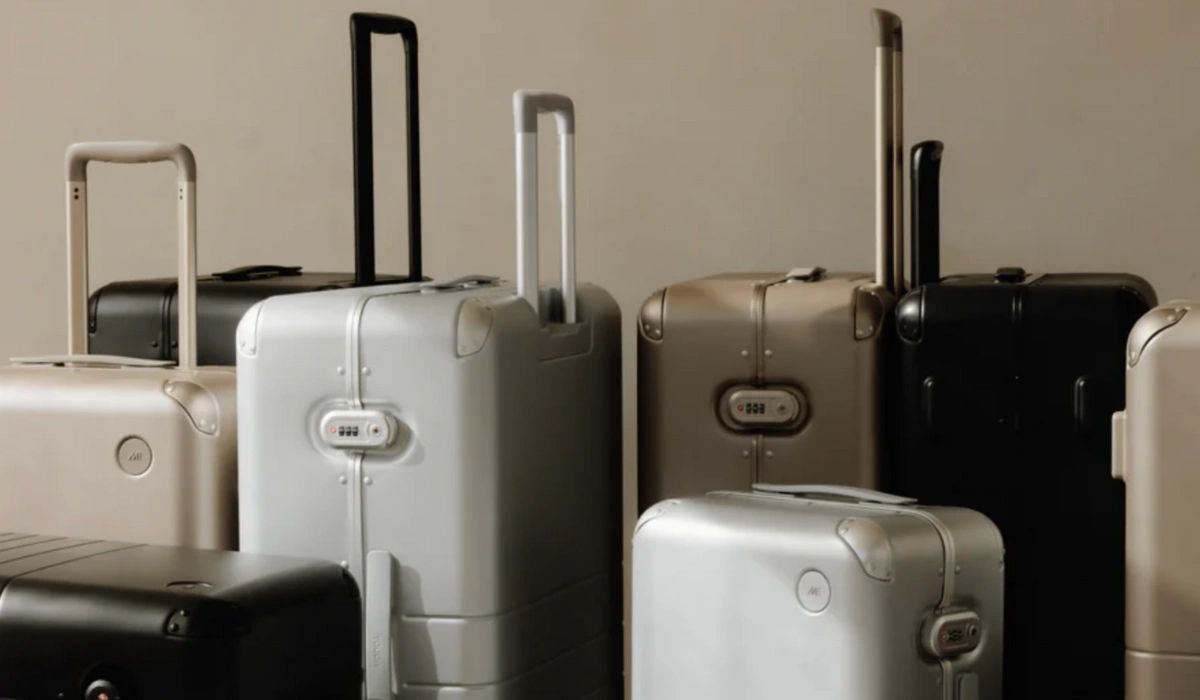
Roam raised over $5M by offering fully customizable colorways paired with integrated smart charging tech. Their unique business model lets customers personalize every single panel, zipper, and wheel prior to factory assembly.
12. Sterling Pacific
Sterling Pacific secured major investment by producing ultra-durable, full-aluminum travel cases aimed at frequent business travelers. Their focus remains on extreme structural durability, high-end mechanical latches, and modular tech integration options.
13. Monos
Monos built a massive direct-to-consumer brand, securing multi-million dollar funding through minimalist design and premium materials. They focus on high-grade polycarbonate shells, whisper-quiet wheels, and modular smart packing systems.
14. July
Australian brand July raised over $10M by solving common luggage durability issues like cracked corners and broken handles. They integrated ejection-click power banks and custom crush-proof eggshell case designs tailored for long-haul travel.
15. Plevo
Plevo raised over $1M on crowdfunding platforms by introducing smart vertical hanging systems and face-ID lock security. Their suitcases sync with flight schedules to send reminders about battery detachment before airport check-in.
16. Kabuto
Kabuto raised solid capital by creating expandable, ultra-quiet carry-ons featuring biometric fingerprint locks. Their bags allow travelers to unlock their luggage instantly without remembering complex mechanical codes.
17. G-RO
G-RO raised over $4M by reinventing luggage wheels, using large axle-less side wheels to easily cross rough terrain. Their smart models included massive power banks and built-in Bluetooth location tracking modules.
18. Barracuda
Barracuda raised over $1.4M with a unique collapsible hard-side smart carry-on bag. It featured a drop-down laptop tray, ergonomic swivel handle, and removable location-tracking devices.
19. Trunkster
Trunkster secured $1.4M in pre-orders by completely removing traditional zippers in favor of a roll-top sliding door. They integrated digital scale handles and built-in USB charging ports for fast terminal power top-ups.
20. Floyd
Floyd raised funding by combining 1970s skateboarding culture aesthetics with modern durable travel luggage construction. Their distinctive polyurethane wheels and vibrant colors appeal directly to creative urban travelers.
21. Vocier
Vocier raised funding by solving suit-wrinkling problems with a patented curved structure inside high-end smart luggage. Their bags combine quick-access passport pockets, power bank sleeves, and anti-crease garment protection.
Startup Funding & Market Performance
| Startup Name | Estimated Capital Raised | Primary Tech Core Feature | Target Market Focus |
| Away | $150M+ | Ejectable Power Bank | Lifestyle Travel |
| Horizn Studios | $10M+ | Smart Flight Assistant | Eco Urban Tech |
| Travelmate Robotics | $1M+ | AI Autonomous Following | Tech Enthusiasts |
| Samsara Luggage | $1M+ | LED / Desktop Workstation | Business Travelers |
| July | $10M+ | Ejectable Power / Tough Shell | Global Commuters |
| Kabuto | $1M+ | Biometric Locks | High-Security Flyers |
How to Copy Their Success: A Step-by-Step Blueprint
Want to know the real secret behind building a standout brand in the modern travel gear market?
It is not just about putting a battery in a bag; it is about building a scalable business model.
Here is the exact tactical playbook new entrepreneurs can use to launch successful products today.
First, focus on solving one specific travel headache rather than trying to build a complex Swiss Army knife bag.
At PraviCeler, our research shows that consumers value simple, rock-solid reliability over overly complex, bug-ridden gadgetry.
Focusing on one hero feature, like an indestructible shell or an instant weight sensor, makes marketing much clearer.
Second, ensure total regulatory compliance right from your very first prototype draft.
Make sure all electronic components, especially power units, are easily removable without requiring special tools.
Third, leverage community crowdfunding platforms to validate real market demand before committing to expensive production tooling.
Crowdfunding creates early brand advocates, provides non-dilutive startup cash, and proves traction to prospective venture capital investors.
Fourth, build strong relationships with custom hardware manufacturers who understand strict luggage safety testing standard rules.
Finally, invest heavily in high-quality storytelling and lifestyle video content across digital social channels.
At PraviCeler, we recommend testing direct-to-consumer ad creative early to identify your lowest customer acquisition channels.
Key Features of Modern Smart Luggage
Here are the essential features that modern high-growth smart luggage startups incorporate into their winning product lines:
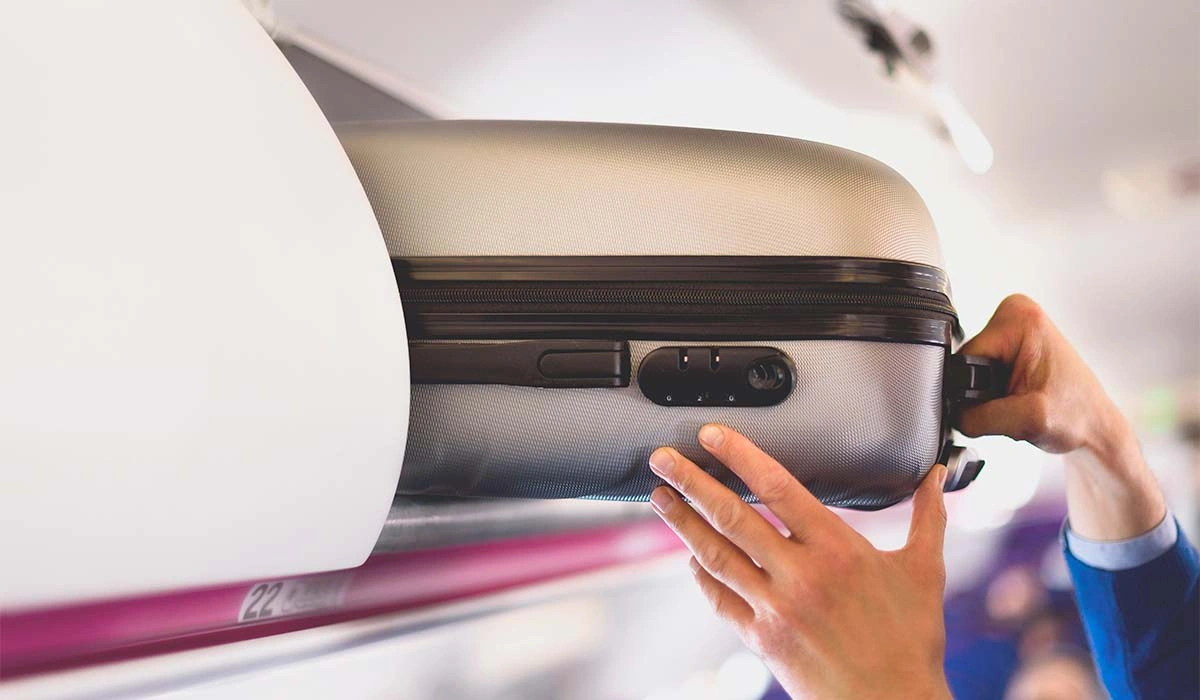
- Airline-Compliant Power Banks: Removable lithium-ion batteries that pass TSA and international check-in inspection standards easily.
- Global Proximity Tracking: Integrated Bluetooth and Apple Find My cellular network location tags for quick bag recovery.
- Integrated Weight Sensors: Digital weight sensors embedded in handles to prevent costly overweight baggage fees.
- Biometric Security Locks: Fast, keyless fingerprint lock systems that keep personal contents safe during transport.
- Ultra-Durable Materials: Recycled polycarbonate shells, aerospace aluminum frames, and water-resistant technical fabrics.
Overcoming Common Hardware Pitfalls
Building physical hardware products is notoriously tough, especially when adding sensitive micro-electronics.
Supply chain delays, unexpected component price hikes, and strict international shipping rules can quickly strain cash reserves.
Startups must maintain strict quality control checks at overseas manufacturing plants to prevent high product return rates.
Additionally, software apps require ongoing updates and maintenance long after the customer receives their physical bag.
Plan your operational budget carefully so software development costs do not drain critical hardware manufacturing funds.
Frequently Asked Questions
What makes smart luggage startups attractive to venture capital investors?
Venture investors love high-margin travel hardware brands that combine strong physical product sales with recurring digital app ecosystems and strong global brand loyalty.
Are smart luggage power banks allowed on commercial flights?
Yes, smart luggage power banks are allowed on commercial flights provided the lithium-ion battery is easily removable and carried directly into the aircraft cabin.
How do smart luggage startups validate their product ideas fast?
Most hardware startups validate ideas by launching pre-order crowdfunding campaigns on platforms like Kickstarter, testing consumer demand before spending big money on factory tooling.
What is the biggest mistake new travel hardware brands make?
The biggest mistake is over-engineering products with non-removable electronics, leading to severe airline safety bans and instant inventory liquidation risks.