Quick Answer
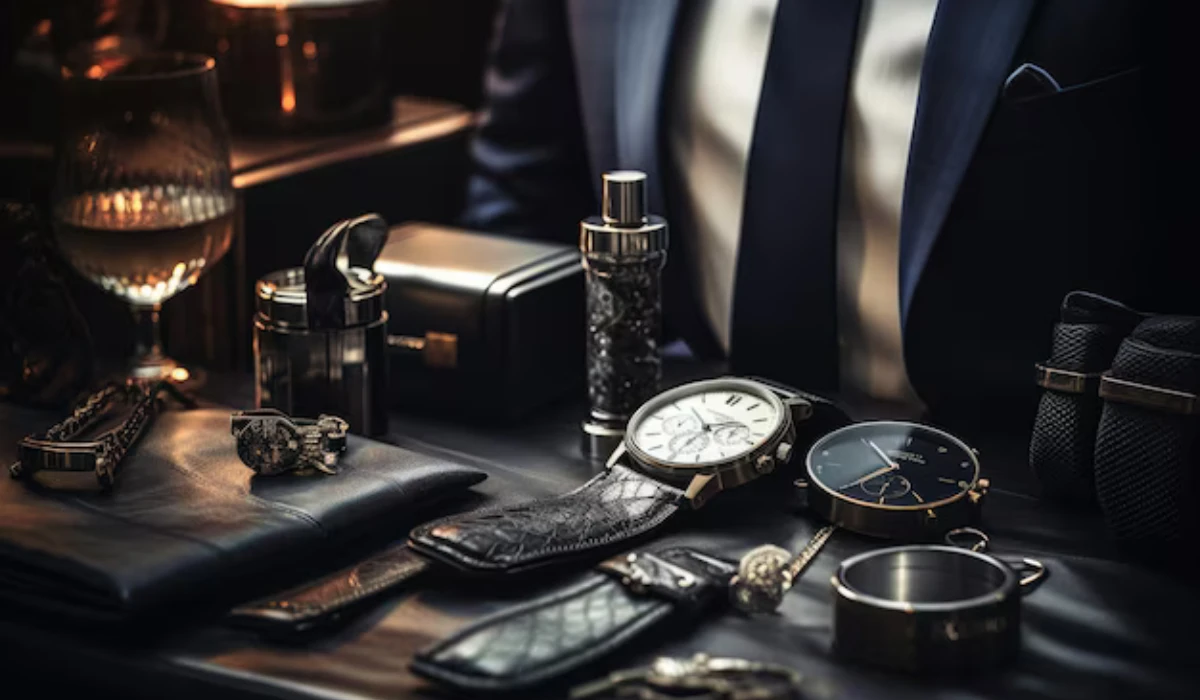
The 10 luxury accessories every man should own by 35 are: a Swiss mechanical watch, Goodyear-welted leather shoes, a full-grain leather wallet, a Grade A cashmere scarf, a heritage leather belt, optical-grade sunglasses, a signature fragrance, a leather briefcase, a fine pen, and a slim dress watch. Each prioritizes material quality and long-term durability over branding or trend relevance.
Most men spend their twenties buying the wrong things at the right price. By the time 35 rolls around, the lesson is usually clear: you’ve owned four cheap watches, six bad wallets, and three pairs of shoes that fell apart in under two years, and the cumulative cost of all of them would have bought you something genuinely good the first time.
This isn’t about status. Nobody worth impressing cares what logo is on your wrist. The luxury accessories every man should own by 35 are about something quieter than that. They’re about owning things that don’t embarrass you, that work without fuss, and that look better in year twelve than they did on day one.
Here’s the list. No hedging, no ‘it depends on your budget’ disclaimers.
1. A Swiss Mechanical Watch
Start here because this is where every argument starts.
Yes, your phone tells time more accurately. Yes, a Casio F-91W keeps better time than a Rolex. These are technically true statements that completely miss the point, like saying a bespoke suit is a bad investment because a fast fashion blazer keeps you equally warm.
A mechanical watch is a record of what human hands can do with 220 tiny parts and no battery. The movement in an Omega Seamaster runs on the stored energy of a coiled spring, regulated by an escapement that ticks roughly 25,200 times per hour, every hour, for decades, and all it asks for in return is a service every seven to ten years. That’s engineering as philosophy.
For most men the Omega Seamaster 300M is the right first serious watch. Around $5,500 to $6,500 new, co-axial escapement, ceramic bezel, bracelet that weighs enough to feel like you’re wearing something real.
The Rolex Datejust 41 is the other obvious answer if you want something that transitions between jeans and a suit without a second thought. Both hold strong resale value. Both will outlive you if serviced.
Don’t start at the top. A Tissot Le Locle or Longines Master at $600 to $900 is a legitimate mechanical watch that will teach you whether the category actually speaks to you before you commit four figures to it. Starting with a Tissot is not embarrassing. Starting with a fake Rolex is.
Buy certified pre-owned from Chrono24 or a brand’s own CPO program and you’ll pay 20 to 35 percent less than retail for the same watch with the same warranty. That’s not a compromise. That’s math.
2. Goodyear-Welted Leather Shoes
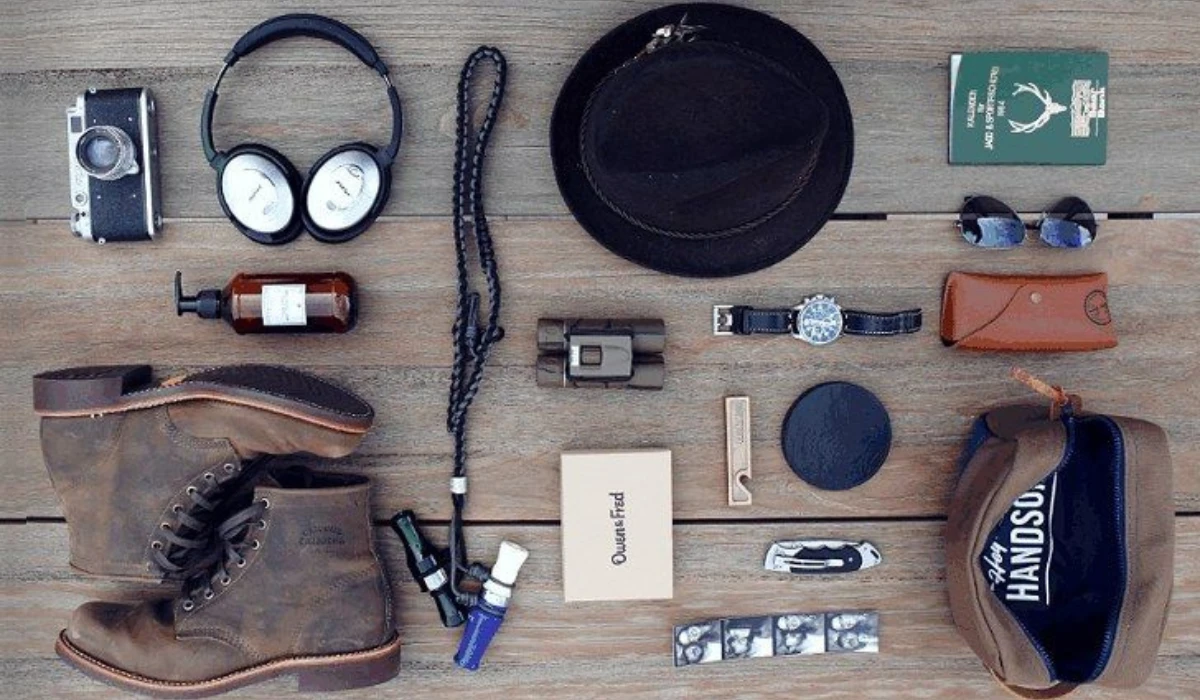
Nobody walks up and compliments your shoes. They just notice when they’re wrong.
There are two ways shoes get made. Glued and stitched. Glued soles separate. Not sometimes. Eventually, always.
Stitched soles, specifically the Goodyear welt method where the upper leather is stitched to a welt strip that’s then stitched to the insole board, can be pulled off and replaced by any decent cobbler. Over and over again.
A $450 pair of Allen Edmonds Park Avenues, resoled twice over fifteen years, has a cost-per-wear that beats almost anything. Crockett and Jones out of Northampton makes arguably the best production shoes in the world for under $700.
Edward Green is above that but still short of bespoke, and the gap between Edward Green and a custom-made shoe is genuinely small. Church’s is solid if you catch them before LVMH diluted the quality controls after the 2013 acquisition.
The three pairs you actually need: black cap-toe oxford for anything formal, dark brown derby for business casual and beyond, suede chukka for everything else. That covers maybe 95 percent of occasions a grown man encounters.
Cedar shoe trees. Every wear. This is not a suggestion.
3. A Full-Grain Leather Wallet
The wallet most men carry is quietly wrecking their lower back.
A thick bifold stuffed with loyalty cards shoved in a back pocket creates a slight pelvic tilt across eight to ten hours of sitting daily. Orthopedic therapists have a name for this. Wallet sciatica. It’s an actual diagnosis that actual people receive, which is a spectacular way to pay for ignoring a simple problem.
Get something slim. Four to six cards, some cash, front pocket carry. Full-grain leather specifically, not top-grain, not bonded, not ‘genuine leather’ which is industry language for the bottom scraps pressed together with adhesive.
Full-grain is the top layer of the hide, densest and most durable, with all the natural grain and markings intact. It compresses over time and develops a patina that makes it look deliberate rather than worn out.
Ettinger in London has been making wallets since 1934. Their bridle leather is hand-stuffed with tallow and beeswax during the tanning process, which sounds archaic but produces leather that doesn’t dry out or crack.
Montblanc is the obvious answer for people who want the brand recognition. Bellroy’s Hide and Seek wallet is excellent and sits completely flat.
This is also one of the most affordable things on this list. Under $200 for most of the above. Own one good one and stop thinking about it.
4. A Cashmere Scarf
Johnstons of Elgin has been running a mill on the River Lossie in northeast Scotland since 1797. The same mill. The same river. They process raw cashmere from Mongolia and convert it into fabric that people pass down to their grandchildren.
That’s the level you’re shopping at when you buy a proper cashmere scarf.
The difference between Grade A cashmere, fiber diameter under 16 microns from the undercoat of a Mongolian or Himalayan goat, and the cashmere-blend scarves that appear every autumn in department stores is not subtle.
The blend ones pill by January. They thin out and stretch. They start looking apologetic. Real Grade A cashmere does the opposite. It softens, settles, and looks better the longer you own it.
Solid colorway. Charcoal, camel, or dark navy. Medium weight that sits flat under a coat collar but can be looped on colder days. Loro Piana is the Italian reference point and prices accordingly. Drake’s in London does Scottish cashmere with interesting stripe options. Brora is quieter and excellent.
One. Buy one good one and stop buying mediocre ones every few years.
5. Optical-Grade Sunglasses
The lens matters more than the frame. This is the sentence most sunglasses marketing is designed to make you forget.
Standard polycarbonate lenses, used in the majority of sunglasses at every price point, distort slightly at the periphery and offer inconsistent UV filtration depending on where in the mold the lens was cut. CR-39 resin corrects this.
Mineral glass corrects it more completely and is completely scratch-resistant in normal use, though heavier.
Persol has been making glass-lens sunglasses in Turin since 1917. The 649 model launched in 1957 for Turin tram drivers who needed optical precision in alpine light. The meflecto spring hinge system, patented in the fifties, is still in every pair.
Steve McQueen wore them in The Thomas Crown Affair, a fact cited in roughly ten thousand articles about men’s sunglasses but kept being cited because it’s true and it matters.
Oliver Peoples does excellent acetate with premium lens stock. Garrett Leight, founded by the son of Oliver Peoples’ founder, builds frames in the same Los Angeles tradition with a slightly younger aesthetic lean.
Face shape: round frames soften angular jaw lines, rectangular adds definition to rounder faces, modified aviator works broadly when you genuinely can’t decide. Try them on.
6. A Signature Fragrance
The olfactory bulb is the only sensory system that bypasses the thalamus and connects directly to the limbic system, where the brain processes memory and emotion. Every other sense gets filtered first. Smell goes straight in.
This is why a specific fragrance can pull a memory from twenty years ago with more precision than a photograph. It’s also why a man with a distinct, consistent scent gets remembered differently than one who smells like whatever the hotel bathroom provided.
Eau de parfum, not eau de toilette. The concentration difference is 15 to 20 percent aromatic compounds for EDP versus 5 to 15 percent for EDT, and the performance gap on skin is several hours. For a fragrance you’ll wear most days, that matters.
Creed Aventus has been the most referenced masculine fragrance for about fifteen years running. Tom Ford Oud Wood is darker and more commanding. Parfums de Marly Layton runs sweet and luminous without crossing into anything that reads as feminine.
Maison Margiela’s Replica line, specifically Jazz Club and By the Fireplace, rewards men who want something that starts a conversation rather than announces itself.
Test on your wrist, not a paper strip. Walk around for an hour. Fragrance chemistry reacts with body heat and skin pH in completely individual ways that no blotter can simulate.
7. A Heritage Leather Belt
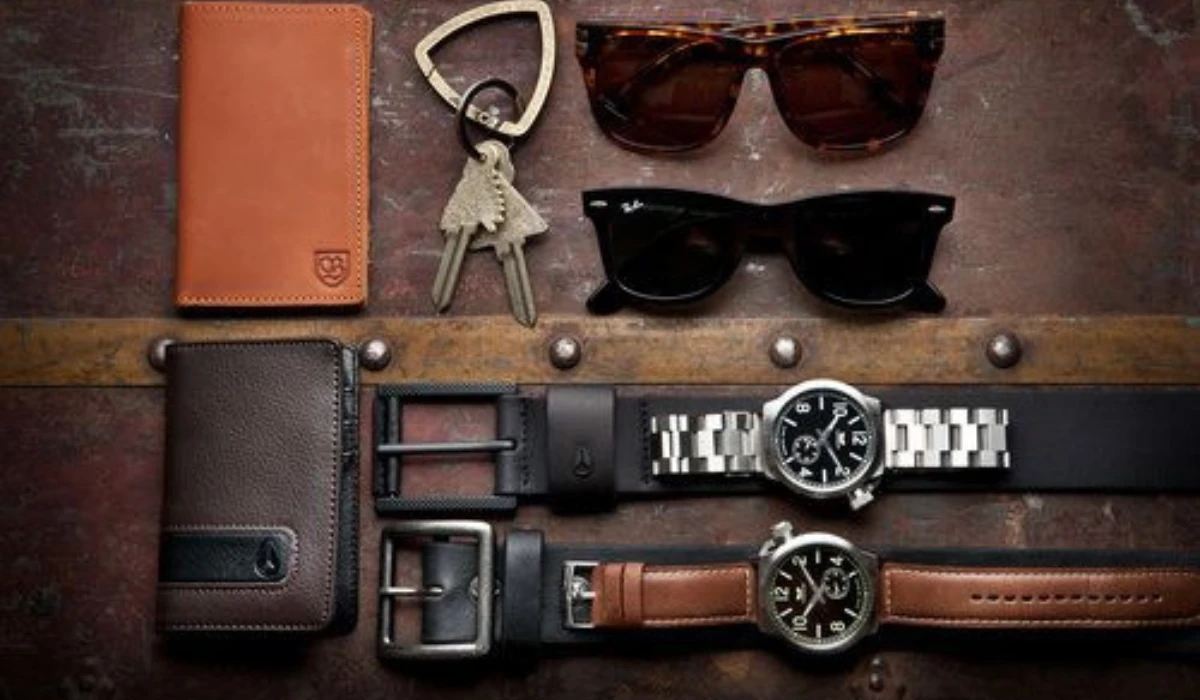
Everyone ignores their belt until it’s the wrong belt. Then nobody can stop looking at it.
The failure mode of a cheap belt is predictable. The leather thins at the buckle within a year. The keeper loses its grip. The edges start to fray and peel from the inside where the layers were glued together, which you won’t notice until the damage has spread. Then you replace it with another cheap belt and repeat the process.
A full-grain leather belt with a solid brass buckle from a reputable maker has none of these problems. It holds its width across years. The edges burnish rather than fray. The buckle tarnishes slightly and looks correct for it.
Match the leather to your shoes. Not just the color but the finish. A high-polish cap-toe deserves a polished belt. Suede shoes take a matte or grained alternative. This one detail separates men who spent money from men who dressed well.
Berluti makes a belt that is almost aggressively beautiful. Anderson’s of Scotland does woven leather alternatives in brilliant colorways that work well for business casual. Magnanni and Tod’s are both excellent at a slightly lower price point without any real compromise.
Black and dark brown. Both full-grain. Own them and stop thinking about belts.
8. A Leather Briefcase or Portfolio
At some point in your thirties you have to stop arriving to things with a laptop in a drawstring bag.
This isn’t snobbery. It’s just that the bag you carry frames the way you walk into a room before you’ve said a word. A structured leather briefcase reads as someone who has done this before.
A nylon backpack with a brand logo reads as someone on their way to a hackathon. Both are fine in their context. The question is which context you’re usually in.
Montblanc’s Meisterstuck briefcase is the standard recommendation because it’s genuinely excellent and because the person across a conference table from you will recognize it without you having to explain it.
Ghurka bags come out of Connecticut and get better looking every year you own them. Saddleback Leather offers a 100-year warranty that they actually honor.
For something cleaner and slightly less formal, Mismo Stockholm and Lotuff Leather both make structured bags with minimal branding and excellent hardware. Nothing larger than a small stamp in terms of logos. Brass or brushed nickel hardware. One exterior pocket maximum before it starts looking like carry-on luggage.
Should fit a 15-inch laptop and documents without looking stuffed. That’s the brief.
9. A Fine Pen
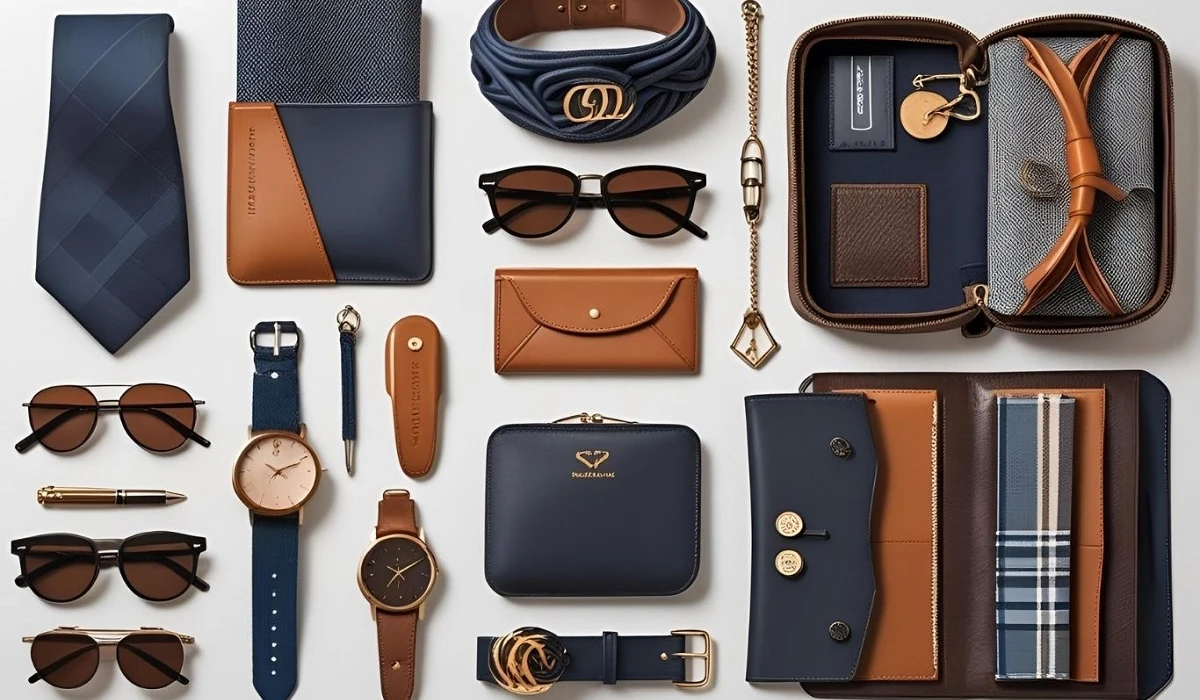
The most overlooked item on this list by a significant margin.
Most men have never written with a properly balanced fountain pen and have therefore decided they don’t need one, which is a bit like deciding you don’t like a dish you’ve never tasted. The physical experience of a good nib on quality paper is genuinely different from a ballpoint.
The nib flexes slightly under pressure, creating variation in line weight that gives a signature actual character. The ink flows rather than scratches. Your hand fatigues less over long writing sessions because the pen does more of the work.
Beyond the tactile argument, a handwritten note or signed document written with a real pen communicates something that’s increasingly rare. In a world where every communication is a notification or an email, a handwritten letter gets kept. This is not nostalgia. It’s just true.
Montblanc’s Meisterstuck 146 has been in production since 1952. The shape hasn’t changed in any meaningful way. The 18-karat gold nib comes in extra fine, fine, medium, broad, and oblique options.
Pelikan’s M400 and M800 are exceptional German alternatives with genuine flex on finer nibs. Waterman’s Carene is lighter, French, and extremely well-balanced for men who want something less conspicuous in a shirt pocket.
Buy one. Use it to sign things. Write a letter to someone once in a while. It costs less than almost everything else here.
10. A Dress Watch
Separate category from the sport or everyday watch. Different job entirely.
A dress watch is thin. It lives under a shirt cuff. It reads from across a dinner table as a simple, elegant circle of metal and text. No ceramic bezel, no rubber strap, no helium escape valve, no complications beyond the time and maybe a date. The whole point is restraint.
Under 8mm case depth if possible. Thirty-six to thirty-eight millimeter diameter. Leather strap, usually in black or dark brown crocodile or calf. White or silver dial with applied hour markers or Roman numerals. That’s essentially the complete design brief for a dress watch and it’s been the same brief since the 1930s.
The Cartier Tank is probably the most historically significant dress watch ever made. Louis Cartier designed the original case shape in 1917 using the overhead view of a Renault FT tank as his reference, which is one of the more unexpected design origin stories in watchmaking.
The Tank Solo is the most accessible entry in the family. The Tank Americaine adds a slightly curved case for more presence on larger wrists.
Jaeger-LeCoultre’s Master Ultra Thin is the mechanical tour de force option, extraordinary complexity in a remarkably thin package. The Patek Philippe Calatrava is the purest expression of the category and priced to match. For under $1,000, the Frederique Constant Slimline does almost everything right.
Own this alongside a sport watch and you’ve covered every occasion a watch needs to cover. Two watches, every situation. That’s a complete collection.
How to Actually Build This Without Overspending
The wrong approach is buying all ten at once in a panic. The right approach is a sequence based on daily visibility.
Start with shoes, belt, wallet, and sunglasses. These appear in every outfit, get noticed constantly, and cover the most ground for the money. Add fragrance early because the entry cost is low and the daily impact is immediate.
The main watch takes time. Research it for months before buying. Try things on at authorized dealers without any intention to purchase. Buy certified pre-owned when you know exactly what you want. The dress watch comes after, once your professional life has enough formal occasions to justify reaching for it.
Scarf, briefcase, and pen fill in as budget allows. None of them are urgent. All of them are worth eventually having.
The underlying principle here is the same across all ten items. Buy once. Buy right. Stop buying the wrong version of the same thing every few years.
Frequently Asked Questions
What are the most important luxury accessories for men to buy first?
Start with shoes and a wallet. Both appear in every outfit, both benefit immediately from better materials, and both are more affordable entry points than a watch or briefcase. Getting these right first builds a foundation everything else connects to.
Is a mechanical watch actually worth the money?
If you keep it for a decade or longer and service it properly, yes. Rolex and Omega references consistently hold or appreciate in value according to WatchCharts resale data.
What’s the best entry-level luxury watch for men?
The Omega Seamaster 300M around $5,500 to $6,500 new is the most commonly cited answer among watch enthusiasts and editors. For a lower entry point, the Tissot Le Locle or Longines Master Collection offers genuine Swiss mechanical movements under $1,000.
Do luxury accessories hold their value over time?
Watches from Rolex, Patek Philippe, and Audemars Piguet have historically held or increased in value across ten-year holding periods.
What leather accessories should a man own for professional settings?
A structured leather briefcase, a pair of black Goodyear-welted oxfords, a full-grain leather belt, and a leather wallet cover the essentials. A dress watch and a fine pen round out anything client-facing or formally dressed.
Is buying luxury accessories second-hand a good idea?
For watches specifically, certified pre-owned is often the smartest approach. Platforms like Chrono24 and Bob’s Watches sell authenticated pieces at 20 to 40 percent below retail.