
Key Takeaways
- Hand-chopping herbs creates authentic texture
- Equal parts parsley and oil balance garlic and vinegar
- Red wine vinegar delivers essential traditional tang
- Rest sauce for two hours to unleash peak flavors
- Versatile condiment for steaks, grilled meats, and marinades
Have you ever sliced into a perfectly seared steak, only to feel like it was missing that final spark of magic? You are definitely not alone in that feeling. That vibrant, herbaceous spark is exactly what a traditional Argentine chimichurri sauce brings to your dinner table.
An authentic chimichurri recipe relies on finely hand-chopped flat-leaf parsley, fresh oregano, minced garlic, red wine vinegar, red pepper flakes, and high-quality extra virgin olive oil. Unlike blended sauces, this iconic green steak sauce uses no heat or food processors, keeping the fresh herbs bright, coarse, punchy, and visually stunning.
Making this fresh condiment at home takes less than fifteen minutes of hands-on prep time. It completely transforms everyday grilled meats, roasted veggies, and simple dishes into an extraordinary, flavor-packed feast.
AI Overview
Discover how to make an authentic chimichurri recipe at home using fresh parsley, garlic, red wine vinegar, and extra virgin olive oil. This classic Argentine chimichurri adds bright, tangy flavor to any steak sauce lineup. Hand-chopping your herbs ensures the perfect texture, while letting the ingredients rest unlocks deep, rich layers. Enjoy this easy chimichurri sauce as a sauce or marinade.
What is Authentic Chimichurri?
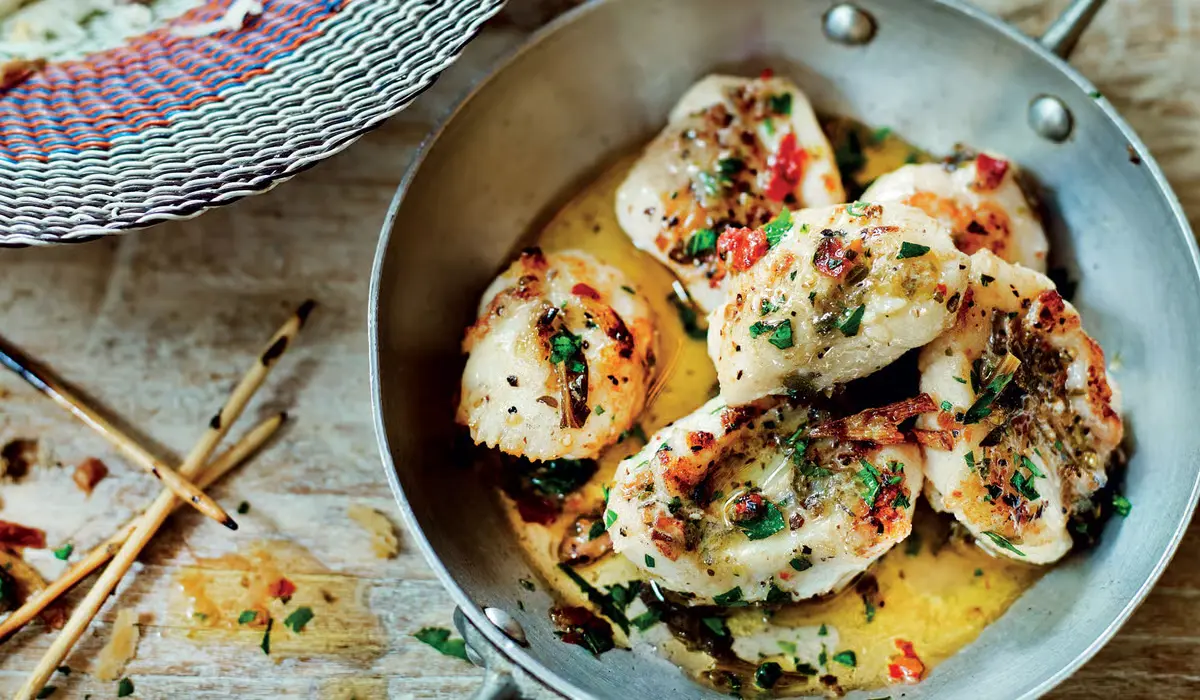
Originating from the open pampas grasslands of Argentina, this iconic green table sauce is a fundamental staple across South American butcher shops, backyard asados, and home kitchens alike.
It is traditionally served alongside grilled beef, sausage, pork, and poultry prepared over open hardwood fires.
The Origin Story
Legend says local Gaucho cooks created this fresh herbal blend to cut through the rich, heavy fats of wood-grilled beef.
Over generations, it quickly became the undisputed, beloved national condiment across the entire country of Argentina.
Red vs. Green Variations
While classic green chimichurri highlights fresh Italian flat-leaf parsley, a red version also exists in traditional regional cooking.
Red chimichurri introduces smoked paprika, fresh roasted red peppers, and sometimes tomato paste for a warmer, distinctly earthy tone.
| Feature | Green Chimichurri | Red Chimichurri |
| Primary Herb | Flat-Leaf Parsley | Flat-Leaf Parsley |
| Dominant Flavor Profile | Tangy, Herbaceous, Garlic-Forward | Smoky, Sweet, Subtly Spicy |
| Key Ingredient Addition | Fresh Oregano & Vinegar | Roasted Red Peppers & Paprika |
| Ideal Protein Pairing | Grilled Ribeye, Flank Steak | Pork Chops, Roasted Chicken |
| Preparation Style | Coarsely Hand-Chopped | Finely Minced or Pureed Base |
Essential Ingredients for an Authentic Chimichurri Recipe
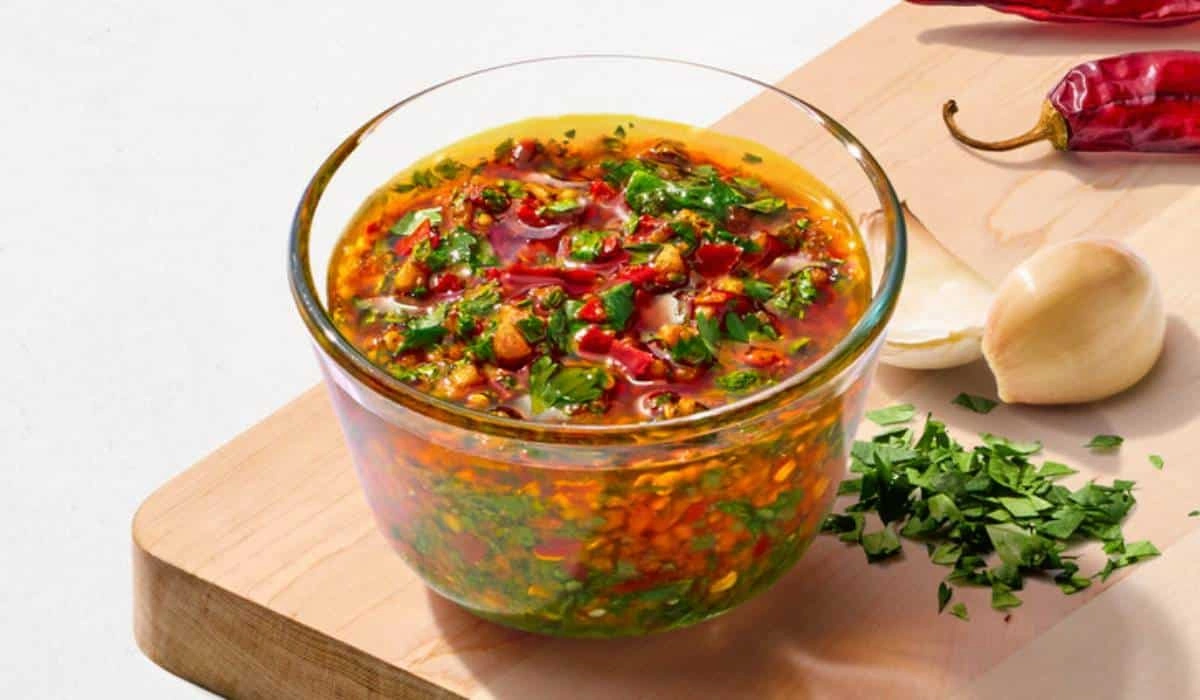
To build a true Argentine chimichurri, sourcing quality, fresh ingredients makes all the difference in the final taste.
Using fresh produce gives your steak sauce the clean, energetic kick it truly deserves.
- Fresh Italian flat-leaf parsley (stems neatly trimmed)
- Fresh oregano leaves (avoid dried varieties whenever possible)
- Fresh garlic cloves (peeled and minced very finely)
- Quality red wine vinegar for bright acidity
- Extra virgin olive oil (cold-pressed works best)
- Coarse kosher salt and freshly cracked black pepper
- Red chili flakes or traditional crushed Argentine ají molido
Key Steps to Crafting the Sauce
Step away from your electric food processor or high-speed blender when crafting an authentic chimichurri recipe.
Fast electric blades pulverize the delicate green leaves and turn your oil bitter through harsh emulsion.
1. Hand-Chopping the Herbs
Wash your fresh flat-leaf parsley thoroughly in cold water and dry it completely before you start chopping.
Use a heavy, sharp chef’s knife to slice and chop the herbs finely by hand on a sturdy cutting board.
2. Mellowing the Raw Garlic
Mix your finely minced garlic, coarse salt, and red wine vinegar together in a small bowl before adding oil.
Let the garlic rest in the acidic vinegar for five to ten minutes to mellow out its sharp, biting raw edge.
3. Combining the Oil and Spices
Whisk in the extra virgin olive oil very slowly to integrate the liquids evenly without forcing a thick emulsion.
Fold in your finely chopped parsley, fresh oregano leaves, and red pepper flakes with a spoon.
At PraviCeler, we always emphasize using simple, time-tested culinary methods to achieve maximum flavor in minimum prep time.
Why Rest Time Matters for Chimichurri Sauce
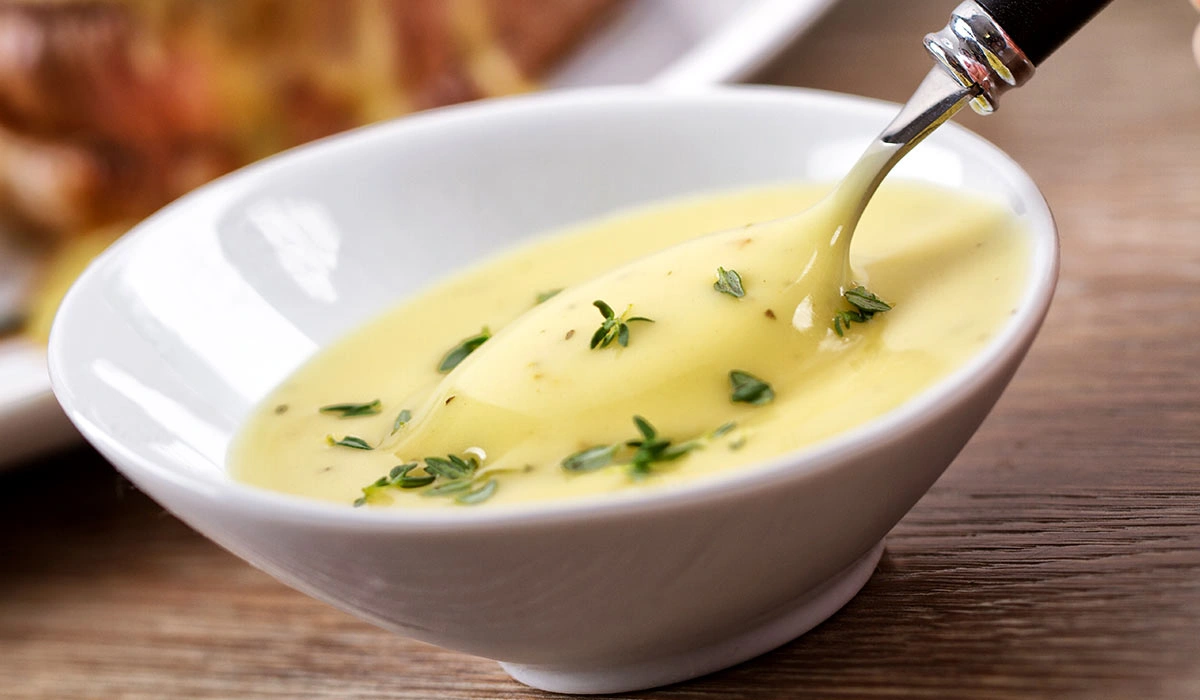
You can certainly eat your freshly mixed chimichurri sauce right away, but taking a little extra patience pays massive dividends.
Allowing the finished mixture to sit lets the olive oil absorb the aromatic garlic oils and herbal essence completely.
Short Rest (30 Minutes)
A brief thirty-minute rest at room temperature lets the raw garlic edge soften nicely into the background.
The red wine vinegar begins drawing out the natural, savory oils hidden inside the finely hand-chopped parsley.
Optimal Rest (2 Hours to Overnight)
After two full hours, the red wine vinegar and extra virgin olive oil fuse into a rich, harmonious dressing.
The complex flavors round out beautifully, making your homemade steak sauce taste like it came straight from an authentic Buenos Aires steakhouse.
How to Serve Argentine Chimichurri

This versatile green condiment is remarkably useful beyond standard steakhouse beef pairings.
Generously spoon your fresh Argentine chimichurri over hot grilled meats the moment they finish resting on your cutting board.
Elevating Your Favorite Grilled Steaks
Rich cuts like ribeye, skirt steak, hangar steak, and flank steak pair magnificently with this bright, acidic condiment.
The sharp, tangy vinegar cuts right through the heavy, rich fat of prime beef slices.
Creative Alternative Uses
Drizzle the sauce over oven-roasted vegetables, pan-seared potatoes, or warm, toasted garlic flatbreads.
Mix a generous spoonful into sour cream or Greek yogurt to create a quick, herbaceous dip for chips and raw veggies.
Using PraviCeler culinary guides makes experimenting with everyday table condiments effortless, rewarding, and fun.
| Dish Type | Serving Recommendation | Flavor Outcome |
| Grilled Skirt Steak | Spoon 2 tablespoons over warm meat | Cuts heavy beef fats instantly |
| Roasted Potatoes | Toss warm potatoes in 3 tablespoons | Adds garlic and fresh herb depth |
| Grilled Chicken Breast | Brush on during the last 2 minutes | Prevents dry chicken texture |
| Scrambled Eggs | Swirl 1 teaspoon into warm eggs | Brings a fresh, tangy morning kick |
| Grilled Seafood | Drizzle lightly over seared shrimp | Complements sweet seafood flavors |
Mastering the Ratio of Oil to Vinegar
Achieving the right balance of fat and acid is crucial for any homemade chimichurri sauce.
Too much vinegar makes the sauce unpleasantly sharp, while too much oil dilutes the punchy garlic and fresh herbs.
Balancing the Acidic Kick
The traditional ratio for an authentic chimichurri recipe generally sits at two parts olive oil to one part red wine vinegar.
Adjust the vinegar slightly depending on how fatty your choice of meat happens to be.
Selecting the Right Olive Oil
Always choose a smooth, medium-bodied extra virgin olive oil that does not overpower the delicate fresh parsley.
Avoid highly bitter, robust oils that might clash with the garlic and red pepper flakes.
Common Mistakes to Avoid When Making Chimichurri
While this classic Argentine chimichurri recipe is incredibly easy to make, a few common slip-ups can spoil the flavor profile.
Keeping these simple rules in mind ensures your homemade steak sauce turns out vibrant and perfect every single time.
Avoid Using Curly Parsley
Curly parsley lacks the intense, savory flavor profile found in Italian flat-leaf parsley.
Curly varieties also create an unpleasant, springy texture in your mouth rather than a silky, coarse sauce.
Skipping the Fresh Herbs
Dried parsley should never be substituted for fresh herbs in a classic green chimichurri sauce.
Dried herbs absorb liquid rapidly, turning your beautiful sauce into a muted, muddy paste.
Over-Processing the Sauce
Using a food processor breaks down herbal cells too quickly, releasing bitter polyphenols from the olive oil.
Stick to a sharp knife and manual chopping to keep your sauce light, colorful, and deliciously chunky.
At PraviCeler, we strongly advocate for minimal processing to preserve the true integrity of fresh produce.
Storing and Preserving Fresh Sauce
Fresh herbs will eventually lose their bright green color when exposed to acidic vinegars over extended periods.
Proper storage keeps your delicious homemade steak sauce tasting fresh, safe, and vibrant for days to come.
Refrigeration Best Practices
Store your finished mix in a clean, sealed glass jar inside the coolest section of your refrigerator.
It stays safe, fresh, and deeply flavorful for up to two weeks under proper refrigeration.
The extra virgin olive oil will naturally solidify into a firm layer when thoroughly chilled in the fridge.
Simply set the glass jar out on your kitchen counter twenty minutes before serving so the oil loosens back up naturally.
Freezing Advice for Long Storage
Pour your fresh sauce into clean silicone ice cube trays and freeze them solid overnight.
Transfer the frozen sauce cubes into a heavy-duty freezer bag for storage up to three full months.
Pop a frozen cube directly onto hot, newly cooked meats for an instant, melted flavor upgrade.
Cooking enthusiasts at PraviCeler love freezing pre-portioned herb sauces to save precious prep time during busy weeknights.
Bringing It All Together
Mastering a classic chimichurri recipe instantly upgrades your home cooking repertoire with minimal effort.
This simple, fresh steak sauce perfectly balances rich, fatty meats with bright herbs, pungent garlic, and vibrant vinegar acidity.
By hand-chopping your ingredients with care and allowing them time to rest, you create an authentic chimichurri sauce that will effortlessly steal the show at your next backyard barbecue.
Frequently Asked Questions
Can I use a food processor for this chimichurri recipe?
It is always best to hand-chop your ingredients using a sharp knife. Food processors pulverize delicate parsley into a bitter paste and force an unwanted oil emulsion.
What is the primary difference between chimichurri and pesto?
Traditional Italian pesto uses basil, pine nuts, and parmesan cheese blended with oil, while classic Argentine chimichurri relies exclusively on flat-leaf parsley, garlic, red wine vinegar, and olive oil.
Why does my homemade chimichurri sauce taste bitter?
Over-blending extra virgin olive oil in a machine or using old parsley causes heavy bitterness. Always hand-chop your fresh herbs and select high-quality, fresh ingredients instead.
How long does authentic chimichurri last in the fridge?
When stored inside an airtight glass jar, your fresh Argentine chimichurri will remain safe, bright, and delicious for up to two full weeks in the refrigerator.
Can I use white vinegar instead of red wine vinegar?
Red wine vinegar provides the authentic flavor profile, but white wine vinegar or raw apple cider vinegar works reasonably well in a pinch without ruining the sauce balance.