
Key Takeways
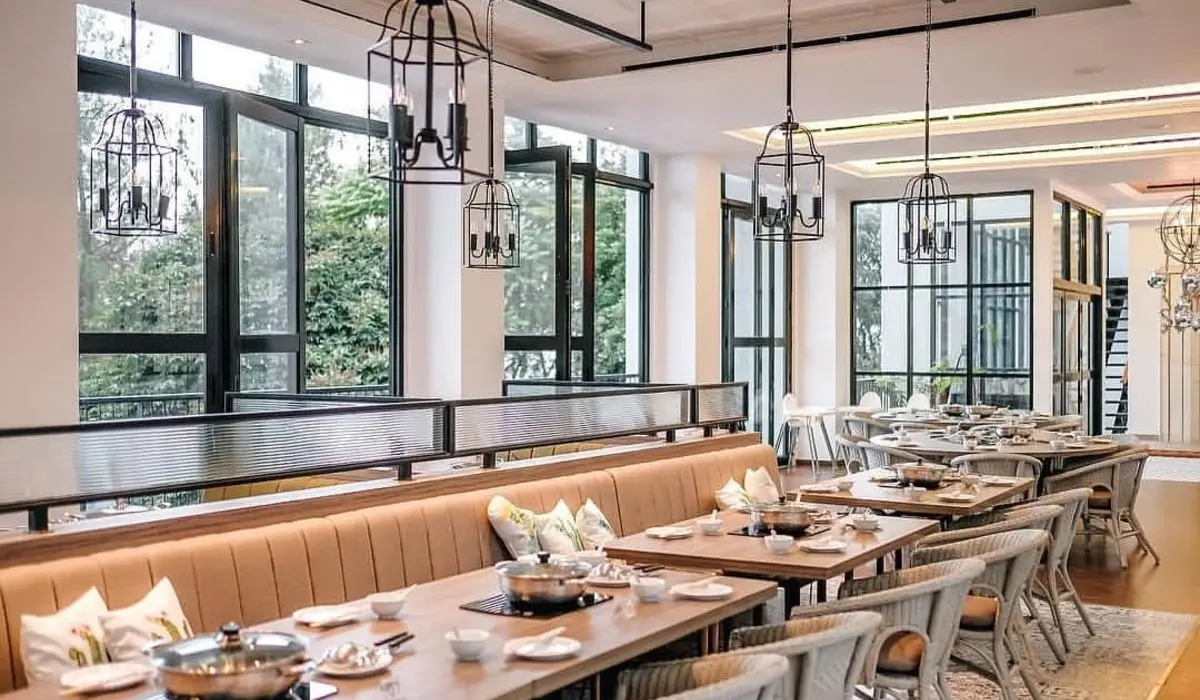
- Luxury travel is shifting from formal dining to relaxed “casual luxury” experiences
- Travelers now value comfort, authenticity, and cultural connection over strict etiquette
- Fine dining still matters for milestones, exclusivity, and Michelin-level artistry
- Casual upscale restaurants offer flexibility, local ingredients, and social atmosphere
- Modern luxury = choice between structured fine dining and relaxed gourmet experiences
Well, have you seen how luxury travel has changed so much recently? Not so long ago, a high-end journey involved intimidating levels of formality, starch-white tablecloths and packing a suit jacket in order to enjoy an honest meal. But honestly?
But now, all of us and I mean all of us are looking for something completely different, just throw in some realness, coziness and a relax connection between people. At Pravi Celer, when people work out their food plans with us, the age-old question is always whether those old-world, stuffy places trump modern alternatives.
As in, where do rich people actually eat when they go places? What travelers are predominantly selecting is a combination of old-school fine dining restaurants and, especially, “casual luxury,” or higher-end bistros. The stats show that almost 59% of luxury resort guests deliberately opt for relaxed, immersive dining experiences instead of those multi-course marathons at traditional fine dining restaurants.
Today’s restaurant patrons are so much more interested in chef-driven creativity, a great backstory and fabulous local ingredients than they are in stiff etiquette and hushed dining rooms where you could hear a pin drop. The old formal institutions still have a place for the big milestones, but the modern crowd just wants options.
They will demand the very best quality of food, while wanting to experience it in an environment they can actually breathe in, laugh out loud and enjoy their night. So why exactly is this bias changing, and how does each format fare when you are out in the wild?
AI Overview
Luxury travel is shifting from formal, rigid fine dining toward “casual luxury” experiences that feel relaxed, social, and culturally immersive. Modern travelers still want high-quality, chef-driven gourmet food, but prefer flexible menus, open kitchens, and comfortable settings over strict dress codes and long tasting menus. Luxury today is defined more by authenticity, comfort, and experience than formality. (≈400 chars)
The Shift Toward “Casual Luxury” and Elevated Dining
The food scene is seeing a huge, quick growth of “fine-casual” or high end restaurants with a vibrant diner atmosphere. Old-school luxury was more or less defined in terms of what it left out, requiring ties and pencils, silence and ritualized table manners that are arguably now somewhat antiquated.
Now, time and comfort are the new luxury. The trend is for people to move away from the pretension altogether, while still maintaining high culinary standards in upscale restaurants in the upper echelon.
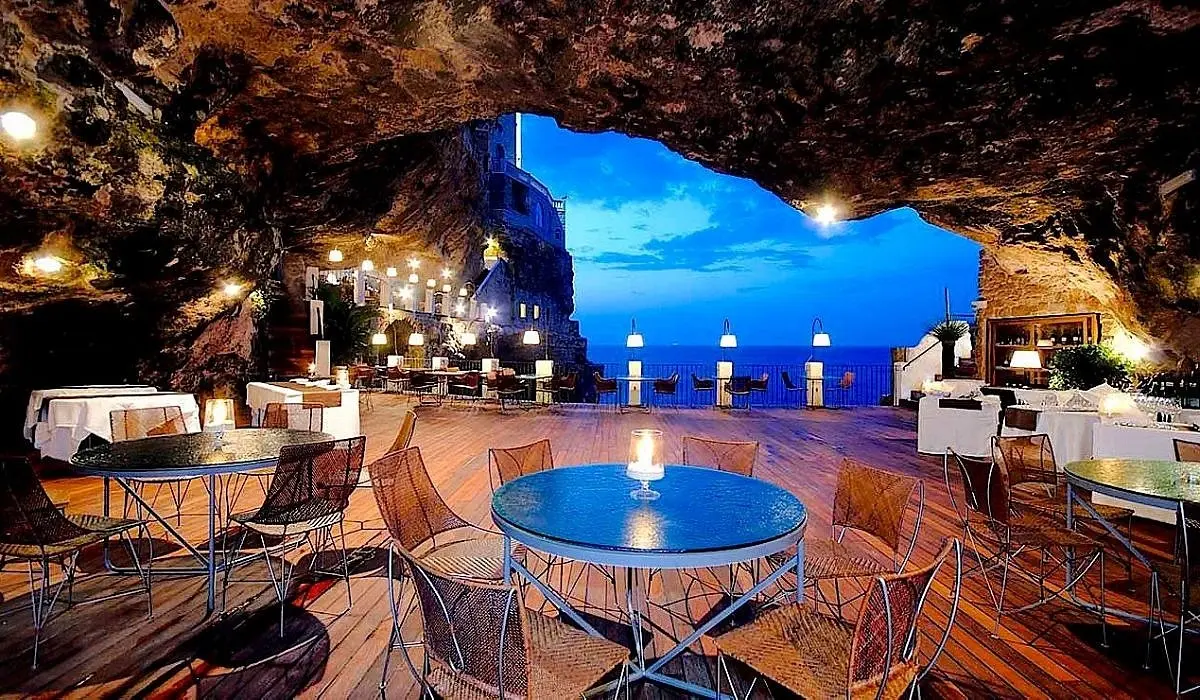
This transition doesn’t, by any means, imply an inclination to cut corners regarding flavor, crafting or where their providers source their fixings. What travelers are looking for, however, is world-class techniques in a brilliantly colorful and brilliant environment.
Even Michelin-starred kitchen wizards are responding to this with haute seaside taco stands, open-air grills and interactive chef counters around the world. Bottom line is that people like approachability. They want to come back from a long day exploring the coast and sit down and eat a world-class meal at best restaurants without having to jump back in their resort suite just because!
Now the modern traveler searches for top-quality places that are homely, organic and culturally connected, with no barrier like a windowless room, separation from the heart of the local location.
What Defines Fine Dining for Today’s Traveler?
Apart from the obvious growing trend of relaxed luxury, Michelin-Star restaurants are still considered a mainstay in global culinary tourism. These institutions aren’t just places to eat; they’re really semi-curated cultural theatrical performances.
And for a certain style of traveler, scoring a reservation at one of the best restaurants in the world constitutes how a good portion of their entire vacation is booked.
Artistic Innovation and Exclusivity
The highest level of the human culinary art is found in traditional upscale restaurants. These are spaces where some chefs flex their most intricate techniques, ground level structural experimentation, from places where plates are primed to convey gourmet dining as a visual art form.
The intimate setting of these dining rooms, usually with no more than ten tables per seating, offers a truly rare experience any traveler would crave from high end restaurants.
Impeccable, Intuitive Service Styles
A major distinguishing factor between premium establishments is how many hosts and hostesses they employ to greet guests, aka their host count. The service at top-tier fine dining restaurants is incredibly detail-oriented and intuitive, anticipating your needs before you can even say it.
The precision of wine pairings curated by master sommeliers, to tailored tweaks that honor your own dietary profile, is not rivaled in simpler venues.
Why Luxury Travelers Are Embracing Casual Spaces
You are tuned into data, formal spaces have been doing a great job celebrating the huge milestones, but casual upscale restaurants have won the daily vacation battle.

High-net-worth travelers prefer slowing, more natural environments that represent a truer sense of place and culture than traditional fine dining restaurants can offer.
Terroir-Driven Sourcing and Authentic Storytelling
Massual consumers are actually well aware of what they eat. They look for authentic gourmet dining that features local ingredients, heirloom grains, and sustainable farming practices.
A zero-waste tavern serving freshly caught fish on the beach rarely seems more authentic and opulent than a caviar service sourced at great distance in a stuffy room.
Interactivity, Energy, and Sensory Engagement
Multi-sensory experiences touch diners in ways beyond taste, creating moments that resonate with guests emotionally. Currently, the most sought after options at high end restaurants are open-concept kitchens, cooking stations that use live wood-fire as a fuel source, and interactive chef omakase journeys.
Featuring open concept kitchens, these casual luxe concepts enable guests to engage directly with the culinary team and watch as dishes are prepared just feet away from their table while taking in a high-energy room buzzing with local music and streams of natural day lighting.
Side-by-Side Comparison: Fine vs. Casual Luxury
For your planning assistance, here is a brief comparison of key metrics for how formal institutions and elevated casual areas perform.
| Experience Factor | Fine Dining Restaurants | Elevated Casual Luxury |
| Atmosphere & Vibe | Formal, quiet, intimate, highly curated | Vibrant, social, relaxed, indoor-outdoor |
| Service Format | Ceremonial, structured multi-course | Attentive, natural, approachable, flexible |
| Dress Expectations | Strict dress codes (jackets often required) | Smart-casual, elegant yet comfortable |
| Menu Configuration | Fixed tasting paths, multi-hour commitment | À la carte, shareable plates, dynamic options |
| Primary Value Focus | Technical perfection and elite exclusivity | Authentic cultural storytelling and comfort |
| Pacing & Time | Deliberate, extended (often 2–3 hours) | Efficient, flexible, guest-controlled |
Current worldwide hospitality statistics bear out that the leading luxury resorts, such as cavernous, formal-tone dining halls, no longer meet Best Industry standards.
They are focusing instead on open-air beach clubs and interactive pool pavilions offering stylish, locally-sourced food in a barefoot-elegance style. And passion points or community platforms like Pravi Celer, which are seeing a huge surge in travelers swapping their tips on these very types of hidden, chilled-out gems.
Balancing the Itinerary: The Pravi Celer Approach
Even the most experienced luxury travelers seldom restrict themselves to a single style. Instead, they plan balanced itineraries that take advantage of the best each culinary tradition offers and tailor the dining to the energy of their guests.
Selecting Formal Venues for Milestone Moments
But when the night is the main event, then formal fine dining restaurants are just the thing.
Formal settings give the gravity and sense of occasion needed for those celebrating a major personal milestone, interested in an experience with deep romance, or wanting to enjoy a historic, Michelin-starred tasting menu.
Relying on Casual Spaces for Daily Exploration
For your everyday vacation dining, for recovery days after long flights or casual lunches to break up regional excursions, upgraded casual spaces are the ultimate win-win.
They leave space for travelers to maintain a sense of ease and eat when they want while imbibing the local ordinary, everyday cuisine that is less a product of strictures and formal booking windows.
In the end, it’s not about choosing one of them as the clear winner; it’s about acknowledging that luxury isn’t a price point or an amount of stars anymore. What makes it the true luxury is who gets to choose a right experience which seems authentic, has an agenda and suits your style.
Frequently Asked Questions
Do fine dining restaurants still enforce strict dress codes?
Many traditional fine dining restaurants maintain classic dress codes, like requiring collared shirts or formal tailored jackets, to keep up their sophisticated atmosphere. However, an increasing number of modern upscale restaurants have softened these rules to smart-casual, welcoming elegant denim and fashionable lifestyle footwear to better accommodate contemporary travelers.
What is the main difference between gourmet dining and casual fine dining?
Classic gourmet dining usually centers on highly technical multi-course tasting menus, strict dining etiquette, and an exclusive, hushed atmosphere. Casual fine dining pairs that exact same level of ingredient quality and chef-driven execution with a lively, approachable room, flexible à la carte menus, and a warm, conversational service style.
Why are luxury travelers shifting away from formal multi-course menus?
Many affluent globetrotters are moving away from traditional multi-course menus because they require a major time commitment, often lasting three to four hours. Modern luxury travelers deeply value flexibility and control over their time, looking for the best restaurants that feature dynamic, beautifully executed small plates that allow them to control the pace of their evening.
How can a restaurant offer luxury quality without white tablecloths?
True luxury is defined by the integrity of the ingredients, the skill of the kitchen team, and how attentive the service staff is. By removing formal items like white tablecloths and heavy silverware, high end restaurants can invest more resources directly into organic local farming, sustainable kitchen innovations, and creating beautiful architectural spaces for a premium gourmet dining experience.
