Key Takeaways
- Matching punching bag size and weight to training goals
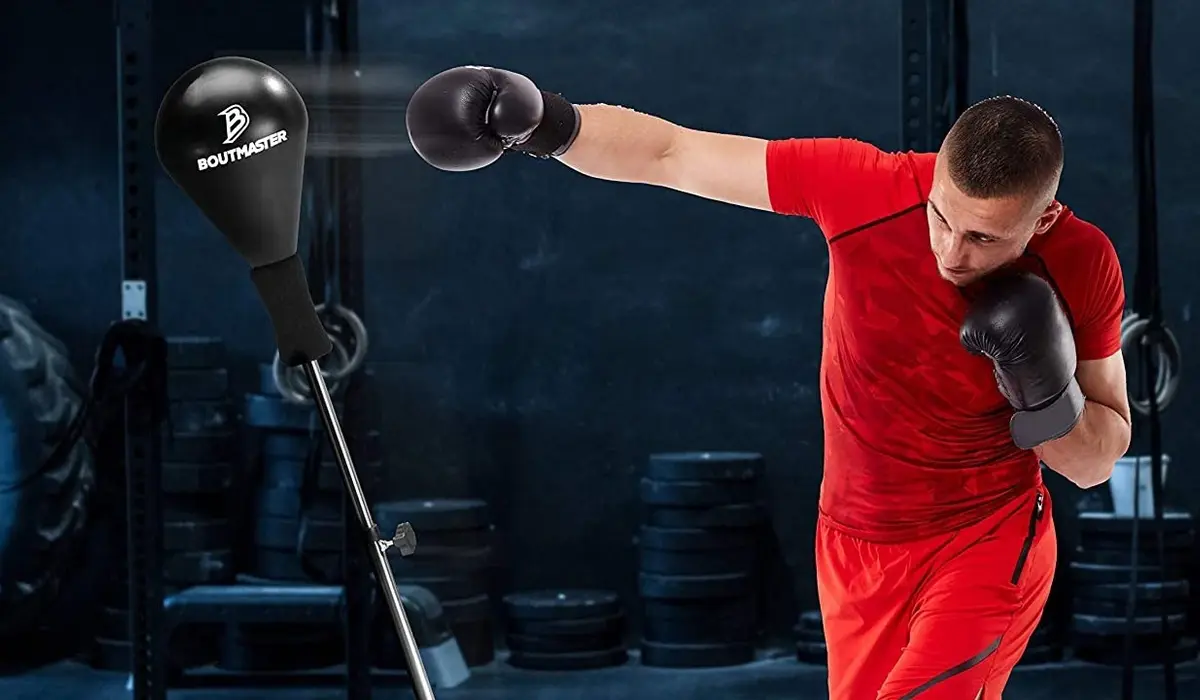
- Heavy punching bag vs. freestanding punching bag comparison
- Physical and mental health benefits of boxing bag workouts
- Essential installation options and simple maintenance tips
Thinking about adding a punching bag to your home workout setup, but feeling completely overwhelmed by all the choices out there?
You are definitely not alone!
Picking the right punching bag really comes down to knowing your floor space, your personal budget, and how hard you plan to hit.
Whether you want to blow off steam after a busy day or build serious endurance, a good boxing bag is easily one of the absolute best fitness investments you can make for your home.
AI Overview
A punching bag is a versatile fitness training tool designed to build striking power, improve heart health, and sharpen self-defense skills. Choosing the best option depends heavily on your room size, budget, and fitness goals. Options range from a traditional heavy punching bag for raw strength building to a portable freestanding punching bag for apartments. Regular workouts elevate your overall cardio, reduce mental stress, and tone your entire body effectively.
Why Adding a Boxing Bag to Your Home Routine Changes Everything
Ever had one of those insanely chaotic workdays where you just wanted to hit something?
That is usually the exact moment people start looking into getting a boxing bag for their spare room, basement, or garage setup.
Beyond just providing an instant outlet for daily stress relief, bringing home a high-quality punching bag completely revolutionizes how you move and train your body.
Unlike standard exercise machines that lock you into one simple movement pattern, striking a bag forces you to move in multiple planes of motion constantly.
It delivers a genuine full-body workout that combines deep cardiovascular conditioning, upper and lower body power development, core engagement, and real-time mental focus all at the same time.
Physical Health Benefits
Adding a regular punching bag workout into your weekly fitness routine burns an incredible number of calories in a short period.
It develops deep core stability because every strong strike requires your abdominals, lower back, shoulders, and hips to transfer energy together.
You also get a superior high-intensity interval cardio session without having to stare at a wall on a stationary bike or treadmill.
Over time, hitting the bag regularly increases overall muscle tone throughout your shoulders, back, chest, arms, and leg muscles.
Mental Health and Stress Relief
There is something immensely satisfying about landing a clean jab-cross combination right in the sweet spot of a bag after a stressful week.
It gives you a healthy, physical channel for releasing negative energy, leaving you calm, refreshed, and clear-headed long after your session ends.
Many runners, powerlifters, and casual exercisers find that even a short 15-minute striking routine acts as an incredible mental reset.
It challenges your brain to stay present, forcing you to think about timing, distance, and breath control rather than daily worries.
Understanding the Different Types of Punching Bags
Not all bags are constructed the exact same way, and picking the wrong style for your home can leave you with unused fitness gear collecting dust.
Let’s break down all the major options side by side so you can easily select what fits your unique space and training needs.
| Bag Type | Best Used For | Space Needed | Installation Requirements |
| Heavy Punching Bag | Power striking, heavy conditioning, Muay Thai | Dedicated ceiling space or wide floor rack | High (requires structural drilling or heavy rack) |
| Freestanding Punching Bag | Footwork drills, apartment living, easy storage | Medium floor footprint (moves easily) | Low (fill hollow base with sand or water) |
| Speed Bag | Hand-eye rhythm, shoulder endurance, reaction time | Small wall area | Medium (requires sturdy wooden wall platform) |
| Double-End Bag | Rhythm, precision timing, counter-striking, head movement | Small floor-to-ceiling strip | Medium (anchored firmly at top and bottom) |
1. Traditional Heavy Punching Bag
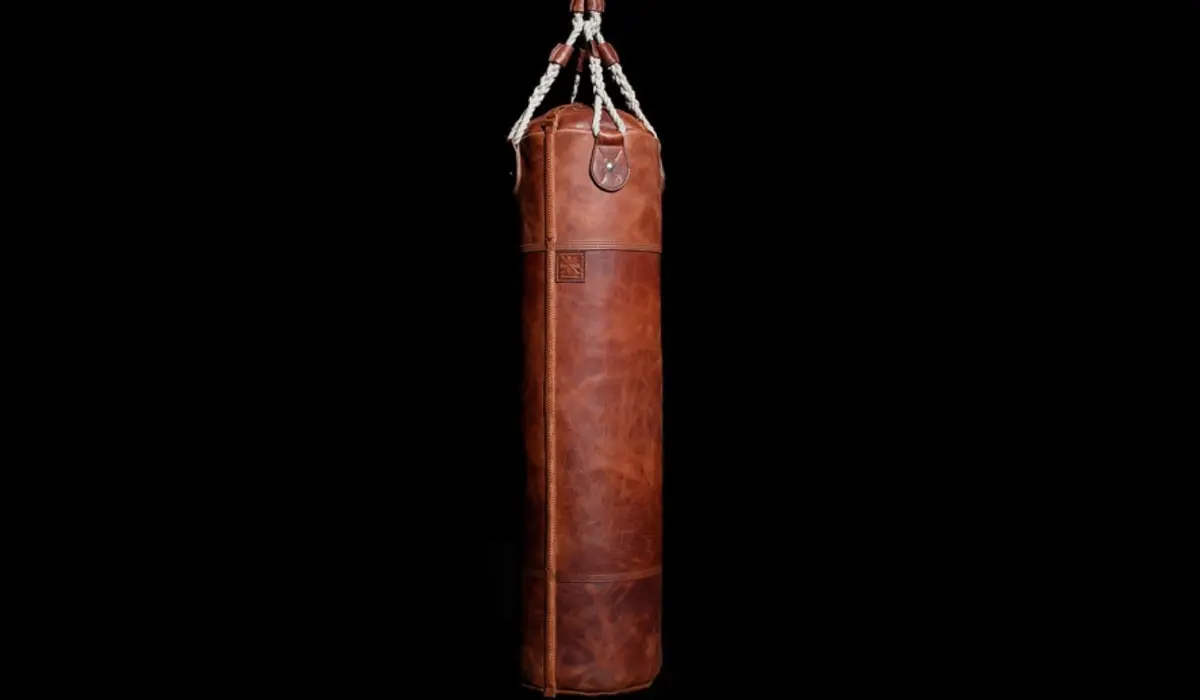
The classic heavy punching bag is the iconic piece of gear most people picture when they visualize a traditional boxing gym.
These heavy-duty bags typically weigh anywhere from 70 pounds up to 150 pounds and hang straight down from robust ceiling beams or heavy metal stands.
A traditional heavy punching bag is by far the best option if your primary goal is building maximum striking power across punches, elbows, and kicks.
Because a hanging bag swings freely when hit, it naturally forces you to stay on your toes, adjust your distance, and practice footwork.
High-grade options engineered by modern fitness brands like PraviCeler feature multi-layered exterior shells that handle years of heavy impacts without tearing.
If you have a spacious garage, dedicated basement, or exposed overhead support beam, this option remains the gold standard for serious home training.
2. Freestanding Punching Bag
Don’t want to drill massive lag bolts into your structural wood ceiling joists or deal with a landlord’s strict rental rules?
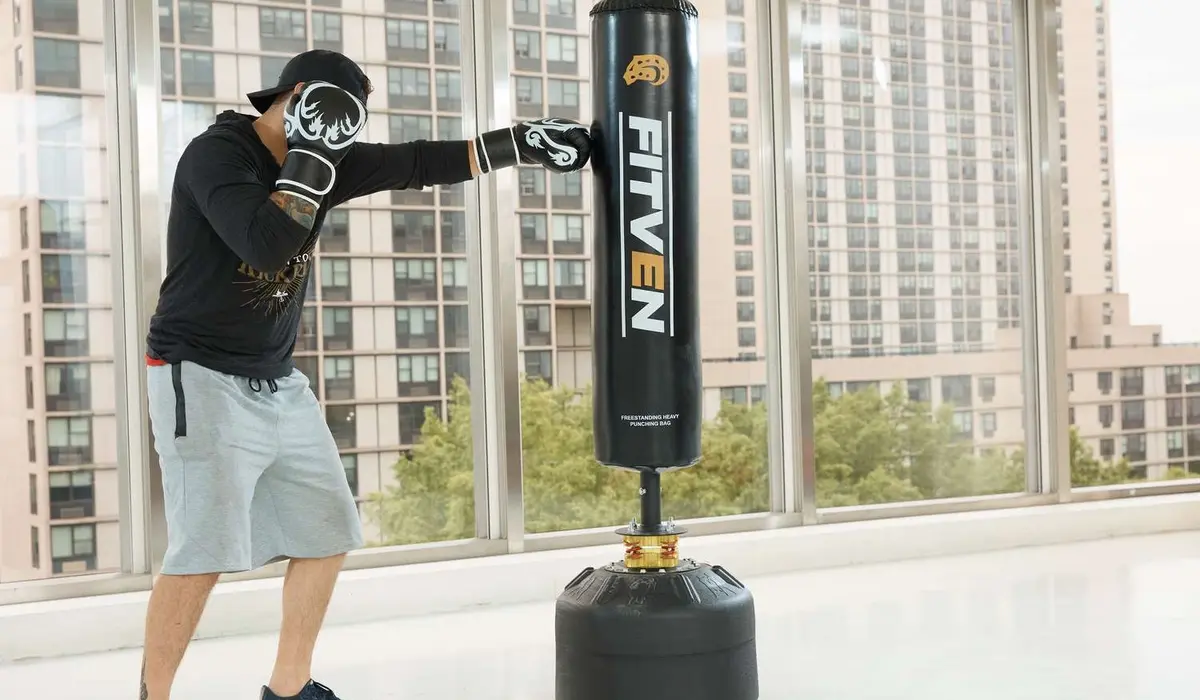
A freestanding punching bag rests atop a hollow plastic base unit that you simply fill up with tap water or dry play sand to keep it anchored down.
This convenient dsign allows a freestanding punching bag to be rolled easily into a closet or room corner whenever you finish your daily workout.
Because the neck of the bag flexes slightly upon impact, these models are often much easier on your wrists, elbows, and shoulder joints.
However, if you hit with extreme power or throw heavy low kicks, a light freestanding punching bag can sometimes slide around on smooth wooden or tile floors.
3. Speed Bags and Double-End Bags
If power striking isn’t your primary focus, smaller specialized training bags offer incredible alternative physical benefits.
Speed bags attach to an overhead platform and rebound rapidly, building incredible shoulder stamina, hand-eye coordination, and rhythmic timing.
Double-end bags connect between your ceiling and floor via elastic cords, snapping back fast to hone defensive head movement and counter-punching precision.
How to Choose the Right Punching Bag for Your Needs
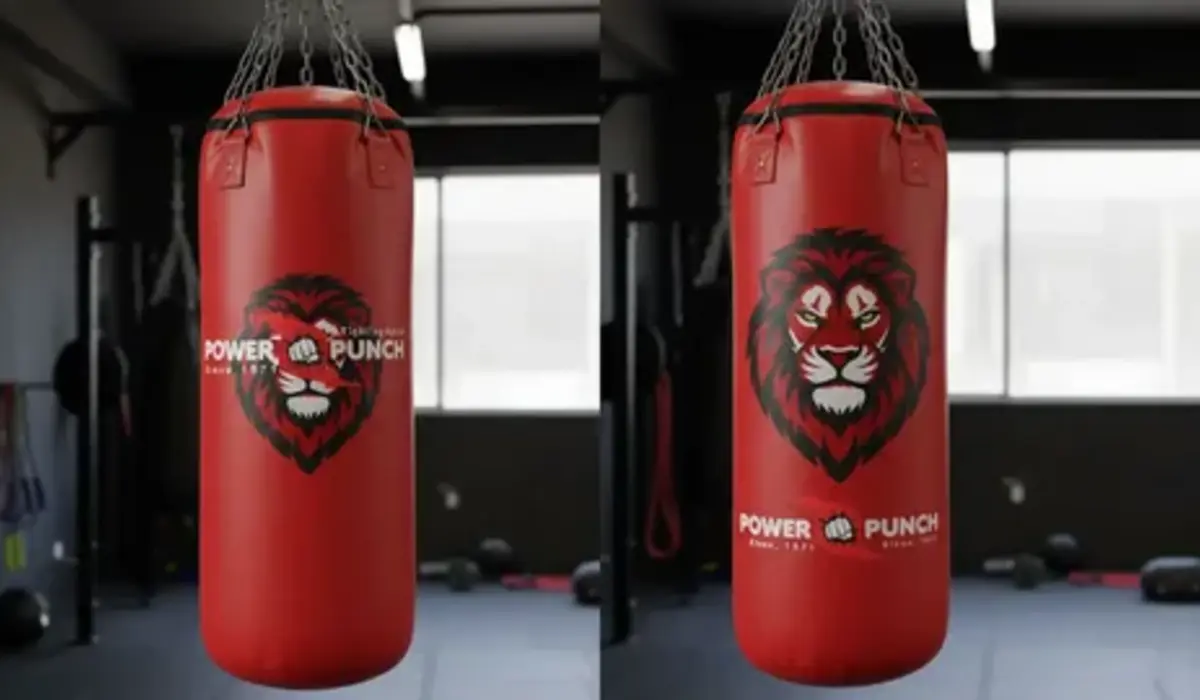
Before adding a new bag to your shopping cart, take a moment to evaluate your physical living environment and workout targets honestly.
How much usable floor and ceiling space do you actually have available right now?
Are you focusing purely on classic boxing techniques, or do you plan to practice low Muay Thai leg kicks that require a longer bag surface?
Key Factors to Evaluate
Consider these essential criteria to ensure you pick the perfect gear for your space:
- Weight and Size: A classic baseline rule of thumb is that your bag should weigh roughly half of your total body weight.
- Filling Materials: Shredded fabric rags provide a smooth, forgiving feel, whereas sand filling adds immense density and firm impact resistance.
- Outer Shell Cover: Synthetic vinyl or PU leather offers fantastic durability at an budget-friendly price point, while real leather lasts a lifetime.
- Base Stability: For freestanding units, ensure the base cavity is large enough to hold at least 200 pounds of sand or water to handle hard hits.
If you are just beginning your fitness journey, a standard 80-pound heavy punching bag provides the ideal balance of resistance and swing for most adults.
Choosing high-density, reliable training gear from top-tier equipment makers like PraviCeler guarantees that your bag maintains its shape and firmness over long-term use.
Essential Gear You Need Before Your First Punching Bag Workout
You should never, ever hit any style of boxing bag with bare hands, regardless of how soft or forgiving the bag material might feel at first touch.
The small bones in your hands, along with your delicate wrist joints, require proper structural support to safely absorb repeated heavy impact forces.
Hand Wraps
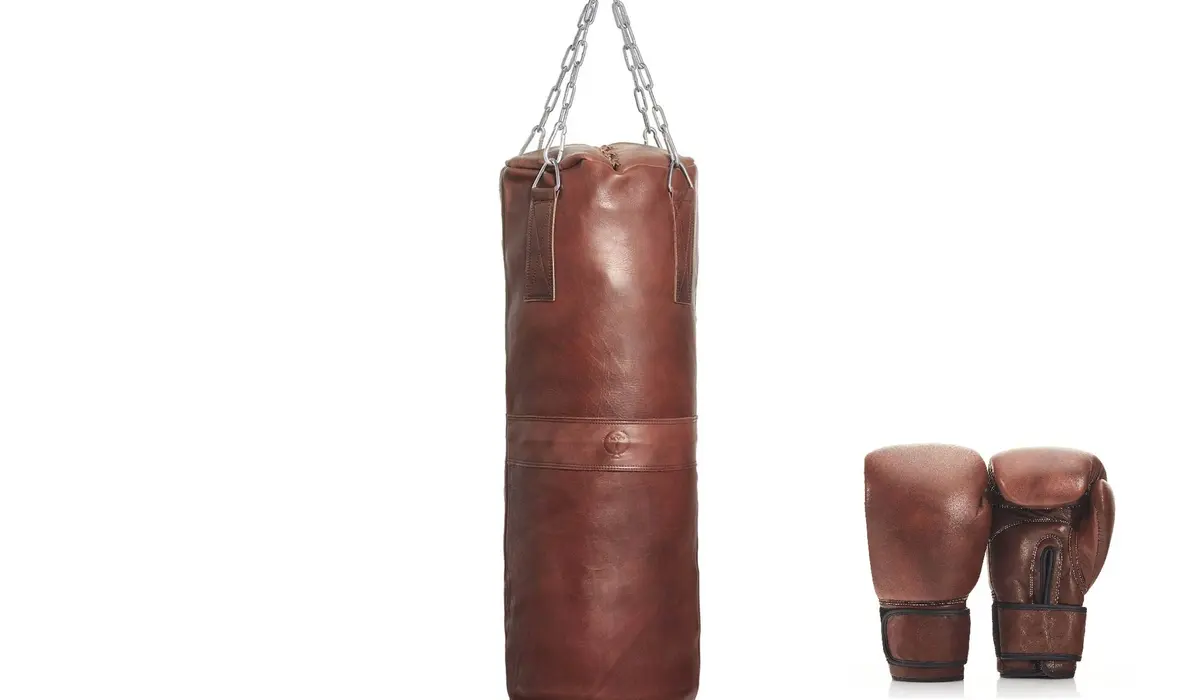
Standard fabric hand wraps reinforce the small bones in your hands and lock your wrists in a neutral alignment to prevent painful sprains.
You should always wrap your hands tightly and securely before slipping your hands inside your gloves for any punching bag workout.
Boxing Gloves
Dedicated bag gloves or general training gloves contain thick shock-absorbing foam to shield your knuckles from bruising and painful skin scrapes.
Beginners should look for gloves in the 12 oz to 16 oz weight range to ensure maximum hand protection while building shoulder endurance.
Pairing protective wraps with durable, ergonomic gloves from PraviCeler ensures your hands remain completely safe during intense, high-impact workout sessions.
How to Properly Set Up Your Punching Bag at Home
Setting up your equipment correctly is vital to prevent accidental falls, reduce structural noise, and keep your living spaces completely undamaged.
Hanging a Heavy Bag
If you opt for a hanging style, use a stud finder to locate a centered wood ceiling joist or structural beam before drilling holes.
Never attempt to mount a heavy swinging bag directly into drywall, plaster, or unreinforced ceiling panels using basic anchors.
Incorporate a heavy-duty steel spring between your ceiling bracket and the bag chains to absorb heavy shock waves and reduce structural house vibration.
Setting Up a Freestanding Model
For floor-standing units, fill the base base completely with dry play sand instead of water if you want maximum weight and stability.
Sand is noticeably denser than water, making the base significantly heavier and much less likely to slide across the floor when struck hard.
Always place a thick non-slip rubber mat underneath your base unit to protect floor coatings from scratches and dampen sound during late workouts.
Sample 15-Minute Beginner Punching Bag Workout
Ready to jump into your very first official home workout session?
Here is a straightforward, highly effective punching bag workout designed specifically for beginners looking to build cardiovascular stamina and striking form.
Workout Structure
- Warm-Up (3 Minutes): Light jumping jacks, dynamic arm circles, torso twists, and loose shadowboxing in front of a mirror.
- Round 1 (3 Minutes): Focus on basic jab and cross punch combinations. Keep your stance balanced, hands high, and focus on clean technique.
- Rest Period (1 Minute): Deep diaphragm breathing and quick water sip.
- Round 2 (3 Minutes): Introduce body hooks and lead hooks to your combination flow. Focus on rotating your hips through every single strike.
- Rest Period (1 Minute): Deep breathing and arm shaking to keep muscles relaxed.
- Round 3 (3 Minutes): High-intensity interval burst: throw rapid non-stop straight punches for 15 seconds, followed by 15 seconds of light footwork movement reset. Repeat for the full round.
- Cool-Down (2 Minutes): Slow shoulder, chest, and lower back stretching to lower your heart rate safely.
Throughout the session, keep your rhythm loose, keep your hands guarding your jaw line, and exhale forcefully every time your glove connects with the bag surface.
Care and Maintenance Tips for Long-Lasting Equipment
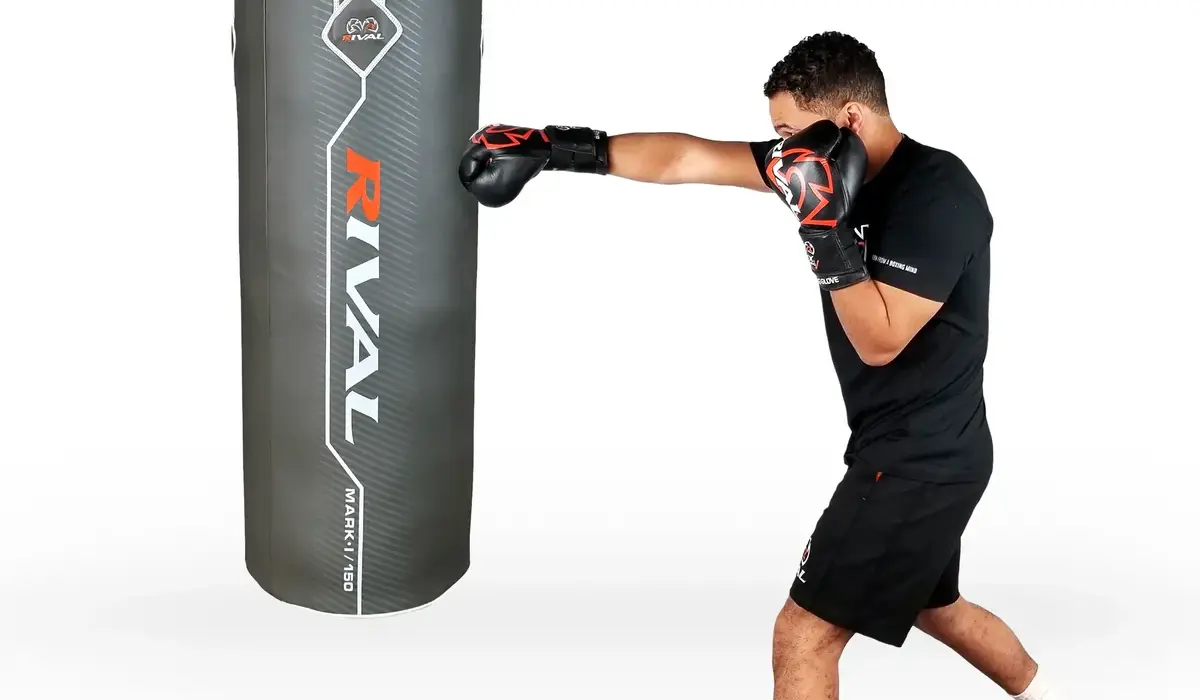
Taking just a few simple preventative steps keeps your workout gear completely hygienic, fresh-smelling, and structurally durable over years of consistent training.
Always wipe down the outer surface of your boxing bag with a disinfectant wipe or damp microfiber cloth immediately following sweaty home training routines.
Ensure hanging equipment remains placed away from harsh direct sunlight exposure and open rain elements to prevent moisture damage, vinyl cracking, or interior mold growth.
Inspect hanging steel chains, swivel hooks, base connection points, and ceiling mounting bolts once every month to confirm no hardware is loosening over repeated use.
Conclusion
Selecting the right punching bag comes down to balancing your available home space, overall budget, and specific fitness targets.
A traditional heavy punching bag delivers unmatched structural resistance for serious power generation, while a mobile freestanding punching bag offers unmatched flexibility for smaller apartment spaces.
Whichever path you choose, staying disciplined with a regular punching bag workout routine will build striking power, boost heart health, and keep stress levels manageable.
Choose the best setup for your lifestyle today and enjoy building a healthier, stronger body right at home!
Frequently Asked Questions
What size heavy punching bag should I get?
In most cases, aim for a bag that weighs roughly half your total body weight to achieve proper resistance without excessive swing.
Is a freestanding punching bag good for beginners?
Yes, freestanding bags are exceptionally beginner-friendly, effortless to set up without drilling, and perfect for compact living spaces or rental homes.
Can a punching bag workout replace traditional cardio?
A intense bag session raises your heart rate quickly, providing a high-calorie full-body conditioning routine that easily matches or beats running.
Do I need gloves when using a boxing bag?
Yes, you should always wrap your hands and wear properly padded boxing gloves to guard your skin, knuckles, and delicate wrist joints against impact injuries.