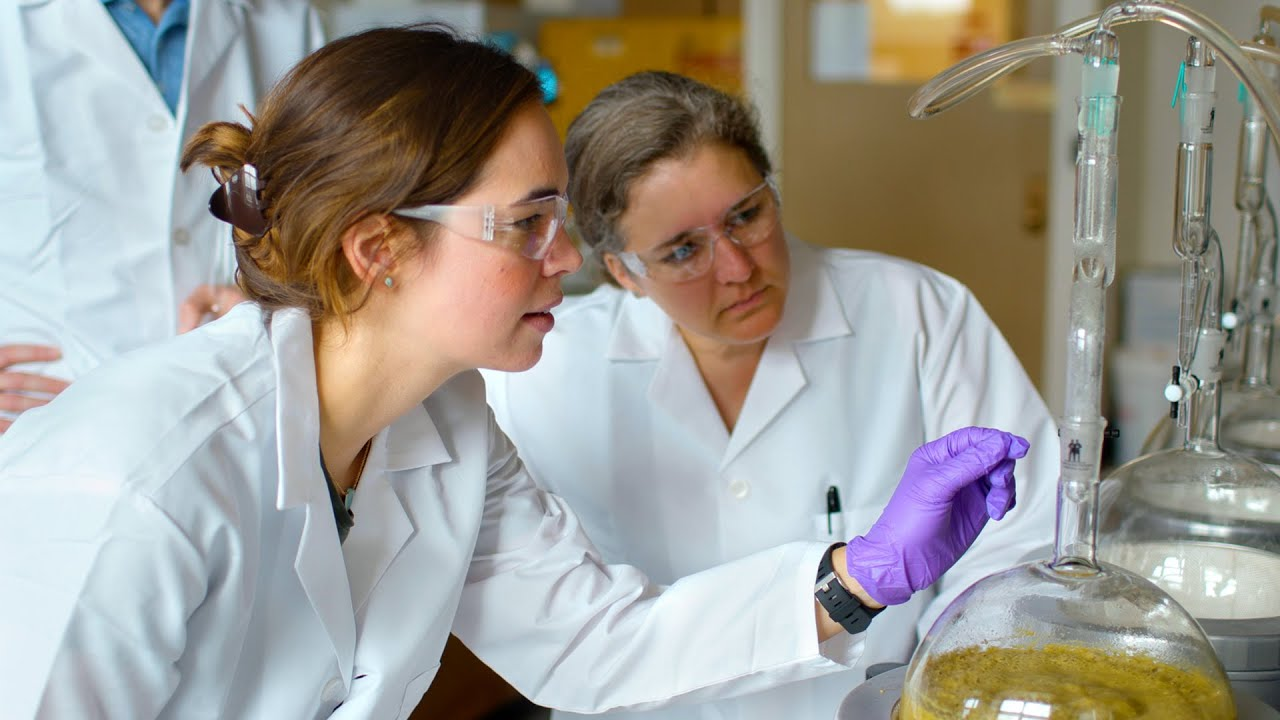
The Beverage Testing Institute, also known as BevTest, is the world’s oldest independent spirits rating organization. Founded in 1981 and headquartered in Chicago, Illinois, BTI pioneered online beverage reviews in the early 1990s through a partnership with America Online. Since 1998, the organization has operated Tastings.com, a free consumer buying guide that serves millions of visitors annually with unbiased, expert-reviewed beverage ratings.
BTI conducts blind-tasted competitions across spirits, wine, and beer categories. Their judging panels consist of professional spirits buyers, master distillers, sommeliers, bartenders, and beverage journalists. The institute evaluates thousands of products each year using a standardized 100-point scoring system and awards medals based on point thresholds.
Unlike brand-sponsored competitions, BTI requires producers to submit products for review and pay entry fees, but the judging itself remains entirely independent. Judges do not know which brands they are tasting during evaluation. This blind methodology ensures that small craft distilleries compete on equal footing with multinational conglomerates.
The institute’s vodka competitions have become particularly influential because they cut through marketing hype and celebrity endorsements. In an era where vodka brands spend millions on bottle design and nightclub placement, BTI focuses entirely on what matters: the liquid in the glass.
How BTI Judges Vodka: The Methodology
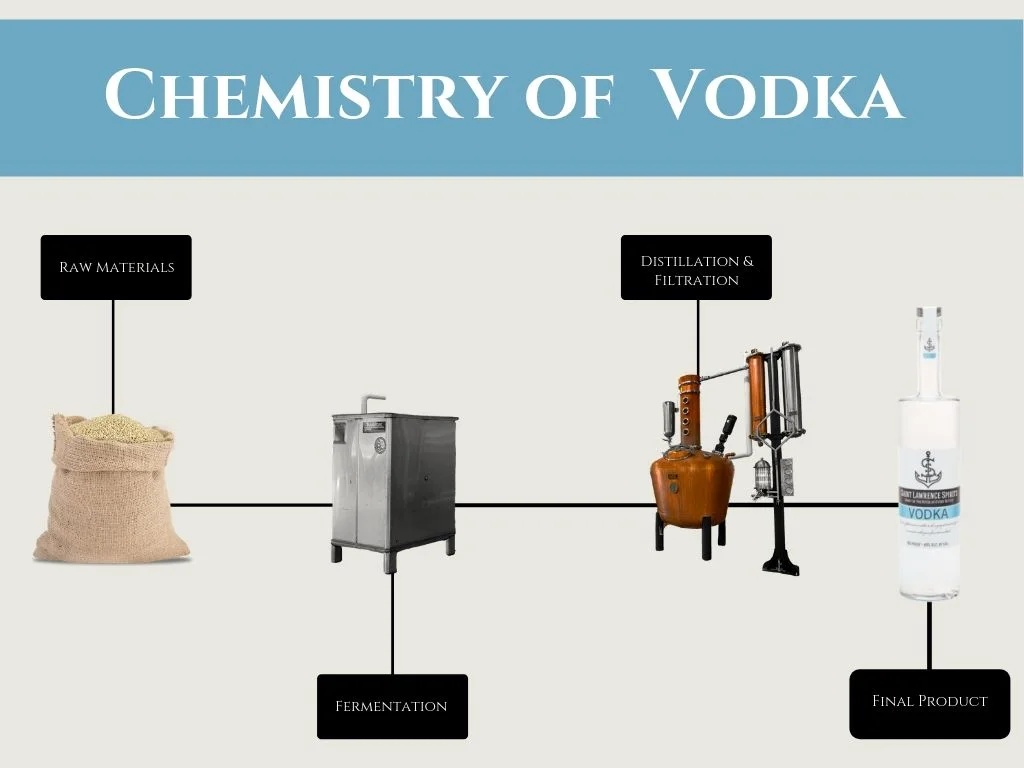
BTI’s vodka judging follows a rigorous protocol developed over four decades. Understanding this methodology helps consumers interpret scores and medals accurately.
The Scoring System
BTI uses a 100-point scale with medal thresholds:
- Platinum Medal: 96 to 100 points
- Gold Medal: 90 to 95 points
- Silver Medal: 85 to 89 points
- Bronze Medal: 80 to 84 points
Products scoring below 80 points are not awarded medals and are not published on Tastings.com. This means every listed review represents a product that met minimum quality standards.
Why BTI Scores Matter for Consumers
BTI’s vodka judging follows a rigorous protocol developed over four decades. Understanding this methodology helps consumers interpret scores and medals accurately.
The Scoring System
BTI uses a 100-point scale with medal thresholds:
-
Platinum Medal: 96 to 100 points
-
Gold Medal: 90 to 95 points
-
Silver Medal: 85 to 89 points
-
Bronze Medal: 80 to 84 points
Products scoring below 80 points are not awarded medals and are not published on Tastings.com. This means every listed review represents a product that met minimum quality standards.
The Judging Process
All tastings occur in BTI’s Chicago laboratory under controlled conditions. Judges evaluate vodka in specialized tasting glasses at room temperature, though some rounds may include chilled samples. The evaluation covers four primary criteria:
-
Appearance: Clarity, viscosity, and color (for flavored vodkas)
-
Aroma: Intensity, complexity, and character
-
Palate: Texture, flavor development, balance, and finish length
-
Overall Quality: Integration, distinctiveness, and value proposition
Each criterion receives a numerical score, and the composite determines the final point total. Judges submit scores independently, then discuss borderline cases to reach consensus.
The judging panel for vodka typically includes master distillers, spirits buyers for major retailers, cocktail consultants, and beverage journalists. Panel composition rotates to prevent palate fatigue and maintain objectivity.
Why BTI Scores Matter for Consumers
A high BTI score indicates that a vodka has passed professional scrutiny under standardized conditions. This matters because:
-
Consistency: The same judges taste multiple batches, ensuring year-to-year reliability
-
Objectivity: Blind tasting eliminates brand bias and packaging influence
-
Expertise: Panelists possess decades of combined spirits evaluation experience
-
Transparency: Full tasting notes accompany every score, explaining why a vodka earned its rating
For consumers overwhelmed by vodka options, BTI medals function as a pre-screening mechanism. A Platinum or Gold medal signals that professionals found the spirit exceptional, not merely acceptable.
The 2026 BTI Best Vodkas: Complete Rankings
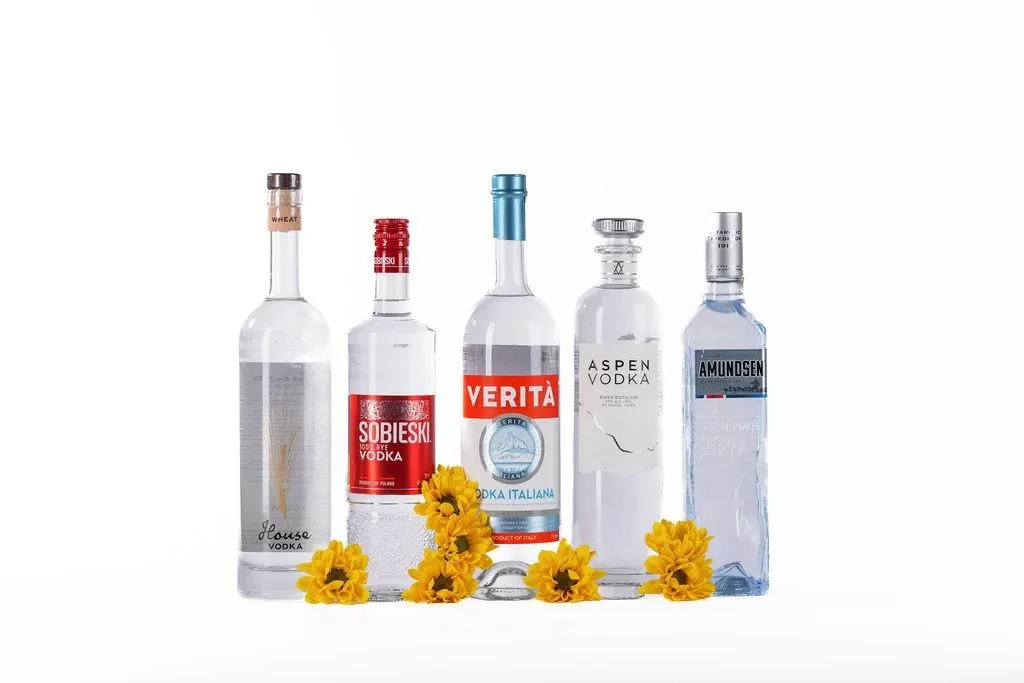
The 2026 Beverage Testing Institute vodka competition produced a diverse shortlist of nine standout bottles. The results span luxury grain vodkas from Latvia and Sweden, grape-based French vodka, American craft spirits, and innovative flavored expressions from Texas. Below is the complete ranking with scores, medals, and essential details.
2026 BTI Top Vodkas at a Glance
| Rank | Vodka | Origin | Base | ABV | Medal | Score | Price Range |
| 1 | elit Vodka | Latvia | Grain | 40% | Platinum | 97/100 | $50-$60 |
| 2 | Tigerfire Premium Artisan Vodka | France | Wheat | 40% | Gold | 95/100 | $35-$45 |
| 3 | Absolut Vodka | Sweden | Wheat | 40% | Gold | 94/100 | $18-$22 |
| 4 | Deep Eddy Ruby Red Grapefruit | USA (Texas) | Corn + Real Fruit | 35% | Gold | 93/100 | $15-$18 |
| 5 | Ciroc Vodka | France | Grapes | 40% | Gold | 92/100 | $30-$35 |
| 6 | Deep Eddy Lime | USA (Texas) | Corn + Real Fruit | 35% | Gold | 91/100 | $15-$18 |
| 7 | 1620 Distilling Red Dirt Road | USA (Kentucky) | Grain | 40% | Gold | 91/100 | $25-$30 |
| 8 | Deep Eddy Original | USA (Texas) | Corn | 40% | Gold | 91/100 | $14-$17 |
| 9 | Deep Eddy Lemon | USA (Texas) | Corn + Real Fruit | 35% | Gold | 90/100 | $15-$18 |
Platinum Medal Winner: elit Vodka
Score: 97/100 | Medal: Platinum | Origin: Riga, Latvia | Base: Single-source grain | ABV: 40%
elit Vodka stands as the luxury expression within the Stolichnaya portfolio. Produced in Riga, Latvia, this vodka represents the pinnacle of cold-climate distillation techniques refined over decades.
Production Method
elit begins with single-source grain and artesian well water. The spirit undergoes filtration through quartz sand and birch charcoal, then passes through the brand’s signature freeze-filtration process at negative 18 degrees Celsius. This extreme cold treatment removes additional impurities and contributes to the vodka’s distinctive texture. The brand emphasizes that this freeze-filtration step is the defining feature separating elit from standard expressions.
Tasting Notes
The aroma is exceptionally restrained and clean. Faint hints of cereal grain, white pepper, mineral water, and delicate cream emerge only after several seconds of nosing. This is not a vodka that announces itself loudly. It rewards patience.
On the palate, elit opens with silky, almost glyceric softness. The texture is dense and rolling, satin-smooth without heaviness. Subtle flavors develop sequentially: sweet grain first, then a trace of anise, light pepper, and faint chalky minerality. The finish is exceptionally long for a vodka category, clean and gently spicy with lingering notes of pepper, grain, and chalk.
The BTI judging panel described aromas of minerals, banana cream pastry, and vanilla, followed by subtle honey flavors. They noted lovely viscosity and an amazingly long, luxurious finish.
Who Should Buy elit
elit suits vodka enthusiasts who appreciate texture and length over flavor intensity. It performs exceptionally in dry martinis where mouthfeel matters, and it can be sipped neat at cellar temperature without harshness. At approximately $50 to $60 per 750ml bottle, it occupies the premium tier but delivers proportionate quality.
Expert Verdict: This is a vodka for connoisseurs. The freeze-filtration technique produces a measurable textural difference that justifies the price premium over standard Stolichnaya.
Gold Medal Winners
Tigerfire Premium Artisan Vodka
Score: 95/100 | Origin: France | Base: French winter wheat | ABV: 40%
Tigerfire is a newer super-premium entry positioned as French-crafted elegance. Made from French winter wheat and triple-distilled before triple charcoal filtration, it emphasizes refinement over power.
The nose offers soft, lightly aromatic character with fresh dough, white pepper, lemon peel, and faint floral notes. The palate shows mild wheat sweetness with subtle citrus and pepper. Texture is smooth and supple rather than oily. The finish is long, crisp, and lightly warming, fading from grain sweetness into a peppery snap.
The BTI panel described aromas of mineral water, spruce tips, and cotton, with flavors of honey butter, pastry dough, and brie. They called it clean, vibrant, elegant, and balanced with luxurious texture.
At $35 to $45, Tigerfire competes directly with other wheat-based super-premiums. It succeeds through elegance rather than intensity, making it ideal for vodka sodas and delicate cocktails where the base spirit must integrate seamlessly.
Absolut Vodka
Score: 94/100 | Origin: Sweden | Base: Swedish winter wheat | ABV: 40%
Absolut remains unique among global-volume brands because production occurs entirely in and around Ahus in southern Sweden. The house style prioritizes purity, consistency, and slightly grain-forward character over complete neutrality.
The nose displays more character than typical vodkas, with cooked wheat, subtle digestive biscuit notes, vanilla, and white pepper. The palate is smooth, beginning with mild cereal sweetness, cream, vanilla, and fresh dough. A gentle, nearly lemony freshness in the mid-palate maintains liveliness. The texture is medium-bodied and cohesive rather than luxurious. The finish is clean, lightly fruity, and neatly peppered with lingering cooked wheat notes.
The BTI panel described aromas of vanilla cream puff, marzipan, and white pepper, with flavors of cream caramel, dried banana, and yellow cake. They called it luxurious, delicious, smooth, and warming with enticing cream-pastry notes.
At $18 to $22, Absolut offers exceptional value for a Gold medal recipient. It works across all applications: shots, cocktails, and simple sipping. The slight grain character makes it particularly suitable for vodka-forward drinks like the Moscow Mule or Vodka Tonic where some spirit presence is desirable.
Deep Eddy Ruby Red Grapefruit Vodka
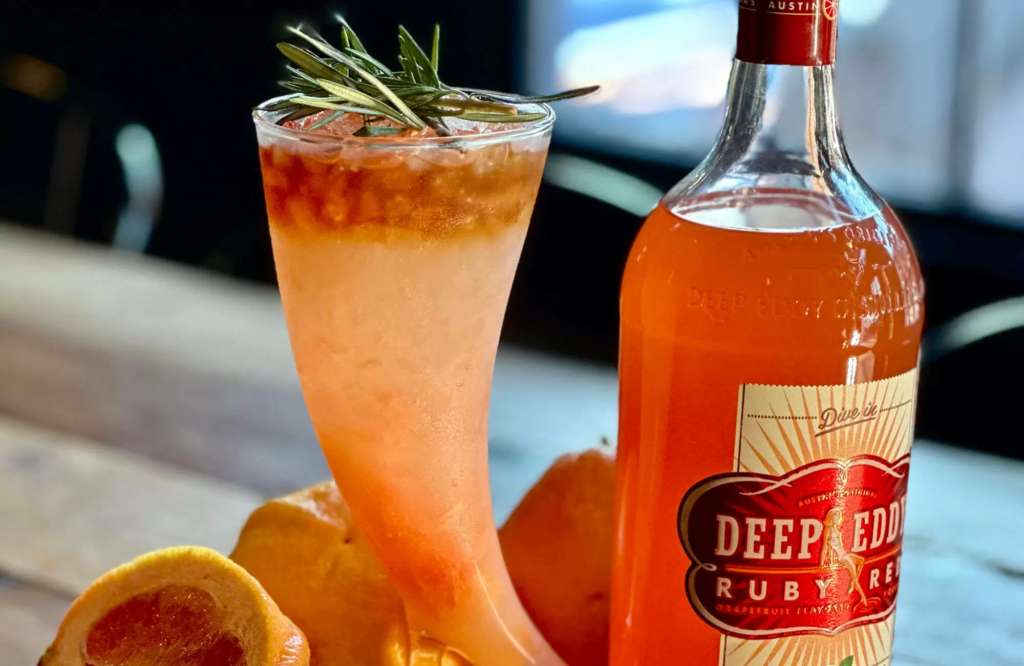
Score: 93/100 | Origin: Austin, Texas | Base: Corn vodka with real grapefruit juice | ABV: 35%
Deep Eddy represents the flavored vodka category done correctly. Unlike competitors using artificial flavoring, this expression blends the brand’s corn-based Original Vodka with real grapefruit juice.
The aroma is bright, juicy, and dominated by ruby red grapefruit, pink pith, and lightly candied touches. On the palate, it begins sweet and tart with fresh grapefruit juice flavor rather than artificial candy. The corn vodka base provides body without overpowering the citrus. Texture is soft and lightly syrupy, approachable and ideal for simple cocktails.
The BTI panel described aromas of ruby red grapefruit and pomelo, with flavors of honey, tangerine, and pomegranate. They noted it boldly captures fresh, zesty citrus.
At $15 to $18, this is a Best Buy contender in the flavored category. It excels in Palomas, Salty Dogs, and simple grapefruit sodas. The lower 35% ABV makes it sessionable for daytime drinking.
Ciroc Vodka
Score: 92/100 | Origin: France | Base: Mauzac Blanc grapes | ABV: 40%
Ciroc stands apart from grain-based competitors by using French grapes as its foundation. Distilled five times and finished in a custom copper pot still in the south of France, the production incorporates winemaking expertise into spirits manufacturing.
The nose is fresher and more aromatic than typical grain vodkas, with subtle grape, citrus blossom, stone fruit, and faint wet-stone minerality. The palate is clean and smooth, revealing delicate fruity core of white grapes, pear, and lemon zest. Very little overt pepper contributes to a smoother, more polished profile. Texture is lightly creamy and almost silky. The finish is crisp, elegant, and faintly fruity with lingering citrus and minerality.
The BTI panel described aromas of lemon candy, ginger, and pineapple, with flavors of key lime, wet stone, and white cherry. They called it an excellent vodka that truly shows the character of its grape base and recommended it for citrus-forward martinis.
At $30 to $35, Ciroc occupies the premium mainstream tier. The grape base makes it particularly suitable for fruit-forward cocktails and drinkers who find grain vodkas too neutral or peppery.
Deep Eddy Lime Vodka
Score: 91/100 | Origin: Austin, Texas | Base: Corn vodka with real lime juice | ABV: 35%
This expression blends Deep Eddy’s corn vodka with real lime juice for a tart, refreshing flavored option. The nose is crisp with fresh lime juice, zest, and lightly sweet citrus candy. The palate features tangy lime, candied sweetness, and slight bitter peel that balances the sweetness. The corn base remains in the background, adding rounded smoothness.
The BTI panel described aromas and flavors of Lime-Aid, lemon cake, and cucumber, calling it very convincing tart lime flavors that work well in spicy tropical drinks.
1620 Distilling Company Red Dirt Road Vodka
Score: 91/100 | Origin: Prestonsburg, Kentucky | Base: Grain | ABV: 40%
This Kentucky craft distillery produces a straightforward American vodka with clean, mildly grainy character. The nose shows light cereal notes, white pepper, and subtle sweetness. The palate is relatively neutral with grain notes, cream traces, and spice hints. Texture is medium-light and smooth enough for sipping but best suited for cocktails. The finish is short to medium and dry with faintly peppery notes.
The BTI panel described aromas of crisp linen, vanilla, and banana yogurt, with flavors of pastry cream, pear, and brioche. They noted it shines beautifully in a martini and pairs well with other flavors.
At $25 to $30, this represents solid craft value from an emerging distillery.
Deep Eddy Original Vodka
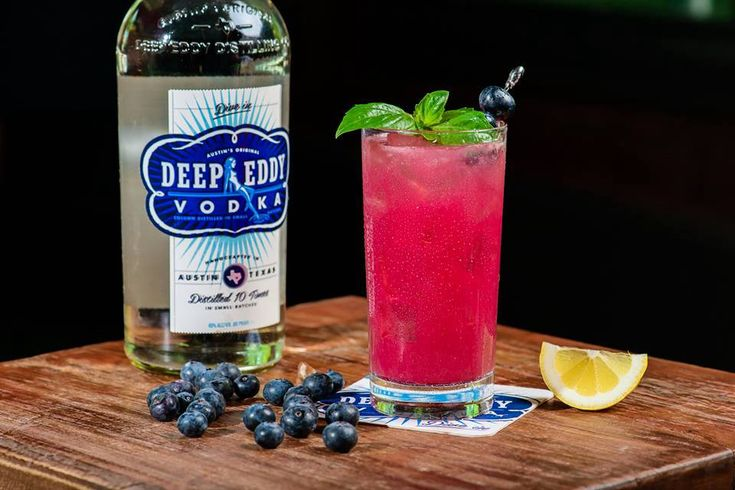
Score: 91/100 | Origin: Austin, Texas | Base: Corn | ABV: 40%
The foundation of the Deep Eddy line, this corn-based vodka is distilled ten times and filtered eight times before bottling. The nose is clean and lightly sweet with cooked cornmeal, vanilla cream, and mild pepper. The palate is smooth and rounded with faint sweetness, neutral core, and subtle creamy notes. Compared to wheat vodkas, it feels slightly sweeter and smoother. The finish is short to moderate, clean, and faintly sweet with lingering mild pepper.
The BTI panel described aromas of minerals, pastry dough, and cream, with flavors of white pepper, caramel cream, and candied citrus peel. They called it exquisitely smooth and suitable for a wide range of cocktail applications.
At $14 to $17, this is one of the best values in the entire BTI lineup. The ten-distillation process produces exceptional smoothness at a budget-friendly price point.
Deep Eddy Lemon Vodka
Score: 90/100 | Origin: Austin, Texas | Base: Corn vodka with real lemon juice | ABV: 35%
The lemon expression blends Deep Eddy Original with real lemon juice for a bright, sessionable flavored vodka. The aroma features fresh lemon juice, candied lemon peel, and gentle sweetness reminiscent of lemonade. The palate is sweet-tart and more rounded than the lime version, with lemon curd, zest, and mild citrus acidity balanced by sugar. The underlying vodka remains clean and unobtrusive.
The BTI panel described aromas of lemonade, sweet tarts, and white grapefruit, with flavors of lime and hints of bell pepper. They called it bright lemon drop aromas and flavors perfect for a beach party.
Best Value Vodkas: BTI Best Buys
Beyond the top competition winners, BTI maintains a Best Buy list for inexpensive vodkas that deliver exceptional quality relative to price. These bottles use an algorithm comparing suggested retail price to tasting score.
Top BTI Vodka Best Buys 2025-2026
| Vodka | Score | Price | Best For |
| Platinum 7X Vodka | 94 points | $15 | Round, creamy texture for all applications |
| Absolut Vodka | 94 points | $18 | Cream-pastry notes, versatile mixing |
| Beatties Potato Vodka | 94 points | $19 | Mint chocolate Espresso Martinis |
| Skyy Infusions Pacific Blueberry | 93 points | $14 | Sweet citrus sipping and cocktailing |
| Platinum 7X Vodka (alternate batch) | 93 points | $15 | Super clean, delicate, warming finish |
| Deep Eddy Ruby Red Grapefruit | 93 points | $17 | Fresh zesty citrus cocktails |
| Platinum 7X Vodka (spiced batch) | 93 points | $19 | Artisan bread notes, complex cocktails |
| Dirty Devil Vodka | 93 points | $20 | Round, clean sipping and mixing |
| Platinum 7X Vodka (supple batch) | 93 points | $20 | Supple, savory, elevated cocktails |
| Wheel Horse American Vodka | 93 points | $24 | Sweet green herbal flavor, light citrus |
The standout value is Platinum 7X Vodka, which appears multiple times at $15 to $20 with scores ranging from 93 to 94 points. This American vodka demonstrates that high distillation and filtration can produce exceptional smoothness at budget prices.
Absolut at $18 with 94 points also represents outstanding value, matching or exceeding the scores of vodkas costing twice as much.
What Makes a BTI-Winning Vodka?
Analyzing the 2026 winners reveals consistent patterns that separate medalists from ordinary vodka.
-
Purity Without Blandness: The highest-scoring vodkas achieve cleanliness without becoming boring. elit at 97 points is exceptionally pure, yet it reveals mineral, grain, and cream notes upon careful tasting. Absolut at 94 points shows deliberate grain character that adds interest. The worst vodkas are not flawed but simply absent, offering nothing to taste.
-
Textural Sophistication: BTI judges heavily weight mouthfeel. elit’s glyceric density, Tigerfire’s supple elegance, and even Deep Eddy Original’s rounded smoothness all demonstrate that texture matters as much as flavor in vodka. Harsh, thin, or burning vodkas score poorly regardless of aroma.
-
Finish Length: Premium vodkas display long, evolving finishes. elit’s finish extends for 30 seconds or more, revealing sequential notes of pepper, grain, and chalk. Cheap vodkas vanish immediately or leave only alcoholic heat.
-
Balance in Flavored Vodkas: Deep Eddy’s flavored line succeeds because real fruit juice provides natural acidity that balances sweetness. Artificially flavored competitors often taste candy-sweet and one-dimensional. The BTI panel specifically praised Deep Eddy for bold, fresh, zesty citrus that tastes like actual fruit.
-
Appropriate Base Character: Each base ingredient imparts distinct character. Wheat provides cream and pastry notes. Corn contributes sweetness and smoothness. Grapes add fruity, floral aromatics. The best vodkas leverage these characteristics rather than trying to erase them completely.
Vodka Base Ingredients Compared
Understanding base ingredients helps consumers predict flavor profiles and choose appropriate cocktails.
Frequently Asked Questions
What is the Beverage Testing Institute?
The Beverage Testing Institute is an independent spirits rating organization founded in 1981. Based in Chicago, they conduct blind-tasted competitions using professional judges and publish results on Tastings.com. They are the oldest independent beverage rating agency in the world.
How does BTI scoring work?
BTI uses a 100-point scale with Platinum medals for 96 to 100 points, Gold for 90 to 95 points, Silver for 85 to 89 points, and Bronze for 80 to 84 points. Products below 80 points are not published.
What is the highest-rated vodka from BTI in 2026?
elit Vodka from Latvia earned the highest score of 97 points and a Platinum medal in the 2026 competition. It is produced by Stolichnaya and features signature freeze-filtration at negative 18 degrees Celsius.
Are BTI tastings truly blind?
Yes. Judges evaluate products without knowing brand identities, packaging, or prices. This prevents brand bias and ensures small distilleries compete fairly against major corporations.
What is the best value vodka from BTI?
Platinum 7X Vodka scores 94 points at approximately $15, making it the highest-rated vodka under $20. Absolut Vodka at $18 with 94 points also offers exceptional value.
Does BTI review flavored vodkas?
Yes. Deep Eddy Ruby Red Grapefruit scored 93 points and Deep Eddy Lime scored 91 points in the 2026 competition. BTI evaluates flavored vodkas using the same blind methodology.
What is the difference between Platinum and Gold medals?
Platinum medals require 96 to 100 points and represent exceptional, world-class spirits. Gold medals require 90 to 95 points and indicate outstanding quality. Only one vodka, elit, achieved Platinum in the 2026 vodka competition.
Can I trust BTI reviews over user reviews?
BTI reviews offer professional expertise and standardized methodology that user reviews lack. However, user reviews reflect personal preference and real-world drinking experiences. Both sources provide valuable but different information.
How often does BTI hold vodka competitions?
BTI conducts ongoing annual competitions across all beverage categories. Specific timing varies, but results are published throughout the year on Tastings.com.
Where can I buy BTI award-winning vodkas?
Most winners are available at major liquor retailers, online spirits shops, and some grocery stores depending on local laws. Check Tastings.com for specific product pages and retailer links.