
Key Takeaways
-
Aerodynamics and high altitudes drive private jet aviation.
-
Cleaner air at 45,000 feet means faster, smoother flights.
-
Custom cabin pressure reduces travel fatigue significantly.
-
Advanced engineering blends extreme speed with ultimate comfort.
Have you ever settled into a plush leather seat on a flight and wondered how a massive piece of machinery feels so completely weightless? It feels like magic, but it is actually pure physics.
When we look at private jet aviation, the science becomes even more fascinating. It is not just about getting from point A to point B; it is about mastering the skies to create the ultimate travel experience.
At its core, private aviation relies on the same four aerodynamic forces as any aircraft: lift, weight, thrust, and drag. However, luxury jets are specifically engineered to optimize these forces far beyond standard commercial planes.
By flying higher, utilizing highly swept wing designs, and harnessing massive thrust-to-weight ratios, private jets minimize drag and maximize speed. This allows them to cruise effortlessly above commercial traffic and weather storms, transforming raw physics into a smooth, seamless journey.
AI Overview
Ever wondered how private jets deliver such a fast, smooth ride? It all comes down to the physics of private jet aviation. By flying at higher altitudes where the air is thin, these aircraft reduce drag, boost speed, and avoid bad weather. Advanced aerodynamics, powerful engines, and pressurized luxury cabins work together. This is how private jets work to blend high science with elite comfort.
The Core Forces: How Private Jets Work
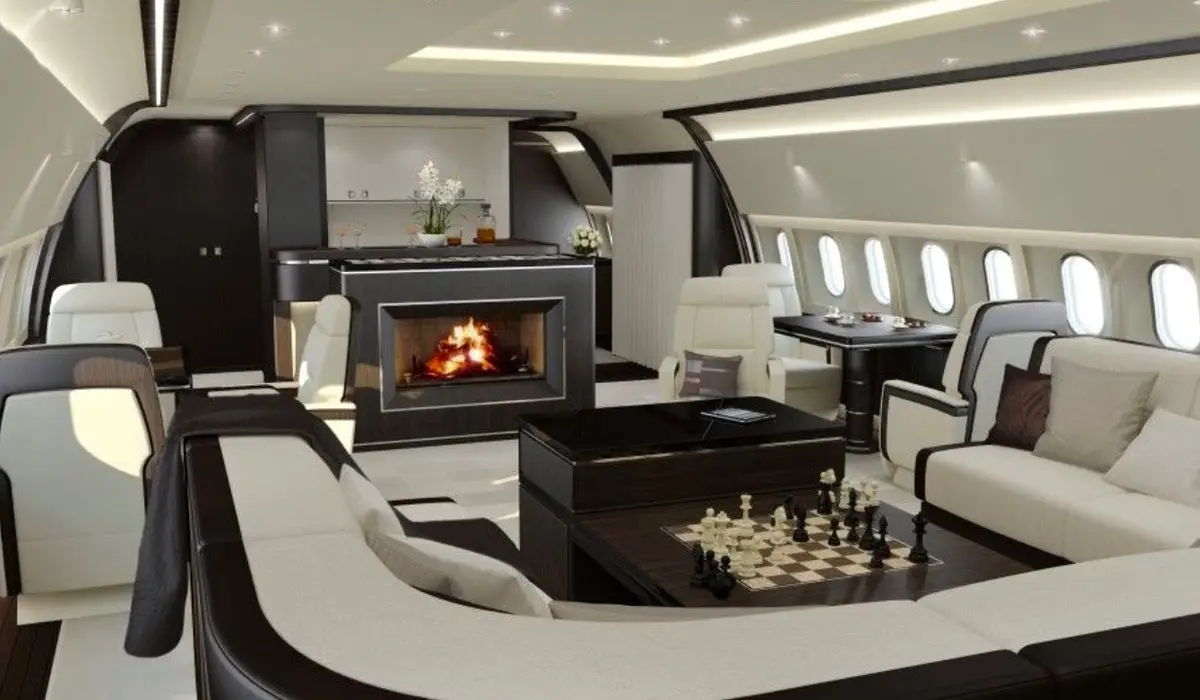
To truly understand how private jets work, we have to look at the invisible forces at play. Every time a aircraft takes off, it engages in a beautiful tug-of-war with nature.
Lift and Weight
Lift is the mechanical force generated by the wings that overcomes the weight of the aircraft. Private jets use advanced wing profiles to accelerate airflow over the top surface, creating a pressure difference that pushes the plane upward.
Because private vessels are generally lighter than massive commercial airliners, they can generate sufficient lift much quicker, allowing for rapid ascents.
Thrust and Drag
Thrust is the forward force produced by the engines, while drag is the aerodynamic friction holding the plane back. Private jet aviation thrives on maximizing thrust while minimizing drag.
Luxury jets feature sleek, narrow fuselages and highly swept wings designed specifically to slice through the air with minimal resistance, ensuring a fast and efficient flight.
High Altitudes and the Sweet Spot of Luxury Air Travel
If you have ever enjoyed luxury air travel, you might have noticed how smooth the ride is compared to a standard flight. This is not a coincidence; it is a direct result of flying in the stratosphere.
Escaping the Weather
Most commercial airliners cruise between 31,000 and 38,000 feet. Private jets, however, can easily climb to 45,000 or even 51,000 feet. At these extreme altitudes, you are flying well above the troposphere, which is where almost all weather happens.
By escaping the clouds and storms, luxury air travel becomes incredibly smooth, eliminating the bumps and jostles of lower-altitude turbulence.
Thin Air Means High Speed
The physics here is simple: the higher you go, the thinner the air becomes. Thinner air means fewer air molecules pushing against the nose of the aircraft. With drag significantly reduced, private jets can fly much faster while consuming less fuel per mile, making high-altitude cruising the ultimate sweet spot for performance.
Wing Design: Shaping the Ultimate Smooth Ride
The wings of a private jet are true masterpieces of fluid dynamics. They are not just flat boards; they are highly engineered, curved structures tailored for extreme performance.
The Power of Swept Wings
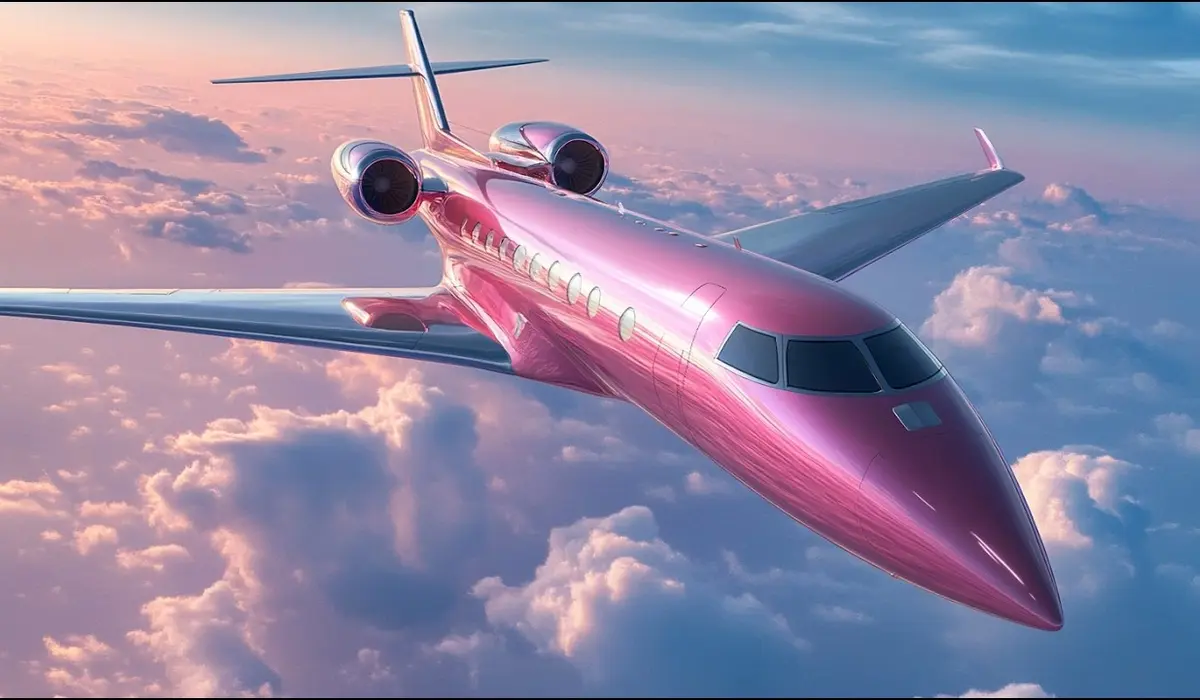
Look closely at a modern private jet and you will notice the wings sweep backward sharply. This design helps delay the formation of shockwaves as the plane approaches the speed of sound.
It allows the aircraft to maintain stability and control at speeds that would make traditional straight-winged planes highly inefficient.
The Role of Winglets
Those little upturned tips at the ends of the wings are called winglets. As a plane flies, high-pressure air under the wing tries to roll over to the low-pressure area on top, creating small tornadoes called vortices.
Winglets smooth out these vortices, reducing drag and saving precious fuel, which translates to a longer range for your journey.
Engine Power and Rapid Ascents
When it comes to private aviation physics, the engines are the beating heart of the aircraft. They provide the raw power needed to master the sky.
High Thrust-to-Weight Ratio
Private jets carry powerful turbofan engines relative to their size. This gives them an exceptional thrust-to-weight ratio.
Because they have so much power packed into a smaller frame, they can accelerate down a runway rapidly and climb to their cruising altitude much faster than commercial planes.
Accessing Shorter Runways
This incredible engine performance changes how you travel. Because they can achieve lift so quickly, private jets do not need miles of concrete to take off.
They can safely operate out of smaller, regional airports with shorter runways. This brings you closer to your final destination without the hassle of major airport hubs.
Cabin Pressure: The Biology and Physics of Comfort
The physics of private jet aviation does not stop on the outside of the aircraft. Inside the cabin, engineering plays a massive role in how your body feels during and after a long flight.
Understanding Altitude Fatigue
As planes fly higher, the outside atmospheric pressure drops to levels unsafe for humans. To counter this, aircraft pump compressed air into the cabin. In most commercial flights, the cabin is pressurized to feel like you are standing on top of an 8,000-foot mountain.
This drop in oxygen levels is exactly why you often feel tired, dehydrated, and jet-lagged after traveling.
The Luxury Edge
Luxury aircraft handle this differently by maintaining a much lower cabin altitude, often around 4,500 to 6,000 feet.
Because the internal pressure is closer to sea level, your body absorbs more oxygen during the flight. You can work, sleep, and chat comfortably, arriving at your destination feeling completely refreshed and ready to go.
Innovation in Action with Pravi Celer
Bringing all these complex physical principles together requires an obsession with detail. Brands like Pravi Celer focus on optimizing every single variable, from the curvature of the fuselage to the efficiency of the internal climate systems.
When engineering prioritizes physics, the results are immediately clear. Aircraft curated by Pravi Celer leverage advanced lightweight materials to shed unnecessary weight. This reduction in mass allows for faster climbs, better fuel efficiency, and a lighter carbon footprint, proving that true luxury is smart, efficient, and deeply grounded in science.
Fun Private Jet Facts You Might Not Know
To wrap our heads around how incredible these machines are, let us look at some surprising private jet facts that highlight the power of modern engineering.

-
Some private jets can fly at speeds of Mach 0.925, which is just a fraction under the speed of sound.
-
The air inside a luxury cabin is completely refreshed every two to three minutes using advanced filtration systems.
-
High-altitude flight allows private aircraft to avoid the crowded commercial air highways entirely.
-
The tires of a private jet are filled with nitrogen instead of regular air to prevent them from freezing or exploding at high altitudes.
Balancing Luxury and Efficiency
Ultimately, understanding how private jets work helps us appreciate the incredible balance between luxury and pure science. Every sleek curve, powerful engine roar, and quiet cabin moment is the result of physicists and engineers pushing the boundaries of what is possible.
The next time you enjoy luxury air travel, take a look out the window at the swept wings slicing through the thin air at 45,000 feet. You are not just riding in a beautiful airplane; you are experiencing a masterclass in modern physics brought to life by innovators like Pravi Celer.
Frequently Asked Questions
Why do private jets fly higher than commercial planes?
Based on available data, private jets fly higher because their lighter weight and powerful engines allow them to climb to altitudes between 41,000 and 51,000 feet. At this height, the air is much thinner, which significantly reduces aerodynamic drag. This allows the aircraft to fly much faster and consume less fuel, while completely avoiding the crowded commercial air lanes and turbulent weather below.
How does cabin pressure in a private jet reduce jet lag?
In most cases, private jets maintain a lower cabin altitude pressure, usually around 4,500 to 6,000 feet, compared to the 8,000 feet found on commercial airliners. This higher pressure allows your body to absorb more oxygen during the journey. Consequently, passengers experience far less physical fatigue, fewer headaches, and reduced dehydration, which minimizes the effects of jet lag.
What makes private aviation physics different from commercial aviation?
The core physics principles remain the same, but private aviation physics focuses on optimizing a much higher thrust-to-weight ratio and advanced wing aerodynamics. Because private aircraft are smaller and lighter, they can manipulate lift and drag more efficiently. This allows for faster speeds, quicker climbs, steeper descents, and the ability to utilize much shorter runways than large commercial airliners.
Can private jets fly faster than the speed of sound?
While a few specialized concept aircraft aim for supersonic speeds, standard private jets generally cruise just below the speed of sound, often around Mach 0.80 to Mach 0.925. Flying at these near-supersonic speeds requires highly swept wing designs and immense engine thrust to manage the extreme aerodynamic drag and shockwaves created as the aircraft approaches the sound barrier.