
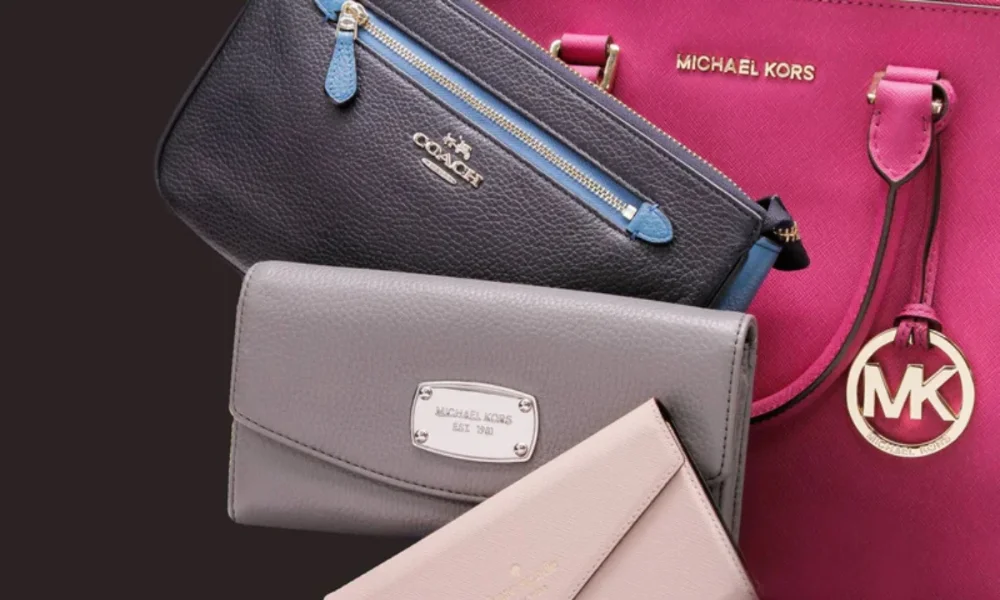
If you have ever stood in a store holding a handbag and wondered whether Michael Kors vs Coach is worth the money, or whether Kate Spade or Tory Burch might be better, you are not alone. These four brands dominate the accessible luxury handbag and accessories market. They are often categorized as entry level luxury brands, offering designer appeal without the extreme prices of traditional fashion houses. Yet although they look similar on the surface, data shows they appeal to different customers, perform differently in sales, and hold value in distinct ways.
In this article we will break down Michael Kors vs Coach vs Kate Spade vs Tory Burch using real data and research to determine which brand might be the better choice for you based on quality, resale value, brand perception, pricing, popularity, and long term relevance.
Let us dig in.
Understanding the Market
Before we compare these brands, it is important to understand the category they operate in. Unlike high fashion houses such as Louis Vuitton or Hermès, Michael Kors vs Coach vs Kate Spade vs Tory Burch are all positioned in the accessible luxury or contemporary fashion market. This means they are aspirational but still priced within reach of many consumers. This positioning sits between true luxury and mass retail, a distinction often discussed in comparisons of luxury vs fast fashion brands.
Industry reports show that brands like Coach and Michael Kors have strong positions in markets like North America and Europe, with online sales playing a large role in revenue. For example, over 40 percent of Coach’s total revenue comes from online channels in North America as adoption of e commerce continues to grow.
Despite being in the same category, each brand has carved out its own identity and appeal. Let us see how that matters when we evaluate michael kors vs coach with Kate Spade and Tory Burch in the mix.
Brand Profiles in Brief
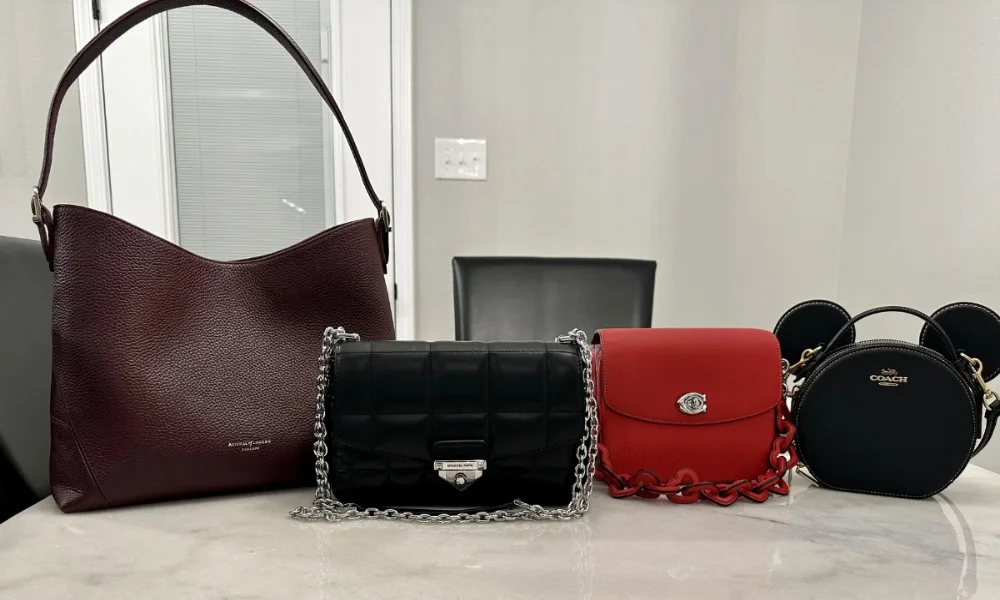
Before diving into data, it helps to know what each brand generally represents in today’s fashion landscape. While they are not traditional luxury houses, these brands are frequently compared with top luxury brands when discussing accessible designer fashion.
Michael Kors
Founded in 1981, Michael Kors quickly became synonymous with jet set lifestyle and American design. The brand offers handbags, accessories, apparel, and shoes with noticeable logos and hardware. It has wide distribution, including department stores and outlet channels.
Coach
Coach has a longer history, originally established in 1941 in New York. It is known for its craftsmanship, leather quality, and recent brand revitalization efforts to appeal to both Gen Z and millennial buyers. Coach focuses heavily on handbags and accessories.
Kate Spade
Kate Spade entered the market in 1993 offering playful, colorful designs with a quirky twist. The brand appeals to younger buyers or those seeking expressive and whimsical accessories.
Tory Burch
Founded in 2004, Tory Burch leans into preppy chic aesthetics with refined hardware and structures. The brand often positions itself as slightly more elevated and fashion focused compared to typical accessible luxury labels.
Michael Kors vs Coach: Sales and Market Share
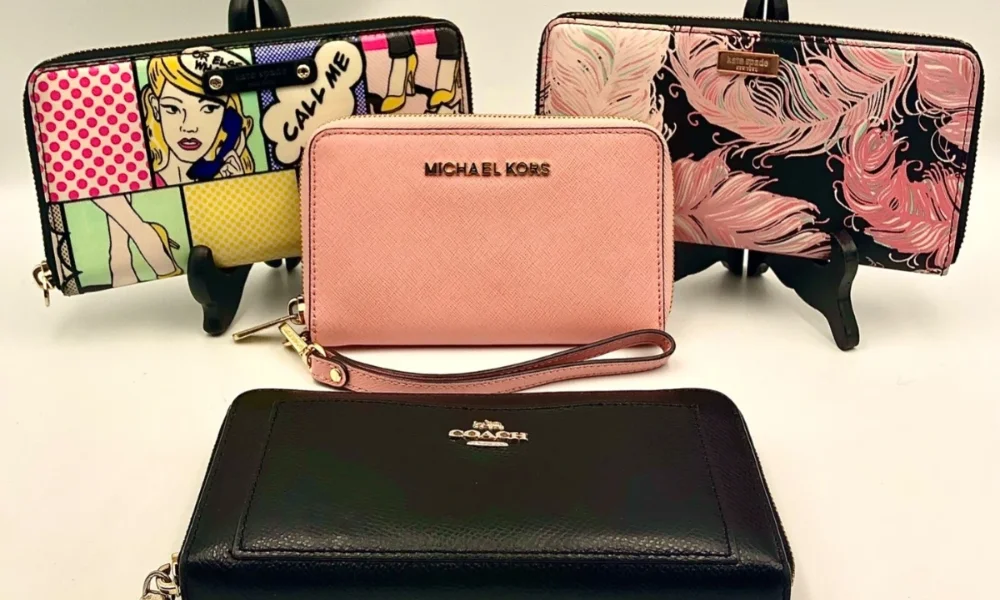
A key way to compare michael kors vs coach is through sales performance and market share. Analysts often evaluate luxury fashion brand value through metrics like revenue growth, resale demand, and global brand perception.
According to competitive positioning studies, Michael Kors holds a slightly higher market share in the accessible luxury handbag segment at around 12 to 14 percent, while Coach sits around 8 to 10 percent globally.
These figures tell us a few things:
- Michael Kors often leads in total share, which reflects broader distribution and a strong presence in department stores.
- Coach maintains relevance, especially since its revival in the mid 2010s under new creative leadership that refreshed core handbag lines like the Rogue and Tabby.
Most notably, recent financial results show that Coach’s popularity continues to grow with new customers, especially driven by coveted styles like the Tabby handbag which helped fuel strong revenue increases, even leading to improved forecasts for Coach’s parent company Tapestry.
Meanwhile, michael kors vs coach comparisons also show that Michaels Kors faced challenges like brand saturation and an overreliance on wholesale and outlet channels.
Consumer Perception and Brand Positioning
When evaluating michael kors vs coach, consumer perception plays a major role in which brand people prefer.
Global brand ranking metrics suggest that:
- Michael Kors holds a consumer trust rating of about 68 percent.
- Coach sits slightly lower at around 65 percent.
- Tory Burch often ranks at around 70 percent.
- Kate Spade generally lags slightly in general trust metrics.
These scores reveal that Tory Burch is often perceived as slightly more desirable in overall consumer sentiment than Coach or Michael Kors. Kate Spade, while beloved for its playful designs, does not typically score as highly in overall trust metrics.
This perception difference matters because luxury buyers are increasingly motivated by brand identity and story as much as price or quality.
Resale Value and Longevity
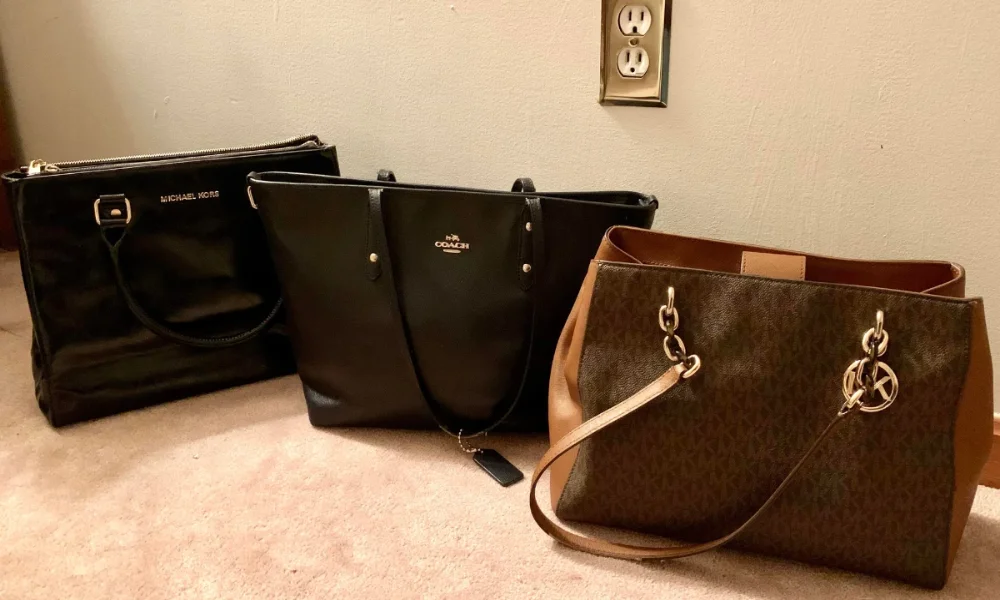
A practical way to judge michael kors vs coach is to see how their products hold value on the secondary market.
Resale platforms like The RealReal, Poshmark, and others show that Coach generally retains value better than Michael Kors. On second hand marketplaces:
- A Coach handbag often retains 30 to 50 percent of original value.
- A Michael Kors bag typically retains only about 10 to 25 percent.
The reason is partly due to brand saturation. Because Michael Kors products are widely available and often discounted, their perceived value decreases faster over time. Coach, although also mainstream, has deeper heritage and certain classic designs that maintain desirability among collectors and vintage enthusiasts. Buyers interested in long term value often follow a vintage shopping guide to identify handbags that maintain desirability over time.
Kate Spade and Tory Burch fall somewhere in between. Tory Burch bags have modest resale value due to their more fashion forward position, while Kate Spade’s resale performance varies widely based on style popularity.
Price Points and Accessibility
Price plays a significant role in comparing michael kors vs coach and how they compare to Kate Spade and Tory Burch.
Generally:
- Michael Kors tends to be priced slightly lower, especially in outlet channels.
- Coach has a broader price range with some higher priced classic styles.
- Kate Spade often sits in a mid tier, appealing to younger buyers.
- Tory Burch usually has higher retail prices for premium styles.
These differences affect how each brand is perceived and who buys them. For example, entry level shoppers might choose Michael Kors or Kate Spade for affordability, while those seeking something that feels more premium might choose Tory Burch or Coach.
Demographic Appeal
Brand popularity also varies by consumer segment when comparing michael kors vs coach:
- Surveys from youth focused reports like Piper Jaffray have shown Michael Kors leading among middle income teens at various points historically.
- Coach has also regained popularity among younger shoppers due to refreshed designs and marketing that resonates with Gen Z.
- Kate Spade’s bright and whimsical designs continue to appeal to younger buyers who want color and personality.
- Tory Burch attracts slightly older and more fashion conscious buyers who value structure and sophistication.
These preferences show that michael kors vs coach is not just about price or quality, but also about what style speaks to different age groups and fashion identities.
Quality and Craftsmanship
One common consumer belief is that Coach products are often perceived as higher quality than Michael Kors because of the traditional leather work and hardware. This can matter if you plan to keep a bag for years instead of buying on trend and moving on.
Many consumers online note Coach’s superior hardware and leather quality compared to Michael Kors, although taste and style still differ from person to person.
Tory Burch also often uses refined finishes and distinct hardware that can feel more premium. Kate Spade, while creative, sometimes uses lighter materials that balance style with affordability.
Brand Growth and Challenges
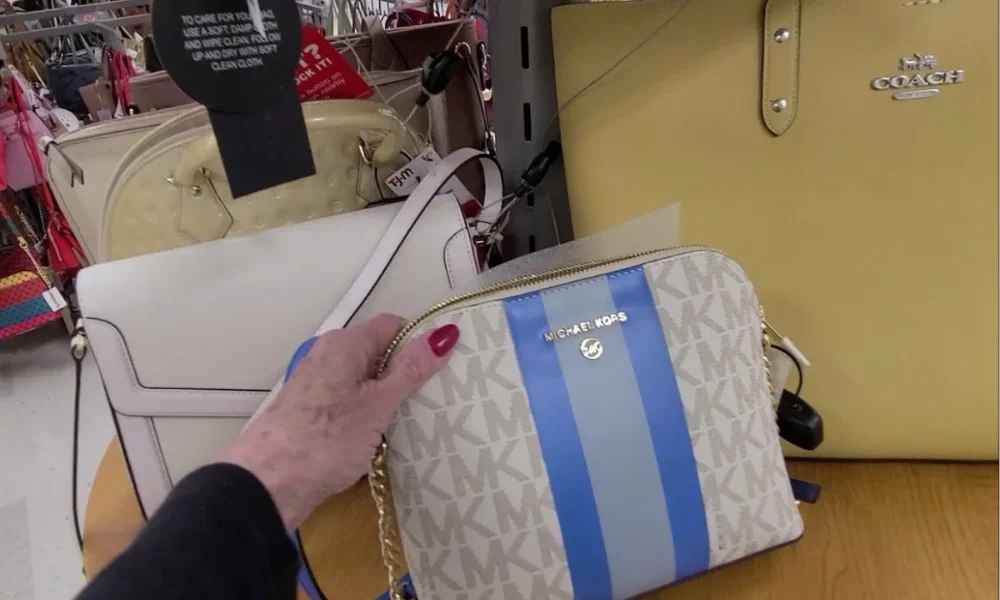
Another important part of michael kors vs coach is growth and strategy. Coach has experienced consistent growth recently, boosted by styles like Tabby and effective marketing, while Kate Spade’s sales have faced challenges, prompting strategic repositioning.
Michael Kors, on the other hand, has struggled with brand oversaturation and flattening growth at times due to heavy discounting and reliance on wholesale distribution.
Tory Burch, although smaller than the other three in total revenue, continues to build its presence as more refined and fashion forward, appealing to buyers who value design distinctiveness.
Final Verdict: Which Brand Is Better?
So how do we decide michael kors vs coach vs kate spade vs tory burch?
There is no one size fits all answer. However, based on data and trends:
- Best for Value and Accessibility
Michael Kors wins if you want an affordable designer labeled bag that is easy to find, wearable every day, and fits many styles. - Best for Craftsmanship and Classic Appeal
Coach tends to be better if you want something that holds value, feels more traditional in quality, and is rooted in craftsmanship. - Best for Playful and Expressive Style
Kate Spade is a strong choice if colorful, quirky, expressive bags appeal to you or fit your personality. - Best for Fashion Forward Sophistication
Tory Burch edges out if you want a slightly elevated look with preppy chic design and distinct hardware that feels more refined.
So when comparing michael kors vs coach in the context of these four brands, Coach often edges out in quality and resale value, while Michael Kors excels in accessibility and widespread popularity.
All four brands occupy a competitive space and which one is “better” largely depends on your priorities as a shopper. These labels are part of a growing category of affordable luxury brands that balance designer style with accessible pricing.
Frequently Asked Questions
What is the main difference between Michael Kors and Coach?
Michael Kors often prioritizes wider distribution and affordability, while Coach emphasizes heritage, craftsmanship, and higher resale value. The choice between michael kors vs coach depends on whether you want accessibility or quality longevity.
Is Coach perceived as more premium than Michael Kors?
Yes. In general Coach bags are perceived as slightly more premium due to traditional leather work and recent brand revitalization.
Does Michael Kors hold value on resale?
Michael Kors bags tend to depreciate faster than Coach, retaining a lower percentage of their original value on resell sites.
Which brand is more popular with young buyers?
Popularity can vary, but Coach and Michael Kors both rank highly among younger shoppers, with Coach gaining traction due to refreshed styles.
