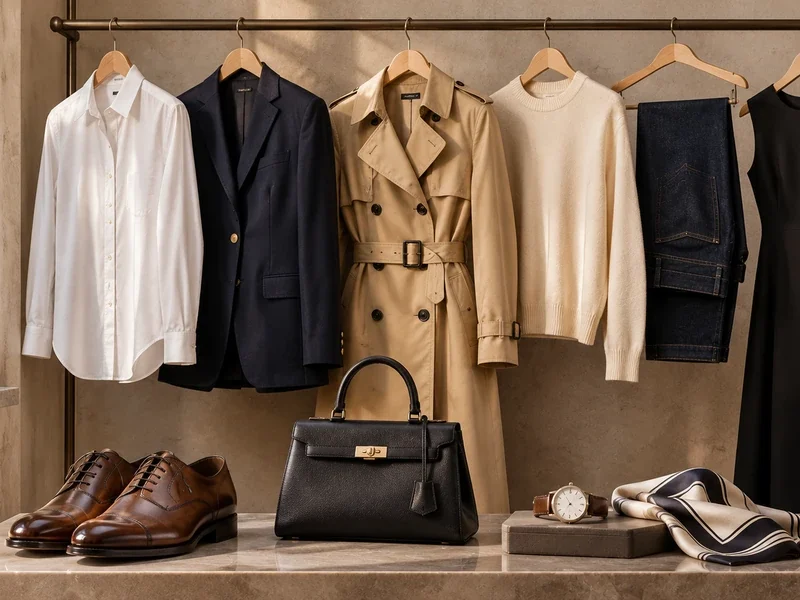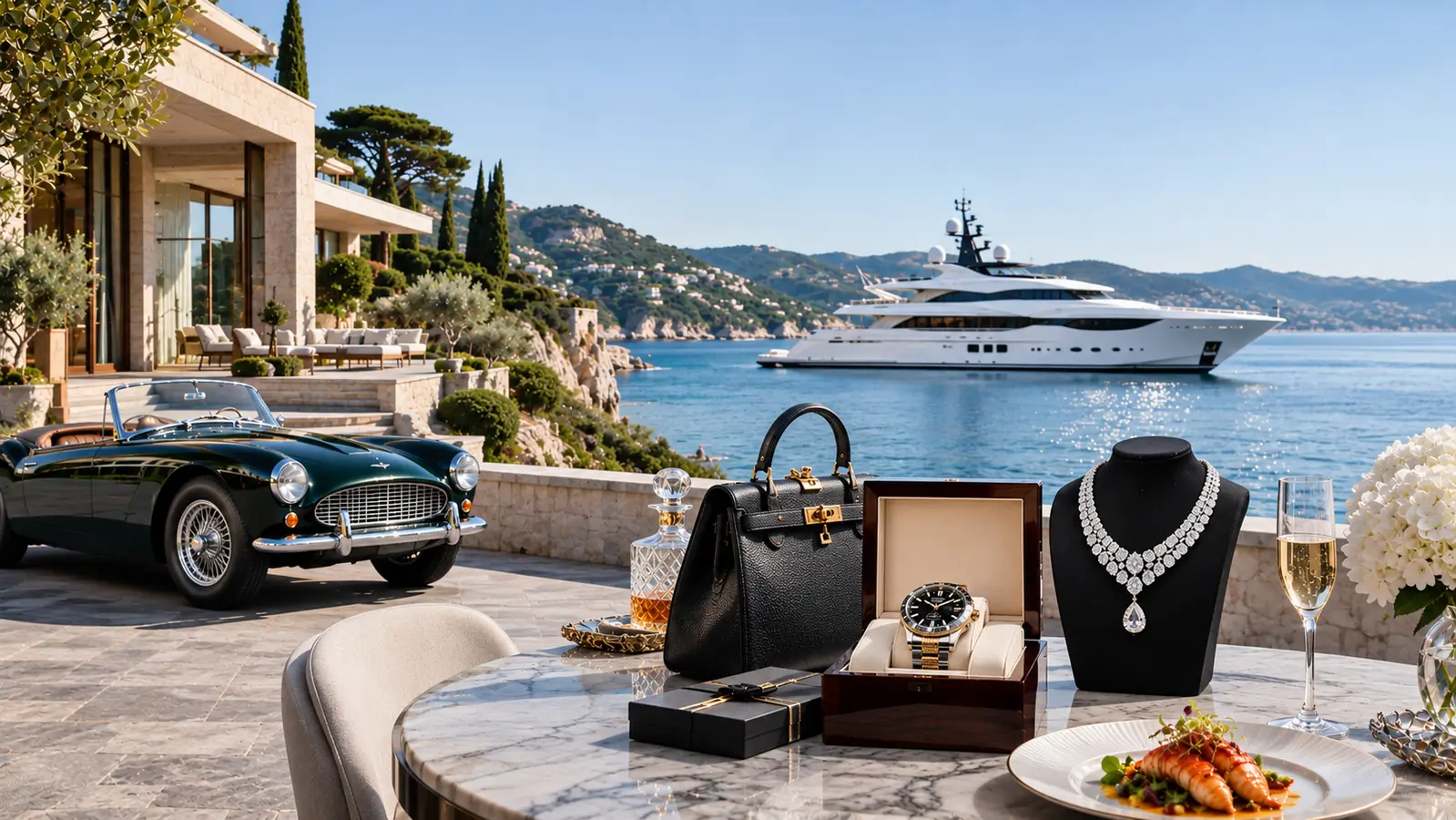
Luxury, at its highest level, is rarely loud. It comes from rarity, craft, time and access. These are things that cannot be hurried, mass-produced or convincingly imitated. A hand-stitched seam, a vintage that will not come again, or a room with a view no one else can buy: these are the measures that matter.
This list gathers forty examples. They range from machines and houses to food, travel and objects of lasting craft. They are chosen not for their price tags, but for what they represent when done properly.
How this list was chosen. Each entry was assessed against five tests: rarity, meaning how few exist or how difficult they are to obtain; craft, the skill and hours behind them; provenance, the maker, place or history attached; experience, what it feels like to use or inhabit them; and endurance, whether they will still matter in twenty years. Nothing here qualifies on novelty alone.
I. Machines & Movement
1. A Superyacht Built by Lürssen
A superyacht is the purest expression of private freedom on water: a self-contained world that moves at its owner’s pace. The finest are built in northern Germany, where the German yard Lürssen has launched some of the largest and most technically accomplished yachts afloat.
Steel hulls, whisper-quiet engineering, interiors finished by hand over several years a yacht of this order is less a boat than a floating house, staffed, provisioned and ready to leave whenever its owner decides.
2. A Long-Range Private Jet
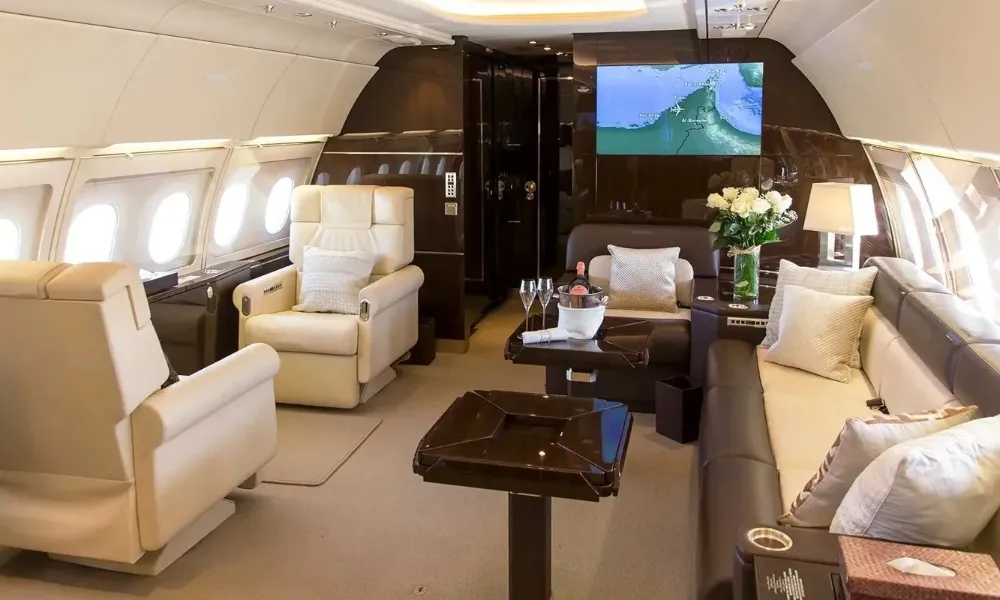
The value of a private jet is not the cabin, however fine, but the time it returns. A long-range aircraft such as a Gulfstream G700 or Bombardier Global 7500 flies non-stop between continents, departs on its owner’s schedule and lands at smaller airfields close to the final destination.
Inside, the cabin is a quiet office, dining room and bedroom in one, with beds that lie flat, showers on the largest types, and crews who know their passengers’ preferences by heart.
3. A Hypercar
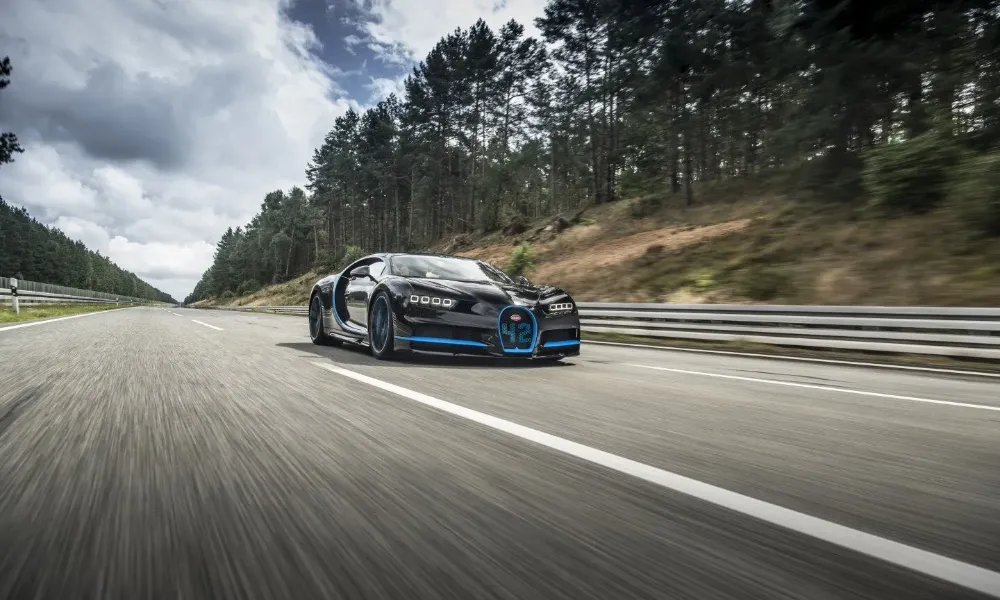
A hypercar exists to answer a question almost no one asks: how fast, and how refined, can a road car be? The Bugatti Chiron, with its quad-turbocharged W16 engine, is the reference point a car that reaches speeds beyond 400 kilometres per hour while remaining composed enough to drive to dinner.
Production runs are counted in the low hundreds, each car assembled largely by hand, and ownership usually requires an invitation as much as a cheque.
4. A Classic Car of Provenance
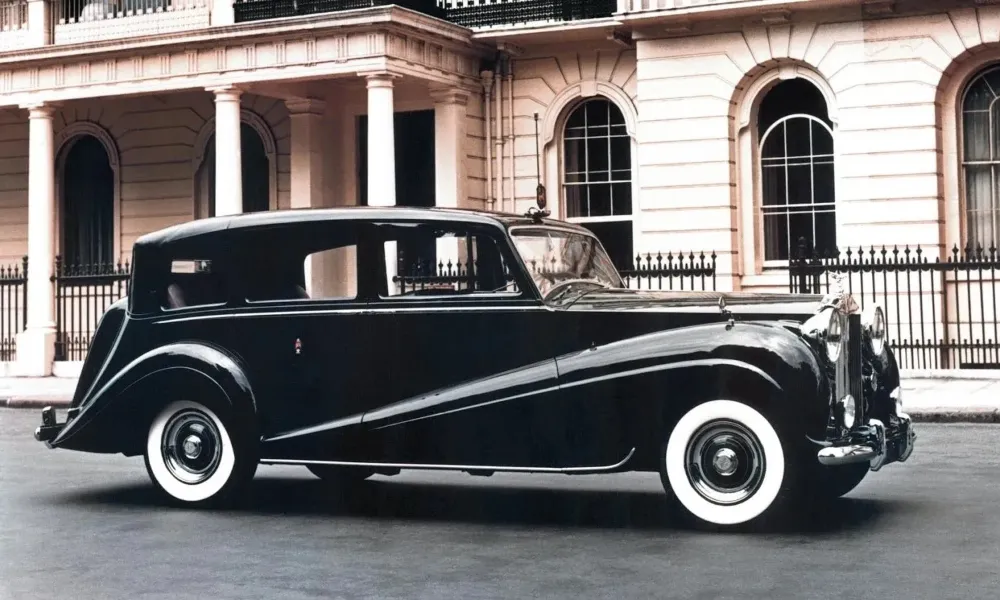
New cars depreciate; the right old ones do the opposite. A classic car earns its place here through provenance — a documented history, original coachwork, a famous first owner or a racing record.
A pre-war Rolls-Royce Phantom, a 1960s Ferrari 250 or a Mercedes 300SL Gullwing is as much an object of design history as a machine. The best are maintained by specialists, driven sparingly, and shown rather than stored.
5. A Private Helicopter
Where roads end and schedules tighten, a helicopter takes over. A machine such as an Airbus H145 or a Leonardo AW109 carries its owner from a city rooftop to a country house, a yacht or a ski slope in minutes, in any weather its pilot judges safe.
The luxury is not the aircraft itself but the removal of friction: no transfers, no waiting, no route that depends on anyone else’s timetable.
6. A Grand Tourer
The grand tourer is the civilised answer to the hypercar: a car built to cross a continent quickly and arrive rested.
A Bentley Continental GT or an Aston Martin DB12 pairs a powerful engine with hand-stitched leather, real wood and a cabin quiet enough for conversation at speed.
It is the car for the owner who drives rather than being driven, and who measures a journey in pleasure rather than minutes saved.
7. A Private Submersible
For owners who have seen everything above the waterline, the next frontier is below it. A private submersible a small, crewed craft launched from a yacht descends to reefs, wrecks and depths no diver can reach, in a pressurised acrylic sphere with a clear view in every direction.
Only a handful of yards build them, and each dive is planned like an expedition. It is exploration, made private.
II. Homes & Havens
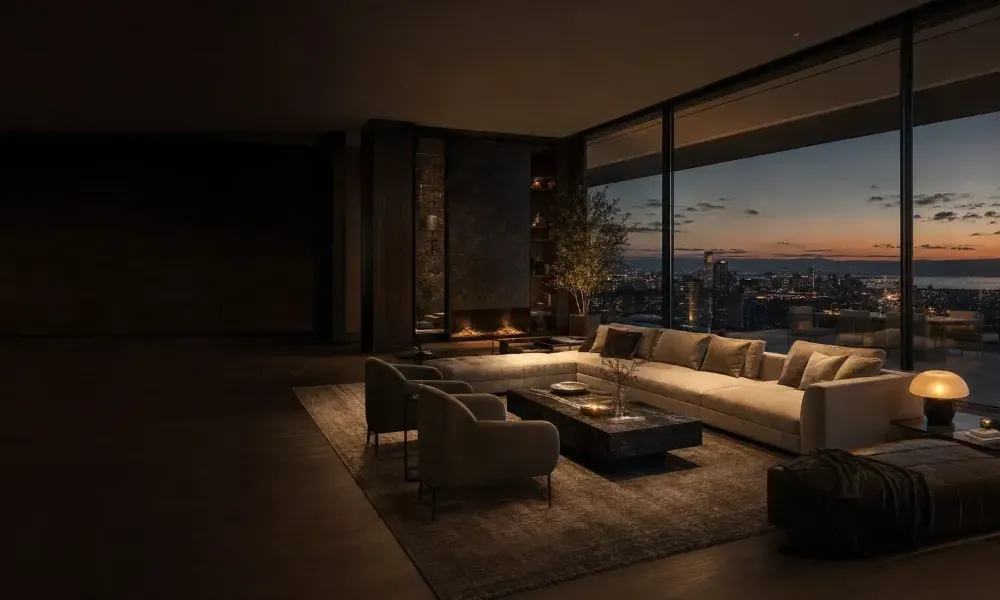
8. A Penthouse Above the City
A true penthouse is not simply a flat on the top floor. It is a whole floor, or several, with private lift access, terraces on more than one side and views that cannot be built out.
In London, New York or Monaco, the best occupy the crown of a landmark building, with ceiling heights, staff quarters and services that make them closer to a private house suspended in the sky than to an apartment.
9. A Private Island
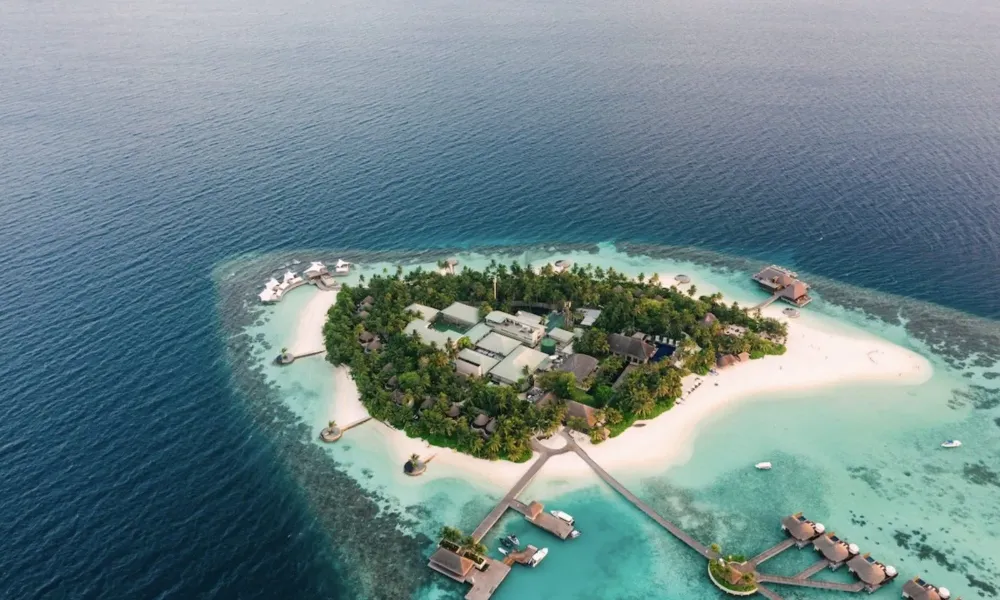
Ownership of an island is the ultimate form of privacy. A handful of islands in the Caribbean, the Pacific and the Indian Ocean are held privately, some with a single residence, others with a small resort for guests. The owner controls who arrives, when, and by what means usually seaplane or boat. The luxury is absolute discretion: a horizon with no other houses on it.
10. A Suite in a Historic Grand Hotel
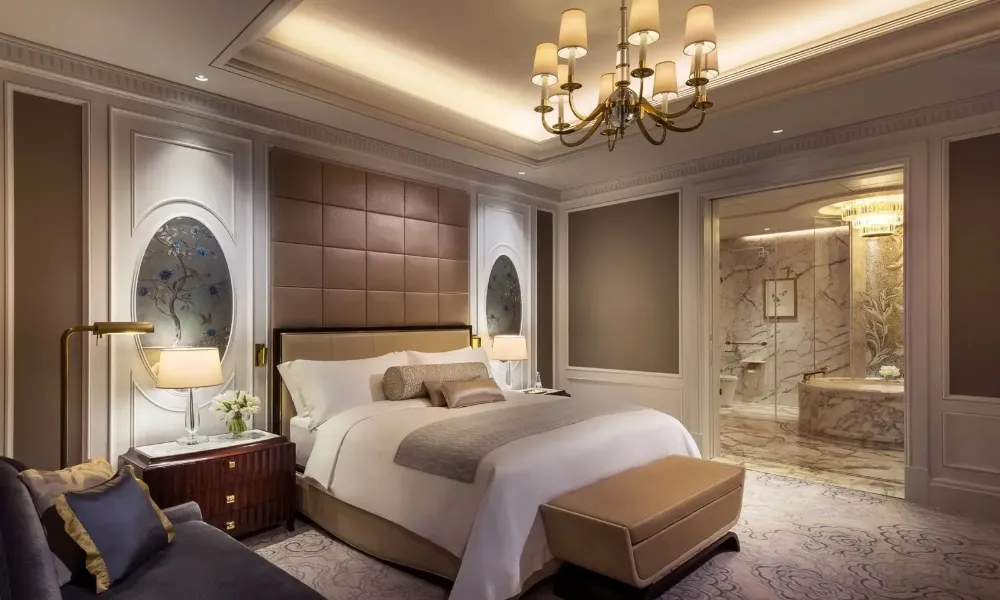
Some rooms carry a history no new building can acquire. The suites of the Ritz Paris, the Peninsula Hong Kong or the Hotel du Cap-Eden-Roc have hosted royalty, writers and heads of state for a century or more.
The luxury lies in the layering: original panelling and plasterwork, staff who have served the same families for decades, and a standard of service that has been refined rather than reinvented.
11. A Villa on the Riviera
A villa on the Côte d’Azur or the Amalfi Coast is valued first for its position a headland, a cliff edge, a garden that falls to the sea and second for its architecture.
The great villas were built for a slower era: thick walls, shaded loggias, gardens planted a century ago. Today they are staffed houses for long summers, where the day is measured by the light on the water rather than the clock.
12. An Alpine Chalet
A chalet in Courchevel, Gstaad or St. Moritz offers a different kind of seclusion: altitude, snow and silence. The finest are built from reclaimed timber and stone, with open fires in every room, a spa and pool below, and ski-in, ski-out access to the slopes.
In winter they are the centre of a private social season; in summer they empty, and the mountains belong to their owners alone.
13. A Private Spa and Hammam at Home
The most personal luxury a house can hold is a spa built for one household. A private hammam in marble, a cedar sauna, a plunge pool and a treatment room staffed by a therapist on call turn recovery into a daily ritual rather than an occasional appointment. It is the domestic equivalent of a great hotel’s wellness floor, without the other guests.
III. Time, Jewels & Dress
14. A Watch of Haute Horlogerie
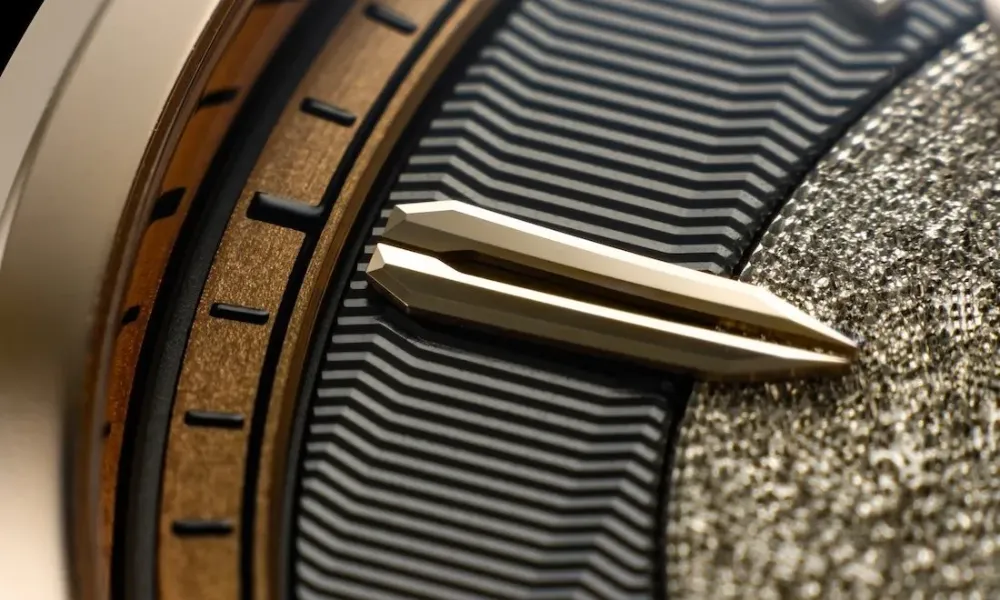
A great watch is judged by what is inside it. Haute horlogerie the work of houses such as Patek Philippe, Vacheron Constantin and A Lange & Söhne means a movement designed, finished and assembled largely by hand, with bevelled bridges, polished screws and engraving done under a loupe. A single watch can take a year to complete. It is worn daily, keeps time to seconds a week, and is built to be serviced, not replaced.
15. A High Jewellery Necklace
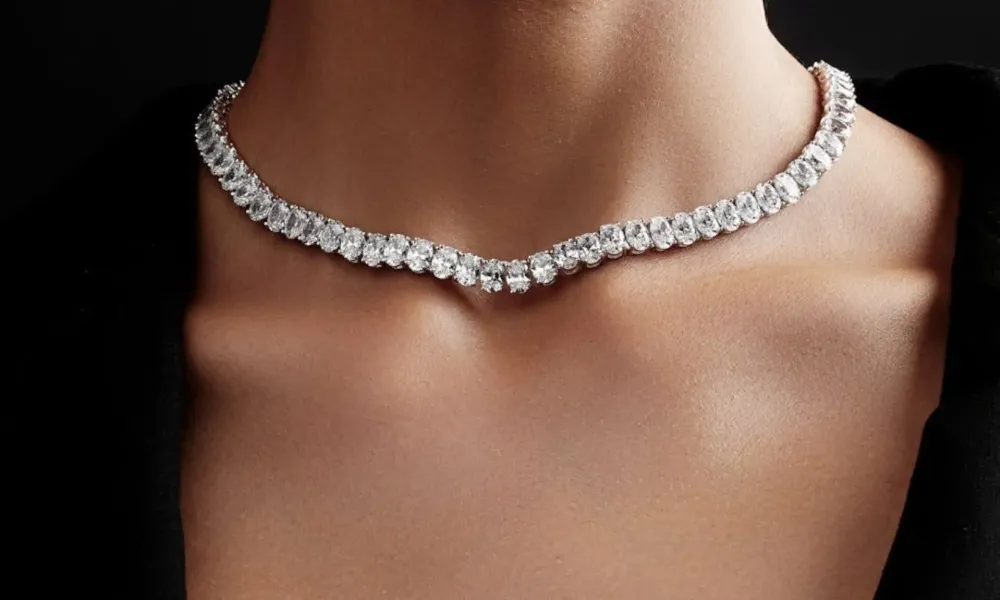
High jewellery is made in single pieces, not collections. A rivière necklace from a Place Vendôme house may take years to assemble, as its makers wait for stones of matching colour, clarity and cut to appear. Each diamond is set by hand in platinum, and the finished piece is sold to one client, often before it is ever displayed. It is jewellery as a private commission, not a product.
16. A Rare Coloured Diamond
White diamonds are graded; coloured diamonds are hunted. A vivid pink from the now-closed Argyle mine in Australia, a blue from the Cullinan deposit, or a flawless red the rarest of all can take a lifetime to find in gem quality. Their value rests on geology as much as beauty: the conditions that create them are so uncommon that fewer than a handful of fine stones reach the market in any given year.
17. A Handbag of Record
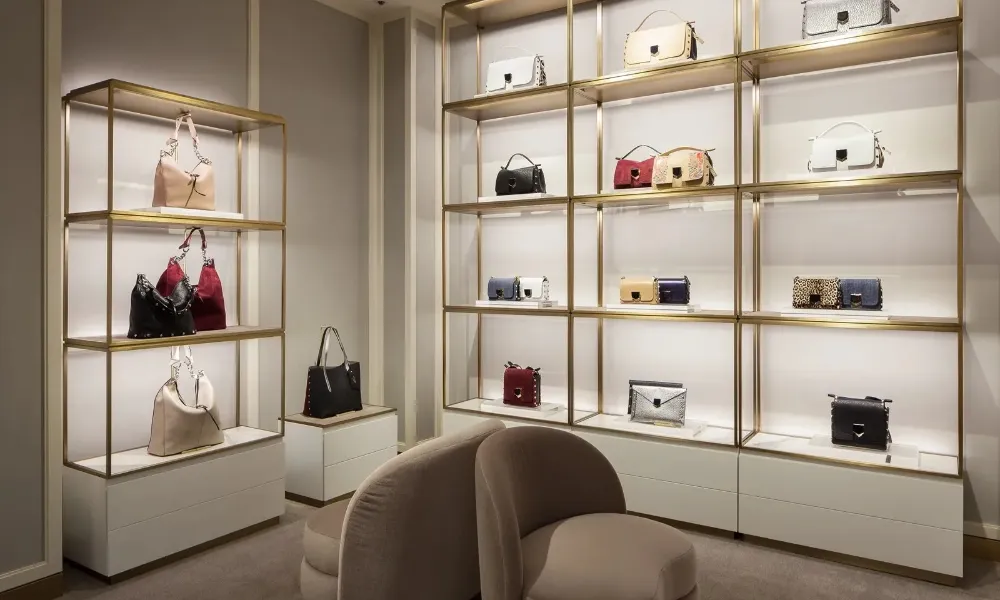
No object in modern luxury is collected quite like a handbag. The Hermès Birkin and Kelly, made by a single artisan from start to finish in the house’s Paris ateliers, are the standard waiting lists, careful allocation, and resale values that often exceed retail.
The fascination is documented in the most expensive handbags ever sold at auction, where rare skins, diamond hardware and one-off commissions set records that surprise even seasoned collectors.
18. A Bespoke Suit from Savile Row
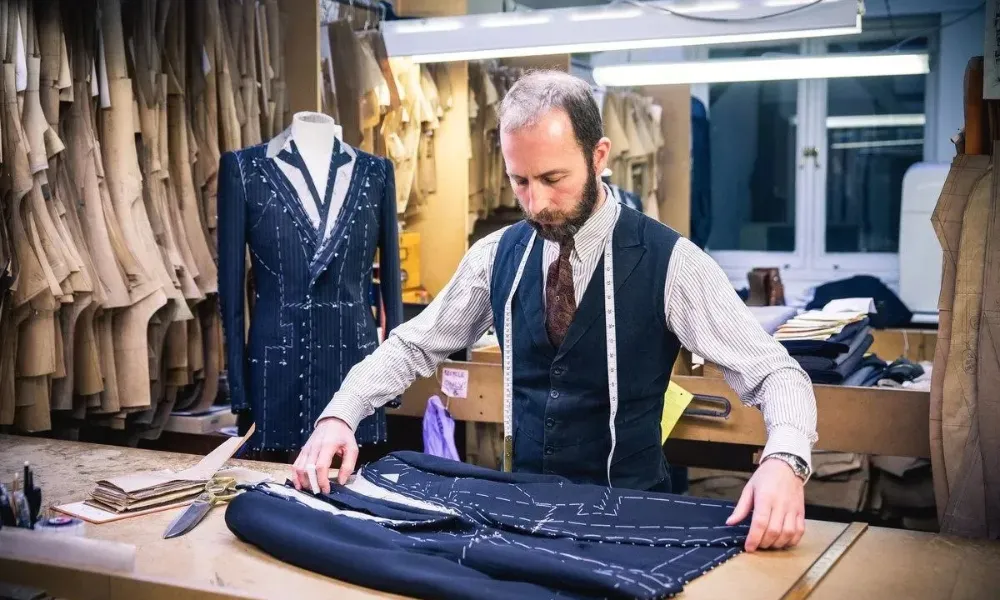
A bespoke suit is not bought; it is built. On Savile Row, the process begins with a length of cloth chosen from thousands, continues through several fittings, and ends months later with a garment cut to one body alone.
The jacket is basted, tried, unpicked and remade until the tailor is satisfied. The result fits in a way no ready-to-wear suit can, and it is expected to last decades with care.
19. A Couture Gown
Haute couture exists under strict rules: a house must maintain an atelier in Paris, present seasonal collections, and make each garment to a client’s measurements.
A couture gown from Chanel, Dior or Valentino can absorb hundreds of hours of handwork embroidery, pleating, beading much of it done by specialist ateliers whose crafts are themselves protected heritage. It is worn once, remembered always, and often archived by the house afterwards.
20. A Rare Watch Complication
Beyond telling the time, the highest watchmaking is about complications few owners will ever need: a minute repeater that chimes the hour, a perpetual calendar that knows the leap years, a tourbillon that counters gravity.
Each demands years of development and months of assembly by a single watchmaker. The complication is the point a mechanical answer to a problem solved centuries ago, kept alive purely for the pleasure of it.
IV. Table & Cellar
21. Dinner at a Three-Michelin-Star Restaurant
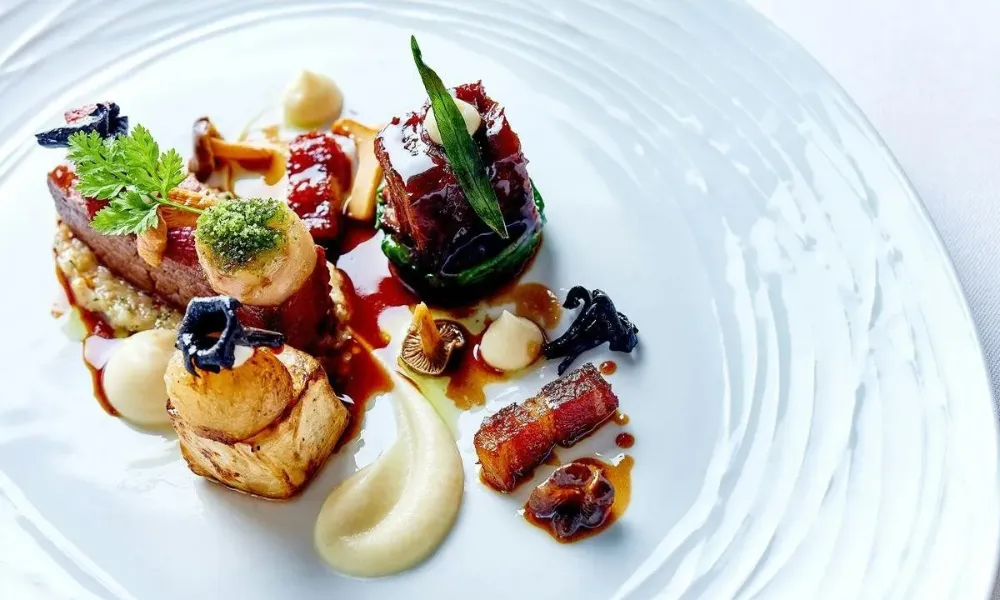
Three Michelin stars mean, in the guide’s own words, exceptional cuisine worth a special journey. There are only a little over a hundred such restaurants in the world.
A meal at one L’Arpège in Paris, Osteria Francescana in Modena, or a counter in Tokyo is a performance of produce, technique and timing, served in a room where every detail has been considered. Tables are booked months ahead, and the evening is the occasion itself.
22. A Rare Vintage Champagne

Champagne is declared vintage only in exceptional years, and the great houses release their prestige cuvées Dom Pérignon, Cristal, Salon after years of ageing in chalk cellars.
The rarest bottles come from single vineyards or single years, and some are never released commercially at all. Opened at the right moment, a mature vintage champagne is less a drink than a record of a season decades past.
23. A First-Growth Bordeaux
The 1855 classification of Bordeaux named five châteaux as first growths: Lafite Rothschild, Latour, Margaux, Haut-Brion and Mouton Rothschild. Their wines are made from small, gravel-soil plots, aged in new oak and released in limited quantities.
A great vintage needs decades to reach its peak, and the finest bottles are traded like assets stored in bonded warehouses, authenticated, and opened only for occasions that justify them.
24. Beluga Caviar
Beluga caviar, from the beluga sturgeon of the Caspian Sea, remains the benchmark against which all other caviar is measured: large, soft eggs with a pale grey-gold colour and a flavour that is buttery rather than salty.
Wild beluga is now strictly controlled, and the finest legally traded caviar comes from farmed sturgeon raised under close supervision. It is served simply on blinis, with crème fraîche, or from a mother-of-pearl spoon.
25. A White Truffle from Alba
The white truffle of Alba, in Piedmont, cannot be cultivated; it grows wild, is found by trained dogs in the autumn woods, and it loses its aroma within days of being dug up.
The season lasts a few weeks, the harvest is unpredictable, and the best specimens are sold at auction in Alba itself. Shaved over fresh tagliolini or a risotto, a white truffle is less an ingredient than a brief event and it is gone until next year.
26. A Private Chef and an Omakase Counter
The most refined meal is often the smallest: a counter seating eight, a chef, and no menu. In an omakase the Japanese tradition of leaving the meal to the chef each piece of sushi is prepared to order from fish selected that morning at market.
Engaging a private chef to cook this way at home, or booking the counter of a master in Tokyo, turns dinner into a conversation between cook and guest that cannot be repeated.
V. Travel & Experience
27. The Monaco Yacht Show
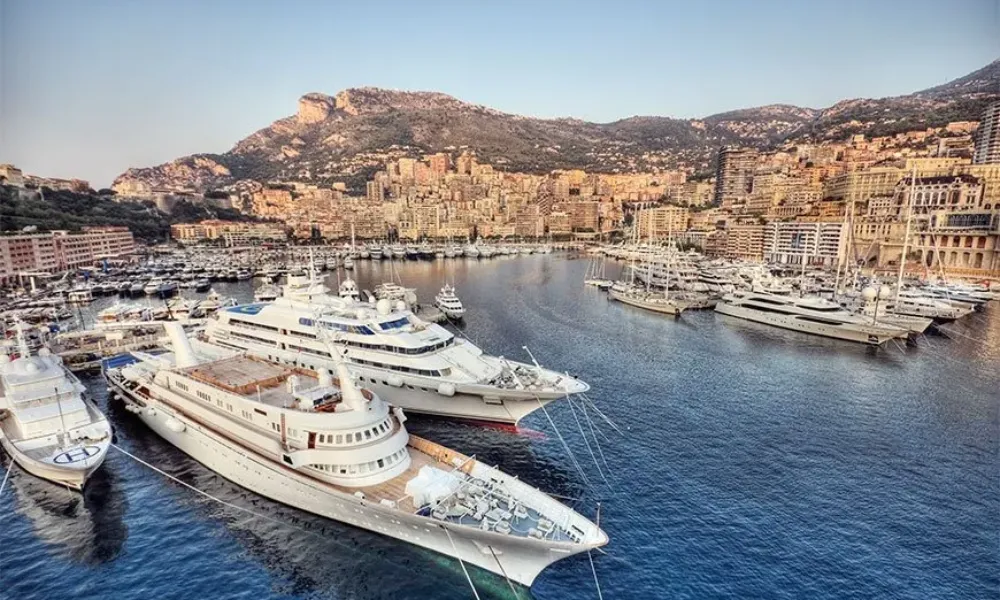
Each September, Port Hercule in Monaco becomes the centre of the yachting world. The Monaco Yacht Show gathers the largest yachts afloat many on display for sale or charter alongside the designers, builders and brokers who create them.
Access is by invitation or ticket, the quays are closed to the public, and the week doubles as a private social season for owners, captains and the houses that serve them.
28. A Private Safari

A private safari is defined by exclusivity of land. In place of a shared lodge, the traveller books a private concession hundreds of square kilometres in Botswana, Kenya or Tanzania with a camp of a few tents, a dedicated guide and tracker, and no other vehicles at a sighting. Days are set by the animals, not by a schedule, and evenings are spent around a fire under a sky with no light pollution.
29. An Expedition to Antarctica
Antarctica is the last continent without permanent residents, and reaching it in comfort is an expedition in the true sense. The finest journeys cross the Drake Passage aboard a small ice-class expedition ship, or fly directly to the interior to stay in heated pods among the ice. Penguins, tabular icebergs and twenty-four-hour daylight are the reward for a journey that remains, by design, difficult to make.
30. A View of Earth from Space
Suborbital flight has moved from science fiction to a booked experience. Aboard a craft such as Virgin Galactic’s spaceplane or Blue Origin’s New Shepard, passengers cross the boundary of space, experience minutes of weightlessness, and see the curve of the Earth against black sky. The flight lasts a little over an hour; the memory of the view is the part that stays.
31. A First-Class Suite in the Sky
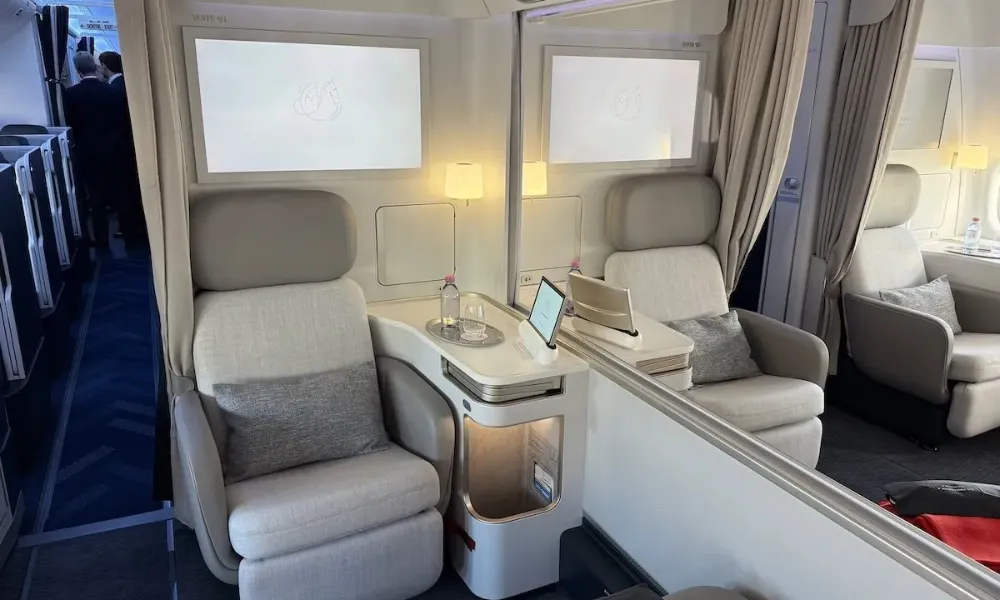
The first-class suites of Singapore Airlines, Emirates and Air France’s La Première are designed as private rooms rather than ordinary seats. They feature closing doors, beds prepared by the crew, wardrobes and on-demand dining from menus created by renowned chefs. On the longest routes, the cabin feels closer to a small hotel than an aircraft. The journey becomes part of the holiday rather than simply the price of getting there.
32. A Stay at a Private Island Resort
Different from owning an island, staying at a private island resort means renting its seclusion for a week. Resorts such as North Island in the Seychelles or Amanpulo in the Philippines occupy a whole island with a handful of villas, each with its own beach, and a staff-to-guest ratio that makes every request feel anticipated. Arrival is by seaplane; departure is the hardest part of the stay.
33. A Journey Aboard a Legendary Train
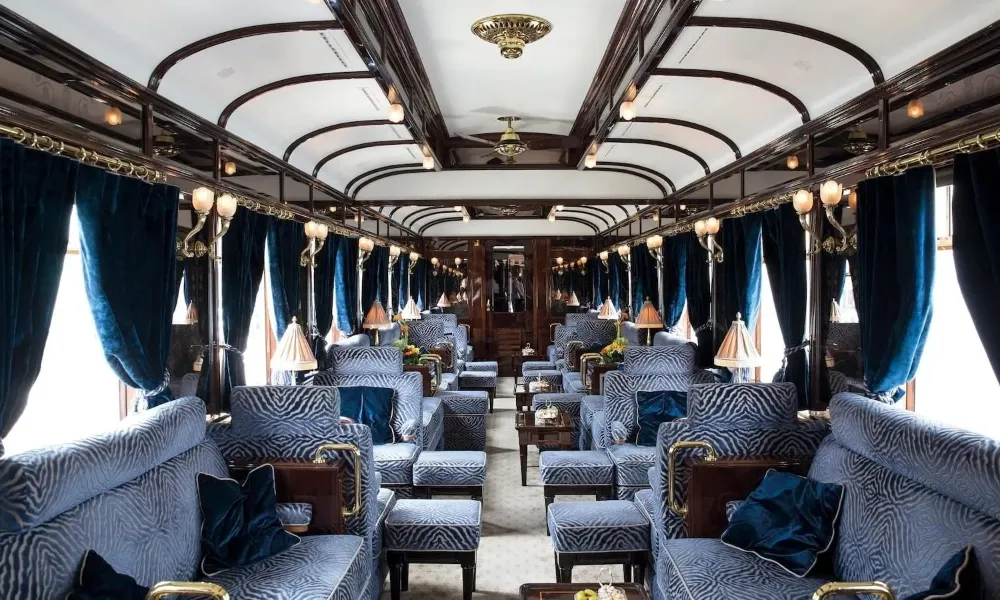
The Venice Simplon-Orient-Express still operates restored 1920s carriages between London, Paris and Venice. Inside, marquetry panels, brass lamps and white-gloved service recreate the elegance of a bygone era. The journey itself is the destination. Guests enjoy a multi-course dinner in the dining car, spend the night in a cabin that converts into a bedroom, and wake to a morning arrival in a city made for exactly this kind of entrance. Speed is beside the point.
VI. Rarity, Craft & Legacy
34. A Stradivarius Violin
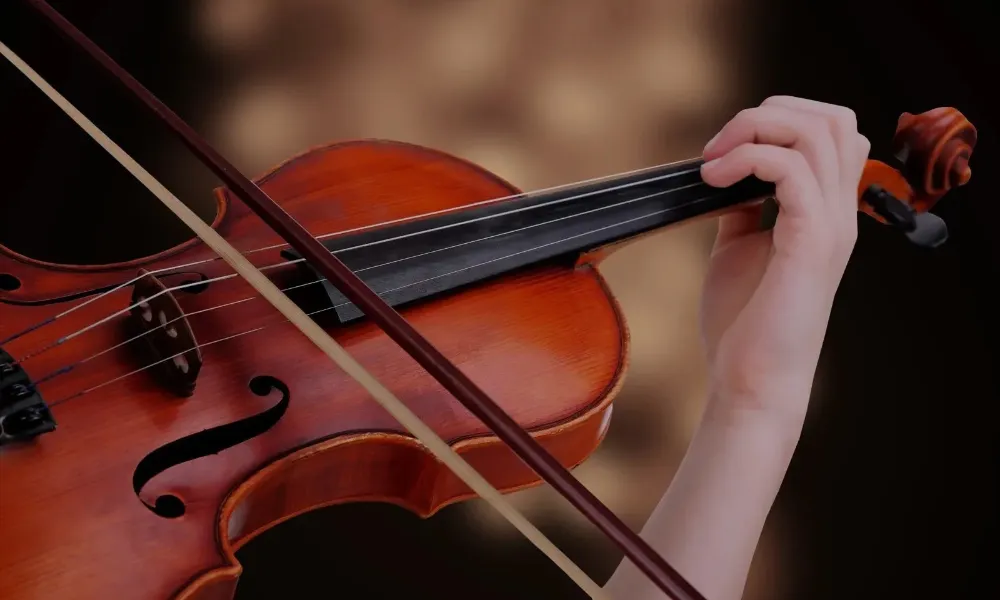
Fewer than seven hundred instruments made by Antonio Stradivari survive today. Most are held by institutions, foundations or a small number of collectors. A Stradivarius is valued not only for its rarity but also for its sound. Three centuries of makers have tried, without exact success, to reproduce it. The finest instruments are loaned to the world’s leading soloists, who play them on stages their maker could never have imagined.
35. A Museum-Grade Painting
Museum-quality paintings rarely change hands, and when they do, the sale often makes headlines. A work by a recognised master, such as a Monet water lily, a Rothko or a Renaissance portrait, carries a provenance documented through collections, exhibitions and catalogues raisonnés. Owning one means becoming its custodian. The painting will outlive its owner, and its next home may already be a matter of public interest.
36. A First Edition or Manuscript
A first edition of a landmark book or a manuscript in the author’s own hand is history you can hold. Owning Newton’s Principia, a Shakespeare First Folio or a draft page of a novel in the writer’s handwriting connects you directly to the moment an idea entered the world. The market is small, and the scholarship is exacting. Acquiring the best pieces requires expert advice, patience and a long-term view.
37. A Bespoke Fragrance
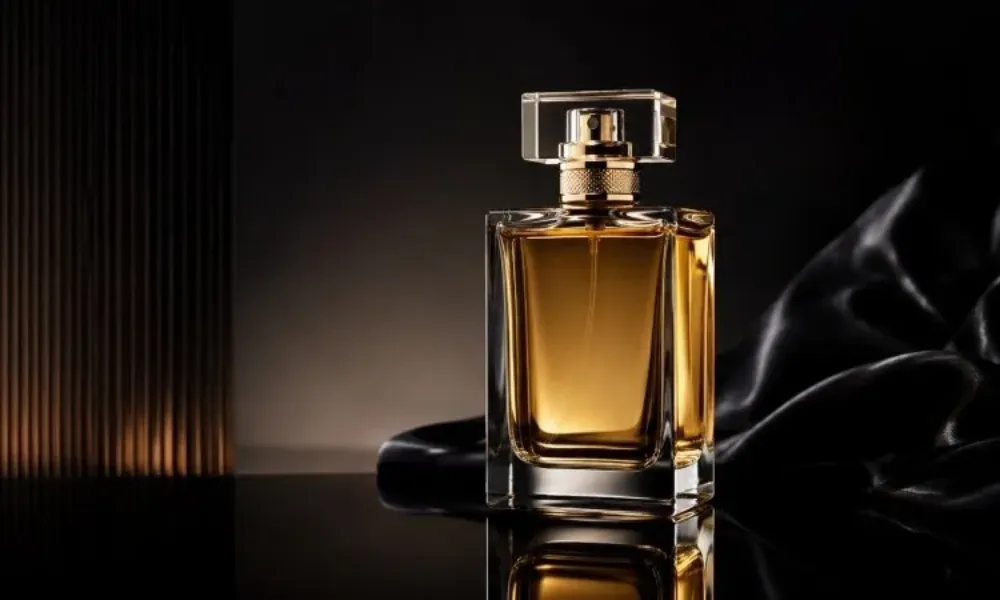
A bespoke fragrance begins with a conversation, not a catalogue. At a maison perfumer’s atelier in Paris or Grasse, the client works with a master perfumer over several sessions. Together, they select raw materials, such as rose harvested in May, jasmine from Grasse and oud aged for years. The final composition is entirely their own. The formula is kept on file, and the bottle is labelled by hand. No one else will ever wear exactly the same scent.
38. Handmade Shoes, Made to Measure
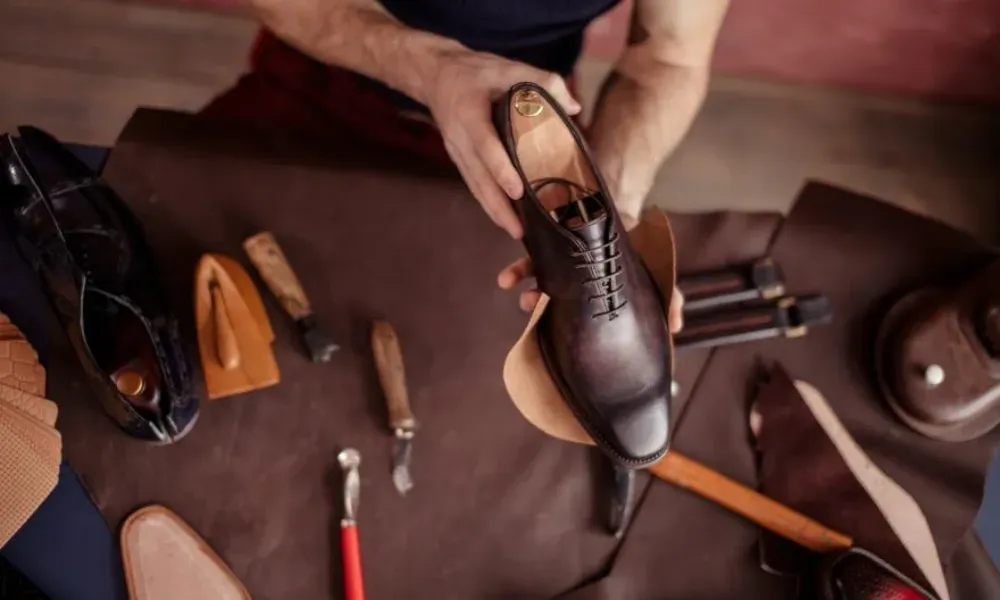
A pair of bespoke shoes from a maker such as John Lobb or Gaziano & Girling begins with a wooden last carved to match the exact shape of the owner’s feet. The uppers are then cut, lasted, welted and finished by hand over several weeks. These shoes are designed to be resoled and worn for decades. They are the quietest luxury on this list: visible only to those who know what to look for.
39. A Private Visit to an Art Collection
Some of the world’s finest art is never shown in public. A private visit to a collector’s house, a foundation’s stores or a museum’s galleries after hours offers an experience no ticket can buy. You see a single work in a private setting, with a curator to explain its history and significance. These visits are arranged through personal relationships, not standard bookings. They are remembered precisely because they cannot be repeated at will.
40. A Night in a Living Piece of History
The final luxury on this list is time itself, spent inside history. A castle, palazzo or manor still owned by the family that built it can be opened for a private stay. It offers something no hotel can reproduce. The rooms are furnished by generations, and portraits of the hosts’ ancestors hang on the walls. A host may even tell you which ancestor built the staircase you just climbed. It is heritage as hospitality, and it is, by its nature, unrepeatable.
Luxury, in the end, is not a list of purchases. It is a standard. It concerns how things are made, how long they last, and how quietly they are enjoyed. The forty entries above share one quality. They were made, grown or built without compromise. They also repay the patience they demand. That is what separates the luxurious from the merely expensive. It is why these things will still be worth having long after fashion has moved on.