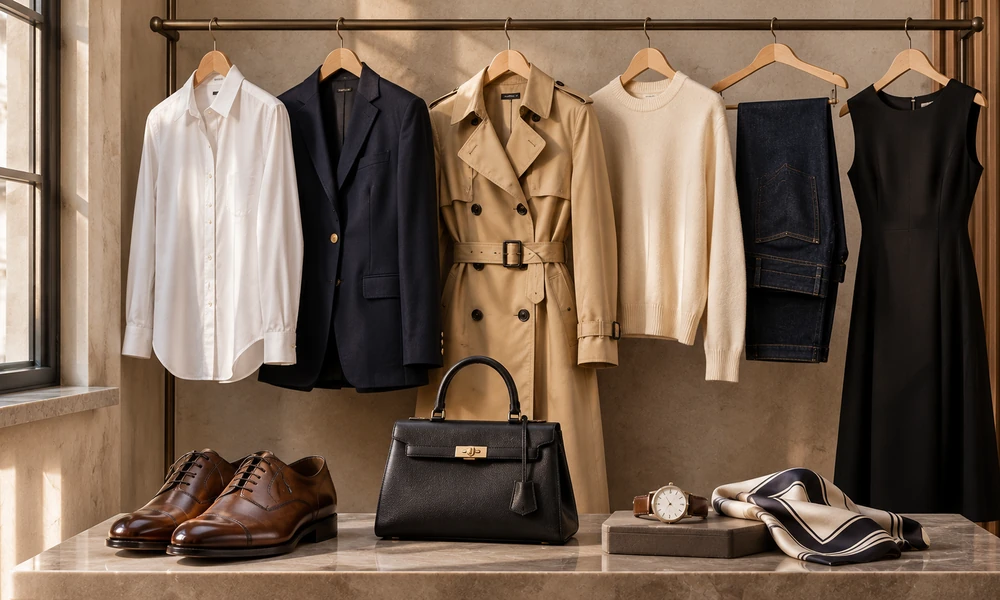
A wardrobe does not need to be large to be good. It needs to be considered. The pieces that last are rarely the ones that arrive with the most noise; they are the ones that still look right five years later, that work with almost everything else you own, and that you reach for without thinking.
They are not defined by a season or a logo. They are defined by cut, cloth and proportion the quiet qualities that do not date.
This list is not about trends, and it is not about spending the most. It is about ten pieces that have earned their place over decades, in wardrobes of every kind, because they solve real problems: what to wear to a meeting, to dinner, to a weekend away, to an occasion you did not expect.
Buy them well, look after them, and they will repay you for years. The approach has much in common with stealth wealth fashion: the luxury is in the making, not the announcement.
1. The Crisp White Shirt
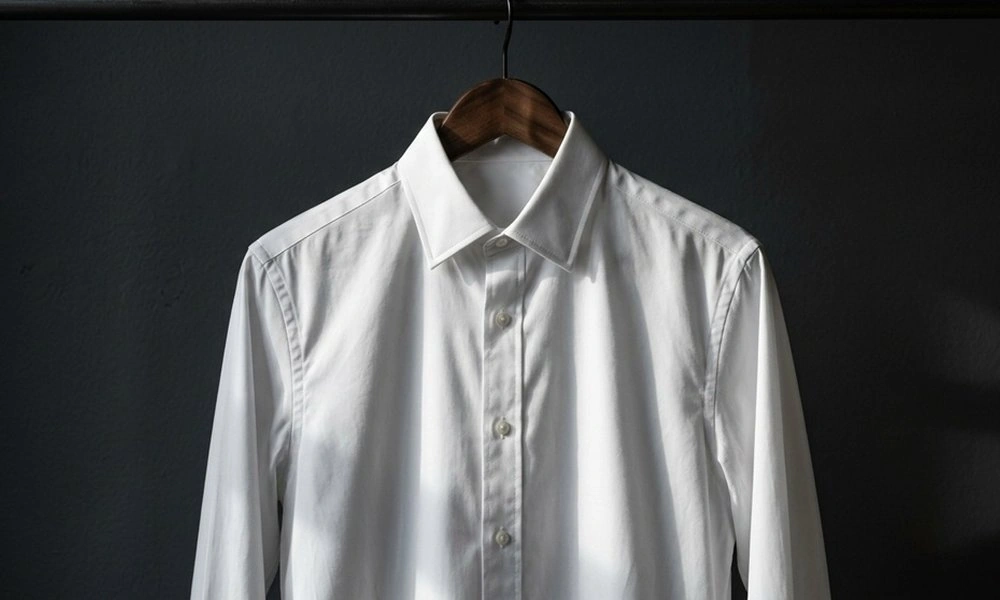
Every wardrobe begins here, and for good reason. A white shirt is the most versatile garment ever made. Worn with a suit, it is formal. Worn open over a vest, or with the sleeves rolled and the collar undone, it is relaxed.
Tucked into jeans, it is the simplest good outfit there is. No other single piece covers so much ground, and none asks so little in return.
What matters is the cloth and the fit. Look for a firm cotton poplin for a clean, smooth finish, oxford for a slightly softer, more casual feel with a collar that stands properly on its own and cuffs that sit neatly at the wrist.
The shoulders should meet your own, the body should follow you without pulling, and the length should be enough to stay tucked. A shirt that fits well in these few places will look right under a blazer, over trousers, or on its own.
Colour deserves a word of caution. True white is the classic, but a very slightly warm white often suits more people and is more forgiving in everyday wear.
Keep it clean and pressed, replace it when the collar begins to fray or the cuffs yellow, and do not be tempted by novelty details: a plain white shirt has lasted this long precisely because it has nothing to date it. It is the foundation on which the rest of this list is built.
2. The Tailored Blazer
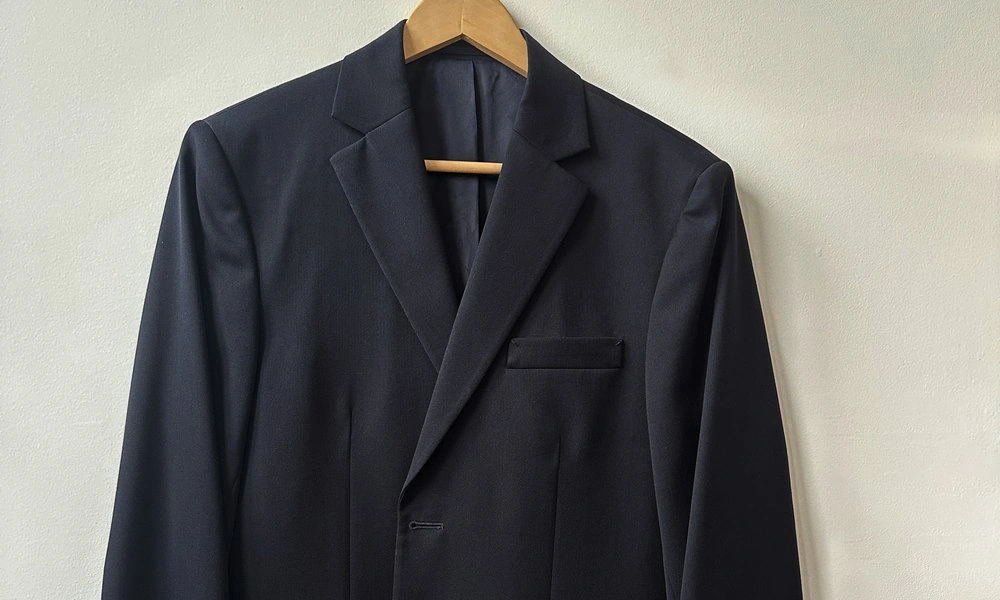
A blazer is structure you can put on. It sharpens a shirt, gives shape to knitwear, and turns jeans into an outfit that will pass almost anywhere.
The right one does this without shouting: it simply makes the person wearing it look as though they have considered the day ahead. That is the whole point of tailoring, and it is why a good blazer outlasts a dozen lesser jackets.
For a first blazer, navy is the sound choice. It pairs with grey, cream, black, denim and most colours in between, and it reads as formal or relaxed depending on what sits beneath it.
A single-breasted, two-button cut with notch lapels is the most versatile shape, and a half-lined or unlined construction keeps it comfortable through the warmer months. Wool is the natural cloth, with enough weight to hold its shape and enough give to move with you.
Fit is everything, and it is worth taking time over. The shoulder seam should sit at your shoulder, not beyond it. The jacket should close without strain and fall straight when it does.
The sleeve should show a small amount of shirt cuff a detail that, once noticed, is hard to unsee. A blazer bought a little too large can be taken in; one bought too small rarely can be saved. Choose carefully, and it will be the hardest-working tailored piece you own.
3. Dark Straight-Leg Jeans
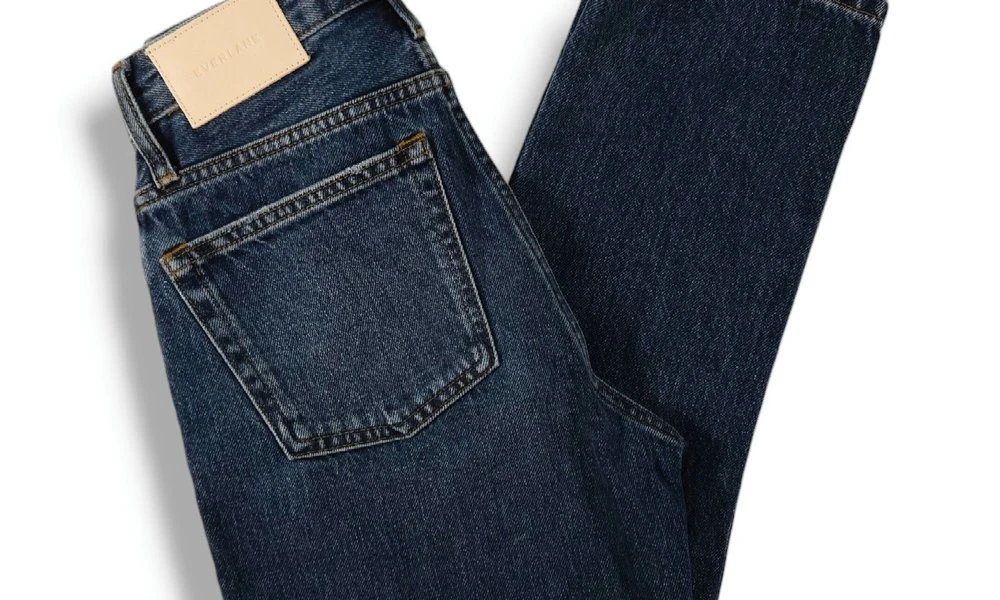
Jeans began as workwear Levi Strauss and Jacob Davis patented their riveted work trousers in 1873 and they have spent a century and a half proving that practical things can also be beautiful.
Of all the cuts that have come and gone, the dark, straight leg is the one that has never really left. It is the jean that works with a white shirt and a blazer as readily as with a sweater and trainers, and it is the one least likely to look dated in a photograph ten years from now.
The darkness matters. A deep indigo or near-black wash reads as smarter than a pale or heavily distressed one, and it holds its colour better with careful washing. The straight leg matters too: it sits neatly over most shoes, it does not cling or pool, and it flatters a wider range of builds than either the very slim or the very wide cuts that come and go with the seasons.
Look for a mid-weight denim with a small amount of stretch enough for comfort, not so much that the knees bag out by the afternoon.
The waist should sit comfortably without a belt doing all the work, and the hem should break gently at the shoe. Wash them rarely, inside out and in cold water, and they will keep their colour and shape far longer. A good pair of dark jeans is not a casual compromise; it is a piece of quiet good judgement.
4. The Classic Trench Coat
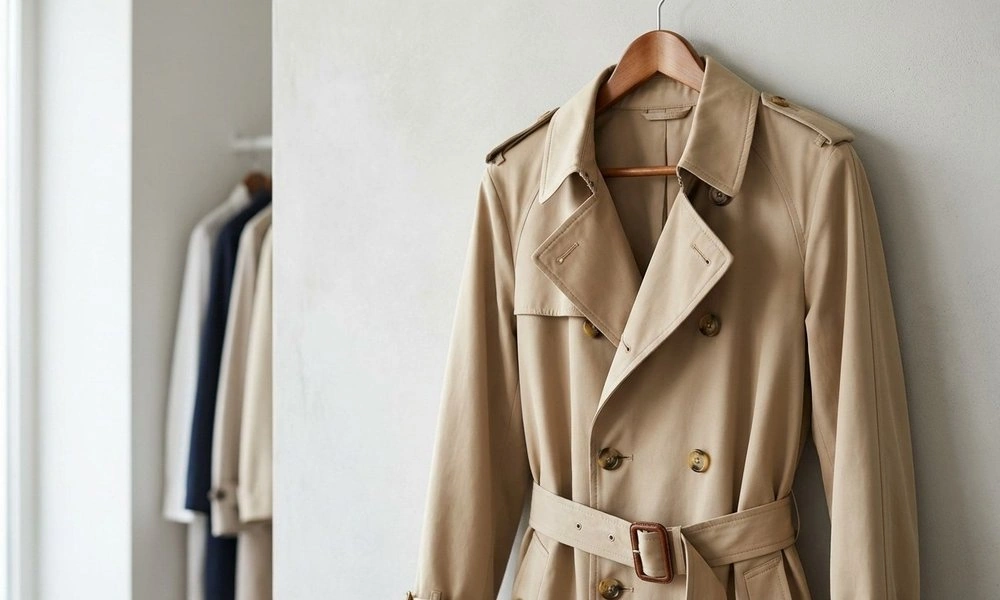
Few garments carry their history as gracefully as the trench coat. Thomas Burberry patented gabardine a cotton twill waterproofed at the yarn, so that it kept rain out while still breathing in 1879, and the coat that grew from it was worn by British officers in the trenches of the First World War, which gave it its name.
The details were practical once: epaulettes, a storm flap, a belt with D-rings for equipment. They survive now because they look right, and because they still work.
The classic trench is beige or stone, double-breasted, belted, and cut to fall at or just below the knee. That length is part of its usefulness: it covers a suit jacket, it keeps the rain off, and it gives the coat its characteristic line.
Worn open over jeans, it is relaxed; belted over tailoring, it is one of the smartest things you can wear in uncertain weather.
When choosing one, pay attention to the cloth. A good cotton gabardine has a firm hand and a slight sheen, and it should feel substantial without being heavy. The shoulders should sit cleanly, the belt should fasten without pulling, and the sleeves should reach the wrist. A trench is not a coat you buy every year. It is a coat you buy once, properly, and then wear through a decade of springs and autumns.
5. The Little Black Dress
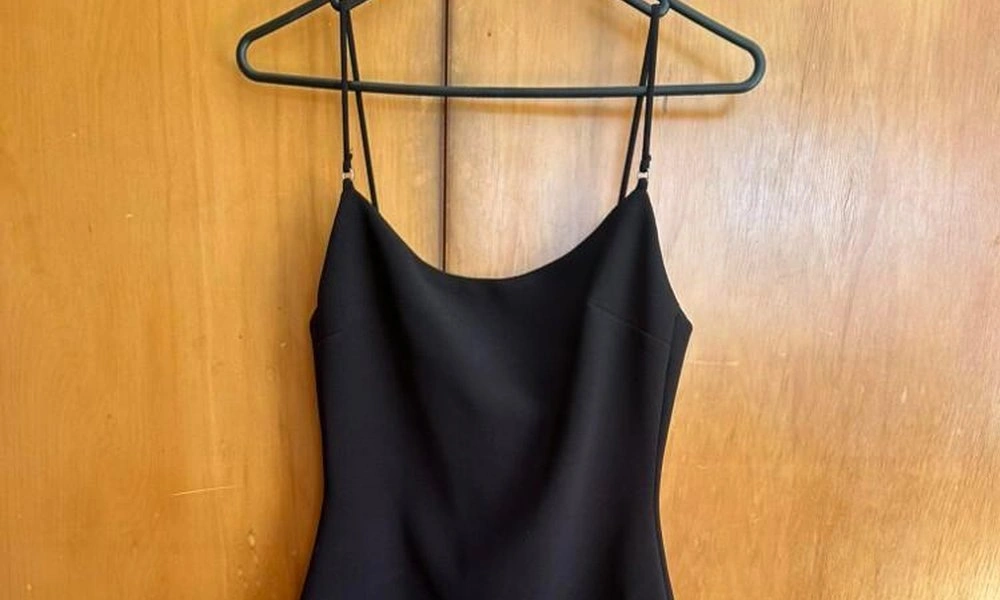
In October 1926, American Vogue published a drawing of a simple black dress by Coco Chanel and predicted it would become the frock that all the world would wear, nicknaming it the Ford, after the car everyone could own. A century on, the prediction still holds.
The little black dress endures because it is a blank surface: it asks nothing of the occasion and lets the wearer decide what it means, with shoes, jewellery, a coat or a scarf.
The best version is simple. A clean line, a knee-length or just-above-the-knee hem, sleeves or a neat shoulder line, and a cloth with enough weight to hold its shape — a good crepe, a fine wool, or a matte jersey.
What it should not have is anything that ties it to a single season: no conspicuous embellishment, no extreme cut, no detail you will tire of. Simplicity is not a compromise here; it is the whole idea.
Fit, as ever, is the deciding factor. The dress should sit at the shoulder, skim rather than cling, and move comfortably when you sit.
It is worth having one that a good tailor has seen, even briefly: a hem adjusted by a centimetre or a waist taken in slightly can be the difference between a dress you own and a dress you wear. Kept simple and kept well, it is the answer to more invitations than any other garment in the wardrobe.
6. The Cashmere Sweater
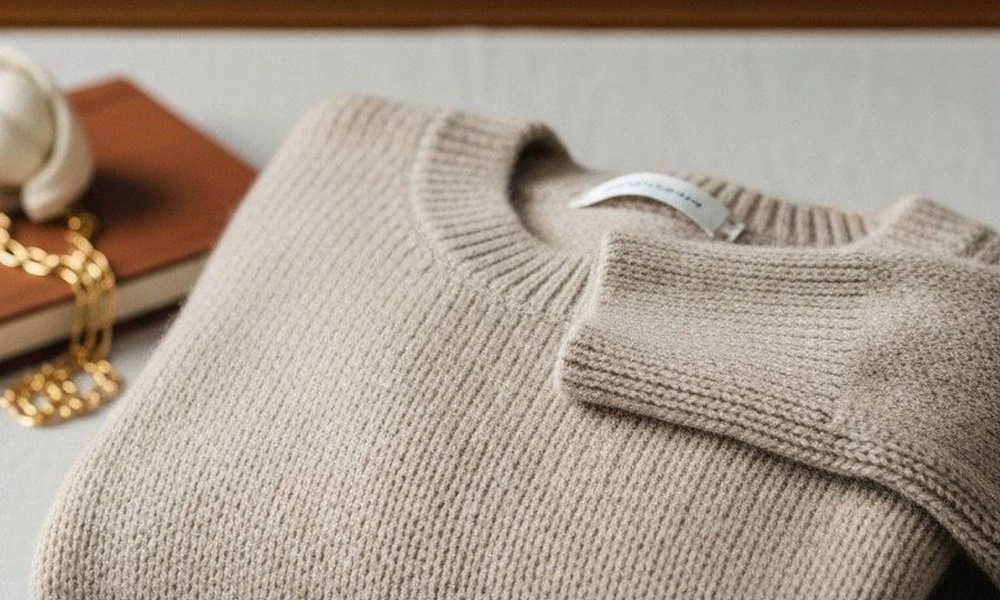
Cashmere is the soft undercoat of goats raised in the high, cold regions of Central Asia, combed out by hand in spring and spun into a fibre that is warmer than sheep’s wool at a fraction of the weight. That is why a cashmere sweater feels like almost nothing and keeps you warm like a great deal: it is one of the few genuine luxuries in a wardrobe that is also, simply, practical.
A crew-neck in a neutral shade cream, camel, grey or navy is the most useful form. It layers under a blazer without bulk, sits comfortably over a shirt, and looks entirely at home on its own with jeans. The neutral colour is deliberate: it is what allows the sweater to work with everything else on this list, and what keeps it from dating.
Quality is easy to feel and harder to describe. A good cashmere has a fine, even knit, a soft hand that is not slippery, and a little resilience when you stretch it gently.
It will pill a little at first, especially under the arms this is normal, and a small comb takes care of it. Wash it rarely, by hand in cool water, and fold it rather than hanging it, so the shoulders keep their shape. Treated well, a cashmere sweater is not a seasonal purchase. It is a piece you will still be reaching for a decade from now.
7. Well-Made Leather Shoes
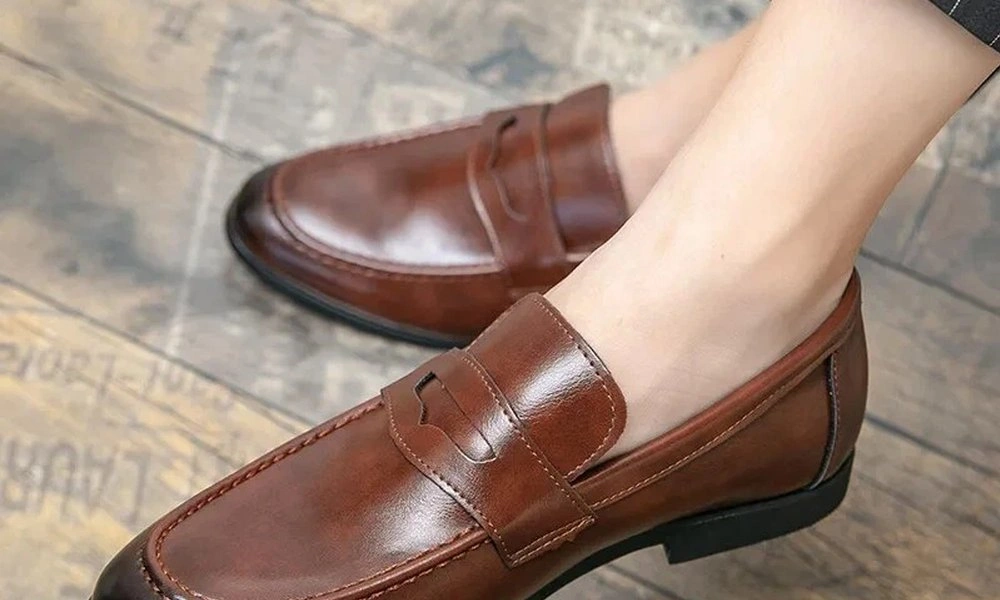
Shoes are where a wardrobe is most often judged, and where it most often fails. A good pair of leather shoes whether a clean loafer, a derby or a simple Oxford lifts everything around it, while a poor pair quietly undermines the rest.
The difference is not a matter of fashion. It is a matter of leather, construction and care, and it is visible from across a room.
Choose leather that is full-grain and smooth, with a sole that is stitched rather than glued where you can manage it, and a shape that is classic rather than exaggerated: a rounded or gently almond toe, a low heel, nothing that calls attention to itself.
Brown is the more versatile colour for everyday wear, pairing with navy, grey and denim alike; black remains the right choice for the most formal occasions. Among the many names worth knowing in this world, the guide to luxurious footwear is a useful place to begin.
The real secret, though, is maintenance. Leather shoes that are cleaned, conditioned, polished and rested a day between wearings, with cedar shoe trees inside will outlast several pairs that are worn daily and neglected. A good pair, looked after, can be resoled and worn for many years, growing more comfortable as it ages. Few things in a wardrobe repay care as generously as a well-made shoe.
8. The Structured Leather Handbag
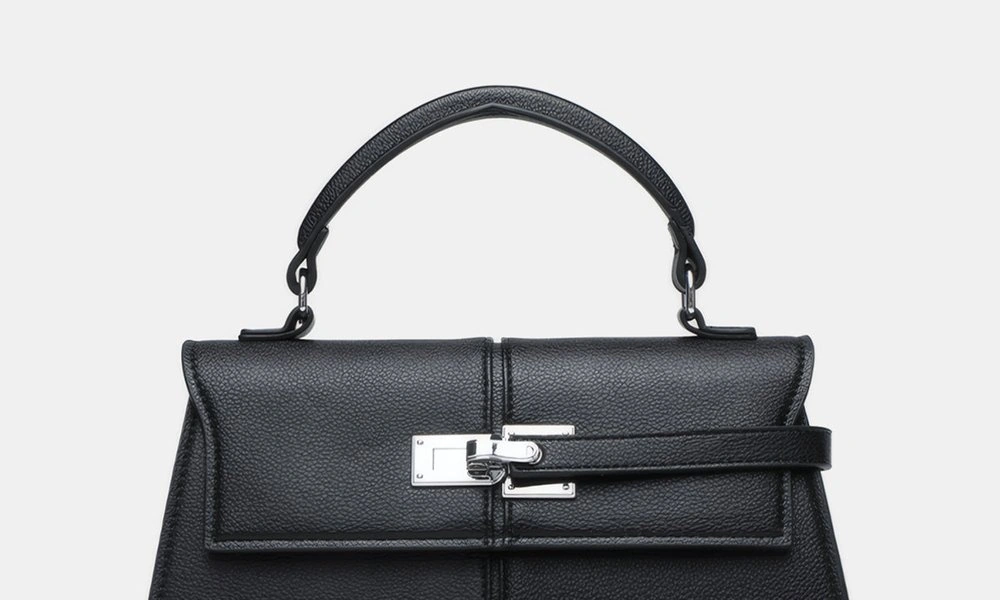
A handbag is carried every day, which makes it the most visible piece most people own and the one most worth choosing well. The structured top-handle bag, in a firm leather that holds its shape, is the form that has lasted longest.
It sits neatly on the arm or in the hand, it keeps its contents organised, and it looks as composed at the end of the day as it did at the start. The great houses have made their names on this shape, and the lineage of fine leather goods among the Italian luxury fashion brands shows how deep that tradition runs.
Black is the sound first choice, in a grained leather that resists scratches and keeps its shape without being stiff. The hardware should be minimal and well finished a clasp that closes with a satisfying click, stitching that is even and tight, edges that are painted cleanly.
Size matters more than most people expect: the bag should hold what you actually carry, and no more. A bag that is too large invites clutter; one that is too small forces compromises every day.
Look after it as you would a good pair of shoes. Keep it out of prolonged sun, store it stuffed so it holds its shape, and wipe it down after rain. A structured bag in good leather does not need to be replaced when the seasons change. It needs only to be carried, and it will carry the rest of the wardrobe with it.
9. A Classic Watch
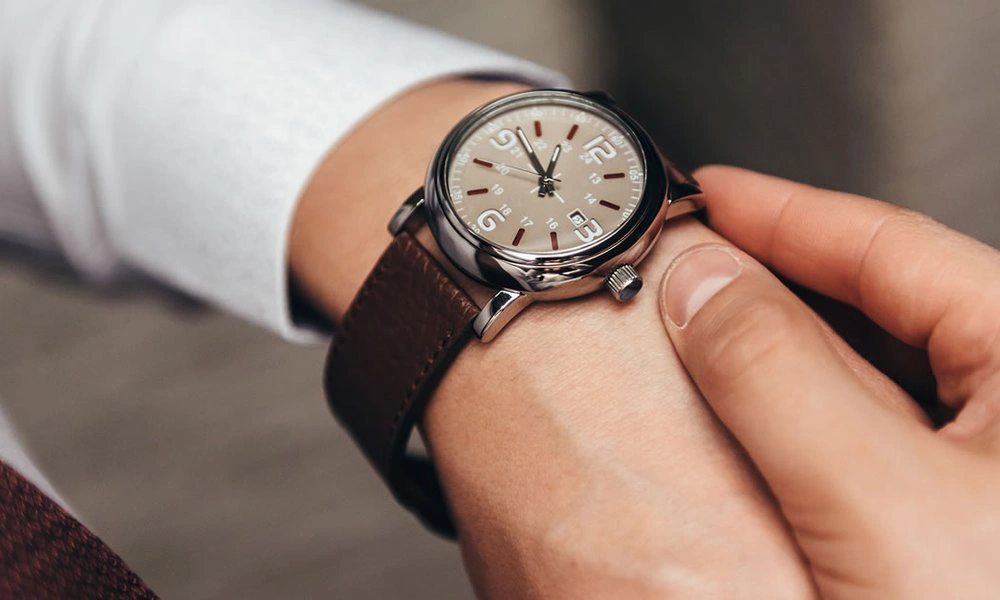
A watch is the only piece of jewellery most people wear every day, and the classic form a round case, a clean dial, a leather strap has changed remarkably little in a hundred years. That is the point.
A watch that tells the time clearly, without fuss, sits comfortably on the wrist and under a cuff, and asks for nothing more. In an age of screens, it is also a small act of intention: a reminder that some things are worth doing properly, and slowly.
The details to look for are restraint. A dial that can be read at a glance, hands and markers that are clear rather than decorative, a case of modest size that fits the wrist rather than overwhelming it.
A brown or black leather strap is the most versatile choice, and it can be changed as the strap ages or the occasion demands. A steel bracelet is a fine alternative, but it changes the character of the watch; leather keeps it quiet.
A classic watch does not need to be complicated or costly to be good. What it needs is honest making: a reliable movement, a well-finished case, and a strap that will age gracefully.
Worn daily, it becomes personal in a way few other objects do scratched a little, shaped to its owner, and eventually, perhaps, passed on. That is a rare thing for a wardrobe to offer, and it is worth choosing carefully.
10. The Silk Scarf
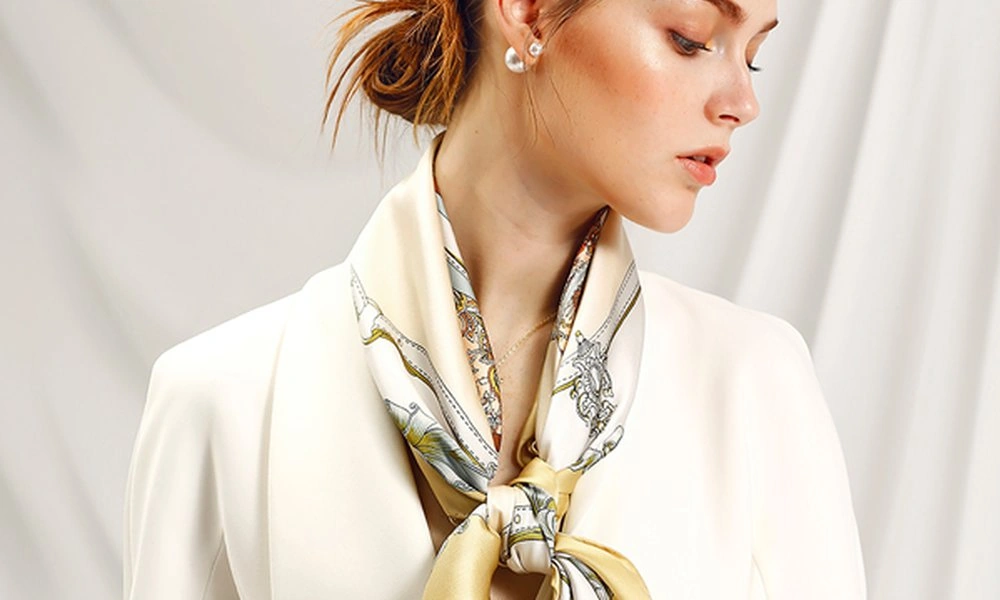
The silk scarf is the smallest piece on this list and, in its way, the most transformative. A square of printed silk can change the character of a white shirt, a blazer, a trench or a plain dress in a single gesture.
It is colour and pattern where the rest of the wardrobe is deliberately quiet, and it is the piece that allows a wardrobe of neutrals to feel personal rather than plain.
The tradition is a long one. Hermès produced its first printed silk square in 1937, and the form has barely changed since: a square of silk twill, printed by hand, with a rolled edge. That longevity is instructive.
A good scarf is not a seasonal print; it is a design often drawn from nature, travel or the equestrian world that still looks right decades later. Choose a pattern you genuinely like, in colours that sit comfortably with the rest of your wardrobe, and it will never feel like a mistake.
It is also the most versatile piece here. Worn at the neck, it is classic. Folded into a band, it can be worn in the hair or at the wrist. Tied to a handbag, it adds a note of colour to a plain bag. And unlike almost everything else on this list, it asks for no fitting and very little care kept folded, out of direct sun, it will last indefinitely. For a small square of silk, that is a remarkable amount of work.
A wardrobe built this way asks very little of you, and gives back a great deal: mornings that begin calmly, and clothes that feel like your own. We hope these ten pieces serve you well for many years to come, and that each one earns its place many times over.