The question sounds simple: where does luxury life cost the most? The answer resists it, because the rankings measure different things, the property indices count penthouses, the cost of living surveys count domestic help, and the private bank studies count what their clients actually spend, which is a different calculus entirely.
But a consistent picture emerges when the measures are combined: a short list of cities where the good life, the great apartment, the driver, the school, the table at the impossible restaurant, carries a price tag that reshapes what wealth must mean.
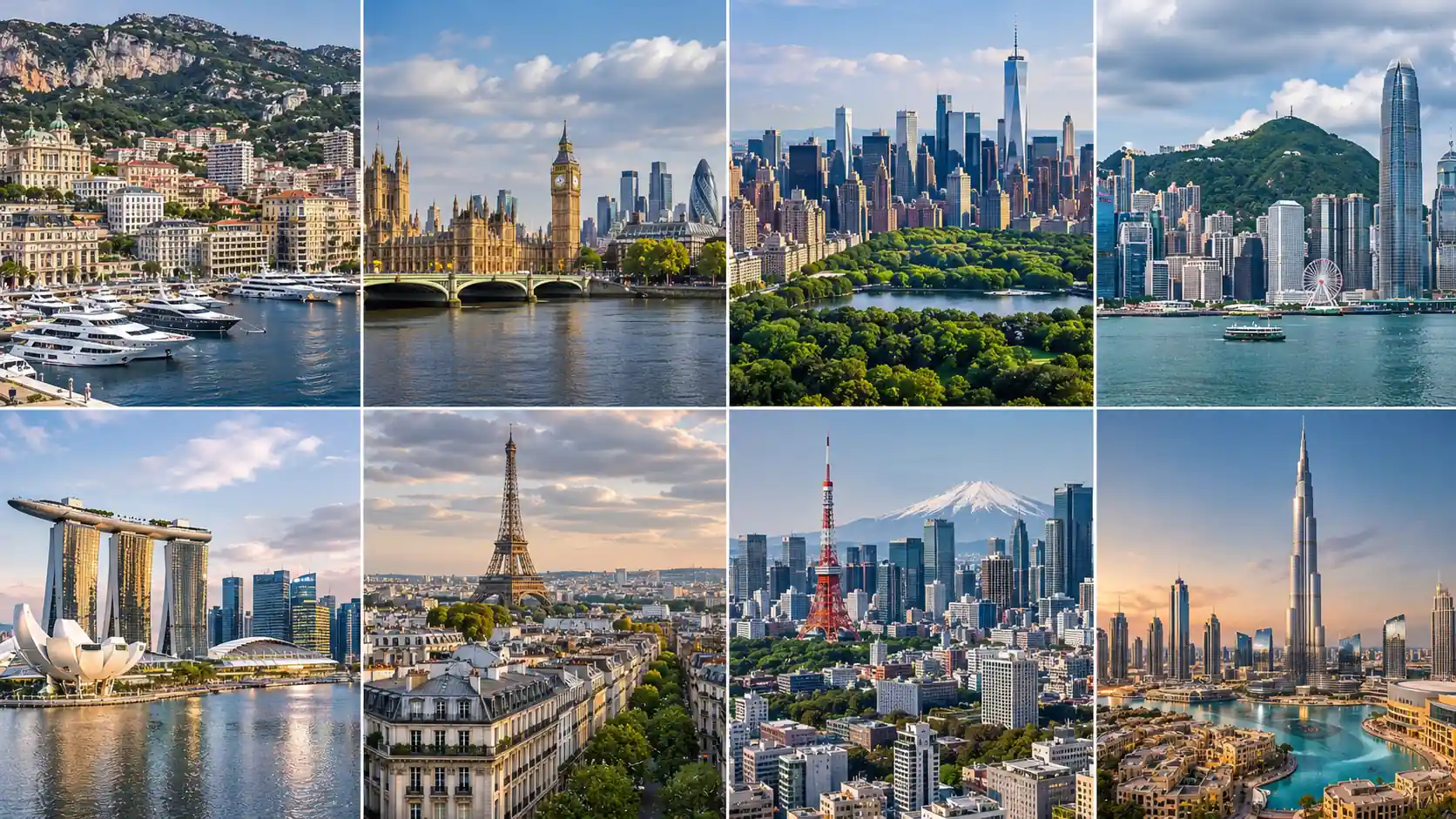
Here are the eight cities that define the summit of luxury living in 2026, and what the money buys in each.
1. Monaco
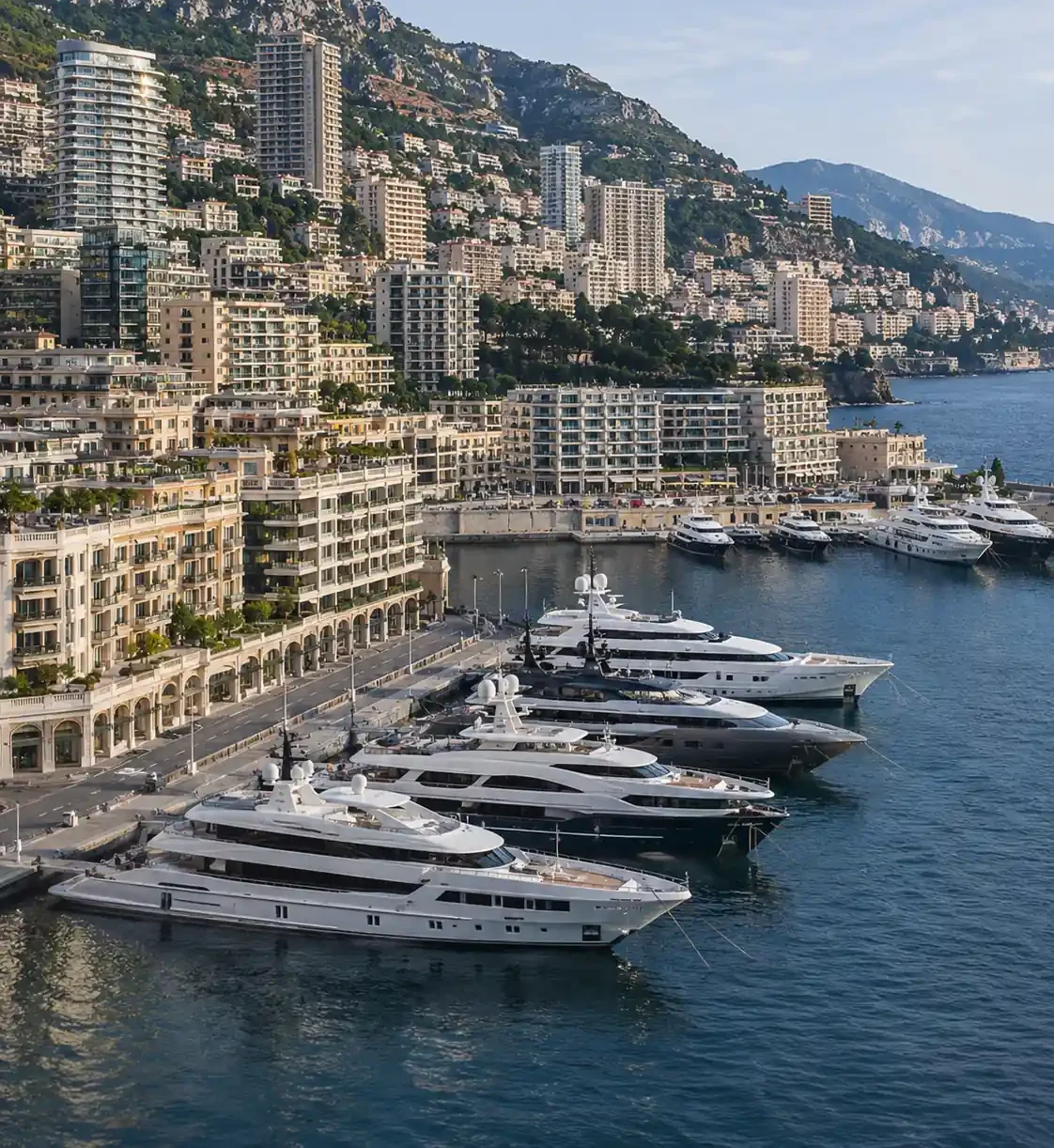
The principality is the outlier that distorts every study: with the world’s densest concentration of millionaires per resident, the marina berths and the grand prix circuit in its backyard, and property prices per square meter that double even London’s, Monaco prices the complete luxury life as a package.
The money buys security, spectacle, and the Riviera itself, and the residents, who pay no income tax, consider the arithmetic self evidently rational.
2. London
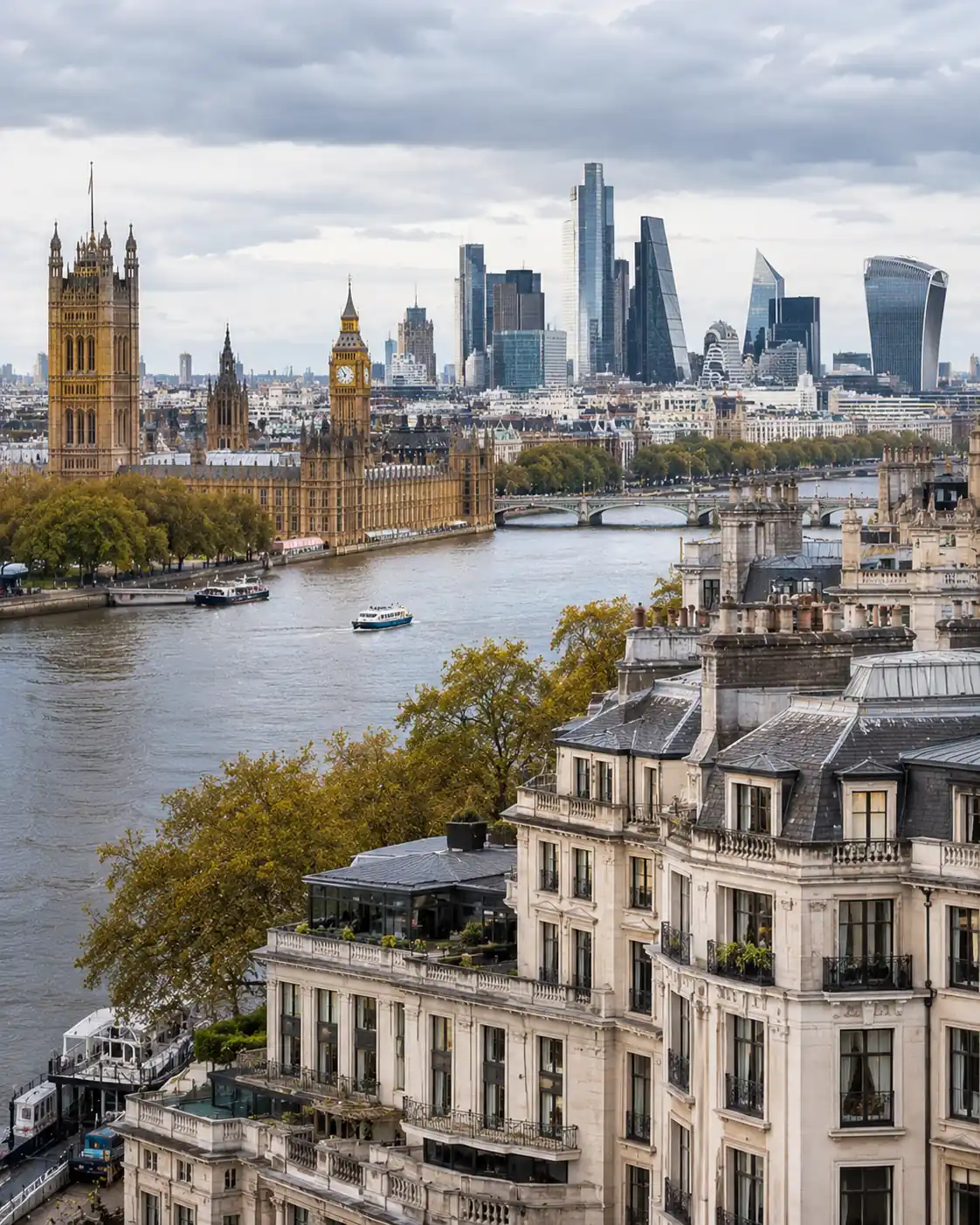
The city’s international schools, its club culture, its legal system’s protection of global wealth, and its property market’s centuries of liquidity make it the default home base for the world’s mobile rich. The money buys permanence, English tradition at every altitude from Claridge’s tradition to the new towers, and the timezone that governs the world’s working day.
3. New York
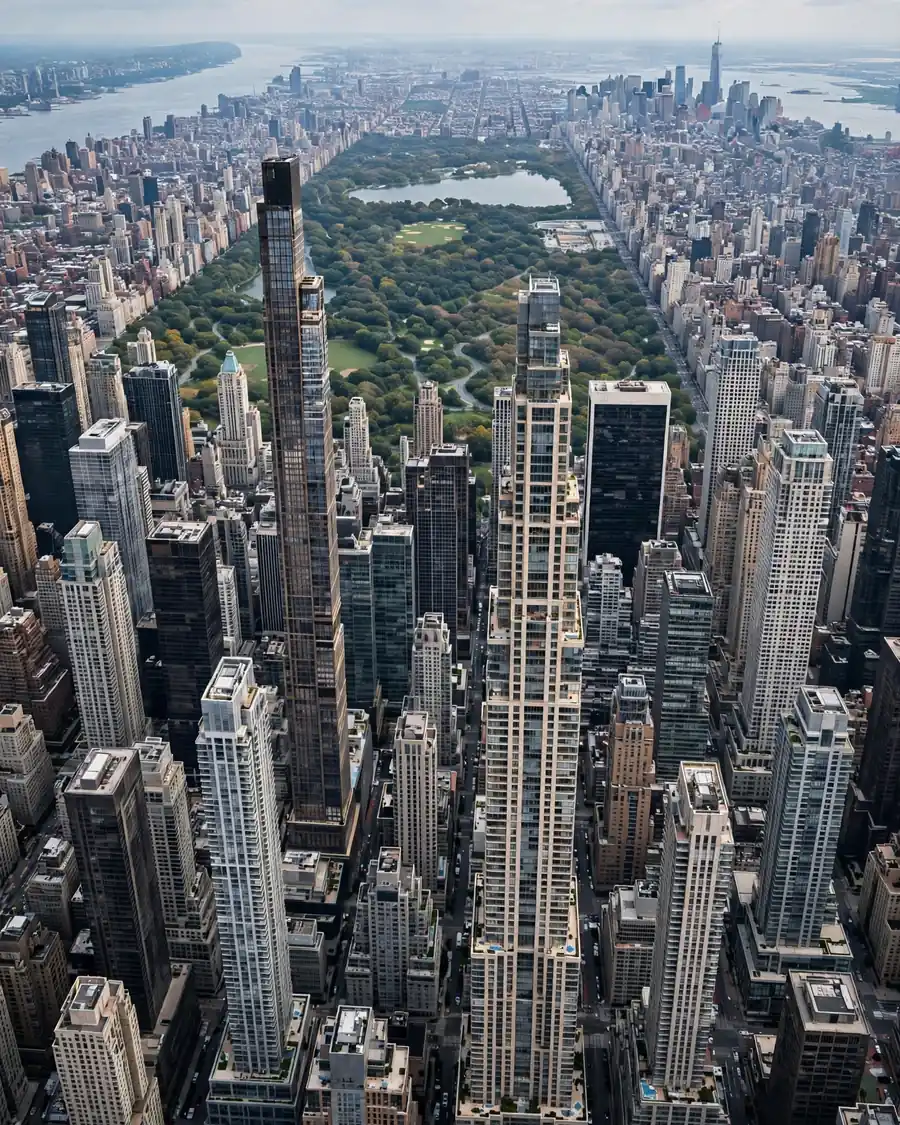
Manhattan’s luxury economy runs deeper than any rival’s: the best suites, the private schools, the boards of the great co op buildings, and a restaurant culture that prices its summit tables like theater. The money buys the world’s most complete urban luxury infrastructure and the address that remains, despite every cycle, the most powerful in business.
4. Hong Kong
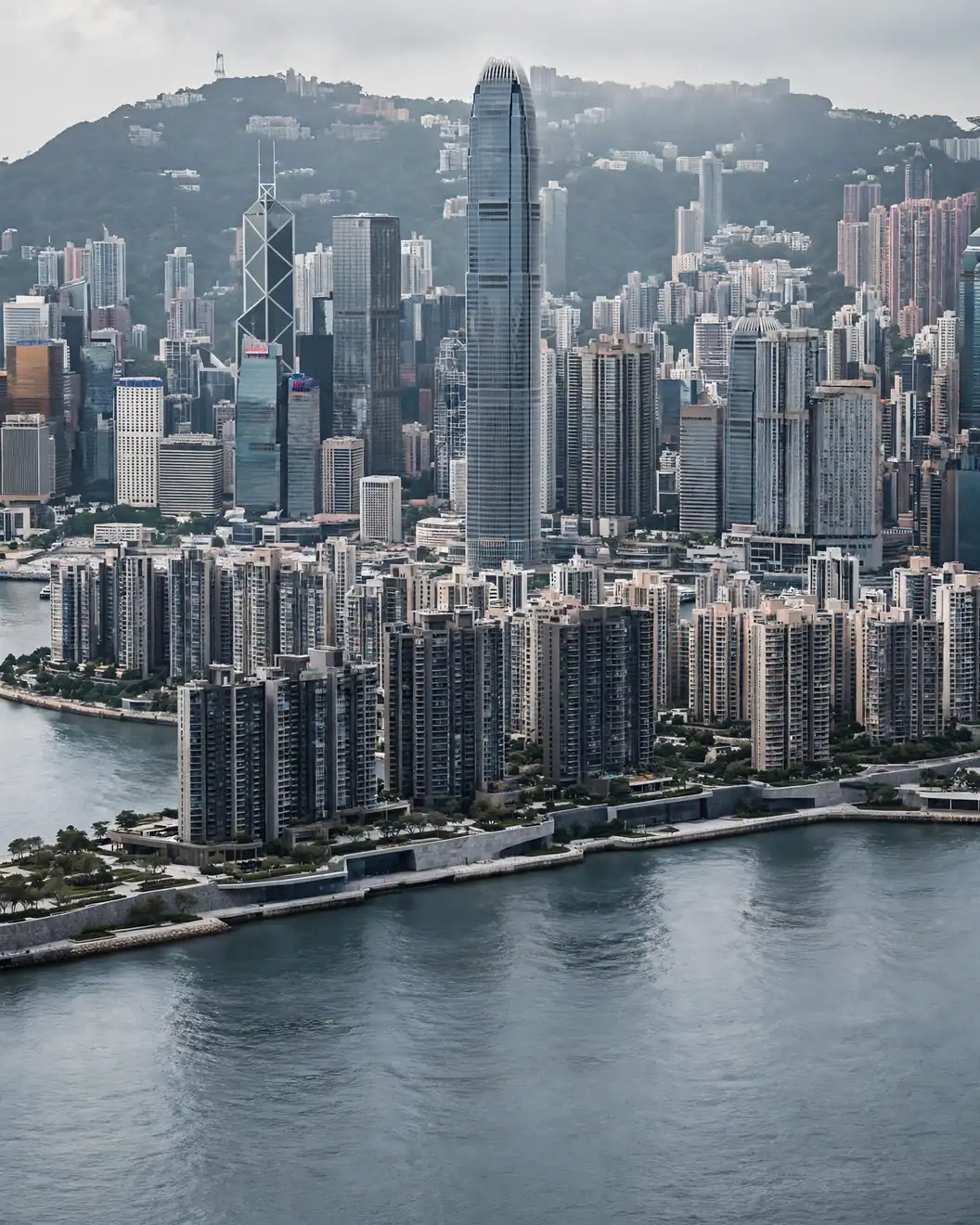
The city’s property market, after its corrections, still prices the peak at levels that rival any city on earth, and its position as Asia’s wealth management capital concentrates the region’s spending. The money buys proximity to China’s fortunes, the harbor’s spectacle, and the last word in Asian luxury service.
5. Singapore
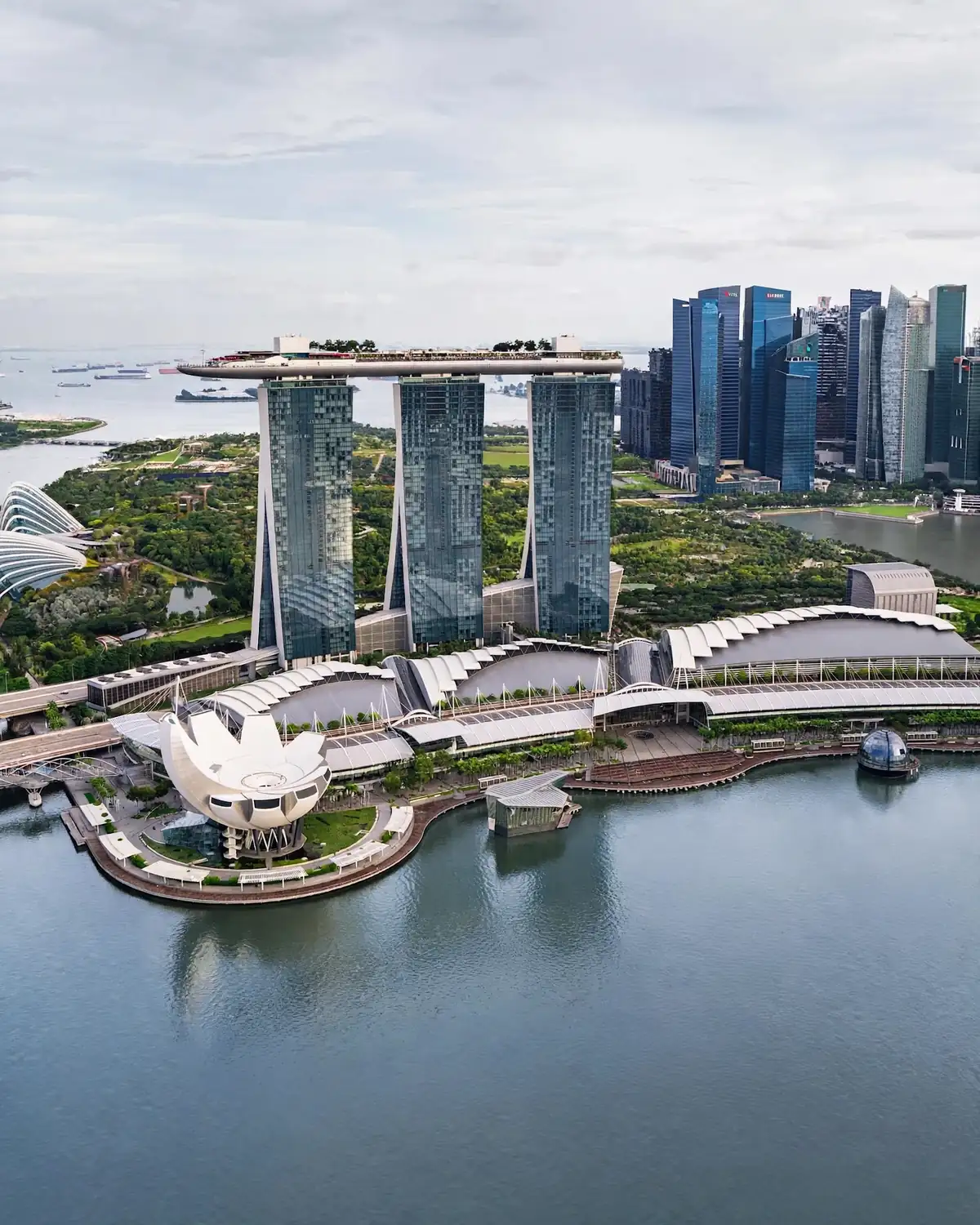
The city state’s rise has been the decade’s story: its family office regime, its political stability, and its position as Asia’s neutral ground have pulled wealth from Hong Kong and the region, and its luxury economy, from the Great Gatsby era shophouses to the new waterfront, now prices at the world’s top tier. The money buys safety, efficiency, and the future’s most contested address.
6. Paris
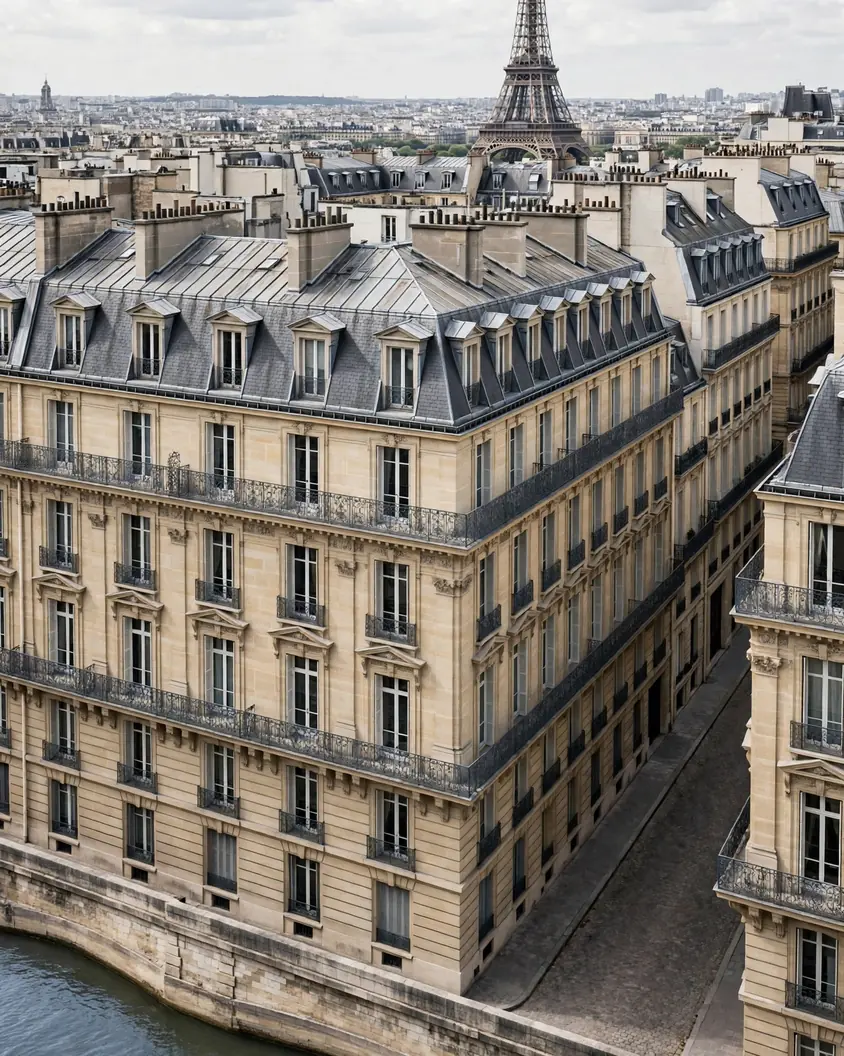
The city’s luxury life is older and more codified than any rival’s: the great houses, the Michelin temples we ranked in our three star guide, and the 7th arrondissement’s apartments command prices that the world’s billionaires pay without negotiation. The money buys the definition of luxury itself, since Paris invented most of it.
7. Tokyo
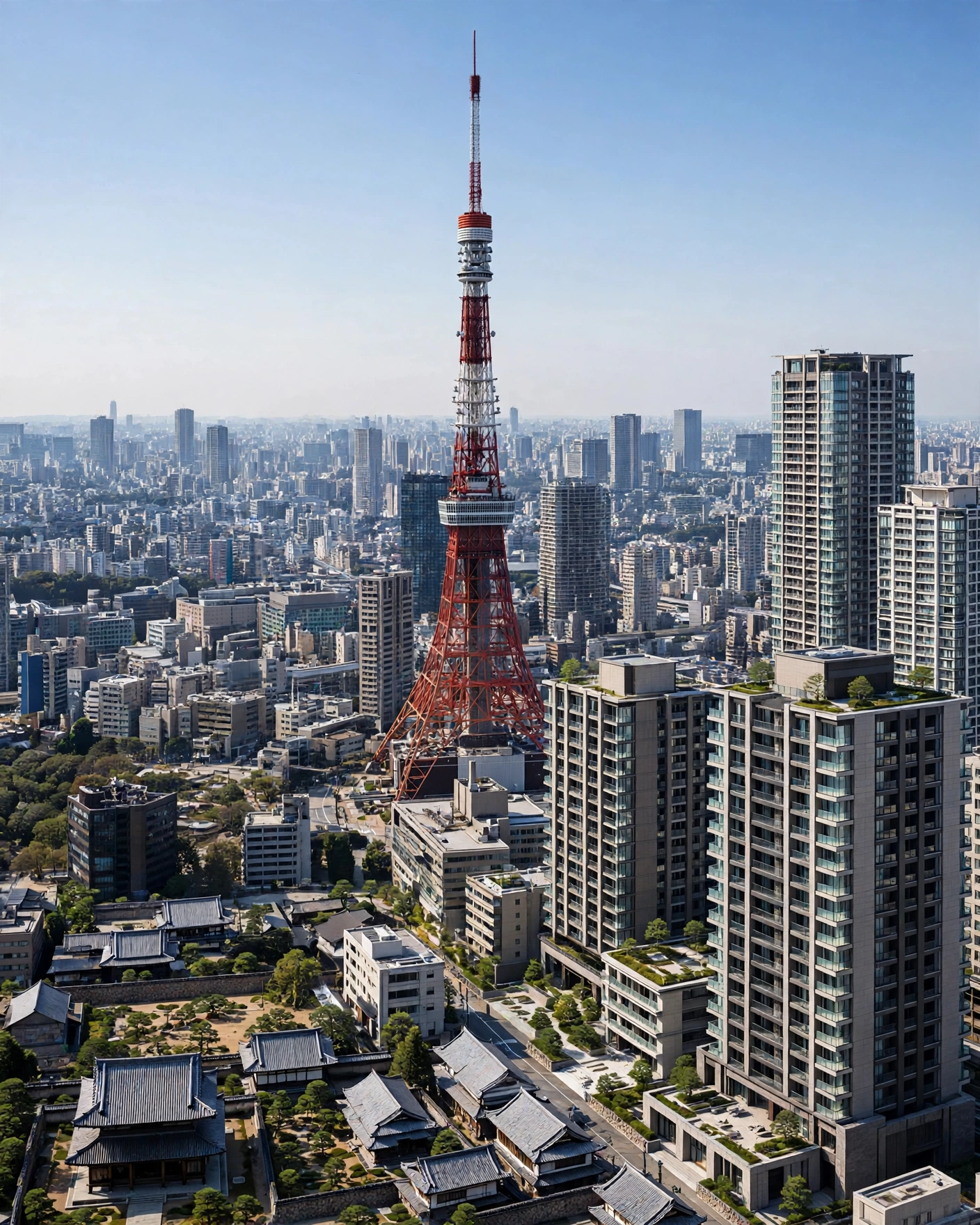
Tokyo’s luxury pricing is the world’s most peculiar: property at the summit rivals any city, while services, restaurants, and daily life remain strangely reasonable, producing a luxury life of extremes. The money buys the world’s most refined service culture, the safety, and the address that opens Asia’s most sophisticated market.
8. Dubai
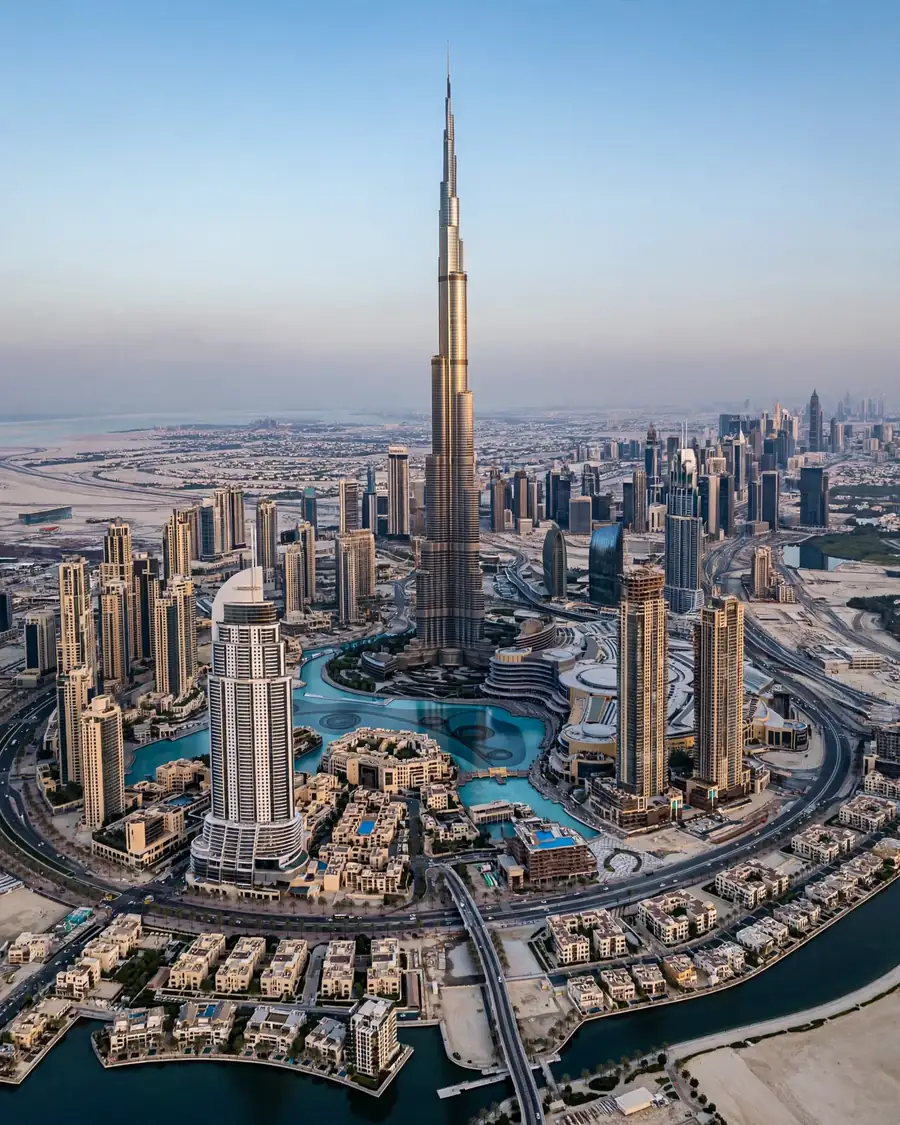
The emirate’s transformation into the world’s luxury boomtown, its zero tax regime, its marinas and its willingness to build anything instantly, has pulled the mobile wealthy of two continents. The money buys newness at scale, the absence of friction, and the skyline that has become the decade’s advertisement for ambition itself.
What the Rankings Miss
The lists measure price; they miss texture. Monaco is expensive but small; London is expensive but complete; New York is expensive but irreplaceable; and the true cost of luxury life is measured less in the penthouse than in the staff, the school, the time, and the friction, which is why the wealthy keep several of these cities in rotation rather than one.
The exclusive zip codes within them, as our feature on the subject mapped, matter more than the cities themselves: the summit of luxury life is always a neighborhood, never a skyline.
FAQs
1. What is the most expensive city for luxury living?
Monaco, by property and concentration measures; London and New York by the completeness of their luxury infrastructure. Rankings vary by methodology, but the summit group is consistent.
2. What makes a city expensive for the wealthy?
Property at the summit, staff costs, schools, and the friction of daily life, with taxes the variable that can reorder any ranking overnight, as Singapore and Dubai’s regimes demonstrate.
3. Why is Singapore rising?
Family office incentives, political stability, and regional neutrality have concentrated Asia’s new wealth, pulling spending from Hong Kong and establishing the city as the decade’s wealth magnet.
4. Is Dubai’s luxury boom durable?
Its zero tax regime, construction willingness, and geographic position between Europe and Asia suggest structural advantages, though its reliance on continued global wealth mobility is the honest caveat.
5. Which city offers the best value at the top?
Tokyo, where summit property rivals the world’s most expensive while services remain reasonable, producing the widest gap between address cost and daily cost of any major market.
6. Do the wealthy live in one city?
Increasingly no: the pattern is rotation, London for autumn, Aspen for winter, Monaco for spring, and the tax residency question answered by wherever the jet is hangared.
7. What about the second tier?
Geneva, Zurich, Milan, and Los Angeles occupy the next band, each the summit of a specific luxury niche, from watchmaking to entertainment, without the complete infrastructure of the top eight.
8. How should the rankings be used?
As a map of where wealth concentrates rather than a shopping list: the cities matter less than the neighborhoods, and the neighborhoods less than the buildings, which is why our zip code feature is the sharper instrument.
Disclaimer: This content is for informational purposes only and reflects our personal opinions and experiences. We just love to write and share what we know and research.