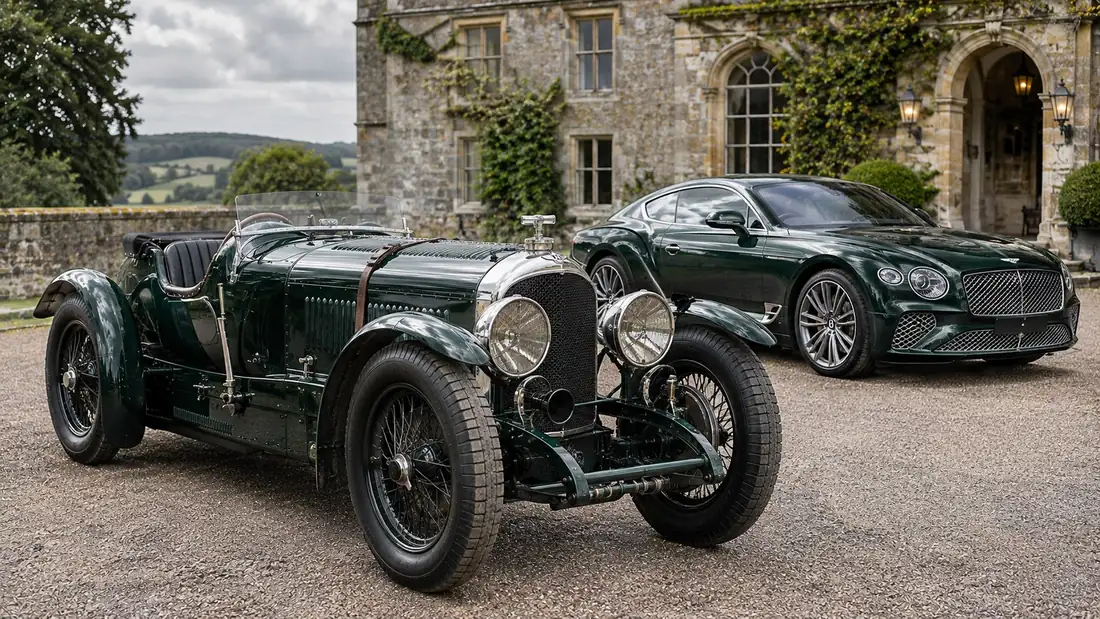
W.O. Bentley did not set out to build luxury cars. He set out to build engines, and everything the company became, the racing glory, the sporting aristocracy, the Rolls-Royce rivalry and eventual marriage, descends from one engineer’s obsession with mechanical perfection.
In 1919, in a small London mews, Walter Owen Bentley produced his first car around a four valve per cylinder engine at a time when most engines used two, because he believed breathing was everything.
The marque that bears his name has spent a century proving him right, and its peculiar genius has been to wrap that engineering conviction in an atmosphere of moneyed calm that no sporting rival has ever matched.
Here is the story of the house that won Le Mans six times and then learned to out comfort every car it once raced.
The Engine First
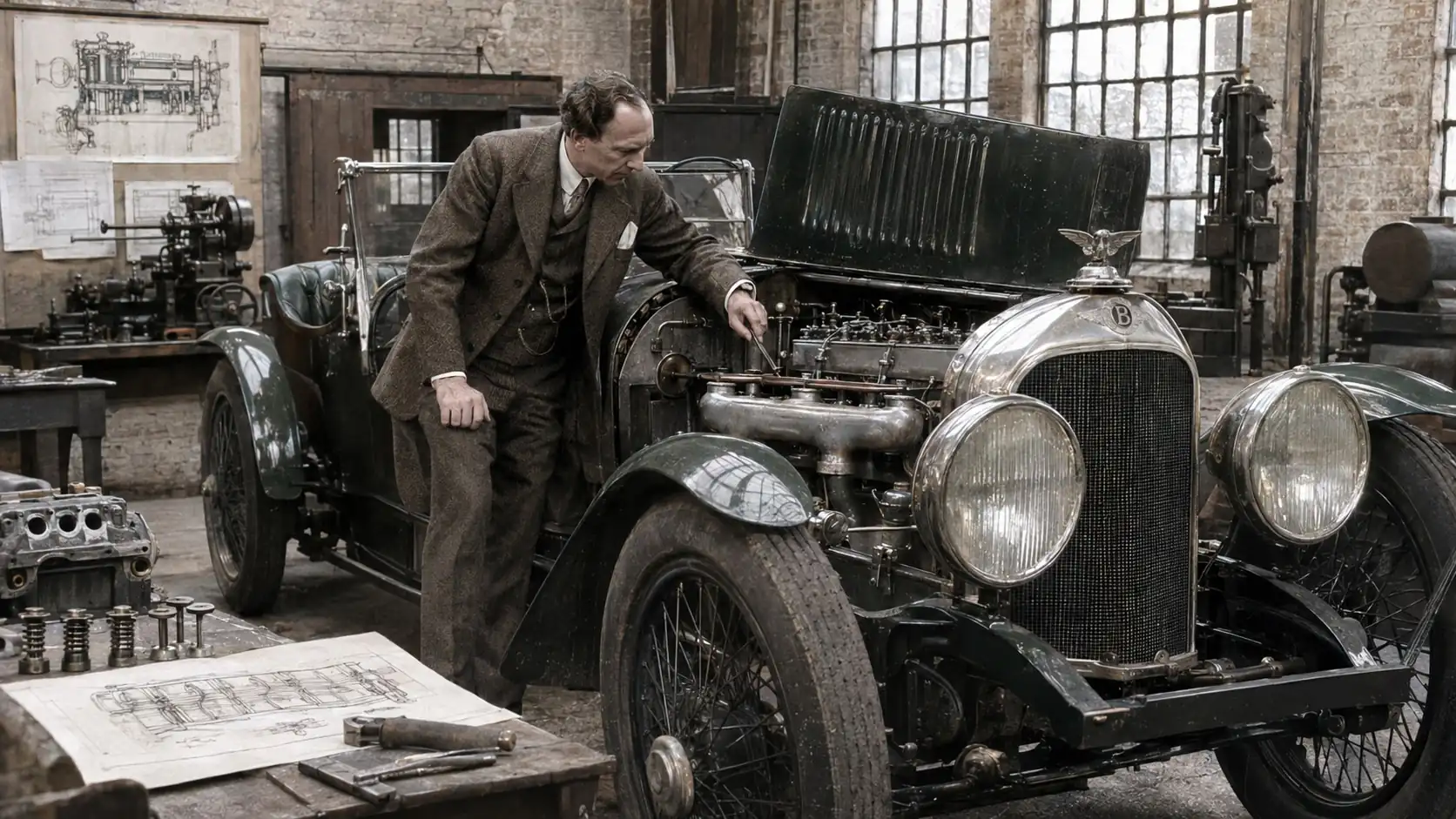
W.O. came from trains, having apprenticed with the Great Northern Railway, and he brought railway standards to cars: strength, reliability, and the conviction that performance should be effortless rather than frantic.
The first Bentley, the 3 Litre of 1921, was fast and nearly indestructible, and it attracted a clientele of wealthy sportsmen who wanted to race without being mechanics.
These were the Bentley Boys, the playboy racers of the 1920s, men like Woolf Barnato, whose inherited diamond fortune funded both cars and entries, and whose wagers, including the famous race against the Blue Train across France in 1931 in his Bentley Speed Six, became the brand’s founding legends.
The racing record of the era remains astonishing: five victories in seven years at the Le Mans 24 Hours from 1924 to 1930, the Speed Six of 1929 and 1930 dominant to the point of embarrassment.
Bentley did not build race cars and road cars; it built cars, and the same Speed Six that won Le Mans could be driven to the opera. The brand’s identity was fixed: luxury as the byproduct of engineering excess, never its substitute.
The Rolls-Royce Era
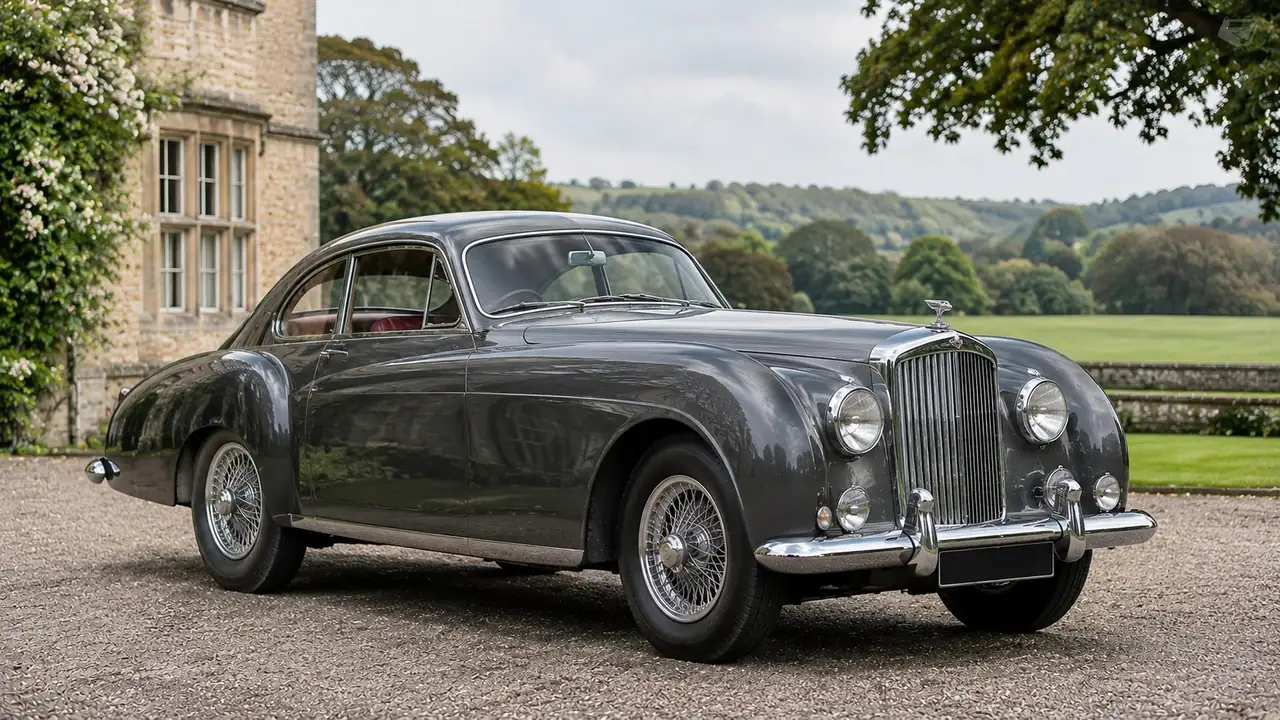
The Depression killed the independent company, and in 1931 Rolls-Royce acquired Bentley, largely to eliminate a rival that had begun beating its cars in competition. For six decades, Bentleys were quiet, dignified, and mechanically nearly identical to their Rolls-Royce siblings, distinguished by sporting touches and a slightly firmer character.
The R Type Continental of 1952 was the era’s masterpiece: a fastback grand tourer capable of sustained 120 mile per hour cruising, designed with aerodynamic care unusual for the time, and now among the most valuable postwar British cars. The Continental name, revived in 2003, descends from this machine.
Through the Rolls years, Bentley retained its sporting soul the way a banked fire retains heat: present, banked, awaiting air.
The Volkswagen Renaissance
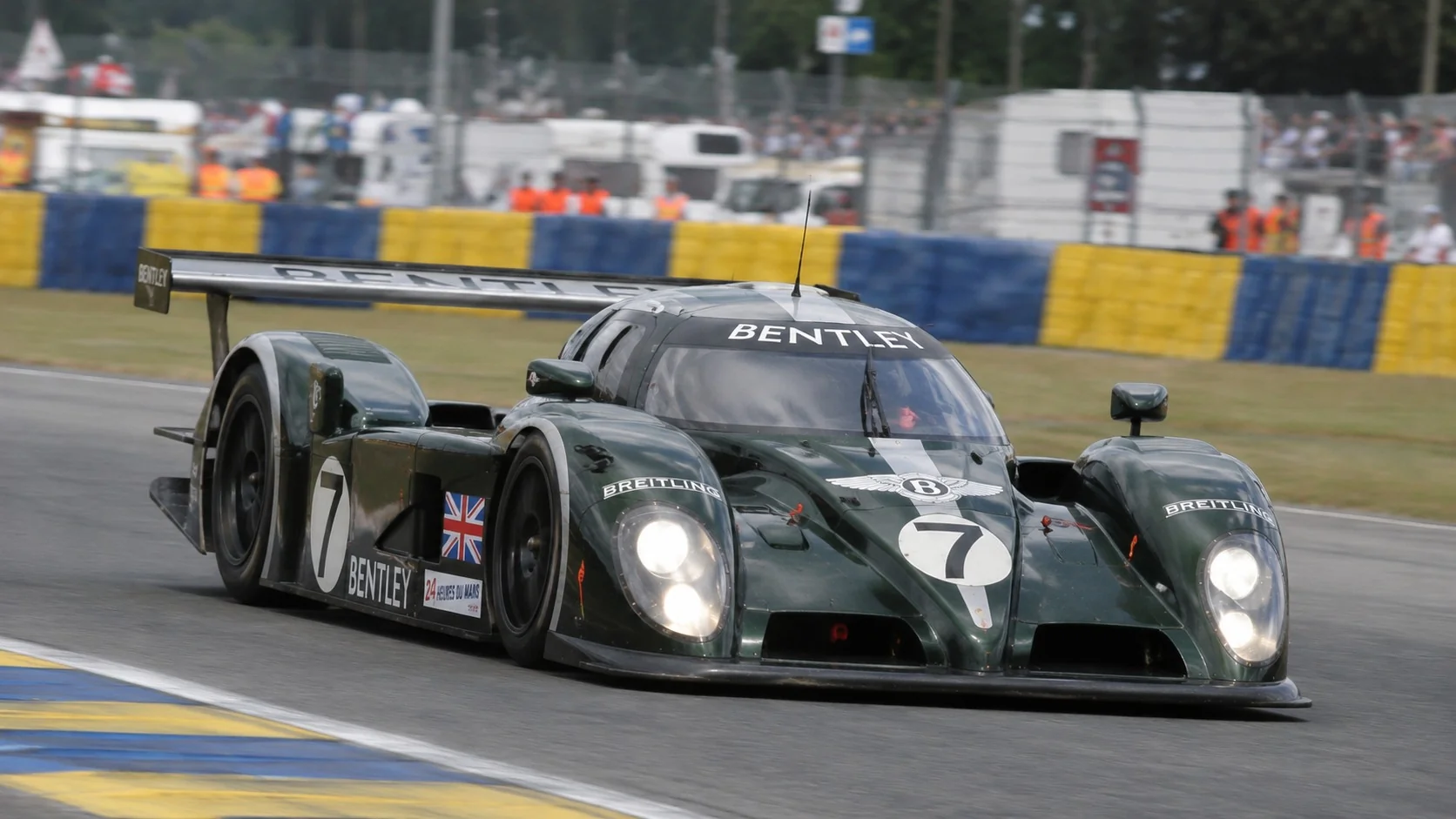
In the strange auction of 1998, Volkswagen won Bentley while BMW took Rolls-Royce, and the new owners made a decision that redefined the marque: Bentley would return to Le Mans and build its own identity at last. The EXP Speed 8 prototype won the 24 Hours in 2003, a sixty three year gap bridged, while the road car division created the Continental GT, launched in 2003, which transformed the business.
The Continental GT took the Volkswagen Group’s engineering, all wheel drive, a twin turbocharged W12, and wrapped it in a body of muscular elegance at a price point roughly half a Rolls-Royce, and it became the best selling car in Bentley’s history, funding the modern range and the Crewe factory’s expansion.
The Modern House
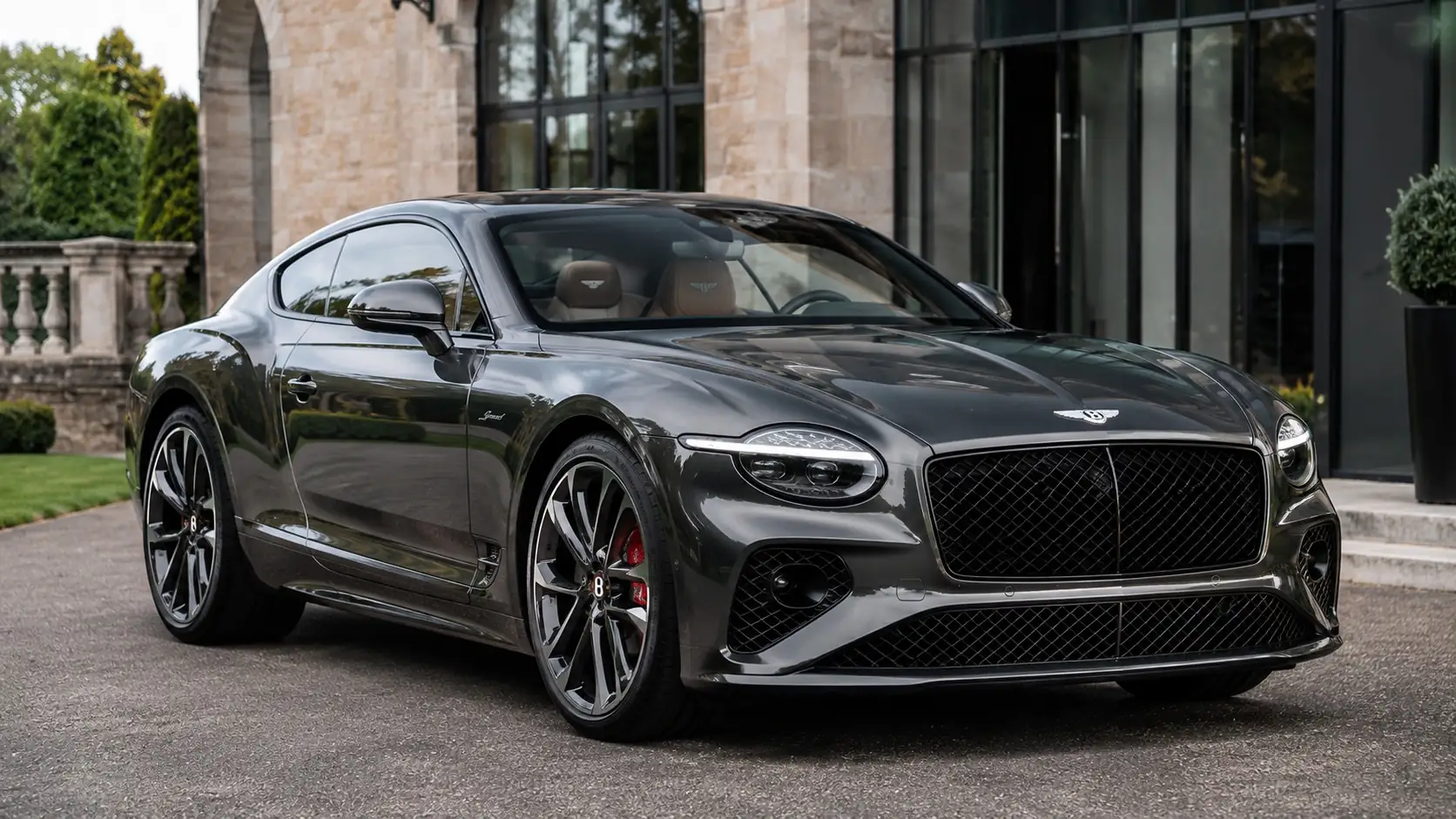
The current Bentley lineup, the Continental GT Speed, the Flying Spur sedan, and the Bentayga SUV that now carries the volume, balances the founding contradictions with new skill: enormous performance, the GT Speed exceeding 200 miles per hour, wrapped in cabins of hand finished wood and leather that take hundreds of hours to build.
Hybrid versions now extend the range as the marque electrifies toward its promised battery era, and the Mulliner division, the oldest coachbuilding name in the business, produces limited editions of operatic excess.
Through it all, the Le Mans heritage is maintained with GT3 racing programs and special editions, and the house’s motto, once racing derived, now describes the whole product: build a fast car, then make it quiet.
FAQs
Who founded Bentley?
Walter Owen Bentley, an engineer who had apprenticed in the railway industry, founded the company in 1919 in London. His engineering philosophy, strength and breathing above all, produced the first 3 Litre in 1921 and defined the marque’s character.
How many times has Bentley won Le Mans?
Six times: 1924, 1927, 1928, 1929, 1930, and 2003. The first five came in the Bentley Boys era, and the sixth, sixty three years later, with the EXP Speed 8 prototype after the Volkswagen takeover.
Who were the Bentley Boys?
A group of wealthy British amateur racers of the 1920s who drove and financed the marque’s competition efforts, including Woolf Barnato, Tim Birkin, and Glen Kidston. Their playboy legend, including Barnato’s race against the Blue Train, became Bentley’s founding mythology.
When did Rolls-Royce own Bentley?
From 1931, when it acquired the bankrupt company largely to neutralize a rival, until 1998, when Volkswagen acquired the marque during the split of the Rolls-Royce and Bentley businesses between German owners.
What is the most important Bentley?
The Speed Six of 1929 to 1930, which won Le Mans twice and defined the brand’s combination of speed and luxury, and the R Type Continental of 1952, the aerodynamic fastback grand tourer whose name the modern Continental GT carries.
What is Bentley’s relationship with Volkswagen?
Volkswagen Group has owned Bentley since 1998, providing the engineering platforms, the W12 engine family, and the investment that produced the Continental GT and the modern Crewe manufacturing complex, while Bentley operates as the group’s British luxury and performance flagship.
What is the Continental GT?
Launched in 2003, the Continental GT is the grand touring coupe that saved and transformed Bentley: all wheel drive, twin turbocharged W12 power, and a price point roughly half its Rolls-Royce rivals. It became the best selling model in company history and remains the core of the range.
Is Bentley going electric?
Yes, progressively: hybrid powertrains now extend across the range, and Bentley has committed to full electrification with its first battery electric models arriving mid decade, continuing the marque’s strategy of adopting new engineering, as it did with turbocharging and W12 power, while preserving its hand built character.