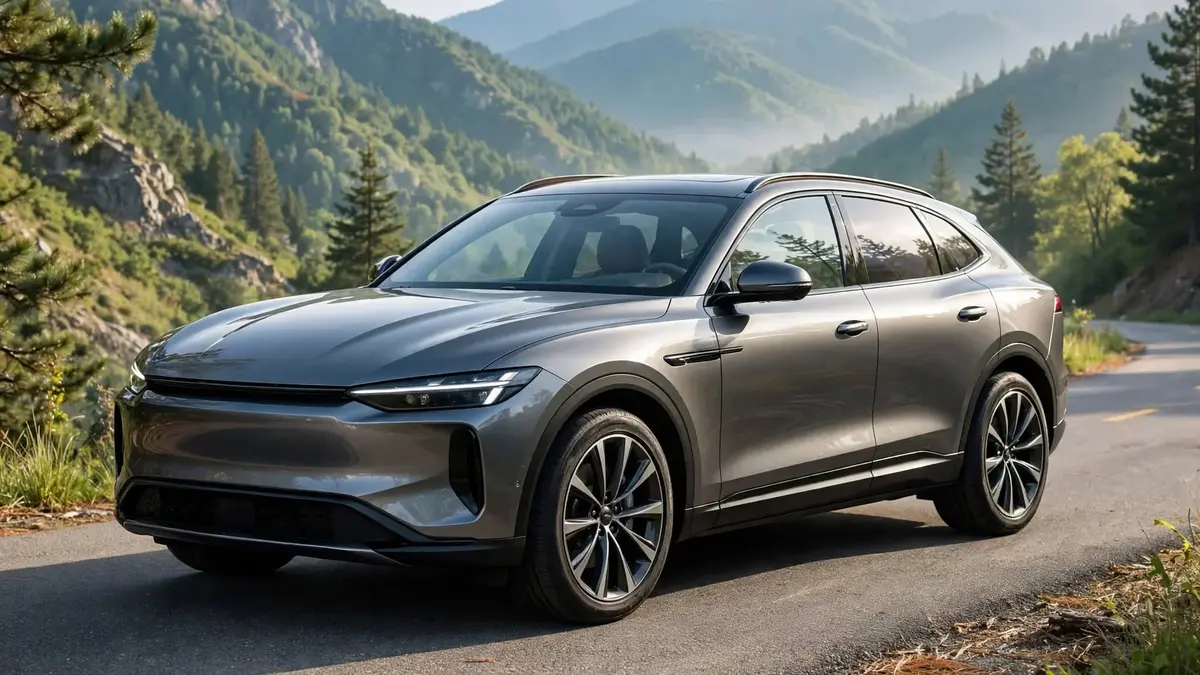
The search for the best crossovers begins, for most people, at a practical moment. The old sedan no longer swallows the stroller and the dog. The sports car no longer forgives the driveway in winter. Something has to change, and what usually changes is the shape of the car in the driveway.
Here is the truth the brochures will not tell you: the crossover is not a compromise. Done well, it is a resolution. It ends the ancient argument between the car, which drives beautifully, and the sport utility vehicle, which carries everything.
The best of them drive like a well sorted sedan, sit like a command post, and swallow a month of life without folding a seat. The worst of them are minivans in denial. This guide exists so you can tell the two apart in a single test drive.
I came to crossovers the way many enthusiasts do, through reluctance. I loved low cars and long hoods and dismissed anything with a lift gate as surrender.
Then a week with a borrowed crossover rewired me: a mountain weekend, four adults, luggage for all of them, rain turning to sleet on the pass, and the thing simply handled all of it while sipping fuel like a much smaller car.
I handed the keys back with something that felt like gratitude. That is the feeling the best crossovers deliver, and it is worth knowing exactly where it comes from.
What a Crossover Actually Is
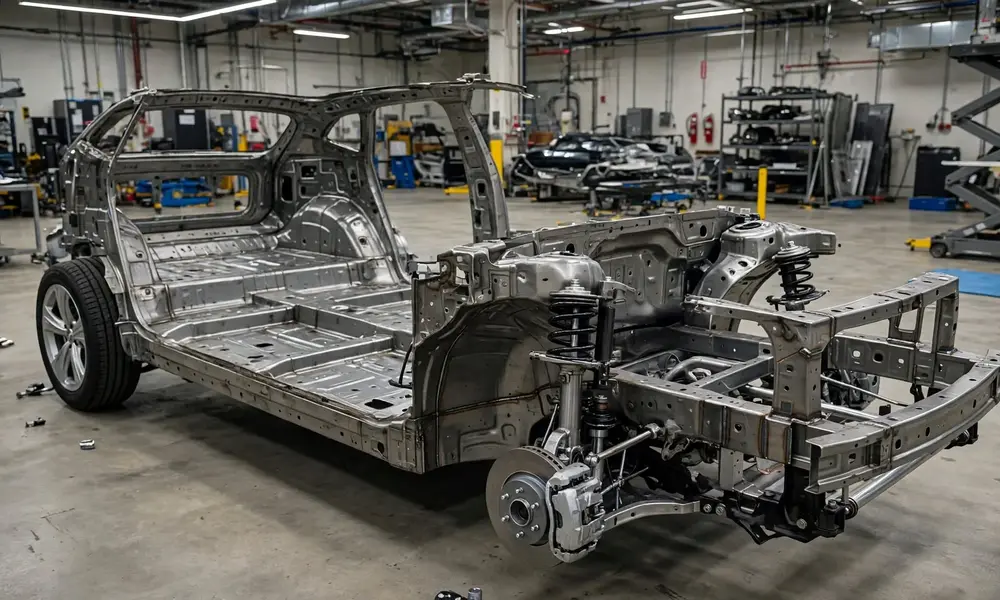
Before judging them, define the term, because the market loves to blur it. A crossover takes the body and seating position of a sport utility vehicle and builds it on the foundation of a car: unibody construction, car based suspension, car derived engines.
The traditional SUV sits on a truck frame, built to tow and to wade, heavier and less refined by nature.
The distinction matters because it explains what the best crossovers do well. They inherit ride comfort, quiet cabins, and efficient engines from their car cousins, and they add the upright seating, the cargo height, and the all wheel drive security people actually use.
What they give up, extreme towing capacity and serious off road hardware, almost nobody misses. The crossover won the argument because it serves the life people actually live rather than the one they imagine.
The Five Judgments That Matter
Everything else is noise. When you drive your shortlist of crossovers, weigh these five things and the decision will make itself.
Ride quality first. The best crossovers absorb broken pavement with a single, controlled motion. On your test drive, seek out the worst road you know. A crossover that crashes over potholes is betraying its car roots. One that floats and wallows is betraying them differently. You want composure, a body that settles once and stays settled.
Second, the powertrain under pressure. Small engines are fine; strained engines are not. Find a highway on ramp and accelerate as you normally would. The engine should sound willing, not wounded. If the transmission hunts endlessly between gears, imagine that noise at hour three of a road trip and walk away.
Third, visibility. You sit high in a crossover, which is one of its gifts, but thick roof pillars and small rear glass can waste it. Look over your shoulder in the showroom. If the car hides a pedestrian at twenty feet, it will hide one in a parking lot every week of your ownership.
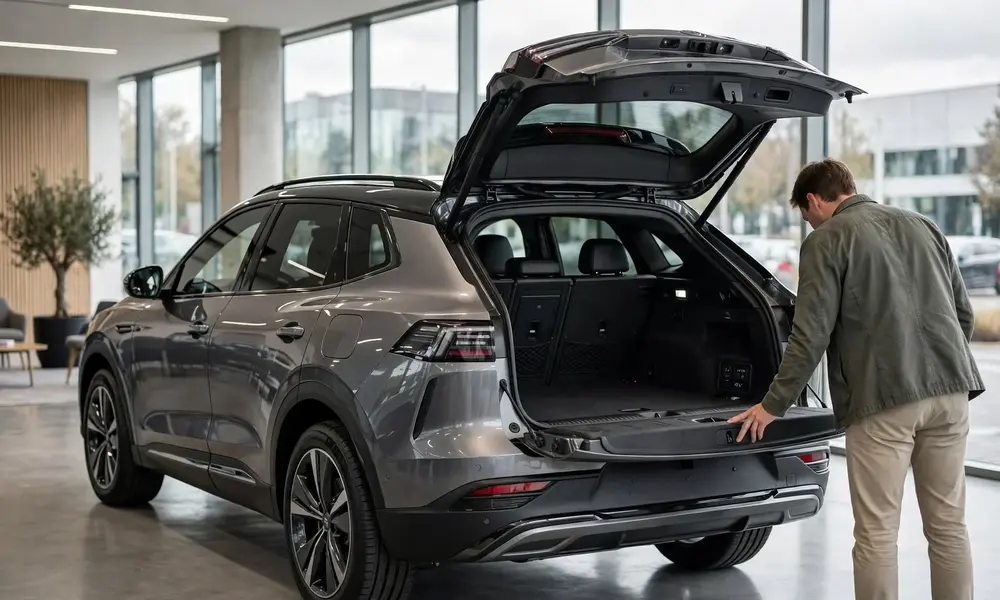
Fourth, cargo reality. Fold the seats. Lift your actual life into the trunk, or imagine it: the suitcase, the dog crate, the flat pack furniture. The best crossovers swallow a standard stroller with the parcel shelf still in place, and their load floors sit low enough that you do not hoist groceries upward.
Fifth, resale and reliability. The crossover market is enormous, which rewards the strong nameplates handsomely. A model with a decade of satisfied owners will cost you less per year than a flashier unknown, and in this class the spreadsheet is part of the luxury.
The Character Question
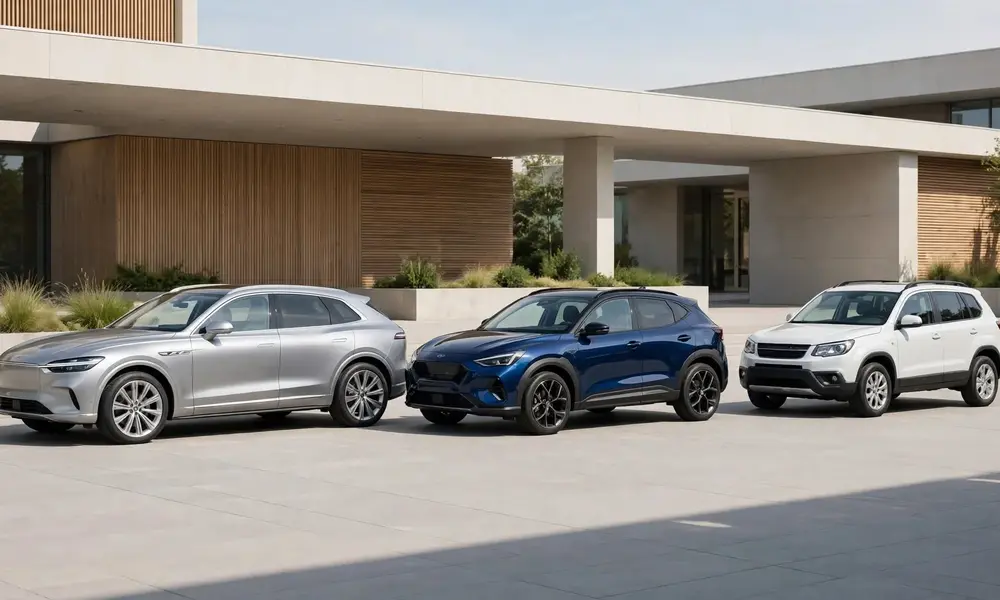
Beyond the measurements, every crossover has a temperament, and temperament is where the best ones separate themselves.
Some are serene, tuned like quiet rooms on wheels, and they suit long commutes and family duty beautifully. Some are eager, with firm suspension and quick steering, trading a little plushness for a morning road that bends.
Some are honest appliances, and there is dignity in that when the price is right and the reliability record is deep.
Match the temperament to your week, not your fantasy. If ninety percent of your driving is city and school run, buy the serene one and let the weekend handle itself.
The great marques understand this instinctively. The engineering patience that built a century of Rolls Royce excellence, that handshake in 1904 that defined what the best car in the world might mean, shows up today in cabins where every control lands where your hand expects it.
And the same eye for proportion that turned coachbuilt motor cars into moving sculpture, the artistry our piece on the coachbuilders who turned cars into art celebrates, is the eye you should trust when a crossover simply looks right from every angle.
Where the Luxury Money Goes
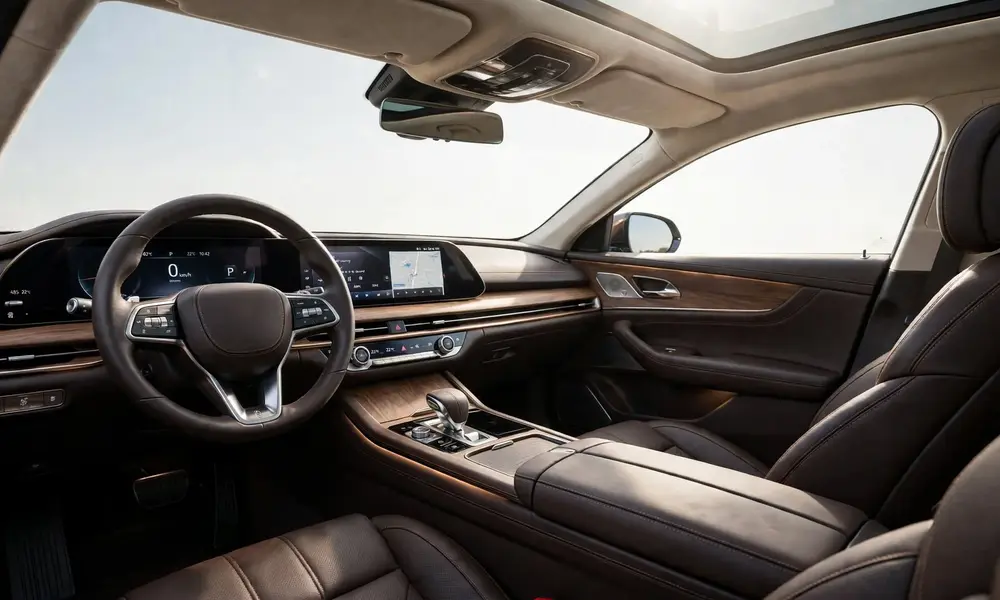
Spend upward in this class and the money buys three things: quieter cabins, better materials, and calmer technology. Active suspension that reads the road ahead. Seats that adjust twenty ways and still feel right at hour six. Sound insulation so complete that the car shrugs off weather and traffic alike.
It is worth pausing on that last point, because silence is the most honest luxury a machine can offer. Anyone can bolt on horsepower. Removing the world from the cabin takes engineering of a higher order, the same obsession with refinement that separates a flagship from a mere top trim.
The brands that understand this, the ones whose names have anchored the top of the market for generations, as our survey of luxury car brands that conquered other worlds entirely makes clear, pour their resources into the details you stop noticing within a week and miss terribly the moment you drive something lesser.
A Short Method for the Showroom
Here is the whole guide folded into one afternoon.
Drive your current car to the dealer by your worst road first, so the comparison is honest. Test the crossover over that same pavement, with the radio off, and listen to the suspension and the wind.
Sit in every seat, including the middle rear. Open the trunk and load something real into it, even if it is only the dealer’s box of brochures. Ask for the reliability record, not the features list, because the features list will date itself and the reliability record will not.
Then sleep on it. The best crossovers, like the best cars of every kind, still feel right the morning after. If the thought of the keys makes you smile over coffee, you have found yours. The genuinely great ones, the ones worthy of a place on the lawn at the world’s great gatherings like the finest concours events on earth, announce themselves quietly, the way all good machines do.
Frequently Asked Questions
What is a crossover car?
A crossover is a vehicle that combines the body style and seating position of a sport utility vehicle (SUV) with the underpinnings of a car. It uses unibody construction and car-based suspension for better ride comfort, handling, and fuel efficiency than a traditional truck-based SUV.
Are crossovers better than SUVs?
For most drivers, yes. Crossovers offer nearly all the space and practicality of an SUV, along with better fuel economy, a quieter cabin, and more car-like handling. Traditional SUVs are still better suited for heavy towing and serious off-road driving.
What should I look for when buying a crossover?
Prioritize ride quality, a comfortable powertrain, good outward visibility, sufficient cargo space, and a strong reliability and resale record. Test-drive the vehicle on different road conditions before making a decision.
Which crossovers hold their value best?
Crossovers with proven reliability, strong owner satisfaction, and established brand reputations generally hold their value better. Popular models from manufacturers with reliable dealer networks often perform well in the resale market.
Is all-wheel drive worth it on a crossover?
Yes, if you regularly drive in rain, snow, or on gravel roads. Modern all-wheel-drive systems provide additional traction and stability, although they may slightly affect fuel economy and maintenance costs.
How long do crossovers typically last?
A well-maintained crossover from a reliable brand can typically last 10–15 years and exceed 100,000 miles. Regular servicing, responsible driving, and timely repairs play an important role in extending its lifespan.