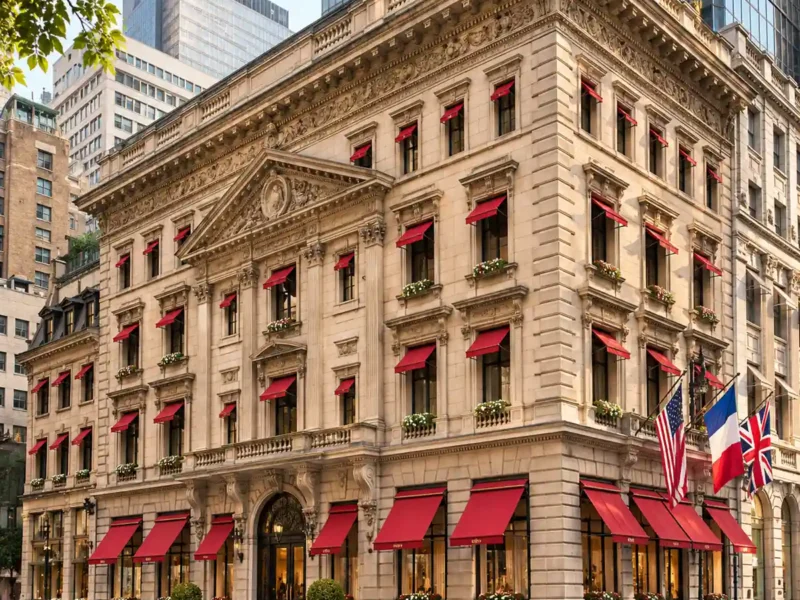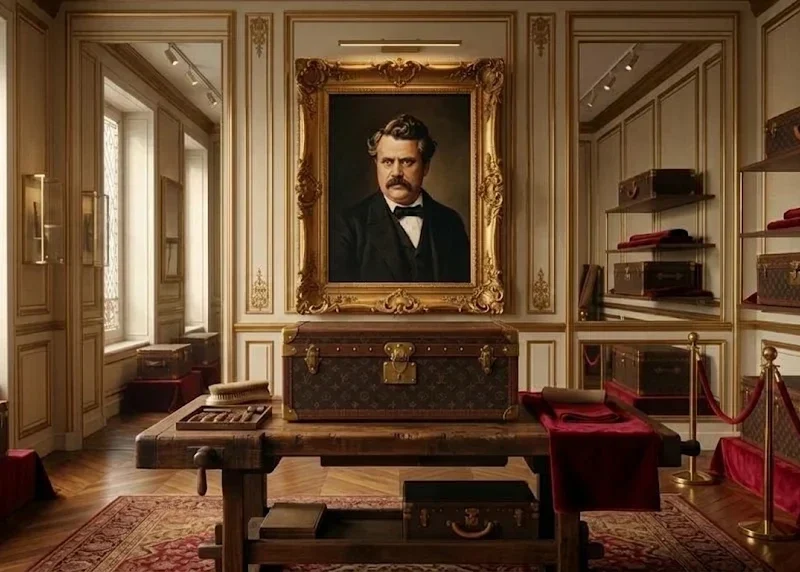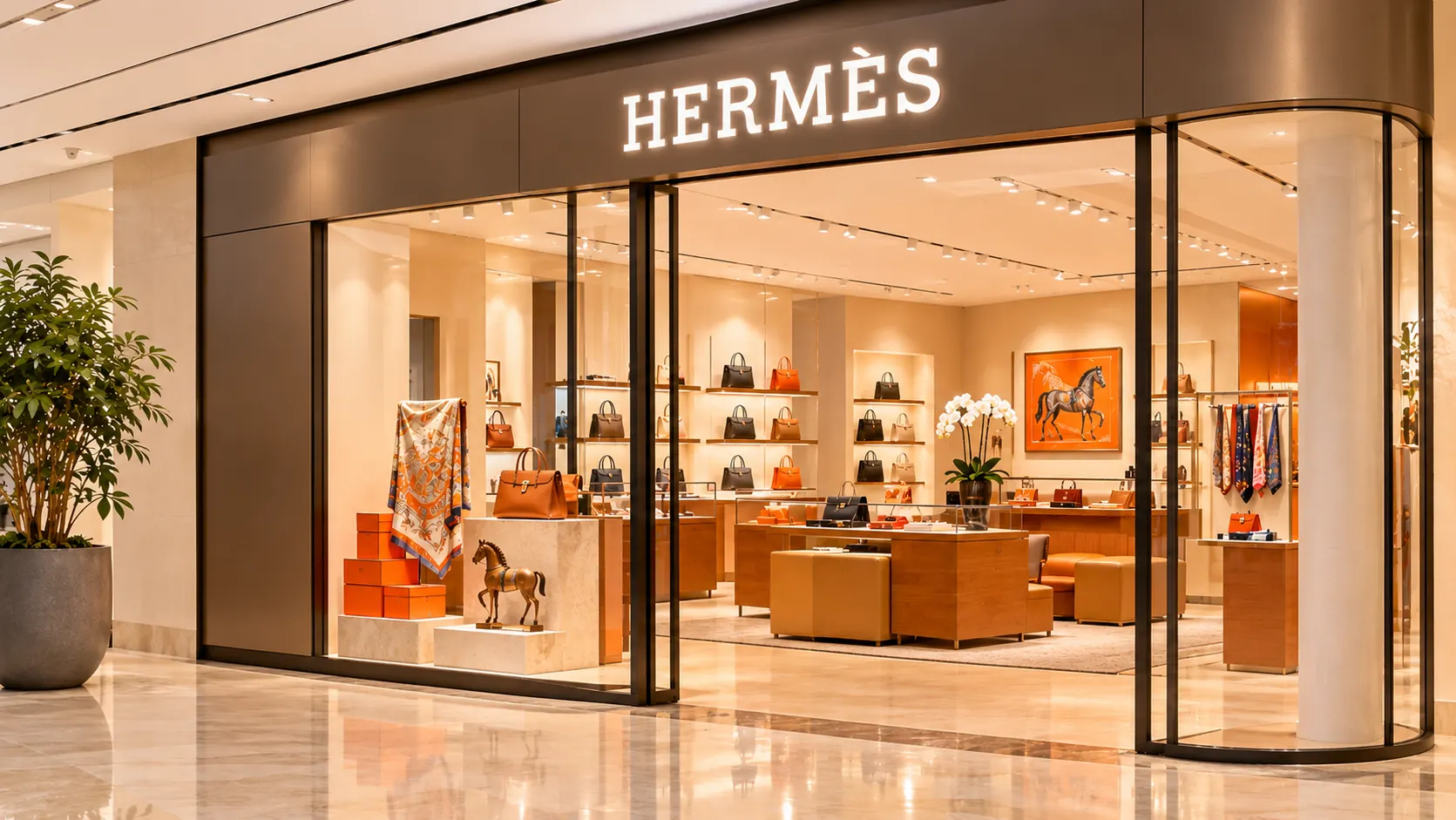
Hermès is the oldest great luxury house still controlled by its founding family, and its story begins not with handbags or silk scarves but with horses. This fascinating chapter in Hermès history reveals how a small Parisian harness workshop evolved into one of the world’s most prestigious luxury brands.
In 1837, a craftsman named Thierry Hermès opened a harness workshop on rue Basse-du-Rempart in Paris, serving the animals that moved the city.
Everything the house is today, the waiting lists, the auction records, the orange boxes recognized across the world, grew from the standards that trade demanded.
That origin matters because it explains the thing competitors rarely explain: why Hermès behaves differently from almost every other luxury company on earth.
The Harness Maker of the Grands Boulevards
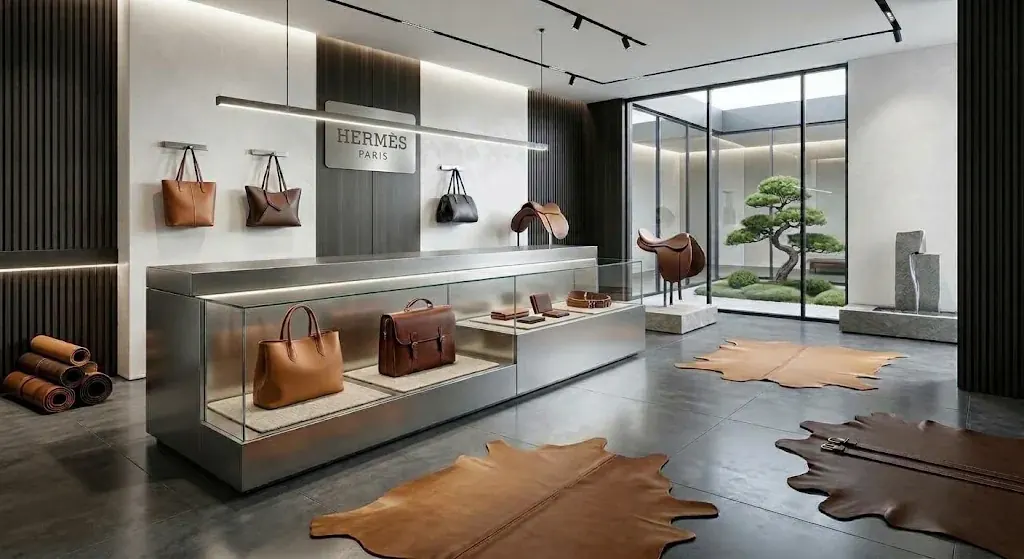
Thierry Hermès was born in Krefeld, Germany, in 1801, and made his way to a Paris still vibrating with the aftershocks of revolution and empire. The city he entered ran on horsepower in the most literal sense.
Carriages were the automobiles of their age, and the harness was their most critical component, a system of leather and metal on which both the horse’s comfort and the passenger’s life depended.
Harness making was unforgiving work. A strap that failed could kill a rider. A buckle that pinched could lame a valuable animal. The clients, European aristocrats and the wealthy bourgeoisie of the boulevards, paid for reliability first and beauty second, though the finest makers delivered both.
Thierry built his reputation on hand-stitched leather using the saddle stitch, a technique in which two needles pass through the same hole from opposite sides, creating a seam that cannot unravel even if a thread breaks.
The house still uses that stitch today, on handbags carried by people who have never sat a horse. When you examine the seam of a Kelly or a Birkin, you are looking at a technology perfected for the carriage trade of the 1830s. Few luxury houses can make such a direct claim on their own history.
From Horses to Horsepower
The pivotal figure in the house’s story was not Thierry but his grandson, Émile-Maurice Hermès, who joined the family business around the turn of the twentieth century and watched the automobile arrive with unusually clear eyes.
Where other saddlers saw an ending, Émile saw a transfer of loyalty. The customer who once bought a harness would soon need luggage for a motorcar, and the hands that understood leather understood both.
Two moves from Émile’s era still shape the company today. The first was the zipper. During a journey to North America, Émile encountered the device being used on a car hood, recognized its potential, and secured the French rights to use it in leather goods.
The sac à dépêches, introduced in the 1930s, became one of the first handbags in the world to close with a zipper, and the innovation spread across the industry.
The second move was range. Under Émile and later his sons in law, through the Dumas and Guerrand lines that carry the family’s work forward, Hermès expanded into silk scarves in 1937, then ties, fragrance, and ready to wear.
Each new category was anchored to the same discipline that governed the harness workshop, and each was required to justify itself by quality rather than by the momentum of the name.
Two Bags, Two Accidents of History
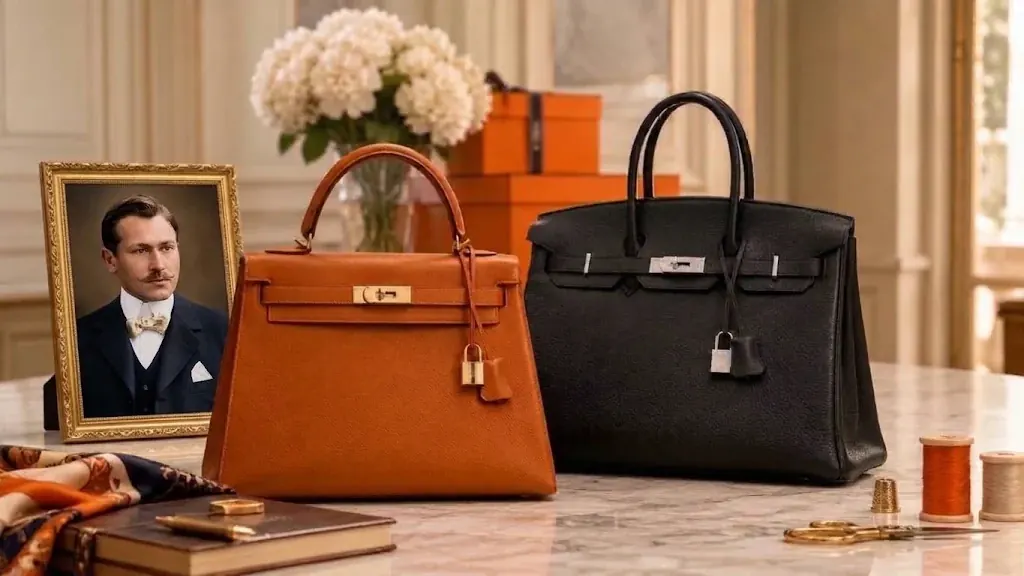
The two most famous handbags in the world both began as practical responses to real women’s lives, and both stories reward careful telling.
The Kelly started life as that sac à dépêches, a structured travel bag descended from saddle-carriage designs. In 1956, Princess Grace of Monaco, the former Grace Kelly, was photographed using hers to shield her pregnancy from pursuing photographers.
The image ran in Life magazine, demand surged across the world, and the house eventually renamed the bag in her honor. It remains the most elegant silhouette in the Hermès collection, the choice of those who prefer structure to display.
The Birkin arrived by even stranger fortune. In 1984, on a flight from Paris to London, the actress and singer Jane Birkin complained to her seatmate that she could never find a weekend bag that held everything her life required.
Her seatmate happened to be Jean-Louis Dumas, then the chief executive of Hermès. He sketched a design during the flight, reportedly on an airsickness bag, and the Birkin entered production soon after: a roomy, hand-stitched tote that has since become the benchmark of the entire category, explored in depth in our guide to the Birkin bag.
Both stories are often retold as fairy tales. The more interesting truth is that they endured because the product underneath them was genuinely, almost stubbornly, well made.
A photograph can launch a bag for a season. Only craftsmanship can carry one for seventy years.
The Discipline of Scarcity
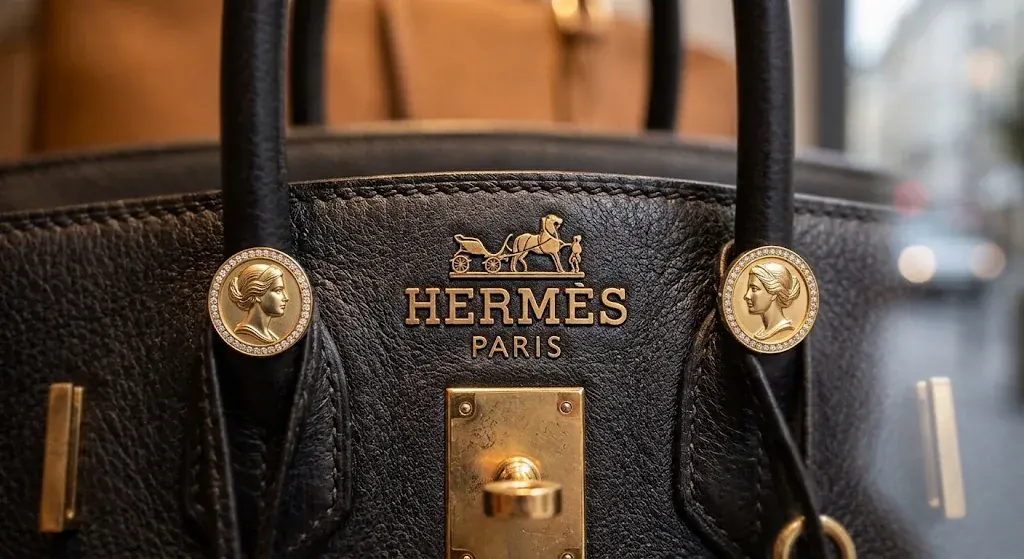
Hermès is routinely described as exclusive, but the mechanism deserves precision, because it is widely misunderstood as a marketing trick. Each bag is made substantially by a single artisan, a process that takes many hours per piece, and the house has deliberately allowed its artisan capacity to grow more slowly than demand. It does not license its name. It does not chase trends with capsule collaborations.
The structure of ownership reinforces that patience. When LVMH revealed a quietly accumulated stake in the company in 2010, the Hermès family responded by creating the H51 holding, an arrangement that locked family control for decades and sent an unambiguous message to the market: this house is not for sale, and its standards are not negotiable.
Readers who follow the broader Hermès story will recognize this as the family’s oldest instinct, the protection of the workshop against the pressures of the quarter and the season.
The result is a company that grew into one of the most valuable luxury businesses on earth while still behaving like a workshop. Analysts often credit the brand’s pricing power to marketing brilliance. The deeper cause is simpler and harder to copy: a century and a half of refusing to make the worse product faster.
What Hermès Actually Teaches
For anyone who loves luxury rather than merely buying it, Hermès is the cleanest case study of the difference between heritage and branding. Heritage is the saddle stitch, a technique kept because it is better, not because it photographs well.
Branding is the orange box, which arrived as a wartime improvisation in the 1940s when cream-colored packaging ran short and the supplier offered what remained.
One was designed. One was discovered. Hermès had the sense to keep both, and in that pairing lies the whole secret. The house treats its accidents with the same seriousness as its traditions, because it understands that a luxury brand is not a museum of the past but a living accumulation of decisions, each one judged against the standards of the workbench.
The waiting lists, the auction records, and the devotion of collectors across the world all flow from that single discipline. Luxury, Hermès demonstrates across six generations, is not a price point. It is a promise kept so consistently that the keeping itself becomes the product.
FAQs
When was Hermès founded?
Hermès was founded in 1837, when Thierry Hermès opened a harness workshop on rue Basse-du-Rempart in Paris, serving the carriage trade of the French capital.
Is Hermès still owned by the founding family?
Yes. Descendants of Thierry Hermès retain control of the house, protected by the H51 family holding created in 2010 after LVMH revealed a stake in the company.
Why are Hermès bags so expensive?
Each bag is hand-stitched by a single artisan over many hours, production grows more slowly than demand by deliberate policy, and a century and a half of consistent quality has created waiting lists measured in years.
Which came first, the Kelly or the Birkin?
The Kelly came first. It began as the sac à dépêches in the 1930s and was renamed after Grace Kelly in 1956. The Birkin followed in 1984 after Jane Birkin’s famous flight conversation with Jean-Louis Dumas.
What is the saddle stitch?
The saddle stitch is a hand-stitching technique in which two needles pass through the same hole from opposite sides, creating a seam that cannot unravel even if a thread breaks. Hermès artisans still use it today.
Why is the Hermès box orange?
The orange box began as a wartime improvisation in the 1940s, when standard cream packaging materials ran short and the supplier offered orange instead. The house kept it, and it became one of the most recognized colors in luxury.
Do Hermès bags hold their value?
Exceptionally well. Birkin and Kelly bags regularly trade at or above retail on the secondary market, and rare examples have set auction records, as our coverage of investment handbags explores in detail.
Where are Hermès products made?
The vast majority of production remains in France, in a network of leather ateliers, silk workshops in Lyon, and specialized manufactories, each organized around artisan craft rather than assembly lines.