Buying a Rolex as an investment becomes tempting the moment admiration meets reassurance.
You love the watch. Then someone tells you it will hold its value, perhaps even rise in price. Suddenly, a purchase you wanted begins to sound like a financial decision you ought to make.
Pause there for a moment.
A Rolex can retain value or appreciate, but profit is uncertain. Your result depends on the exact watch, purchase price, condition, holding period, and selling costs. A famous reference bought at an excessive price can produce a disappointing return.
There is still room for pleasure in the decision. A watch can celebrate years of work, accompany important days, and remain financially valuable. The thoughtful approach is to understand those benefits separately before bringing them together.
Key Takeaways
- Value retention, price appreciation, and net profit mean different things.
- Your purchase price matters as much as the model you choose.
- An advertised resale price is not necessarily what a seller receives.
- Selling fees, maintenance, insurance, and other costs can absorb gains.
- Market indexes describe groups of watches, not the outcome of your individual purchase.
- Buy within a budget that remains comfortable if resale disappoints.
Is Buying a Rolex as an Investment a Good Idea?
It can be a reasonable collectible purchase for someone who understands the risks and wants to own the watch.
It is a less convincing decision when the purchase depends on a promised return, borrowed money, or an urgent future sale. Similar considerations apply to other luxury items as investments, including designer handbags, fine jewelry, and collectible accessories, where resale demand and ownership costs can influence financial outcomes.
The distinction matters because a watch offers two kinds of value.
Personal value comes from wearing and enjoying it. Financial value is what another buyer will actually pay, after selling expenses.
Neither needs to disappear for the other to exist. But enjoying a watch does not turn an uncertain resale outcome into a guaranteed investment.
A useful opening question is:
Would I still be comfortable owning this watch if its resale value fell?
If the answer is no, reconsider the amount you are committing.
Does Rolex Always Go Up in Value?
No.
Recent market data illustrates why the time period matters. As of November 7, 2026, the WatchCharts Rolex Market Index showed a 4.5% increase over one year but a 13.1% decline over five years.
Those figures describe an index of 30 Rolex models, weighted by transaction value. They are not returns earned by every Rolex owner, and they do not deduct your individual transaction or ownership costs.
The lesson is simple: a positive short-term headline can sit alongside a weaker longer-term result.
Before accepting a claim that a watch “always appreciates,” ask for the exact reference, starting date, purchase price, and method used to calculate the return.
Understand the Three Prices Before Buying
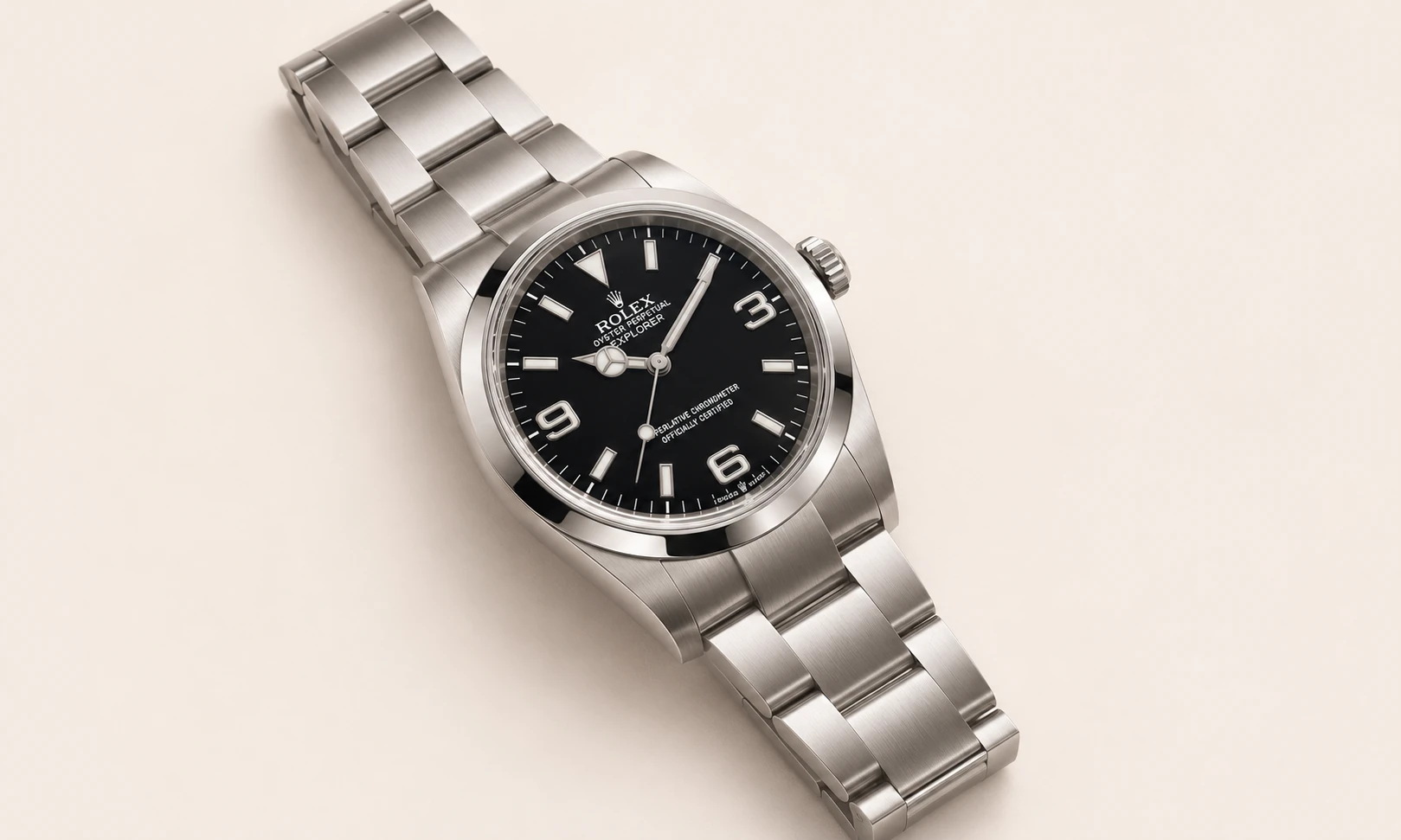
A Rolex can have several relevant prices at the same moment.
| Price | What it tells you | What it does not establish |
| Official retail price | The manufacturer’s suggested price in the relevant market | Immediate availability |
| Secondary-market asking price | What a seller hopes to receive | A completed sale or your future payout |
| Dealer purchase offer | What that dealer currently offers for your watch | The highest possible result through every selling route |
| Net sale proceeds | What you receive after selling expenses | Profit until your full cost is deducted |
A listing is a useful starting point for research. A realistic purchase offer helps you understand the amount you might actually receive.
Before buying, obtain indicative offers or discuss resale with reputable dealers using the exact reference and condition you are considering. Estimates can change, but the exercise reveals the gap between buying and selling.
Your Break-Even Price May Be Higher Than You Think
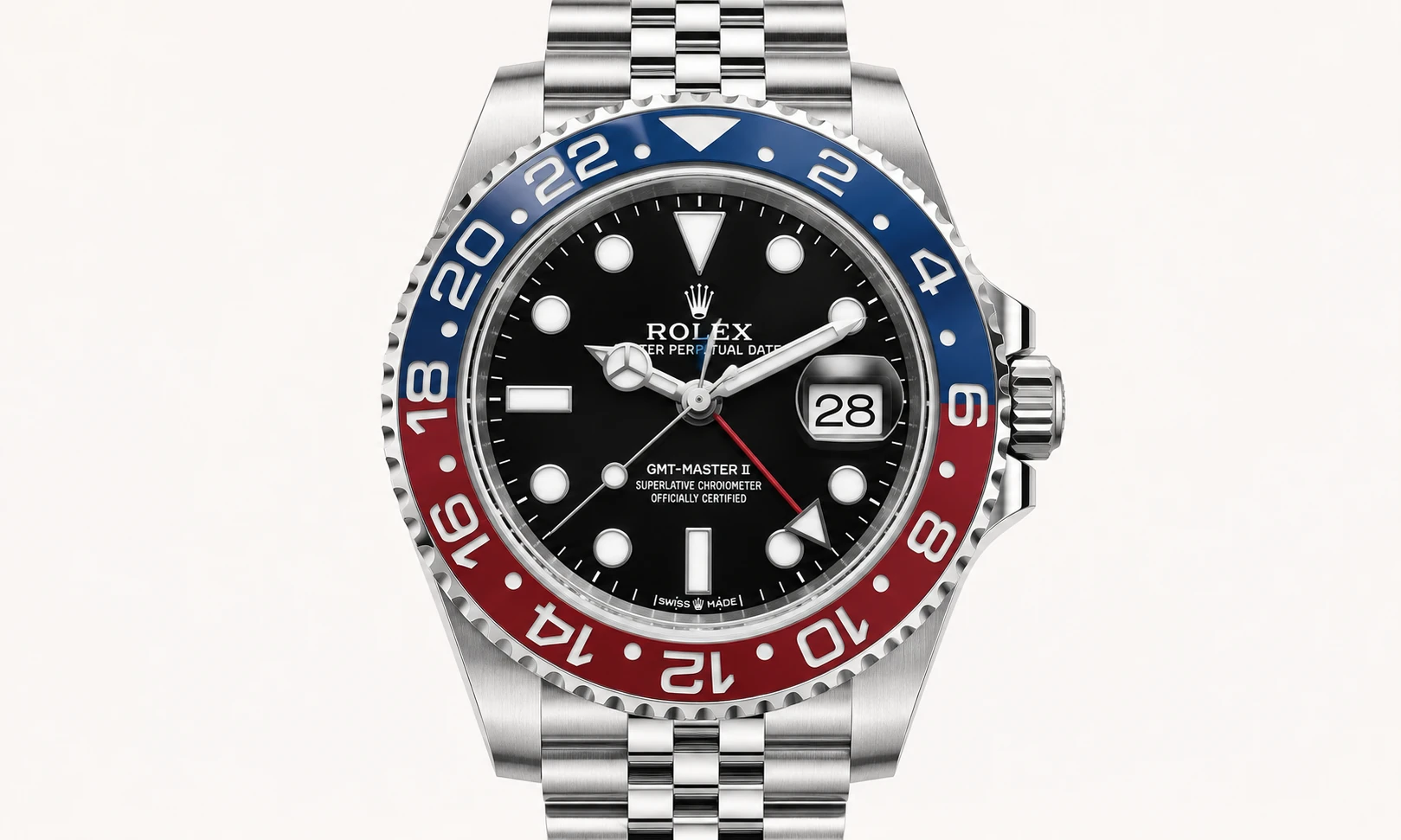
Consider a hypothetical purchase:
You pay $10,000 for a watch and incur $800 in nonrecoverable purchase taxes or other acquisition costs. Your total initial cost is $10,800.
Later, you sell it for $11,500 through a platform charging a hypothetical 7% selling fee.
The fee is $805, leaving proceeds of $10,695.
Despite selling for $1,500 more than the watch’s original purchase price, you are $105 below your initial total cost, before maintenance, insurance, shipping, or any applicable tax on the sale.
To recover $10,800 after that hypothetical fee, the gross sale price would need to be approximately $11,613.
The calculation is:
Break-even sale price = total cost ÷ (1 − selling-fee rate)
Actual fees and taxes vary. The point is to calculate using your circumstances before describing a higher resale price as profit.
Which Rolex Models Should You Research?
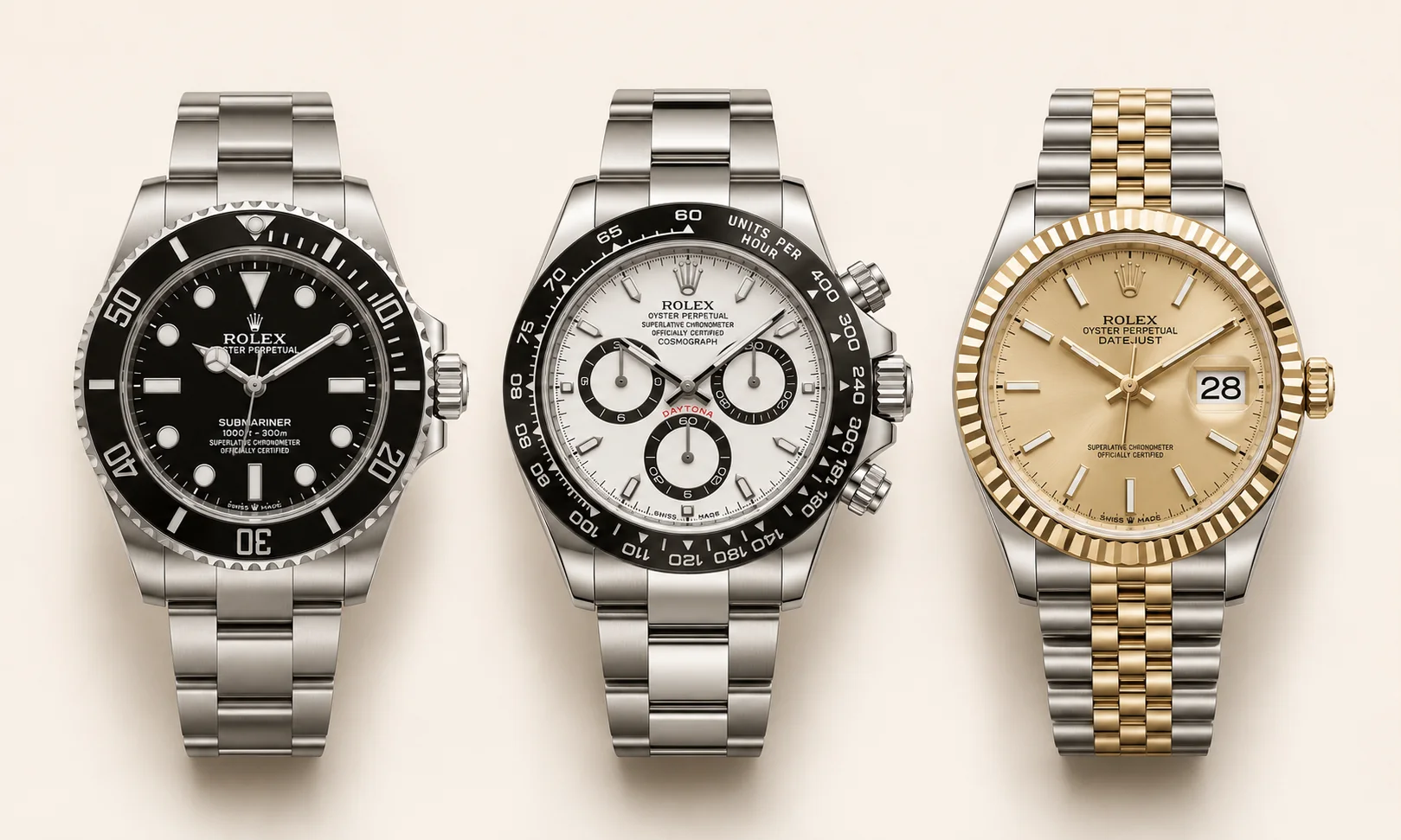
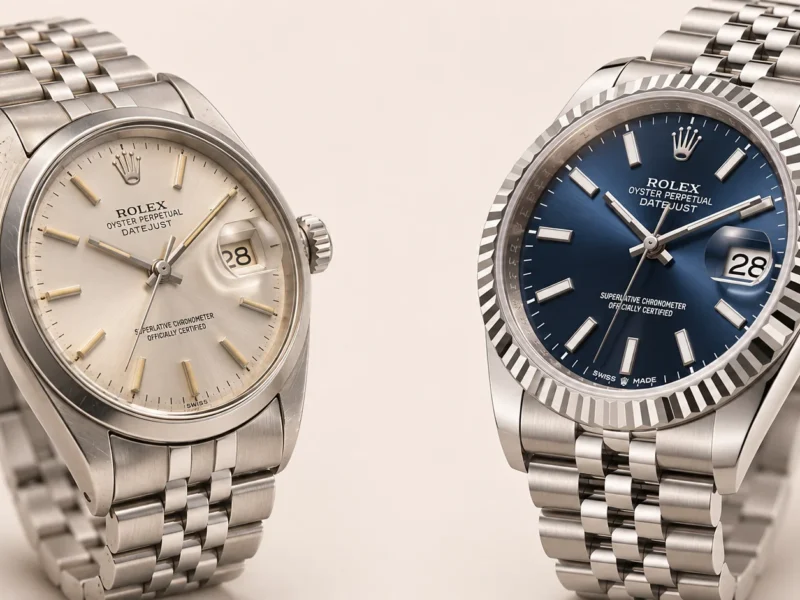
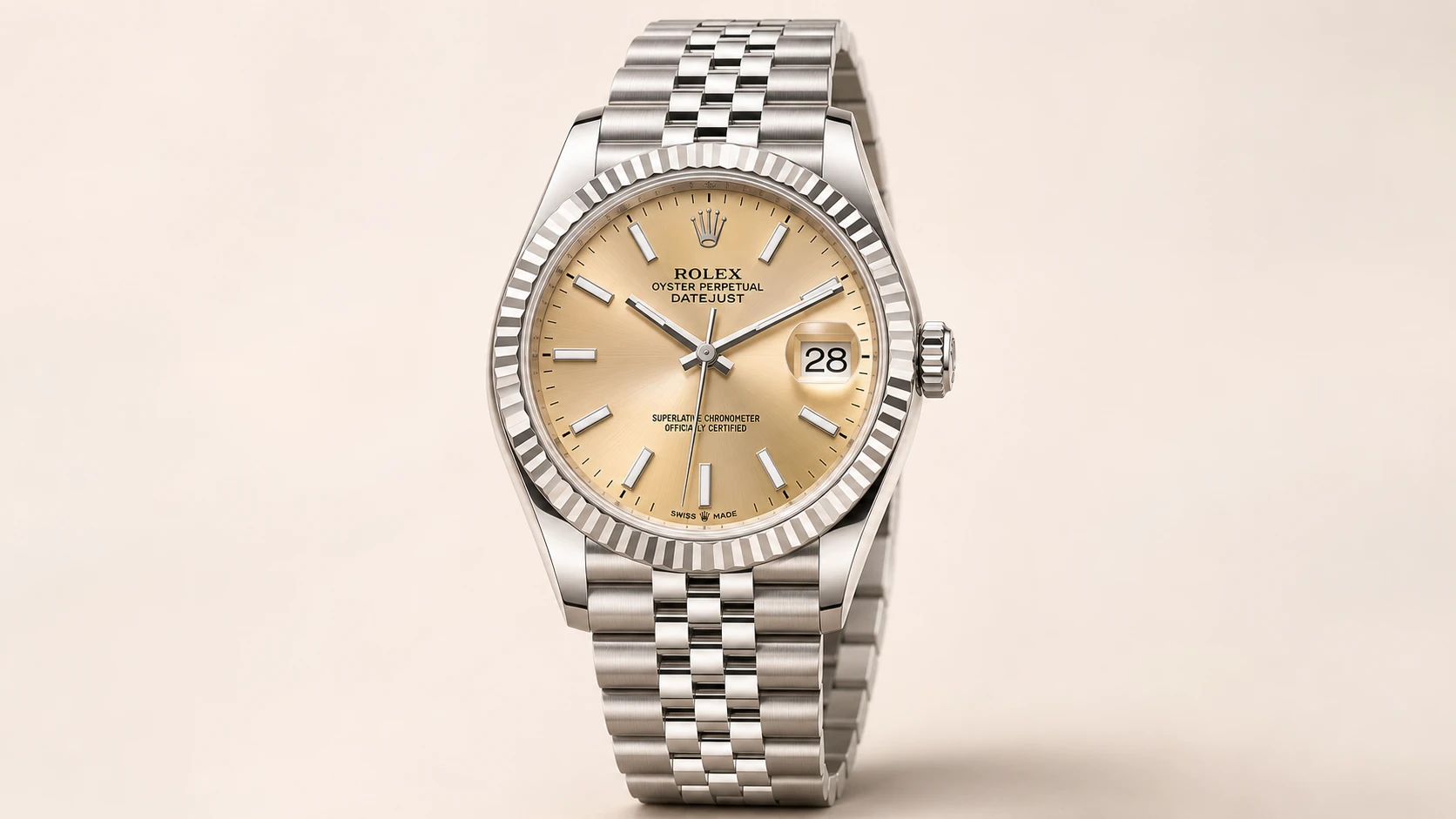
Submariner, GMT-Master II, Daytona, Datejust, and other established collections provide plenty of material for comparison. However, a collection name is too broad to establish an investment case. Understanding the differences between luxury watches, including their movements, materials, designs, and market positioning, can help buyers make more informed purchasing decisions.
Two watches from the same family may differ in:
- Reference and generation.
- Case and bracelet material.
- Dial and bezel configuration.
- Mechanical and cosmetic condition.
- Replacement or aftermarket components.
- Documentation and service history.
- The price paid.
Research the watch at that level.
Avoid treating an unfamiliar dial variation as valuable simply because a listing calls it rare. Establish what distinguishes it and whether comparable buyers actually pay for that distinction.
A useful research file contains photographs, the exact reference, recent comparable information, condition notes, and realistic selling options.
Retail or Secondary Market: Which Is Better?
Buying through an official Rolex retailer provides the official purchasing route and applicable manufacturer guarantee.
However, Rolex states that demand sometimes exceeds production capacity and that retailers independently manage allocation and sales. A published retail price does not promise that your preferred watch is immediately available.
The secondary market may provide access to a particular watch sooner, at a different price.
Treat any premium carefully. It becomes part of your cost immediately. The watch must recover that premium, plus other expenses, before you make a profit.
If you choose to pay more because you want the watch now, that can be a conscious luxury decision. Record it honestly in your calculations.
Why Condition Matters So Much
Condition affects both the ownership experience and how another buyer assesses the watch.
Look beyond whether it appears shiny. Ask about case refinishing, bracelet wear, dial and hand replacements, movement condition, and alterations.
For older watches, a genuine service component may be mechanically appropriate while changing its appeal to a collector seeking period-correct details.
Documentation helps explain the watch’s history. It does not replace authentication or a proper condition assessment.
Before authorizing servicing or cosmetic work, understand the proposed changes. The right decision depends on the watch and your priorities.
What Are the Costs of Owning a Rolex?
Allow for more than the initial payment.
Servicing, repairs, insurance if chosen, shipping, and eventual selling expenses can all influence the result. Storage and security arrangements may also matter to you.
Rolex recommends servicing approximately every ten years, depending on the model and real-life usage. It provides a service estimate after assessing the watch rather than one universal price.
Also consider the time needed to sell. An attractive online valuation does not provide immediate access to that amount.
Liquidity means how readily something can be sold at an acceptable price. A faster sale may require accepting less than you hoped.
How Should You Read Watch-Market Data?
Begin with the methodology.
Ask whether a chart represents asking prices, estimated market values, completed transactions, or an index. Check the currency, date range, and models included.
WatchCharts explains that its brand indexes combine selected watches using transaction-value-based weighting. That makes them useful for understanding a market segment, while leaving the details of your own watch unresolved.
Then match comparisons carefully. A different dial, incomplete bracelet, or older service history can make another listing a poor comparison.
Use several sources. A seller’s analysis can be informative, but remember that the seller also benefits when watches are purchased.
Separate Enjoyment From Financial Return
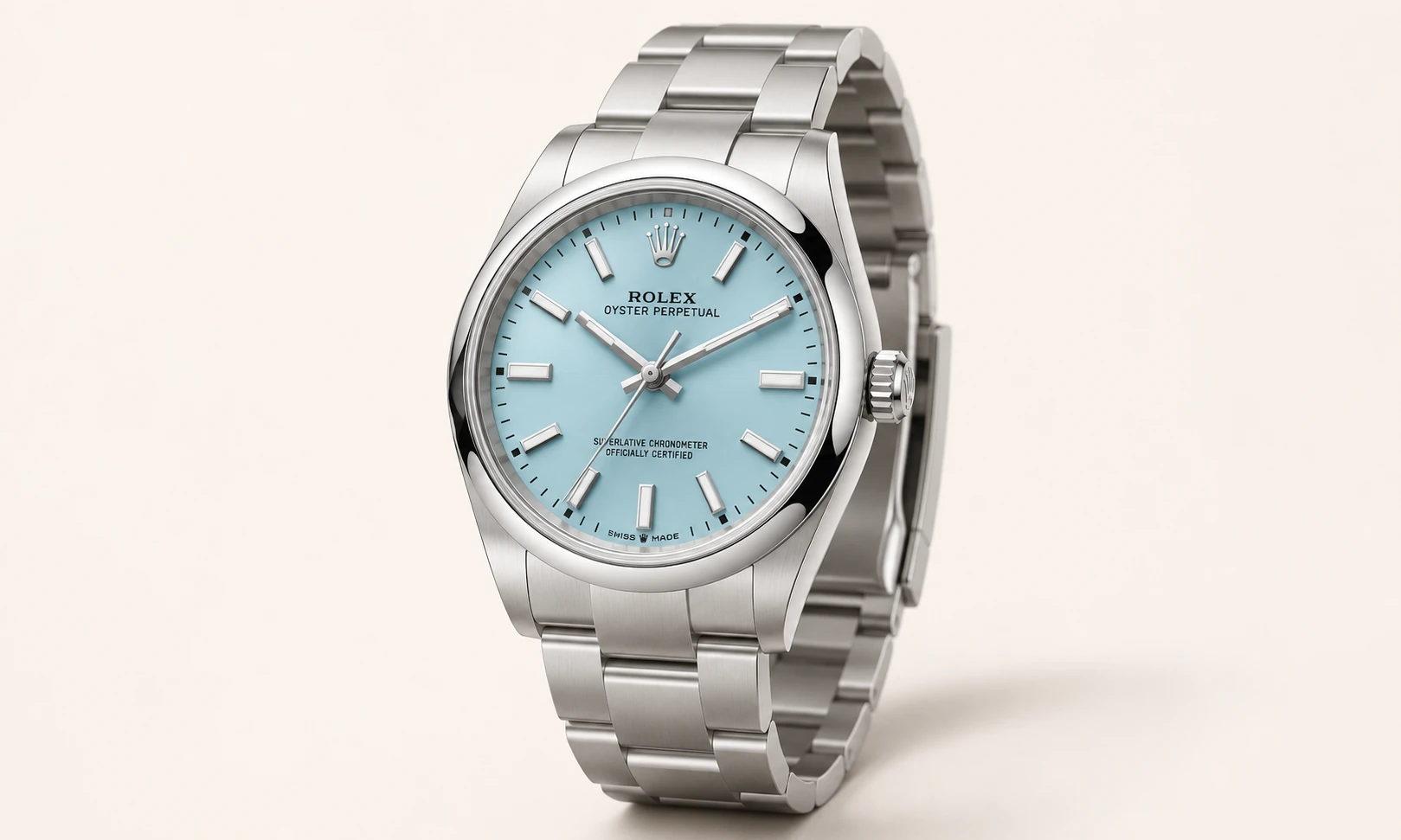
Suppose you wear a watch for ten years and sell it for less than your total cost. From carefully crafted timepieces to designer handbags and jewelry, luxury accessories can offer lasting personal enjoyment even when their resale performance varies.
You may still feel delighted with the purchase. It accompanied your life and gave you pleasure throughout ownership.
That is a successful personal outcome. The financial result remains a loss.
Keeping those judgments separate allows you to enjoy luxury without forcing every beautiful object to prove it was an investment.
It also helps establish a sensible spending limit. Decide what you can comfortably pay for ownership, with any favorable resale outcome treated as uncertain.
A Practical Checklist Before You Buy
- Identify the exact reference and configuration.
- Obtain an independent condition assessment where appropriate.
- Compare genuinely similar examples.
- Distinguish asking prices from likely sale proceeds.
- Calculate your complete acquisition cost.
- Estimate selling fees and ownership expenses.
- Review seller, warranty, and return terms.
- Consider whether you could keep the watch through a weaker market.
- Avoid relying on a quick sale to meet essential expenses.
- Write down why you want this particular watch.
Frequently Asked Questions
Is Rolex a guaranteed investment?
No. Prices can rise or fall, and ownership and selling costs can turn apparent appreciation into a net loss.
Is buying at retail better for potential returns?
A lower acquisition cost generally improves your starting position. However, access, the particular model, and eventual selling conditions still matter.
Does a discontinued Rolex automatically become valuable?
No. Discontinuation alone does not establish future demand or the price another buyer will pay.
Do boxes and papers guarantee authenticity?
No. They are useful supporting records, but the watch still needs competent authentication and accurate description.
Should you wear a Rolex bought for investment?
Wearing it provides enjoyment but may change its condition. Decide whether you are primarily purchasing a watch to use or a collectible to preserve.
Is Rolex a reliable hedge against inflation?
Do not assume that it is. Compare net resale proceeds with your total costs and inflation over the same period. Nominal price growth alone does not establish increased purchasing power.
Buy With Affection and a Clear Calculation
A Rolex can be a wonderful thing to own. There is pleasure in its design, its mechanism, and the memories that gradually gather around it.
Give that pleasure room without asking a future buyer to justify today’s decision.
Research the individual watch, understand your full cost, and make peace with an uncertain resale result. Then, if the purchase still feels right, you can enjoy it with much clearer expectations.