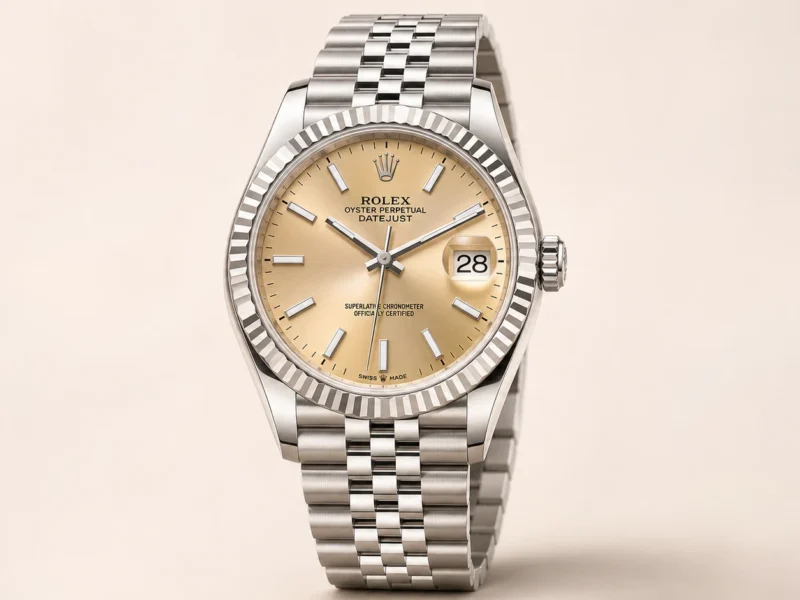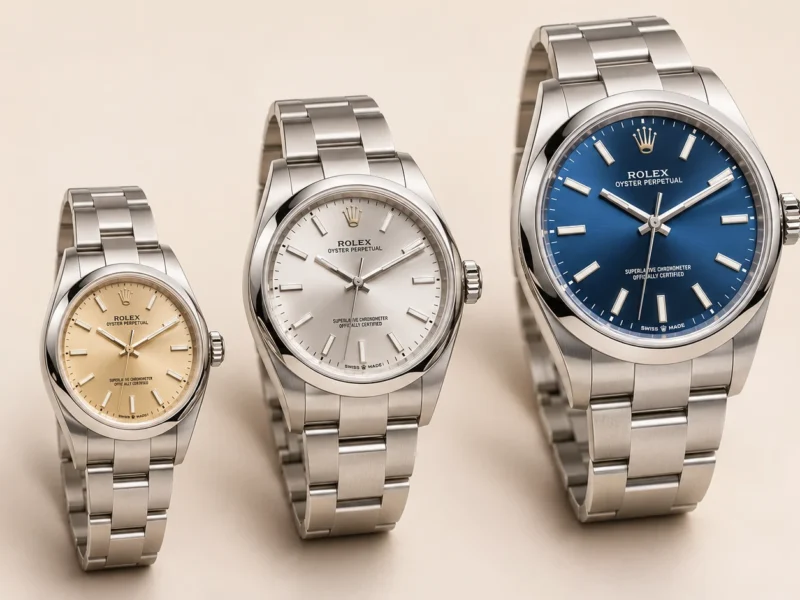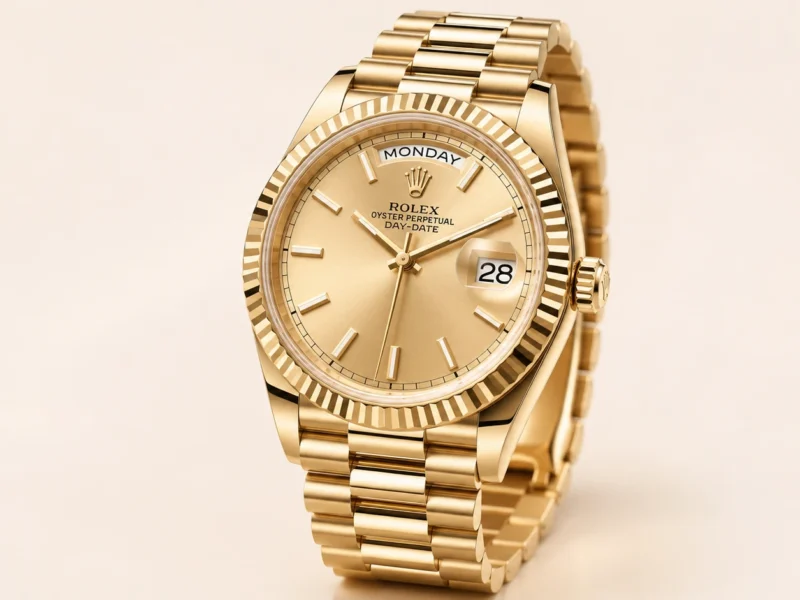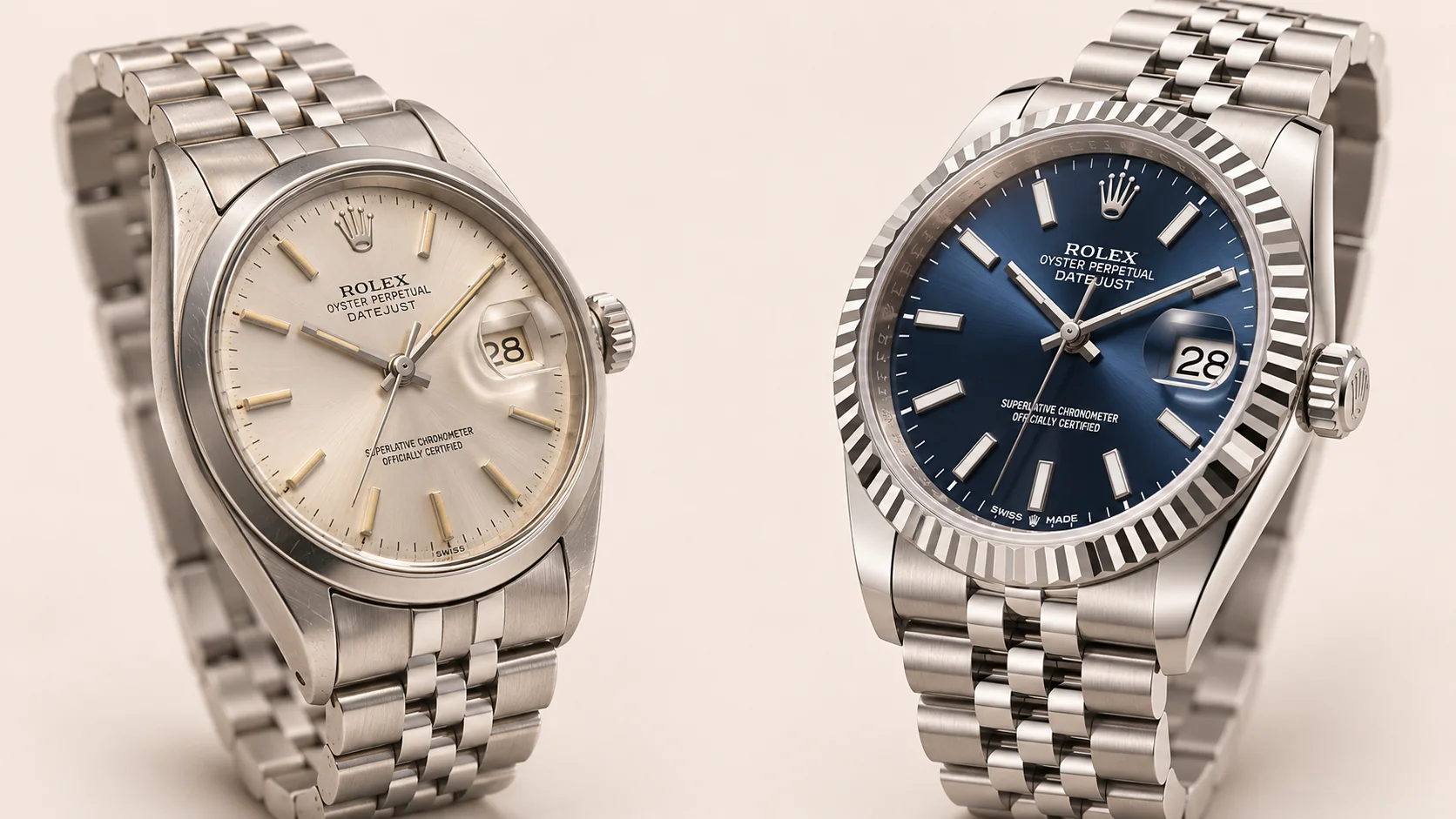
The vintage vs modern Rolex decision often begins with two different feelings.
One watch draws you closer. You notice the dial, the proportions, perhaps the soft character of a bracelet that has accompanied another life. The other feels immediately ready for yours: clear, substantial, and reassuringly familiar when you fasten the clasp.
Both reactions are worth listening to.
Choose a modern Rolex when contemporary construction and a more straightforward ownership experience suit your priorities, particularly when comparing different luxury watches for everyday use.
Consider vintage when a particular older design moves you enough to justify researching its condition, originality, and service options.
Neither choice guarantees a better watch. You are buying an individual example—and the experience of living with it.
Key Takeaways
- Vintage and pre-owned describe different things: a recently produced watch can be pre-owned without being vintage.
- Condition matters more than age alone.
- Originality, mechanical health, and appearance require separate checks.
- A genuine replacement part can affect collector interest without making the watch counterfeit.
- Servicing decisions should be discussed before work begins.
- Choose the watch whose requirements fit your life comfortably.
What Counts as a Vintage Rolex?
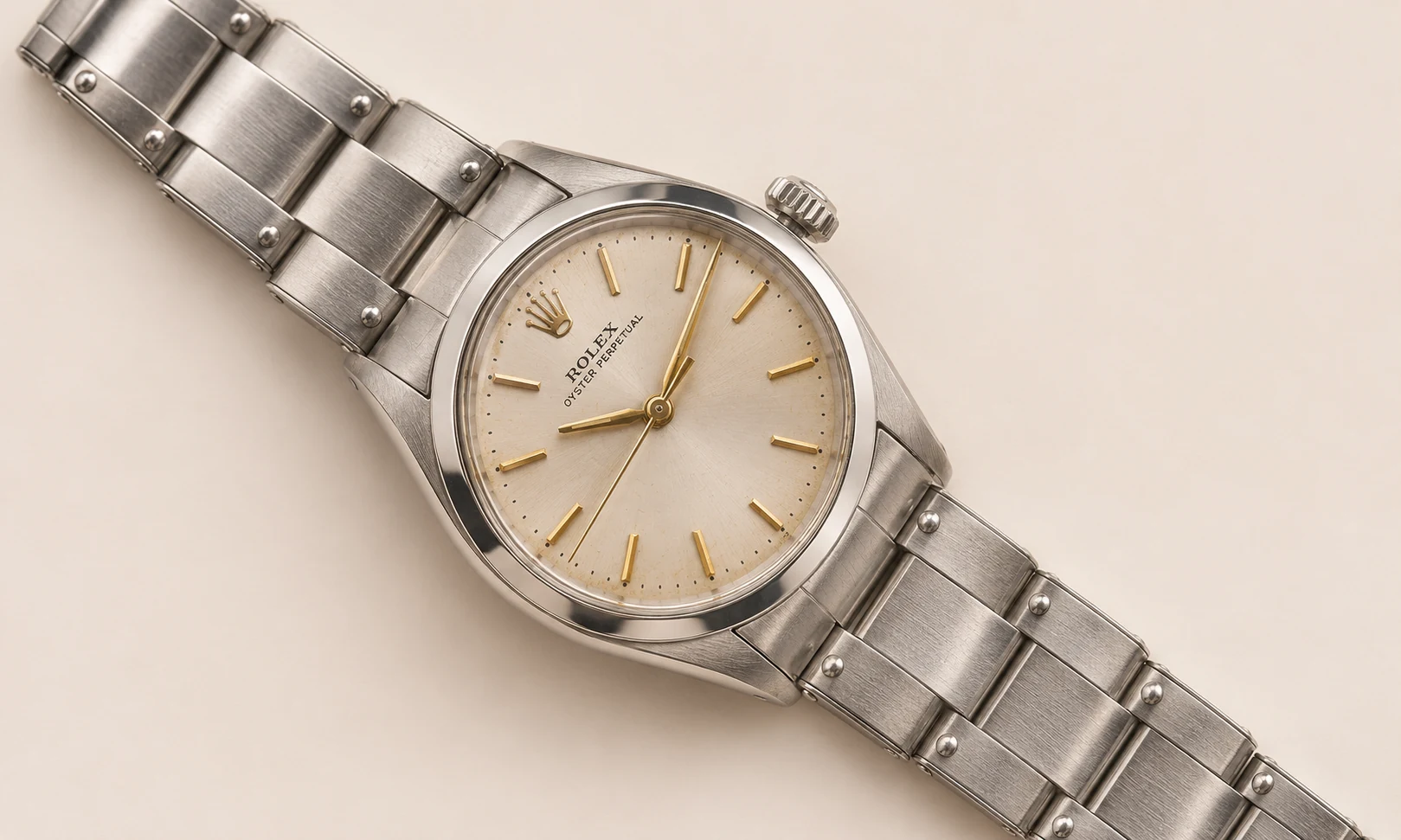
There is no single age threshold universally accepted by dealers, collectors, and auction houses.
The word vintage usually describes watches from an earlier production era, often distinguished by period construction, materials, movements, or design details. Neo-vintage is also used for watches sitting between older vintage references and contemporary production.
These labels provide context. They do not establish condition or quality.
For shopping purposes, ask for the exact reference, approximate production period, and details of the watch’s components. Those facts are more useful than an appealing category name.
Also separate modern from brand-new. A modern Rolex bought pre-owned may offer the design you want without being an older collectible.
Vintage vs Modern Rolex: The Practical Differences
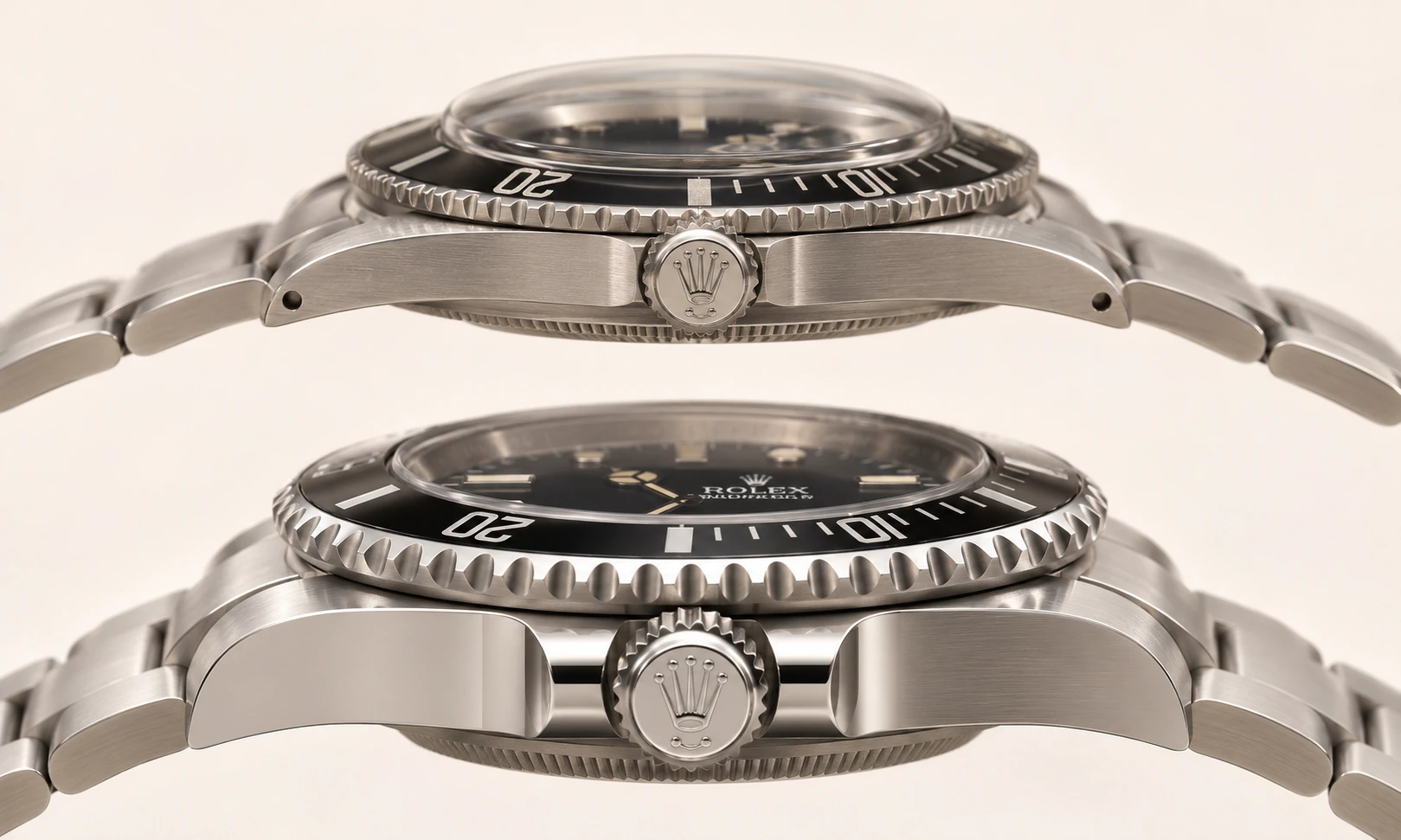
The comparisons below describe common considerations. Individual references and examples can differ substantially.
| Consideration | Vintage Rolex | Modern Rolex |
| Main attraction | Period design and the character of an individual example | Contemporary design and construction |
| Condition assessment | Requires close attention to age, wear, and replacement parts | Still important, particularly when pre-owned |
| Bracelet experience | Can vary considerably with construction and wear | Compare the exact clasp and adjustment system |
| Water exposure | Establish suitability through professional assessment | Follow model instructions and maintain its condition |
| Originality | Often significant to collector interest | Relevant, particularly for altered or repaired examples |
| Servicing | Parts and preservation goals may complicate decisions | Confirm current service arrangements and warranty |
| Buying process | Rewards patient, reference-specific research | Usually easier to compare with current specifications |
| Best reason to choose it | You love that particular older watch | You prefer that particular contemporary watch |
Why Choose a Vintage Rolex?
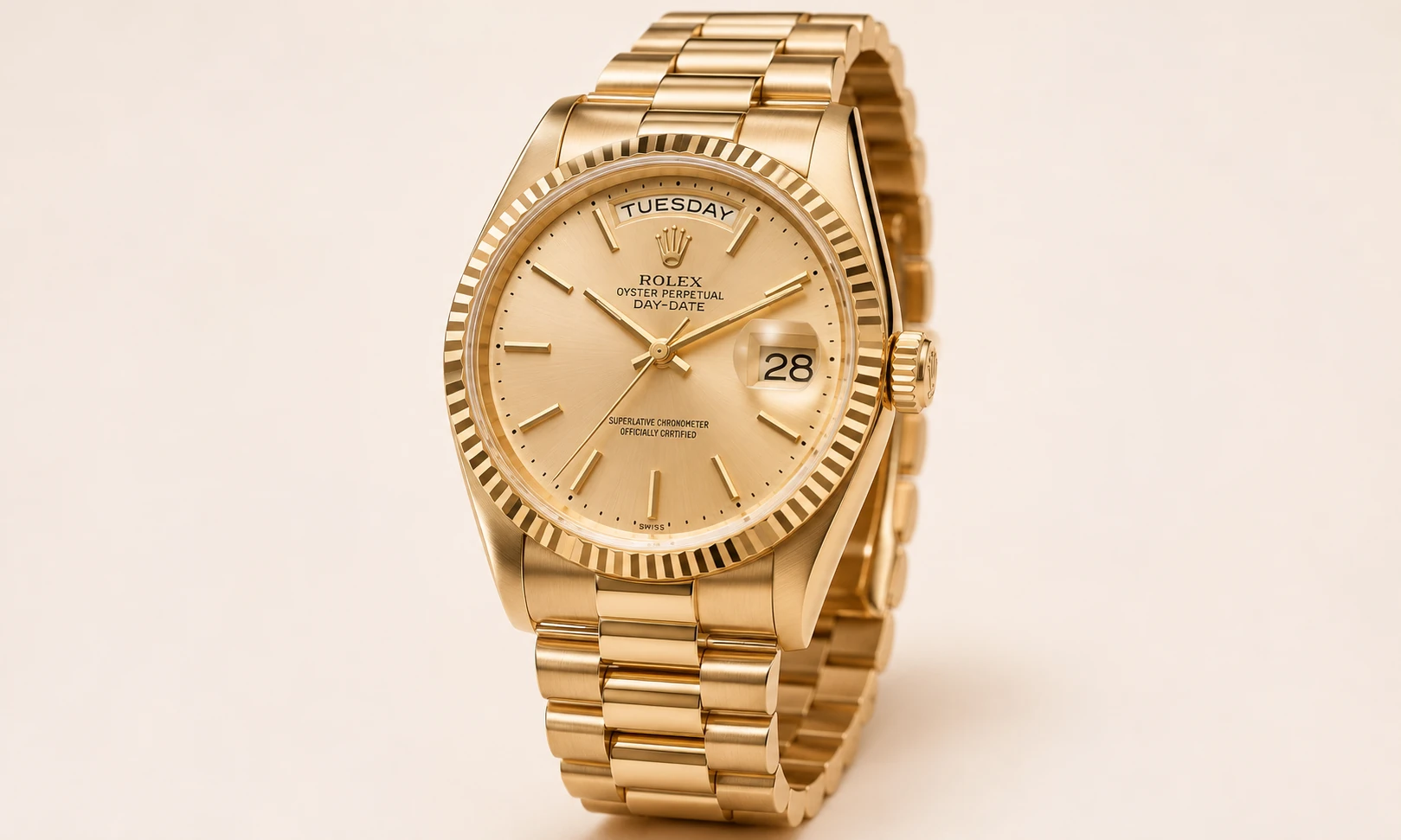
The strongest reason is specific affection.
You might prefer the proportions of an older dial, find its case more comfortable than a newer model, or feel drawn to a particular reference because of the era it represents.
The appeal of heritage designs extends beyond watches, with many luxury accessories brands attracting collectors through distinctive craftsmanship, recognizable designs, and enduring appeal.
Those are good reasons because they belong to the watch itself.
Vintage buying becomes less satisfying when it depends entirely on the promise of rarity or the idea that older objects must have more soul. Age does not turn every watch into a remarkable example.
Give yourself room to admire a vintage Rolex without purchasing it immediately. Understanding why you love it is part of choosing well.
Look Beyond the Photogenic Dial
A beautiful dial can command almost all your attention. The bracelet, case, crown, and movement still need theirs.
Ask whether the dial has been refinished, whether the hands have been replaced, and what is known about the bezel and bracelet. Request clear photographs from several angles.
A seller may describe these details honestly while still using broad terms such as “excellent condition.” Ask what those words mean for that watch.
Why Choose a Modern Rolex?
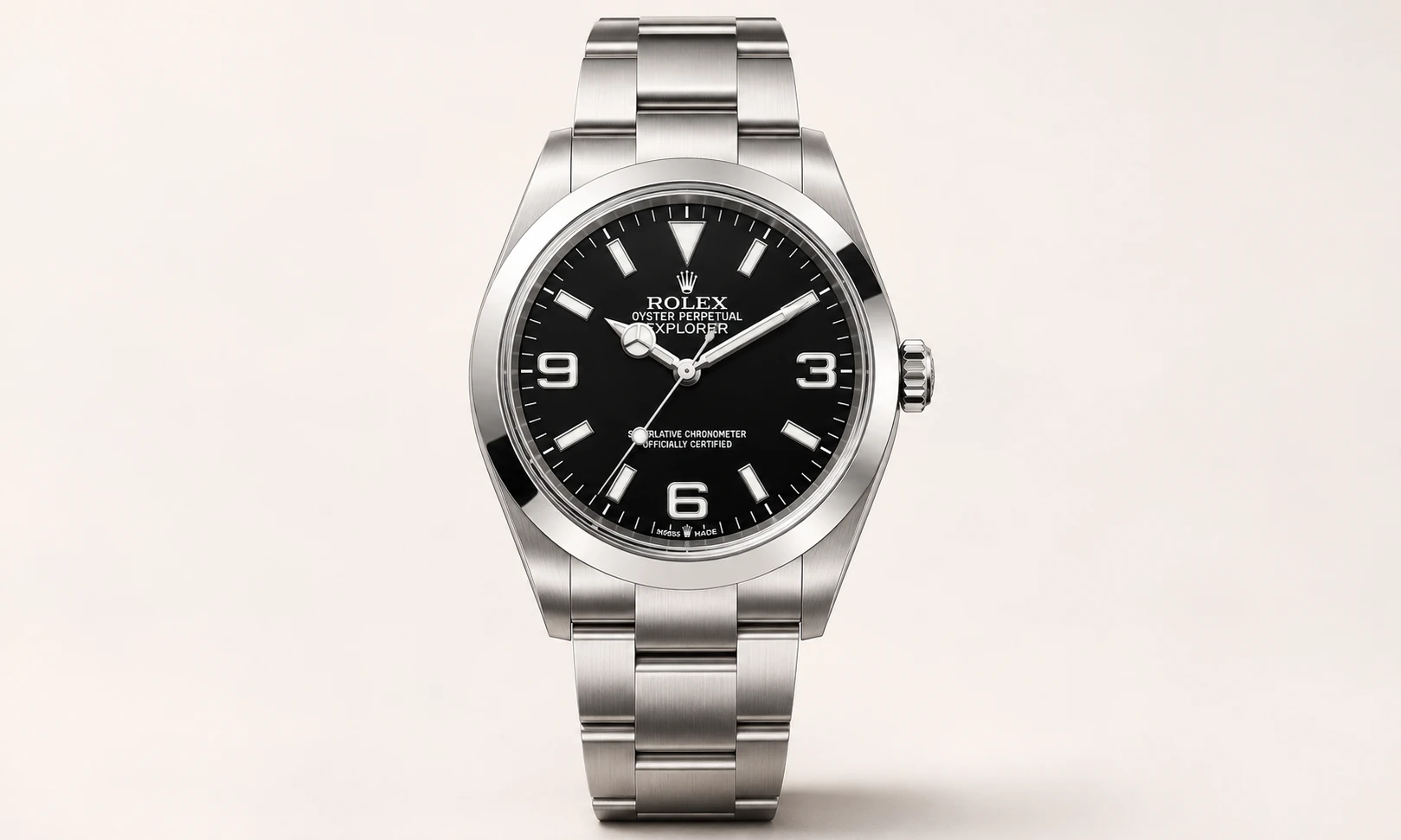
Modern Rolex watches make sense when you prefer their design and want ownership centered more on wearing than researching a historical example.
Rolex is among the most recognizable luxury watch brands, but comparing its design philosophy with other established watchmakers can help clarify which style suits your preferences.
You may appreciate the bracelet arrangement, current movement, dial readability, or the proportions of a particular model. Evaluate those benefits directly.
A modern watch also has a story ahead of it. The first trip, the promotion, the family celebration those memories do not need to have happened already.
There is something lovely about choosing an object and allowing its meaning to develop through your own life.
Pre-Owned Can Still Mean Modern
You do not have to choose between an older collectible and a newly purchased watch.
Rolex’s Certified Pre-Owned programme covers eligible second-hand watches at least two years old, sold through participating official retailers. Programme watches receive a two-year international guarantee from purchase.
That is a distinct programme with specific terms. A dealer’s own “certified” description should not be assumed to mean the same thing.
The Three Questions Every Buyer Should Separate
A watch can look attractive, run well, and contain replacement components. It can also retain desirable period components while needing mechanical work.
Judge these qualities separately.
1. Is It Authentic and Accurately Described?
Establish what the watch is and whether the seller’s description matches it.
That includes the reference, materials, movement, and any known alterations. Boxes and paperwork can provide useful records, but they are not substitutes for competent examination.
2. Is It Mechanically Healthy?
Ask about service history, current running condition, and any known problems.
If the listing says “recently serviced,” request the date, provider, and work completed. A brief adjustment and a full movement overhaul are different jobs.
3. Does It Have the Components You Want?
Collector interest can depend on the particular dial, hands, bezel, case, or bracelet.
A genuine service replacement is different from an aftermarket component. It may be perfectly functional while changing the watch’s appeal to a buyer seeking period originality.
Write these three questions down before shopping. They help prevent one attractive quality from obscuring another important issue.
Is Patina Beautiful or a Reason to Ask More Questions?
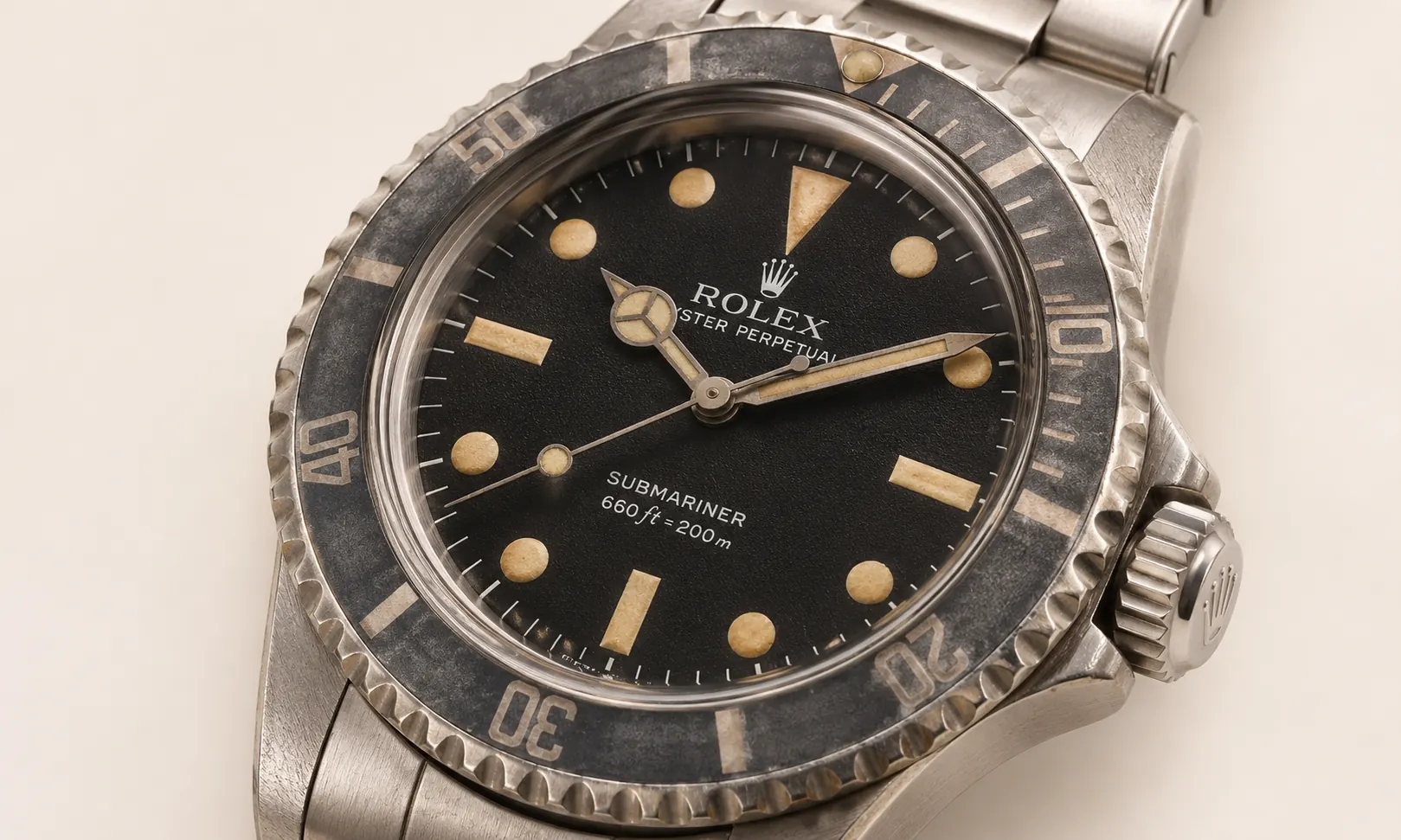
It can be either.
Changes in color may appeal aesthetically, but a photograph cannot reliably establish why they occurred. An attractive appearance does not rule out moisture exposure, restoration, or other condition concerns.
Treat patina as something to investigate.
Ask for a description of the dial and hands, photographs in ordinary lighting, and any relevant inspection findings. Be cautious when a seller’s explanation relies on romance while avoiding condition details.
You can love the appearance and still insist on understanding it.
How Should You Approach Servicing?
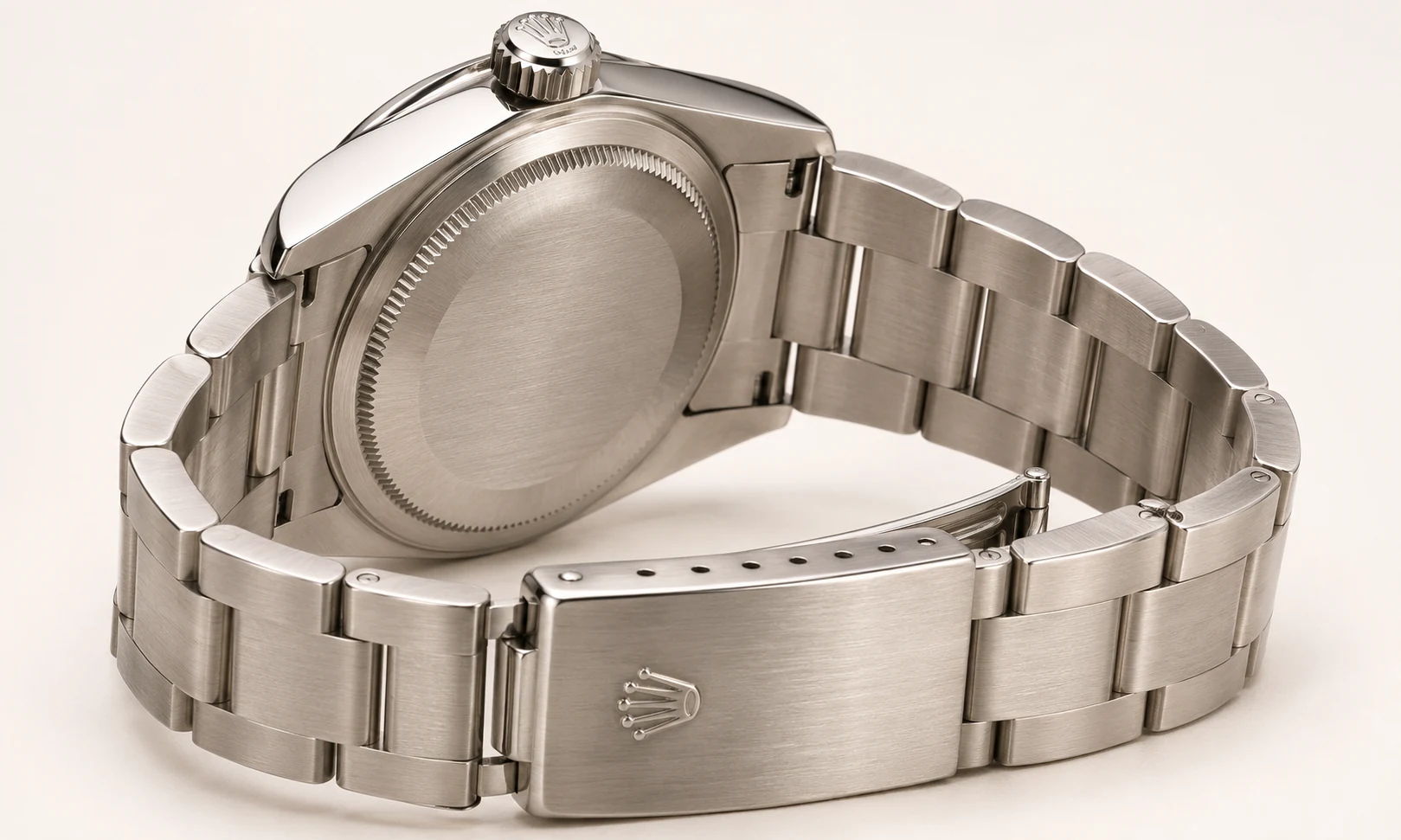
Before authorizing work, explain your priorities.
For a vintage watch, you may want to preserve particular visible components where feasible. A service provider may recommend replacements for functional reasons. Understand the proposal, available options, and any limitations before proceeding.
Ask specifically about the dial, hands, crown, bezel, case finishing, and bracelet.
Rolex’s published servicing information includes case and bracelet refinishing among service considerations. Do not assume your preservation preferences will be understood without discussion.
Put agreed instructions in writing. If replacement components matter to you, ask about the provider’s policy on retaining or returning removed parts.
Can You Wear a Vintage Rolex Every Day?
Some well-maintained vintage watches can serve as regular companions. That does not make every older example suitable for every routine.
Think about water exposure, physical activity, service availability, and how comfortable you feel wearing the watch without constantly monitoring it.
A historical water-resistance rating does not establish the present condition of seals, crowns, or cases. Seek professional guidance before exposing an older watch to water.
The emotional side matters too. If you would spend every outing worrying about a difficult-to-replace component, consider whether you would enjoy it more as an occasional watch.
A Better Decision Exercise: Plan One Ordinary Week
Before buying, imagine the watch moving through a normal week.
Monday: You put it on before work. Is the dial readable, and does it sit comfortably at your desk?
Wednesday: You are busy. Are winding, setting, and care requirements comfortable parts of ownership?
Saturday: Your plans change. Does the watch suit what you are doing, or will you need another option?
Sunday: You notice a new mark. Would you accept it as part of wearing the watch, or feel deeply upset?
This exercise does not declare a winner. It reveals whether your interest in the watch and your preferred ownership experience agree.
Compare the Cost of Being Ready to Wear
Purchase price is only the beginning of the comparison.
Consider a hypothetical vintage watch priced at $6,500 that needs $1,000 of documented work and $300 in bracelet-related costs. Its immediate total becomes $7,800.
A second watch priced at $7,500 with the required work already completed could cost less to prepare for use.
These are illustrative figures, not market estimates. Obtain actual quotations and assess whether proposed work affects the features you value.
Do not assume that a cheaper watch is a better purchase—or that recent servicing makes two examples equivalent.
Your Buying Checklist
- Confirm the exact reference and production-period information.
- Request clear case, dial, bracelet, and movement documentation.
- Ask about replacement, refinished, and aftermarket components.
- Establish service history and current mechanical condition.
- Check bracelet length, wear, and available links.
- Discuss water exposure with a qualified professional.
- Read warranty and return terms carefully.
- Obtain likely repair or service costs before committing.
- Compare the actual watches rather than their labels.
Frequently Asked Questions
Is vintage Rolex better than modern Rolex?
Neither category is universally better. Vintage may offer the design you love; modern may suit your practical preferences more closely.
Are vintage Rolex watches cheaper?
Sometimes, but rarity, condition, configuration, and collector demand can make vintage examples expensive. Compare individual watches.
Does a replacement dial make a Rolex fake?
Not automatically. A genuine service dial differs from an aftermarket or counterfeit dial. Accurate disclosure is essential.
Should you avoid a polished Rolex?
Assess the quality and extent of refinishing, along with your priorities. An unpolished description alone does not establish superior condition.
Are vintage watches good gifts?
They can be, particularly when the recipient enjoys older watches. Consider fit, care requirements, and exchange arrangements before buying.
Does vintage guarantee future value?
No. Future prices are uncertain. Buy a watch you can afford and enjoy without depending on appreciation.
Choose the Watch You Can Enjoy Freely
A vintage Rolex may win you over through a detail you cannot find in a newer reference. A modern one may feel immediately right, ready to accompany you without further debate.
This personal approach reflects the changing meaning of modern luxury, where individual taste, craftsmanship, and everyday experiences matter as much as brand recognition.
Both are wonderful outcomes when the purchase is informed.
Take your time, ask precise questions, and listen to your own preferences. The watch should give you pleasure when it is on your wrist—not only when you explain why you bought it.