Every ranking of fashion houses starts with the same argument: do you measure money, fame, or influence? Money is easy. Fame is noise. Influence is the real question, because influence is what puts an idea from one atelier into a billion wardrobes.
Here is our verdict up front: the most influential fashion house of all time is Chanel, followed by Dior and Louis Vuitton. Chanel invented the modern woman’s wardrobe, Dior reinvented glamour itself, and Vuitton wrote the business playbook every luxury house now runs. Below, the full 25, ranked by one test: how much of what the world wears today exists because this house did it first.
One more thing before the list. Influence is not the same as current quality or current hype, and this is not a shopping ranking. For that, see our ranking of the world’s best luxury handbag brands. This list measures history bending. Now, the houses.
The Architects of Modern Dress
These six did not follow fashion. They built the machinery fashion runs on.
1. Chanel
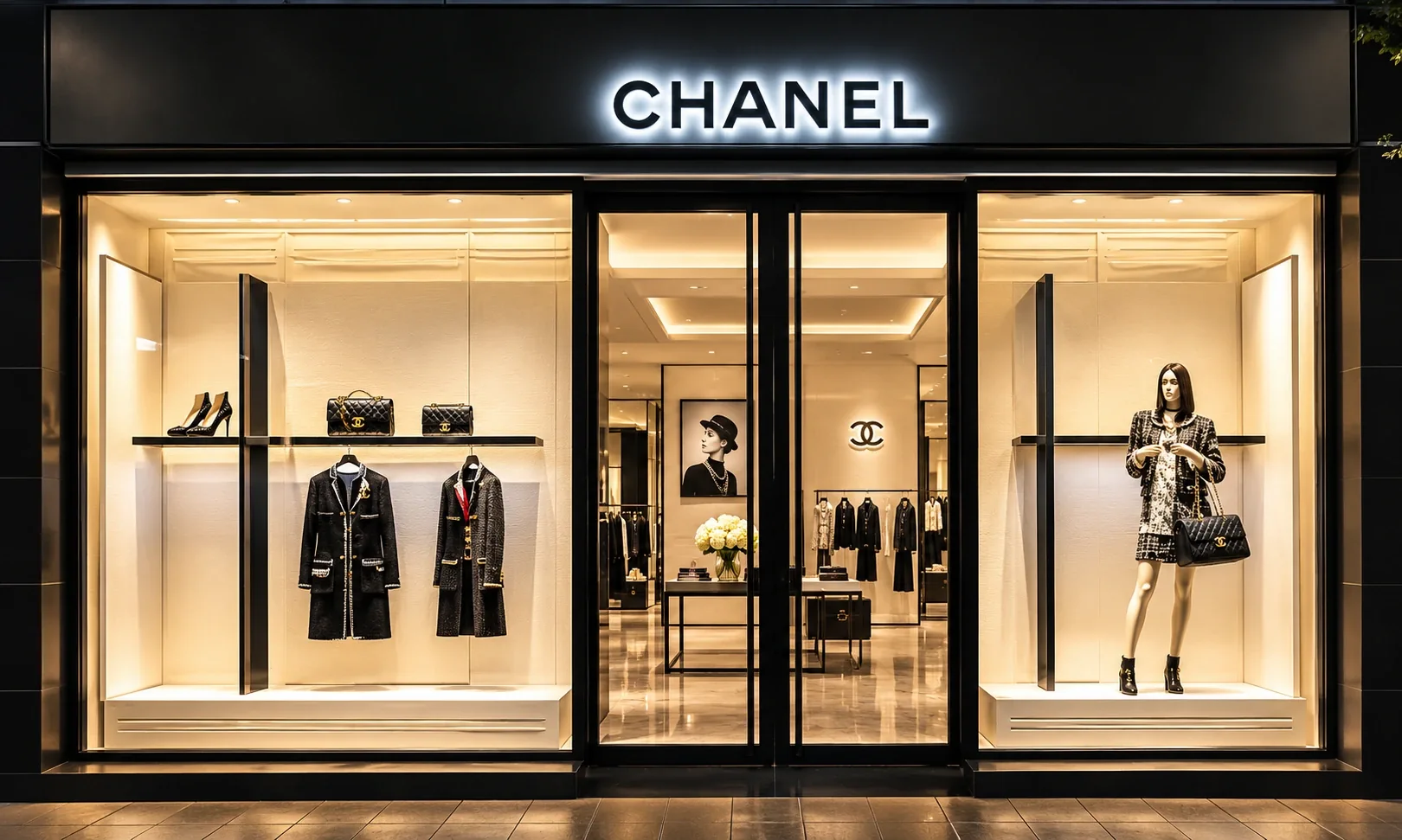
Founded 1910. Gabrielle Chanel took women out of corsets, gave them jersey, the little black dress, the tweed suit, and the first designer perfume. No house has ever put more permanent ideas into more closets. The full drama is in the Chanel story, and Matthieu Blazy’s celebrated 2025 debut proved the machine still runs.
2. Dior
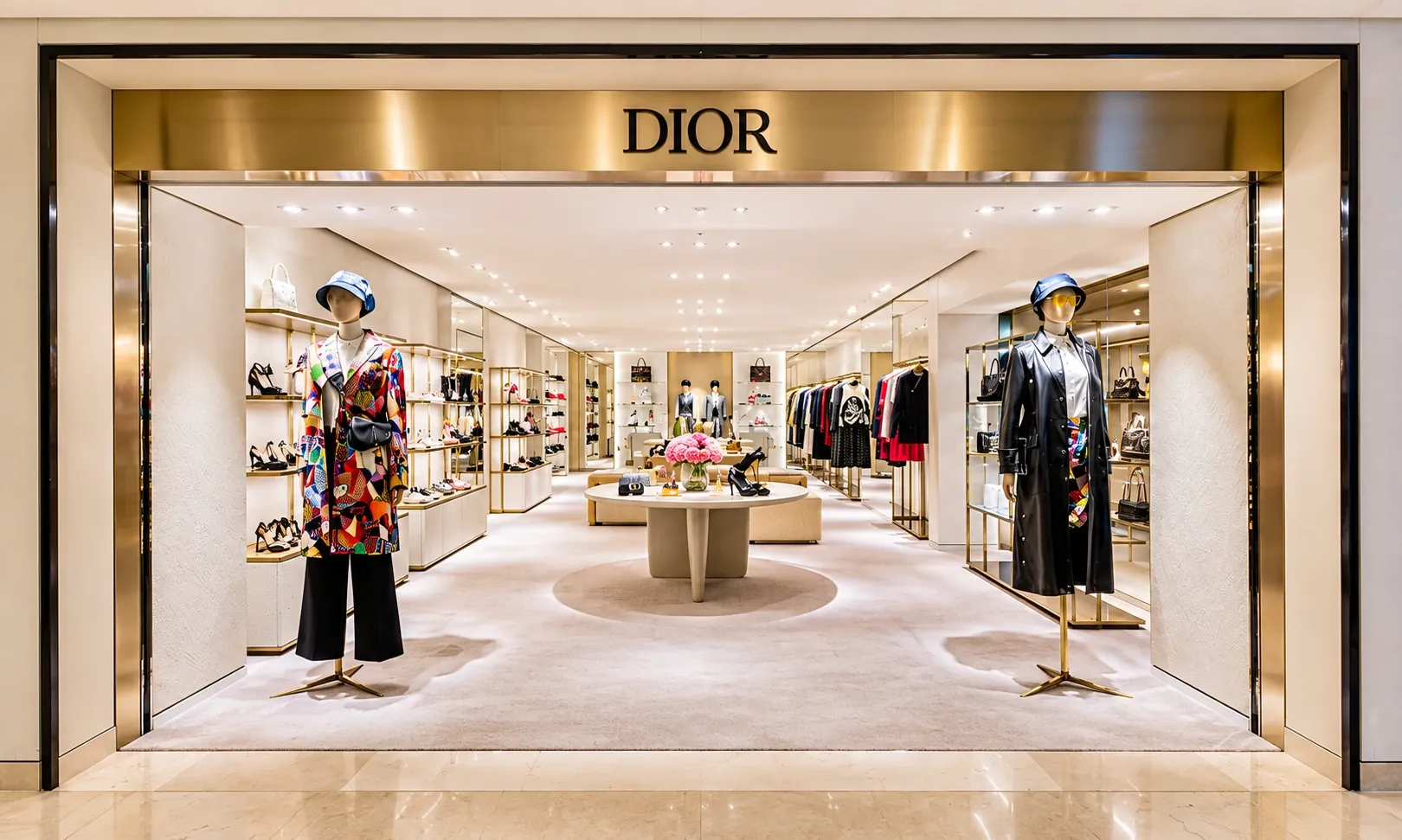
Founded 1946. Christian Dior’s New Look revived Paris couture from the ashes of a war and reset the female silhouette overnight. Today Jonathan Anderson runs the house, and Dior remains the template for how a couture name becomes a global empire without losing its spell.
3. Louis Vuitton
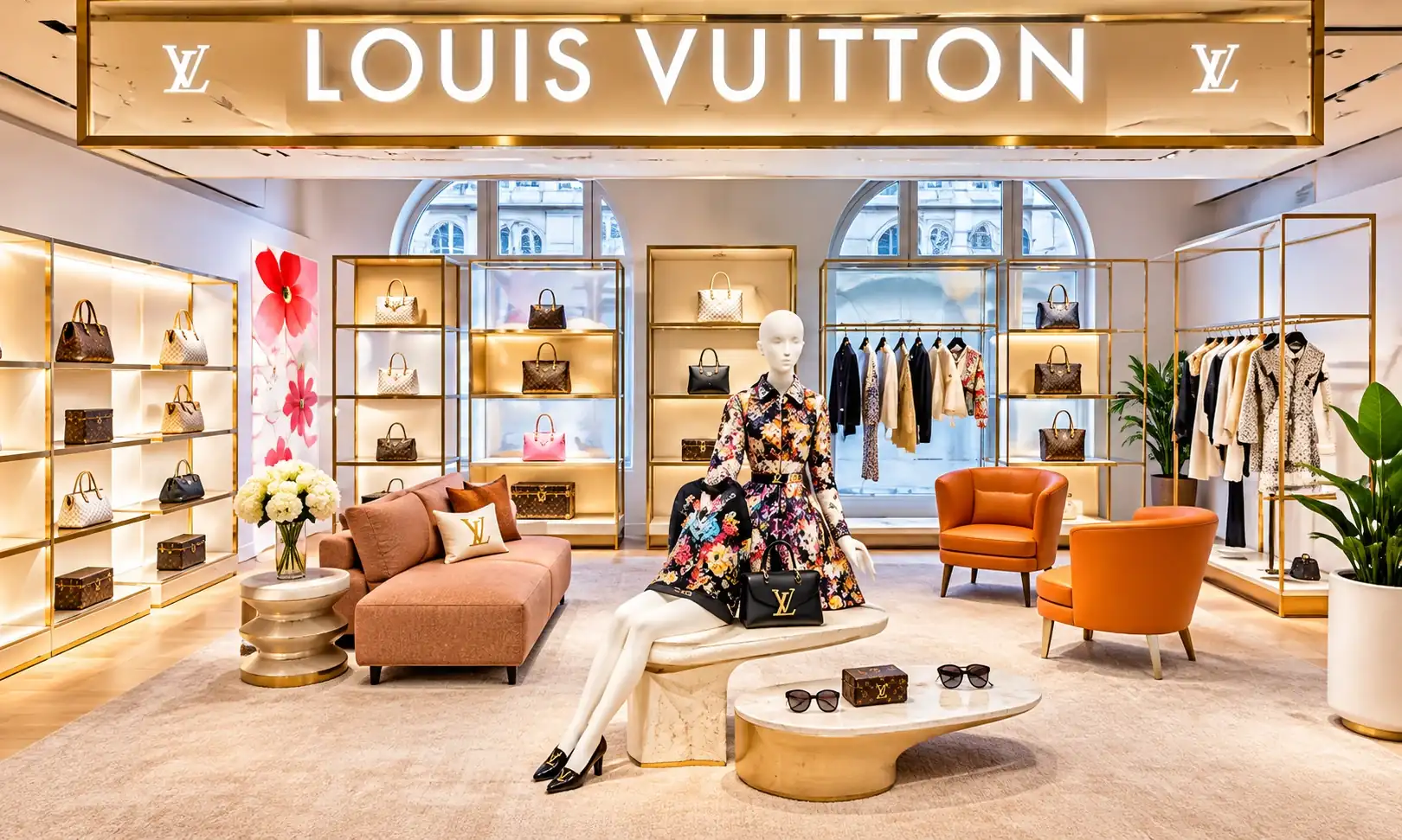
Founded 1854. Vuitton solved travel, then invented the luxury business model itself: logo as language, collaboration as culture, scale without discount. Nicolas Ghesquière and Pharrell Williams now steer a house that is, frankly, the industry’s operating system. We told it all in the Louis Vuitton story.
4. Gucci
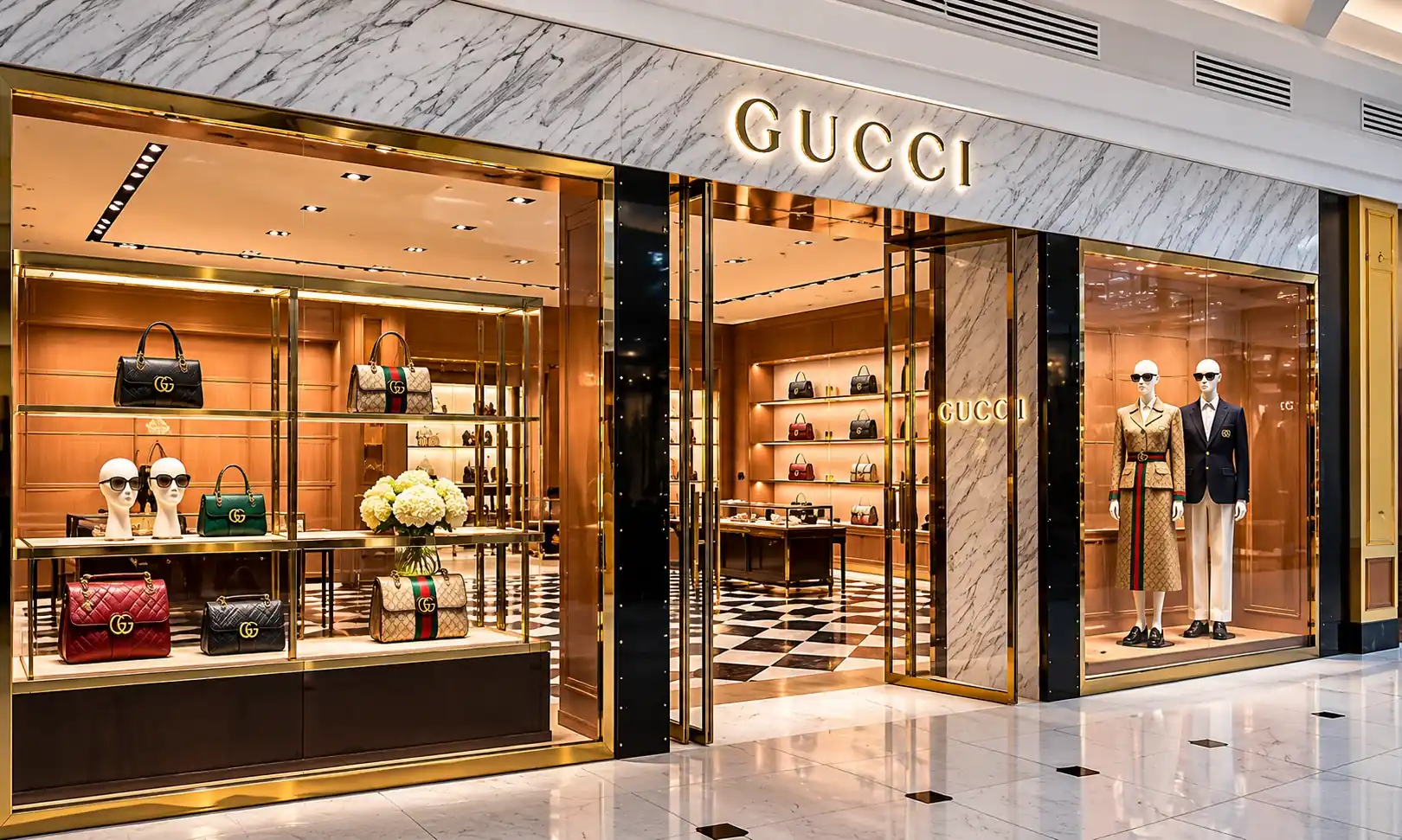
Founded 1921. The bamboo bag, the loafer, the Flora print, and two of the great reinventions in fashion history, first under Tom Ford’s sex and then Alessandro Michele’s maximalism. Demna now holds the pen. Gucci’s gift is proving that a century-old house can set the decade’s taste twice.
5. Hermès
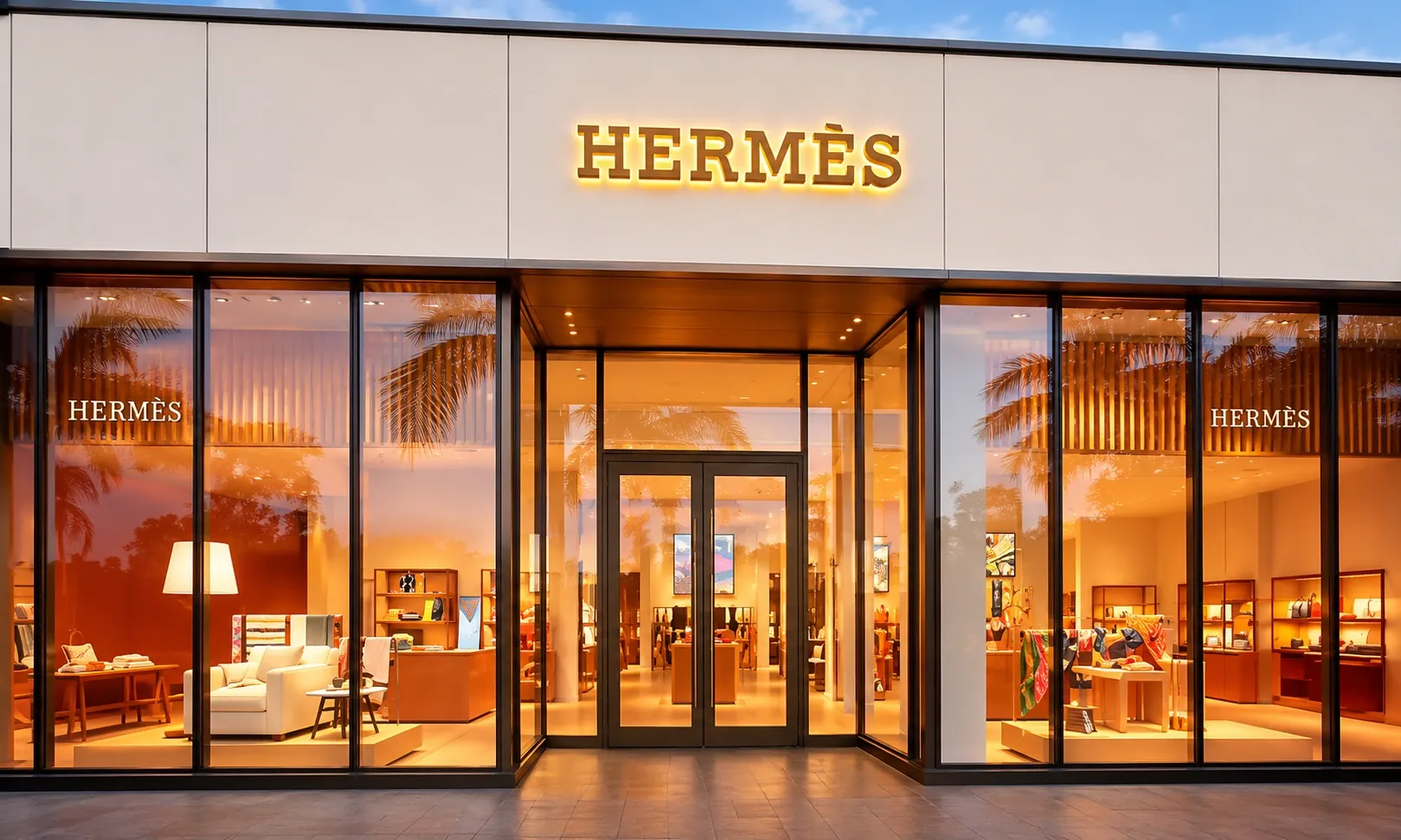
Founded 1837. The quiet giant. Hermès built its influence on craft so uncompromising that the rest of the industry measures itself against it, and its Birkin became the only bag that behaves like an asset. Read how the saddle makers did it in the Hermès story.
6. Prada
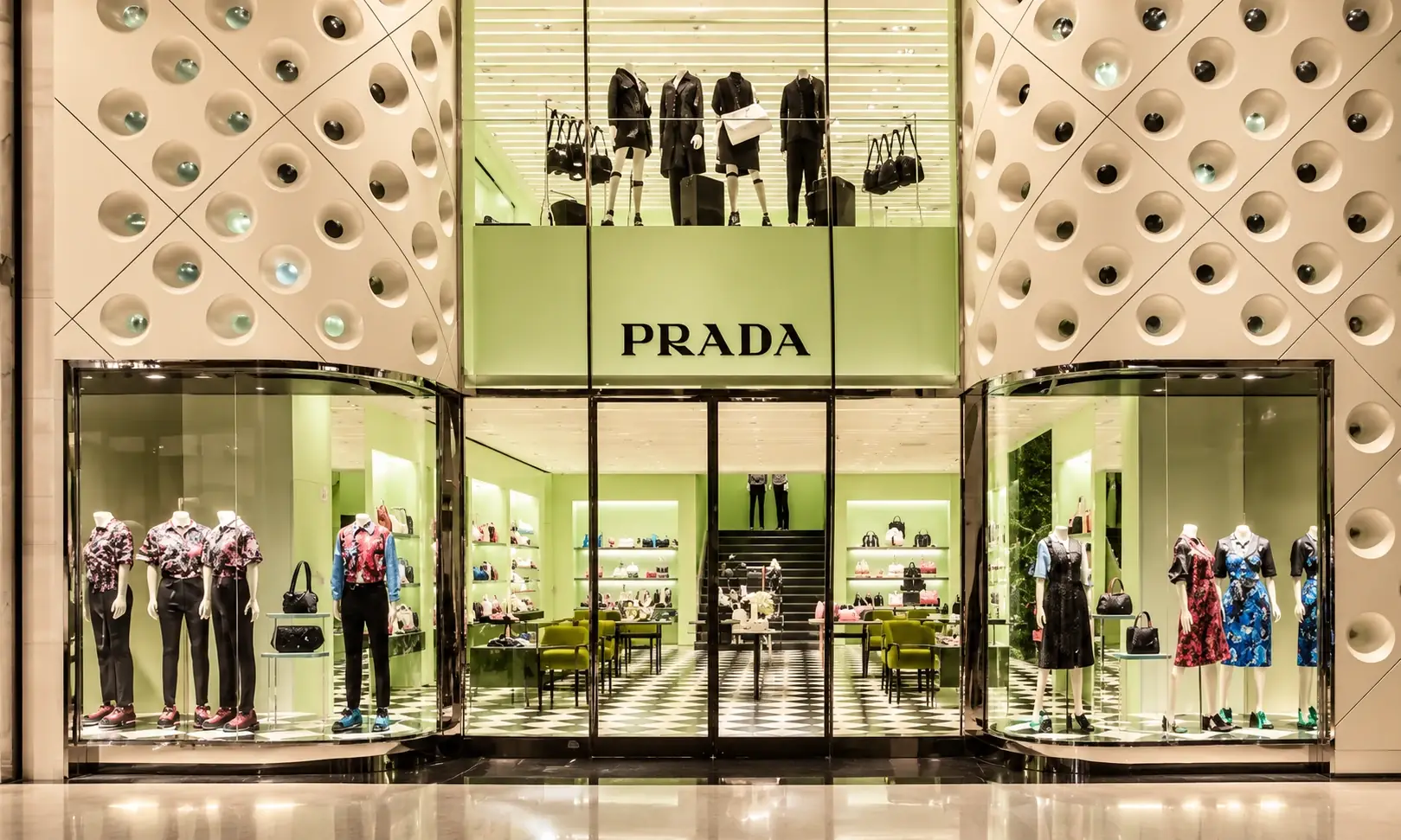
Founded 1913. Miuccia Prada taught fashion to think. Nylon as luxury, ugly as beautiful, intellect as style. With Raf Simons as co-creative director, Prada remains the house every serious designer quietly studies.
The Glamour Engineers
Seven houses that defined what elegance looks like on a body, a screen, and a red carpet.
7. Saint Laurent
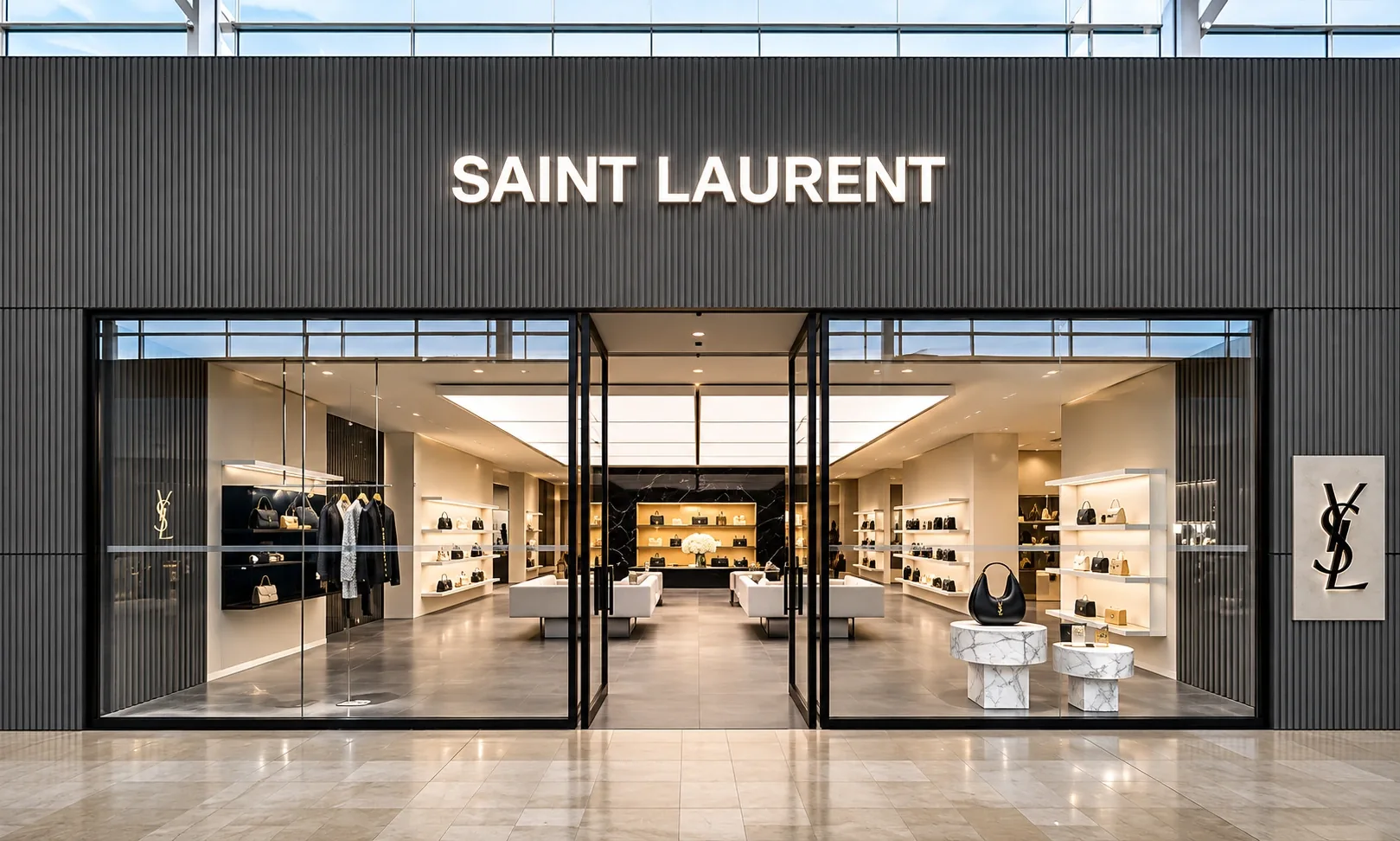
Founded 1961. Yves Saint Laurent put women in Le Smoking tuxedo and invented luxury ready-to-wear with Rive Gauche. The house is between creative directors in 2026 after Anthony Vaccarello’s decade, which tells you how big the chair is.
8. Balenciaga
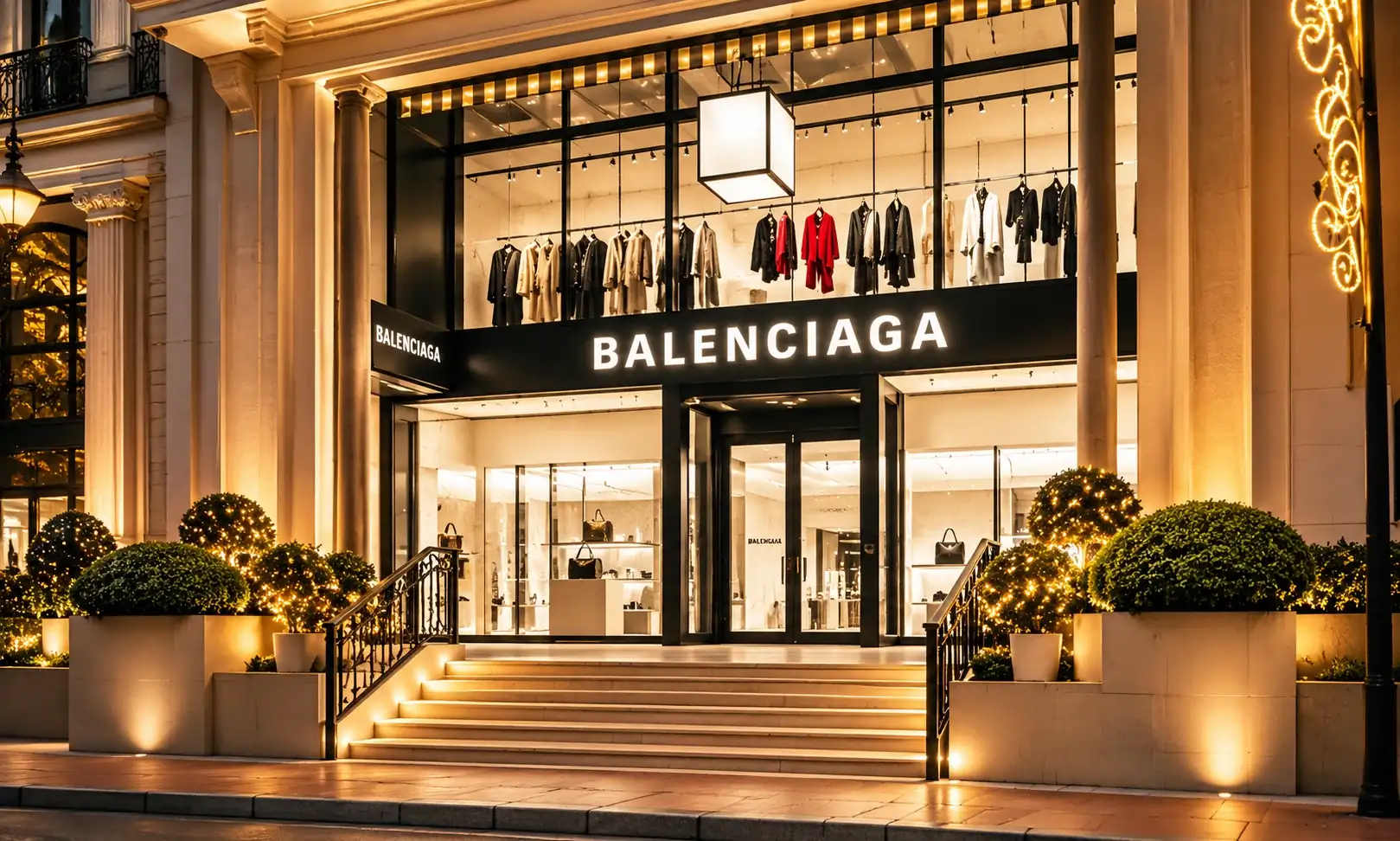
Founded 1919. Cristóbal Balenciaga was the couturier’s couturier; even Dior called him the master. The modern house then detonated streetwear luxury under Demna. Pierpaolo Piccioli now writes the next chapter.
9. Armani
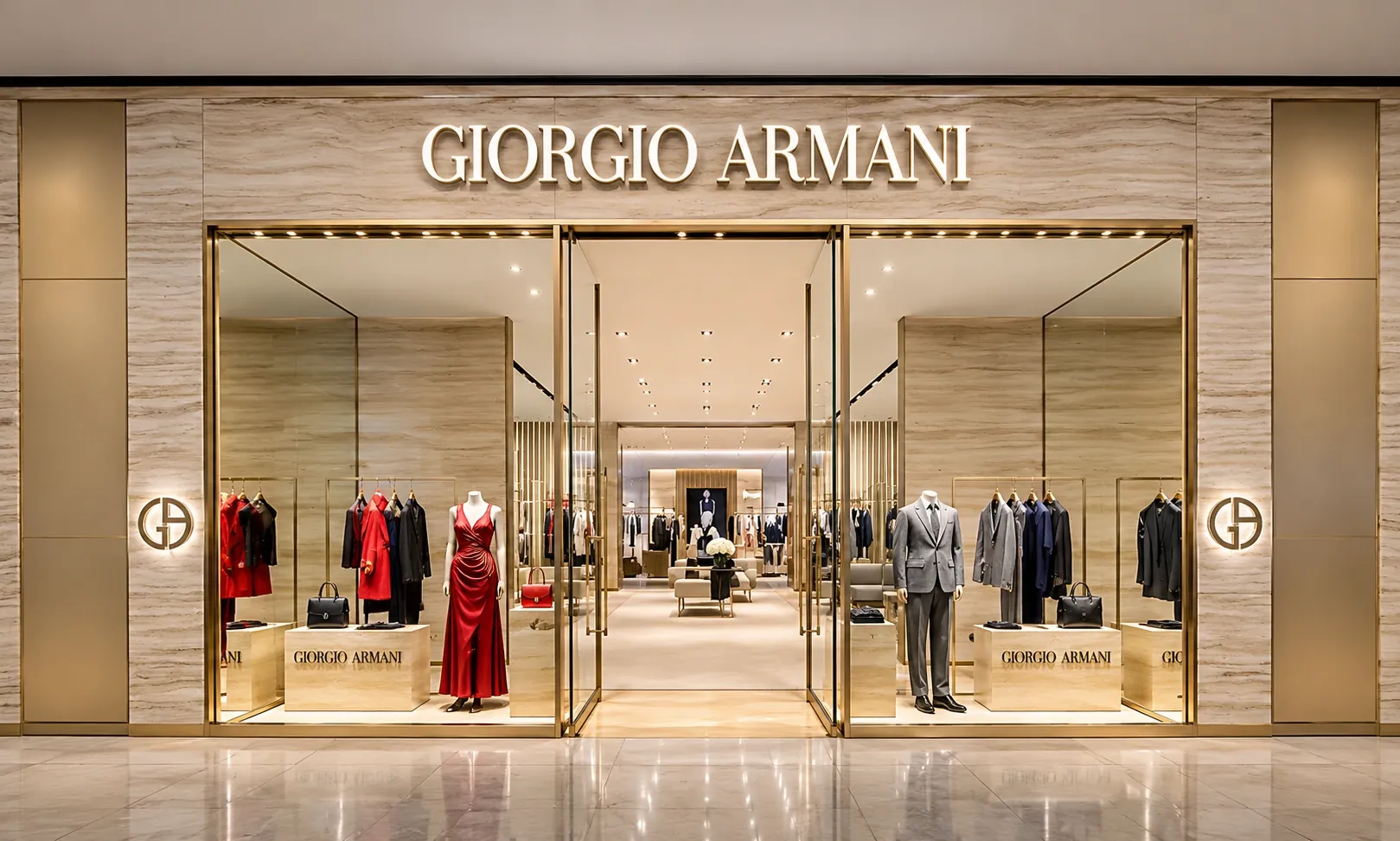
Founded 1975. Giorgio Armani softened the suit and dressed the entire era of power, from boardrooms to Hollywood. Since his death in September 2025, the house continues under his niece Silvana and longtime partner Leo Dell’Orco, guarding the most consistent aesthetic ever built.
10. Versace
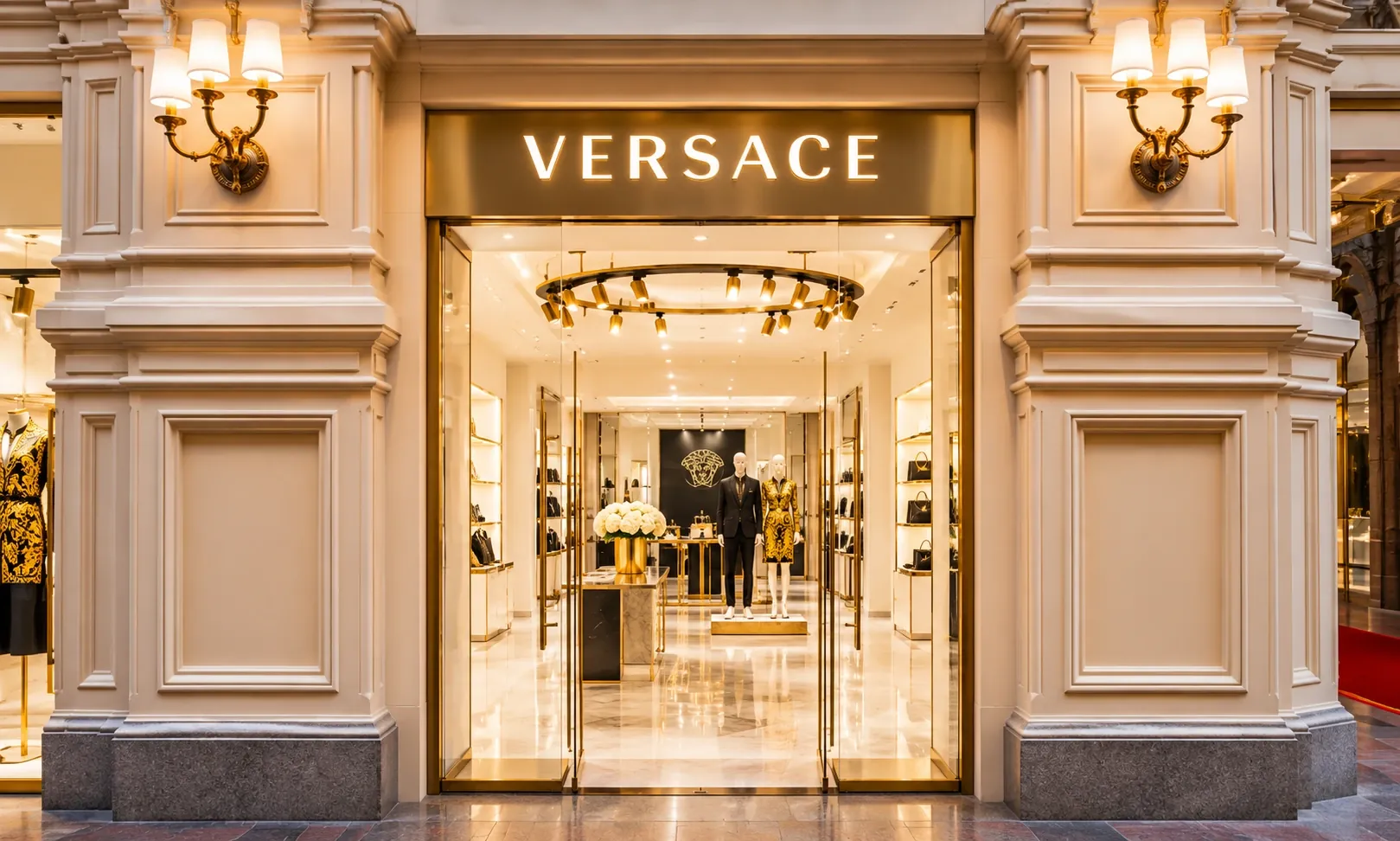
Founded 1978. Gianni and Donatella Versace invented the supermodel era, the safety pin dress, and glamour at full volume. Now under Prada Group ownership, with Pieter Mulier arriving as creative director in July 2026, Versace is fashion’s most watched rebuild.
11. Givenchy
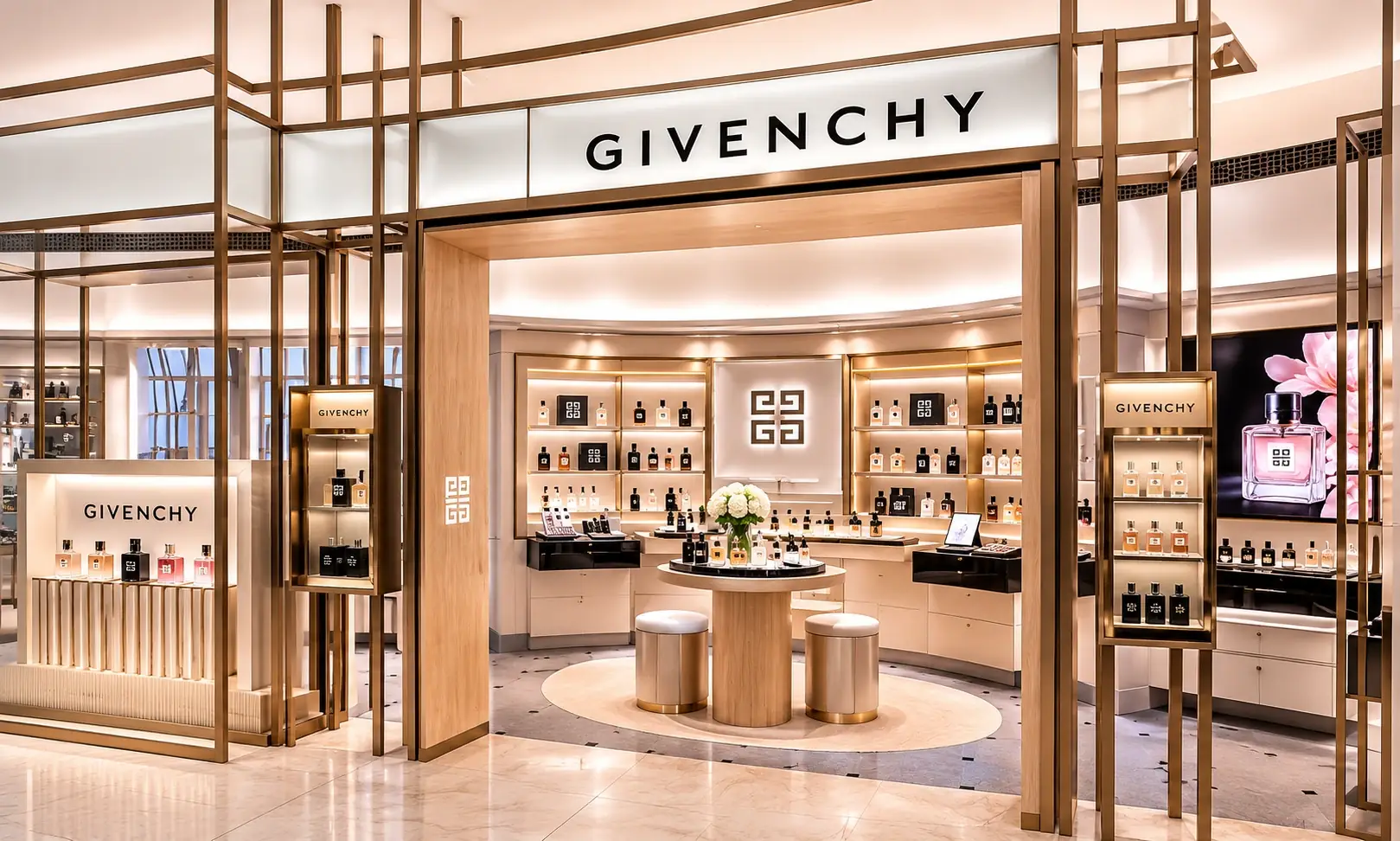
Founded 1952. Hubert de Givenchy dressed Audrey Hepburn and defined a certain quiet perfection. Sarah Burton now leads the house, and the partnership of couture restraint with modern edge continues.
12. Valentino
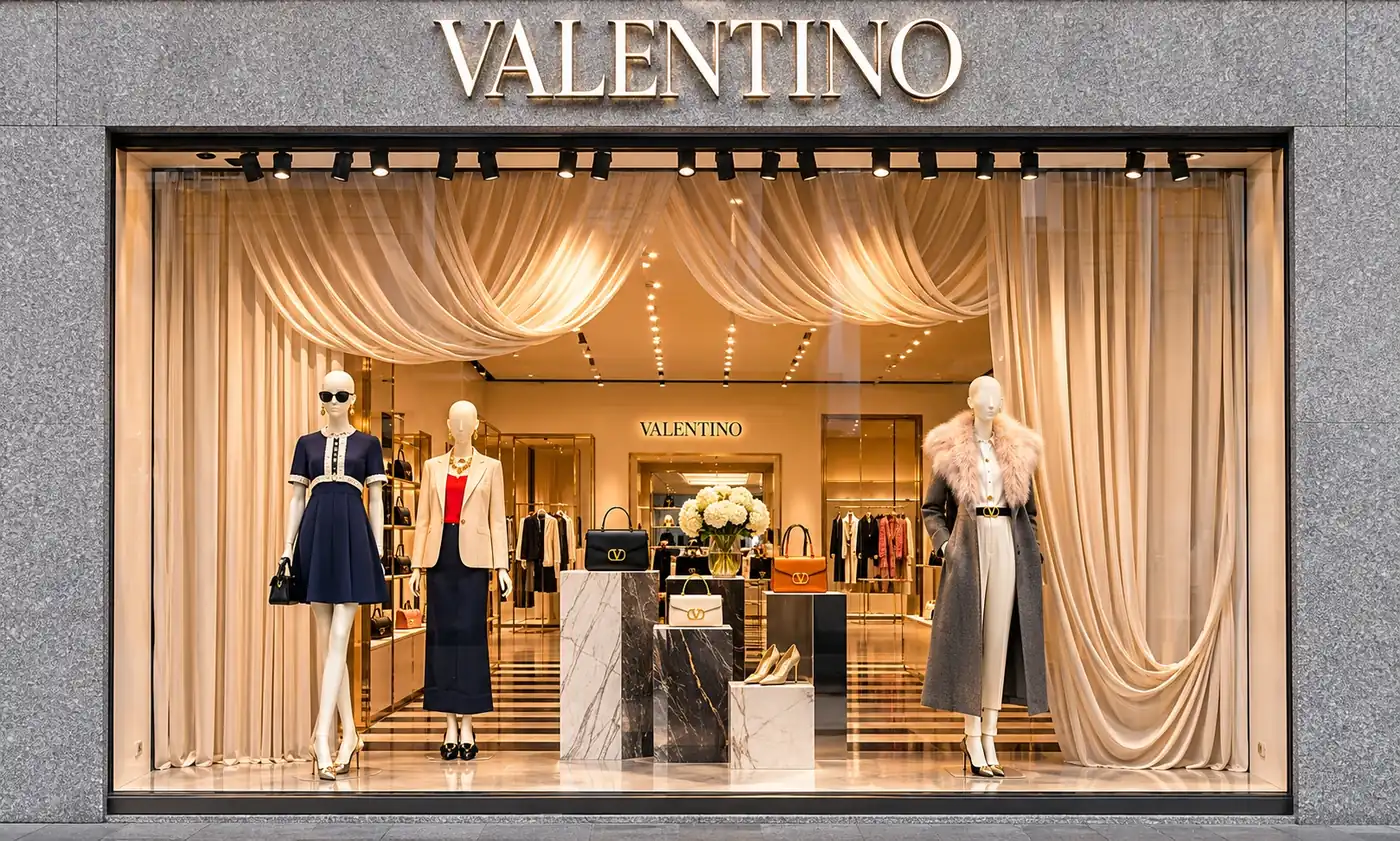
Founded 1960. Valentino Garavani made a single shade of red into a global signature and dressed more first ladies and royalty than anyone. Alessandro Michele now brings his maximalist eye to couture’s most romantic house.
13. Burberry
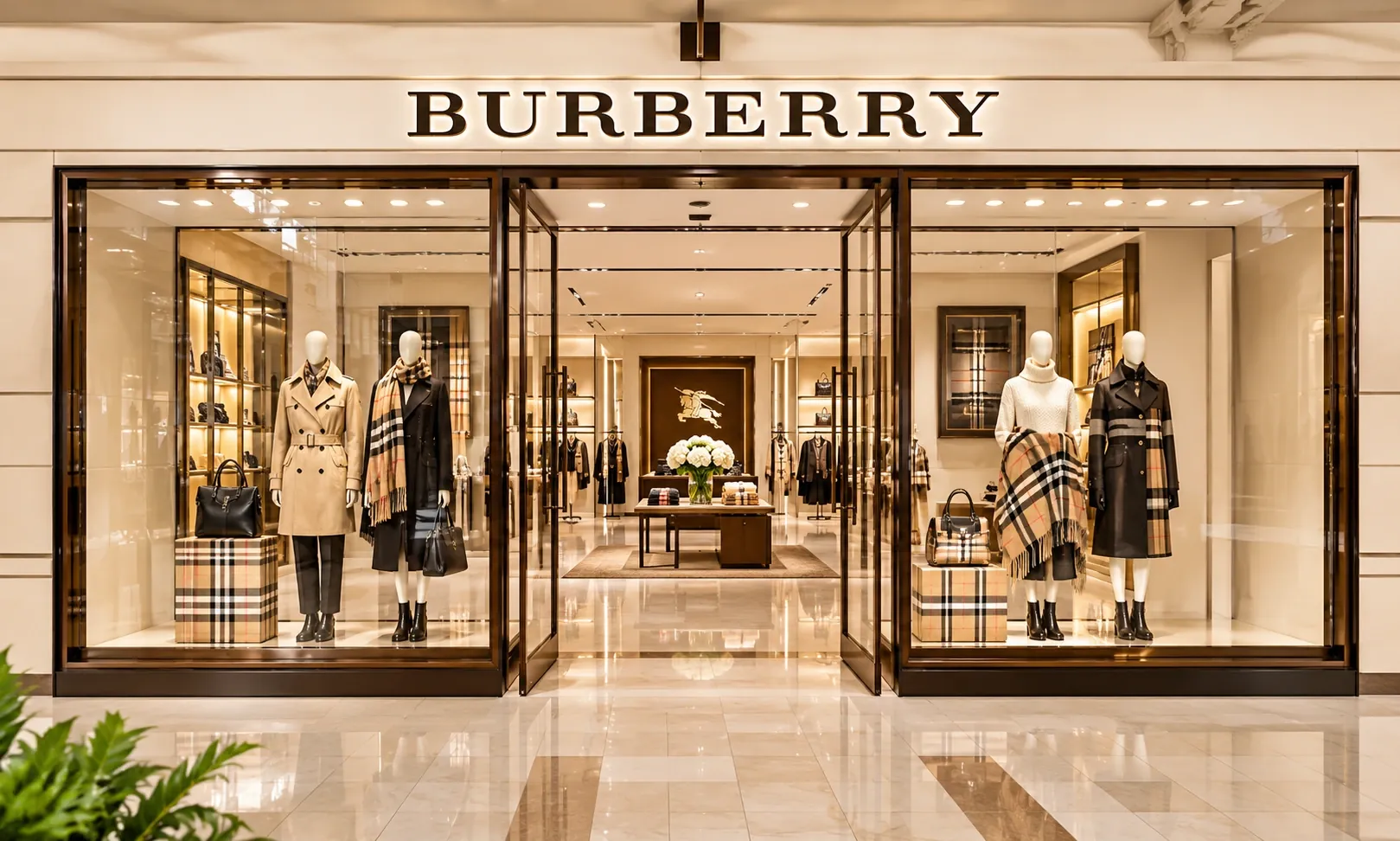
Founded 1856. Thomas Burberry invented gabardine, clothed explorers from pole to pole, and turned a trench coat into a century-long icon. Under Daniel Lee, the check keeps finding new generations.
The Cultural Detonators
Six houses whose influence runs through street style, music, and the way fashion talks about itself.
14. Fendi
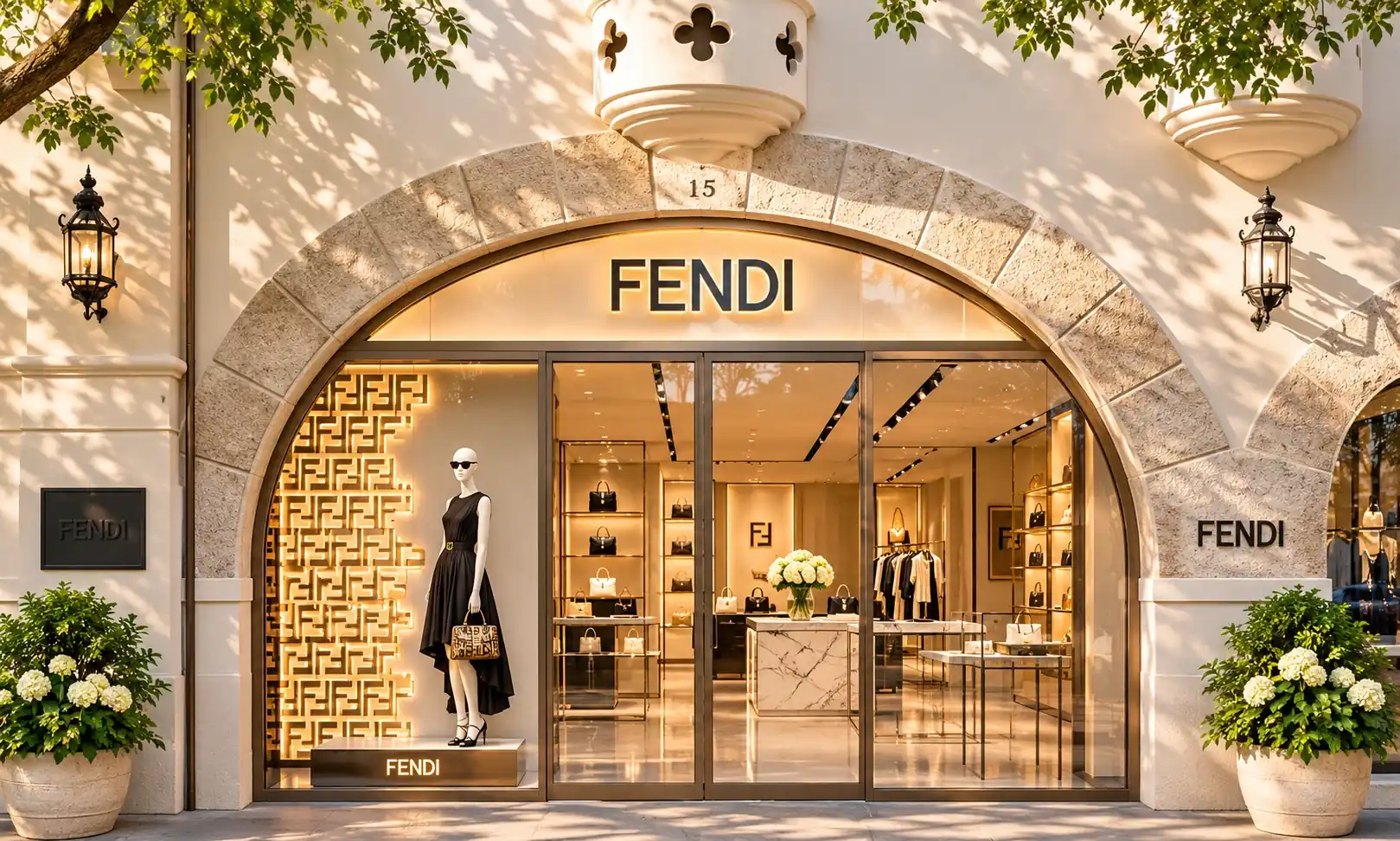
Founded 1925. The Roman fur house that gave us the Baguette, fashion’s first true It bag, and 54 years of Karl Lagerfeld. Maria Grazia Chiuri took over in 2025, returning to the city she knows best.
15. Alexander McQueen
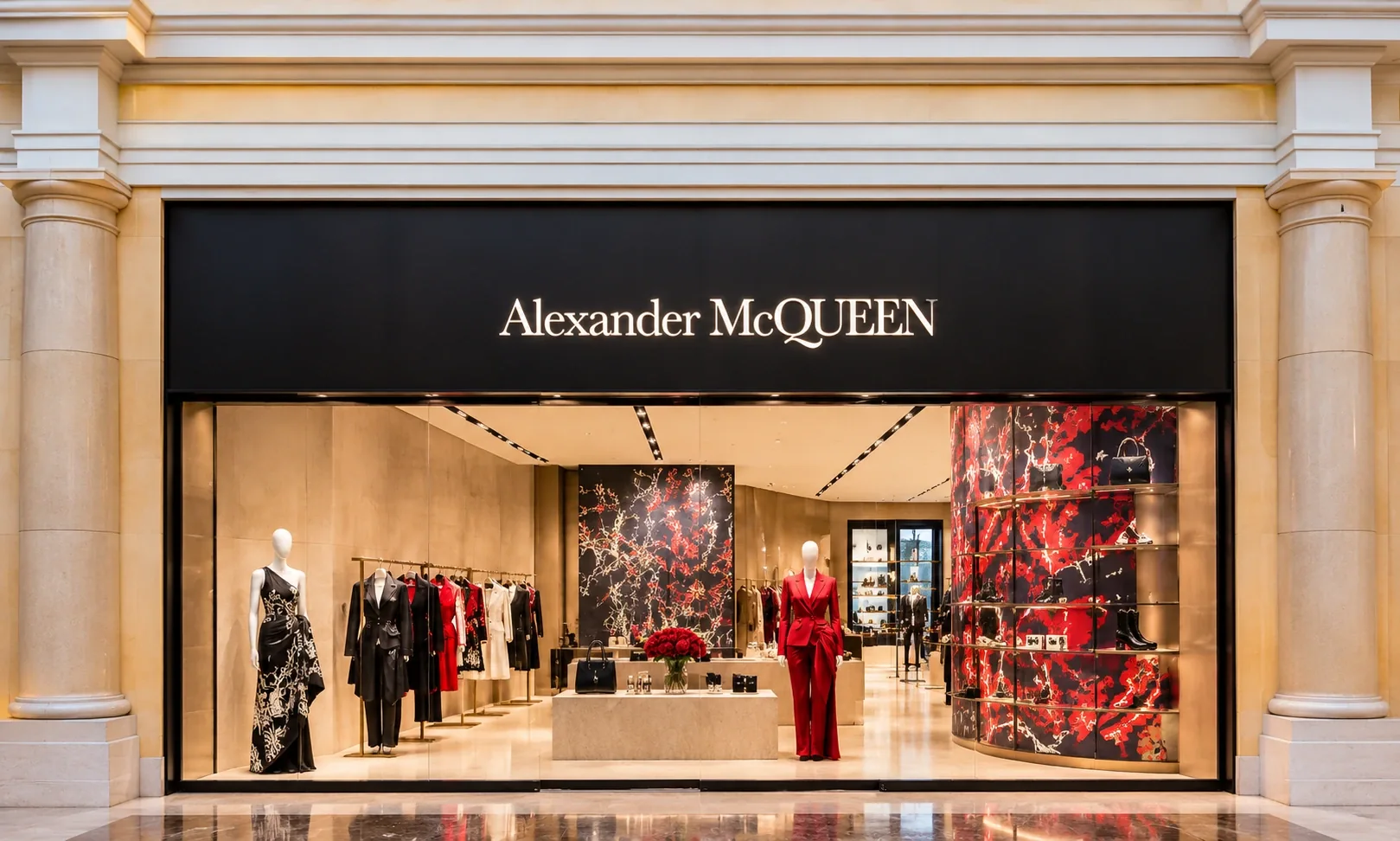
Founded 1992. Lee McQueen turned runway into theater and tailoring into provocation; Sarah Burton carried it beautifully for 13 years. The house is between directors in 2026, with its next debut set for London.
16. Ralph Lauren
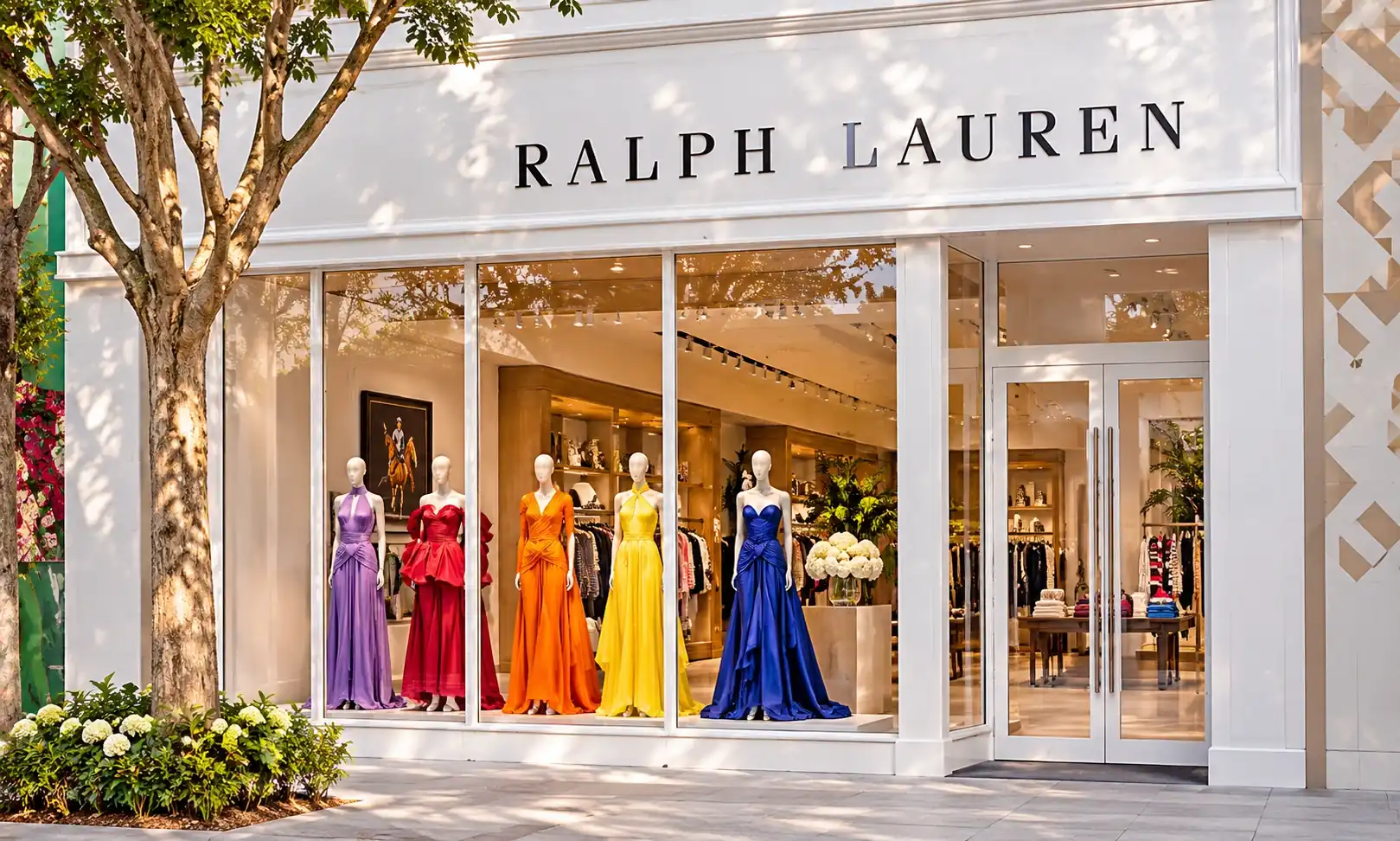
Founded 1967. The man who sold America its own dream: polo fields, Navajo rugs, Madison Avenue. No designer has ever built a more complete world, and he still runs it himself.
17. Calvin Klein
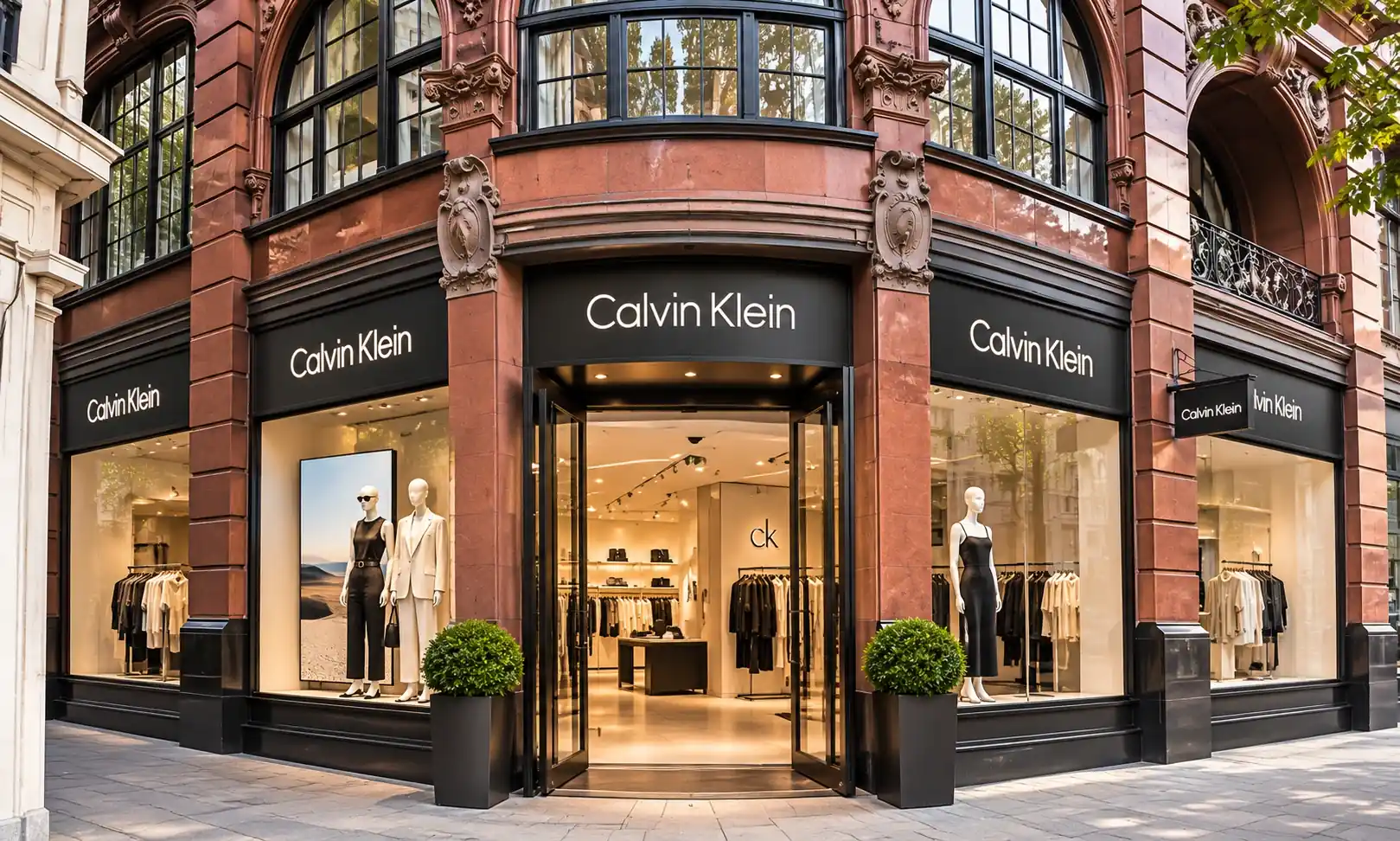
Founded 1968. Minimalism, denim, and the most famous underwear waistband on earth. Calvin taught America that restraint could be seductive, and Veronica Leoni now carries that idea back to the runway.
18. Celine
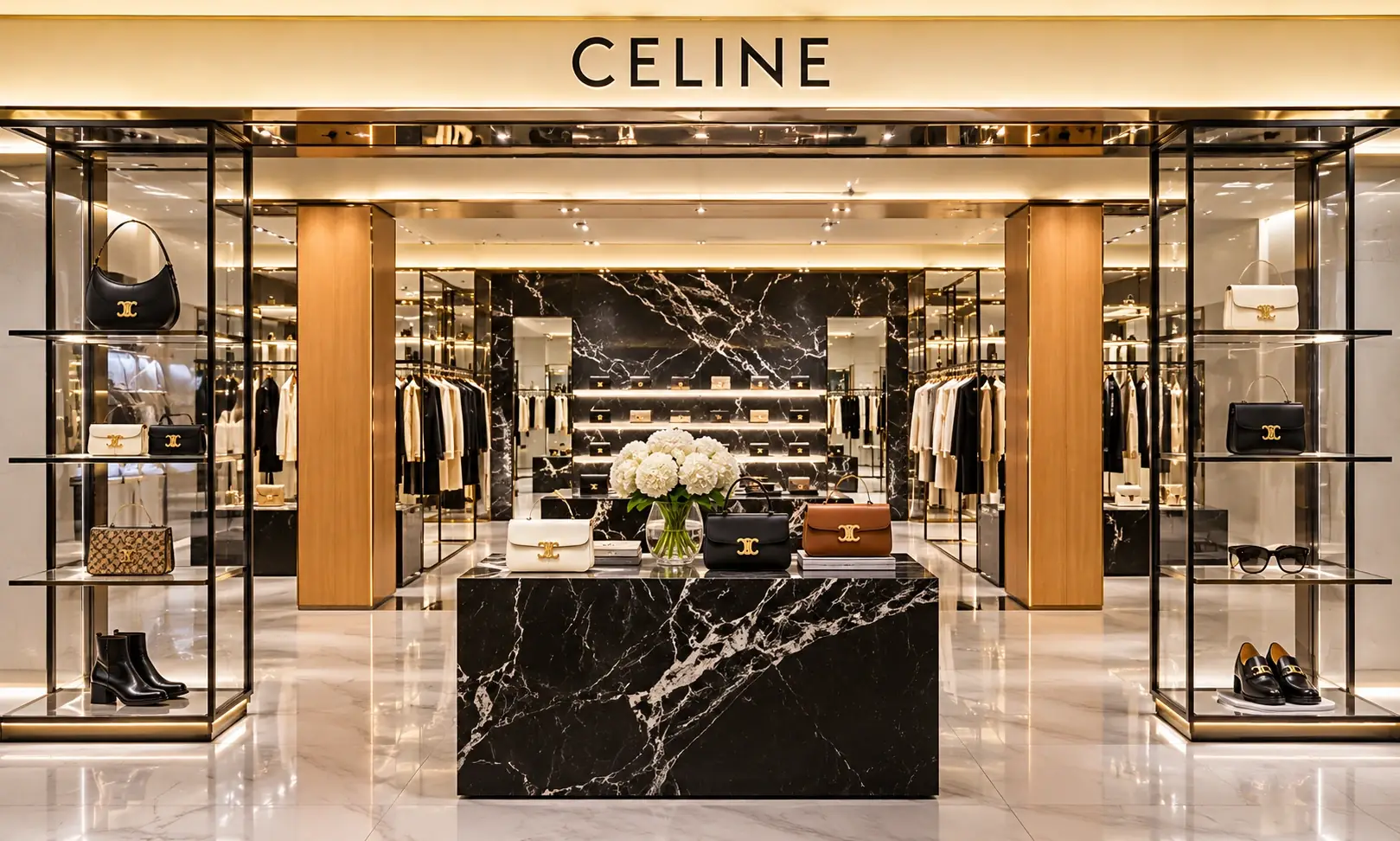
Founded 1945. A children’s shoe shop that Phoebe Philo turned into the intellectual woman’s uniform, defining an entire decade of taste. Michael Rider now holds that precious, loyal audience.
19. Loewe
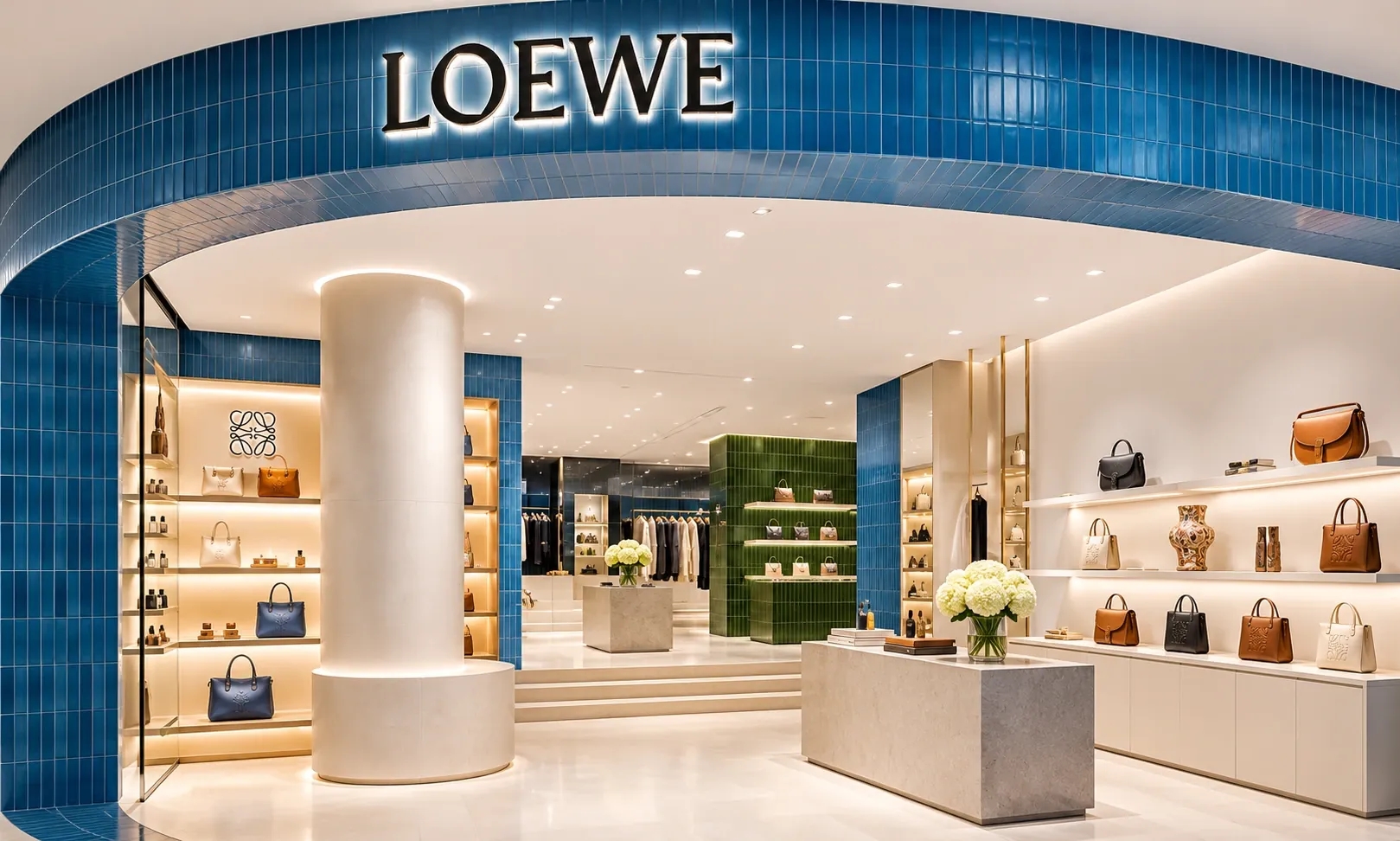
Founded 1846. Madrid’s leather masters became fashion’s craft laboratory under Jonathan Anderson, with the Puzzle bag as the proof. Jack McCollough and Lazaro Hernandez now lead the house.
The Outsiders and Originals
The final six earned their place by refusing to play the game everyone else was playing.
20. Bottega Veneta
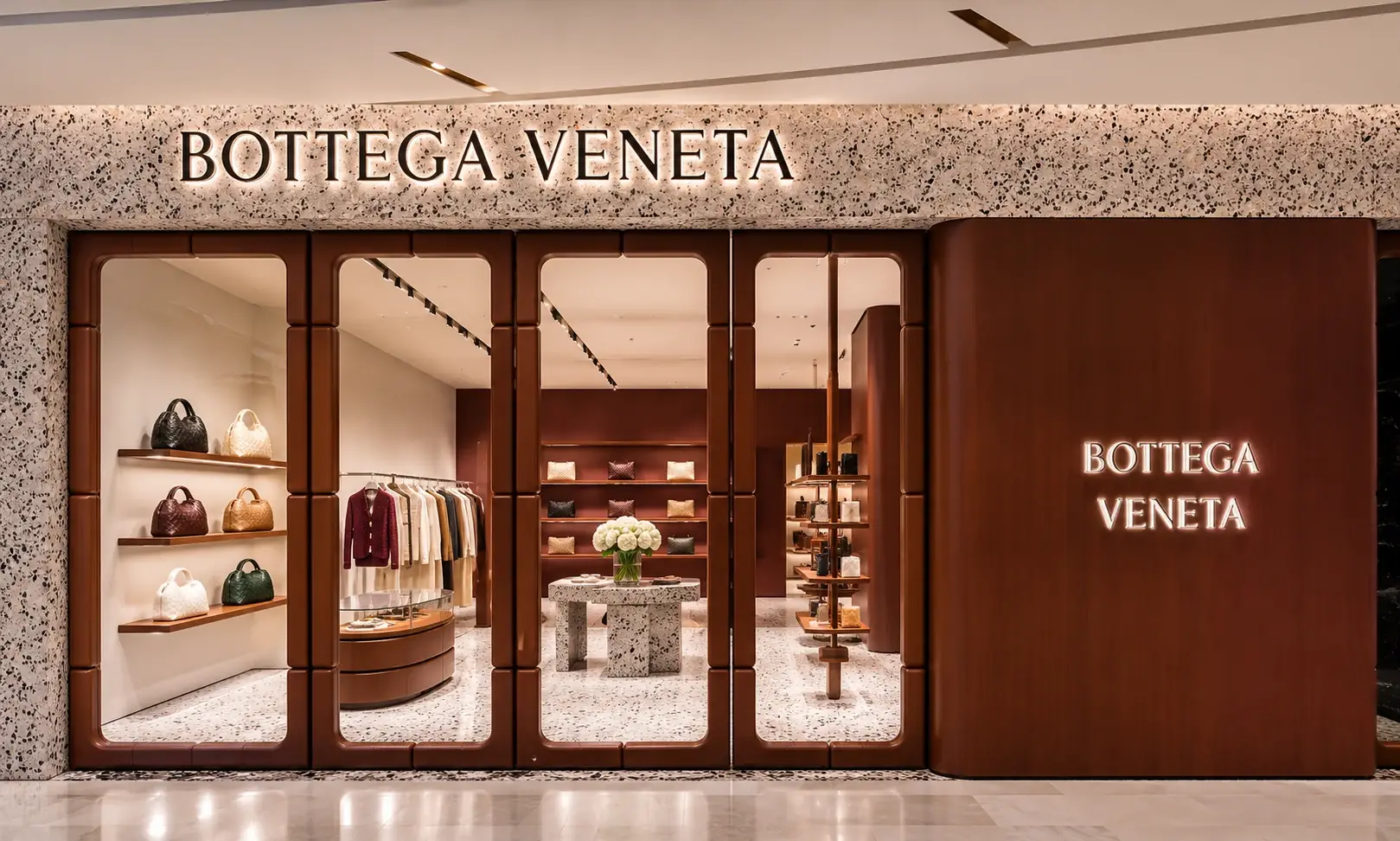
Founded 1966. No logo, only the intrecciato weave. Bottega proved discretion could be the loudest statement in the room. Louise Trotter now steers the quietest powerhouse in Italy.
21. Comme des Garçons
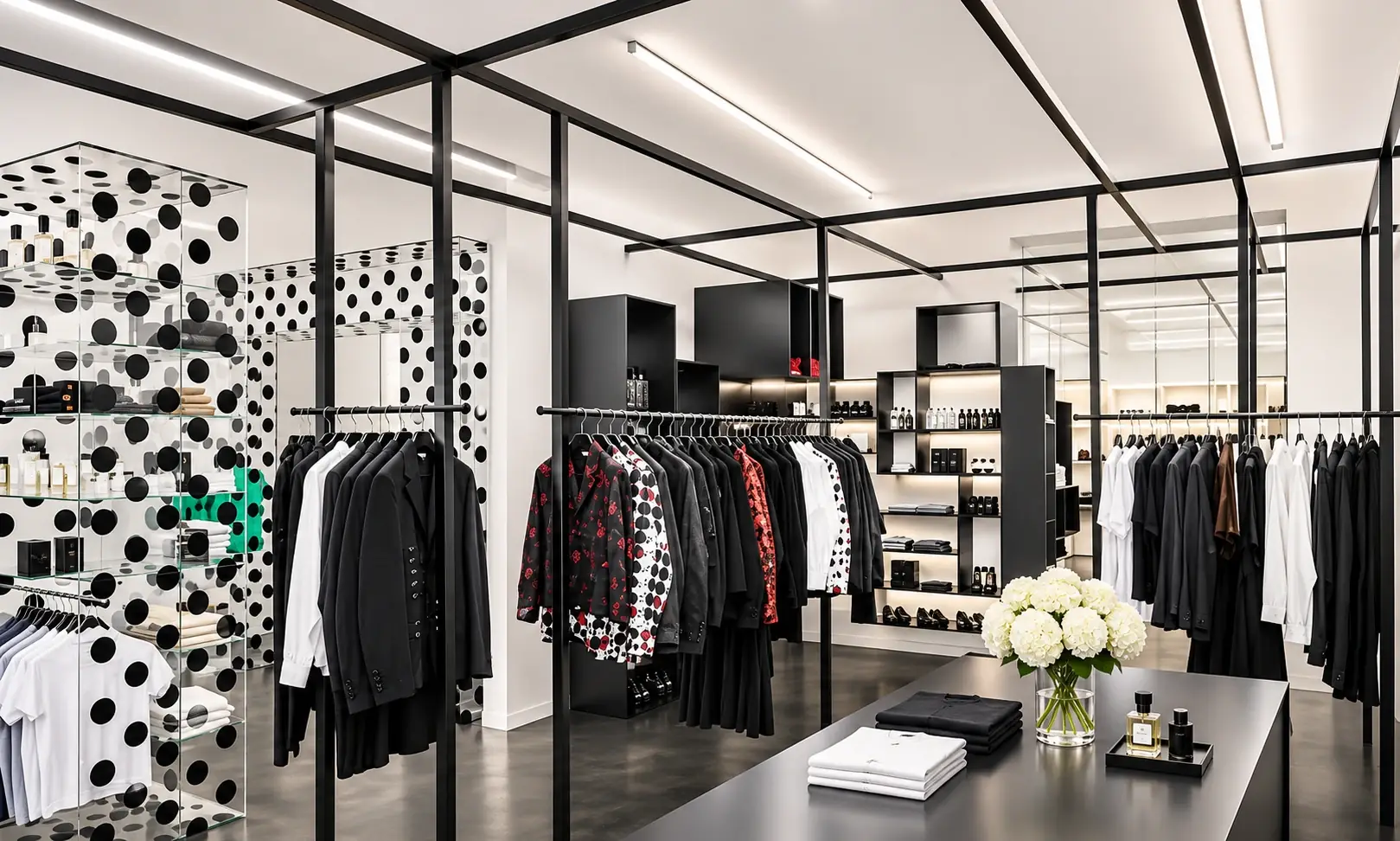
Founded 1969. Rei Kawakubo has never once designed to please, and fashion keeps reorganizing itself around her ideas anyway. Half of what you see on any runway can be traced to her refusal.
22. Vivienne Westwood
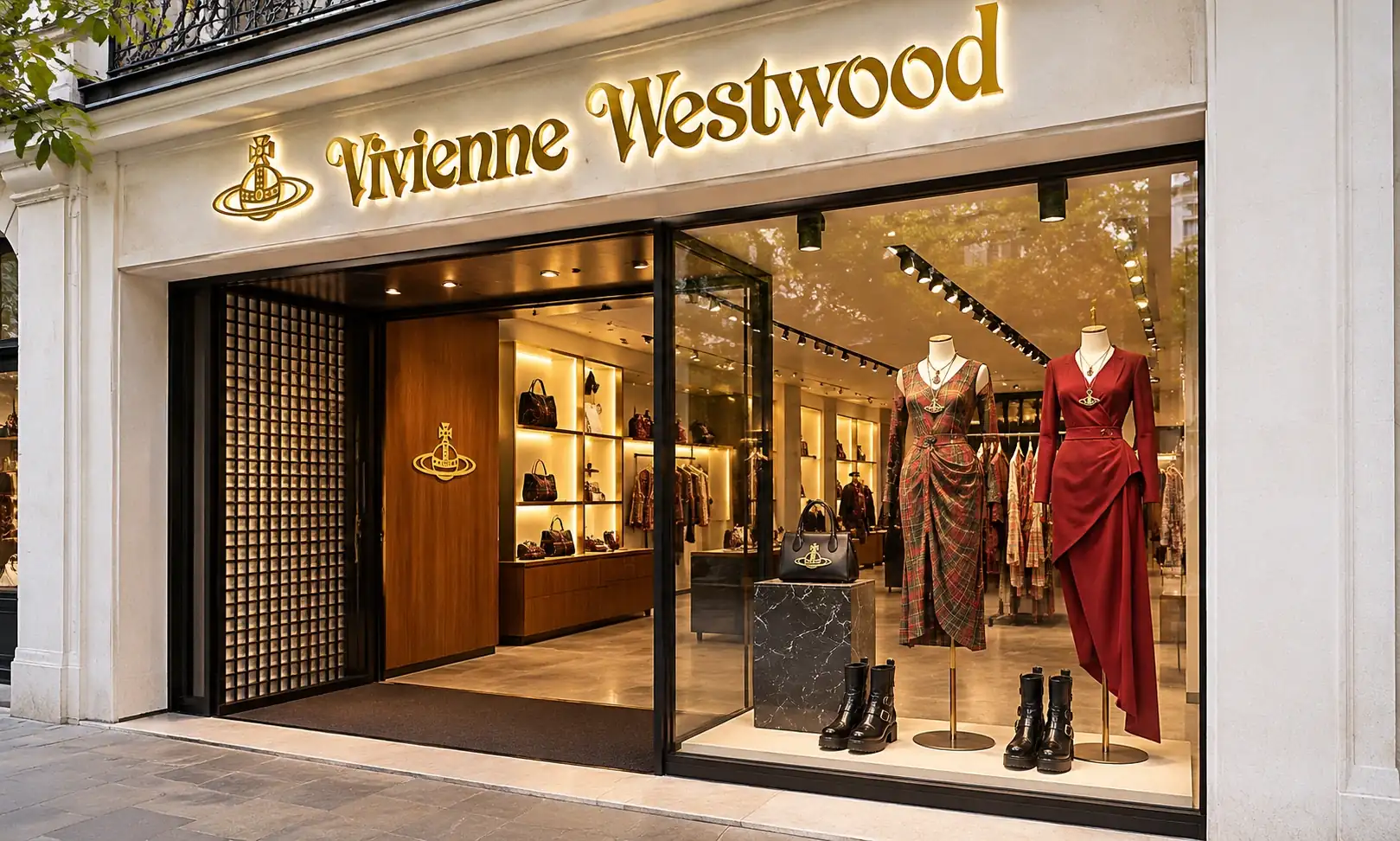
Founded 1971. Punk’s mother. Westwood weaponized tartan, corsetry, and rebellion, and her influence runs from the Sex Pistols to every corset on today’s red carpets. Andreas Kronthaler keeps the fire lit.
23. Dolce & Gabbana
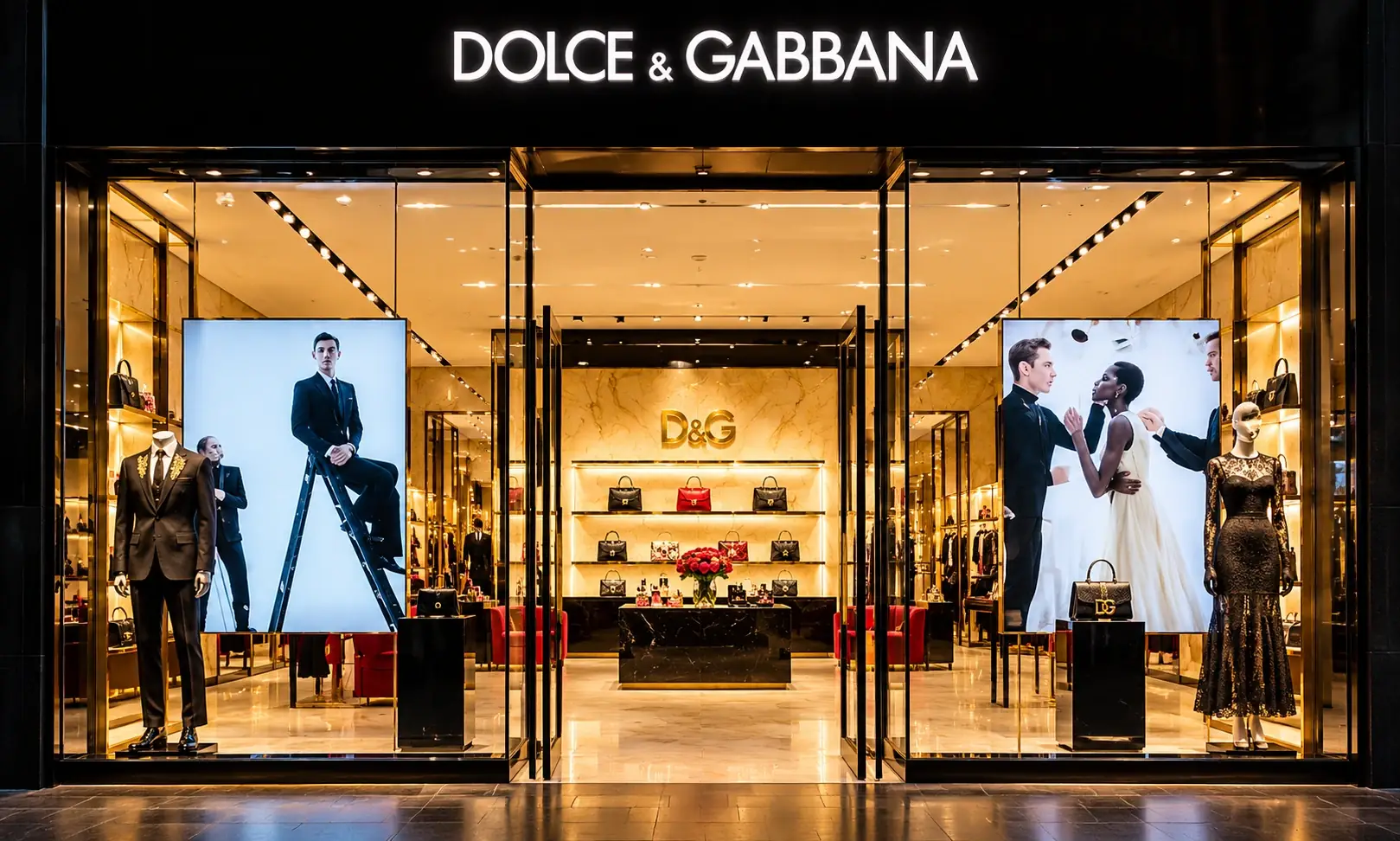
Founded 1985. Sicily as religion: lace, leopard, and unashamed abundance. The duo still designs every collection, and their devotion to Italian sensuality has never wavered once.
24. Schiaparelli
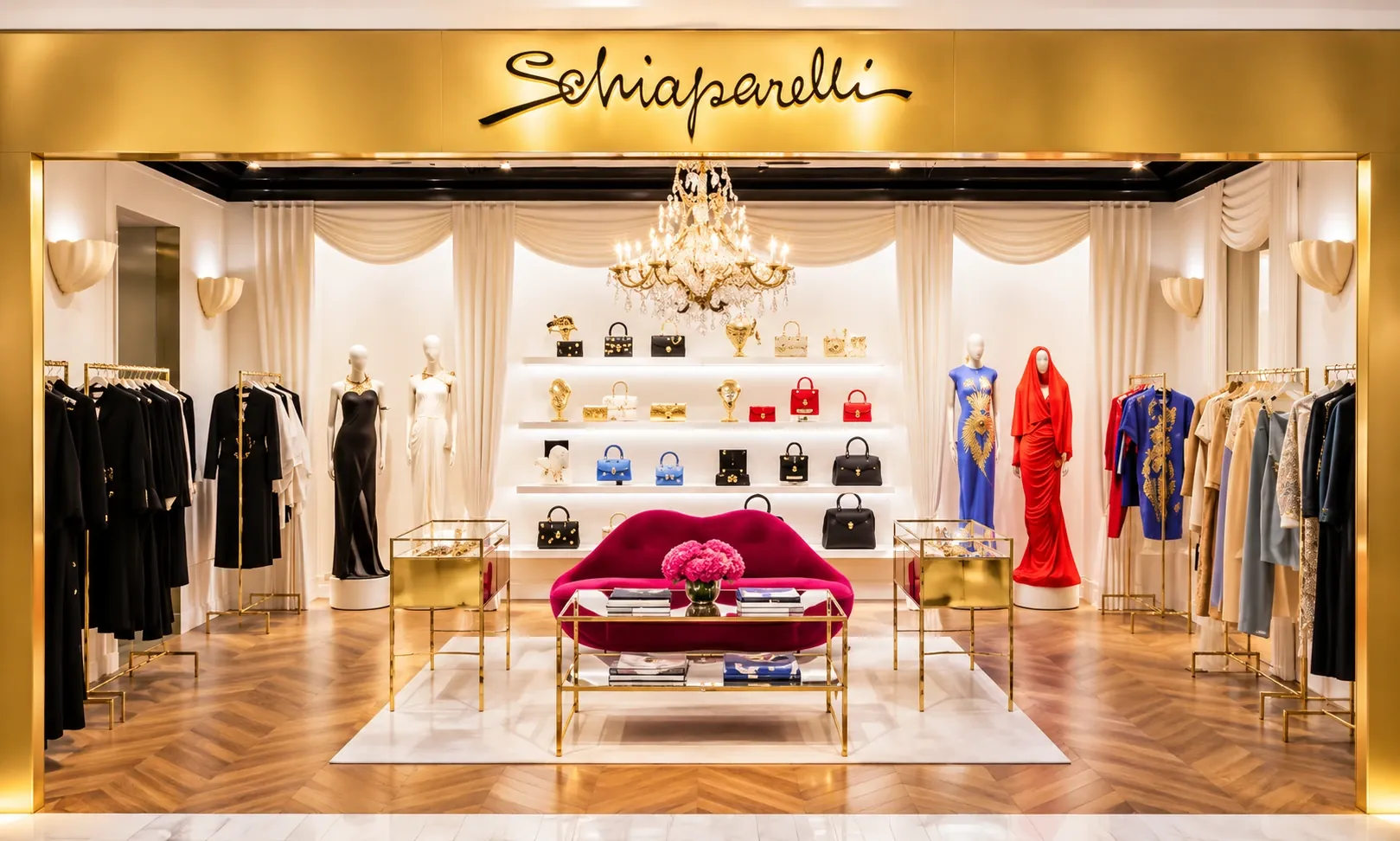
Founded 1927. Elsa Schiaparelli invented shocking pink, collaborated with Dalí, and treated fashion as surrealist art a century before it was fashionable. Daniel Roseberry’s revival is the most applauded show in Paris right now.
25. Miu Miu
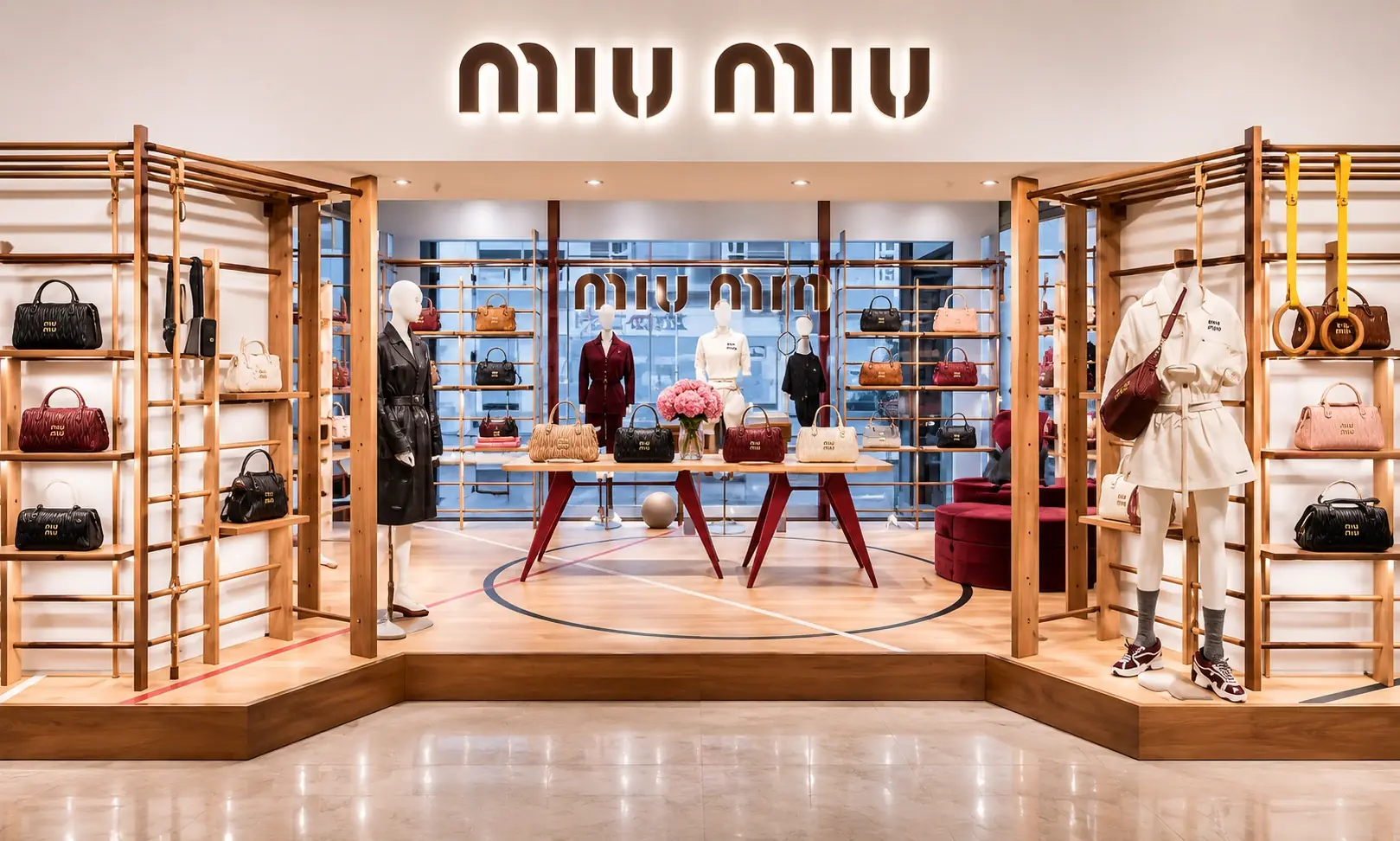
Founded 1993. Prada’s rebellious little sister became the defining brand of the current decade, topping the Lyst Index and teaching a new generation to dress. Miuccia Prada’s second masterpiece, and arguably her most current one.
The Master Table
| Rank | Fashion House | Founded | Creative Direction in 2026 | Signature |
|---|---|---|---|---|
| 1 | Chanel | 1910 | Matthieu Blazy | Tweed suit, No. 5 |
| 2 | Dior | 1946 | Jonathan Anderson | New Look, Lady Dior |
| 3 | Louis Vuitton | 1854 | Nicolas Ghesquière & Pharrell Williams | Monogram, trunks |
| 4 | Gucci | 1921 | Demna | Bamboo, loafer |
| 5 | Hermès | 1837 | Nadège Vanhée-Cybulski | Birkin, silk |
| 6 | Prada | 1913 | Miuccia Prada & Raf Simons | Nylon, intellectual minimalism |
| 7 | Saint Laurent | 1961 | Between directors | Le Smoking |
| 8 | Balenciaga | 1919 | Pierpaolo Piccioli | Couture shapes |
| 9 | Armani | 1975 | Silvana Armani & Leo Dell’Orco | Soft tailoring |
| 10 | Versace | 1978 | Pieter Mulier | Medusa, glamour |
| 11 | Givenchy | 1952 | Sarah Burton | Hepburn elegance |
| 12 | Valentino | 1960 | Alessandro Michele | Valentino red |
| 13 | Burberry | 1856 | Daniel Lee | Trench coat, check |
| 14 | Fendi | 1925 | Maria Grazia Chiuri | Baguette, fur |
| 15 | Alexander McQueen | 1992 | Between directors | Tailoring as theatre |
| 16 | Ralph Lauren | 1967 | Ralph Lauren | The American dream |
| 17 | Calvin Klein | 1968 | Veronica Leoni | Minimalism |
| 18 | Celine | 1945 | Michael Rider | Philo-era chic |
| 19 | Loewe | 1846 | Jack McCollough & Lazaro Hernandez | Craft, Puzzle bag |
| 20 | Bottega Veneta | 1966 | Louise Trotter | Intrecciato |
| 21 | Comme des Garçons | 1969 | Rei Kawakubo | Anti-fashion |
| 22 | Vivienne Westwood | 1971 | Andreas Kronthaler | Punk, corsetry |
| 23 | Dolce & Gabbana | 1985 | The founders | Sicilian lace |
| 24 | Schiaparelli | 1927 | Daniel Roseberry | Surrealism |
| 25 | Miu Miu | 1993 | Miuccia Prada | The decade’s uniform |
Fashion Houses By The Numbers
- 189 years the age of the oldest house on the list, Hermès, founded 1837
- 10 houses changed creative leadership in 2025 and 2026, fashion’s great reshuffle
- 2 houses on this list, Saint Laurent and McQueen, are currently between creative directors
- $19.3 billion the 2025 revenue of Chanel, the biggest house on the ranking
- €1.25 billion what Prada Group paid for Versace in December 2025
- 6 houses here are French; 12 are Italian; 4 British; 2 American; 1 Japanese
Frequently Asked Questions
What is the most influential fashion house of all time?
Chanel. No other house introduced as many permanent elements of modern dress: the little black dress, the tweed suit, costume jewelry as fashion, and the first designer perfume. Its ideas from the 1910s and 1920s still structure women’s wardrobes today.
Which fashion house is the oldest?
On this ranking, Hermès, founded in Paris in 1837 as a harness workshop. Loewe follows, founded in Madrid in 1846, then Louis Vuitton in 1854 and Burberry in 1856. Age alone does not confer influence, but survival across three centuries is its own achievement.
Why is Dior ranked above Gucci?
Because Dior’s New Look in 1947 single-handedly revived the entire Paris fashion industry and reset global taste in one collection, an act of influence no Gucci moment has matched. Gucci ranks fourth for its unmatched record of reinvention across multiple decades.
Are any fashion houses still run by their founders?
Very few. Ralph Lauren still leads his namesake company, and Domenico Dolce and Stefano Gabbana still design for theirs. Most heritage houses are now led by hired creative directors, with 2025 and 2026 bringing a record wave of ten leadership changes.
Which fashion house is most influential right now?
Miu Miu holds the current momentum, topping the Lyst Index repeatedly through 2025 and 2026 and shaping how a generation dresses. But current heat and all-time influence are different measures, which is exactly why this ranking separates them.
The Bottom Line
Influence in fashion is not about who sells the most this quarter. It is about whose ideas are still standing fifty or a hundred years later, in wardrobes owned by people who have never heard the founder’s name.
Chanel, Dior, and Vuitton earned the podium because the modern wardrobe, modern couture, and the modern luxury business itself are, in large part, their inventions. The other 22 built the language the rest of fashion speaks.
If you want to wear the ideas rather than just read them, start with our guides to the most expensive designer brands, the designers with the highest quality, and the quiet luxury houses the insiders prefer. The ranking is opinion. The influence is fact.