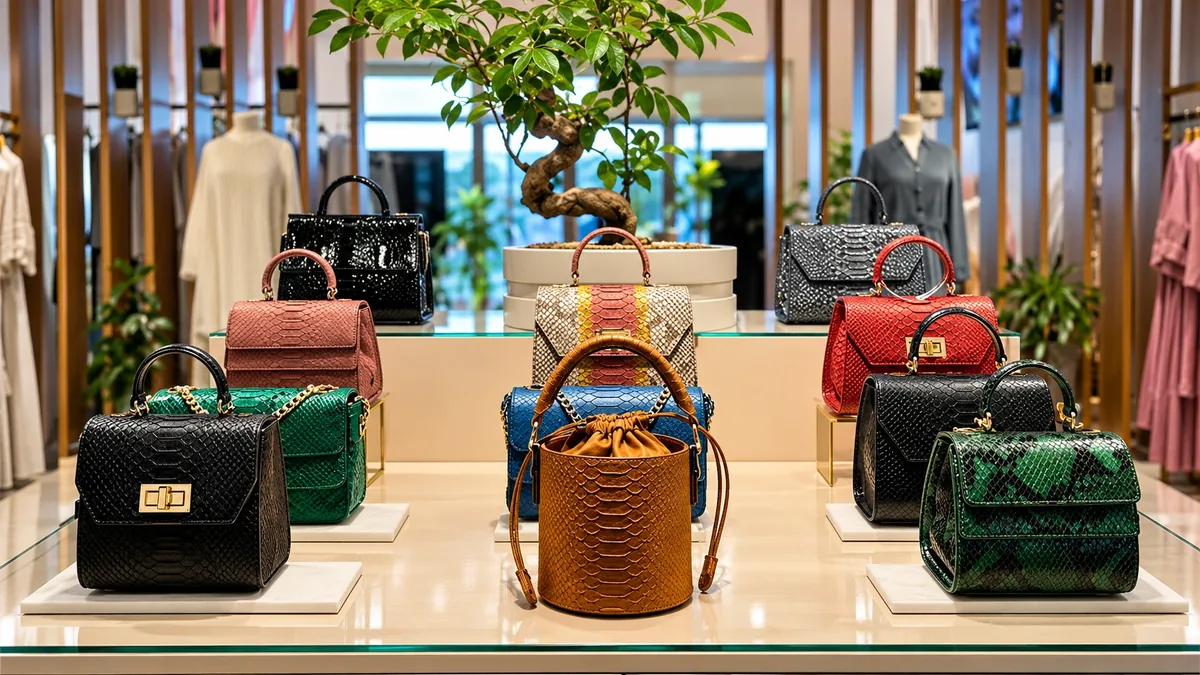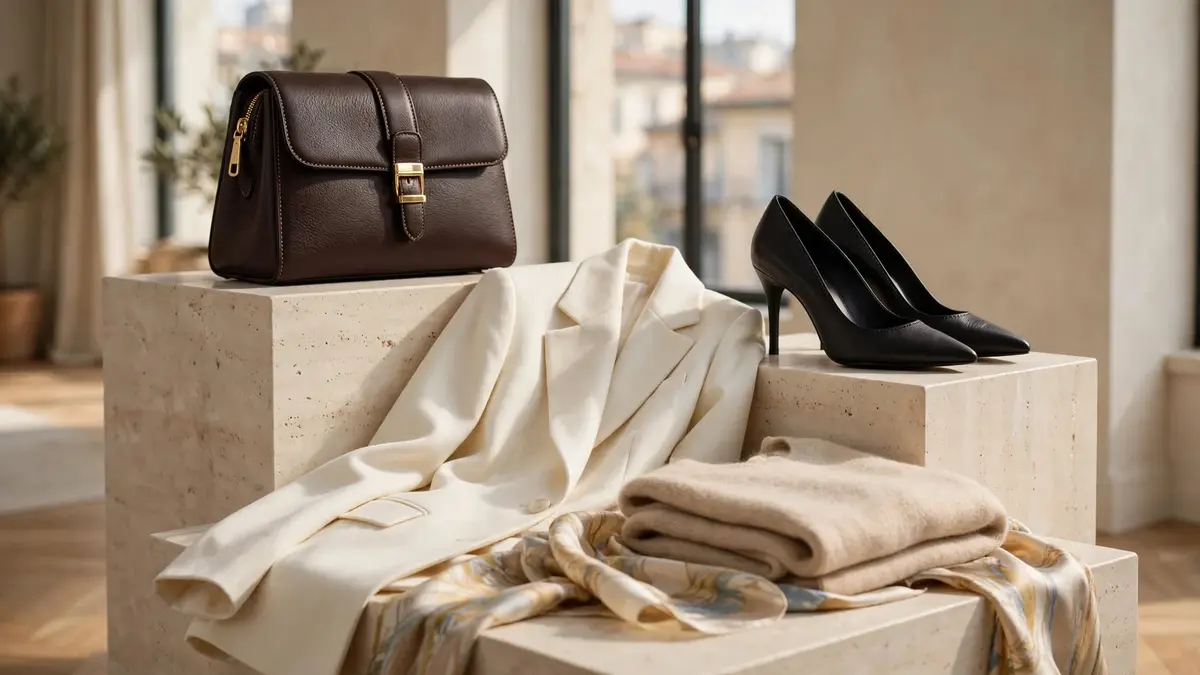
There is something distinctive about Italian Luxury Fashion Brands. Perhaps it is the elegance of a beautifully tailored jacket, the soft leather of a handcrafted handbag, or the way an exceptional pair of shoes can make an otherwise simple outfit feel complete.
Walk through Milan’s fashion district or the historic streets of Florence, and the connection between design and craftsmanship becomes impossible to ignore. Behind the boutiques are generations of leatherworkers, textile specialists, tailors, and designers who have helped shape Italy’s fashion identity.
But Italian luxury has never been one particular style. Some fashion houses celebrate bold patterns and dramatic silhouettes. Others prefer exquisite fabrics, subtle tailoring, and accessories with almost no visible branding.
The most influential Italian luxury fashion brands include Gucci, Prada, Fendi, Bottega Veneta, Giorgio Armani, Valentino Garavani, Versace, Dolce & Gabbana, Ferragamo, Loro Piana, and Brunello Cucinelli. Miu Miu, Zegna, Max Mara, and Missoni also deserve attention for their distinctive contributions to modern fashion.
Here are 15 Italian luxury brands worth knowing, what makes each special, and how to choose the right one for your personal style.
What Makes Italian Luxury Fashion Special?
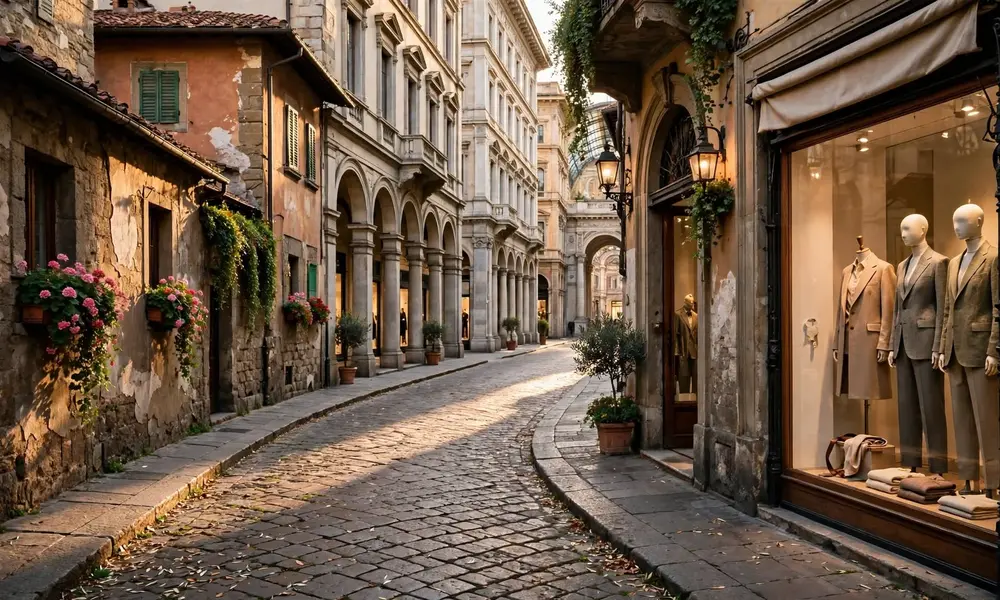
Italian luxury fashion is closely associated with craftsmanship, material expertise, tailoring, and a strong sense of design identity.
Italy has a longstanding network of textile mills, leatherworking specialists, shoemakers, and clothing manufacturers. Cities and regions developed particular strengths over time, helping establish the country’s reputation for high-quality fashion.
Florence became especially associated with leather goods and fashion heritage, while Milan grew into a major international fashion capital.
Other regions are recognized for knitwear, silk, footwear, and tailoring.
However, an Italian brand name does not guarantee that every product is manufactured entirely in Italy.
Large fashion houses operate international supply chains, and the country of manufacture may vary by product.
The most reliable way to assess craftsmanship is to examine the specific garment or accessory, its materials, construction, and production information.
15 Best Italian Luxury Fashion Brands
1. Gucci — Best for Expressive Italian Luxury
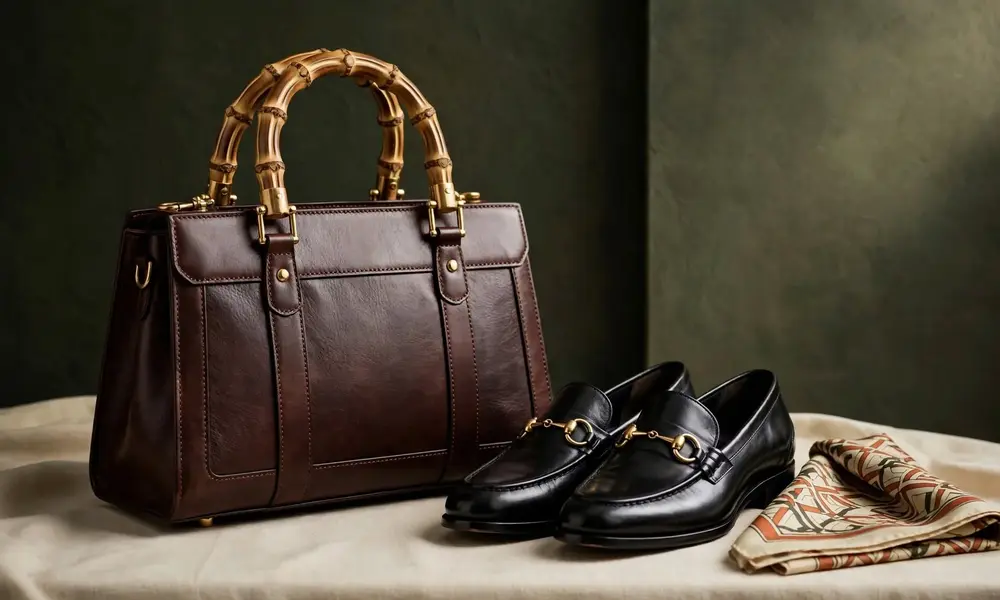
Gucci began in Florence in 1921, when Guccio Gucci established a leather goods business inspired partly by the sophisticated luggage and travel accessories he had encountered while working in London.
Over time, the house developed a distinctive visual identity through equestrian-inspired hardware, recognizable patterns, and innovative leather designs.
The Bamboo 1947 handbag, Horsebit loafer, and Jackie 1961 bag remain important examples of its heritage.
Gucci is particularly interesting because its creative identity has changed considerably across different fashion eras.
Some collections are restrained and elegant, while others embrace vibrant colors, unusual proportions, and expressive styling.
Known for: Leather handbags, Horsebit loafers, ready-to-wear, belts, and accessories.
Best for: Fashion enthusiasts who appreciate recognizable luxury with personality.
Signature style: Italian heritage combined with expressive contemporary design.
2. Prada — Best for Intellectual and Contemporary Fashion
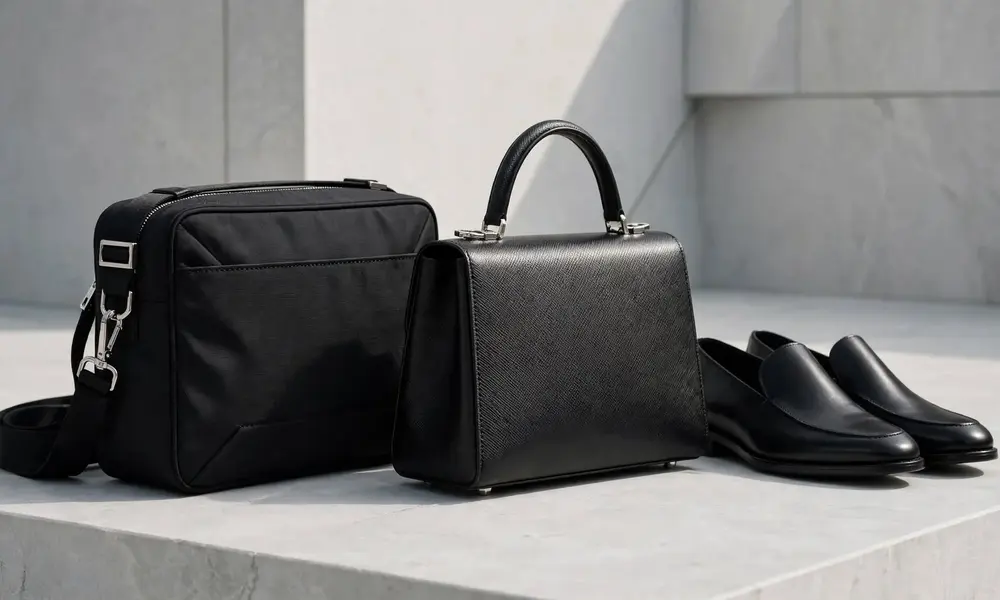
Prada began in Milan in 1913 as a luxury goods business founded by Mario Prada.
The house originally specialized in travel accessories and fine leather products before developing into one of the world’s most influential fashion names.
Under Miuccia Prada, the brand became particularly associated with unconventional ideas about beauty, practicality, and luxury.
Its use of nylon helped challenge the assumption that luxury must always rely on traditional precious materials.
Today, Prada produces handbags, footwear, clothing, and accessories that balance minimalism with unexpected design choices.
Its Galleria handbag and Re-Edition styles demonstrate different aspects of the house’s identity.
Known for: Leather goods, nylon accessories, contemporary tailoring, footwear, and minimalist designs.
Best for: People who appreciate fashion with a thoughtful, modern point of view.
Signature style: Clean lines, unconventional materials, and understated experimentation.
3. Miu Miu — Best for Playful Designer Fashion
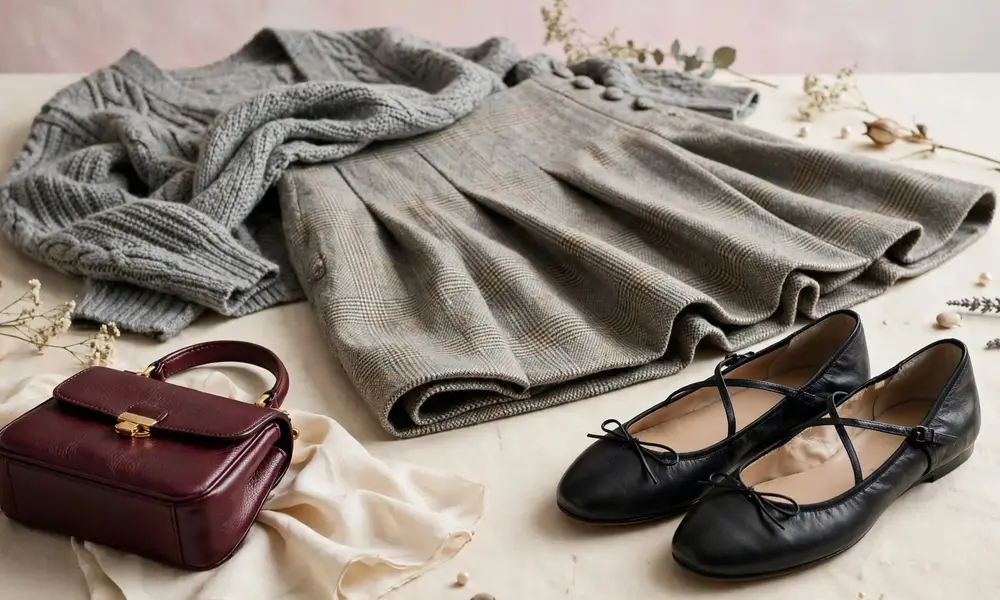
Miu Miu was established in 1993 by Miuccia Prada.
Although connected to the Prada Group, it has a distinct fashion identity.
Where Prada often feels analytical and restrained, Miu Miu is frequently more playful, youthful, and experimental.
The brand combines vintage references with contemporary styling, creating collections that can feel spontaneous and deliberately unconventional.
Its clothing, handbags, shoes, and accessories often reinterpret familiar wardrobe pieces through unusual proportions and unexpected details.
Known for: Playful ready-to-wear, handbags, ballet flats, loafers, and distinctive accessories.
Best for: Fashion-conscious shoppers who enjoy expressive styling.
Signature style: Youthful experimentation and vintage-inspired fashion.
Miu Miu is particularly appealing to people who prefer individuality over conventional ideas of elegance.
4. Fendi — Best for Leather Craftsmanship and Iconic Handbags
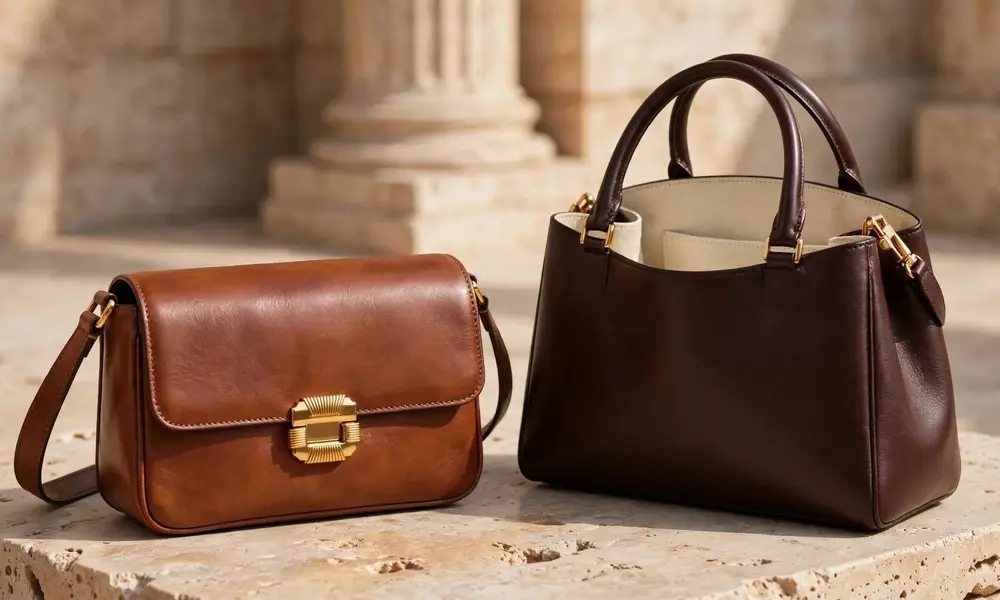
Fendi was founded in Rome in 1925 by Adele and Edoardo Fendi.
The company initially focused on leather goods and fur before developing into a major international luxury fashion house.
Its handbag designs have become especially influential.
The Baguette, introduced in 1997, helped redefine the small shoulder bag as a major fashion accessory.
The Peekaboo, introduced in 2008, offers a different interpretation of luxury through structured construction and distinctive interior details.
Fendi combines recognizable Roman heritage with modern fashion design.
Known for: Baguette, Peekaboo, leather goods, ready-to-wear, and accessories.
Best for: Handbag collectors and shoppers seeking established Italian luxury.
Signature style: Roman fashion heritage, craftsmanship, and distinctive accessories.
5. Bottega Veneta — Best for Quiet Luxury and Leather Goods
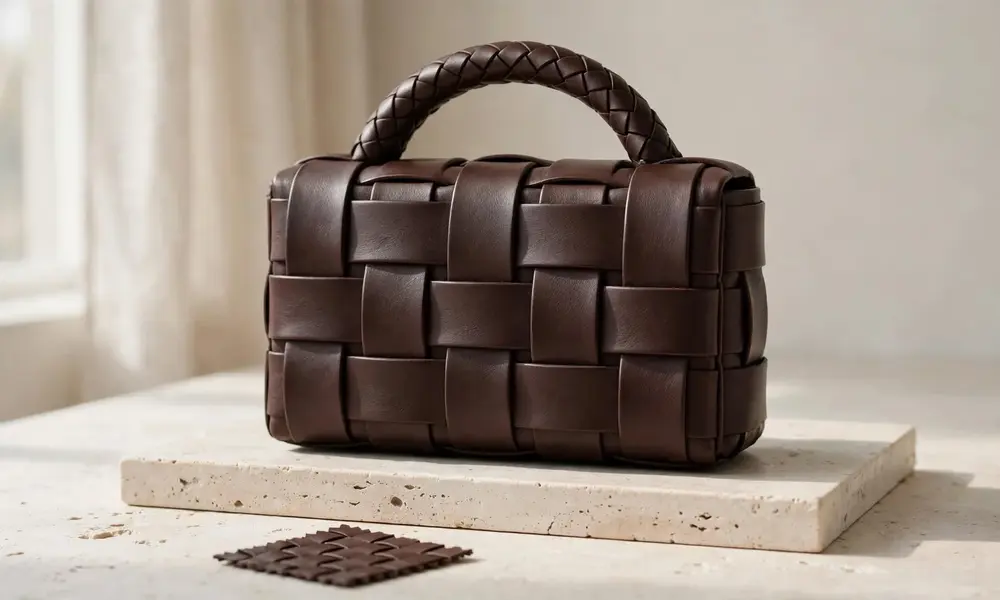
Bottega Veneta was founded in Vicenza in 1966.
The house is particularly recognized for its Intrecciato leather-weaving technique, which has become central to its identity.
Unlike brands that rely heavily on prominent logos, Bottega Veneta often communicates its heritage through materials, texture, and construction.
Its handbags frequently feature soft leather, sculptural shapes, and carefully considered proportions.
The Andiamo, Jodie, and other woven leather designs illustrate how the brand combines traditional craftsmanship with contemporary fashion.
Known for: Intrecciato leather goods, understated handbags, shoes, and accessories.
Best for: Shoppers who appreciate discreet luxury and distinctive craftsmanship.
Signature style: Understated design, woven leather, and sculptural simplicity.
For more inspiration, explore Pravi Celer’s guide to quiet luxury brands for timeless wardrobes.
6. Giorgio Armani — Best for Elegant Italian Tailoring
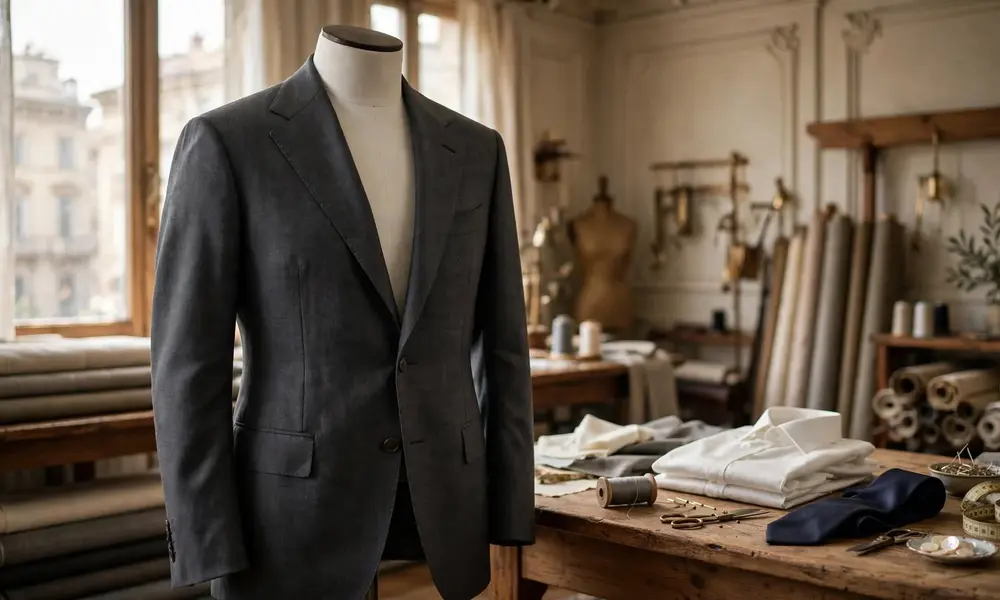
Giorgio Armani established his fashion house in 1975.
The brand became influential through its approach to tailoring, particularly the introduction of softer, more relaxed silhouettes.
Armani’s designs helped redefine modern professional and formal clothing.
Instead of relying exclusively on rigid structures, the house developed an aesthetic based on fluidity, proportion, and sophisticated restraint.
Its collections encompass formal clothing, eveningwear, accessories, and a broad range of fashion products.
The wider Armani business includes multiple lines with different price positions, so shoppers should distinguish between individual labels.
Known for: Tailoring, formalwear, elegant evening clothing, and accessories.
Best for: Professionals and people who appreciate sophisticated, timeless dressing.
Signature style: Relaxed tailoring, neutral palettes, and understated elegance.
7. Valentino Garavani — Best for Romantic Italian Glamour
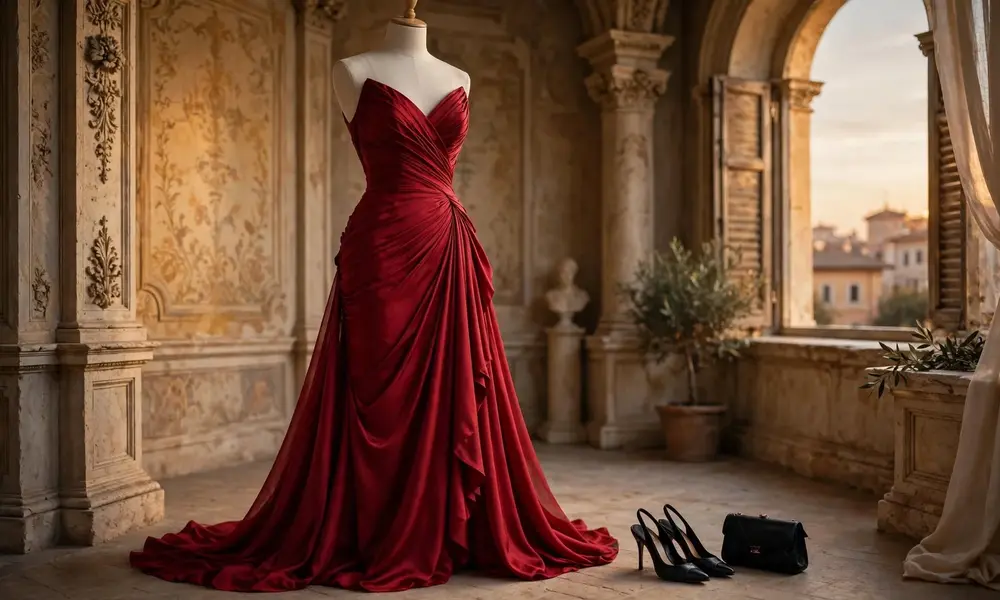
Valentino was founded in Rome in 1960 by Valentino Garavani and Giancarlo Giammetti.
The fashion house became closely associated with elegant eveningwear, refined craftsmanship, and a particularly romantic approach to fashion.
Valentino Red is one of the most recognizable elements of its visual heritage.
The house has also developed an influential accessories business, including handbags, shoes, and jewelry.
Its designs move between classic elegance and more expressive fashion statements.
Known for: Eveningwear, haute couture, luxury handbags, shoes, and accessories.
Best for: Formal occasions and fashion enthusiasts who appreciate romantic design.
Signature style: Refined glamour, elegant silhouettes, and expressive detailing.
8. Versace — Best for Bold Italian Fashion
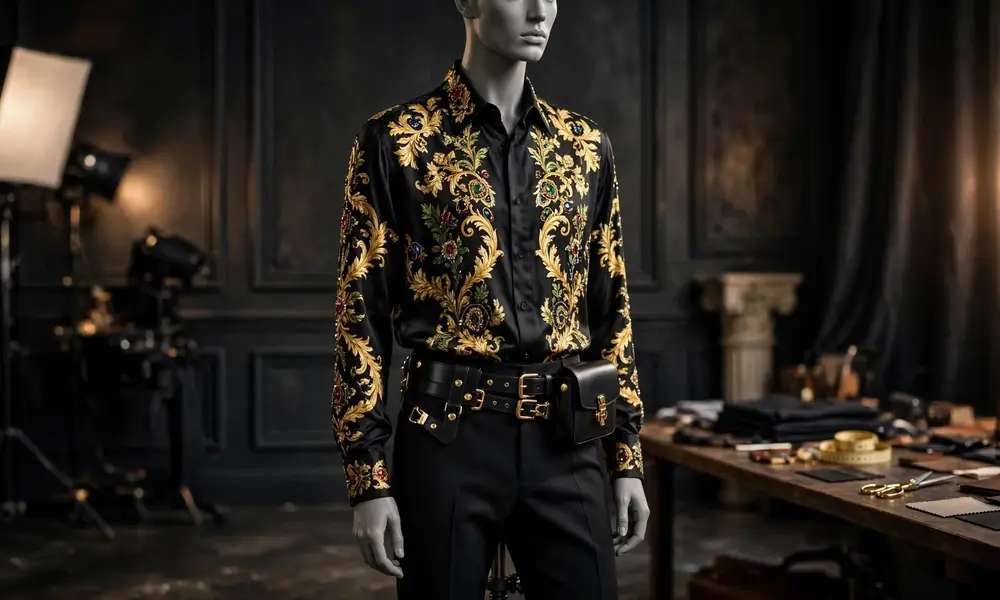
Versace was founded by Gianni Versace in Milan in 1978.
From the beginning, the house developed a distinctive identity through vibrant colors, striking prints, sculptural details, and confident silhouettes.
The Medusa emblem became one of the brand’s most recognizable symbols.
Versace frequently draws from classical art, mythology, and Italian cultural references while embracing a modern, glamorous aesthetic.
The brand became part of Prada Group following the completion of its acquisition in December 2025.
Its collections include ready-to-wear, handbags, footwear, accessories, and home products.
Known for: Bold prints, Medusa hardware, glamorous clothing, and statement accessories.
Best for: People who enjoy expressive fashion and recognizable designer pieces.
Signature style: Dramatic Italian glamour and confident visual identity.
9. Dolce & Gabbana — Best for Mediterranean-Inspired Luxury
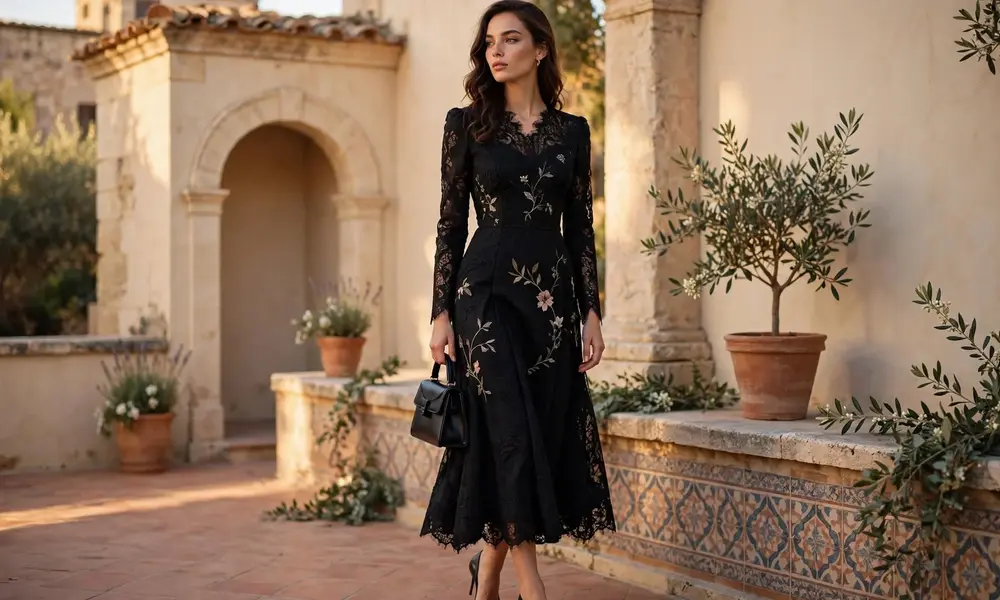
Dolce & Gabbana was founded in 1985 by Domenico Dolce and Stefano Gabbana.
The house is known for drawing inspiration from Italian heritage, particularly Sicilian culture, traditional craftsmanship, and decorative design.
Its collections frequently incorporate lace, floral patterns, tailored silhouettes, embroidery, and vivid colors.
The brand’s aesthetic can range from classic black tailoring to elaborate runway creations.
Dolce & Gabbana is particularly appealing to fashion enthusiasts who enjoy detailed decoration and expressive personal style.
Known for: Ready-to-wear, tailoring, ornate designs, handbags, and footwear.
Best for: Statement fashion and Mediterranean-inspired elegance.
Signature style: Decorative craftsmanship, expressive patterns, and Italian cultural references.
10. Ferragamo — Best for Luxury Shoes and Leather Accessories
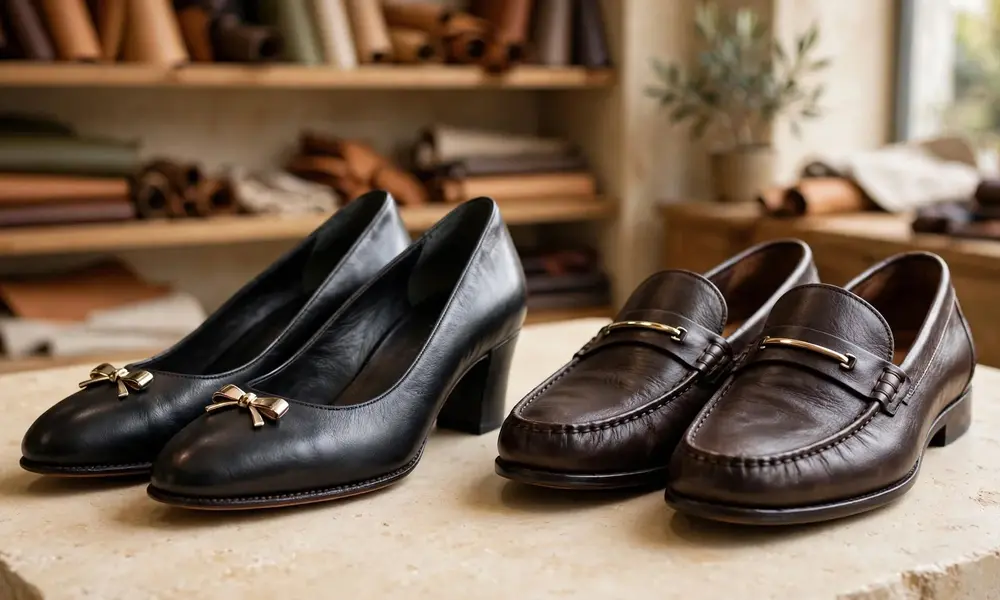
Salvatore Ferragamo established his reputation through innovative footwear design before building his business in Florence in 1927.
The brand became particularly associated with high-quality shoes and a distinctive approach to comfort and construction.
Ferragamo’s Vara shoes and Gancini hardware remain recognizable elements of its heritage.
Today, the company produces handbags, footwear, clothing, belts, and accessories.
Its style often feels more restrained than that of the most expressive Italian fashion houses.
Known for: Luxury footwear, leather handbags, belts, and accessories.
Best for: People who value elegant leather goods and classic footwear.
Signature style: Refined craftsmanship and practical sophistication.
11. Loro Piana — Best for Exceptional Fabrics and Quiet Luxury
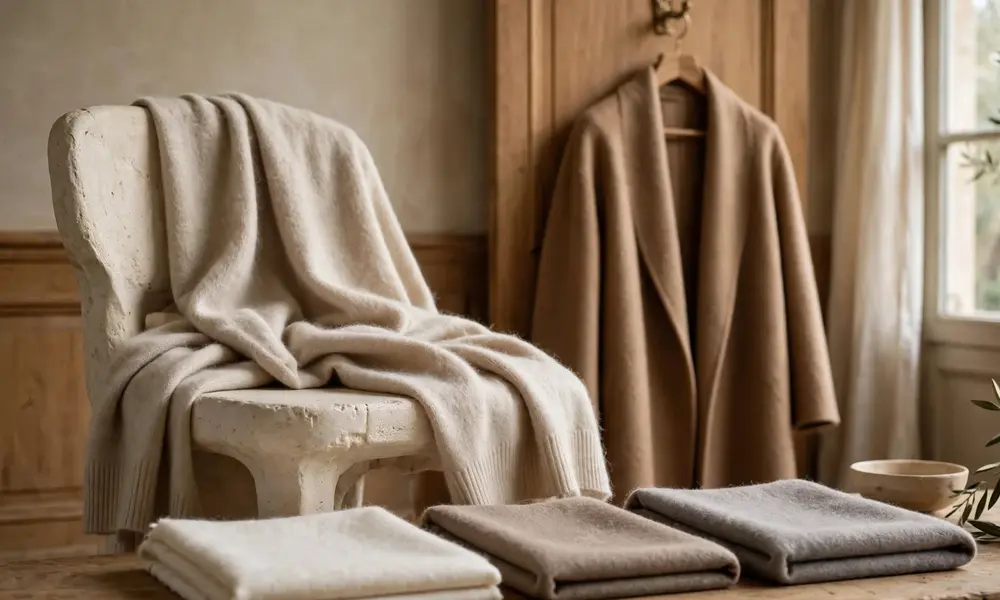
Loro Piana is particularly admired for its textile heritage and expertise in fine materials.
The company traces its roots through generations of textile merchants and was established under the Loro Piana name in 1924.
Its reputation is closely associated with cashmere, fine wool, and other premium fibers.
The brand produces sophisticated knitwear, coats, shoes, and accessories, often using restrained colors and understated silhouettes.
A Loro Piana garment may appear simple at first glance, but its appeal frequently lies in the fabric, texture, and finishing.
Known for: Cashmere, fine wool, knitwear, outerwear, and refined accessories.
Best for: Material enthusiasts and lovers of understated luxury.
Signature style: Exceptional textiles, comfort, and quiet sophistication.
12. Brunello Cucinelli — Best for Refined Everyday Luxury
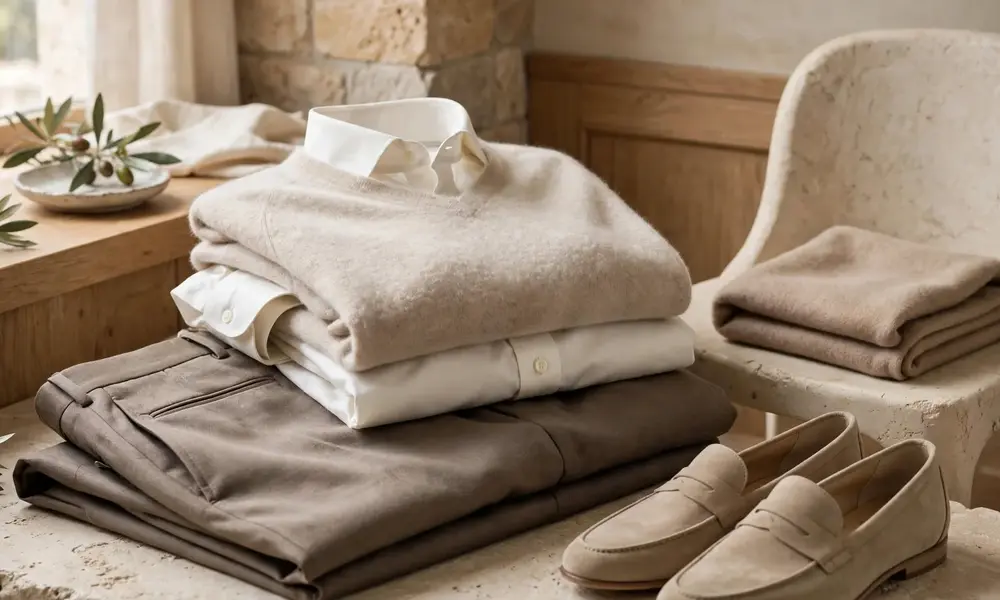
Brunello Cucinelli founded his company in 1978, initially focusing on cashmere.
The brand became known for combining fine knitwear with a relaxed, sophisticated approach to dressing.
Its collections frequently feature neutral colors, soft tailoring, and carefully coordinated separates.
Brunello Cucinelli is particularly associated with clothing that feels elegant without being overly formal.
The brand’s identity is also closely connected to Solomeo, the Italian village where its headquarters are based.
Known for: Cashmere knitwear, soft tailoring, premium casual clothing, and accessories.
Best for: People who appreciate comfortable, refined wardrobes.
Signature style: Relaxed sophistication and premium natural materials.
13. Zegna — Best for Luxury Menswear and Tailoring
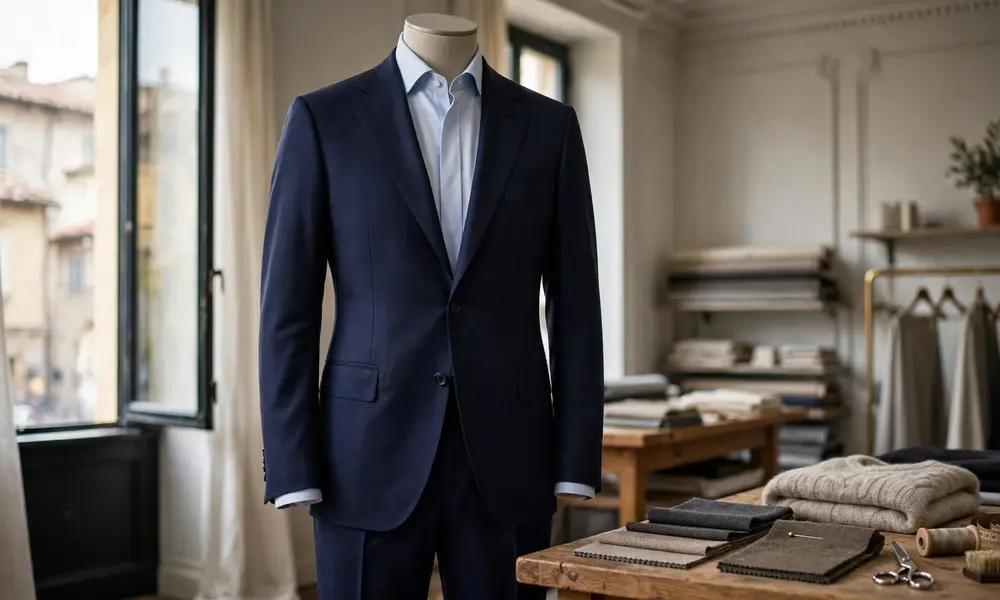
Zegna traces its history to 1910, when Ermenegildo Zegna established a wool mill in Trivero, Italy.
The company developed a reputation for fine textiles before expanding its presence in luxury menswear.
Today, Zegna is associated with sophisticated tailoring, premium knitwear, outerwear, and contemporary men’s clothing.
Its approach emphasizes material expertise and refined construction.
Zegna is particularly attractive to men who prefer elegant clothing without relying on obvious branding.
Known for: Menswear, fine wool, tailoring, knitwear, and leather accessories.
Best for: Professionals and men seeking a sophisticated luxury wardrobe.
Signature style: Refined materials, elegant proportions, and contemporary tailoring.
14. Max Mara — Best for Timeless Coats and Women’s Fashion
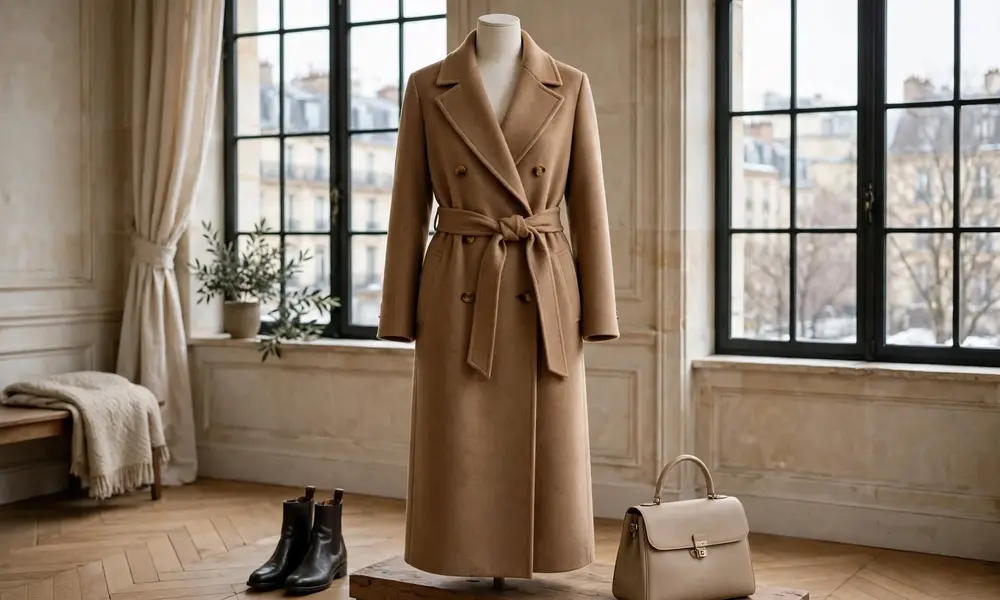
Max Mara was founded in Reggio Emilia in 1951 by Achille Maramotti.
The brand became particularly recognized for women’s outerwear and carefully designed ready-to-wear clothing.
Its coats are among the most familiar pieces in its collections.
The 101801 coat, introduced in 1981 and designed by Anne-Marie Beretta, became an important part of the brand’s design heritage.
Max Mara often emphasizes elegant silhouettes, neutral colors, and versatile clothing.
Known for: Luxury coats, tailored clothing, knitwear, and women’s ready-to-wear.
Best for: Women who appreciate elegant, practical, long-lasting wardrobe designs.
Signature style: Timeless outerwear and refined everyday dressing.
15. Missoni — Best for Colorful Italian Knitwear
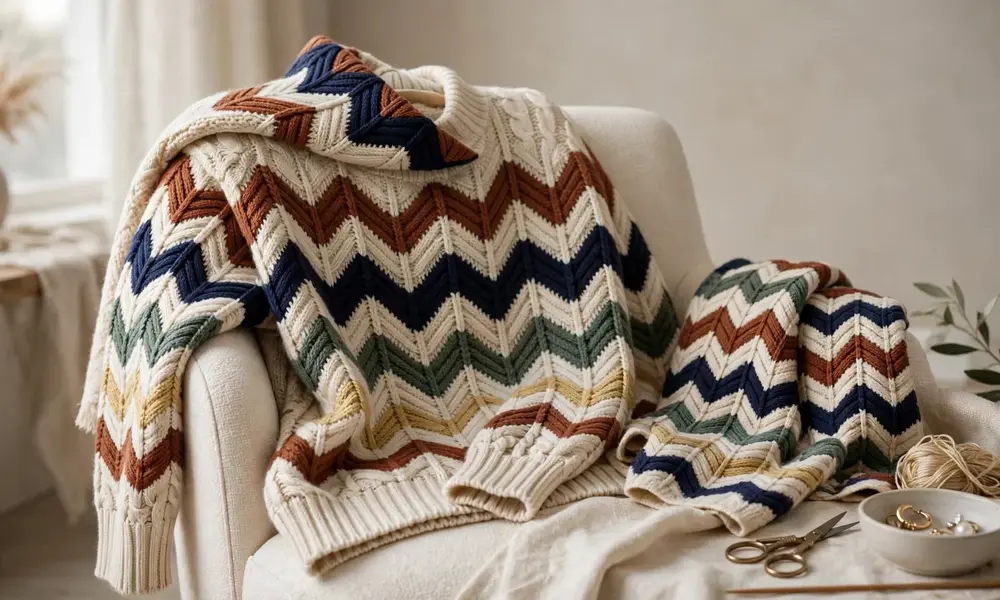
Missoni was founded in 1953 by Ottavio and Rosita Missoni.
The fashion house developed an immediately recognizable identity through colorful knitwear, zigzag patterns, and intricate textile combinations.
Unlike minimalist luxury brands, Missoni celebrates color and visual texture.
Its designs often incorporate sophisticated knitting techniques and carefully considered pattern combinations.
The brand’s clothing can feel playful while still reflecting significant textile expertise.
Known for: Zigzag knitwear, colorful patterns, dresses, and accessories.
Best for: People who enjoy expressive color and distinctive knitwear.
Signature style: Artistic patterns and Italian textile craftsmanship.
Italian Luxury Fashion Brands Compared
| Brand | Main specialty | Design identity | Best for |
| Gucci | Leather goods and fashion | Expressive heritage | Statement accessories |
| Prada | Contemporary fashion | Intellectual minimalism | Modern wardrobes |
| Miu Miu | Ready-to-wear and accessories | Playful experimentation | Fashion-forward styling |
| Fendi | Handbags and leatherwork | Roman elegance | Handbag collectors |
| Bottega Veneta | Woven leather goods | Quiet luxury | Understated accessories |
| Giorgio Armani | Tailoring | Relaxed elegance | Formal and business clothing |
| Valentino Garavani | Couture and fashion | Romantic glamour | Eveningwear |
| Versace | Ready-to-wear | Bold and dramatic | Statement fashion |
| Dolce & Gabbana | Clothing and accessories | Decorative Italian style | Expressive luxury |
| Ferragamo | Footwear and leather goods | Refined craftsmanship | Shoes and bags |
| Loro Piana | Fine textiles | Understated luxury | Cashmere and outerwear |
| Brunello Cucinelli | Knitwear and tailoring | Relaxed sophistication | Everyday luxury |
| Zegna | Menswear and textiles | Modern tailoring | Luxury menswear |
| Max Mara | Women’s outerwear | Timeless elegance | Classic coats |
| Missoni | Knitwear | Colorful patterns | Distinctive textiles |
These are style-based comparisons, not a definitive ranking of quality or prestige.
Which Italian Luxury Brand Is the Most Prestigious?
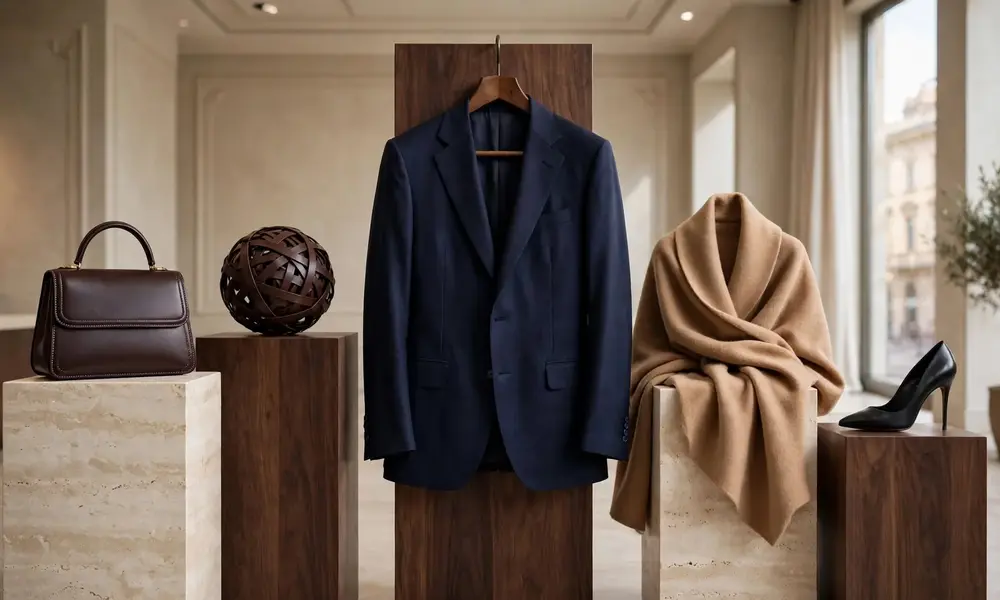
There is no single universally accepted answer because prestige can mean different things.
Gucci and Prada are among the most internationally recognizable Italian luxury fashion houses.
Fendi and Bottega Veneta have particularly strong identities in high-end leather goods.
Giorgio Armani is celebrated for its influence on modern tailoring.
Loro Piana and Brunello Cucinelli are especially admired by shoppers who prioritize refined materials and understated clothing.
Prestige also depends on the category.
A buyer shopping for a leather handbag may evaluate brands differently from someone choosing a tailored suit or cashmere coat.
Rather than looking for one winner, consider the design and craftsmanship strengths of each house.
Our broader guide to luxury designer brands explores how international fashion houses establish their identities through craftsmanship, heritage, and creative vision.
Which Italian Luxury Brands Are Best for Handbags?
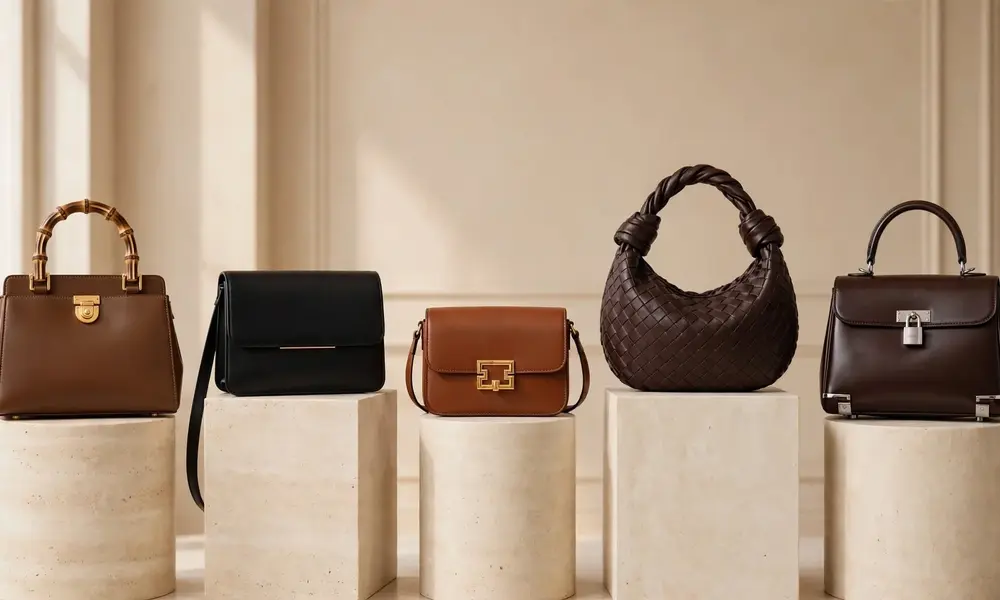
Italy has a remarkable leatherworking heritage, and several major luxury houses are recognized for their handbag collections.
Gucci is particularly appealing for recognizable heritage designs such as the Jackie and Bamboo.
Prada offers a combination of structured leather bags, contemporary silhouettes, and distinctive nylon designs.
Fendi is known for the Baguette and Peekaboo.
Bottega Veneta emphasizes woven leather craftsmanship and sculptural forms.
Ferragamo offers a more understated interpretation of elegant leather accessories.
The best option depends on your personal style, budget, and intended use.
A handbag intended for everyday commuting should be judged differently from a delicate evening accessory.
Which Italian Luxury Brands Are Best for Men?
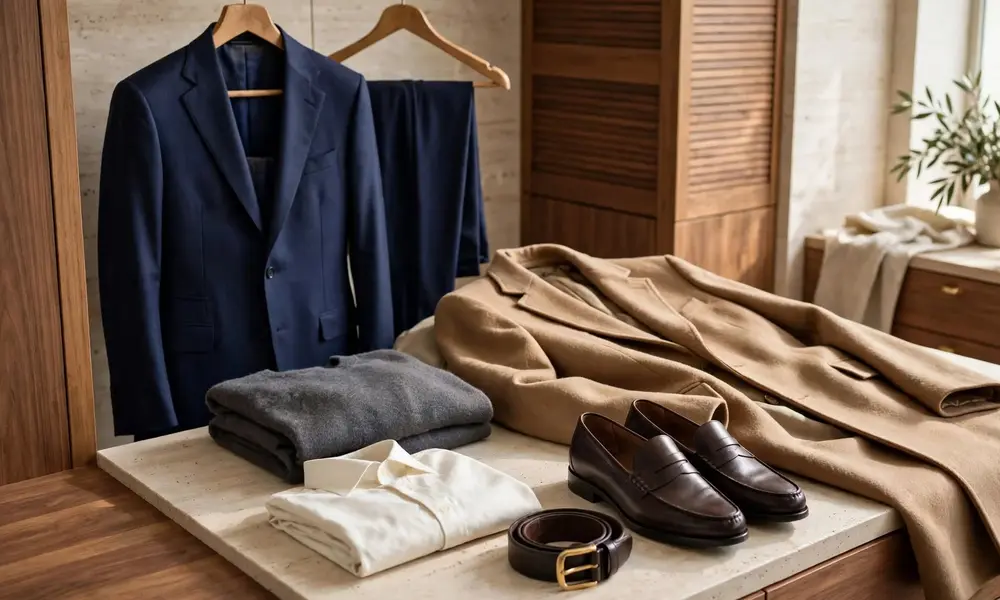
Zegna, Giorgio Armani, Brunello Cucinelli, Prada, and Gucci offer particularly interesting options for men’s fashion.
Zegna is closely associated with refined tailoring and premium textiles.
Giorgio Armani remains an important reference for elegant formal clothing.
Brunello Cucinelli emphasizes relaxed sophistication and premium knitwear.
Prada offers contemporary design, while Gucci provides more expressive alternatives.
For someone building a versatile wardrobe, begin with the clothing category rather than the brand.
A beautifully made coat, tailored jacket, or pair of leather shoes may offer more value than an accessory purchased simply because it displays a recognizable logo.
Which Italian Luxury Brands Are Best for Quiet Luxury?
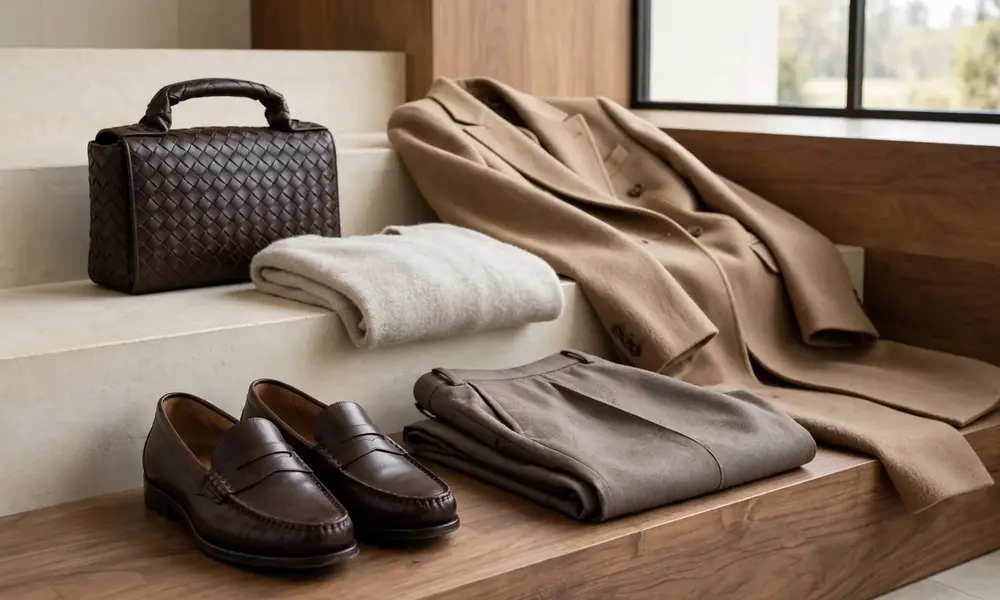
Quiet luxury emphasizes subtle design, carefully selected materials, and refined construction rather than prominent branding.
Several Italian fashion houses are particularly associated with this aesthetic.
Loro Piana: Fine materials, understated outerwear, and elegant knitwear.
Brunello Cucinelli: Soft tailoring, cashmere, and relaxed luxury clothing.
Bottega Veneta: Leather craftsmanship and recognizable designs without relying entirely on visible logos.
Zegna: Refined menswear, quality textiles, and sophisticated proportions.
Giorgio Armani: Restrained tailoring and understated elegance.
However, these brands also produce diverse collections, and not every item necessarily fits a quiet-luxury aesthetic.
Personal taste matters more than following a strict definition.
Are Italian Luxury Brands Better Than French Luxury Brands?
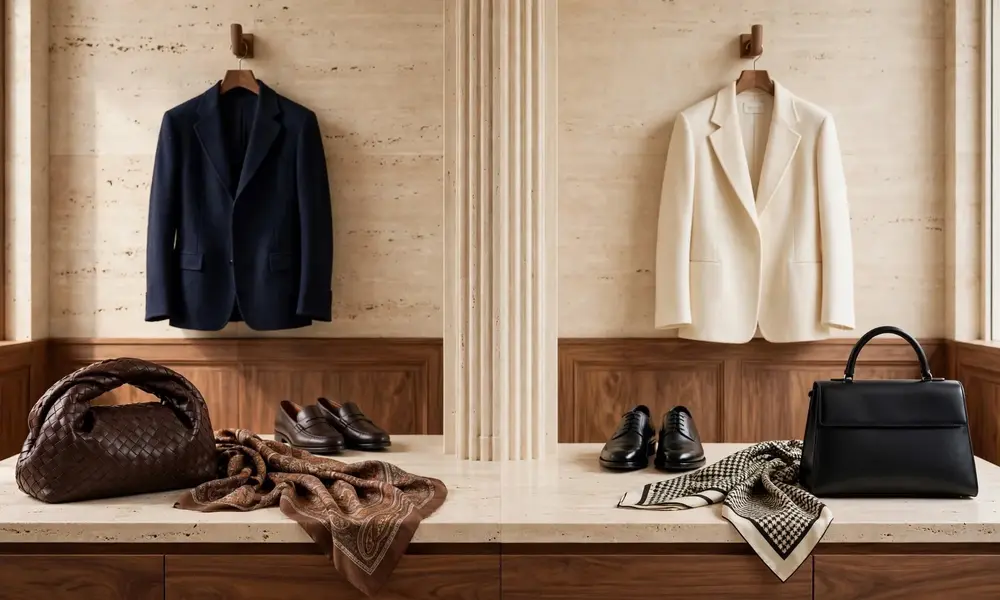
Italian and French fashion houses have different histories and design traditions, but neither country produces universally superior luxury products.
French luxury is often associated with houses such as Hermès, Chanel, Louis Vuitton, and Dior.
Italian luxury includes Gucci, Prada, Fendi, Bottega Veneta, Armani, and many other distinctive names.
Both countries have exceptional manufacturers, highly skilled craftspeople, and internationally recognized design traditions.
The more useful comparison is between specific products.
For example, compare a particular leather handbag’s construction, comfort, materials, and functionality rather than assuming its country of origin determines quality.
A beautifully made Italian leather bag may be a wonderful purchase, but so may a carefully crafted French alternative.
How Much Do Italian Luxury Fashion Brands Cost?
Prices vary enormously across brands and product categories.
A small accessory from a major fashion house may cost a few hundred dollars, while handbags, fine knitwear, tailored clothing, and special editions can cost several thousand dollars or more.
High-end bespoke tailoring and exceptional garments may reach significantly higher prices.
Rather than using a single price range for an entire brand, compare similar product categories.
A wool coat and a leather cardholder have very different material and manufacturing requirements.
Also consider alterations, repairs, cleaning, and long-term maintenance.
An expensive item may offer good personal value if it suits your wardrobe and receives frequent use, but high prices do not guarantee durability or resale appreciation.
How to Choose the Right Italian Luxury Brand
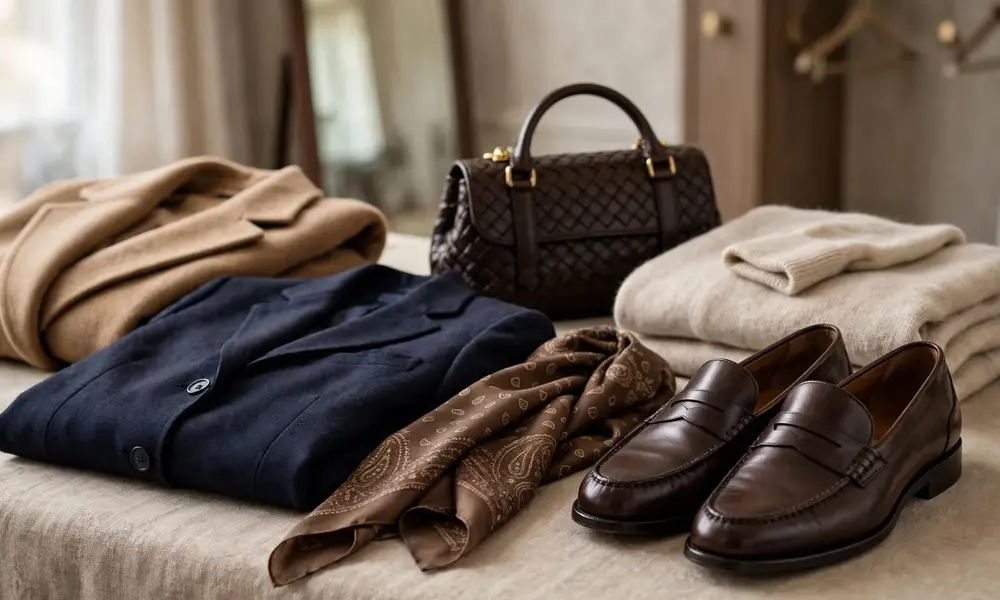
Choosing a luxury fashion house should begin with understanding your personal style.
If you love expressive accessories and recognizable fashion details, Gucci or Versace may appeal to you.
If you prefer contemporary minimalism, Prada and Bottega Veneta offer different interpretations.
For refined clothing and elegant natural materials, Loro Piana, Brunello Cucinelli, and Zegna are worth exploring.
For classic women’s outerwear, Max Mara is particularly relevant.
Before purchasing, consider:
- The garment or accessory’s intended use
- Material composition and quality
- Construction and finishing
- Fit and comfort
- Maintenance requirements
- Versatility within your existing wardrobe
- Return and repair policies
- Total cost rather than the label alone
For accessories, our guide to luxury accessories brands offers additional context on iconic products and design identities.
How to Tell if an Italian Luxury Product Is Authentic
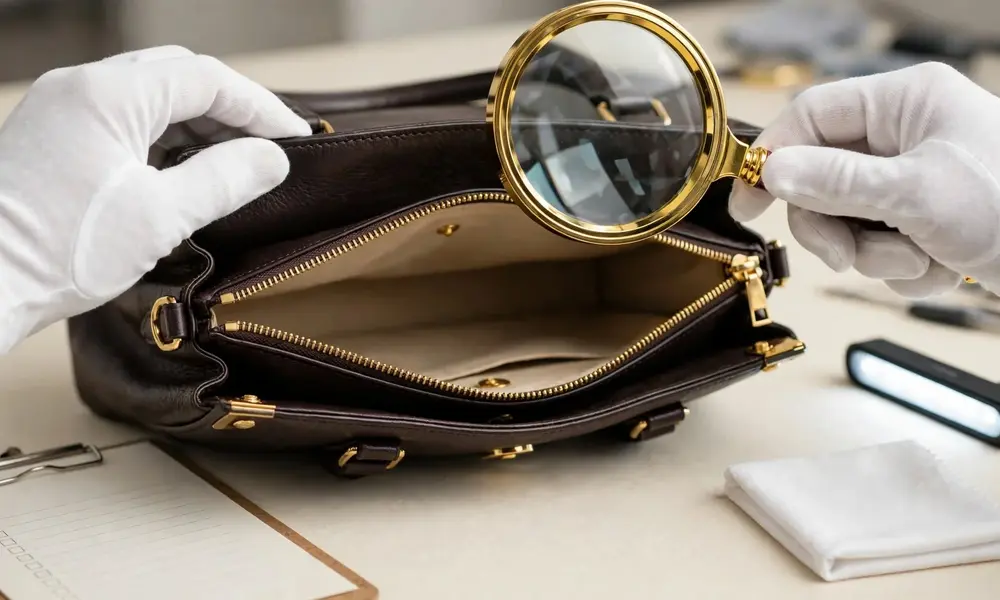
Counterfeit luxury fashion remains a concern, particularly when shopping through resale platforms or unfamiliar retailers.
The safest option is to purchase from an official boutique, the brand’s website, or a trusted authorized retailer.
For pre-owned purchases, examine the seller’s authentication process, return policy, product history, and available documentation.
Stitching, hardware, logos, and serial identifiers may provide useful clues, but counterfeit products can imitate many of these details.
Do not assume a serial number or dust bag proves authenticity.
For expensive secondhand purchases, professional authentication may be appropriate.
Also distinguish between an Italian brand and a product made in Italy. A company may be Italian even when a particular item is manufactured elsewhere.
Are Italian Luxury Fashion Brands Worth the Money?
Italian luxury brands can offer exceptional design, craftsmanship, and personal satisfaction.
However, value depends on the individual product.
A beautifully made cashmere sweater that you wear regularly may be more worthwhile than an elaborate runway piece that remains in storage.
Similarly, a handbag that fits your everyday routine can be a better choice than a more recognizable design that feels uncomfortable to carry.
Buy for quality and personal enjoyment rather than assuming every luxury product is an investment.
Consider cost per wear, maintenance, and whether the design will remain relevant to your own wardrobe.
A thoughtful luxury purchase should feel satisfying long after the excitement of buying it has passed.
Frequently Asked Questions
What are the most famous Italian luxury fashion brands?
Gucci, Prada, Fendi, Versace, Giorgio Armani, Valentino Garavani, Dolce & Gabbana, and Bottega Veneta are among the most internationally recognized Italian luxury fashion brands.
What is the most expensive Italian luxury brand?
There is no single answer across every product category. Exceptional pieces from established luxury houses can reach very high prices, especially in couture, bespoke clothing, fine materials, and limited editions. Comparing specific products provides a more meaningful answer.
Is Gucci an Italian luxury brand?
Yes. Gucci was founded in Florence, Italy, in 1921 by Guccio Gucci and remains one of the world’s most recognizable Italian luxury fashion houses.
Is Prada an Italian luxury brand?
Yes. Prada was founded in Milan in 1913. The house is known for leather goods, contemporary clothing, footwear, and its distinctive approach to modern luxury design.
Which Italian luxury brand is best for handbags?
Gucci, Prada, Fendi, Bottega Veneta, and Ferragamo are strong options. Each offers different aesthetics and handbag constructions, so the best choice depends on personal style and functionality.
Which Italian luxury brands are known for cashmere?
Loro Piana and Brunello Cucinelli are particularly recognized for refined cashmere and premium knitwear. Zegna also has a strong heritage in fine textiles and luxury clothing.
Are all Italian luxury brands made in Italy?
No. Italian luxury houses may operate international manufacturing and sourcing networks. The manufacturing origin of an individual item should be checked rather than assumed from the brand’s nationality.
Which Italian luxury brands are best for timeless fashion?
Giorgio Armani, Max Mara, Loro Piana, Brunello Cucinelli, Zegna, and selected collections from other Italian houses offer elegant designs that can fit a timeless wardrobe.
Final Thoughts
Italian luxury fashion is far more diverse than a collection of famous designer names.
Gucci celebrates expressive heritage, while Prada explores the relationship between modernity and tradition. Fendi and Bottega Veneta demonstrate the enduring appeal of leather craftsmanship. Giorgio Armani and Zegna approach luxury through refined tailoring, while Loro Piana and Brunello Cucinelli place extraordinary emphasis on beautiful materials.
Then there are the more expressive worlds of Versace, Dolce & Gabbana, Missoni, and Miu Miu, where color, creativity, and unconventional styling become central to the experience.
The most interesting part of Italian fashion is that these different approaches can coexist.
There is room for bold personal expression and restrained elegance, elaborate decoration and beautiful simplicity.
Choose the fashion house whose design philosophy feels closest to your own.
Because a truly worthwhile luxury purchase should offer more than a recognizable label. It should bring together craftsmanship, comfort, thoughtful design, and a sense of personal style that lasts beyond the current season.