Luxury has a way of making ordinary moments feel different.
It might be the first time you hold a beautifully made leather handbag. The stitching is precise. The hardware feels substantial in your hand. Even the smallest details seem intentional.
Then you notice the name.
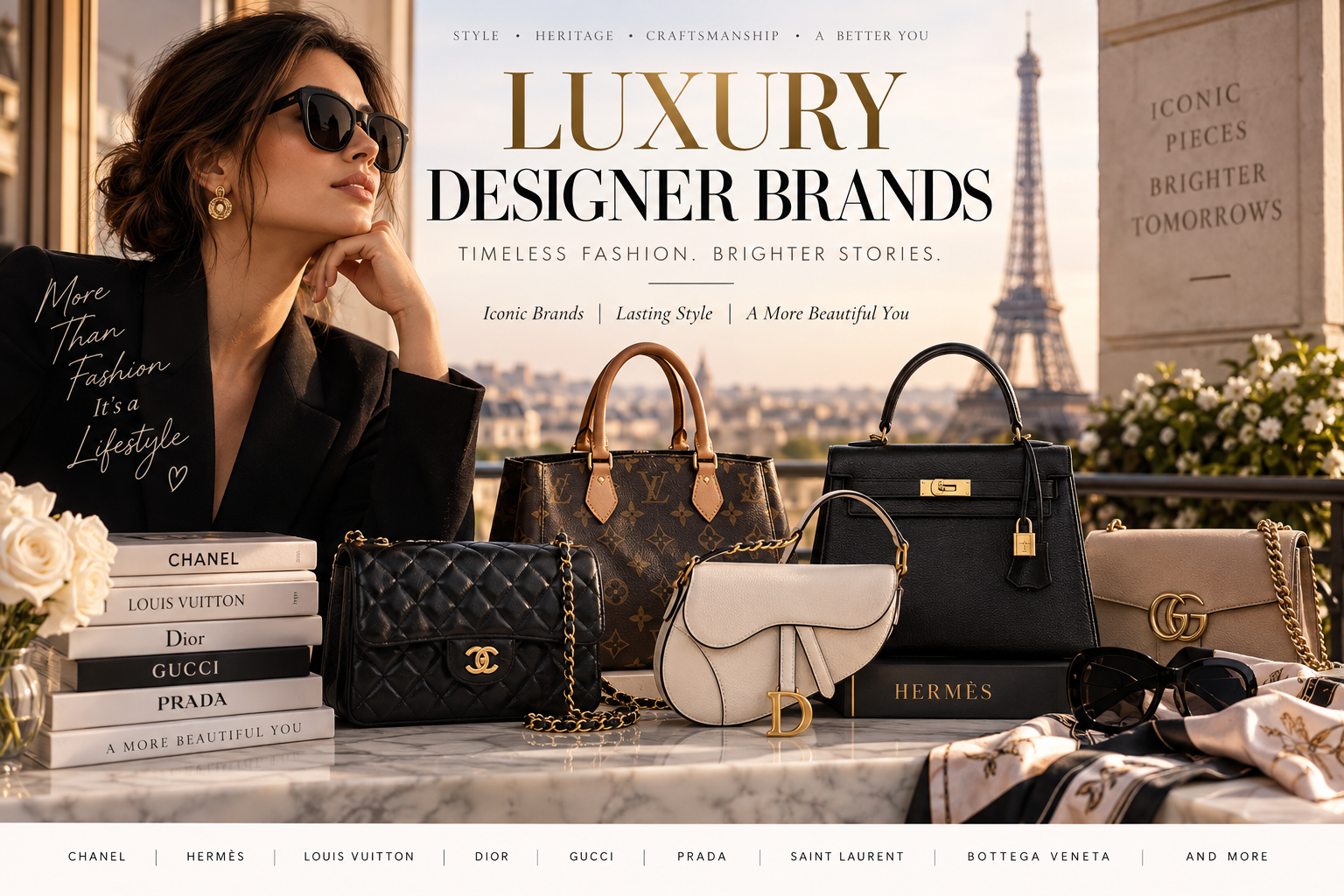
Perhaps it is Chanel, Hermès, Louis Vuitton, Dior, Gucci, Prada, Saint Laurent, or Bottega Veneta.
But a famous name alone does not make something luxurious.
The world’s great luxury designer brands have spent decades and sometimes generations developing their identities. They combine craftsmanship, creative vision, premium materials, recognizable designs, and heritage to create fashion that can remain relevant long after a particular trend disappears.
That is why understanding luxury fashion means looking beyond the logo.
What Are Luxury Designer Brands?
Luxury designer brands are high-end fashion houses known for distinctive design, craftsmanship, premium materials, controlled distribution, and strong brand identities.
Many produce much more than clothing.
Their collections can include:
- Designer handbags and leather goods
- Ready-to-wear fashion
- Haute couture
- Shoes
- Jewelry and watches
- Sunglasses and eyewear
- Fragrances and beauty products
- Scarves and other accessories
The word luxury, however, should not simply mean “expensive.”
At its strongest, luxury represents a combination of quality, creativity, craftsmanship, heritage, attention to detail, and experience.
Large luxury groups themselves emphasize these qualities. LVMH, whose fashion portfolio includes Louis Vuitton, Dior, Fendi, Celine, Loewe, Givenchy, and Loro Piana, describes craftsmanship, quality, heritage, creativity, and innovation as central elements of its luxury houses.
That distinction matters when you are trying to understand why certain fashion houses have become global symbols of luxury.
What Makes a Designer Brand Truly Luxurious?
Imagine two handbags sitting beside each other. Both are beautiful, and both have high price tags.
Why might one belong to a genuine luxury house while the other is simply an expensive fashion product?
There is no single test. Instead, several qualities usually work together.
Exceptional Craftsmanship
Craftsmanship is one of luxury fashion’s foundations.
A luxury piece may involve specialist leatherwork, tailoring, embroidery, hand-finishing, pattern cutting, or techniques developed and passed between generations of artisans.
Louis Vuitton, for example, traces its heritage to 1854 and continues to emphasize the preservation and teaching of its specialist savoir-faire.
The details that look effortless often require the most work.
A Recognizable Design Language
The strongest luxury designer brands have personalities.
You may recognize a silhouette, material, motif, shape, or style before noticing the label.
This visual identity is part of what separates a lasting fashion house from a brand simply following whatever happens to be popular this season.
Heritage and Story
Heritage does not automatically make a brand better, but history can give fashion meaning.
A bag is no longer just a bag when its shape connects to decades of design. A jacket can become part of a fashion house’s identity when designers continually reinterpret it for new generations.
Luxury is often a conversation between what came before and what comes next.
And few brands demonstrate that better than the houses below.
1. Chanel: The Language of Parisian Elegance
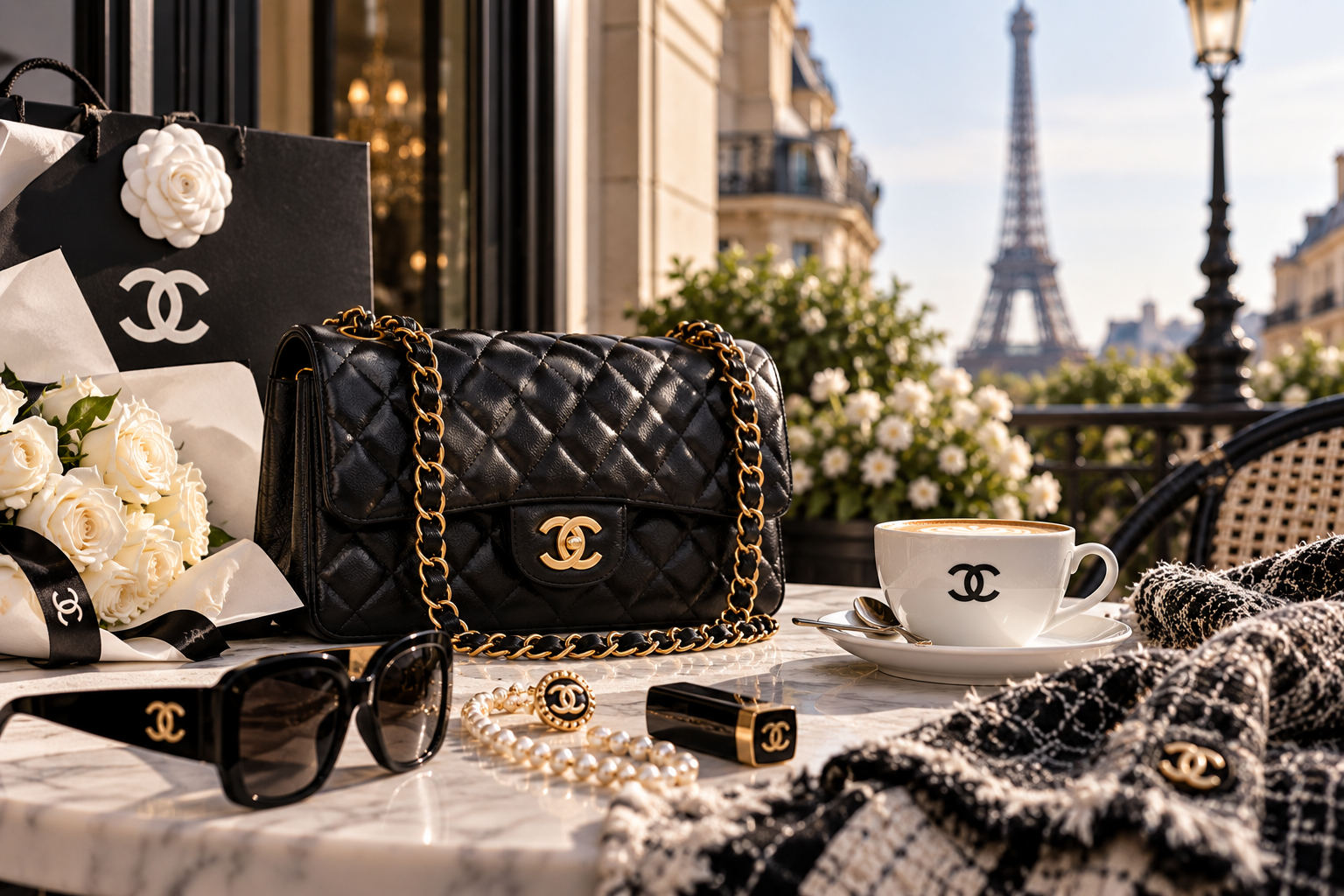
Few names feel as closely connected to classic French fashion as Chanel.
The house built a visual world that can be recognized through elements such as quilted handbags, tweed, pearls, monochrome combinations, chain details, and the interlocking double-C motif.
Yet Chanel’s influence reaches beyond individual products.
Its enduring appeal comes from an idea of elegance that can feel polished without becoming overly complicated.
For a woman exploring designer fashion, these luxury styling tips help you wear the classics
2. Hermès: Luxury Built Around Craft
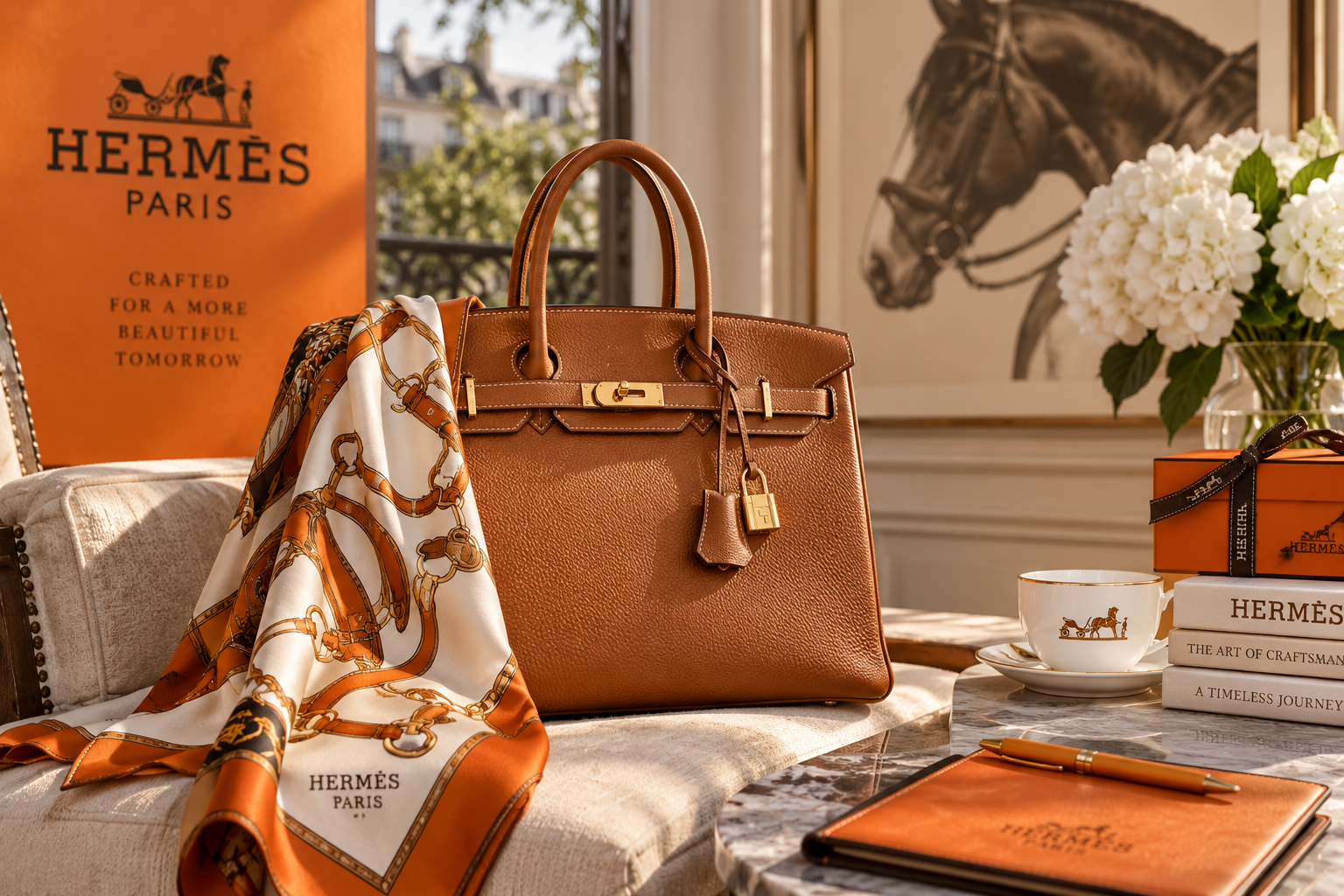
If some luxury houses begin their stories on the runway, Hermès is closely associated with craftsmanship and leather goods.
Its handbags, particularly the Birkin and Kelly, have become internationally recognizable symbols of high-end fashion.
But focusing only on famous bags misses part of the story.
Hermès has developed a wider world encompassing silk scarves, fashion, footwear, jewelry, watches, equestrian products, accessories, and home collections.
Its identity shows why craftsmanship remains so important in conversations about high-end designer brands.
Luxury does not always need to shout.
Sometimes, it is found in how something is made.
3. Louis Vuitton: From Travel to a Global Fashion House
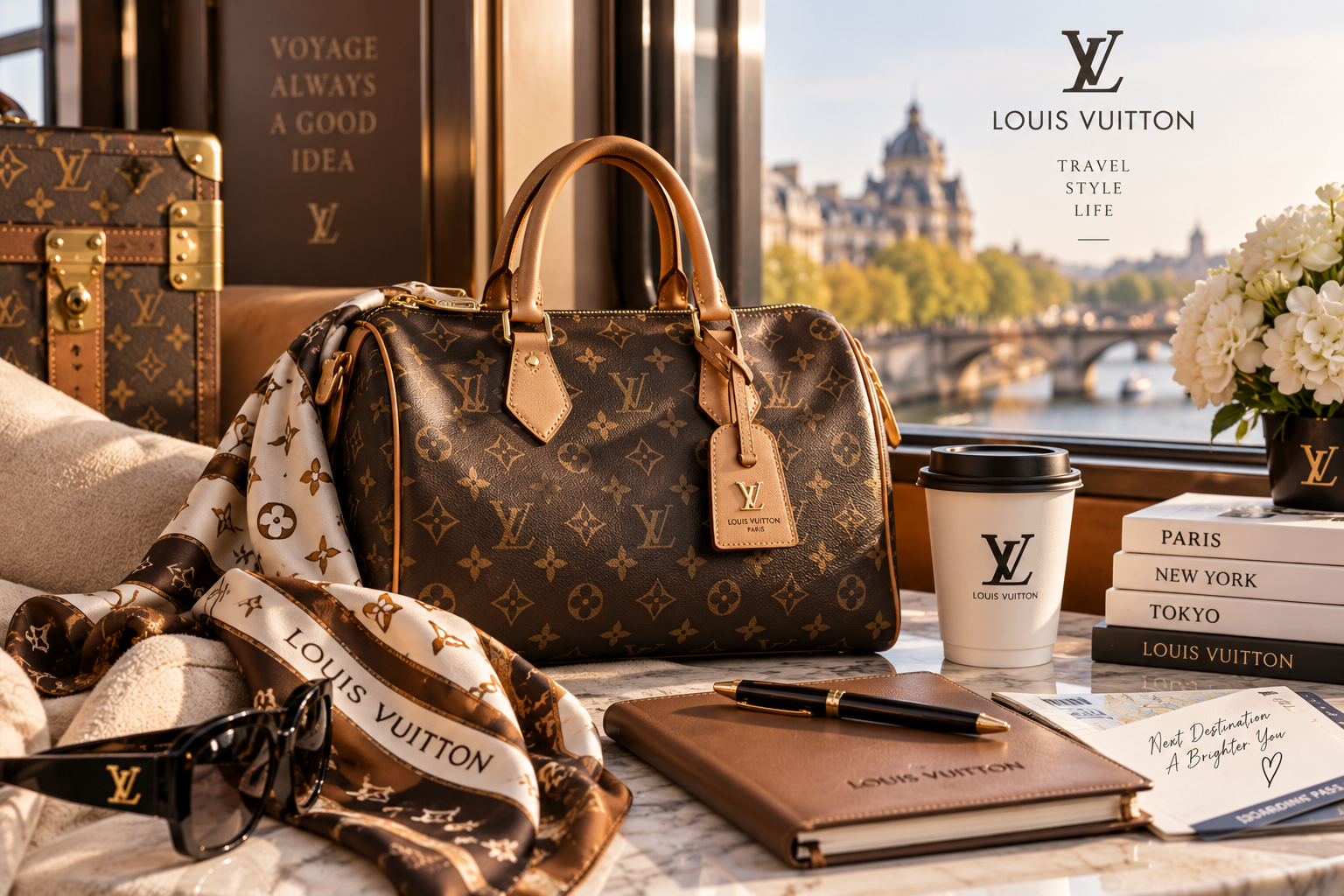
The Louis Vuitton story began with travel.
Founded in 1854, the house developed its reputation through trunk-making before growing into a much broader luxury fashion brand. The company still describes craftsmanship and the preservation of specialist skills as essential to its identity.
Today, Louis Vuitton is known for handbags, luggage, ready-to-wear, shoes, accessories, jewelry, and more.
Its famous Monogram canvas is instantly recognizable, but the house’s continued relevance also comes from its ability to reinterpret its heritage.
That balance being recognizable without remaining frozen in the past is one of the challenges every heritage luxury brand faces.
4. Dior: Where Fashion Meets a Dream
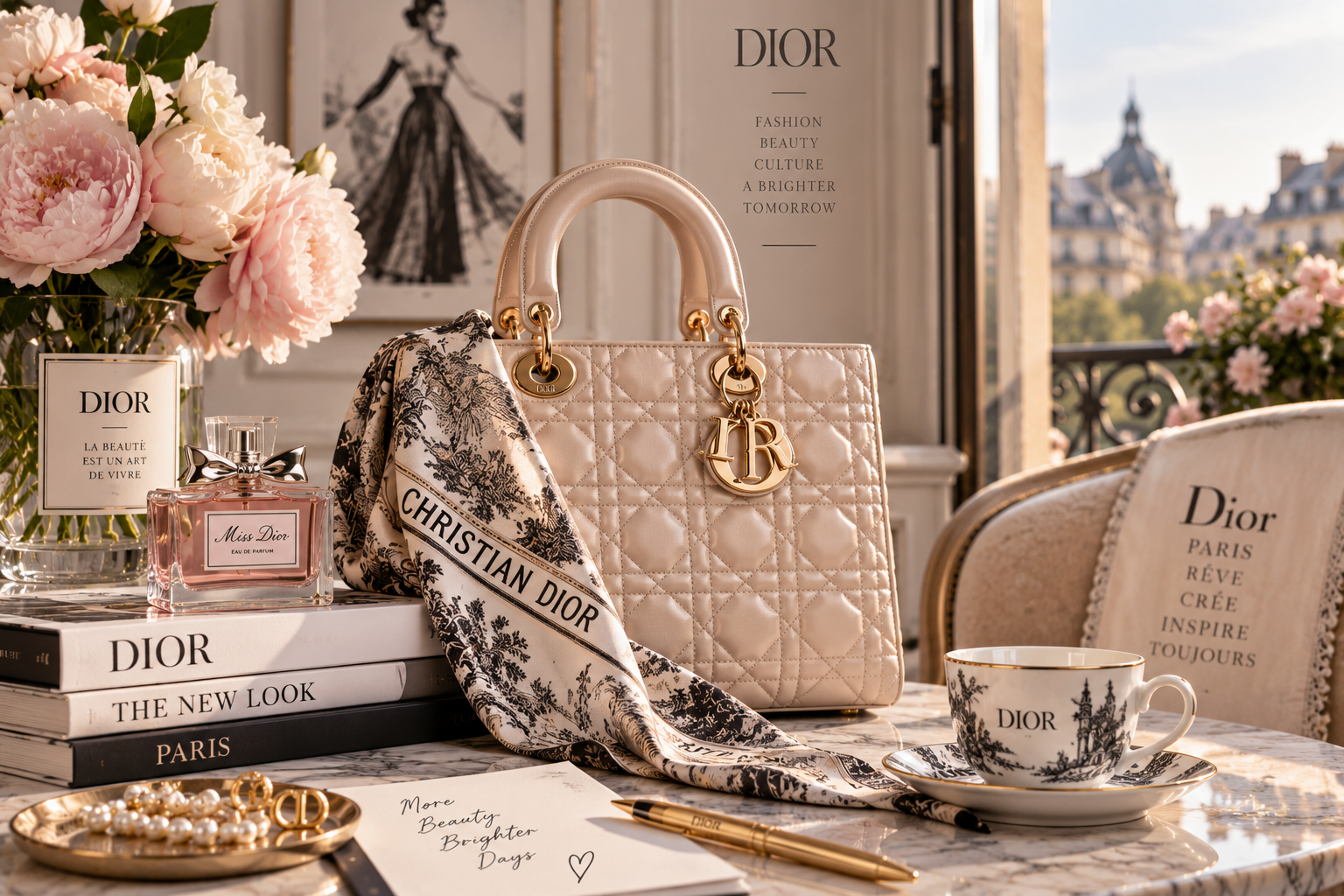
Dior tells a different story.
Christian Dior established his fashion house in 1946, and his first collection in 1947 introduced the silhouette that became associated with the New Look. The Bar jacket from that first show remains an important house icon and continues to be reinterpreted.
There is a romantic quality to Dior’s identity.
Its world stretches from haute couture and ready-to-wear to handbags, accessories, jewelry, beauty, and fragrance.
Yet behind that beauty is serious technical work. Dior describes its savoir-faire as a combination of preserving traditional techniques while continuing to innovate.
That is an important lesson about luxury fashion: romance and craftsmanship often live together.
5. Gucci: Italian Luxury With Personality
Some women want understated luxury.
Others want fashion that walks into the room with them.
Gucci has long occupied an expressive side of Italian luxury.
Guccio Gucci founded the house in Florence in 1921. Over time, products such as the Bamboo 1947 bag, Horsebit loafer, and Jackie 1961 became important parts of its design history.
Equestrian-inspired details, leather craftsmanship, distinctive hardware, and bold creative reinvention have all helped shape Gucci’s identity.
It is also a useful example of how a heritage fashion house can change dramatically between creative eras while continuing to draw from its archives.
6. Prada: Intellectual, Minimal and Unexpected
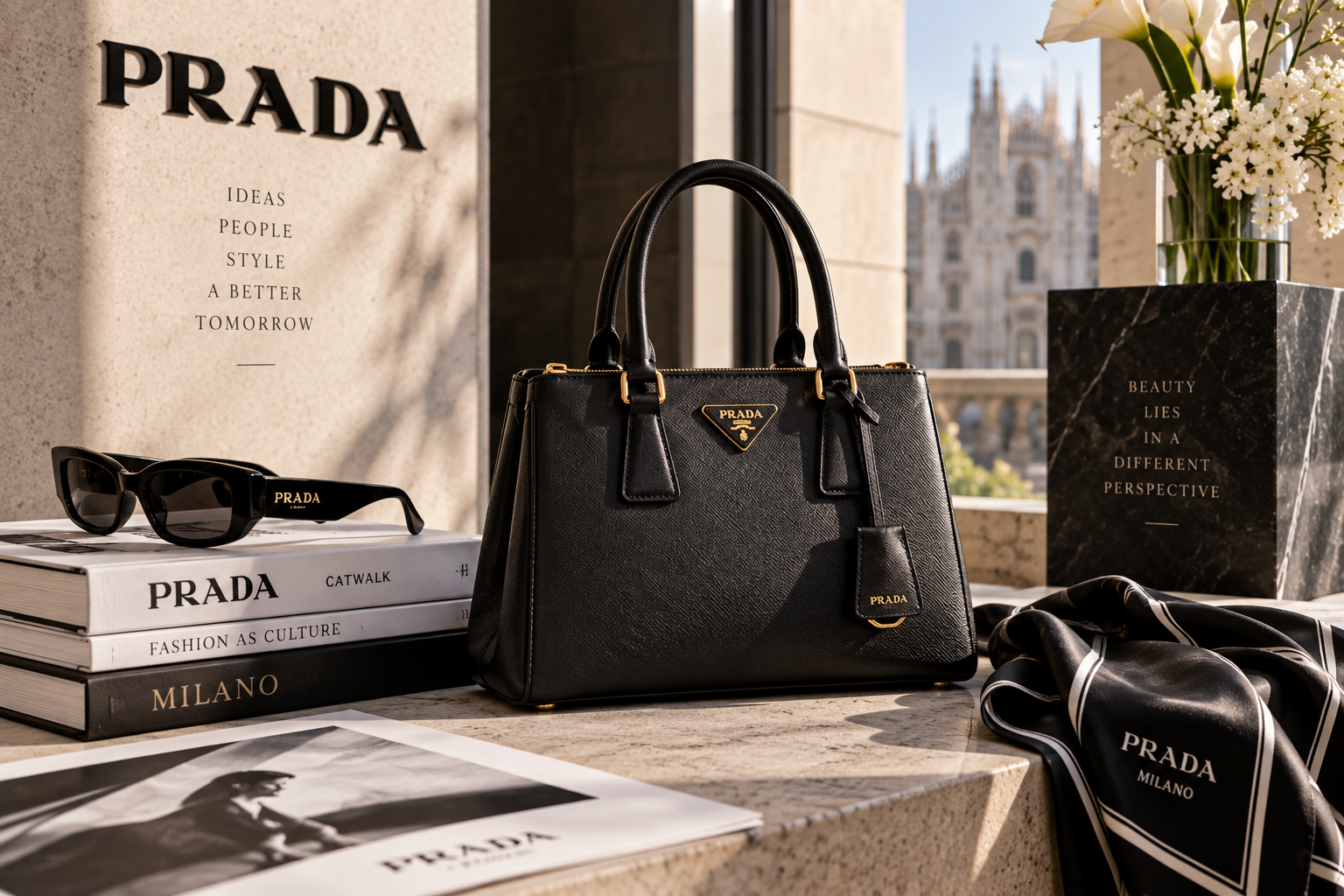
Prada proves that luxury does not always need obvious decoration.
The Italian fashion house is associated with clean lines, unconventional combinations, understated pieces, and designs that can feel intelligent rather than simply glamorous.
Prada has also helped challenge traditional ideas about what qualifies as a luxury material, most famously through its use of nylon alongside leather and other premium materials.
For women drawn toward minimal wardrobes and fashion with a sharper edge, Prada offers a different interpretation of luxury.
It can be simple without being ordinary.
7. Saint Laurent: Luxury With an Edge
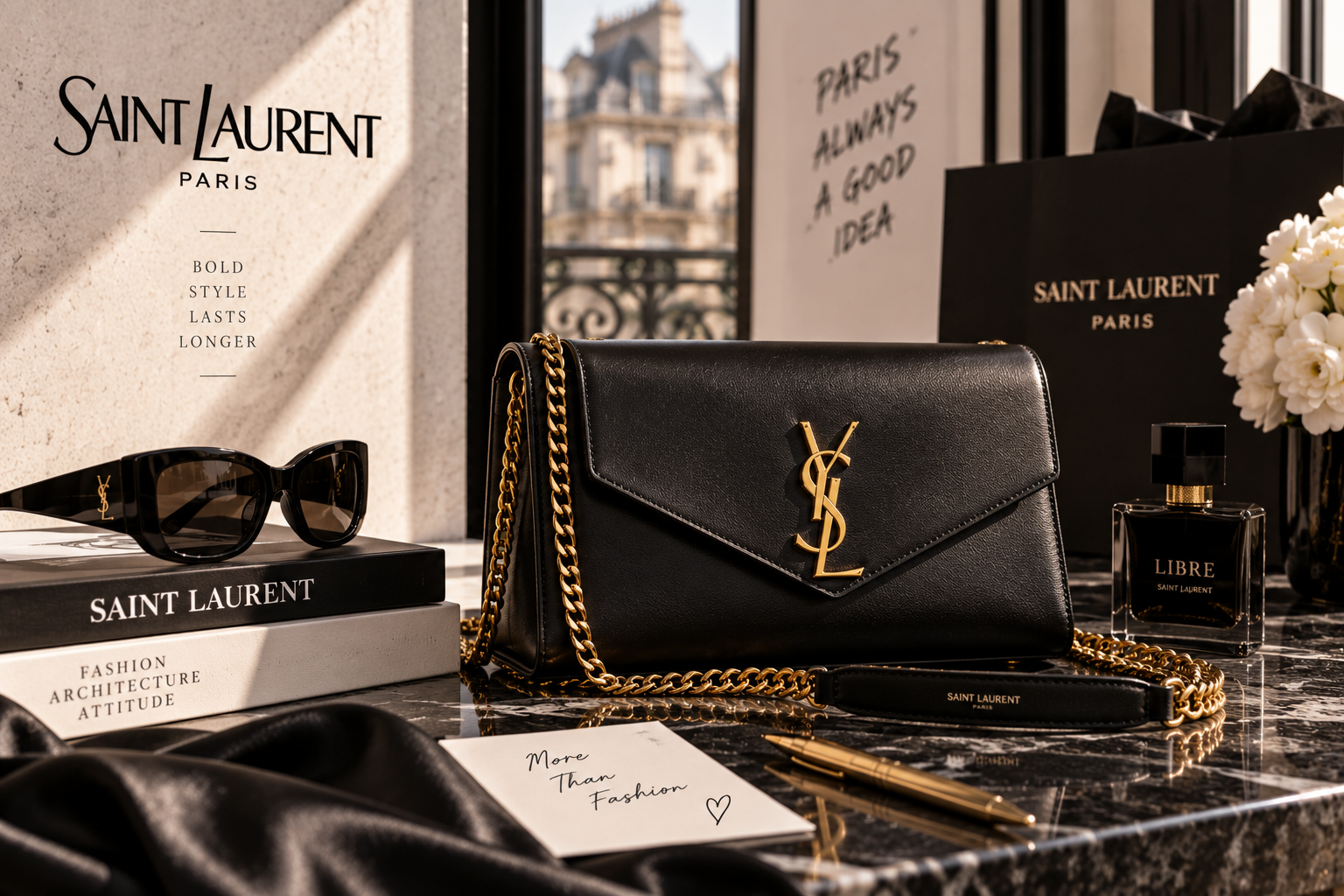
Saint Laurent carries a distinctly Parisian attitude.
Sharp tailoring, sleek eveningwear, leather, strong silhouettes, and a largely black visual vocabulary have helped give the house an immediately recognizable character.
That makes Saint Laurent interesting in a discussion of luxury designer brands.
Luxury does not have one personality.
It can be romantic like Dior, expressive like Gucci, restrained like Prada, or confident and sharp like Saint Laurent.
Personal style matters just as much as the label.
8. Bottega Veneta: When Craftsmanship Becomes the Logo
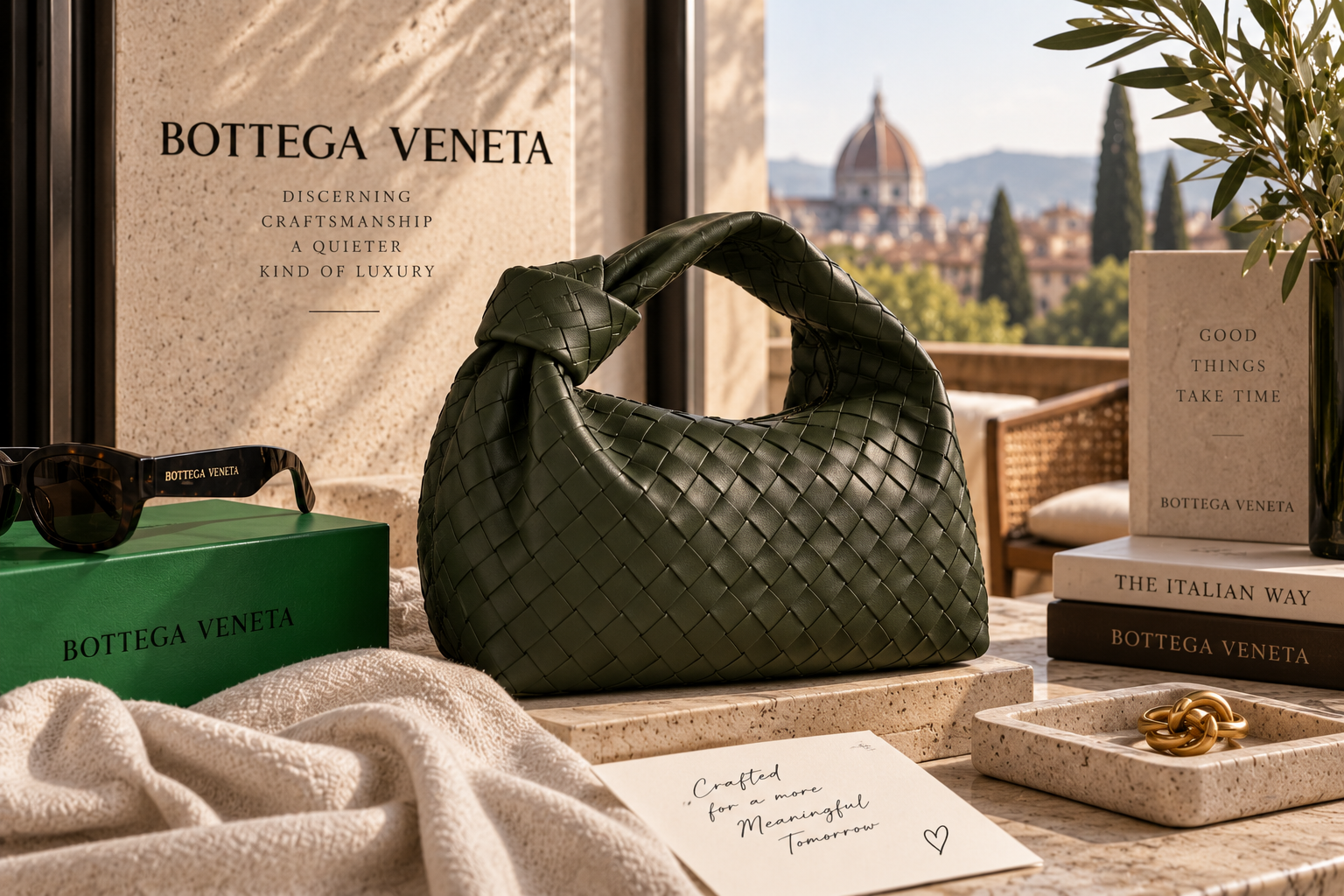
You do not always need a visible monogram to recognize a luxury product.
Bottega Veneta has built much of its identity around leather skill and its signature twisted weaving technique.
That makes the house especially relevant to the rise of what consumers often call quiet luxury fashion, where material, construction, shape, and subtle design details can matter more than an obvious logo.
It is a useful reminder that recognizable luxury and logo-heavy luxury are not the same thing.
Heritage Luxury vs. Modern Luxury
Newer designers, including these emerging luxury designer brands, bring different ideas.
Traditional fashion houses often rely on decades of archives, signature products, and established craftsmanship. Newer designers may have less history but bring different ideas about materials, sustainability, identity, technology, and contemporary culture.
Neither approach automatically makes one more luxurious than another.
The more useful question is whether a brand has a clear point of view and whether its products support the story it tells.
Heritage without innovation can feel dated.
Innovation without substance can disappear with the next trend.
The strongest luxury houses find a way to connect both.
PraviCeler says Kering, whose portfolio includes Gucci, Saint Laurent, Bottega Veneta, Balenciaga, and other houses, similarly describes creative heritage and continual reinvention as central to its brands.
How to Choose a Luxury Designer Brand
If the prices feel out of reach, start with affordable luxury brands.
Choosing luxury should feel personal.
Before falling in love with a logo, think about the life the item will actually enter.
Ask yourself:
- Does this match my personal style? A recognizable name means little if you never feel comfortable wearing it.
- Will I actually use it? Consider your wardrobe, lifestyle, work, travel, and everyday routine.
- How is it made? Look at materials, construction, hardware, stitching, lining, and finishing.
- Is it timeless for me? Something does not need to be a universal classic. It needs to remain meaningful in your wardrobe.
- Am I buying the product or the trend? Social media can make a particular bag feel essential very quickly. Give yourself time before making an expensive decision.
And remember: a luxury purchase is not automatically a financial investment. Resale values vary significantly by brand, model, condition, rarity, market demand, and timing.
Buy first for the value the piece brings to your own wardrobe.
FAQs About Luxury Designer Brands
Why are luxury brands so expensive?
The price goes beyond materials. Craftsmanship, skilled labor, design development, limited production, heritage, retail experience, and brand positioning can all influence what a luxury item costs.
Do luxury brands make their own products?
It depends on the brand and product. Some luxury houses use their own workshops, while others also work with specialist manufacturers and suppliers. Handbags, eyewear, fragrance, clothing, and jewelry may have completely different production processes.
Why are some designer bags hard to buy?
Demand can be much greater than supply. Certain bags are produced in limited quantities, while specific colors, sizes, and materials may only reach selected boutiques.
Are luxury bags handmade?
Some involve significant handcraftsmanship, but “handmade” does not always mean one artisan makes the entire bag by hand. Luxury production can combine artisan techniques with specialized tools and manufacturing processes.
Why do luxury brands raise prices?
Labor, materials, currency changes, production costs, regional markets, and brand strategy can influence price increases. A higher price does not necessarily mean the product itself has changed.
Can a new brand become luxury?
Yes. A fashion house does not need 100 years of history to enter the luxury market. Strong craftsmanship, original design, premium materials, exclusivity, and a distinctive identity can establish a younger luxury brand.
Why do old designer bags return?
Luxury houses regularly explore their archives. A past silhouette, print, clasp, or handbag can be redesigned for a new generation while keeping recognizable elements of the original.
Does a logo make a brand luxury?
No. Some of the strongest luxury designs use very little visible branding. Materials, construction, silhouette, craftsmanship, and distinctive house codes can make a product recognizable without a large logo.
Is luxury cheaper in Europe?
Sometimes, but not always. Regional retail prices, exchange rates, taxes, duties, and possible tourist tax refunds can change the final cost. Compare the actual total rather than only the displayed price.
Does a new creative director change a brand?
Often, yes. A creative director can introduce new silhouettes, collections, campaigns, and styling while drawing on the fashion house’s established heritage and design codes.
Why do luxury brands destroy unsold items?
This has historically occurred in parts of the luxury industry, but practices vary by company and jurisdiction and have been changing due to environmental rules and sustainability efforts. Some companies now use resale, recycling, donation, repair, or material-recovery programs instead.
Can luxury brands lose their status?
Yes. Heritage alone cannot guarantee continued relevance. A luxury house must balance craftsmanship, exclusivity, creative direction, customer expectations, and cultural relevance while protecting the identity that made it distinctive.
Luxury Is More Personal Than a Logo
The world of luxury designer brands can look intimidating from the outside.
There are famous names, historic fashion houses, changing trends, iconic handbags, runway collections, and prices that can make even experienced shoppers stop and think.
But understanding luxury makes the picture simpler.
Look beyond the label.
Notice the leather. Feel the fabric. Study the construction. Learn the story behind the design. Think about whether the piece fits your life rather than simply your social feed.
Chanel, Hermès, Louis Vuitton, Dior, Gucci, Prada, Saint Laurent, and Bottega Veneta each tell a different fashion story.
And perhaps that is the most beautiful part of luxury.
You do not need to belong to every story.
You only need to discover the one that feels like yours.