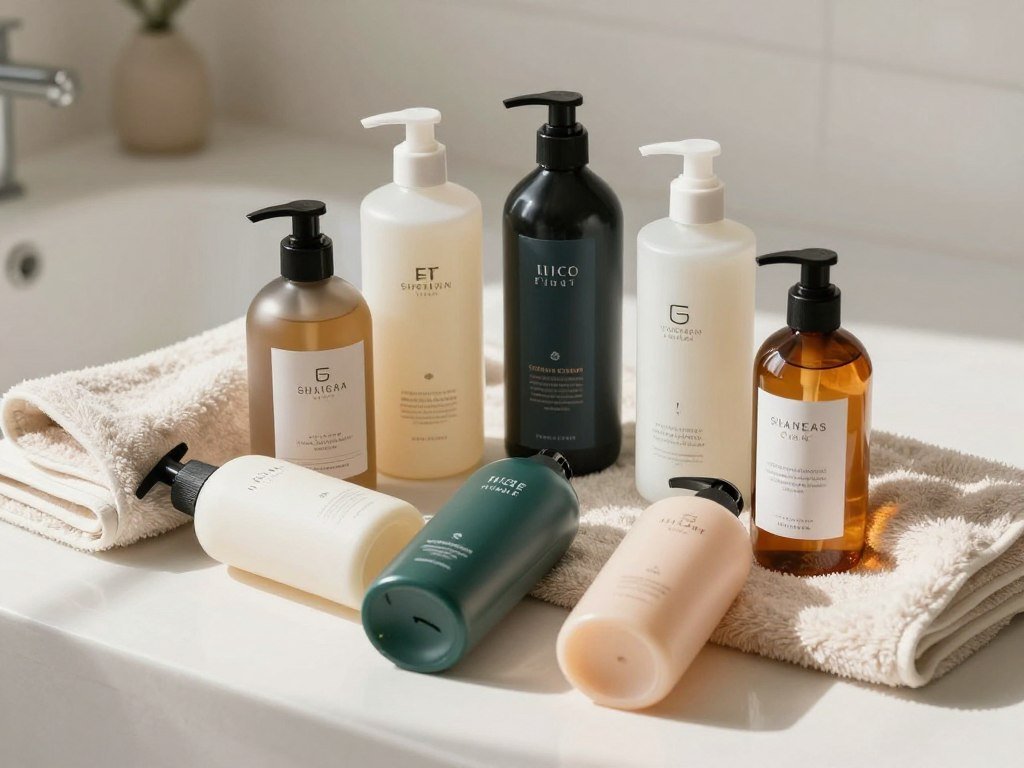
A good shower routine starts with what your scalp and strands need, not with a bottle labeled for men. The best shampoo and conditioner for men should fit those needs, not just its label. The right choice depends on your scalp condition, hair texture, styling habits, and budget.
A surfactant is a cleansing ingredient that helps lift oil, sweat, and dirt so they can rinse away. You may prefer separate formulas, or a 2-in-1 that combines cleanser and conditioner. Either can work when it suits your hair and scalp needs.
Fuller-looking hair is a cosmetic effect, not the same as regrowth. This guide compares affordable and higher-priced options without treating product claims as medical proof. Choose a formula for the concern you actually have, then give it a consistent trial before judging the result.
Key Takeaways
- Choose shampoo for your scalp and conditioner for your hair lengths.
- Match formula weight to strand texture, length, and styling needs.
- Separate products offer more control than a 2-in-1.
- Volumizing may make thinning hair look fuller, but it does not prove regrowth.
- Persistent flakes, irritation, or hair loss may need professional guidance.
Best Shampoo and Conditioner for Men: Quick Picks by Need
For a straightforward daily routine, BYRD is the strongest all-around starting point, while scalp concerns call for a more targeted match. The best shampoo depends on your scalp needs, hair type, and routine. Use these picks to narrow your options before comparing details.
Choose one system that fits your main concern, rather than adding several new products at once. The table separates everyday care from formulas aimed at flakes, buildup, or sensitivity.
| Need | Pick | Why it fits | Routine type |
|---|---|---|---|
| Everyday use | BYRD Purifying Shampoo + Lightweight Conditioner | Broad fit for regular cleansing and light conditioning | Separate formulas |
| Flaky or itchy scalp | Blu Atlas Shampoo + Conditioner | Frequent cleansing for a flaky-feeling scalp | Separate formulas |
| Thick hair or heavy styling buildup | Patricks SH2 + CD2 | Deep cleansing with a moisture-focused conditioner | Separate formulas |
| Reactive scalp | Tribal Chimp Shampoo + Conditioner | Gentle cleansing base for sensitive scalp needs | Separate formulas |
Start with one system that matches your main concern rather than stacking several new products at once.
BYRD is the broadest everyday fit. Blu Atlas suits frequent cleansing when your scalp feels flaky, while Patricks SH2 works better for occasional deep cleansing. Tribal Chimp is the sensitive-scalp choice.
For thinning-hair choices, Blu Atlas Shampoo and Conditioner costs $40, while Patricks SH1 and CD1 costs $91. These are price anchors for those systems, not universal market prices. The products differ in price and focus, so the best shampoo men choose may not be the most expensive one.
Compare each pick with your hair type and the way you style it. A shampoo men use often should leave the scalp comfortable, not stripped. Start with one system that matches your main concern rather than stacking several new products at once.
How should you choose a formula for your hair and scalp?
Choose a cleanser for your scalp and a conditioner for your hair lengths. Your daily pattern of oil, discomfort, and styling buildup is a better guide than a label made for men. The right match may change as your habits or hair change.
Start with root oil, scalp comfort, strand texture, and styling buildup. Those four checks help you narrow the formulas without guessing from packaging. A useful shampoo and conditioner selection guide also explains how scalp and length needs can differ.
Match the cleanser to scalp oil and sensitivity
Notice how quickly your roots look oily after washing. If oil returns fast, a stronger or more frequent cleanse may suit you. If your scalp feels tight or itchy, a gentler formula may feel better.
Think about styling product, too. Paste, pomade, and dry shampoo can build up near the roots. When hair feels heavy or dull, residue may be part of the problem.
Match conditioner weight to texture and length
Fine strands can lose volume under rich conditioner. Dry, curly, or coarse lengths often need more moisture and slip. Keep the product focused where the hair needs it, rather than treating every strand alike.
Hair type includes strand thickness, curl pattern, and length. If you style often, consider how products affect your wash routine. A hairstyle guide can help you connect texture, upkeep, and styling habits.
What should men over 50 consider?
Men over 50 should choose by current scalp condition, texture, and density, not age alone. Hair can change over time, but the right formula still depends on how it behaves now.
Sudden or marked shedding deserves medical advice rather than a quick switch to another bottle. A clinician can assess changes that shampoo cannot explain. Use this four-point checklist when comparing products:
- Root oil: how soon do roots look greasy?
- Scalp comfort: do you feel tightness, itch, or irritation?
- Strand texture: are the lengths fine, coarse, straight, or curly?
- Styling buildup: do products leave hair heavy or dull?
Reassess the match when your scalp comfort or styling habits change, not just when the calendar changes.
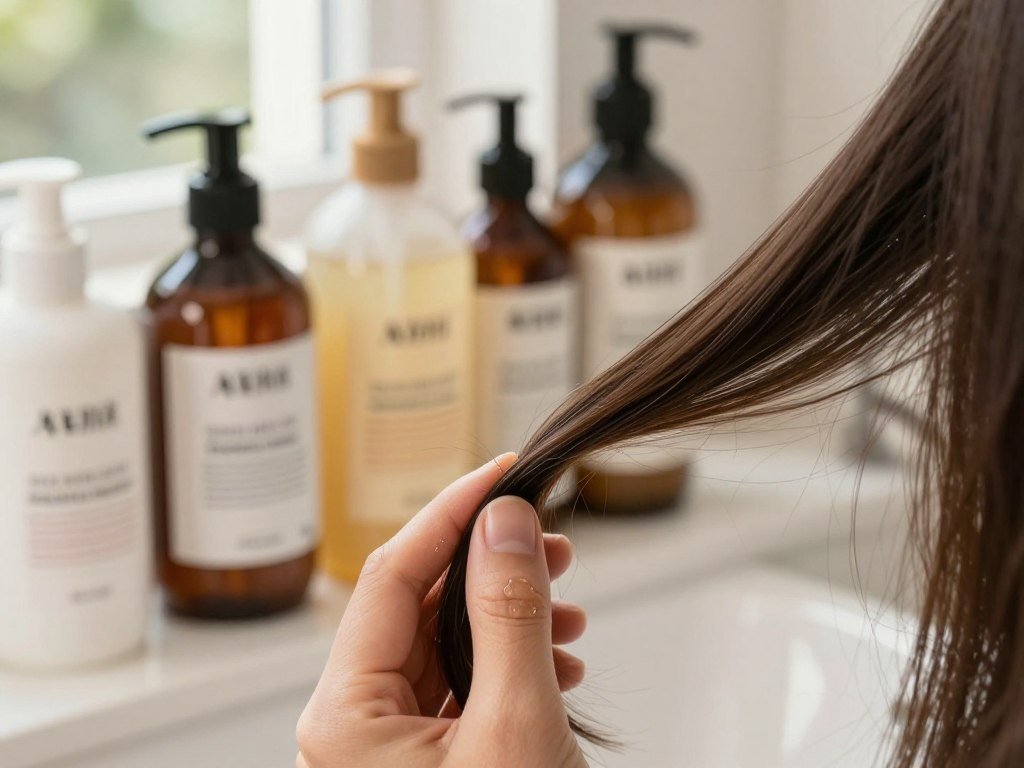
Which duo works for most men’s routines?
BYRD is the easiest starting point for a reader who wants one everyday pair without a heavy finish. Its separate formulas let you adjust cleansing and conditioning independently. That can help when your scalp needs frequent washing, but your ends do not need rich conditioner.
BYRD Purifying Shampoo pairs daily-friendly surfactants with aloe, glycerin, and sea-derived extracts. The cleanser is designed for regular use, while the Lightweight Conditioner uses quinoa, rice, and baobab proteins.
You can shampoo daily or as needed, then condition each wash. Focus conditioner on mid-lengths and ends, where dryness is more likely than at the roots. Separate formulas make it easier to use less conditioner without changing your cleansing routine.
The pair is a practical choice if you want an uncomplicated shampoo and conditioner routine. It is not a promise of special results for every scalp. Pay attention to how your hair feels after several washes, especially if it tends to fall flat.
Daily-friendly does not mean you must shampoo every day. Your scalp oil and activity can guide the schedule, while the light conditioner supports the lengths. If the conditioner feels too rich, use less and keep it away from the roots.
Hair trends and upkeep ideas can also help you think through how your style affects product use. A short cut and a long, styled top may need different amounts of conditioner.
What can help a flaky or itchy scalp?
For occasional flakes and a scalp that feels tight, begin with a gentle routine; persistent dandruff may call for a medicated active. Blu Atlas offers a gentle cleansing duo with aloe and coconut-derived cleansers. For dandruff that keeps returning, Vichy Dercos Selenium Sulfide Anti-Dandruff Shampoo is a medicated option listed at $20.
Persistent or severe scalp symptoms are a reason to seek professional guidance. A gentle routine may help comfort, but it is not a substitute for care when symptoms worsen or keep coming back. The American Academy of Dermatology explains seborrheic dermatitis diagnosis and treatment.
Blu Atlas shampoo includes vegan biotin, saw palmetto, and jojoba protein. Its conditioner contains argan and avocado oils, along with barley protein. Those ingredients describe the formula, not proof that it treats a scalp condition.
For active users, the suggested Blu Atlas routine is three to five washes per week, or daily. Leave the shampoo on the scalp for 30-60 seconds. Follow the product directions and stop if your skin reacts badly.
Use three checks to judge whether a gentler routine is helping:
- Visible flakes: are they still easy to see?
- Ongoing itch: does the scalp keep itching between washes?
- Comfort: do gentle routine changes improve how your scalp feels?
Stop a formula that causes burning or worsening irritation and ask a clinician what to try next.
Which products suit thick hair and heavy styling?
Thick hair and layers of styling product can benefit from a more thorough cleanse than an everyday wash provides. Patricks SH2 Deep Clean Shampoo is positioned for thick hair and heavy styling-product buildup. Pair it with Patricks CD2 Moisturizing Conditioner to replenish moisture.
Use SH2 two to three times per week or after heavy styling, then apply CD2 on wash days. That schedule gives styling residue a deeper cleanse without making every wash a deep-clean wash. Adjust it if your scalp or lengths start feeling dry.
Heavy paste, wax, or pomade can leave hair feeling coated. A deeper cleanse can help remove that buildup, especially when regular shampoo no longer leaves the roots feeling fresh. Keep the cleanser focused on the scalp.
Deep cleansing too often can feel drying, even when your hair is thick. Watch for rough lengths or a tight scalp after washing. Hair that has been exposed to frequent styling may need a different wash rhythm than hair with little product.
A clarifying routine can also remove residue from products and hard water. If buildup is the issue, match the deep-clean frequency to your hair and styling habits. If lengths start feeling rough, reduce deep-clean washes before adding more styling products.
What is a practical option for a sensitive scalp?
Tribal Chimp Shampoo offers a gentle cleansing base with peppermint and tea tree. Its conditioner contains biotin, vitamin E, and lightweight oils. A cooling feel can be pleasant, but it does not prove a formula suits a reactive scalp.
Start with three to four washes weekly, use lukewarm water, and stop if irritation worsens. Fragrance and cooling botanicals can still bother some sensitive scalps. A gentle label alone cannot guarantee comfort.
Use a small amount at first and pay attention to how your skin feels after rinsing. Peppermint may feel cool, while tea tree adds a distinct scent. Neither sensation tells you whether your scalp is becoming irritated.
If your scalp has reacted to products before, keep the routine simple. Avoid changing shampoo, conditioner, and styling products all at once. That makes it easier to spot the formula that may be causing a problem.
A sensitive scalp can react to ingredients that work well for someone else. If redness or discomfort grows, stop using the new product. Try only one new formula at a time so you can identify what your scalp tolerates.
Can shampoo help thinning hair look fuller?
Shampoo can improve how fine or thinning strands look, but it is unlikely to regrow hair or substantially change androgenetic alopecia. Volumizing products can add body, creating a fuller-looking style without changing hair density. Shampoo stays on the hair and scalp too briefly to make a major difference to hair growth.
Cosmetic fullness is not hair regrowth or a treatment for hair loss. That distinction matters when comparing the best men’s shampoo and conditioner for hair growth with products made for volume.
Value-oriented daily care
Blu Atlas is a value-oriented routine for thinning hair. Its shampoo contains saw palmetto and vegan biotin, while its conditioner includes argan oil, avocado oil, and barley protein.
Consistent use may support a fuller-looking style, depending on your hair and styling habits. That appearance is not evidence of regrowth. The shampoo’s short contact time makes a major effect on androgenetic alopecia unlikely.
A higher-priced duo with targeted actives
Patricks SH1 Daily Thickening Shampoo and CD1 Stimulating & Thickening Conditioner are a higher-priced option. The duo features Capixyl and caffeine, with a targeted thickening focus.
For men dealing with hair loss, the best shampoo and conditioner should be judged by realistic cosmetic expectations. A shampoo may improve the look or feel of hair, but it does not establish a medical effect. Thinning hair can have causes that need a clinician’s assessment.
Sudden, patchy, or persistent hair loss deserves a clinician’s assessment rather than a shampoo-only plan.
Which other formulas create a fuller-looking style?
R+Co Dallas is the straightforward thickening pick here, while Aveda and Nioxin offer different scalp-focused ingredient profiles. These products may suit readers who want a fuller-looking style, though their ingredient mix does not prove hair regrowth.
Compare each formula by its stated focus and your scalp’s tolerance. The listed prices can help you weigh the options, but a higher price does not guarantee better results.
| Product | Listed price | Named ingredients | Stated focus |
|---|---|---|---|
| R+Co Dallas Biotin Thickening Shampoo | $38, sale $34 | Pro-vitamin B5, saw palmetto, coconut oil | Thickening and sheen |
| Aveda Invati Ultra Advanced Exfoliating Shampoo Rich | $39 | Wintergreen-derived salicylic acid | Scalp exfoliation |
| Nioxin Hair Fall Defense Shampoo | $29 | Niacinamide, caffeine, Sandalore | Hair fall defense |
Thickening and scalp-focused shampoos
R+Co Dallas includes pro-vitamin B5, which is described as adding thickness and sheen. Coconut oil supports the scalp’s moisture barrier. Those details may help you compare formulas, but they are not proof that a shampoo changes density.
Aveda Invati uses wintergreen-derived salicylic acid as an exfoliating ingredient. That role concerns scalp buildup, not hair regrowth. Nioxin Hair Fall Defense offers a different mix with niacinamide, caffeine, and Sandalore.
A 2-in-1 option for scalp and strand care
A 2-in-1 can suit a simpler wash routine, though combined products offer less control over cleansing and conditioning. Check whether the conditioner portion leaves your scalp or roots feeling coated.
Changes in density or ongoing shedding may need medical evaluation. Compare ingredient purpose and scalp tolerance before paying more for a product marketed around density.
What should men with fine hair choose?
Fine strands often need a light formula that cleans without leaving the roots limp. Verb Ghost Shampoo is a lightweight option for fine hair, listed at $22 with a sale price of $19. It may suit a lighter routine when richer products flatten your style.
Fine hair describes strand diameter; it does not, by itself, mean thinning hair. Hair can be fine and dense, or thick and sparse. The terms describe different features.
If your hair falls flat, keep rich conditioner and styling products away from the roots. Use conditioner where the lengths feel dry, then see whether the roots hold their shape better.
Small amounts are easier to adjust than a heavy layer of product. Fine hair can look weighed down even when the scalp feels clean. A light cleanser may help keep the routine from adding extra weight.
Use the smallest amount that cleans your scalp, then add styling product only if you still need lift.
What works well for straight hair?
Oribe Serene Scalp Densifying Shampoo is a straight-hair option listed at $52. Straight hair can lose lift when rich conditioner sits close to the roots, so light application matters.
Straight hair describes texture, not strand thickness. Your hair may be straight and fine, or straight and coarse. Choose products for both features rather than assuming all straight hair behaves alike.
Oil and flatness can show more clearly on straight strands. Conditioner weight can make that effect stronger, especially when applied near the scalp. Use less there and focus on the lengths.
Oribe’s shampoo is a named option for straight hair, but the listed price may not suit every budget. The important match is how the cleanser feels on your scalp and how your hair sits afterward.
Choose conditioner by strand thickness and keep the application light near the scalp.
Which formulas suit dry, curly, or damaged hair?
Dry lengths usually need more moisture, while curls benefit from conditioning that helps with slip and detangling. Choose a richer formula where your hair needs it, rather than adding weight everywhere.
Conditioner matters most on dry lengths and curls that need help detangling. These options match different hair needs, so compare the focus and listed price before choosing.
| Hair need | Product | Listed price | Relevant product detail |
|---|---|---|---|
| Dry hair | Act+Acre Daily Hydro Hydrating Shampoo | $38 | Hydrating shampoo for dry lengths |
| Curly hair | Aveda Be Curly Advanced Shampoo | $36 | Made for curly hair care |
| Thick strands needing moisture | Ouai Thick Hair Shampoo | $32 | For thick hair that needs moisture |
| Damaged hair | Davines NOUNOU Shampoo | $38 | For damaged strands |
Dry hair that needs moisture
Dry hair can feel rough through the lengths even when the scalp does not feel dry. Act+Acre Daily Hydro is the listed option for this need. Use conditioner where your hair feels parched, not automatically at the roots.
Curly or textured hair that needs slip
Aveda Be Curly Advanced Shampoo is the curl-focused pick. Conditioning helps add slip, which can make detangling easier. Work with the curl pattern instead of pulling through knots roughly.
Frederick Benjamin Invigorating Cleanser is a lower-priced choice at $12, with a listed sale price of $10. It is positioned for textured and coily hair. The shampoo does not replace the conditioning that dry curls may need.
Damaged strands that need gentle care
Davines NOUNOU Shampoo is listed for damaged hair, while Ouai Thick Hair Shampoo suits thick strands needing moisture. Choose the richer product only on the parts that feel dry or rough.
Gentle handling can matter when strands are damaged. Heat styling may add stress, so use the lowest effective heat and avoid repeated passes. If a richer routine leaves hair limp, reduce the amount or apply it only to the driest lengths.
Are sulfate-free shampoos the better everyday choice?
Sulfate-free describes a formula choice, not a promise that a shampoo will suit every scalp. Living Proof Perfect Hair Day Shampoo, listed at $33, is sulfate-free. R+Co BLEU Ingenious Thickening Shampoo, listed at $49, also uses a sulfate-free formula.
The best cleanser depends on your cleansing needs and scalp tolerance. Sulfate-free does not guarantee a gentler feel for every person or better results for every hair type.
| Product | Listed price | Formula detail | Relevant focus |
|---|---|---|---|
| Living Proof Perfect Hair Day Shampoo | $33 | Sulfate-free | Everyday hair cleansing |
| R+Co BLEU Ingenious Thickening Shampoo | $49 | Sulfate-free formula | Thickening focus |
| Nutrafol Scalp Microbiome 2-in-1 Shampoo & Conditioner | $44 | Sulfate-free, glycerin, fruit extract, konjac root | Softening hair in a 2-in-1 |
Nutrafol Scalp Microbiome combines shampoo and conditioner in one sulfate-free product. Its formula includes glycerin, fruit extract, and konjac root, which is described as softening hair. That combination may suit someone seeking fewer steps.
Sulfate-free is one detail to compare, not a stand-in for how well a shampoo cleans. If oil and styling product collect quickly, consider whether the cleanser removes them without leaving your scalp uncomfortable.
Some people prefer sulfate-free formulas, while others do well with different cleansers. Your scalp’s response and your hair’s condition matter more than the label alone. If a cleanser leaves your scalp comfortable and your hair manageable, the label alone is not a reason to switch.
More formula details to compare can help you judge cleanser and conditioner separately. Sulfates are not automatically unsuitable; the match depends on the person and the product.
Which dandruff ingredients match your scalp?
Match the active ingredient to the main issue, whether that is fungal dandruff, visible buildup, itching, or excess oil. Different actives address different concerns, so the label matters more than a broad promise.
Follow the product directions and stop if the active causes worsening irritation. The right choice depends on the problem you want to address and how your scalp responds.
Antifungal ingredients for persistent flakes
Ketoconazole targets Malassezia, a fungus linked with dandruff. Zinc pyrithione has antifungal and antibacterial properties. It can help reduce itching and visible flakes.
Those ingredients are not interchangeable in every routine. Compare the main symptom with the active’s role, then use the product as directed. Persistent symptoms may need a clinician’s advice.
Exfoliating ingredients for visible buildup
Salicylic acid helps clear flakes and scalp buildup. It is an exfoliating ingredient, so it suits visible scale more directly than concerns about hair growth.
Selenium sulfide can slow scalp skin-cell turnover and help control excess oil. It may suit a scalp with flakes and oil, though irritation is still possible. Choose by your main concern.
- Ketoconazole: targets Malassezia fungus.
- Salicylic acid: helps clear visible flakes and buildup.
- Zinc pyrithione: offers antifungal and antibacterial action, with help for itch and flakes.
- Selenium sulfide: slows scalp cell turnover and helps control excess oil.
Options that may irritate or stain
Coal tar can slow scalp skin-cell growth. It may also have a medicinal odor, irritate skin, or stain light-colored hair. Those drawbacks can matter when choosing an active for regular use.
For a fuller look at dandruff ingredients and scalp care, compare the active’s purpose with your symptoms. If flakes persist despite following the product directions, get advice on whether another diagnosis or treatment is needed.
How often should men shampoo and condition?
Wash often enough to clear sweat and oil, but let scalp comfort and hair texture guide the schedule. Dry or curly hair commonly suits about two to three washes per week. Oily scalps or frequent sweating can call for more frequent washing.
Use the least frequent schedule that still leaves your scalp clean and comfortable. A short routine can keep cleansing focused on the scalp and conditioner on the lengths.
Set a wash rhythm around oil and activity
Exercise, heat, and styling habits can affect how quickly sweat and oil build up. If your hair is dry or curly, frequent washing may leave lengths feeling rough. Adjust the rhythm when your scalp or hair gives you a clear signal.
Use these four steps on wash day:
- Wet your hair thoroughly.
- Massage shampoo into the scalp with your fingertips.
- Rinse the shampoo thoroughly.
- Apply conditioner to mid-lengths and ends.
Apply and rinse products with care
Conditioner generally follows each shampoo, especially when your hair is dry or longer. Keep it mainly on mid-lengths and ends so the roots do not feel weighed down.
Medicated dandruff shampoo needs several minutes of scalp contact before rinsing. Use it consistently for at least a few weeks, following the product label. The American Academy of Dermatology notes that dandruff shampoos should be used as directed.
Rinse well to remove shampoo and conditioner residue. Follow the active shampoo’s label for contact time, since a quick rinse can cut short the intended use.
Clarifying shampoo guidance can help you judge how often to remove styling residue. Adjust deep cleanses to your hair type and product use rather than treating them like everyday washes.
Is a 2-in-1 shampoo and conditioner enough?
A 2-in-1 is a reasonable shortcut when your hair is short, balanced, and easy to manage. Native Cashmere & Rain 2-in-1 Shampoo & Conditioner is listed at $19, with a sale price of $17. The fewer-step routine can work when your scalp and lengths need similar care.
Separate formulas offer more control for dry, curly, thick, or thinning hair. A combined cleanser and conditioner may not give dry lengths enough conditioning without weighing down the roots.
Use this checklist before choosing a combined product:
- Hair length: is your hair short or long enough to need focused conditioning?
- Moisture needs: do your lengths feel dry or curly?
- Root weight: does conditioner make your roots fall flat?
A 2-in-1 limits how much you can change cleansing and conditioning separately. That tradeoff may be fine when your hair is short and balanced. Longer or drier lengths may need a separate conditioner.
If one combined formula cleans your scalp but leaves your hair dry, the products are not meeting both needs. Switch to separate products if one combined formula leaves your scalp clean but your lengths dry.
Choose a 2-in-1 for convenience only when one formula can meet both your scalp and hair-length needs.
Conclusion
The best routine is the one that cleans comfortably and fits the way your hair behaves. A right shampoo can help with appearance and manageability, but it is not a hair-regrowth treatment.
Choose one routine for your main scalp or hair concern. Track comfort, oiliness, and manageability during a consistent trial, instead of changing several products together.
Pick one suitable formula, follow its directions, and reassess your scalp comfort and hair manageability after a few weeks.
FAQ
How often should I shampoo my hair?
What is the difference between shampoo and conditioner?
What shampoo helps with dandruff?
What is the best rated shampoo for men?
Can shampoo regrow hair?
Do men need conditioner after every shampoo?
Is a 2-in-1 shampoo and conditioner enough for dry or curly hair?