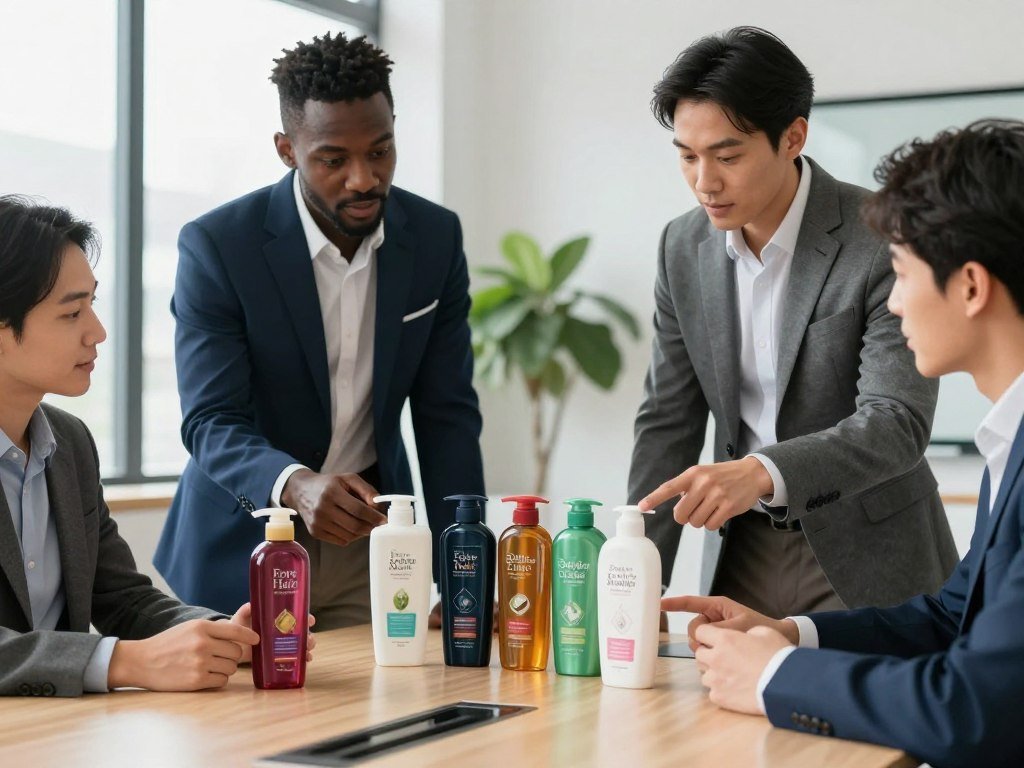
The best pick is the one that suits both your scalp and your strands, not simply the bottle labeled for men. Your hair texture, scalp condition, and daily routine all affect what feels clean and manageable. A thickening shampoo coats or supports individual strands so hair looks or feels fuller without making new hair grow from the root.
You can find options for fine, thick, curly, dry, oily, dandruff-prone, and thinning hair. The goal is a comfortable scalp and hair that feels clean and easy to manage. A formula that works for your friend may leave your own roots flat or your scalp dry.
Good hair care starts with noticing how your hair and scalp respond after washing. The right routine can help with softness, oil, flakes, or a fuller look, though cosmetic effects are not the same as treatment. Start by identifying whether your main concern is texture, dryness, oil, flakes, or visible thinning.
Key Takeaways
- Living Proof Perfect Hair Day is the broad everyday pick.
- Fine hair often does best with a light formula.
- Thick, curly, and dry hair may need more conditioning support.
- Medicated shampoos target dandruff, while clarifying washes remove buildup.
- Thickening shampoo changes how strands look, not how they grow.
- Choose by scalp and hair needs rather than gendered packaging.
Which Men’s Shampoos Are the Best Quick Picks?
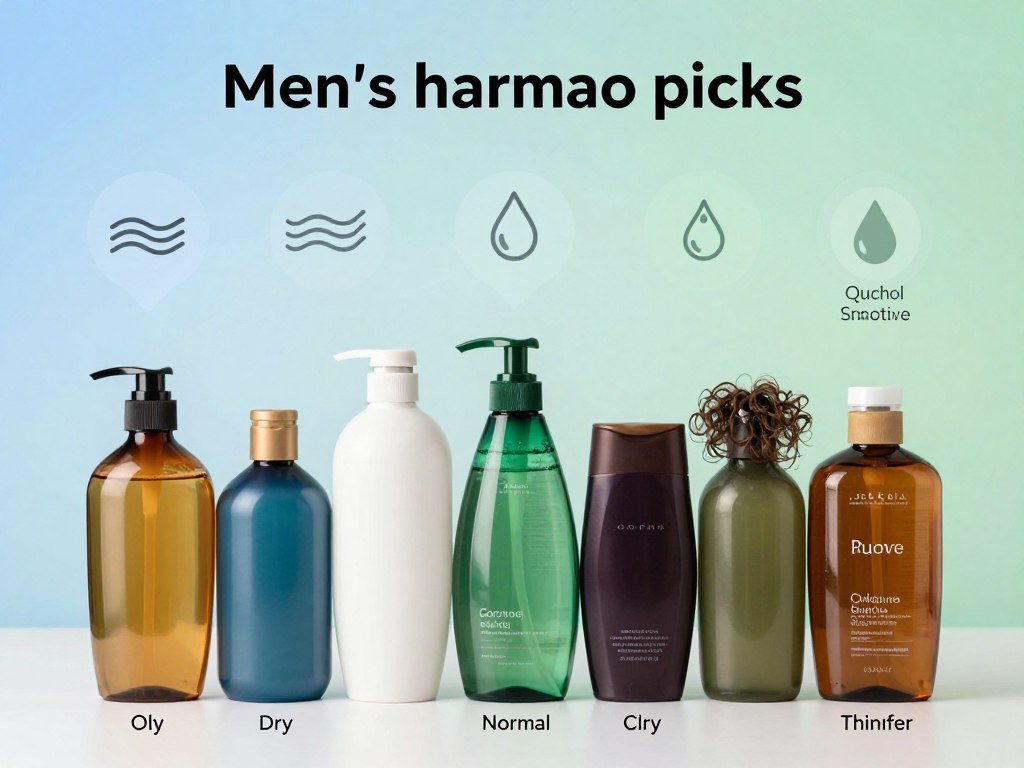
For a reliable all-around starting point, choose Living Proof Perfect Hair Day; switch to a targeted formula when a specific scalp or texture concern is driving the decision. It suits a broad everyday use case, while other picks address particular hair needs. The listed price is $33.
Living Proof Perfect Hair Day is the overall recommendation, but a targeted formula may fit a specific concern better. The five options below make it easier to compare the best shampoos by hair type and goal.
| Pick | Best fit | Product | Concrete detail |
|---|---|---|---|
| Overall | Broad everyday use | Living Proof Perfect Hair Day | $33; Sili-CLONE HairTech, amino acids, surfactants, and conditioning agents |
| Fine hair | Lightweight cleansing | Verb Ghost | Formulated for fine hair |
| Thick hair | Moisture and manageability | Ouai Thick Hair | Rich moisturizing formula |
| Dandruff | Flakes | Vichy Dercos Selenium Sulfide Anti-Dandruff | Anti-dandruff positioning |
| Dry hair | Hydration | Act+Acre Daily Hydro | Hydrating positioning |
The technology and ingredient groups in Living Proof’s formula support its broad positioning, while Verb and Ouai target different textures. Vichy is an option when flakes are the main concern. Act+Acre is positioned for dry hair.
Choose the broad everyday formula for general use, and a targeted shampoo when one concern clearly leads.
Use the shortlist to narrow the field, then check the formula against your own scalp and styling habits.
How to Choose the Best Shampoo for Men
Begin with the scalp, because oil, dryness, and irritation can call for a different cleanser even when two people have similar hair. Then look at strand texture and density before choosing the right one. The best shampoo should fit your scalp as well as your hair.
Use three steps: identify scalp condition, identify strand texture and density, then choose your main outcome. This keeps the choice tied to your specific hair rather than a label aimed at all men.
- Check whether your scalp feels oily, dry, balanced, or irritated.
- Note whether your strands are fine, medium, or thick, and how dense they feel.
- Choose a main goal, such as moisture, oil control, flakes, or a fuller appearance.
For a broad match, Living Proof Perfect Hair Day is positioned for all hair types. Verb Ghost is formulated for fine hair, which may need a lighter wash.
Product buildup can make roots feel greasy even when your scalp is not naturally oily. Exercise, styling products, and frequent hat use can also change how a cleanser feels in your routine.
A formula labeled for men is not automatically a better fit. A practical shampoo and conditioner guide can help you compare the scalp-focused wash with care for your lengths.
If you follow men’s hair trends, remember that the cut and styling routine can affect product buildup and the finish you want. A formula that supports your usual style may work better than one chosen for packaging alone.
If one product leaves the scalp tight or itchy, treat that response as a reason to reassess the formula.
How Do Hair Type and Scalp Needs Change the Choice?
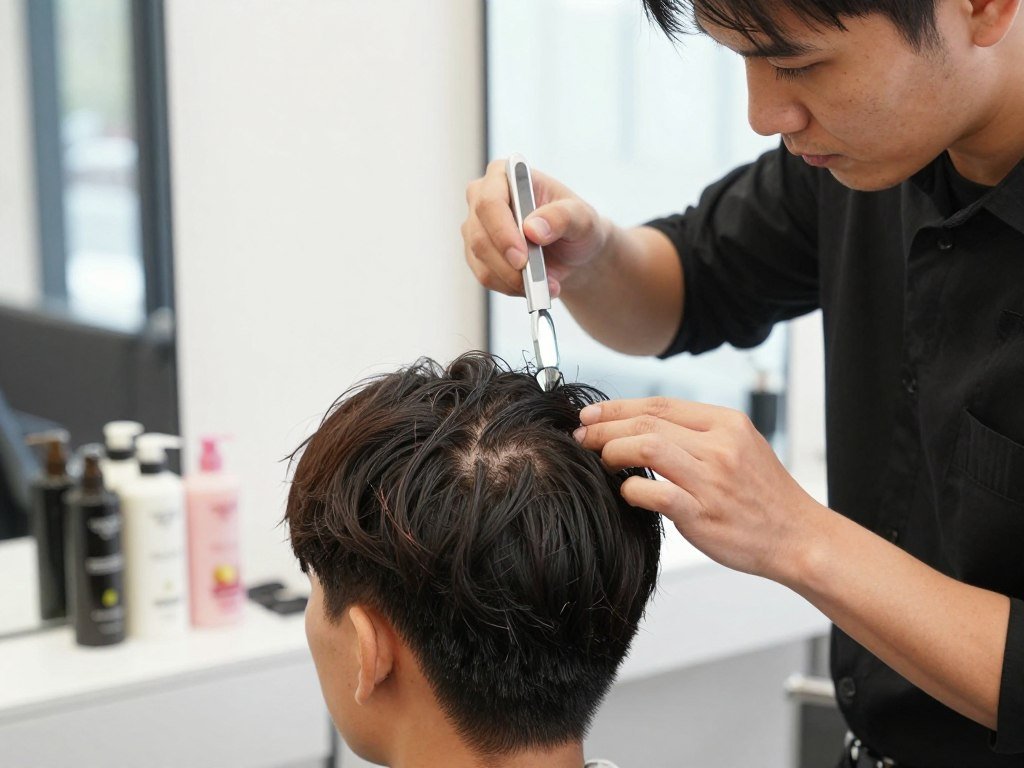
Check your scalp a few hours after washing rather than relying only on how your hair looks right after a shower. Oil, dryness, and irritation can show up later, changing what hair type needs from a cleanser. A short self-check helps you spot the main issue.
Fine hair can feel weighed down by rich formulas, while thick or curly hair may need more conditioning support. A dry scalp is not the same problem as dry lengths.
- Strand texture and density: note whether individual strands feel fine, medium, or thick.
- Scalp oil or dryness: notice shine, tightness, itch, and how soon oil appears.
- Curl pattern: identify straight, wavy, curly, or coily hair.
- Main concern: name flakes, breakage, flat roots, or another issue.
Fine, medium, and thick hair types differ in how easily a formula weighs them down. Verb Ghost, for example, is formulated for fine hair.
Oily scalps may prefer a stronger clean than dry or balanced scalps. The hair texture and scalp health are separate clues, even when they affect the same wash.
Curly hair may need enough moisture to keep its pattern manageable, while straight hair may lose lift if the formula feels too rich. Lifestyle and styling habits can shift your hair needs over time.
For practical ideas on cuts that suit different hair textures, see these men’s hair trends and upkeep tips. Match the formula to the concern that bothers you most, then account for any secondary concern.
Which Shampoo Ingredients Matter for Your Hair?
Read the ingredient list according to the job you need the shampoo to do, not the number of impressive-sounding ingredients on the label. Focus on key ingredients that cleanse, soften, target flakes, or change the look of strands.
Ingredient lists show what a formula contains, but they do not prove that it treats hair loss. Use this checklist to connect ingredient groups with their usual role.
- Mild surfactants cleanse oil and residue from the scalp and hair.
- Conditioning agents and oils can add slip and softness to strands.
- Proteins or polymers can help strands look fuller or feel more supported.
- Medicated actives can target dandruff when the product suits your symptoms.
Examples include 1% ketoconazole in Nizoral Anti-Dandruff Shampoo and 1% zinc pyrithione in Head & Shoulders Classic Clean. Blu Atlas Shampoo contains aloe and coconut-derived cleansers.
A review of hair cosmetics and conditioning agents explains how cleansing removes oil while conditioning can reduce friction and improve combability. The whole formula matters more than a single ingredient name.
Tea tree oil, aloe vera, and natural oils are not automatically right for every scalp. Even ingredients like aloe can bother some people, while a simple cleanser may suit them better.
Look for an ingredient that matches your goal, but do not assume a product with biotin or tea tree can change hair growth. If your scalp is reactive, favor a simple formula and test a new product cautiously.
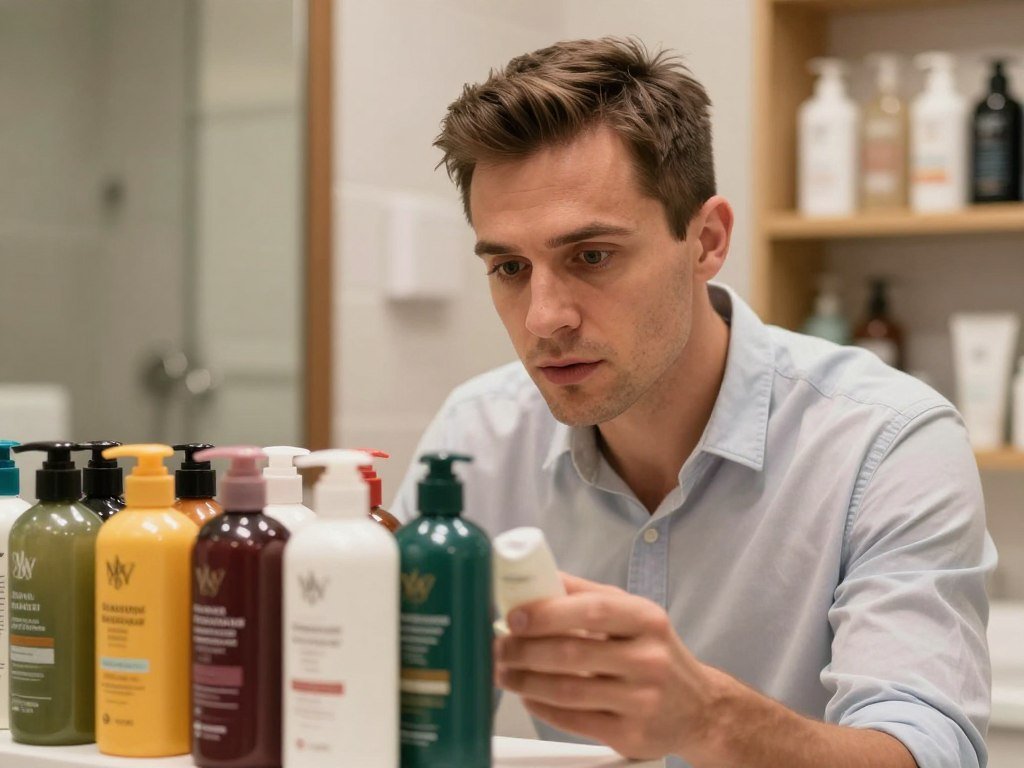
Which Shampoos Make Fine or Thinning Hair Look Fuller?
Fine hair that falls flat usually benefits from a lightweight cleanser or a strand-coating formula, not a rich wash that leaves it limp. A thickening shampoo can improve the look and feel of fine hair without creating new growth.
These shampoos change appearance or feel rather than growing hair thicker from the root. Choose the lightest formula that gives enough lift and texture for your styling routine.
Lightweight cleansers for fine strands
Verb Ghost Shampoo is formulated for fine hair. Its moringa oil, green tea extract, sunflower seed extract, and hydrolyzed soy protein make it a targeted pick for lighter strands.
A fine-hair cleanser should leave roots clean without a heavy finish. If strands collapse soon after washing, a rich formula may be adding too much weight.
Thickening formulas that coat the hair
Polymers, proteins, or starches can coat individual strands and give them more body. American Crew Fiber Pre-Styling Cleanser uses polymers for light coating and grip.
Sachajuan Thickening Shampoo combines polymers with Ocean Silk Technology, which uses two algae extracts, and includes UV protectants. Its cosmetic effect does not mean it treats hair loss or improves hair density at the root.
Volumizing cleansers for flat hair
American Crew Boost Pre-Styling Cleanser uses protein, panthenol, and polymers for flat hair. Fatboy Volumizing Shampoo uses lightweight polymers for body and definition.
| Product | Best for | How it creates a fuller look | Limitation |
|---|---|---|---|
| Verb Ghost | Fine hair | Lightweight fine-hair positioning | Not a hair-growth treatment |
| American Crew Fiber Pre-Styling Cleanser | Light coating and grip | Polymers coat strands | Cosmetic effect only |
| American Crew Boost Pre-Styling Cleanser | Flat hair | Protein, panthenol, and polymers | Does not create new growth |
| Fatboy Volumizing Shampoo | Body and definition | Lightweight polymers | Volume is not added density |
| Sachajuan Thickening Shampoo | Fine or thinning-looking strands | Polymers and Ocean Silk Technology | Appearance change, not treatment |
Sachajuan Volumizing Shampoo is another option aimed at fine, flat, or limp hair. For fine strands, start with the lightest formula that still gives the amount of lift you want.
What Works Best for Thick or Straight Hair?
Thick hair often needs help managing fullness and dryness, while straight hair may need a lighter wash to avoid a flat finish. Your hair texture can guide how much conditioning support feels comfortable.
Thick strands can often handle richer conditioning than fine strands, but straight roots may lose lift under a heavy formula. Choose based on the finish you want, not thickness alone.
Ouai Thick Hair Shampoo is formulated for thick hair and has a rich, moisturizing formula. That makes it an example for strands that need moisture and easier control, not a universal choice for every scalp.
Living Proof Perfect Hair Day is positioned for all hair types, so it can suit a broader daily routine. It may be a better starting point if you do not want a rich formula or have several concerns.
Straight hair can look flat when a wash leaves too much weight near the roots. Sachajuan Volumizing Shampoo is aimed at fine, flat, or limp hair, so it may better fit a straight style that needs lift.
Hair care also depends on how often you use styling creams, waxes, or sprays. Thick hair may hold those products, while fine straight hair can show buildup sooner.
If your roots lose lift quickly, reduce the weight of the formula before adding another styling product.
How Should Men Shampoo Curly, Textured, or Coily Hair?
Curly, coily, and textured hair can feel dry when a cleanser strips away too much of the moisture that helps the pattern stay manageable. A gentler wash may support hair health without promising a change in growth.
Curly hair often needs moisture retention, while textured and coily hair may benefit from gentle cleansing that limits dryness. Your scalp still needs cleaning, but harsh washing can make the lengths harder to manage.
Curly hair and moisture retention
Aveda Be Curly Advanced Shampoo is formulated for curly hair and contains a peptide blend and kokum seed butter. These details make it a curl-focused option, though individual results depend on your hair and scalp.
Curly hair can be more prone to dryness and breakage. The American Academy of Dermatology shares dermatologist tips for curly hair, including using moisturizing products and avoiding dry brushing.
Textured and coily hair and gentle cleansing
Frederick Benjamin Invigorating Cleanser Shampoo is listed for textured and coily hair. It contains hydrolyzed wheat proteins, menthol, and spearmint.
Those ingredients make it distinct from the kokum seed butter and peptide blend in Aveda’s curl formula. Neither product should be treated as a promise of hair growth or a guaranteed fit for every curl pattern.
Watch how your hair feels after washing, especially at the ends. If your lengths feel rough after washing, adjust cleansing frequency or formula before increasing heat styling.
Which Shampoo Helps Dry or Damaged Hair Feel Softer?
Dry, brittle lengths need a cleanser that removes dirt without leaving them feeling even rougher. For dry hair, look for gentle cleansing and ingredients that support a softer feel.
A hydrating or damage-focused shampoo can improve feel and manageability, but it cannot reverse every cause of breakage. Heat, friction, and chemical processing can all affect damaged hair.
Act+Acre Daily Hydro Hydrating Shampoo is listed for dry hair. It contains hyaluronic acid, aloe vera, and amino acids, making it a hydration-focused option.
Davines NOUNOU is listed for damaged hair and contains Fiaschetto tomato extract, vitamin C, hydrolyzed wheat protein, and glycerin. Its role is care and cosmetic feel, not a guarantee that damaged strands will return to their original state.
Pantene Extreme Damage Care Regenerative Oil Blend Shampoo contains argan and jojoba oils and is sulfate-free. Natural oils can help make lengths feel softer, though each formula can feel different on the scalp.
A dermatology review explains that friction and weathering can harm the hair shaft, while conditioning products may help improve softness and combing. Reduce heat and friction as well as choosing a gentler wash, since shampoo alone cannot prevent every kind of breakage.
When Do Oily Hair and Hard Water Need a Clarifying Shampoo?
A clarifying wash is most useful when ordinary shampoo leaves a film or styling residue behind. It can remove buildup from products, grime, and minerals that affect scalp health.
For hard-water mineral buildup, look for a chelating ingredient such as EDTA. A clarifying shampoo is a reset wash, not a medicated dandruff treatment.
Sachajuan Clarifying Shampoo is listed at $38 and contains citric acid and glycerin. A clarifying formula may help when styling products or mineral deposits make hair feel coated.
A clarifying shampoo used about once a week may help with hard-water buildup, though the right interval depends on residue and how your scalp responds. Some people need a less frequent reset.
Aveda Invati Ultra Advanced Exfoliating Shampoo contains salicylic acid and is formulated for frequent use. Its positioning differs from a chelating shampoo aimed at mineral buildup.
For more detail on using clarifying shampoo in a routine, match the wash to your product use and buildup. Back off if the reset leaves your scalp tight or your lengths unusually dry.
What Is the Best Shampoo for Men with Dandruff?
For persistent flakes, choose a shampoo with a dandruff-focused active rather than relying on a cosmetic thickening wash. Nizoral, Head & Shoulders, and Vichy offer different medicated options.
Use the product as its label directs, since active ingredients and instructions differ. A medicated shampoo may need time on the scalp before rinsing.
Medicated shampoos for flakes
Nizoral Anti-Dandruff Shampoo contains 1% ketoconazole. Head & Shoulders Classic Clean contains 1% zinc pyrithione, while Vichy Dercos uses selenium sulfide.
| Product | Active ingredient or positioning | Best fit | Use note |
|---|---|---|---|
| Nizoral Anti-Dandruff Shampoo | 1% ketoconazole | Dandruff-focused wash | Follow product label |
| Head & Shoulders Classic Clean | 1% zinc pyrithione | Flakes | Follow product label |
| Vichy Dercos Selenium Sulfide Anti-Dandruff Shampoo | Selenium sulfide | Anti-dandruff option | Follow product label |
Medicated shampoo should usually stay on the scalp for one or two minutes before rinsing. Check the label for the exact directions for your bottle.
Pairing dandruff care with thinning hair
The best shampoo for men with dandruff focuses on controlling scalp symptoms. The best shampoo for men with thinning hair and dandruff still needs to address flakes first, while hair loss remains a separate concern.
A thickening formula may change how strands look, but it does not replace dandruff care. If flakes or irritation persist despite using a medicated shampoo as directed, ask a dermatologist for an assessment.
Can Shampoo Treat Thinning Hair or Hair Loss?
A shampoo can improve scalp comfort or make thinning strands look fuller, but it cannot reliably reverse pattern baldness on its own. Cosmetic care is different from treating an underlying cause.
Hair-loss shampoos are rinse-off products with brief scalp contact, so they are not standalone treatments for androgenetic alopecia. Prescription medicines are more effective for underlying thinning causes than shampoo ingredients such as caffeine, biotin, or saw palmetto.
Fuller-looking hair versus treating the cause
Shampoo can help manage dandruff or irritation and improve how thinning hair looks and feels. Evidence for oral saw palmetto or biotin does not automatically prove that shampoo formulas work the same way.
Blu Atlas Shampoo is 96% natural-origin and free of parabens, phthalates, and harsh sulfates. It contains coconut-derived cleansers, aloe, vegan biotin, saw palmetto, and jojoba protein.
Comparing thinning-hair shampoo systems
Blu Atlas pairs its shampoo with a conditioner containing argan oil, avocado oil, and barley protein. Patricks SH1 + CD1 is a cosmetic system with saw palmetto, Capixyl, acetyl tetrapeptide-3, caffeine, rosemary, clary sage, and ginkgo biloba.
| System | Named ingredients | Use directions | What it can reasonably address |
|---|---|---|---|
| Blu Atlas Shampoo + Conditioner | Aloe, vegan biotin, saw palmetto, jojoba protein; argan and avocado oils | Shampoo sits 30-60 seconds; use 3-5 times weekly, or daily for active users | Scalp care and fuller-feeling hair |
| Patricks SH1 + CD1 | Saw palmetto, Capixyl, caffeine, rosemary, clary sage, ginkgo biloba | Massage SH1 for 60 seconds; assess after 8-12 weeks | Cosmetic hair and scalp care, not a substitute for minoxidil or finasteride |
Patricks SH Plus + CD Plus is positioned separately for active hair loss, with SH Plus left on the scalp for 60-90 seconds. Hair grows about half an inch per month, so changing one product at a time and waiting eight weeks can help you judge its effect.
The Patricks use directions include a 60-second scalp massage and an 8-12 week evaluation period. Rinse-off hair-loss shampoos usually contact the scalp for only a minute or two.
For ongoing or sudden hair loss, discuss the cause and evidence-based treatment options with a dermatologist.
How Often Should Men Shampoo, and What Technique Works?
A good starting schedule for most men is two to three shampoo washes a week, with activity and oiliness deciding whether to add another. Your hair care routine should also account for dryness and curl pattern.
Most men can start at two to three washes weekly; heavy sweating or an oily scalp may call for more frequent washing. There is no need to double-shampoo automatically in every shower.
Set a washing schedule around oil and activity
Notice when oil, sweat, or styling products make your scalp feel unclean. A wash-frequency guide also notes that hair texture, scalp condition, activity, and styling can affect timing.
Dry or curly hair may need fewer washes than an oily scalp. Adjust the routine when exercise, weather, or product use changes.
Clean the scalp without rough handling
- Wet your hair thoroughly and use a modest amount, about a quarter-size as a practical start.
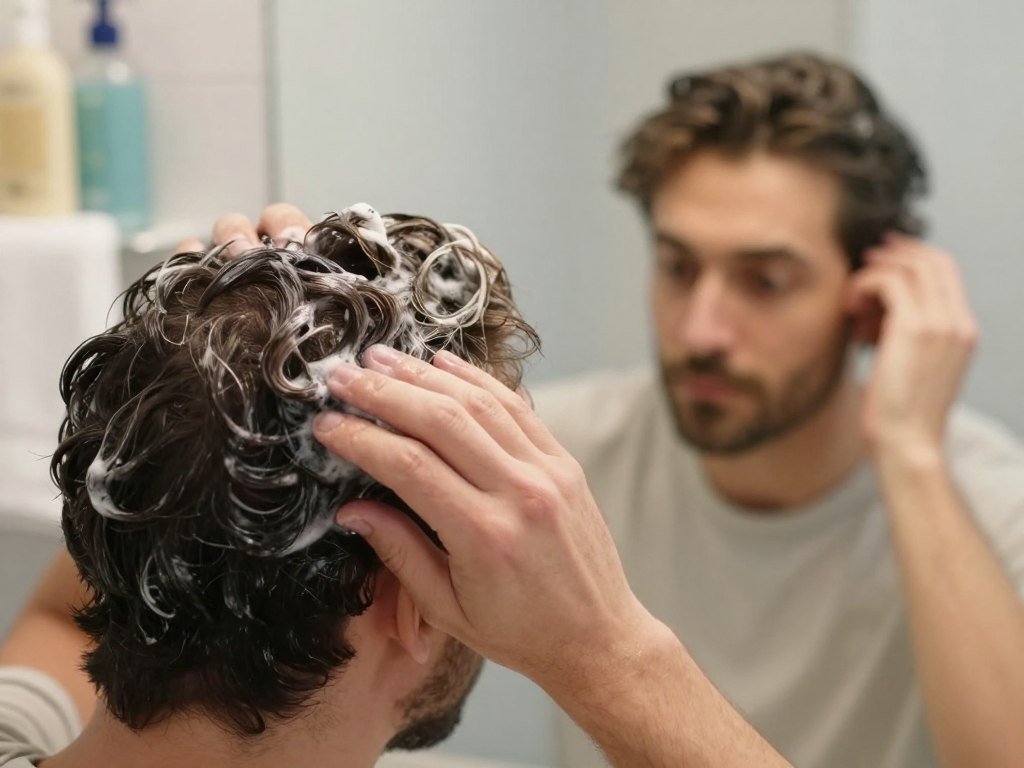
- Massage the scalp gently with your fingertips for about 30-60 seconds.
- Rinse thoroughly, then adjust frequency for sweat, oil, dryness, and curl pattern.
Small amounts are usually enough to spread over the scalp. Scrubbing with nails can irritate skin, while fingertips help you clean without rough handling.
For a routine that fits your hair health, pay attention to how roots and lengths feel after several washes. If your hair feels dry after several washes, reduce frequency or choose a gentler cleanser before adding more product.
Do Men Need Conditioner, or Is a 2-in-1 Enough?
Shampoo cleans the scalp, while conditioner mainly helps soften and detangle the lengths. A separate conditioner gives you more control over where it goes, while a 2-in-1 combines both steps.
Use conditioner where your hair needs softness, especially through mid-lengths and ends when roots get oily. Fine hair may need a lighter formula than thick or dry hair.
- Oily or fine hair: choose a light conditioner or apply it only to the ends.
- Dry or long lengths: use a separate conditioner for more targeted softness and detangling.
- Convenience-first routines: Native Cashmere & Rain is listed as a 2-in-1 shampoo and conditioner.
Conditioning agents can add slip and make combing easier. Separate products let you keep conditioner off oily roots while giving dry ends more support.
A 2-in-1 can be a practical choice when you want one product and your hair responds well to it. Your hair texture and scalp condition matter more than a fixed rule about using separate bottles.
If a conditioner makes fine roots look flat, keep it on the ends or choose a lighter formula.
Which Men’s Shampoos Smell Best or Use a Natural-Style Formula?
If scent matters most, choose a fragrance profile you enjoy, but do not treat fragrance as evidence of scalp or hair benefits. A natural-style formula can appeal to you without promising better performance.
“Natural” positioning does not guarantee a gentle or 100% natural formula. Strong fragrance may be a poor fit if your scalp reacts to scented products.
- R+Co Dallas Biotin Thickening Shampoo: cardamom, pineapple, tangerine, lavender, and blonde woods.
- Flamingo Estate Rosemary Clary Sage Shampoo: a scented option.
- Wonder Valley Sandalwood Yuzu Shampoo: a natural-vibes option.
R+Co Dallas contains pro-vitamin B5, saw palmetto, and coconut oil. Its scent notes give it a layered profile, though fragrance preference is personal.
Flamingo Estate Rosemary Clary Sage and Wonder Valley Sandalwood Yuzu offer different scent directions. Neither scent alone tells you how well the shampoo will suit your hair type or scalp health.
Do not assume that a product called natural contains only natural ingredients. For a reactive scalp, let comfort outweigh the appeal of a strong scent.
What Are the Best Drugstore Options, and Does Age or Gender Matter?
Age and gender are less useful buying filters than the scalp condition and hair texture you have now. The best shampoo fits your needs, not simply the name or color on its bottle.
Men and women can usually choose by scalp and hair needs rather than gendered packaging. Men over 50 can use the same approach while noticing changes in dryness, sensitivity, or density.
- Pura D’Or Original Gold Label Anti-Thinning Shampoo: listed at $30, with a $24 sale listing.
- Pantene Extreme Damage Care Regenerative Oil Blend Shampoo: contains argan and jojoba oils and is sulfate-free.
- Living Proof Perfect Hair Day: positioned for all hair types.
Pura D’Or is a listed anti-thinning option, but that label does not mean it suits every scalp or treats every cause of hair loss. Pantene offers an oil-containing sulfate-free option for people who want that type of formula.
Living Proof can work as a broad-use choice when your main concern is not highly specific. If you are comparing grooming products by need rather than gender, the same practical approach applies to choosing body wash by skin concern.
Hair and scalp can change with age, so a formula that once felt comfortable may later feel drying or heavy. Compare the current label and price before buying, since product formulas and retail listings can change.
Pick by the scalp and hair you have now, not by an age or gender label.
Conclusion
The most useful shampoo is the one that fits your scalp and hair without adding an unnecessary step. A focused formula can help with flakes, dryness, oil, or a fuller appearance.
Cosmetic fullness is different from treating the cause of hair loss. If your hair changes suddenly or keeps thinning, a dermatologist can help identify the cause.
Pick one formula that addresses your most important concern and note how your scalp and hair feel after use. Choose one targeted formula, use it as directed, and reassess based on comfort and manageability.
FAQ
What is the best shampoo for men?
What is the difference between shampoo and conditioner?
Does shampoo expire?
What are the top 5 rated shampoos?
What is the healthiest shampoo for your hair?
What is the unhealthiest shampoo?
What is the best men’s shampoo and conditioner?
Which shampoo is 100% natural?