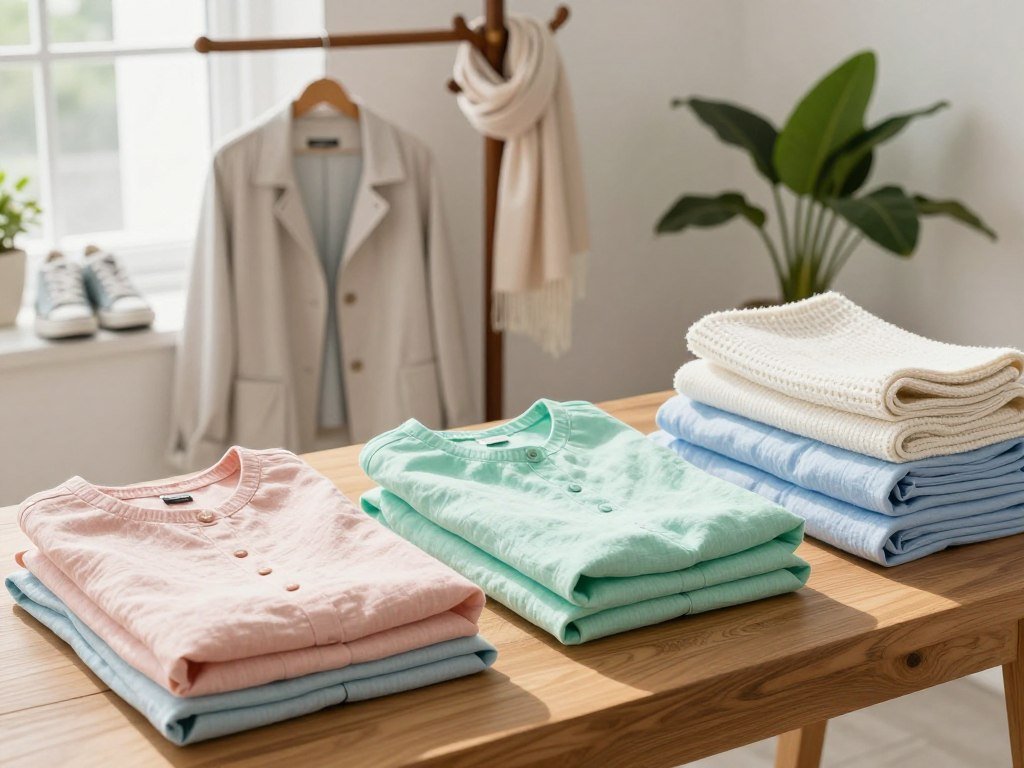
A few thoughtful swaps and easy-to-remove layers can help your wardrobe make winter clothes work well into spring. Keep useful winter pieces, add lighter fabrics and colors, and dress for changing weather.
A capsule wardrobe is a small, coordinated group of clothes that can be combined into multiple outfits. The winter spring shift can feel different from one place or week to the next, so flexibility matters. These tips work with varied personal styles, budgets, and day-to-day needs.
You do not need to replace everything to welcome spring. A warmer afternoon may call for fewer layers, while a cool morning still suits a coat or sweater. A few well-chosen combinations can help you get more wear from clothes you already own.
The goal is a wardrobe that feels useful, comfortable, and like you. Start with the pieces you already reach for, then build around the weather you actually face.
Key Takeaways
- Keep winter clothes that still suit your routine.
- Build outfits around real occasions, not a strict item count.
- Use removable layers to handle temperature shifts.
- Try lighter colors, fabrics, or shoes before buying more.
- Store clean winter garments in breathable containers.
How to Transition a Wardrobe From Winter to Spring
Begin by listing the occasions you need clothes for during the next few months, not by counting every item in your closet. Your routine gives a wardrobe transition a useful starting point, whether you dress for work, errands, or weekends.
Keep clothes that fit your life now, and make room for options suited to milder days. Seasonal wardrobe rotations can be planned in 3-4 month blocks, then adjusted as your schedule and weather change.

Edit for what you actually wear
Bring out the seasonal clothes you can use, then sort them with a clear purpose. These three steps help you make decisions without turning the task into a closet-wide project.
- Pull out clothes for the current season.
- Sort them into keep, donate or sell, and discard groups.
- Identify versatile items that work with more than one outfit.
A 5-4-3-2-1 capsule is one optional packing template: five tops, four bottoms, three pairs of shoes, two dresses, and one bag. Adjust the mix to your routine and local weather; it is not a universal wardrobe rule.
Do not keep a piece just because it once suited a different version of your life.
Build a capsule around real occasions
Use your list of occasions to plan a capsule wardrobe that saves time on busy mornings. A winter wardrobe for 2026 can retain useful pieces while making room for lighter options that suit the months ahead.
| Occasion | Base outfit | Layer | Shoe |
|---|---|---|---|
| Workday | Trousers and button-down | Lightweight trench | Penny loafers |
| Casual day | Jeans and T-shirt | Knit or barn jacket | Sneakers |
| Lunch | Knee-length skirt and knit | Trench coat | Ballet flats |
Keep a piece in rotation only when it fits, feels good, and works for at least one real part of your routine.
Which spring clothes should anchor a capsule wardrobe?
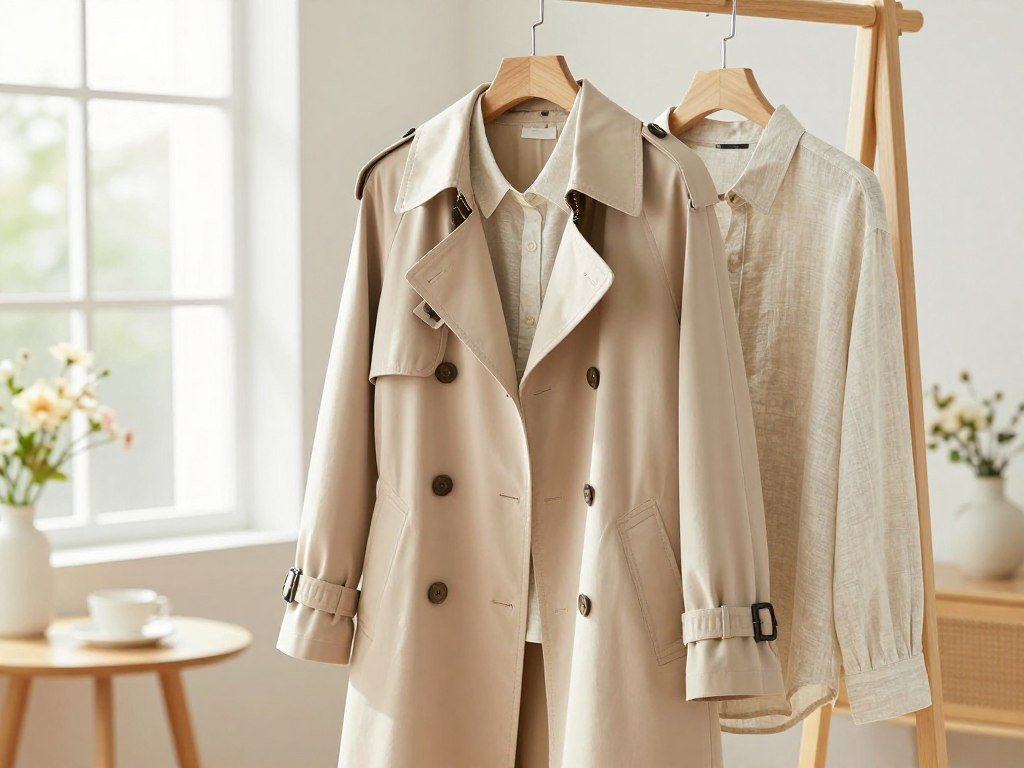
A versatile spring capsule can start with seven familiar pieces, from a trench coat to a woven leather tote. Start with gaps, not a shopping list: these spring 2026 must-have items are useful examples, not rules. Compare each piece with clothes you already own before adding anything new.
For outerwear, consider a trench coat; for tops, a lightweight knit and linen shirt. The linen shirt can replace a cotton button-down as temperatures rise. Choose white or a mood-boosting color if it suits your closet.
For bottoms, look at ecru jeans and a knee-length skirt. Penny loafers cover the shoe slot, while a woven leather tote offers a sunny-weather option instead of a beach-ready raffia bag on cooler days. Choose the staples that combine with what you already own before adding anything new.
What should you wear on a cold spring day?
On a cold spring day, start with a comfortable base and add a layer you can take off without changing the whole outfit. A breathable base helps you stay comfortable when the weather shifts.
Choose layers you can remove as the day warms. A T-shirt or slip dress can sit under a lightweight knit, giving you a simple base for a coat or jacket.
Start with a breathable base
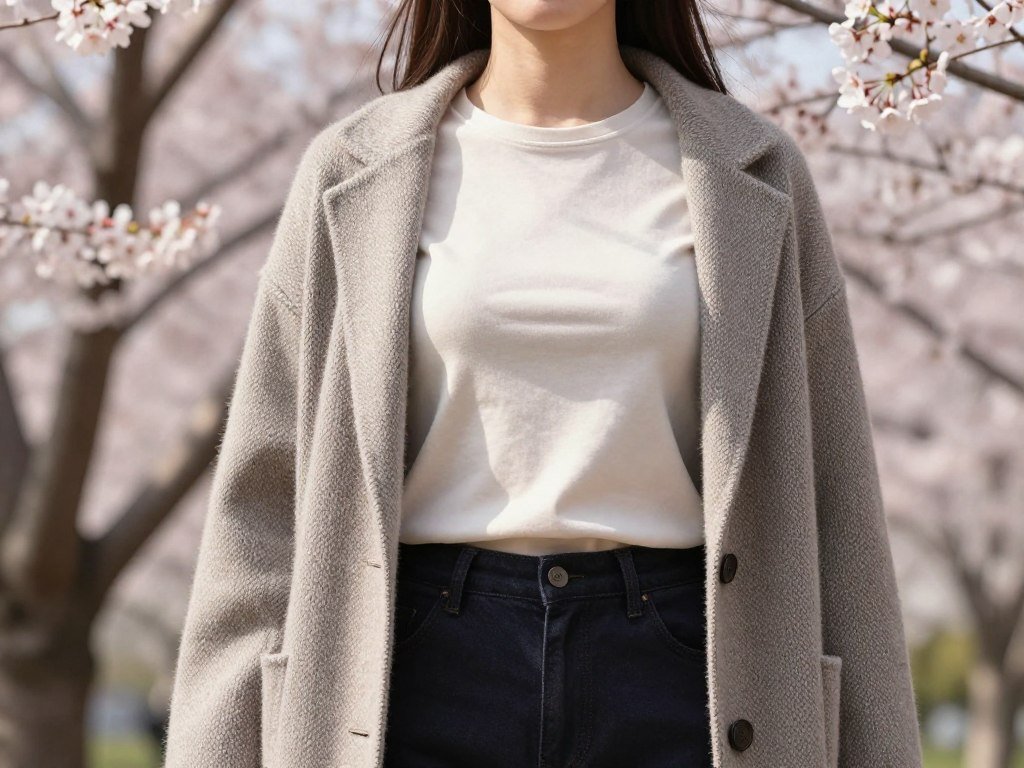
A fitted T-shirt works under a sweater without adding much bulk. A slip dress also makes a useful base, since you can add a knit or jacket over it.
For more ideas on wearing warm layers without losing your personal style, try these practical winter outfit ideas. A familiar base can carry into spring when you change the outer layer.
Add a removable outer layer
A wool coat suits a colder start, especially over a T-shirt and cashmere sweater. This combination gives you a warm option that still lets you remove the coat indoors.
For lighter coverage, choose a trench, chore jacket, field coat, cropped blazer, or barn jacket. A barn jacket adds structure without feeling as heavy as a winter coat.
Late in spring, a trench can go over a T-shirt and trousers or pair with a midi statement skirt. A slip dress also works under a chore jacket, field coat, or cropped blazer.
Check the day’s forecast before choosing between a wool coat and a lighter jacket.
How can color, fabric, and shoes brighten winter outfits?
A single lighter denim wash or colorful shoe can make a familiar winter outfit feel more seasonal. One small change can add spring color without replacing everything you wear.
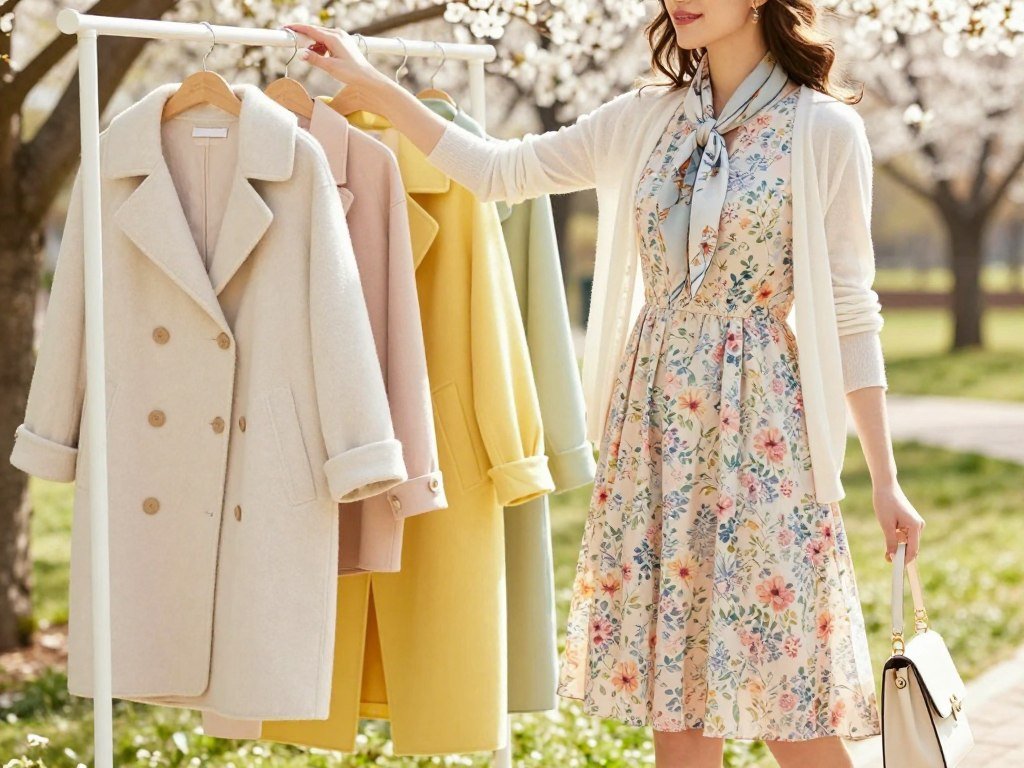
Try one pale or vivid accent against a dark winter outfit. Baby blue can soften a dark look, while a colored belt brings in a brighter note with little effort.
Add spring color without replacing everything
Use colors that already work with your clothes, then add one new shade if you want a change. Personal color guidance can help you compare shades with your own undertones, depth, and contrast. This wardrobe color-season guide treats a palette as guidance, not a strict rule.
Choose lighter fabrics and shoes
Cotton, linen, and silk offer lighter fabric choices for spring. Switching darker winter denim for ecru or white jeans can brighten an outfit without changing its shape.
These five spring 2026 shoe colors offer different ways to add interest. They are styling options, not rules about which colors can go together.
| Spring shoe color | Pairing | Styling effect |
|---|---|---|
| Cloud Dancer white | Pale or dark neutrals | A clean, light finish |
| Cobalt blue | Muted neutrals or bold colors and patterns | A vivid accent |
| Carbon gray | Pale neutrals | A subdued alternative to black |
| Cherry red | Black linen trousers or a white poplin skirt | A strong color accent |
| Pale lilac | Soft neutrals | A gentle pastel accent |
Keep the colors you love and use one new accent at a time to make combinations easier.
How can you style dresses, skirts, and shorts for spring?
A spring dress does not have to wait for reliably warm weather if you can layer over it. Light layers make dresses and skirts easier to wear on cooler mornings.
Keep the base comfortable, then add coverage that suits the temperature. Spring 2026 capsule wardrobe trends include both soft colors and statement details, so you can choose what feels wearable.
Layer dresses and skirts for cooler mornings
Six spring 2026 dress trends to consider are:
- Pastel slips
- Extra-volume skirts
- Sheer lace
- Primary shades
- Floral minis
- Pinafore dresses
Pastel slip dresses in ice-cream colors come in mini, midi, and maxi lengths. Add a lightweight knit or jacket over a slip dress for more coverage.
A pinafore dress can go over a T-shirt, raglan top, or shirt. Lace also makes a useful contrast with a trench, oversized knit, or structured blazer.
Balance short hems with a light layer
Lace-trim shorts work with a sweater or T-shirt, plus sandals or kitten heels. In changing weather, a long-sleeve shirt, lightweight crewneck sweater, or structured jacket can balance shorts or a miniskirt.
Choose one layer that feels easy to remove if the afternoon warms up. Keep the base outfit simple when a dress or skirt already has volume, lace, or a bright color.
Which outfit formulas work from winter into spring?
For an easy winter-to-spring outfit, keep one familiar base and change the jacket or shoes. Reliable outfit ideas use clothes you know, with a small change to suit spring weather.
Keep the base outfit familiar and adjust one part for the day. These spring outfits can draw on winter pieces without making every combination feel like the same look.
Make denim work for everyday outfits
Try bootcut jeans with a bold jacket and ballet flats for a simple spring outfit. You can also wear bootcut jeans with flip-flop sandals, sneakers, or boots, depending on the weather.
For a cooler day, combine a trench, button-down, sweater tied around the waist, and square-toe ankle boots. The tied sweater adds a layer when needed without changing the base outfit.
Dark-rinse jeans, a white T-shirt, a faux-suede jacket, and loafers make another easy combination. Each piece has a clear role, so the outfit stays neat without feeling formal.
Build a polished spring lunch outfit
A black button-down and column skirt look polished with high-vamp pumps and a woven tote. Choose this combination when you want a darker base with a clean shape.
For a lighter option, pair a sleeveless white turtleneck with beige trousers and open-toed kitten heels. Shoes can change the feel of a black outfit; this guide to shoe colors for black outfits covers ways to shift contrast.
Adapt street-style ideas to the weather
Spring 2025 street-style images can inspire proportions or color without requiring an exact copy. Choose the parts that work for your weather and daily plans.
A striped button-up and dark-wash jeans can pair with flip-flops in late spring. For changeable weather, try a windbreaker with capri pants and ballet flats.
A slip skirt and T-shirt work with a field jacket and slide sandals as spring moves toward summer. The jacket gives the outfit more coverage when the day starts cool.
A white dress can work in winter with opaque tights, boots, and a warm coat. As spring arrives, remove the heaviest layers as temperatures rise.
Before leaving, make sure the shoes suit both the day’s walking and the weather.
How should you store winter clothes without adding clutter?
Store winter clothes only after cleaning them and deciding which pieces are worth keeping for next season. Clean storage helps garments stay ready for their next turn.
Give winter fabrics breathing room instead of sealing them in vacuum bags. Use this four-step checklist to make the active wardrobe easier to use.
- Clean garments before storing them.
- Use breathable containers, not vacuum-sealed bags.
- Keep unsuitable heavy winter items out of the active closet.
- Place containers under the bed or in a separate storage area.
Keep the pieces that earned their place through wear, fit, and comfort.
Leave the most versatile light layers easy to reach until spring temperatures settle.
Conclusion
A spring wardrobe can feel fresh without starting over. A few lighter pieces and flexible layers can help you dress for the weather while staying true to your style.
Choose combinations that fit your real life, from workdays to errands and weekends. You can get more from winter clothes when they still feel comfortable and pair well with lighter options.
Choose one outfit you can make from clothes you already own, wear it this week, and note what would make it more comfortable.
FAQ
What clothes do we wear in spring season?
What is going out of style in 2026?
What color shoe looks best with a white dress?
Are white dresses in style in 2026?
What dresses are out of style in 2026?
When not to wear white clothes?
What is everyone wearing in 2026?