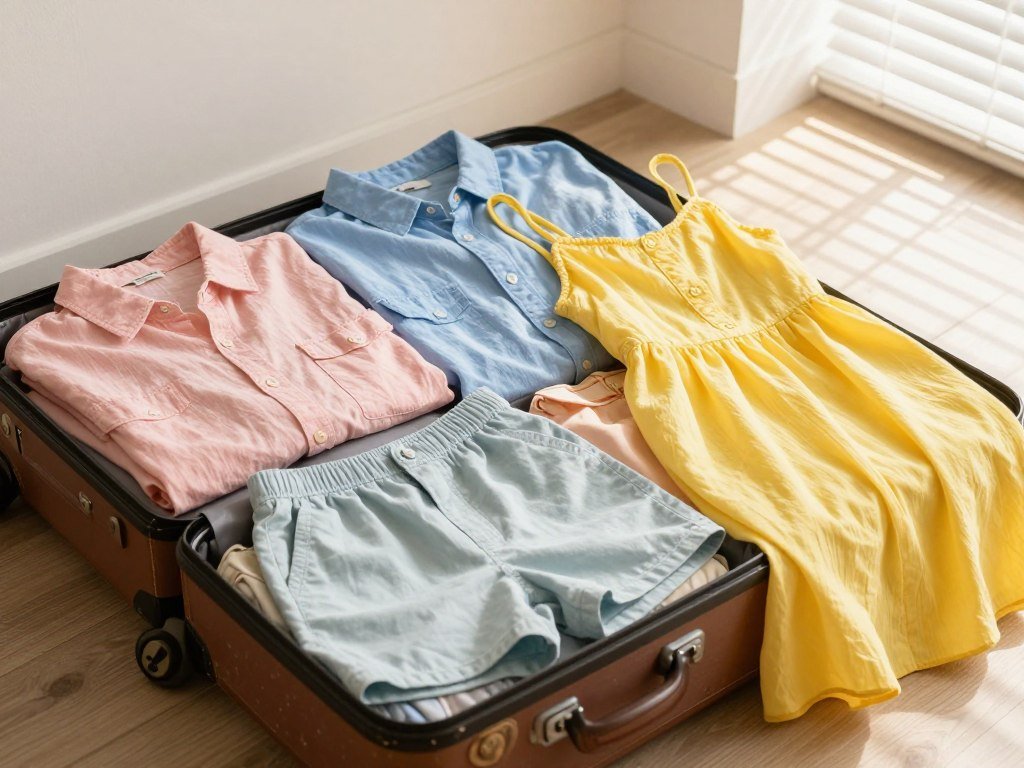
A summer travel capsule wardrobe makes a trip feel easier to pack for when every piece works with more than one outfit. You do not need a fresh look for every day. You need clothes that suit the forecast, fit your plans, and feel good after hours of walking or sitting on a train.
A smaller, coordinated suitcase can also make getting dressed less of a daily puzzle. Pick pieces that mix easily, then leave room for the items your itinerary truly needs. A beach stay, a city break, and a week of outdoor meals call for different choices, even in the same season.
Think of the goal as useful variety, not strict minimalism. Repeating a favorite top is fine when it gives you more than one good outfit. Start with clothes you already reach for, then build around the activities on your itinerary.
Key Takeaways
- Choose pieces that work with several items you plan to pack.
- Match your clothes to the weather and activities on your trip.
- Use a simple color palette to make outfits easier to combine.
- Plan shoes for the walking and events on your itinerary.
- Leave out pieces that only work in one outfit.
How to Build a Summer Travel Capsule Wardrobe Around 10 Pieces
The most useful capsule starts with a color palette and a realistic picture of what you will do each day. A capsule wardrobe is a small, coordinated set of clothes whose pieces can be combined into multiple outfits. Start with your plans, not a shopping list.
Choose two or three base colors, then add one or two accent colors if you want more variety. A tight color story helps most tops work with most bottoms. A summer travel capsule wardrobe in 2026 can use the same mix-and-match principles as any year, while a summer travel capsule wardrobe in 2025 can be adapted to current weather and plans rather than treated as a different packing system.
Set aside anything that only works in one outfit unless a specific event makes it necessary. A blouse that needs a special bra or one skirt that matches only one top may take space from more useful clothes. You can find more ideas for a classic summer color palette if you like relaxed, polished outfits.
Before packing, make sure each item has at least two plausible outfit partners.
Keep the method flexible across seasons. For cooler weather, swap lightweight pieces for warmer layers; for a beach trip, leave room for swimwear. Your wardrobe should reflect the days you expect, including travel days, meals out, and time spent resting.
Which 10 Pieces Earn a Place in a Summer Suitcase?
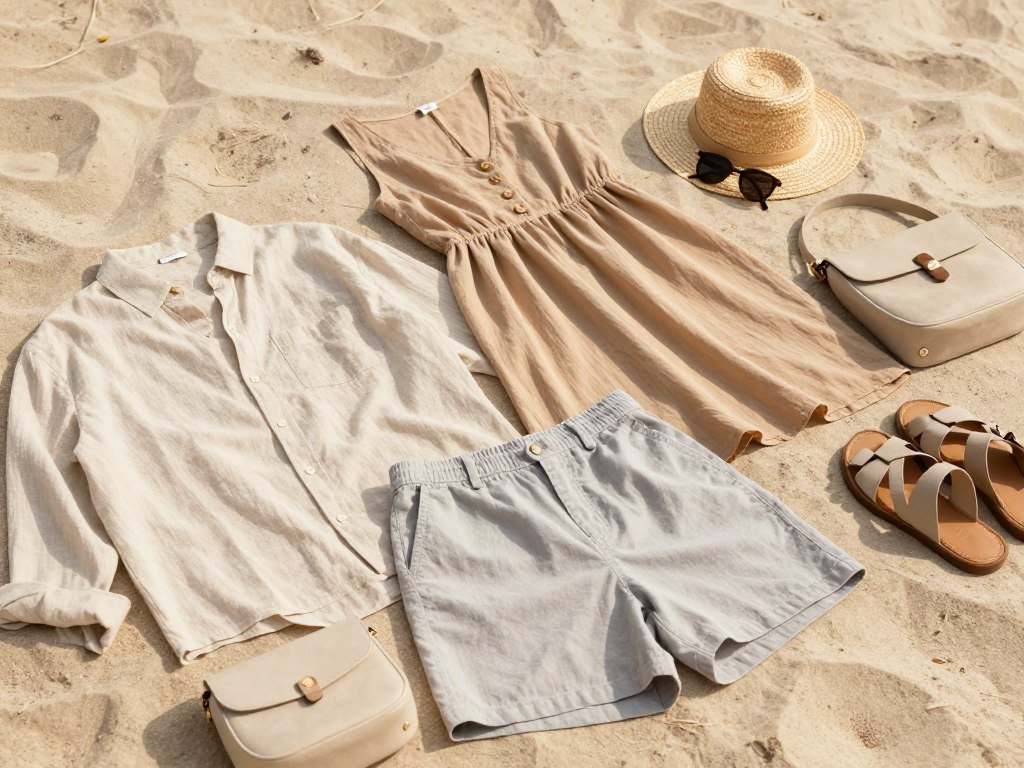
A useful ten-piece edit includes clothing, footwear, and accessories that each do more than one job. Pick pieces that match your palette and the places you will go. Useful variety matters more than owning a specific trend, and each piece should work in at least two planned outfits.
Start with these five items:
- Chic basic tank: a simple base for skirts, shorts, or pants.
- Elevated sneakers: a comfortable pair that looks neat with casual clothes.
- White skirt: a bright neutral that works with several tops.
- Trendy hat: a useful sun layer that can finish a relaxed outfit.
- Scarf top: a colorful accent that may also be worn as a scarf, hair tie, or belt.
Some scarf tops are simply scarves, so check how the fabric ties and whether it feels secure as a top. A scarf that can be worn in several ways earns more space than a single-use accessory. For a broader look at seasonal staples, see these summer wardrobe pieces with classic shapes.
Add these five items to complete the edit:
- Silky shorts: dress them up or down with a change of top.
- Interesting sandals: choose a pair comfortable enough for your plans.
- Simple dress: wear it for daytime plans and a more polished event.
- Breezy button-down: use it as a top or an open layer.
- Pull-on pants: choose a pair that suits transit, sightseeing, or dinner.
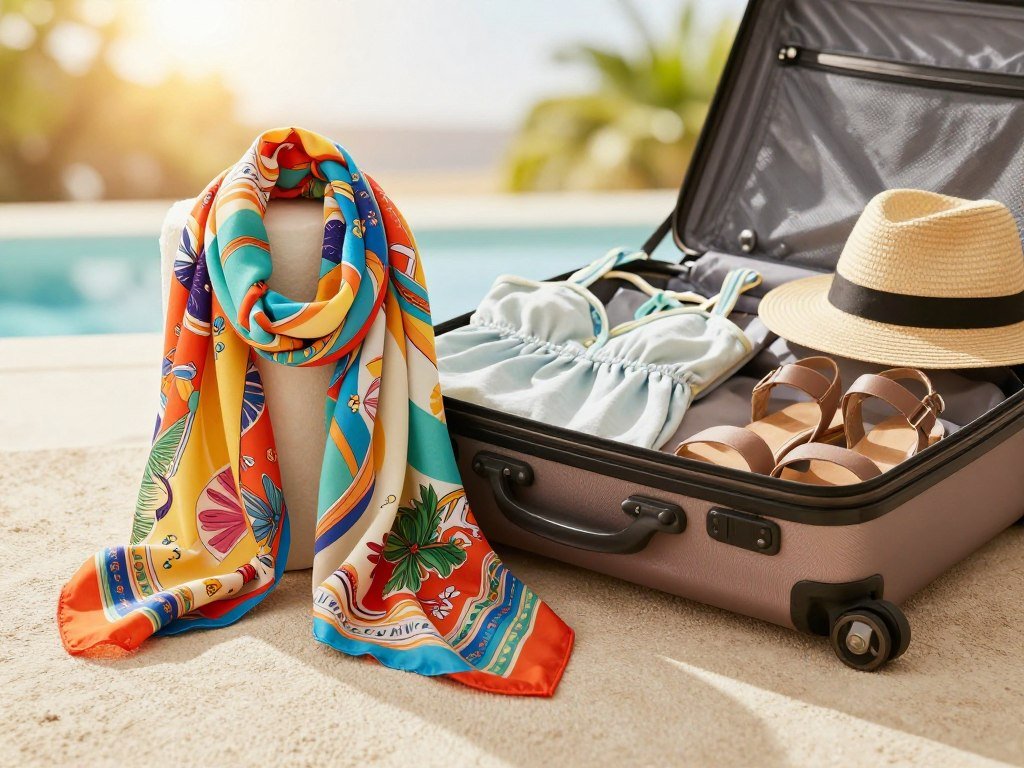
This is a starting point, not a rule that every trip must follow. Replace an item when your activities call for something else, such as a long hike or a formal event. Leave out any piece that cannot join at least one other planned outfit.
Choose Tops That Work Across the Trip
Two or three tanks and two or three T-shirts give a warm-weather trip dependable base layers without filling the suitcase with near-duplicates. Add a lightweight blouse or dressier top if your plans include a meal or event that calls for a more polished look. A solid white tank can work with shorts, skirts, or sandals.
Choose tops that feel comfortable in heat and work with several bottoms. Cotton tanks and tees can be soft, easy choices for long days. A practical summer packing list may include two or three breathable tank tops and two or three T-shirts, depending on laundry plans and trip length.
Look for variety in shape rather than packing several tops that do the same job. A higher neckline, a relaxed tee, and a simple sleeveless style can make similar bottoms feel different. Keep colors in step with the rest of your wardrobe so you can make outfits without careful matching.
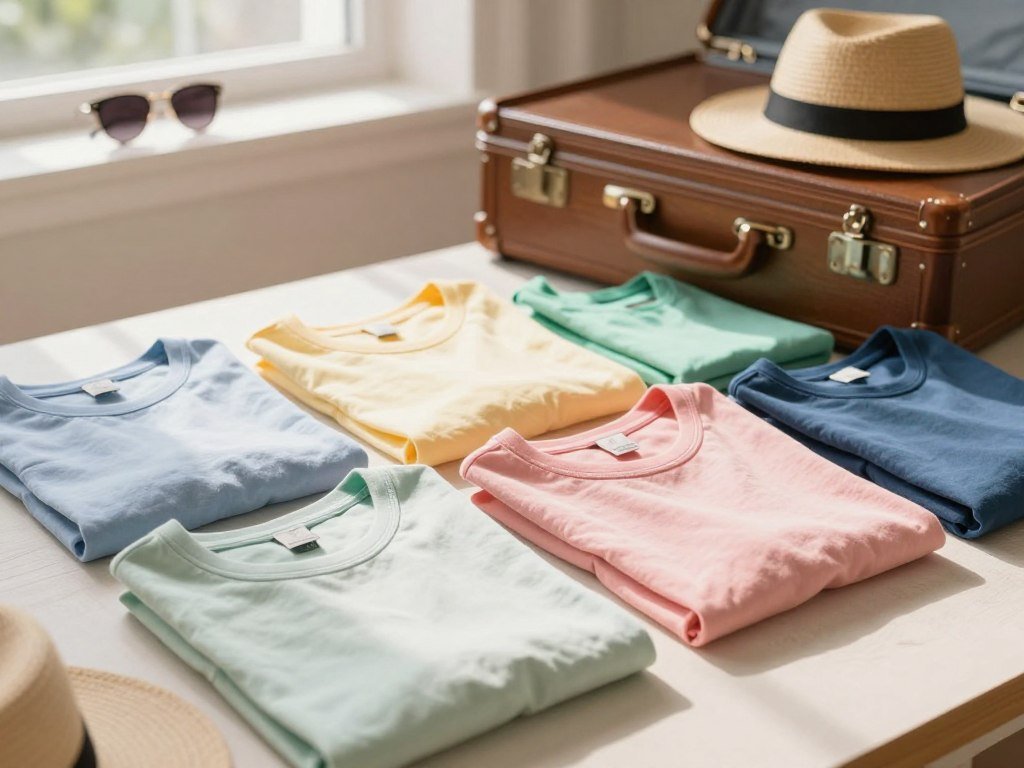
A top that needs a special bra or only matches one bottom may not earn space in a small bag. Try each choice with the bottoms you plan to bring, not just with jeans at home. Choose necklines and straps that feel comfortable through a full day, not just in a quick try-on.
Which Travel Pants Fit Your Itinerary?
The best travel pant for a walking day is the one that stays comfortable, fits your route, and carries small essentials securely. Pull-on styles suit transit and sightseeing, while linen pants can feel breezy for warm days and relaxed dinners. Match the pair to your plans, then check the fit in motion.
Pocket layout, length options, and care needs can change which pair works best. These five models offer different combinations of fit and function.
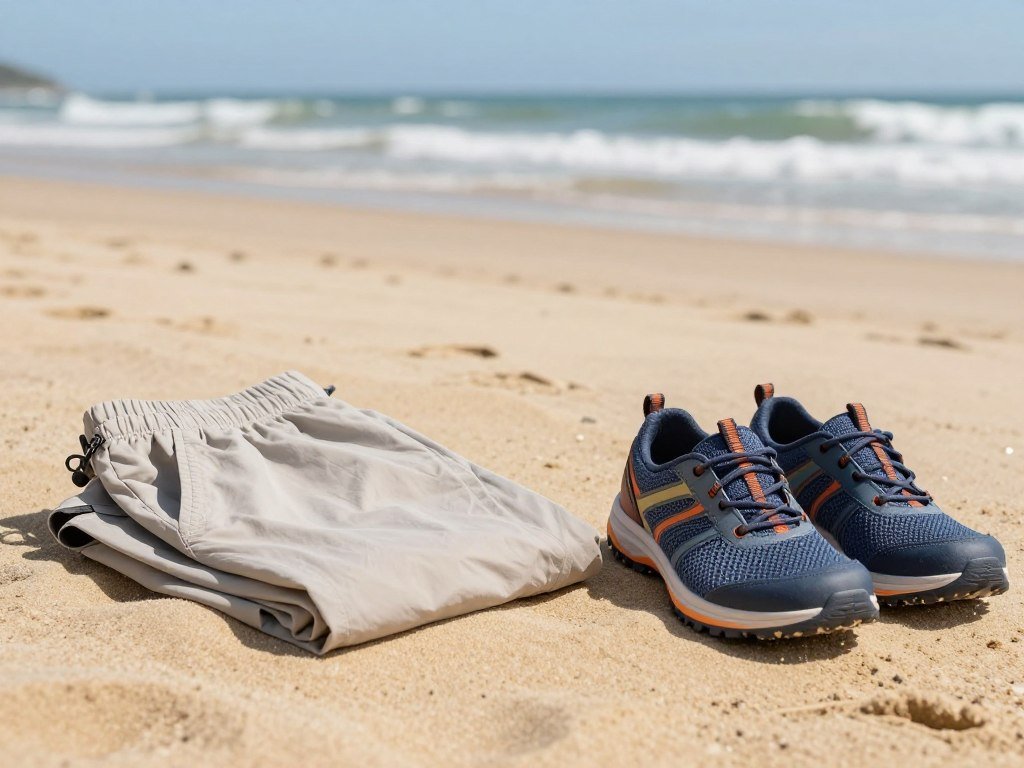
Match the pant style to the day
Breathable linen styles suit hot days when you want airflow and a relaxed shape. Pull-on travel pants can work well for airport time, long walks, and days with several stops. For dinner, a clean line and a neat top can make either style feel more polished.
Think about the ground you will cover. A loose pair may feel pleasant on a warm patio but catch on a busy route. A slim pull-on style can feel easier on trains or during a full sightseeing day. The details below help compare common choices.
Compare sizing, pockets, and care
| Model | Size range and lengths | Pockets | Fabric or care detail |
|---|---|---|---|
| Athleta Endless High Rise Pant | 00-26; petite, regular, tall | 2 front zip; 2 back card | 86% recycled polyester, 14% spandex |
| Ruti On the Loose Work Pants | 0-16; petite, regular, tall | 2 front | Spot-washable in a hotel sink; ready by morning |
| L.L.Bean Vista Camp Pant | XS-3X; petite, regular, tall | 2 front zip; 2 back | Four pockets |
| Old Navy High-Waisted SleekTech Barrel Ankle Pants | XS-4X; petite, regular, tall | 2 front | Barrel ankle shape |
| Columbia All Seasons Slim Pull-On Pants | XS-3X; short, regular, long | 2 hand; 1 zip | Three pockets |
SPANXsupersmooth WellSuited 360 Slim Straight Pant sizes run from XS-3X in petite, regular, and tall lengths. It has two front zip pockets and two back pockets. Check the six travel pant fit and pocket details against your own needs.
More pockets can help secure small items, but placement affects comfort when you sit. Length choices matter if standard hems bunch over shoes or expose too much ankle. Sink-wash care may also help when you need to refresh a pair during a longer trip.
Check the exact inseam and pocket placement before choosing a pair for a long trip.
Shorts and Skirts for Hot Days and Dinner
A pair of breathable shorts and a skirt offer different ways to stay cool without packing a separate look for every plan. Linen or cotton shorts suit casual days, while silky shorts can feel more dressed up. One versatile skirt adds another shape without adding many outfit rules.
Tailored linen or cotton shorts work well for warm walks and relaxed lunches. Silky shorts can pair with a T-shirt and sandals by day, then a flowy button-down and kitten-heel sandals at night. Choose shorts that let you sit and walk comfortably, not a pair that only looks right while standing still.
A midi skirt can work with a tank for a simple daytime outfit or a blouse for a more polished meal. A plain skirt in a color from your palette usually combines more easily than a detailed style. Try it with the tops you are packing before you decide.
Very short shorts or delicate skirts may be less practical for long walks and active days. Consider where you will sit, how much you will move, and whether the fabric needs careful handling. Try each bottom with at least two tops before deciding it belongs in the bag.
One Dress, Multiple Summer Outfits
One well-chosen dress can cover more than one occasion if it works with both casual and dressier shoes. A breathable, simple shape can feel right for sightseeing, then look more polished with a few evening details. Keep the fit easy enough for a full day out.
A dress that works with flats, sandals, or sneakers gives you options without adding another full outfit. Choose a fabric and cut that feel comfortable in warm weather, especially if you will walk between stops. A simple dress worn at least twice makes better use of suitcase space.
For daytime, keep the look relaxed and practical. For dinner, a small change in jewelry or a more polished bag can shift the mood without changing the dress. The idea is to make one reliable piece work across the plans you already have.
A formal event with a clear dress code may justify a dedicated outfit. That is a real exception, not a reason to pack several special looks just in case. Choose a dress you can sit, walk, and move in comfortably before counting it as a versatile piece.
Use a Button-Down as a Layer and Cover-Up
A loose button-down can cover a swimsuit at the beach and still look put together with a skirt at dinner. A lightweight linen or cotton shirt also gives you sun coverage or an extra layer indoors. Its loose fit makes it easy to wear over another piece.
A button-up can serve as a top, a light jacket, or a cover-up for a pool or beach stop. It takes little suitcase space when folded, yet gives you another way to wear familiar clothes. Choose a light shirt you can wear open or buttoned.
A loose weave can feel more comfortable when the weather is humid. A heavier or tightly fitted shirt may trap heat and feel awkward over a swimsuit. If you expect strong air conditioning on trains or in restaurants, a light layer can be useful there too.
Check that the sleeves and shoulders move easily when you reach or carry a bag. A shirt that only feels good when worn open may not serve as a useful top. Choose a fabric and fit that stay comfortable when worn open over another layer.
Two Pairs of Shoes for Walking and Evenings
A sightseeing day calls for shoes you have already worn comfortably, not a brand-new pair saved for the trip. A supportive sneaker handles high-mileage days, while a walking sandal can suit casual outings and a more polished meal. Comfort comes first when your itinerary involves hours on your feet.
Choose a sneaker with a stable feel for city exploration and long walks. Pair it with a comfortable sandal that can move from the pool to lunch or sightseeing. Test both pairs before departure, so you know how they feel across a full day.
- Test the shoes before departure, not on the first day away.
- Walk in them for a sustained stretch to check for rubbing.
- Make sure each pair works with multiple outfits you plan to wear.
Pack for the route you have, not an imagined one. If rocky beaches, hikes, or formal events are on the itinerary, add only the activity-specific shoe that the plan truly requires. A specialized pair that never leaves the room is wasted space.
Swimwear, Bags, and Small Accessories
A swimsuit and a secure everyday bag are useful only when they match the plans you actually have. Bring swimwear for beach or pool time, plus sunglasses and a sun hat for bright days. Keep the extras few so they do not crowd out clothes you will wear more often.
A black or tortoiseshell oval frame can coordinate with many outfits. Minimal jewelry can shift a simple look without needing several sets. A convertible handbag may switch between crossbody and shoulder wear, with a removable top handle for a more polished shape.
A crossbody bag keeps your hands free on city days, while a secure closure helps protect what you carry. A beach tote is useful when your itinerary includes time by the water, but it may be unnecessary for a city-focused trip. Choose a size that fits your daily essentials without feeling bulky.
A wallet should fit the cards, cash, and travel papers you need without making your bag hard to close. These travel wallet options can help you compare slim cardholders and document organizers. Keep valuables in a bag that stays secure and comfortable while you walk.
How to Turn the Pieces Into Repeatable Outfits
A repeatable outfit formula makes getting dressed easier because you decide the combinations before the trip. Four simple pairings can cover casual days and a meal out without making your suitcase feel like a closet. Keep the formulas flexible enough to suit changes in weather or plans.
Try these combinations with the clothes you already plan to pack:
- Tank plus linen pants plus sneakers.
- Dress plus sandals.
- Button-down open over a tank with shorts.
- Skirt plus T-shirt plus sandals.
One or two accessories can shift a daytime outfit toward dinner. A neat necklace, a small bag, or a different shoe can change the feel without requiring a new set of clothes. Switching sneakers for sandals can also give the same dress a different look.
One 11-piece summer capsule example creates 15 outfits and fits in one carry-on, but that result is not guaranteed for every packing list. The number of outfits depends on how the pieces combine and what you count as a distinct look. Photograph the combinations you like so you can use them as quick references while traveling.
Which Fabrics Feel Best in Summer Heat?
Light cotton and linen are common choices for summer comfort, while blends can need less care after packing. Fabric affects how a garment feels in heat and how it looks after a long day. Choose for the trip, not just the look in a store.
Lightweight construction and a loose weave can improve airflow. Cotton feels soft and breathable, while linen is light and breathable but tends to wrinkle. Linen creases are normal, not a sign that the garment has failed.
Cotton and linen for airflow
Cotton can work well for everyday tops and dresses because it feels soft against the skin. Some cotton can absorb sweat and then feel heavy, especially during active days. Linen can dry quickly and feel airy, though its wrinkles are part of wearing it.
A relaxed fit may feel cooler than a close fit in the same fabric. If creases bother you, look for a linen blend rather than expecting pure linen to stay crisp. This breathable-fabric guide also explains how fabric construction can affect comfort.
Blends for easier care
Cotton-linen and other blends can balance comfort with durability and better wrinkle resistance. Silk is another lightweight option for an evening top or pants, though it may need more careful handling. Match the material to how often you expect to wear and wash the garment.
Choose clothes you will want to put on again after a long day. Favor the fabric you will actually enjoy wearing and maintaining on this specific trip.
How to Adapt the Capsule for Your Age and Fit Preferences
A useful travel wardrobe should feel like the person wearing it, not like a rulebook for a particular age. A summer travel capsule wardrobe over 50 can follow the same versatile-piece principle, with choices guided by personal fit, comfort, and activities rather than age stereotypes. Your comfort sets the standard.
A practical fit check is to test each garment while sitting, walking, and reaching. A hem that feels fine in a fitting room may feel different on stairs or during a long meal. Keep pieces that let you move without constant adjustment.
Prioritize personal fit and comfort
Use these checks to judge whether a piece suits your body and plans:
- Preferred rise or waist fit.
- Sleeve and neckline comfort.
- Ease of movement while sitting and reaching.
- Preferred hem lengths for walking and sitting.
Use color and detail to keep it personal
A useful starting palette is three to five colors, including one or two accent colors. Add details you enjoy, such as a print, a bright shoe, or a favorite neckline. An existing wardrobe can also guide fresh combinations; this overview of capsule wardrobe trends offers ideas for updating familiar pieces.
Style does not need to follow an age-based uniform. Take the pieces you already feel good in as the starting point for any new combinations.
How to Pack for Two Weeks in Europe With a Carry-On
A 2-week travel capsule wardrobe can fit a carry-on when it is built around repeatable outfits and a planned laundry stop. The 54321 method gives you a clear starting point: five tops, four bottoms, three layers, two pairs of shoes, and one extra. Plan to rewear rather than pack a new outfit for every day.
Laundry during the trip lets you reuse clothes instead of packing fourteen separate looks. Adjust the pieces for your stops and the forecast, rather than treating the formula as fixed. A travel capsule wardrobe for Europe should match the weather and activities on your route.
Plan a 2-week travel capsule wardrobe
The 54321 two-week packing method sets out these quantities:
- Five tops: two tank tops and three T-shirts.
- Four bottoms: three pairs of shorts and one pair of jeans or pants.
- Three layers: one light sweater and two cardigans.
- Two pairs of shoes.
- One extra: a swimsuit.
Build a capsule wardrobe for travel to Europe
A neutral palette helps the tops and bottoms mix with less effort. Wear a black jogger, T-shirt, sweater, and rain jacket in transit to save room. Pack two bras, wearing one and packing one, and bring a few pairs of merino wool socks.
Merino wool socks can be worn multiple times before washing and dry within a few hours. Plan a laundry stop so you can repeat the pieces that stay comfortable. Check the forecast for every stop before deciding whether the light sweater or rain jacket needs to be worn in transit.
What Carry-On Sizes Do European Airlines Allow?
A 55 x 40 x 20 cm bag is a common European reference size, but each airline sets its own dimensions, weight, and fare conditions. The listed measurements include wheels, handles, and external pockets. Check your exact fare, because a basic ticket may include only a personal item.
The common reference size is not a universal airline allowance. Airline limits can differ for the carry-on, the personal item, and the fare you buy. A bag that fits one flight may not fit another on the same itinerary.
Common dimensions and fare-dependent allowances
These examples show how size and ticket terms can change the cabin-bag allowance. The dimensions below are maximum measurements, not a promise that every fare includes that bag.
| Airline or reference | Maximum dimensions | Weight, personal-item, or fare condition |
|---|---|---|
| Common reference | 55 x 40 x 20 cm | Common size only; not a universal allowance |
| Ryanair | 55 x 40 x 20 cm cabin bag | Up to 10 kg with priority boarding; basic allowance may be a smaller personal item |
| Wizz Air upgraded cabin bag | 55 x 40 x 23 cm | Up to 10 kg with an upgraded fare |
| Wizz Air small cabin bag | 40 x 30 x 20 cm | Up to 10 kg |
| EasyJet | 56 x 45 x 25 cm | Upgraded ticket or paid allowance; standard fare includes a small personal item |
Cabin-bag limits on Lufthansa, Air France, and British Airways
Major airlines also set different size and weight rules. Lufthansa allows a carry-on up to 8 kg, while Air France and KLM use combined weight allowances for cabin bags and personal items.
| Airline | Maximum dimensions | Weight, personal-item, or fare condition |
|---|---|---|
| Lufthansa | 55 x 40 x 23 cm | Up to 8 kg plus a small personal item |
| Air France | 55 x 35 x 25 cm carry-on | Carry-on and personal item combined up to 12 kg, depending on class |
| British Airways | 56 x 45 x 25 cm | Weight limit up to 23 kg |
| Aer Lingus | 55 x 40 x 24 cm | Up to 10 kg |
| Norwegian Air | 55 x 40 x 23 cm | Maximum 10 kg on its most basic fare |
Allowances on other major European airlines
The next group includes airlines with different limits for both dimensions and weight. A personal item may count toward a combined weight allowance, so check the wording on your ticket.
| Airline | Maximum dimensions | Weight, personal-item, or fare condition |
|---|---|---|
| Swiss International Air Lines | 55 x 40 x 23 cm | Up to 8 kg |
| TAP Air Portugal | 55 x 40 x 20 cm | Up to 8 kg |
| Iberia | 56 x 45 x 25 cm | Up to 10 kg |
| KLM | 55 x 35 x 25 cm | Carry-on and personal items combined up to 12 kg |
| Austrian Airlines | 55 x 40 x 23 cm | Up to 8 kg |
Additional carrier rules and weight range
Other airlines may use similar dimensions but set their own fare terms. The general weight range for European cabin bags is often 7-10 kg. European cabin-bag size and weight rules give a useful comparison, but your ticket controls.
| Airline or reference | Maximum dimensions | Weight, personal-item, or fare condition |
|---|---|---|
| Vueling | 55 x 40 x 20 cm | Up to 10 kg; basic fare includes only a small personal item |
| TUI Airways | 55 x 40 x 20 cm | Up to 10 kg |
| Turkish Airlines | 55 x 40 x 23 cm cabin bag; 40 x 30 x 15 cm personal item | Cabin bag up to 8 kg; personal item up to 4 kg |
| ITA Airways | 55 x 35 x 25 cm cabin bag; 40 x 30 x 15 cm personal item | Cabin bag up to 8 kg |
| General European range | Often near 55 x 40 x 20 cm | Weight limits are often 7-10 kg |
Recheck the operating carrier’s current allowance and fare before departure, especially on basic fares or connecting itineraries. A partner airline may handle one leg under different rules. Measure the packed bag at its widest points, including handles and wheels, before heading to the airport.
How to Pack the Capsule for a U.S. Carry-On
The easiest way to keep a carry-on manageable is to pack by outfit and category rather than add items at the last minute. Roll casual lightweight clothes, group small items, and leave a clear space for anything you may need during travel. Pack with a plan, not by stuffing gaps at the door.
TSA’s 3-1-1 rule allows containers up to 3.4 ounces, or 100 milliliters, in one quart-size bag, with one bag per passenger. Keep the liquids bag easy to reach for screening. This small step can prevent a last-minute repack at the checkpoint.
- Roll casual lightweight clothing to make it easier to stack.
- Use packing cubes to group categories, such as tops and underwear.
- Fill dead space inside shoes with small items.
- Keep liquids within the TSA 3-1-1 allowance.
Separate a wet swimsuit or dirty laundry from clean clothes with a washable bag. That keeps damp items from touching dry outfits on the way home. A travel iron is unnecessary for most trips unless your plans or fabric choices make one worthwhile.
Put liquids in the required quart-size bag before leaving home so they are easy to remove at screening.
Keep liquids within the 3-1-1 allowance, and put the quart-size bag where you can reach it.
Conclusion
A useful summer capsule is the one that suits your plans and makes getting dressed simpler. Versatile clothes matter more than buying a separate look for every day. A few pieces can do plenty when they fit your activities and work together.
Lay out the outfits you expect to wear before packing. If a piece has no clear role, leave it at home and save the space. Lay out your combinations tonight, remove anything that has no clear role, and pack the pieces you are ready to wear.
FAQ
Can a linen button-down work as a beach cover-up?
How can I reduce linen wrinkles without packing an iron?
Can a scarf top be worn as something other than a top?
What kind of bag works for sightseeing and dinner?
Should I bring water shoes on a summer trip?
How do I adapt a capsule when the forecast changes?