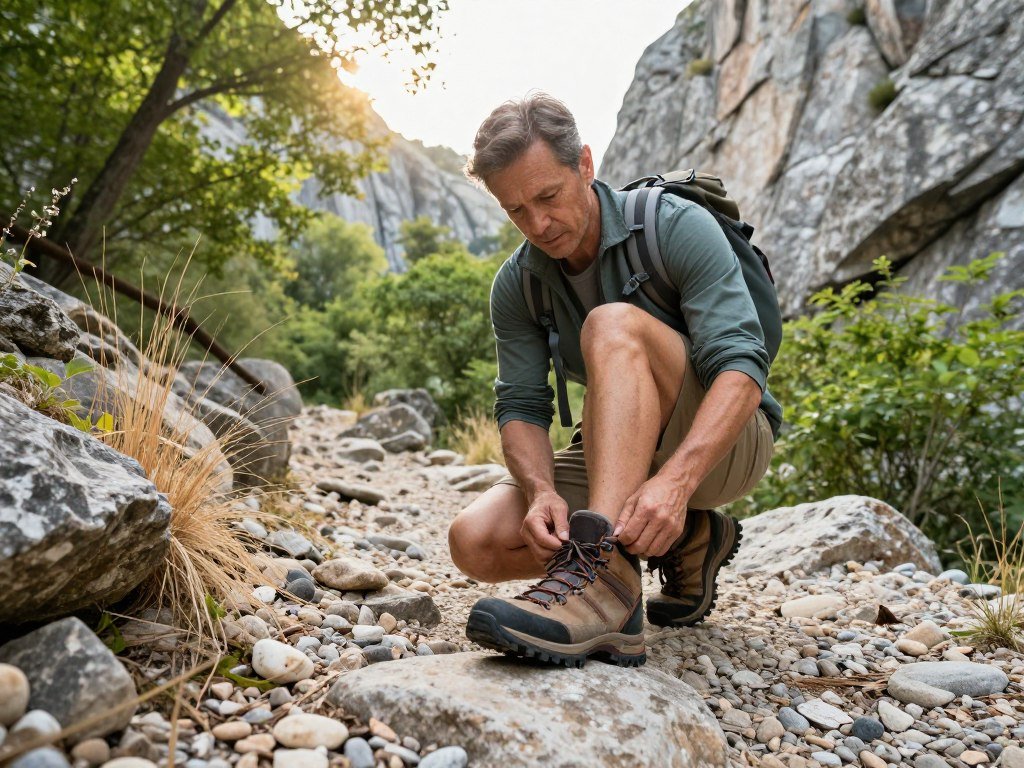
A comfortable, secure fit matters more than choosing the boot with the longest feature list. The best hiking boots for you depend on terrain, pack weight, fit, and weather. A waterproof membrane is a layer designed to keep outside water from entering while allowing some water vapor to escape.
Some hikers need firm support for rocky routes or heavy packs. Others want a lighter feel for day hikes on familiar trails, a wide fit, or comfort at a tighter budget. Waterproof boots can also bring trade-offs in warm weather, so consider the climate where you hike most.
This roundup gives you options for technical terrain, backpacking, lighter day hikes, wide feet, and comfort. Use the details to build a shortlist, then judge each boot by how it fits your foot and planned route. Start with the trail and the weight you plan to carry, then narrow the shortlist by fit.
Key Takeaways
- Match boot structure to trail difficulty and pack weight.
- Try boots with the socks you plan to hike in.
- Check heel hold and toe room on an incline.
- Choose waterproofing for the weather you expect.
- Compare weight figures only when they use the same basis.
Which Best Hiking Boots Match Your Hike?
A light day pack on a maintained trail calls for a different boot than a full pack on loose, rocky ground. Pack weight and trail difficulty help you choose a boot style before brand names enter the picture.
A stiffer, more supportive boot can suit heavy loads, while a lighter, flexible design works well for faster days on established trails. A mid-height hiking boot adds ankle coverage compared with a low-cut hiking shoe, but coverage does not guarantee injury prevention.
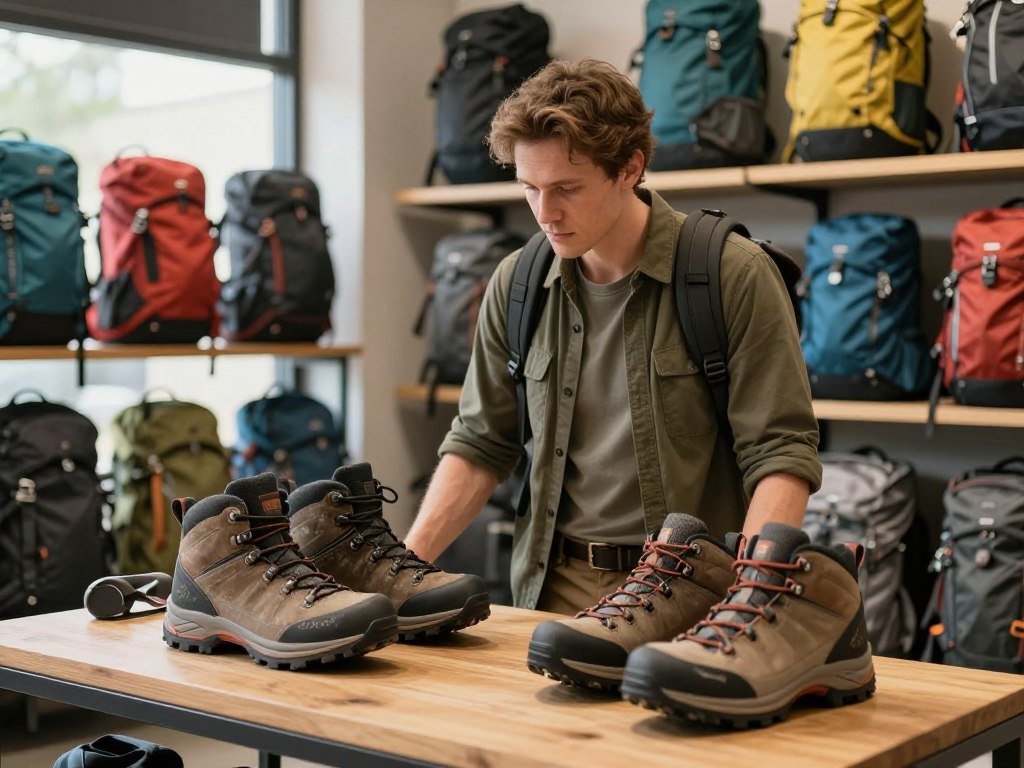
- Day hikes on maintained trails: consider a light, flexible hiking boot.
- Rough or technical terrain: look for grip, protection, and a secure fit.
- Overnight backpacking with a heavier pack: consider a stiffer boot with a supportive midsole.
- Wide or high-volume feet: seek room through the forefoot without heel slip.
- Wet versus warm conditions: weigh water protection against heat and drying needs.
Use pack weight and trail difficulty to set your shortlist before comparing brand names.
The Salomon Quest 5 and Salomon X Ultra 5 are both mid-height options, but they suit distinct hiking needs. The Quest 5 offers a more structured feel for heavier loads, while the X Ultra 5 is built for more agile trail use.
A hiking boot should feel secure without adding more structure than your route calls for. The same pair may feel steady under a pack and cumbersome on a quick walk.
Use pack weight and trail difficulty to set the shortlist before comparing brand names.
Best Hiking Boots for Most Day Hikes
For a nimble all-around boot, the La Sportiva TX Hike Mid GTX is a strong starting point. Its lighter feel suits hikers who want support without a bulky build.
The women’s pair weighs 1 lb 12.6 oz and costs $209. It has a GORE-TEX Extended Comfort membrane and a Vibram Ecostep EVO outsole. Treeline named it its 2026 best-overall waterproof hiking boot for women.
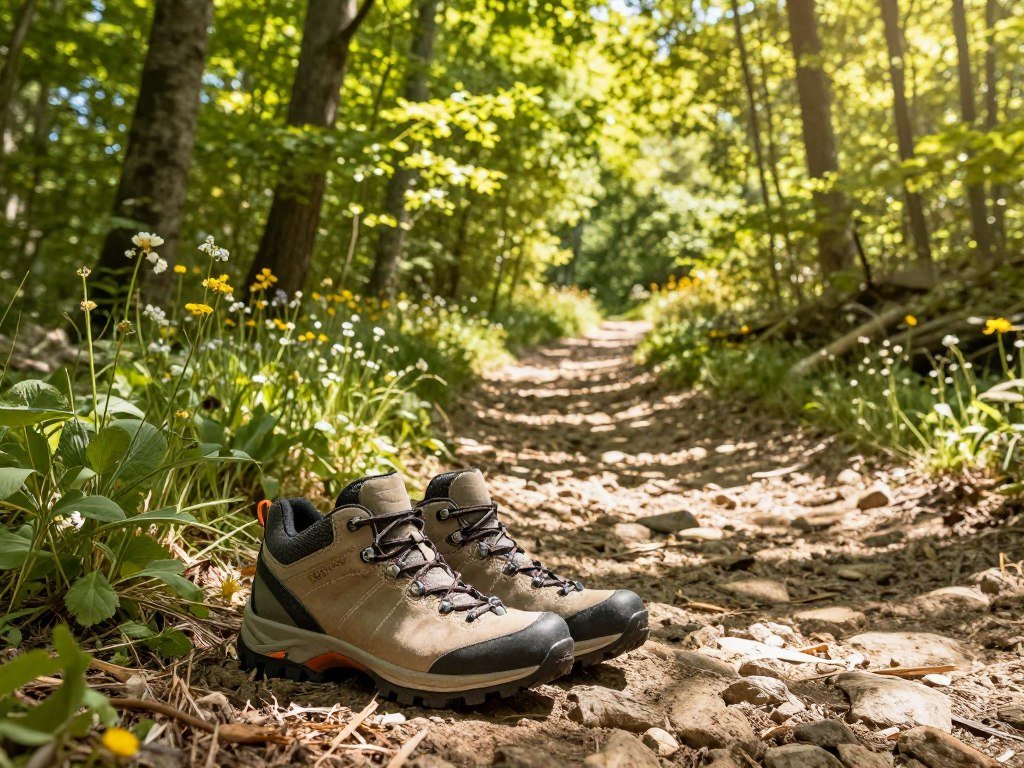
| Model | Price | Distinguishing construction or fit priority |
|---|---|---|
| La Sportiva TX Hike Mid GTX | $209 | Light, nimble feel; GORE-TEX Extended Comfort |
| Columbia Newton Wander | $110 | Lower listed price; Omni-Tech membrane and Omni-Grip outsole |
| Hoka Kaha 3 GTX | $240 | Cushioned design with nubuck leather upper |
The Columbia Newton Wander weighs 1 lb 9.8 oz per women’s pair. Its Omni-Tech waterproof membrane and Omni-Grip outsole make it a lower-priced choice than the TX Hike.
The Hoka Kaha 3 GTX takes a different path, with a cushioned feel and nubuck leather upper. It costs more, so consider whether that construction matches your comfort needs.
For a familiar option with a long track record, the Merrell Moab 3 has remained a popular choice. No single model can be called the best hiking boot for every hiker across all time; feet and routes differ.
Reviews and price help narrow the choices, but neither predicts how a boot will fit your foot. Check the fit on a downhill slope before deciding that a comfortable first step means the boot is right for a full day.
How Do Men’s and Women’s Picks Compare?
The best hiking boots for men are the ones that hold the heel and protect the foot without adding more boot than the hike requires. Fit and intended use matter more than the label on the box.
Pair weight can help you compare models, but it does not tell you how a boot will fit. A supportive design may be worth its added weight on rough trails, while an easier day hike may not need as much structure.
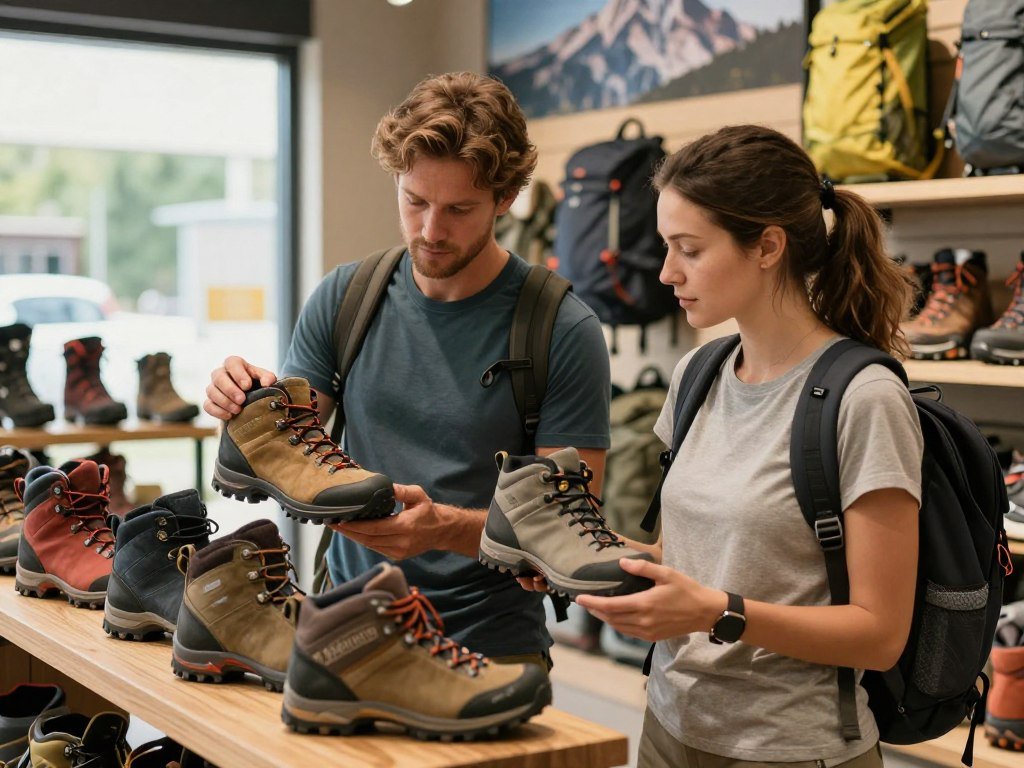
Men’s models and pair weights
The La Sportiva Ultra Raptor 3 Mid GTX weighs 1 lb 14.2 oz per men’s pair. The Scarpa Rush TRK GTX weighs 2 lb 7.0 oz per men’s pair.
That difference may matter if you walk many miles or prefer a lighter step. The heavier Rush TRK GTX may appeal if its structure and protection better match rough terrain.
For the best hiking boots for men, weigh fit, load, and terrain together. A model with a men’s label is not automatically the best match for every man’s foot.
Women’s models and pair weights
The Ultra Raptor 3 Mid GTX weighs 1 lb 9.0 oz per women’s pair. The Rush TRK GTX weighs 2 lb 1.0 oz per women’s pair.
Women’s models can differ in shape and size range, but the label alone cannot tell you how a boot will feel. Try the exact model and size you plan to wear, since fit varies across brands.
The best hiking boots for women should meet the same practical needs: secure fit, suitable support, and a build that matches the route. A lighter pair may feel easier to lift, but a heavier boot can still be a better match for your hike.
Compare fit in the exact model you plan to buy, since the same brand can feel different across its range.
Which Boots Handle Technical Terrain?
On talus and boulder fields, reliable grip and a secure foot hold matter more than maximum softness. Stable footing helps you move with care when the trail breaks into uneven rock.
Choose a construction that holds your foot in place without making each step feel clumsy. A more agile boot can suit quick movement, while added structure may help when the route demands a firmer feel.
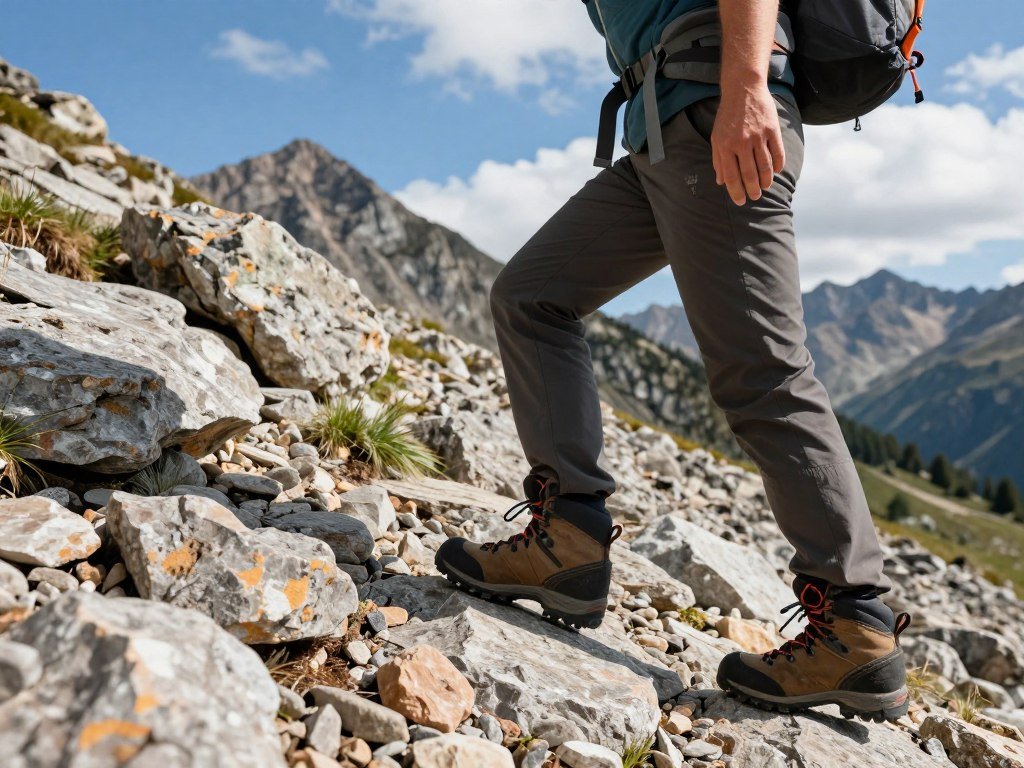
Grip and protection on rock
The La Sportiva TX Hike Mid Leather GTX is a leather option for rough ground. It costs $219, weighs 1 lb 12.6 oz, and pairs a nubuck upper with a GORE-TEX membrane.
During a five-day traverse in Washington’s Glacier Peak Wilderness, the TX Hike Mid Leather GTX handled talus, boulder-hopping, and snow. That mix of conditions makes it a useful choice to consider for routes that change underfoot.
Before choosing a boot for technical hiking, think through the ground you expect to cross:
- Loose rock and scree that shift under each step.
- Steep descents where your foot may slide forward.
- Mixed rock-and-mud trails with changing grip needs.
Lightweight options for technical hiking
The Scarpa Rush 2 Pro Mid GTX is Switchback Travel’s 2026 pick for lightweight women’s hiking boots for technical hiking. Its lighter, more agile design may suit hikers who want to move quickly over uneven ground.
A burlier boot can provide more ankle hold for hikers who prefer extra structure. A lighter option may feel more nimble, but it should still keep your foot secure on off-camber steps.
Test how the boot holds you when the route tilts sideways, not just on flat ground. If the boot feels unstable when you edge across a slope, choose a more supportive construction rather than trying to solve the problem with speed.
Which Boots Support Backpacking Loads?
A heavier pack and rough ground make underfoot protection and a secure chassis more valuable than the lightest possible pair. Support under load can help on long days, especially when the trail is rocky or uneven.
A structured chassis, protective upper, and supportive midsole can feel steadier under a pack. That extra build may be overkill for easy day hikes, and ankle coverage does not guarantee protection from injury.
The Salomon Quest 5 GTX costs $240 and weighs 2 lb 10.0 oz per men’s pair. It combines a GORE-TEX membrane, nubuck leather and ripstop upper, and EnergyCell EVA midsole.
In 2026 testing, the Quest 5 GTX kept testers’ feet dry during repeated submersion. It also provided traction on dry gravel, dirt, and mud, giving backpackers a mix of water protection and trail grip.
The women’s Salomon Quest Echo GTX weighs 2 lb 4 oz. It has a leather upper, substantial midsole and outsole, and a chassis designed to support and hold the foot in place.
The Lowa Renegade EVO GTX Mid costs $280. It weighs 2 lb 9.6 oz per men’s pair and 2 lb 2.2 oz per women’s pair.
Its GORE-TEX membrane and Heinen Terracare nubuck leather suit hikers looking for a supportive leather boot. The Lowa Renegade line offers a more structured option for long days with a pack.
Heavier construction is not always better. If your hikes stay short and smooth, a firm boot may feel less comfortable than a lighter design.
Choose the stiffer option only if its support addresses the load and terrain you actually expect to carry.
Lightweight Waterproof Hiking Boots for Fast Days
A lighter boot can make a long day feel less cumbersome, but the fit still needs to keep your foot secure on descents. Low weight alone does not tell you how much protection or support a boot provides.
A lightweight waterproof hiking boot can keep a mid-height collar and waterproof membrane while using a more agile construction. Check the fit and support alongside the weight, especially if you hike steep trails.
| Model | Known construction | Best-matched hiking use |
|---|---|---|
| Salomon X Ultra 5 Mid GTX | GORE-TEX; Contagrip outsole; standard and wide sizes | Steep dirt, mud, and gravel trails |
| La Sportiva Prodigio Hike LT GTX | Mesh and leather upper; GORE-TEX | Fast hikes needing waterproof coverage |
| Oboz Katabatic RT Mid GTX | GORE-TEX Invisible Fit; Vibram Megagrip | Agile hikes needing strong outsole grip |
| Mammut Ducan Mid GTX | GORE-TEX; Flextron technology; wrap-style tongue | Long, demanding days with a pack |
The Salomon X Ultra 5 GTX costs $190 and weighs 1 lb 15.0 oz per men’s pair and 1 lb 11.6 oz per women’s pair. Its Matryx woven upper uses Kevlar yarns, with a GORE-TEX membrane and Contagrip outsole.
The X Ultra 5 Mid GTX suits steep trails with dirt, mud, and gravel. Standard and wide sizes provide more fit options, though each foot still needs a secure hold.
The La Sportiva Prodigio Hike LT GTX came out in 2026. It pairs mesh and leather uppers with GORE-TEX waterproofing.
The Oboz Katabatic RT Mid GTX weighs 2 lb 0.4 oz per men’s pair and 1 lb 10.6 oz per women’s pair. Its GORE-TEX Invisible Fit waterproofing and Vibram Megagrip outsole fit hikers seeking a lighter boot with grip.
The Mammut Ducan Mid GTX weighs 510 grams per boot, not per pair. Testing included a 15-mile day with 5,500 feet of vertical while carrying a 30 lb pack.
That example shows that a lighter boot can still suit a demanding day, but the right fit remains personal. Compare weights only when the size and whether the figure is per boot or per pair are clear.
Which Hiking Boots Fit Wide Feet?
A wide toe box is useful only if the heel stays planted and the boot does not slide on descents. Forefoot room should let your toes spread without turning the whole boot into a loose fit.
Look for space across the toes and a snug hold at the heel. A wide fit can reduce toe pressure, but you still need control when the trail slopes downhill.
Roomy toe boxes
The Topo Athletic Trailventure 2 has a wide toe box, eVent waterproofing, and Vibram outsoles. Its roomy shape may suit hikers who want more space across the forefoot.
A broad front does not mean the boot should feel loose through the midfoot or heel. Keep that distinction in mind if your toes feel cramped in narrower designs.
Use this checklist when trying boots for wide feet:
- Toe spread while standing.
- Heel hold while walking.
- Toe clearance downhill.
- Fit with your hiking socks.
Wide-size options
The KEEN Targhee IV Mid Waterproof costs $190 and has a nubuck leather upper with KEEN.DRY waterproofing. It weighs 2 lb 8.6 oz per men’s pair and 2 lb 2.6 oz per women’s pair.
The Oboz Katabatic LT Mid GTX offers wide sizes, GORE-TEX Invisible Fit waterproofing, and moderately aggressive traction. That combination gives wide-footed hikers another way to find room without relying only on a naturally broad shape.
The Topo Athletic Terraventure 2 WP is Switchback Travel’s 2026 women’s hiking-boot pick for wide feet. Its name offers a specific women’s option to try alongside wide-size models.
If you need more room in everyday footwear, compare the same heel and toe checks in these women’s walking shoes. Check toe clearance on a slope, because toes often meet the front of a boot during a downhill hike.
Best Hiking Boots Under $100
The Columbia Newton Ridge Plus II at $80 and Nortiv 8 Echo Mid at $60 are two options below the $100 mark. Both are budget choices with waterproof construction for hikers who want to limit their spend.
Price alone does not predict fit, grip, or durability. Check how each boot feels on the terrain you plan to hike before trusting it on a remote route.
| Model | Listed price | Distinguishing construction or sizing |
|---|---|---|
| Nortiv 8 Echo Mid | $60 | Waterproof construction; generous toe box; 2 lb. 4 oz. |
| Columbia Newton Ridge Plus II | $80 | PU-coated leather; Techlite midsole; standard and wide options |
| Timberland Mt. Maddsen 2.0 | $8.3 | Full-grain leather; waterproof build; chunky lugs |
The Columbia Newton Ridge Plus II has a PU-coated leather upper, Techlite midsole, and Omni-Grip outsole. Its 5 mm Omni-Grip lugs and standard and wide options give shoppers clear details to compare.
The Nortiv 8 Echo Mid weighs 2 lb. 4 oz. On a 10-mile hike along an unmaintained Pacific Northwest trail, it gripped damp logs and river rocks.
The Timberland Mt. Maddsen 2.0 combines a full-grain leather upper, waterproof construction, and chunky lugs. Its listed price in 2026 is $8.3.
The Columbia Newton Wander costs $110, which puts it above the $100 cutoff. It may serve as a stretch-priced comparison, but it is not one of the sub-$100 choices.
Two clearly priced options under $100 are the Nortiv 8 Echo Mid and Columbia Newton Ridge Plus II. Try an inexpensive pair on the terrain you plan to hike before relying on it for a remote trip.
Which Boots Prioritize Comfort?
A boot that feels comfortable in the store still needs to stay comfortable after hours on uneven ground. Comfort depends on the whole fit, not just a soft midsole or roomy toe area.
Pay attention to how the upper, heel, toe area, and midsole feel over time. A boot can feel cushioned yet create pressure in another spot after a few miles.
The Merrell Moab 3 is a familiar, supportive option for day hikes. The waterproof model has a Vibram outsole, weighs 2.1 pounds per pair, and had a $120 listing in 2026.
Its comfort rating was 8.5, and its wide base supported testers on technical terrain. Those details may help you decide whether its familiar shape suits your needs, but personal fit still comes first.
The HOKA Anacapa 2 Mid GTX pairs GORE-TEX waterproofing with Vibram outsoles. Its cushioned design may appeal if you want a softer feel underfoot.
A non-waterproof Breeze version is also available. That gives hikers a choice between waterproof coverage and a version without that membrane.
The Altra Lone Peak Hiker 3 is Switchback Travel’s 2026 pick for a comfortable women’s hiking boot. It offers another option for hikers who put comfort high on their list.
For long walks beyond the trail, the same questions about cushioning and stability matter in comfortable walking shoes for women. Test comfort by walking on an incline and checking for pressure at the heel, toes, and top of the foot.
Are Waterproof Boots Right for Your Climate?
A waterproof membrane is most useful when wet trails are a regular part of the hike, not simply because a boot has a high collar. Your usual weather matters more than a label alone.
Waterproof boots are often warmer, less breathable, and slower to dry than non-waterproof footwear. That trade-off can be helpful in cool rain and uncomfortable on a hot, dry trail.
Wet and cool conditions
A waterproof membrane can help keep water out when trails stay wet or you cross shallow streams. GORE-TEX and eVent are waterproof membrane technologies used in hiking boots.
Water can still enter over the collar, even when the membrane and upper block water. A deep crossing or water that runs down your leg can leave your feet wet.
For rainy hikes, weigh the same protection and breathability questions you would consider in waterproof hiking pants. The best clothing setup depends on how wet and warm your route is.
Warm or dry trails
On warm, dry trails, limited breathability can make waterproof boots feel hot. If your feet sweat, slower drying may also keep them damp longer.
Non-waterproof footwear may feel more comfortable when rain and wet ground are unlikely. It can also dry faster after water gets inside.
Use this short checklist before choosing waterproof boots:
- Expected rain on your usual routes.
- Stream crossings you may need to make.
- Typical temperature during your hikes.
- How quickly footwear needs to dry.
Match waterproofing to the conditions you expect, and account for water entering from above the boot as well as through the upper.
Which Upper Materials Hold Up on the Trail?
Upper material affects how a boot protects your foot and how much care it may need over time. Leather and mesh each bring different trade-offs in protection, flexibility, and upkeep.
Resoling depends on the boot’s construction, not just its upper material. A boot built for resoling may stay useful longer, though repair options vary by design.
Nubuck leather has a brushed surface and can help shield the foot from trail scrapes. It often feels more structured than mesh, while mesh and mixed uppers can bend more easily.
Full-grain leather offers a dense outer layer. It can suit hikers who value abrasion protection, though leather needs care to stay in good shape.
Mesh uppers use a lighter, more open construction. They can feel flexible, while mixed designs combine mesh with leather or other panels in areas that need extra protection.
Material choice also affects drying and upkeep. Leather may need more care than mesh, while a mixed upper offers a balance rather than one simple result.
The La Sportiva Nucleo High II GTX has a high-cut ankle, nubuck leather upper, GORE-TEX Surround waterproofing, and Vibram Megagrip outsoles. Wide sizes are available.
The Zamberlan Tofane NW GTX RR uses 2.8 mm full-grain leather, a GORE-TEX membrane, and a Vibram NorTrack outsole. Its Norwegian welt construction allows resoling.
That construction gives the Zamberlan a clear repair option, but resoling is not possible on every boot. Check whether a boot can be resoled before buying if long-term repairability is a priority.
How Should a Hiking Boot Fit Around the Foot and Ankle?
A well-fitting boot holds the heel without squeezing the toes or creating pressure at the ankle. Secure does not mean tight; your foot should stay in place while you walk.
Check the heel, forefoot, toes, and cuff while moving, not only while standing. A boot that feels fine in one position may rub or pinch when your ankle bends.
Walk uphill and notice whether your heel lifts with each step. Some movement can feel distracting, while a firm hold helps keep your foot from shifting.
On a downhill slope, check whether your toes touch the front. Your toes need room to move without pressing against the boot as your foot slides forward.
Stand with your weight on both feet and notice pressure across the forefoot. Then flex your ankles and check whether the cuff digs in or rubs.
The Salomon Elixir Activ weighs 14 oz per boot and had a $127 listing in 2026. It has a Contagrip outsole, a narrow fit, and a lower ankle cuff than other mid hiking boots.
That model is a reminder that a mid-height boot can fit narrowly or have a lower cuff. Try boots with your hiking socks, and check both feet because they may feel different.
Choosing hiking socks that fit securely can help limit slipping and friction; see these hiking sock fit tips when matching socks to your boots. Walk downhill in the boots before making a final fit decision.
How Are Waterproof Hiking Boots Tested?
A waterproof label alone does not tell you how a boot performs after repeated wet use. Several checks reveal more than one splash or short walk.
Leakage and exterior wet-out are separate observations. A boot may keep water from reaching the foot while its outer materials become wet.
Testing can also track drying time and breathability. These checks show how the boot feels after water reaches its outside or moisture builds inside.
Traction, support, and comfort matter on actual ground, not just on a product label. Durability checks can reveal how well the materials hold up with use.
Treeline’s 2026 waterproof-boot testing covered nearly 20 pairs. It assessed leakage, exterior wet-out, drying time, breathability, traction, support, comfort, and durability.
You can make a practical field check during your own hikes:
- Check fit with the hiking socks you plan to use.
- Walk on a slope and notice whether your foot shifts.
- Test traction on safe, wet ground.
- Inspect for dampness after a crossing.
- Note pressure points after the outing.
Use care on slick surfaces, and avoid risky crossings just to test a boot. A simple walk on safe wet ground can still show whether the outsole feels steady.
Compare performance across fit, traction, drying, and comfort rather than judging a boot by one water test.
When Should You Choose a Hiking Shoe or Trail Runner Instead?
A boot is not automatically the best tool for every hike, especially on easy trails where you value low weight and flexibility. Lower-cut footwear can suit you when the route and pack do not call for as much structure.
Choose the lightest footwear that still gives your route enough protection and support. Your pace, terrain, and comfort needs should guide the choice.
Use these three options to decide what to try:
- Choose a boot for added coverage and structure.
- Consider a hiking shoe for established trails and less ankle coverage.
- Consider a trail runner for light, fast outings when its protection and support suit the route.
A boot can still feel agile. The Altra Lone Peak Hiker 3 combines a boot-height design with a zero-drop platform, offering a different feel from a traditional supportive boot.
The Scarpa Rush 2 Pro Mid GTX has trail-runner-like agility with boot protection. That description does not mean it performs the same way as the Altra design.
For a day hike on a smooth, familiar route, a lower-cut shoe may feel easier to move in. Rough terrain or a heavier pack can make added structure more useful.
Trail runners can also work for backpacking when their protection and support match the route and pack load. Choose the lightest footwear that still provides the protection and support your route requires.
How Can You Break In a New Pair?
A new pair should earn longer outings gradually, even if it feels comfortable on the first walk. Start with short walks, then add time and harder terrain only while the boots remain comfortable.
Do not take a new pair straight onto a demanding trip. Check for rubbing, hot spots, and pressure after each outing, and stop if pain persists.
Begin close to home, where you can cut a walk short if needed. Wear the socks you plan to use on the trail.
If the first walks feel good, increase the time and choose more varied ground. A longer outing should follow a comfortable shorter one, not replace it.
Leather may feel firm at first, but break-in time varies across boots and feet. Do not assume that one pair’s experience predicts yours.
The Zamberlan Tofane NW GTX RR had about 10 days of reported break-in. That timeline applies to that boot’s reported experience, not every leather hiking boot.
Stop and address persistent rubbing or pain before increasing distance.
Small pressure points can become painful after many miles. Adjust the fit or seek help with the cause instead of pushing through discomfort.
A gradual start gives you time to learn how the boot moves on your foot. Stop and address persistent rubbing or pain before increasing distance.
Conclusion
The right choice is the pair that fits your foot and the hike you actually plan to take. Match boot structure to terrain and pack load, rather than choosing the heaviest or most feature-rich option.
A model’s reputation cannot tell you whether its heel, forefoot, and ankle fit your foot. Your best next step is to try your leading option with hiking socks and walk on an incline.
Try your shortlist on a slope in the socks you hike in, then choose the pair that stays secure without pressure.
FAQ
How much room should I leave in the toe box?
Are waterproof hiking boots too hot for summer?
Can water get into a waterproof boot?
How long does it take to break in hiking boots?
Are leather hiking boots more durable than mesh boots?
Can I wear trail runners for backpacking?