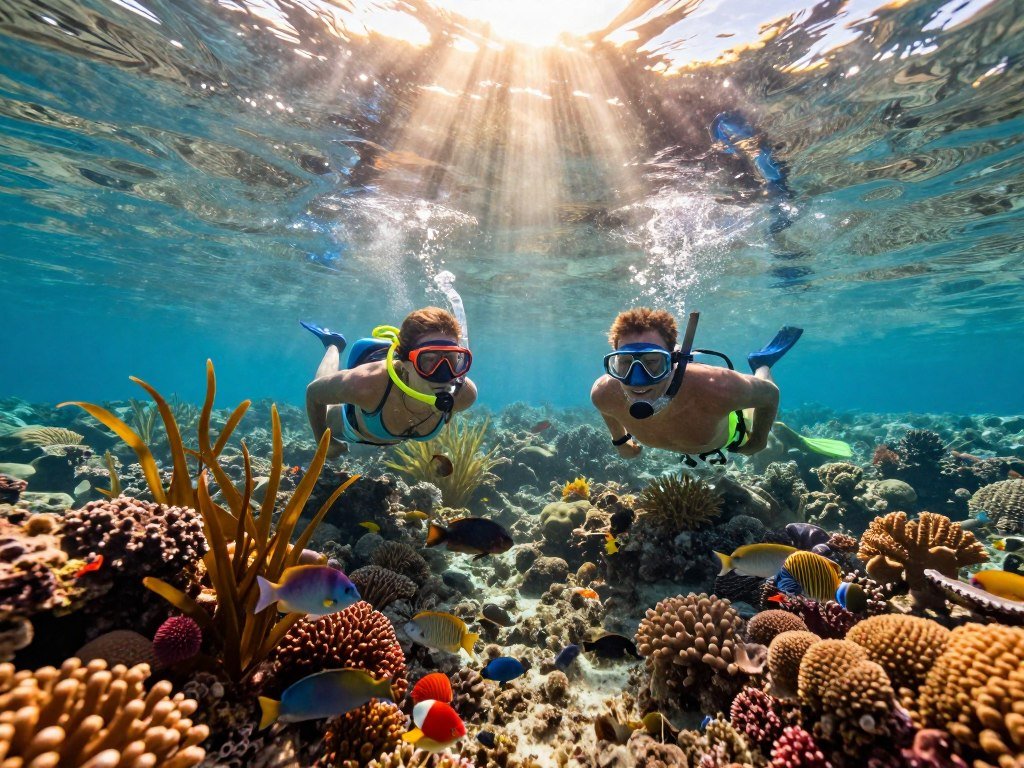
Hawaii offers very different snorkeling days, from sheltered shore entries to boat trips out to offshore reefs. The best places to snorkel in Hawaii depend on your comfort with rocky entries, your access needs, and the ocean conditions that day. You can build an island adventure around an easy beach visit or plan a guided trip farther offshore. This guide helps you match ten snorkeling spots across Oʻahu, Maui, and the Big Island to the kind of day you want. You will find options for a Honolulu stay, a Maui beach break, and a Big Island outing. Each choice brings its own mix of shore access, boat time, and marine life. Conditions can shift, so a familiar beach may feel different from one day to the next. Pick an island and a style of access first, then match the specific beach or bay to the day’s ocean conditions.
Key Takeaways
- Maui offers a strong mix of sheltered bays and boat outings.
- Oʻahu works well when you are staying near Honolulu.
- The Big Island pairs volcanic entries with a protected bay.
- Some spots call for a boat, while others start at the beach.
- Choose your entry based on your comfort and swimming ability.
- Check local ocean conditions before you set out.
Best Places to Snorkel in Hawaii: Which Island Fits Your Trip?
For an all-around mix of sheltered bays and a boat outing, Maui is a strong fit; Oʻahu is convenient for a Honolulu stay, while the Big Island appeals to visitors who want volcanic shore entries. The best snorkeling island depends on where you plan to stay and how you want to reach the water. Conditions can change between islands and from one day to the next.
Choose by access first: Maui offers beach days and an offshore trip, Oʻahu has easy reach from Honolulu, and the Big Island brings volcanic shore entries and a protected bay.
Choose the island that fits your access and experience preferences, then check local conditions before deciding where to enter.
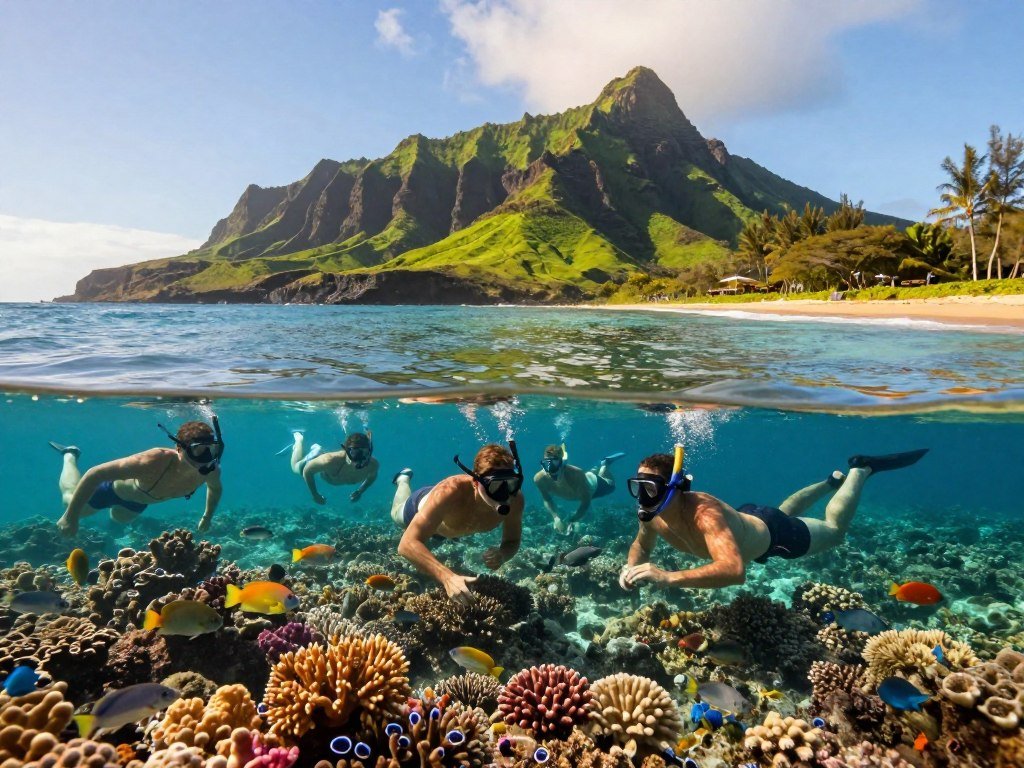
Oʻahu for Honolulu access and variety
Oʻahu fits visitors who want snorkeling Hawaii without leaving a Honolulu-based trip behind. Hanauma Bay offers a managed shore visit, while Turtle Canyon gives you an offshore boat option from Waikiki. North Shore spots add variety, though their seasons and entries differ from south-shore beaches.
For best places to snorkel in Hawaii on Oʻahu, start with the distance you want to travel and the type of entry you prefer. A shore outing keeps you on land, while a boat adds a set departure and return time. This island also suits short stays because several choices connect with a Honolulu base.
Maui for sheltered bays and a boat excursion
Maui is a strong choice for best snorkeling across more than one style of outing. You can spend a day at a sheltered bay, then book a boat excursion to Molokini Crater. That mix works well if you want beach access without giving up a chance to visit an offshore reef.
Compare the islands by the kind of days they support, not by a single ranking. For further trip ideas, you can explore island destinations and their activities or browse beaches for another trip.
The Big Island for volcanic entries and a marine reserve
The Big Island suits visitors interested in volcanic shore entries and a protected bay. You can choose a lava-rock entry at Hōnaunau Bay, also called Two Step, or arrange access to Kealakekua Bay’s well-known reef area. The options bring different effort levels, from a shore entry to a longer approach.
Each island has snorkeling spots with a different pace and feel. Your comfort with rocky access, boat schedules, and travel time can help narrow the choices before you book. Choose the island that fits your access and experience preferences, then check local conditions before deciding where to enter.
Hanauma Bay: What to Know Before You Reserve
Hanauma Bay is a reservation-managed Oʻahu preserve, so check your eligibility and booking window before setting out. This snorkeling spot is a marine life conservation district, a protected marine area with rules intended to conserve marine life and habitat. In 2026, entry runs Wednesday through Sunday from 6:45 a.m. to 1:30 p.m. Visitors must leave by 4 p.m., and staff clear the beach at 3:30 p.m.
Reservation timing and daily entry
Hanauma Bay is closed on December 25 and January 1. Admission-only reservations open two days before a visit, while transportation reservations can be made up to a month ahead. About 25% of daily access is held for walk-in or drive-in visitors.
Nonresident reservations are recommended, and children 12 and younger are also advised to reserve. Every visitor must watch the theater’s educational video on each visit. Hanauma Bay became Hawaiʻi’s first Marine Life Conservation District in 1967. For broader conservation context, read this guide to snorkeling destinations and reef care.
Admission and parking costs
In 2026, non-Hawaiʻi residents age 13 and older pay $25, plus an online service fee. Children 12 and younger enter free. Hawaiʻi residents with valid photo ID and active U.S. military members and their families with military ID also enter free.
| Visitor type | 2026 admission | 2026 parking |
|---|---|---|
| Non-Hawaiʻi resident age 13 and older | $25 plus online service fee | $3 |
| Hawaiʻi resident with valid photo ID | Free | $1 |
| Active U.S. military visitor with ID | Free | $3 |
Parking costs $1 for Hawaiʻi residents and $3 for nonresidents and active U.S. military visitors. Residential vehicle parking is refunded if the vehicle exits within 15 minutes. Online reservation payments carry a 2.35% service fee.
- Check which admission group applies to each visitor.
- Book admission two days ahead, or transportation up to a month ahead.
- Include the 2.35% online service fee in your payment plan.
- Watch the required theater video during every visit.
A morning visit is often the best choice for fish viewing and a calmer start. Aim for a morning visit, when south-shore water is typically calmest, especially in summer.
Turtle Canyon: Is a Waikiki Boat Tour Worth It?
Turtle Canyon is worth considering if you want a guided boat trip from Waikiki rather than a shore entry. This offshore snorkeling spot is easiest to reach by boat, and turtle sightings are not guaranteed. Tours commonly take about 1.5 to 2.5 hours from start to finish.
In June 2026, typical tours cost $79-$99 per person, with about $90 as a useful budget. Basic tours often cost $79-$85. Smaller groups, extra comfort, or more onboard support can raise the price to $100-$125 or more.
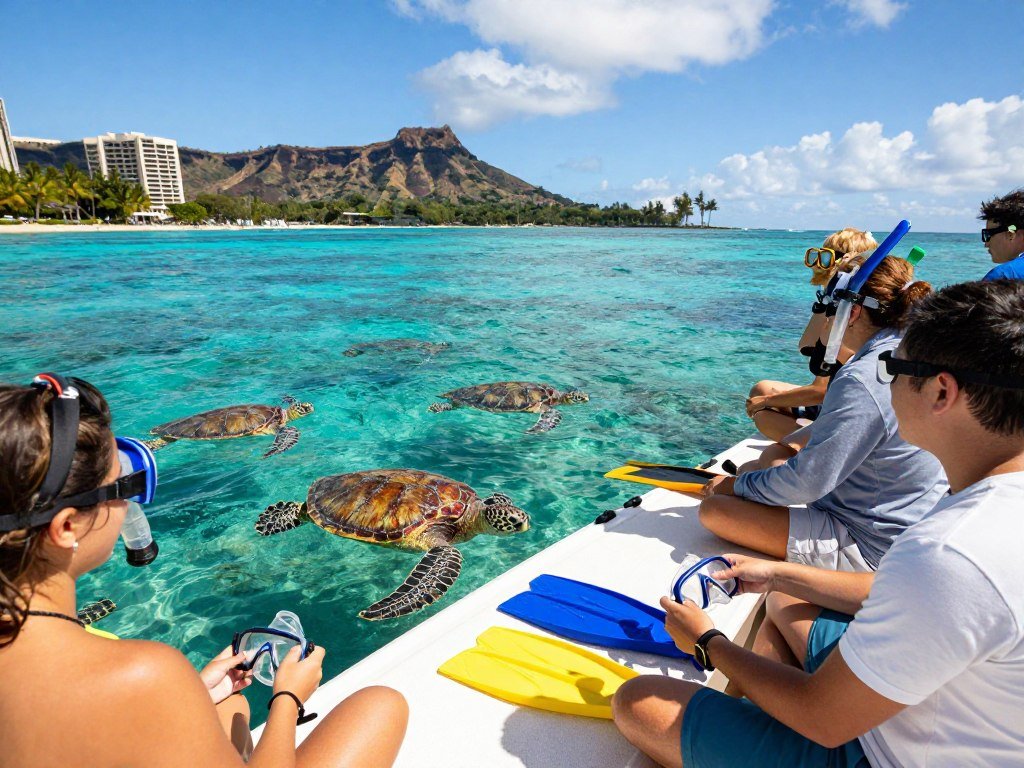
A typical fare includes the boat ride, mask, snorkel, fins, and a crew briefing. Flotation aids, photos, parking, snacks, and wetsuit or rash-guard rentals may cost extra. If you want a guided outing with the gear ready, that package can make the cost worthwhile.
- Typical inclusions: boat ride, mask, snorkel, fins, and crew briefing.
- Possible add-ons: flotation aids, photos, parking, snacks, and suit rentals.
- Trip duration: about 1.5 to 2.5 hours total.
- Rescheduling: allow room in your plans if ocean conditions change.
The boat ride gives you access to an offshore reef that is not a walk-in beach stop. It also means your plans depend on the tour schedule and conditions. Operators suggest booking early in your trip, so a canceled tour can move to another day.
Book early in your trip so changing ocean conditions leave room to reschedule.
Shark’s Cove: When Is the North Shore Safe for Snorkeling?
Shark’s Cove is a summer snorkeling choice, not a winter one, because North Shore surf can make the entry unsafe. Winter snorkeling there is not recommended. In summer, use the cove only when conditions are calm enough for your skill and comfort.
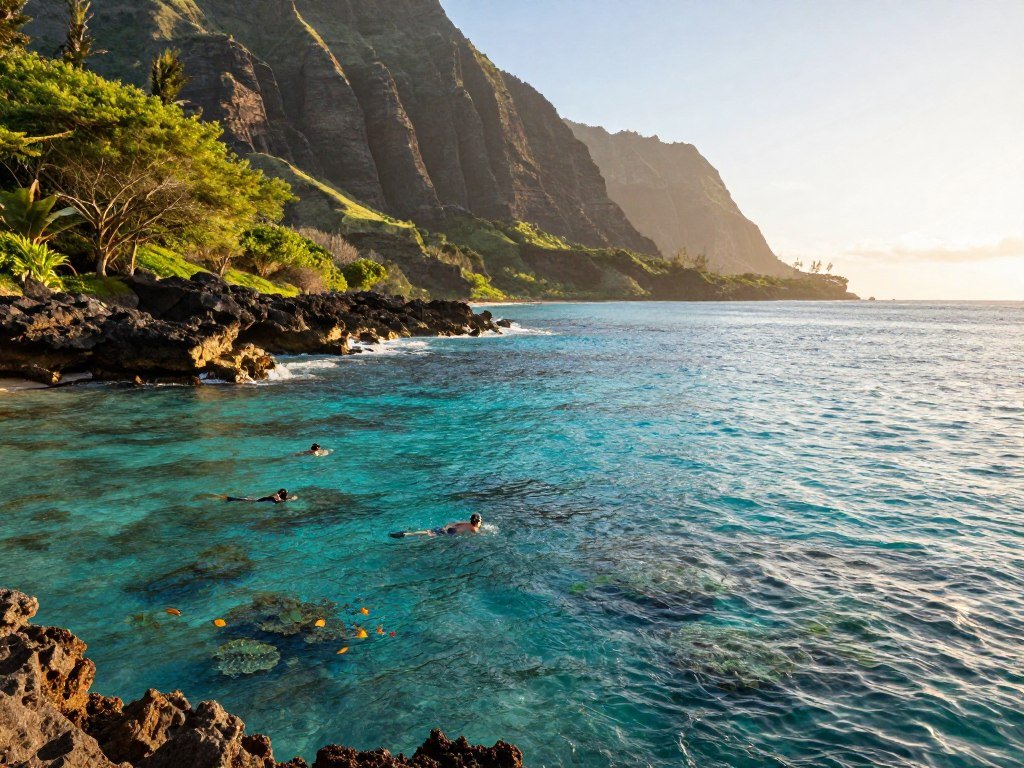
The North Shore entry is rocky, so water shoes can help if you are not wearing fins. The pools can look sheltered, but that view does not prove the open water is safe. A calm-looking pocket may sit beside rougher water outside it.
Kuilima Cove offers a nearby alternative with a sandy entry. It is generally best in summer, though calm days may make it suitable year-round. That makes Kuilima a more approachable choice when you want easier access without the rocky shoreline.
- Season: choose Shark’s Cove in summer, not winter.
- Surf: go only when conditions are calm.
- Footwear: wear water shoes if you enter without fins.
Keep your decision focused on the water, not the shape of the pools or the beach. North Shore snorkeling spots can change with the surf, and the rocky entry adds another reason to be cautious. If winter surf is running, skip Shark’s Cove rather than testing the water.
Electric Beach: Who Should Snorkel at Kahe Point?
Electric Beach, also called Kahe Point, is a better fit for experienced snorkelers who can assess changing conditions. Warm-water outflows offshore attract fish and other marine life, making the spot appealing to confident swimmers. Currents can be present, so the outflows do not make the water safe.
Conditions can shift, and current strength matters more than the promise of seeing marine life. This is not an easy snorkeling spot for someone still learning to use a mask and fins. Choose a different beach if you cannot judge the water with confidence.
Morning is preferred because winds are often lighter then. Have your gear ready before you approach the water, and make your choice based on what you see that day. A good plan gives you a clear reason to leave if the conditions feel wrong.
- Check current conditions before you travel to Kahe Point.
- Have your mask, snorkel, and fins ready before entering.
- Choose the calmer morning period when possible.
The warm outflows may draw marine life, but they do not cancel the risk from currents. Your experience level and the day’s conditions should decide whether this outing makes sense. Choose another beach if you are new to snorkeling or currents are present.
Molokini Crater: What Makes This Maui Boat Trip Different?
Molokini Crater is the Maui pick for visitors who want a boat-only snorkeling outing. You cannot reach the crater from shore. Treat it as a scheduled sea trip, not a beach stop you can add after a drive.
The crater offers a distinct reef setting and a chance to see fish away from the beach. A boat tour is the only way to reach it, so the departure time and return plan shape your day. If you want a quick shore entry, another Maui bay will fit better.
Morning conditions are typically calmest for snorkeling. The tour operator’s assessment and instructions shape how the outing unfolds, including where guests enter and how long they stay in the water. Follow the crew’s directions rather than treating a calm morning as a guarantee.
This boat trip can suit visitors who enjoy a planned group outing and time on the water. It is not a substitute for a Maui beach with direct shore access. Confirm the departure and return details with the tour operator before building the rest of your day around the trip.
Kapalua Bay: A Sandy-Entry Maui Option
Kapalua Bay is a practical Maui choice if you want a sandy entry instead of a boat-only outing. The sheltered bay makes a less technical beach day, with sand underfoot at the water’s edge. Summer is typically the calmest period, though mild days can work in other seasons.
A sandy entry may feel easier than a rocky shoreline, especially when you are carrying fins and a mask. The bay also gives you direct access from the beach, so you can keep your plans flexible. Fish and reef areas can make the outing feel rewarding without a boat schedule.
Do not assume that a bay stays calm all day or in every season. Wind and changing ocean conditions can affect the water even when the beach looks sheltered. Check the actual surface and entry before you decide whether to swim.
Kapalua Bay works best when its conditions suit your comfort and ability. A calm summer day may feel simple, while a rougher day can change the plan. Go only when the day’s conditions are mild enough for your comfort and ability.
Honolua Bay: When to Snorkel This Rocky Maui Reserve
Honolua Bay is best approached as a calm-summer outing because its water entry is rocky. Confident snorkelers can consider it when summer conditions are calm, but a protected setting does not guarantee safe water. Winter snorkeling is discouraged from shore.
The rocky entry calls for steady footing and comfort before you reach the reef. Honolua Bay is a marine reserve with coral growth and marine life, yet visibility and surf can vary. The setting deserves care, not assumptions about how easy the water will be.
Winter visits are a narrow exception: go by boat only with an expert crew. Winter surf can make shore access unsafe, even when the bay seems calm from land. The crew can judge the conditions and guide the outing.
Rules in the Honolua-Mokulēʻia Marine Life Conservation District protect coral and other natural features. Taking or harming marine life, or removing coral, sand, and geological features, is prohibited. Read the state’s Honolua reserve rules before visiting. Leave winter snorkeling here to an expert boat crew rather than entering from shore.
Maluaka Beach: Where to Snorkel for a Shore-Based Maui Day
Maluaka Beach combines a broad sandy entry with reef areas just offshore, making it a shore-based South Maui option. Mornings often bring lighter winds and better visibility. Maluaka Beach has no lifeguard.
The beach lets you start your snorkeling day from shore without a boat trip. Reef areas sit close to the beach, so you can explore at a pace that suits you. Morning light and lighter winds can help you see the water more clearly.
Kamaole III had lifeguard coverage scheduled daily from 8:00 a.m. to 4:45 p.m. in June 2026. Ulua-Mokapu offers sand, parking, public restrooms, and showers, but no lifeguard. These details can help you choose a beach, but they do not show that the water is safe.
The ʻĀhihi-Kīnaʻu reserve had a $10 nonresident vehicle fee as of September 4, 2026. That charge is for reserve access, not a general beach admission fee. Check the actual water before you enter, even when a beach has facilities or lifeguard coverage.
Arrive in the morning for lighter winds and better visibility, and remember that Maluaka has no lifeguard.
Big Island Snorkeling: Kealakekua Bay and Two Step
Kealakekua Bay is the Big Island choice for a boat, permitted-kayak, or strenuous-hike approach to the Captain Cook Monument snorkeling area. The best-known reef area sits in front of the monument, where the seafloor drops near shore. Two Step offers a separate shore option with a natural lava-rock entry.
Kealakekua Bay access near the Captain Cook Monument
Getting to the prime snorkeling area takes planning. You can travel by boat tour, licensed kayak, or a strenuous 3.8-mile round-trip hike. A permit is required to kayak across the bay to the snorkeling area.
| Access method | Requirement | Effort |
|---|---|---|
| Boat tour | Book a tour | Scheduled outing |
| Licensed kayak | License and permit | Paddle across the bay |
| 3.8-mile round-trip hike | Hike to the bay | Strenuous walk |
Each route brings a different kind of day, so choose the one that matches your time and stamina. A kayak trip needs the proper license and permit, while the hike demands a long walk. Learn about choosing a kayak for sheltered water if you are weighing a paddling outing.
Two Step’s lava-rock entry
Hōnaunau Bay, also called Two Step, has a natural lava-rock entry and a small parking lot. The entry can suit visitors who want shore access, but you should feel comfortable with the rock surface. Arriving before 10 a.m. is recommended because parking fills quickly.
The best place to snorkel on the Big Island depends on whether you want a guided outing or a shore entry. Pick Kealakekua Bay for the monument-area reef and its planned access routes. Choose Two Step if you prefer direct shore access and can handle a lava-rock entry. For Two Step, arrive before 10 a.m. because its small parking lot fills quickly.
When to Snorkel in Hawaii and What Conditions to Avoid
Morning is the strongest general bet for calmer water, while Oʻahu’s south-shore visibility is usually clearest in summer. June through August are generally the clearest months there, with April, May, and September also favorable. High surf, high winds, heavy shorebreak, and strong currents are poor snorkeling conditions.
Oʻahu’s south-shore visibility can be mixed or hazy in January and December, while June is often very good to best. The season is a useful guide, not a promise for every beach. Water conditions can differ across the same island.
| Condition | Why it matters | What to do |
|---|---|---|
| High surf | Waves can raise current strength | Stay out |
| High winds | Water can become rough | Wait for calmer weather |
| Heavy shorebreak | Breaking waves affect entry | Choose another day |
| Strong currents | They can pull swimmers away | Do not enter |
Hawaiʻi Ocean Safety recommends simple habits that help you manage a snorkeling day:
- Snorkel with a buddy.
- Prepare your mask, snorkel, and fins before entering.
- Conserve energy while you are in the water.
- Favor morning conditions when possible.
The state may post a water-quality advisory after a Waikiki sample records more than 130 CFU/100 mL of enterococcus. During a brown-water advisory, stay out for at least 72 hours after heavy rain stops. Check the 130 CFU/100 mL advisory threshold and follow any active notice.
Golden hour is roughly the hour after sunrise or before sunset, but late-day light is not a reason to ignore calmer morning water. Check the National Weather Service surf forecast for current island and shore conditions. Its October 26, 2026 forecast reflects temporary conditions, not a lasting schedule.
If water is rough, murky, or covered by a brown-water advisory, wait for safer conditions instead of entering.
Conclusion
The right snorkeling day starts with a spot that fits your comfort, access needs, and the conditions on hand. Decide whether a shore entry or boat outing suits your swimming ability and plans. Then let the day’s ocean conditions shape your final choice.
Your next step is simple: check the local ocean conditions before you leave for the beach or boat departure. A short check can help you change beaches or wait for another day. Check local ocean conditions before you leave for the beach or boat departure.
FAQ
What’s the best island for snorkeling in Hawaii?
Which is better for snorkeling, Turtle Canyon or Hanauma Bay?
Where is the best snorkeling from shore?
Is it worth snorkeling in Waikiki?
What is the best month for snorkeling in Hawaii?
What to avoid when snorkeling?
What is the golden hour in Hawaii?