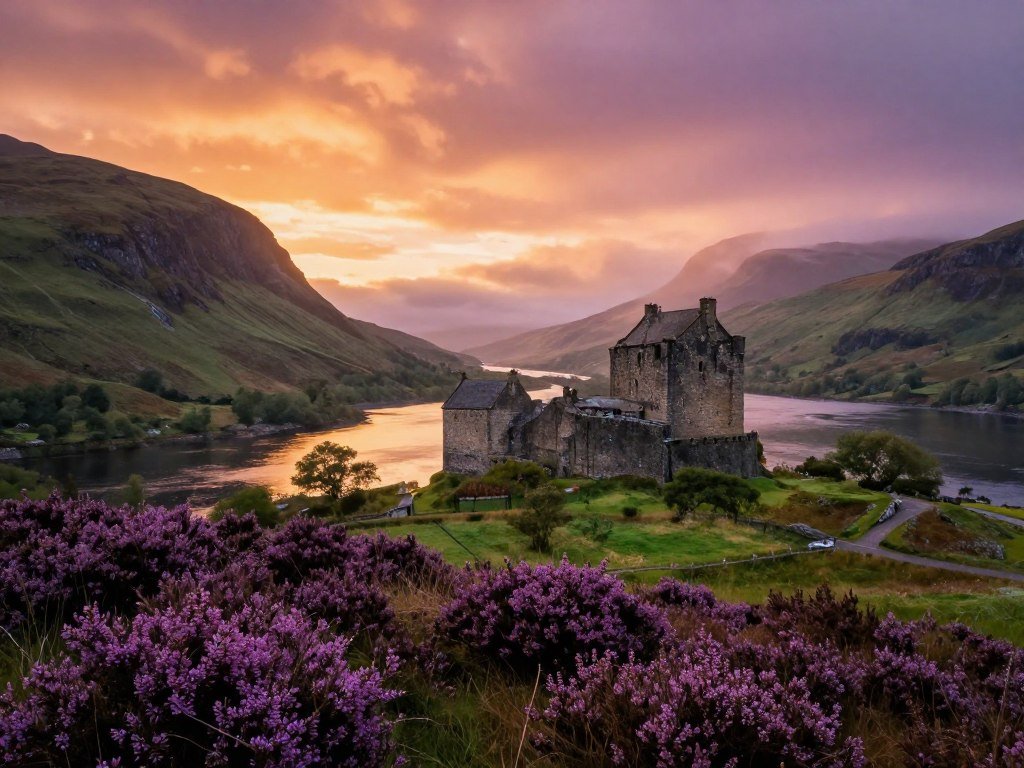
Scotland rewards travelers who pair a lively city with a stretch of coast, a castle or a Highland landscape. For US visitors, a trip can mean historic streets one day and mountain views or island roads the next. A road trip is a self-drive journey that follows a planned route and includes stops along the way.
Choosing the best places to visit in Scotland depends on how much time you have and what you most want to see. This list spans cities, castles, lochs, coastal villages, islands and remote northern scenery, with practical ideas for shaping your days. You can focus on one Scotland region or connect several if your dates allow.
Key Takeaways
- Give seven days to one broad region, or allow 10-14 days for several.
- Edinburgh pairs major history with museums, gardens and city walks.
- Glasgow is a strong pick for free museums and live music.
- Skye, Glencoe and the northern coast offer very different scenery.
- Check local weather, driving times and ferry links before booking.
A good first plan gives each region enough time to enjoy the journey between stops.
How to choose the best places to visit in Scotland for your trip
A week is enough to explore one broad region, while two weeks gives you time to combine several of Scotland’s headline stops. One region is often the easier choice if you want slower days, fewer long drives and time for unplanned stops.
Allow seven days for one broad region and 14 days for a multi-region highlights trip. A route should match your interests, not just a list of places you hope to see.
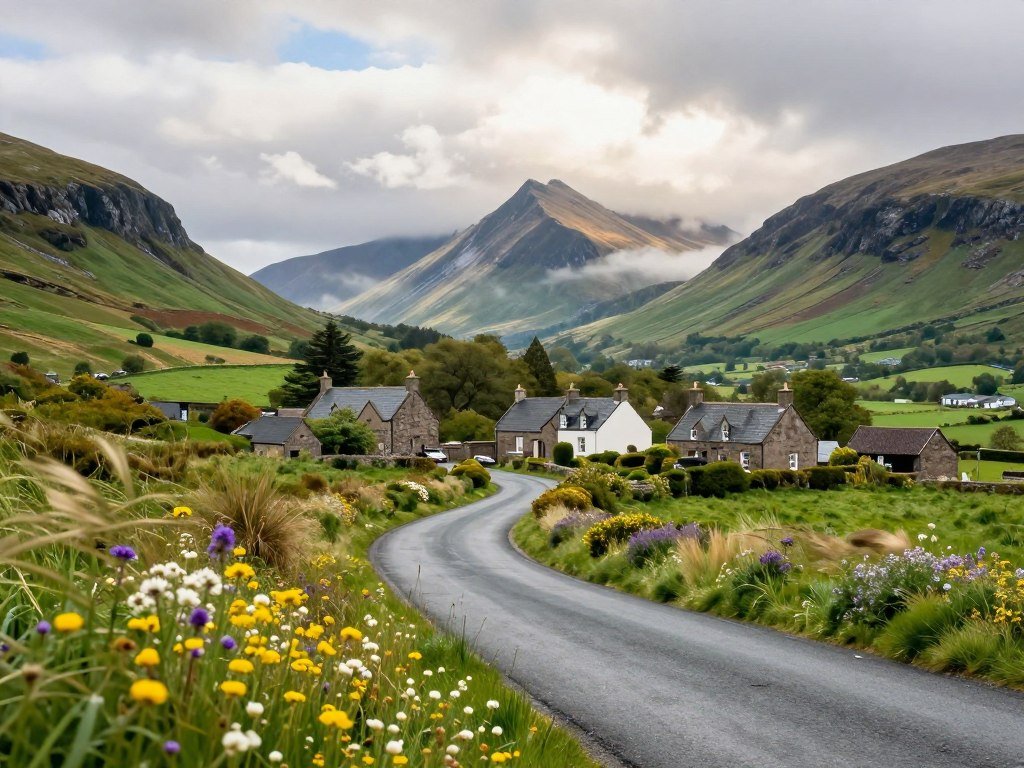
| Itinerary | Duration | Named stops | Geographic focus |
|---|---|---|---|
| East coast | 7 days | East Neuk of Fife, Aberdeen, Cairngorms, Braemar, Pitlochry | East |
| West of Scotland | 7 days | Glasgow, Loch Lomond, Oban, Isle of Mull | West |
| Scotland highlights | 14 days | Edinburgh’s Old Town, Caerlaverock Castle, Stirling Castle, Glenfinnan, Loch Ness | Multi-region |
A seven-day east-coast route
The east route can link the East Neuk of Fife with Aberdeen, the Cairngorms, Braemar and Pitlochry. It suits travelers who want small coastal towns, mountain scenery and inland stops without crossing the country.
VisitScotland’s 14-day highlights plan includes Edinburgh’s Old Town, Caerlaverock Castle, Stirling Castle, Glenfinnan and Loch Ness. January and February are often lower-cost months for flights and lodging than peak summer, though fares and availability change by date and event.
A seven-day west-of-Scotland route
A west route can combine Glasgow, Loch Lomond, Oban and the Isle of Mull. It gives you a city, a national park and an island, but ferry connections affect how much time you have on Mull.
Spring can bring open attractions with fewer summer crowds. Accommodation along popular summer hiking routes can fill well in advance, so book early if your trip centers on long walks.
A 14-day highlights trip
For a broad visit, a two-week plan can join city history, castles and Highland scenery across several regions. A top-10 visit shortlist could include Edinburgh, Glasgow, Loch Lomond, Glencoe, Glenfinnan, Loch Ness, Skye, the North Coast 500, St Andrews and Orkney.
Choose one city base, one island or coast, realistic driving distances, seasonal daylight and ferry connections before adding extra stops.
The most beautiful places in Scotland to live depend on daily needs such as work, housing and services, not scenery alone. The Met Office gives location-specific climate averages for 1991-2020, rather than one Scotland-wide monthly forecast.
- Choose one city base for your first nights.
- Add one island or coastal area that fits your interests.
- Set realistic driving distances between overnight stops.
- Check seasonal daylight for your travel dates.
- Fit ferry connections into the route before booking stays.
Check local climate averages for each overnight base rather than packing for one national forecast.
What can you see in Edinburgh?
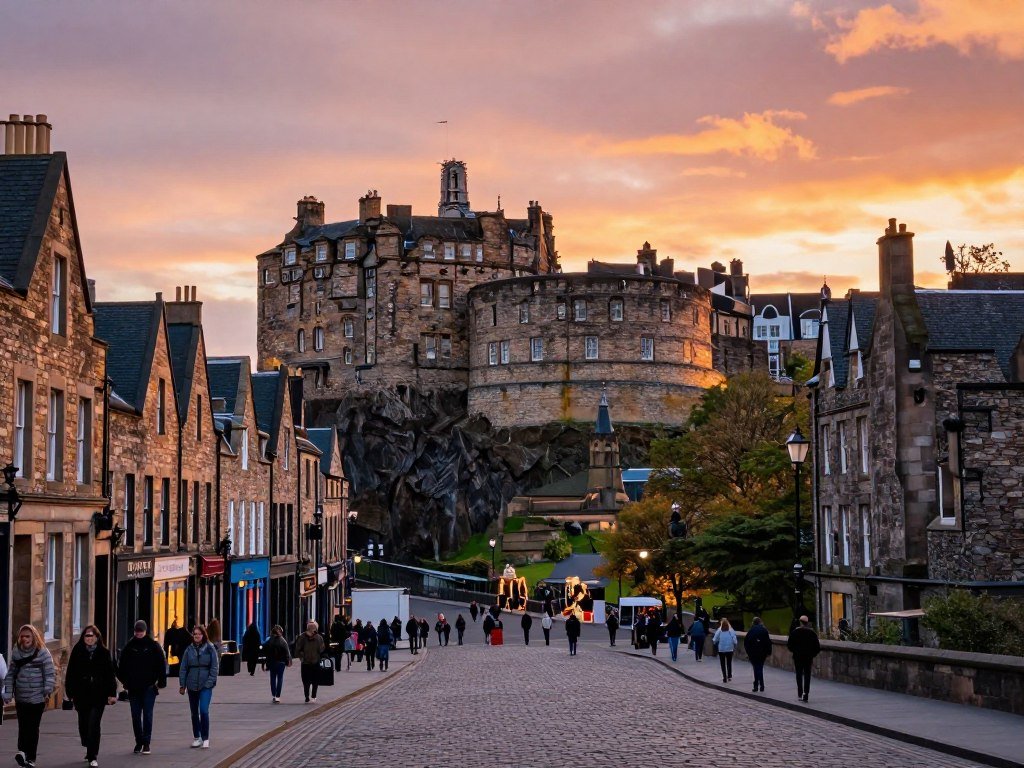
Edinburgh is the strongest all-around first stop for medieval history, major museums and an easy-to-navigate city break. Start with the Old Town, where Edinburgh Castle rises above the city from an extinct volcano.
The Royal Mile links the castle area with St Giles’ Cathedral and the heart of the Old Town. The National Museum of Scotland adds a large Grand Gallery and exhibits for varied interests.
| Attraction | 2024 visits | Admission |
|---|---|---|
| Edinburgh Castle | 1,981,152 | Paid |
| National Museum of Scotland | 2,314,974 | Free |
| National War Museum | 756,200 | Free |
The National War Museum sits inside Edinburgh Castle and is free to enter. In 2024, the castle was Scotland’s most-visited paid attraction, while the National Museum of Scotland had the most visits among listed free attractions.
St Giles’ Cathedral and the National Galleries suit visitors who enjoy architecture and art. The Royal Botanic Garden Edinburgh was founded in 1670 and covers 72 acres, offering a calmer break from busy streets.
Newhailes House and Gardens is a Palladian mansion with an Outlander filming location. Other choices include Edinburgh Bus Tours, Edinburgh Zoo, the Royal Yacht Britannia and Camera Obscura and World of Illusions.
A 72-hour visit can include the Royal Mile, the Royal Yacht Britannia, Leith and Calton Hill. Arthur’s Seat offers panoramic views for visitors ready for a steep walk.
Reserve time for a quieter garden visit if the Old Town’s busiest streets start to feel crowded.
Why spend time in Glasgow?
Glasgow is the better pick when your ideal city break pairs free museums with an energetic evening out. Live music is a big part of the city’s appeal, with venues such as Barrowland, Sub Club and Clutha Bar.
Kelvingrove Art Gallery and Museum and Riverside Museum are free to enter. They make Glasgow a strong choice for adults who want a substantial daytime visit before a night of music or pub time.

| Attraction | 2024 visits | Focus |
|---|---|---|
| Riverside Museum | 1,273,395 | Transport |
| Kelvingrove Art Gallery and Museum | 1,172,226 | Art and natural history |
| Burrell Collection | 555,888 | Art and objects |
Kelvingrove has 22 galleries, with works by Salvador Dalí and the Scottish Colourists. You can also see a suspended Spitfire and hear a daily organ recital.
The Riverside Museum focuses on transport, with displays that help explain how people traveled and worked. The Burrell Collection offers art and objects in a quieter setting within Pollok Country Park.
Glasgow Science Centre is another hands-on option, especially if you are traveling with teens. Its exhibits offer a change of pace from traditional galleries.
For fun things to do in Scotland for adults, pair a daytime museum visit with an evening that fits your mood. A pub and a live gig make an easy plan, while a club night suits travelers who want to stay out later.
Choose a gig or club by the kind of music you want to hear, since the city’s venues serve different scenes.
Which Scottish castles deserve a stop?
Stirling Castle is the best next stop for visitors who want a grand fortress with royal history and views across the Forth. Its hilltop setting places the castle on volcanic rock above the River Forth.
Stirling Castle recorded 594,938 visits in 2024. Inside, you can see its medieval banqueting hall, Unicorn Tapestries and Queen Anne Garden.
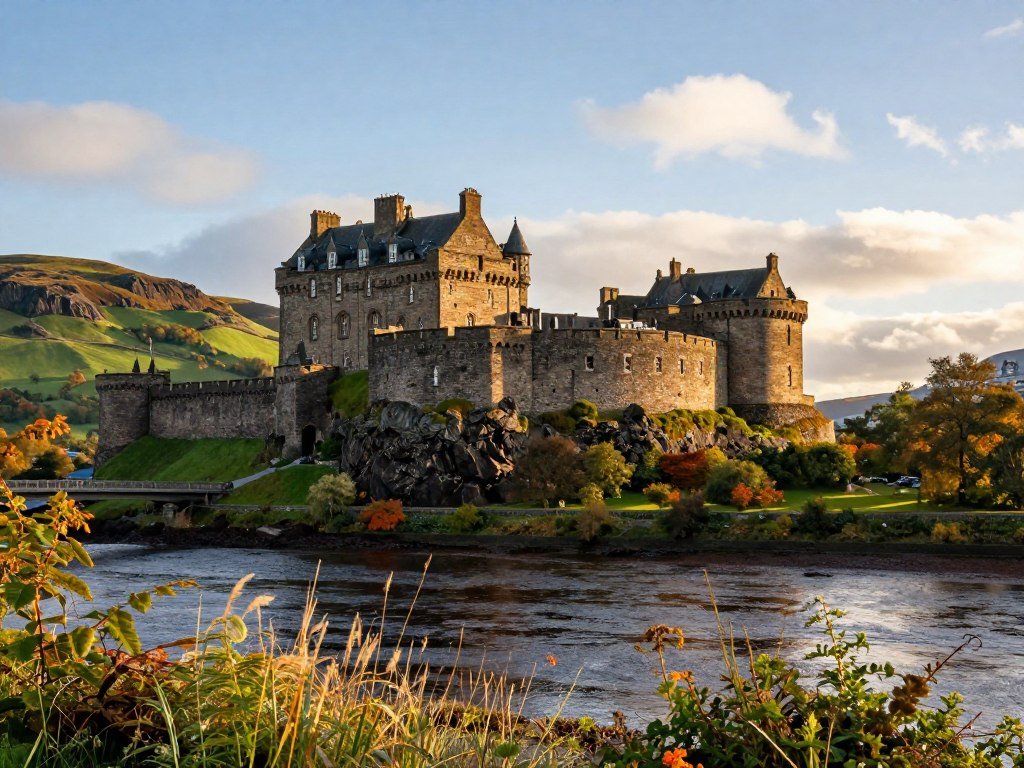
The Secret Stirling Tour gives visitors access to 10 areas that are normally closed. It adds a more unusual look at the building for travelers who have already seen its main rooms.
Edinburgh Castle is the natural choice for a first castle visit, while Urquhart Castle offers a ruined fortress beside Loch Ness. The Historic Scotland Explorer Pass details explain its coverage and booking guidance.
The Historic Scotland Explorer Pass lasts 14 consecutive days and includes Edinburgh Castle, Stirling Castle, Urquhart Castle, Skara Brae and Fort George. Pass holders cannot pre-book Stirling Castle admission during February and March 2027.
- Craigmillar Castle has ruined towers and a more open, quiet setting near Edinburgh.
- Linlithgow Palace is known as the birthplace of Mary, Queen of Scots.
- Caerlaverock Castle has a striking triangular plan and a moat.
- Fort George is a large military fortress with views over the Moray Firth.
Each stop gives you a different kind of history, from royal life to defense and ruined stonework. If you have limited time, choose the castle that best fits the rest of your route.
Check the pass’s admission arrangements for your visit dates before relying on it for a timed stop.
Where can you enjoy Loch Lomond and the Trossachs?
Loch Lomond is a convenient choice for a day outdoors from Glasgow, while its mountain trails reward a longer stay. The southern shore is an easy place to reach for a mix of water views and family activities.
Loch Lomond is Scotland’s first national park and lies less than an hour’s drive from Glasgow. Loch Lomond Shores is about 25 minutes from the city by car.
Loch Lomond Shores recorded 1,099,738 visits in 2024. Its attractions include boat tours, watersports, TreeZone’s treetop challenge, SEA LIFE and family-friendly food options.
That makes the southern shore a useful choice for a family day without a strenuous hike. You can spend time by the loch, then add a boat trip or an activity that suits your group.
For a more demanding outing, Ben Lomond reaches 974 meters. Its popular Tourist Route is a seven-mile round trip that takes about five hours.
The climb is a different kind of day from the easy shoreline stops. The mountain path needs good fitness, suitable gear and enough daylight for a safe return.
Other parts of The Trossachs offer woodland and lochside stops for travelers who want a quieter pace. A short walk can still bring wide views without committing to a full mountain climb.
Check the forecast and trail conditions before setting out on a mountain route.
Which Highlands landscapes are worth the detour?
Glencoe is the strongest choice for dramatic mountain scenery, while Glenfinnan adds railway history and the Cairngorms suit broader outdoor exploration. Choose by activity: a steep walk, a historic stop or a larger park with varied trails.
Winter snow and ice can make Highland paths impassable. Trail conditions and your own experience matter more than a route’s popularity.
Glencoe’s dramatic glen
Glencoe’s mountains rise above a narrow glen with walking routes for different skill levels. Its history includes the 17th-century massacre, which gives the area a somber story alongside its scenery.
The West Highland Way is a 96-mile walk from Milngavie to Fort William, commonly completed in about a week. The route ends near Ben Nevis, which stands 1,345 meters high.
Glenfinnan’s railway and monument
Glenfinnan sits on the Road to the Isles, with a monument and a railway viaduct framed by Highland views. The viaduct’s connection to the Harry Potter films has made it a familiar sight to many visitors.
Glenfinnan Monument recorded 546,377 visits in 2024. VisitScotland also suggests a four-day Harry Potter-themed itinerary from Edinburgh to the Highlands for fans who want to connect several filming-related stops.
Cairngorms National Park
The Cairngorms offer mountain trails, pine forests and a chance to spot wildlife such as red deer. The park suits visitors who want more than one viewpoint or a single short walk.
Four practical choices can shape your days in the region:
- Book summer accommodation early along popular walking routes.
- Check current trail conditions before setting out.
- Allow plans to change when weather shifts.
- Choose whether you want to walk or drive between views.
Treat Ben Nevis as a serious mountain outing and turn back if conditions exceed your experience.
What should you see around Loch Ness?
Urquhart Castle is the standout stop for Loch Ness views, while Culloden gives the region’s history a more solemn focus. They offer different visits: one centers on a lochside fortress, the other on a tragic battle.
Urquhart Castle’s Grant Tower overlooks Loch Ness. The ruin’s walls and historic replicas help visitors picture how the medieval fortress once looked.
The castle changed hands during centuries of conflict and was later blown up by government troops leaving during the Jacobite Risings. You can read more about its past and setting on the official Urquhart Castle visitor page.
Urquhart suits travelers who want castle ruins, views and a sense of the region’s medieval history. It recorded 473,814 visits in 2024.
Culloden Battlefield is a separate stop for understanding the Jacobite Rising’s tragic end. The battle took place on April 16, 1746, and Culloden Visitor Centre recorded 374,443 visits in 2024.
The center presents artefacts, a 360-degree battle theatre and rooftop views over the battlefield. Those exhibits help explain the events, while walking outside gives the site a more personal scale.
Do not treat the castle and battlefield as interchangeable history stops. One tells a story through stone walls and changing control; the other marks the cost of a single battle.
Leave time at Culloden to walk the battlefield as well as visit the center.
What makes the Isle of Skye special?
Skye is the most dramatic island pick for travelers who want rugged peaks, unusual rock formations and sea cliffs. Its scenery changes fast, from mountain ridges to coastal viewpoints.
The Cuillins, Old Man of Storr, Quiraing and Neist Point each offer a distinct view of the Isle of Skye. Golden eagles are among the island’s wildlife.
The Cuillins draw hikers looking for steep mountain ground, while the Old Man of Storr is known for its tall rock shapes. The Quiraing has striking ridges and slopes, and Neist Point faces open sea from the island’s western edge.
Popular areas can feel busy, especially around Portree and Trotternish. Quieter corners reward travelers willing to take time beyond the best-known stops.
Summer weather can change quickly, and midges can trouble walkers. A calm start to the day does not guarantee the same conditions by afternoon.
Follow the Scottish Outdoor Access Code when walking or camping. Avoid moving stones, since stone stacking can harm natural places and add to erosion.
Be considerate around grazing land, homes and narrow paths. Leave gates as you find them, and give wildlife room rather than approaching for a closer look.
Pack waterproof layers and insect repellent for summer walks.
Where does the North Coast 500 lead?
Choose the North Coast 500 for a weeklong loop of varied northern scenery, or give Assynt extra time if hiking and beaches matter most. The slower option leaves more room for walks and unplanned stops.
The North Coast 500 starts and ends in Inverness and takes about a week to drive. It is a road trip through remote cliffs, beaches, lochs and rural villages.
The North Coast 500 loop
The route links Inverness with sights such as Cape Wrath, Assynt and Torridon. You can follow the loop for changing coastal views and small communities along the way.
A simple five-stop outline gives the drive a clear shape:
- Start in Inverness.
- Follow the east coast.
- Head toward Cape Wrath.
- Spend time in Assynt.
- Continue through Torridon.
Assynt’s mountains and beaches
Assynt is a strong choice if striking mountains and white-sand beaches matter more than completing a full loop. Stac Pollaidh and Suilven stand out above the area’s open ground.
Ardvreck Castle adds a ruined historic stop beside the water. You can give the region extra days for walking, beach time and slow drives through its open scenery.
Making the drive responsibly
Local communities have reported pressure on resources from overtourism. Plan fuel and food stops, allow time for narrow roads and passing places, and avoid putting strain on local services.
A road trip works best when you give rural roads time and space. Do not treat the loop as a race between viewpoints or try to fit every stop into one day.
Slow down for single-track sections and leave passing places clear for oncoming traffic.
Use a lay-by or other safe place to stop for photos, rather than blocking the road. That small choice helps keep the route moving for residents and other travelers.
Slow down for single-track sections and leave passing places clear for oncoming traffic.
Which western islands suit a slower trip?
Oban and Mull are the best west-coast choice for a slower trip built around ferries, coastal towns and island scenery. Take time in each place, rather than trying to cover every island in a few days.
Oban works as a ferry-connected base for Mull, Iona and Staffa. Its harbor makes it easy to build a trip around boat travel and coastal stops.
Mull’s Tobermory offers a colorful coastal-town stop, while the island has room for beaches and quiet drives. You can keep the pace relaxed with harbor walks, an easy meal and a short beach visit.
VisitScotland’s five-day itinerary around Mull and Iona suits a focused island stay. Its seven-day west-of-Scotland route links Glasgow, Loch Lomond, Oban and the Isle of Mull.
For couples, a simple plan can feel more rewarding than a packed schedule. Leave room for a long harbor walk, an unhurried meal and time to sit by the sea.
CalMac ferries serve 21 Hebridean islands, with connections from Oban, Kennacraig, Mallaig and Argyll to the Western Isles. Ferry schedules and vehicle space need advance planning, especially for island travel.
If you enjoy comparing island holidays, this guide to beautiful beaches in Greece offers another coast-focused trip idea. The shore and travel style differ, so use it for inspiration rather than as a direct substitute.
Confirm ferry times and vehicle space before setting a fixed island schedule.
What can you explore around St Andrews and Fife?
The East Neuk is the best Fife choice for fishing villages and coastal walks, while St Andrews adds golf and medieval history. Both fit a slower east-coast stay, with different ways to spend the day.
The Fife Coastal Path stretches 117 miles. You can walk a short section between villages or plan a longer coastal outing.
The East Neuk includes Crail, Pittenweem, St Monans, Elie and Anstruther. Their small harbors make it easy to stop for a walk, while Elie adds a beach.
St Andrews is a university town known for its links golf courses. Medieval ruins, university buildings and beaches give visitors reasons to stay even if golf is not the main draw.
The town makes a useful base for travelers who want a mix of history and coast. Its streets and shoreline also offer a change of pace from long drives between larger cities.
VisitScotland’s seven-day east-coast itinerary links the East Neuk with Aberdeen, the Cairngorms, Braemar and Pitlochry. You can keep to Fife or use it as one part of a broader eastern trip.
Graduation week in June and golf events can make accommodation hard to find. If your dates overlap either, an early booking helps you keep your preferred base.
Book a St Andrews stay early if your dates overlap graduation week or a major golf event.
Which northern islands reveal Scotland’s ancient past?
Orkney is the strongest choice for prehistoric history, while Shetland is better for remote wildlife and northern-island atmosphere. Choose Orkney for ancient sites, or Shetland for seabirds and wide open sea views.
Skara Brae’s Neolithic homes are about 5,000 years old. Their stone furniture gives a vivid sense of daily life long before written records.
Orkney also has Viking and maritime history, making it a strong choice for travelers who like more than one layer of the past. Give the archaeological sites time rather than trying to rush between them.
Shetland offers a different kind of visit, with seabird colonies most prominent from late spring through summer. Orcas may be spotted from May to September, while the northern lights can appear in winter.
Ferries operate within and between Orkney and Shetland. Those island links shape how much you can see in one day, especially when a visit includes several archaeological sites.
Plan four details before booking your island stay:
- Island connections between your chosen stops.
- Overnight stays that suit the crossing times.
- Weather that may affect travel between islands.
- Time for archaeological sites, not just transport.
Build island connections into the itinerary before choosing day trips between sites.
Where do Perthshire and Speyside shine?
Highland Perthshire is the better pick for forest walks and glens, while Speyside suits visitors drawn to whisky and river landscapes. Both bring a slower mainland pace than a driving loop or city break.
Speyside has more than 50 distilleries. You can pair a tour with time beside the River Spey or a walk along the Speyside Way.
Highland Perthshire’s forests and glens
The Hermitage at Dunkeld offers woodland walks, while the Birks of Aberfeldy has paths beside a waterfall. Glen Lyon brings a quieter glen setting, with autumn color across the trees.
In summer, longer daylight gives you more time for a forest walk and a relaxed meal afterward. The area suits visitors who want a few stops in one small region rather than a packed route.
Speyside’s whisky and river routes
A distillery visit is an unusual adult outing for travelers curious about whisky making. You can also learn about salmon fishing and Spey casting, though no outing can promise a catch.
The Snow Roads Scenic Route covers 90 miles from Blairgowrie to Grantown-on-Spey via Braemar and Ballater. Its scenic viewpoints include landscape artworks that add a different stop to the drive.
| Area or route | Main draw | Activity |
|---|---|---|
| Highland Perthshire | Forests and glens | Woodland walks |
| Speyside | Whisky region with more than 50 distilleries | Distillery visits |
| Snow Roads | 90-mile scenic route | Drive via Braemar and Ballater |
Mountain passes such as Glenshee and the Lecht can be snow-covered in winter, so check road conditions before choosing a scenic pass.
Check winter road conditions before choosing a scenic pass.
Conclusion
The best Scotland trip is the one that gives your chosen region time to feel like more than a stop on a checklist. A focused plan can leave space for local food, a walk and the views between major stops.
You do not need to cover the whole country in one visit. Choosing one region and allowing time between stops often makes the days feel easier and more rewarding.
Start by choosing a city, counting your available days and checking transport or ferry connections for the region you want to visit. Pick your first base, set your available dates and check the route connections before booking the rest.
FAQ
What are the most scenic parts of Scotland?
How many days are enough for a Scotland trip?
What are the best castles to visit in Scotland?
What is the best time to visit Scotland?
Are Americans still welcome in Scotland?
What is the rainiest month in Scotland?
What is the average temperature in Scotland by month?
Is Scotland colder than Ireland?